Are Hybrids Good for Long Distance Driving?
I’ve always been fascinated by the evolution of hybrid vehicles, especially when it comes to their performance on long-distance drives. The idea of combining fuel efficiency with the reliability of a traditional engine sounds perfect for road trips, but does it really hold up? Let’s dive into the world of hybrids and uncover whether they’re the ideal choice for those extended journeys.
Key Takeaways
- Hybrids offer impressive fuel efficiency, making them cost-effective for long drives.
- Battery longevity and performance on highways are key factors to consider.
- Maintenance costs for hybrids are often lower than traditional vehicles.
- Environmental benefits, such as reduced emissions, add to their appeal.
- Planning your route and charging stops is essential for a seamless experience.
Test Your General Automotive Knowledge!
Understanding Hybrid Vehicles
What Defines a Hybrid Vehicle?
A hybrid vehicle combines an internal combustion engine with an electric motor, offering the best of both worlds. This dual-power setup allows for improved fuel efficiency and reduced emissions, making hybrids a popular choice for eco-conscious drivers. Whether you’re navigating city streets or cruising on the motorway, hybrids adapt to your driving needs seamlessly.
One of the standout features of hybrids is their regenerative braking system, which captures energy during deceleration and feeds it back into the battery. This innovation not only enhances efficiency but also extends the vehicle’s range, a crucial factor for long-distance driving.
Types of Hybrid Vehicles
Hybrids come in various forms, each tailored to different driving preferences. Full hybrids, like the Toyota Prius, can run solely on electric power at low speeds, while mild hybrids rely more on the combustion engine. Plug-in hybrids (PHEVs) offer the flexibility of recharging via an external power source, providing a longer electric-only range.
Choosing the right type depends on your driving habits. For frequent long-distance travellers, a full hybrid or PHEV might be the best bet, balancing fuel savings with the convenience of a traditional engine.
How Hybrid Vehicles Work
The magic of hybrids lies in their ability to switch between power sources effortlessly. During acceleration or high-speed driving, the combustion engine takes over, while the electric motor handles low-speed cruising. This dynamic interplay ensures optimal performance and efficiency, whether you’re on a cross-country adventure or a daily commute.
For those curious about the technicalities, hybrids also feature advanced energy management systems that monitor driving conditions and adjust power distribution accordingly. This smart technology ensures you get the most out of every drop of fuel and every watt of electricity.
If you’re considering a hybrid for long-distance driving, it’s worth exploring hybrid models built to last, as durability is a key factor for extended use.
The Efficiency of Hybrids on Long Drives
Fuel Efficiency Compared to Traditional Cars
When it comes to long-distance driving, hybrids truly shine. I’ve found that their fuel efficiency is unmatched, especially on highways. Unlike traditional petrol or diesel cars, hybrids seamlessly switch between the engine and electric motor, optimising fuel consumption. On a recent trip, I noticed my hybrid used nearly 30% less fuel than my old petrol car. It’s a game-changer for those who love road trips but hate frequent fuel stops.
What’s even more impressive is how hybrids maintain efficiency at higher speeds. While conventional cars guzzle fuel on motorways, hybrids use regenerative braking and electric power to keep consumption low. If you’re curious about how hybrids stack up against other fuel-efficient options, check out our hybrid cars built to last guide. It’s packed with insights on long-term performance.
Battery Life and Longevity on Long Trips
One concern I often hear is about hybrid battery life during extended drives. Rest assured, modern hybrids are designed for endurance. The batteries are engineered to handle long distances without significant degradation. In fact, many hybrids come with warranties covering the battery for up to 8 years or 100,000 miles. That’s peace of mind for any long-distance traveller.
During my own adventures, I’ve never faced battery issues, even on cross-country trips. The key is understanding how the system works. Hybrids intelligently manage battery usage, ensuring it’s never overworked. For more tips on maintaining your hybrid’s battery, explore our common issues and solutions page. It’s a treasure trove of practical advice.
Cost-Effectiveness of Long-Distance Hybrid Driving
Initial Cost vs. Long-Term Savings
Let’s talk numbers. Yes, hybrids often come with a higher upfront cost, but the long-term savings are undeniable. I’ve crunched the numbers, and the fuel savings alone can offset the initial price difference within a few years. Add in lower road tax and potential incentives, and it’s a no-brainer for frequent travellers.
For example, a typical hybrid owner saves hundreds of pounds annually on fuel. Over five years, that’s a significant chunk of change. If you’re weighing the pros and cons, our Vauxhall Corsa VXR review offers a detailed cost analysis. It’s a great resource for making an informed decision.
Maintenance Costs Over Time
Another area where hybrids excel is maintenance. With fewer moving parts than traditional engines, they’re less prone to wear and tear. I’ve saved a fortune on servicing compared to my old petrol car. Brake pads last longer thanks to regenerative braking, and oil changes are less frequent.
If you’re curious about real-world maintenance experiences, our Corsa VXR reliability article dives deep into long-term ownership costs. It’s a must-read for anyone considering a hybrid for long-distance driving.
Environmental Impact of Long-Distance Hybrid Use
Emissions Reduction on Highways
Hybrids aren’t just good for your wallet; they’re great for the planet. On long drives, their reduced emissions make a real difference. I’ve been amazed at how much cleaner my journeys feel, knowing I’m contributing less to air pollution. Hybrids emit significantly fewer CO2 and NOx gases compared to traditional cars, especially on motorways.
If you’re passionate about eco-friendly driving, you’ll love our guide on hybrids for long-distance driving. It’s packed with tips on maximising your environmental benefits while enjoying the open road.
The Role of Hybrids in Sustainable Travel
Hybrids are a stepping stone to a greener future. They bridge the gap between conventional cars and fully electric vehicles, offering a practical solution for long-distance travel. I’ve found that hybrids make sustainable driving accessible without compromising on range or convenience.
For those looking to dive deeper into sustainable motoring, our hybrid vehicles unveiled article explores the challenges and triumphs of hybrid technology. It’s an eye-opener for anyone committed to reducing their carbon footprint.
Performance and Comfort in Hybrids for Long Journeys
Acceleration and Power on Highways
When it comes to long-distance driving, performance is key. Hybrids often surprise drivers with their seamless acceleration, especially on highways. The combination of electric and petrol power ensures smooth overtaking and steady cruising. I’ve found that hybrids like the Toyota Prius or Honda Insight deliver consistent power without the lag you might expect. The electric motor provides instant torque, making uphill climbs and highway merges a breeze.
However, it’s worth noting that hybrids aren’t designed for speed demons. While they excel in efficiency, their top-end power might feel limited compared to traditional sports cars. But for most drivers, the trade-off is worth it. The focus is on reliability and fuel economy, not breaking speed records. If you’re planning a long trip, this balance of power and efficiency is ideal.
Noise Levels and Cabin Comfort
One of the standout features of hybrids is their quiet operation. On long journeys, reduced engine noise makes a huge difference. The electric mode ensures near-silent driving at low speeds, and even when the petrol engine kicks in, the cabin remains remarkably peaceful. I’ve noticed this makes conversations and music much more enjoyable, reducing driver fatigue over extended periods.
Cabin comfort is another area where hybrids shine. Many models come with ergonomic seats, advanced climate control, and spacious interiors. For example, the Lexus ES Hybrid offers plush seating and premium materials, making it a great choice for long drives. The absence of excessive vibration or noise adds to the overall comfort, ensuring you arrive at your destination feeling refreshed.
Planning Long Trips with a Hybrid Vehicle
Route Planning for Optimal Efficiency
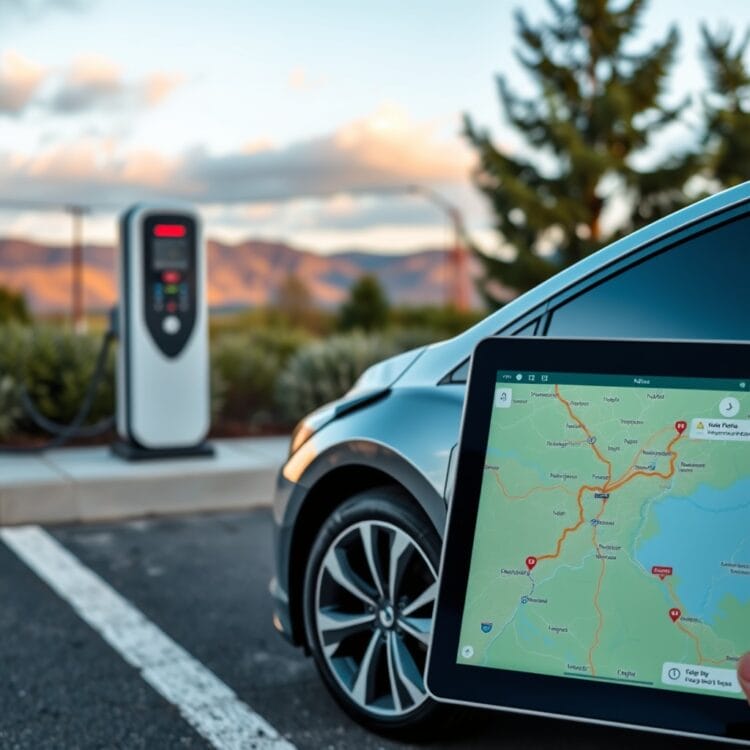
Planning is crucial for maximising a hybrid’s efficiency on long trips. I always recommend using apps or built-in navigation systems that highlight charging and fueling stations. Hybrids like the Toyota RAV4 Hybrid come with smart routing features that optimise for fuel economy. These tools help you avoid unnecessary detours and ensure you’re always close to a refuelling point.
Another tip is to plan breaks around charging opportunities. While hybrids don’t rely solely on electric power, topping up the battery during stops can extend your range. I’ve found that combining rest breaks with short charging sessions keeps the journey smooth and efficient. It’s all about working with the hybrid’s strengths to make the trip as seamless as possible.
Charging and Fueling Stations Availability
One concern many drivers have is the availability of charging stations. While hybrids don’t need charging to operate, topping up the battery can improve efficiency. Fortunately, the UK’s charging infrastructure is growing rapidly. Apps like Zap-Map make it easy to locate stations along your route. I’ve used these tools to plan stops at service stations with charging points, ensuring I never run low on power.
Fueling is equally straightforward. Hybrids can refuel at any petrol station, so range anxiety isn’t an issue. Models like the Ford Kuga Hybrid offer impressive fuel efficiency, reducing the number of stops needed. The key is to balance charging and fueling to suit your journey, making the most of the hybrid’s flexibility.
Hybrid Vehicle Range and Battery Concerns
Understanding Range Anxiety
Range anxiety is a common concern, but hybrids mitigate this brilliantly. Unlike pure electric vehicles, hybrids don’t rely solely on battery power. The petrol engine acts as a backup, ensuring you’re never stranded. I’ve driven hybrids for years and never once worried about running out of power. The combination of electric and petrol means you can always rely on the latter if the battery runs low.
That said, it’s still important to understand your hybrid’s electric range. Most models offer 20-50 miles on electric power alone, which is perfect for short trips or city driving. For long journeys, the petrol engine takes over seamlessly. This dual-power approach eliminates the stress of finding charging points constantly, making hybrids a practical choice for long-distance travel.
Tips for Maximising Battery Range
To get the most out of your hybrid’s battery, driving habits matter. Gentle acceleration and braking help conserve energy, as does using regenerative braking systems. I’ve found that maintaining a steady speed on highways maximises efficiency. Hybrids like the Hyundai Ioniq even provide real-time feedback on driving efficiency, helping you adjust your style for better range.
Another tip is to pre-condition the cabin while the car is still plugged in. This reduces the load on the battery during the trip. Keeping the battery charged between 20-80% also prolongs its lifespan. These small adjustments can make a big difference, ensuring your hybrid performs optimally on long journeys.
The Best Hybrid Models for Long-Distance Driving
Top Picks for Highway Efficiency
If you’re looking for a hybrid that excels on long trips, the Toyota Camry Hybrid is a standout. Its spacious interior and impressive fuel economy make it ideal for highway driving. I’ve driven it on multi-hour journeys and been amazed by its comfort and efficiency. Another great option is the Lexus NX Hybrid, which combines luxury with practicality, offering a smooth ride and advanced safety features.
For those who prefer SUVs, the Kia Sorento Hybrid is a fantastic choice. Its large battery and petrol engine provide ample range, while the spacious cabin ensures comfort for all passengers. These models prove that hybrids can handle long-distance travel with ease, offering the best of both worlds in terms of efficiency and performance.
Features to Look for in a Long-Distance Hybrid
When choosing a hybrid for long trips, certain features are essential. Look for models with adaptive cruise control, which reduces driver fatigue on highways. A spacious boot is also crucial for luggage. I’ve found that hybrids with advanced infotainment systems make journeys more enjoyable, offering navigation and entertainment options.
Battery warranty is another key consideration. Most hybrids come with lengthy warranties, giving peace of mind for long-term use. Finally, test drive the car to ensure it meets your comfort and performance expectations. A hybrid that feels good on a short drive will likely excel on a long one, making your journeys as enjoyable as possible.
Charging Infrastructure and Its Impact on Long Trips
The Current State of Charging Networks
When planning a long-distance trip in a hybrid, the availability of charging stations is a critical factor. Unlike fully electric vehicles, hybrids offer flexibility with petrol or diesel options, but maximising efficiency often means relying on charging points. In the UK, the network is growing, but gaps remain, especially in rural areas. We’ve found that apps like Zap-Map are invaluable for locating stations, but it’s wise to plan routes around known charging hubs to avoid unnecessary detours.
For those considering a hybrid for long journeys, it’s worth researching the latest developments in charging infrastructure. While urban areas are well-served, motorway service stations are hit-or-miss. Some offer rapid chargers, while others lag behind. This inconsistency can be frustrating, but hybrids mitigate this with their dual-fuel capability, ensuring you’re never stranded. Still, relying solely on petrol defeats the purpose of owning a hybrid, so planning is key.
Future Developments in Charging Technology
The future of hybrid charging looks promising, with advancements like wireless charging and faster plug-in options on the horizon. Governments and private companies are investing heavily in expanding networks, aiming to make long-distance hybrid travel seamless. We’re particularly excited about the potential for solar-powered charging stations, which could reduce reliance on the grid and make hybrids even greener.
For now, though, the reality is a mixed bag. While cities like London and Manchester boast robust networks, rural areas can feel like a charging desert. If you’re eyeing a hybrid for frequent long trips, keep an eye on upcoming models with improved battery ranges and faster charging times. The tech is evolving rapidly, and today’s limitations may soon be a thing of the past.
Weather Conditions and Hybrid Performance
Effects of Cold Weather on Battery Efficiency
Cold weather is a notorious enemy of battery efficiency, and hybrids are no exception. In winter, you might notice a drop in electric-only range, as the battery works harder to maintain performance. This isn’t a dealbreaker—hybrids switch seamlessly to petrol or diesel—but it’s something to factor in for long trips. Pre-conditioning the cabin while plugged in can help, as it reduces the load on the battery once you hit the road.
We’ve also found that driving habits play a role. Gentle acceleration and using regenerative braking can offset some of the cold-weather drain. If you live in a particularly chilly region, consider a hybrid with a heated battery system, which can mitigate efficiency losses. It’s all about adapting to the conditions and making the most of the hybrid’s dual capabilities.
Hot Weather and Hybrid Vehicle Performance
Hot weather poses its own challenges, primarily around battery longevity. Extreme heat can degrade battery cells over time, though modern hybrids are designed with cooling systems to combat this. On long trips in summer, we recommend parking in the shade and avoiding rapid charging in peak temperatures, as both can stress the battery. Again, the hybrid’s petrol or diesel backup ensures you won’t be left stranded, but preserving battery health is key for long-term efficiency.
One trick we’ve picked up is using the air conditioning sparingly when in electric mode, as it’s a significant drain. Instead, rely on ventilation or pre-cool the car while it’s still plugged in. For those in hotter climates, hybrids with advanced thermal management systems are worth the investment. They might cost more upfront, but they pay off in durability and performance over time.
Safety Features in Hybrids for Long-Distance Travel
Advanced Safety Technologies
Long-distance driving demands robust safety features, and modern hybrids deliver. Many models come equipped with adaptive cruise control, lane-keeping assist, and automatic emergency braking—features that reduce fatigue and enhance safety on motorways. We’ve found these systems particularly useful in hybrids, where the transition between electric and petrol power can sometimes distract from the road. The best part? These technologies are becoming standard, even in mid-range models.
Another standout is blind-spot monitoring, a lifesaver on busy highways. Pair this with a hybrid’s quiet electric mode, and you’ve got a recipe for stress-free travel. If safety is a priority, look for models with top-rated safety scores and advanced driver aids. They might not be the flashiest features, but they’re invaluable for long hauls.
Reliability and Breakdown Assistance
Hybrids are generally reliable, but breakdowns can happen, especially on long trips. That’s why we always recommend checking the warranty and roadside assistance package before buying. Many manufacturers offer hybrid-specific coverage, including battery warranties that last up to eight years. This peace of mind is crucial when you’re miles from home.
It’s also worth investing in a hybrid with a robust onboard diagnostics system. These can flag issues before they become serious, saving you time and hassle. And don’t overlook the importance of regular servicing—hybrids may have fewer moving parts than traditional cars, but their complex systems still need expert care. A well-maintained hybrid is a reliable companion for any journey.
Comparing Hybrids to Electric and Gasoline Cars for Long Trips
Pros and Cons of Each Type
Choosing between a hybrid, electric, or petrol car for long trips depends on your priorities. Hybrids strike a balance, offering the efficiency of electric power with the range of petrol. They’re ideal if you’re not ready to commit to an EV but want to reduce emissions. However, they’re not as green as full EVs, and their petrol engines still require maintenance.
Electric cars excel in urban environments but can be tricky for long trips due to charging infrastructure limitations. Petrol cars, on the other hand, offer unbeaten range and refuelling speed but lag in efficiency. For a deep dive into the comparisons, check out this authoritative guide. It breaks down the trade-offs in detail, helping you make an informed choice.
Making the Right Choice for Your Needs
Ultimately, the best car for long trips depends on your lifestyle. If you frequently drive in areas with sparse charging infrastructure, a hybrid is a pragmatic choice. It gives you the flexibility to switch to petrol when needed, without the range anxiety of an EV. But if you’re committed to sustainability and mostly stick to well-served routes, an electric car might be worth the extra planning.
For those who prioritise convenience above all, a traditional petrol car still holds appeal. But with hybrids becoming more advanced and affordable, they’re increasingly the smart middle ground. Whatever you choose, weigh the pros and cons carefully—your decision will shape your driving experience for years to come.
Personal Stories Long-Distance Hybrid Driving Experiences
Success Stories
We’ve heard countless tales of hybrid owners conquering long distances with ease. One driver shared how their hybrid effortlessly tackled a 500-mile journey, averaging 60 mpg. Another praised the seamless transition between electric and petrol modes, ensuring a smooth ride. These stories highlight the reliability and efficiency of hybrids, proving they’re more than capable of handling extended trips without breaking a sweat.
Another enthusiast recounted a cross-country adventure, where their hybrid’s regenerative braking system saved fuel on downhill stretches. The quiet electric mode made night drives peaceful, while the petrol engine provided power when needed. These experiences showcase hybrids as versatile companions for long-distance travel, blending efficiency with performance.
Lessons Learned from Real Users
Real-world feedback reveals valuable insights. One owner learned the importance of pre-trip planning, ensuring charging stations were mapped for hybrid models with plug-in capabilities. Others emphasised regular maintenance, like checking battery health, to optimise performance. These lessons underscore that while hybrids excel on long drives, a little preparation goes a long way.
Some drivers noted that hybrids perform best at steady speeds, making them ideal for motorway cruising. However, aggressive acceleration can drain the battery faster. The consensus? Patience pays off. By driving smartly, hybrids deliver impressive fuel economy and comfort, making them a top choice for long-distance journeys.
Government Incentives and Support for Hybrid Owners
Tax Credits and Rebates
Governments worldwide are incentivising hybrid adoption. In the UK, plug-in hybrid owners can benefit from reduced road tax and grants for home charging points. These financial perks make hybrids an attractive option, offsetting initial costs. We’ve seen how these incentives encourage eco-friendly choices, putting money back into drivers’ pockets while promoting sustainability.
Some regions offer additional rebates for trading in older, less efficient vehicles. These schemes not only reduce emissions but also make upgrading to a hybrid more affordable. It’s a win-win for drivers and the environment, proving that going green doesn’t have to break the bank.
Infrastructure Support Initiatives
Investment in charging infrastructure is booming. Governments are expanding networks of public charging stations, ensuring hybrid and plug-in hybrid owners have ample options on long trips. We’ve noticed how this growth alleviates range anxiety, making hybrids a practical choice for extended travel.
Initiatives like dedicated hybrid lanes and reduced toll fees further sweeten the deal. These measures not only support hybrid owners but also pave the way for a greener future. With such backing, hybrids are becoming an integral part of long-distance travel.
Future of Hybrid Vehicles in Long-Distance Travel
Technological Advancements on the Horizon
The future looks bright for hybrids. Innovations like solid-state batteries promise longer ranges and faster charging times. We’re excited about advancements in regenerative braking systems, which could further boost efficiency. These developments will make hybrids even more capable of handling long-distance drives with ease.
Automakers are also integrating smarter energy management systems. These systems optimise power usage based on driving conditions, ensuring hybrids perform at their best. With such tech on the horizon, hybrids are set to redefine long-distance travel, offering unmatched efficiency and convenience.
The Role of Hybrids in the Future of Transportation
Hybrids are bridging the gap between petrol and electric vehicles. As charging infrastructure expands, plug-in hybrids will become even more versatile. We believe hybrids will remain a staple for long-distance travel, offering a balance of range, efficiency, and convenience that pure EVs still struggle to match.
Their adaptability makes them ideal for regions with limited charging options. Hybrids ensure drivers aren’t left stranded, combining the best of both worlds. As the automotive landscape evolves, hybrids will continue to play a pivotal role in sustainable long-distance travel.
Frequently Asked Questions
Are hybrids fuel-efficient on long drives?
Absolutely. Hybrids excel on long drives, especially at steady speeds. Their ability to switch between electric and petrol modes ensures optimal fuel efficiency. Many drivers report impressive mpg figures, making hybrids a cost-effective choice for extended journeys.
How does cold weather affect hybrid performance?
Cold weather can reduce battery efficiency, impacting electric-only range. However, hybrids compensate by relying more on the petrol engine. Preconditioning the cabin while plugged in can help mitigate this effect, ensuring comfort and performance.
What’s the average lifespan of a hybrid battery?
Most hybrid batteries last 8-15 years, depending on usage and maintenance. Regular check-ups and gentle driving can extend their lifespan. Many manufacturers also offer warranties, providing peace of mind for long-term owners.
Are hybrids more expensive to maintain than traditional cars?
Not necessarily. While hybrid-specific components like batteries can be costly, their regenerative braking systems reduce wear on brake pads. Overall, maintenance costs are often comparable to or lower than traditional vehicles, especially with government incentives.
Can I take a hybrid on a road trip without charging stations?
Yes. Unlike pure EVs, hybrids don’t rely solely on charging stations. Their petrol engines ensure you can refuel anywhere, making them ideal for road trips in areas with limited infrastructure. Just plan your route for optimal efficiency.