Introduction
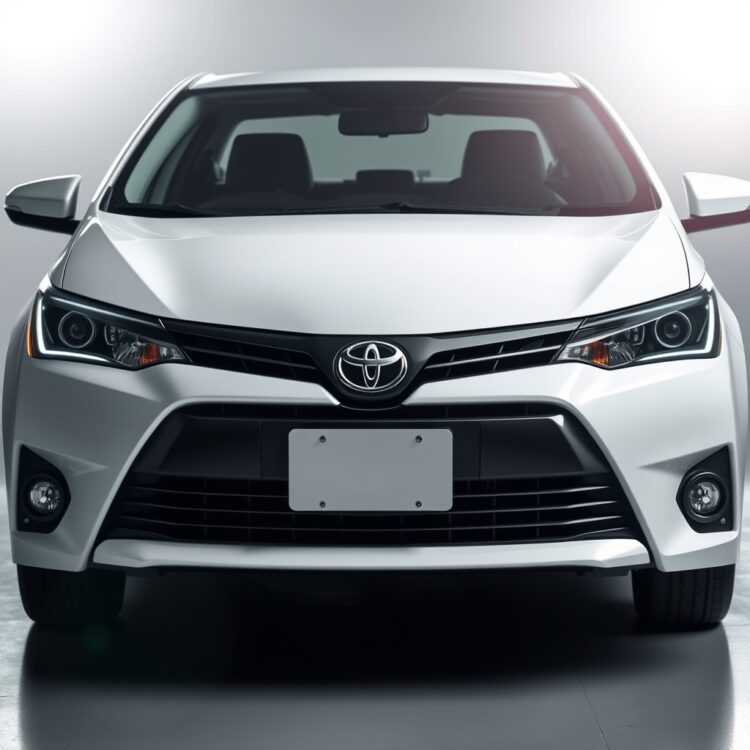
Ever wondered where your Toyota Corolla was born? Whether it rolled off the assembly line in Japan or the USA isn’t just trivia—it’s a detail that can influence everything from resale value to performance perceptions. I’ve dug deep into the nuances of Corolla manufacturing to help you uncover the origins of your ride. Let’s dive in and decode the clues together.
Key Takeaways
- VIN is your best friend: The 11th digit reveals the manufacturing location.
- Japanese vs. USA models: Subtle differences in features and build quality exist.
- Resale impact: Japanese-made Corollas often command higher prices.
- Documentation clues: Check labels and manuals for manufacturing hints.
- Expert verification: Dealerships and online tools can confirm your Corolla’s origin.
How Well Do You Know Toyota Cars?
Understanding the Importance of Knowing Your Corolla’s Origin
Why the Manufacturing Location Matters
Where your Corolla was built isn’t just a badge of pride—it’s a reflection of Toyota’s global production standards. Japanese factories are renowned for precision, while USA plants focus on local market adaptations. Knowing the origin helps you understand your car’s DNA, from engineering quirks to long-term reliability. It’s like knowing the chef behind your favourite dish.
For instance, Japanese models might feature unique trim options, while USA-built Corollas could have tweaks for regional driving conditions. This distinction matters if you’re particular about authenticity or planning modifications. Plus, it’s a fun fact to share at car meets—trust me, it’s a conversation starter.
Differences Between Japanese and USA Models
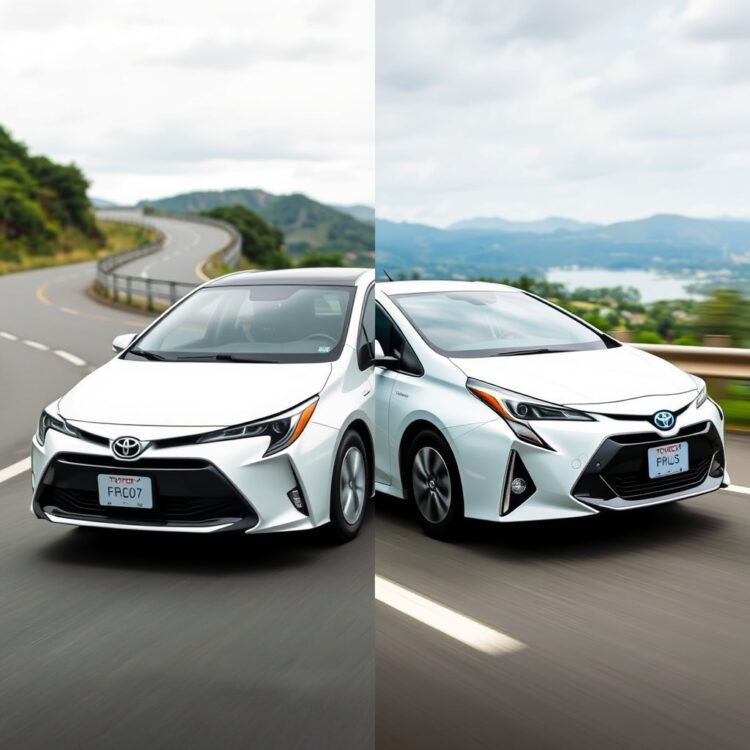
Japanese Corollas often boast higher-grade materials and tighter tolerances, a nod to Toyota’s home-market expectations. USA models, on the other hand, might prioritise cost-efficiency and local supplier networks. Think of it as the difference between a handcrafted sushi roll and a well-made burger—both delicious, but with distinct flavours.
For example, Japanese models might include advanced tech features earlier, while USA versions could have larger cup holders (because, America). These nuances aren’t deal-breakers, but they’re worth noting if you’re comparing used cars or hunting for specific features.
Impact on Resale Value and Perception
Perception is everything in the used car market. Japanese-made Corollas often carry a premium due to their reputation for quality. Buyers might assume they’re getting a more “authentic” Toyota experience, even if the differences are minimal. It’s like the allure of a Swiss watch—sometimes, the label matters as much as the mechanics.
On the flip side, USA-built Corollas can offer better value, especially if you’re not fussed about origin. They’re still reliable, just with a different pedigree. If you’re selling, highlighting the manufacturing location—whichever it is—can help attract the right buyer. For more insights, check out this guide on evaluating car origins.
Decoding the VIN Your First Clue
When I first started digging into my Toyota Corolla’s origins, the VIN was my go-to resource. This 17-character code is like a fingerprint, unique to every vehicle. You’ll typically find it on the dashboard near the windshield, the driver’s side door jamb, or even in your owner’s manual. It’s the first step in uncovering where your Corolla was born.
Deciphering the VIN might seem daunting, but it’s simpler than you think. The first character tells you the country of origin—Japan starts with a “J while the USA uses numbers like “1” or “5.” The rest of the VIN reveals details like the manufacturer, model, and year. Avoid common mistakes like confusing the model year digit with the production year—they’re not always the same.
The Role of the 11th VIN Digit
The 11th digit in your Corolla’s VIN is the golden ticket to identifying its manufacturing location. For Japanese-made models, this digit is often a letter like “A” or “T while US-built Corollas use numbers like “1” or “2.” It’s a small detail, but it holds the key to your car’s heritage.
Let’s break it down further. If your VIN’s 11th digit is “A your Corolla likely rolled off the line in Japan. A “1” or “2” points to the USA. I recommend jotting down your VIN and comparing it to Toyota’s official decoding charts. Practice makes perfect—soon, you’ll spot the origin at a glance.
Toyota’s Manufacturing Plants A Global Overview
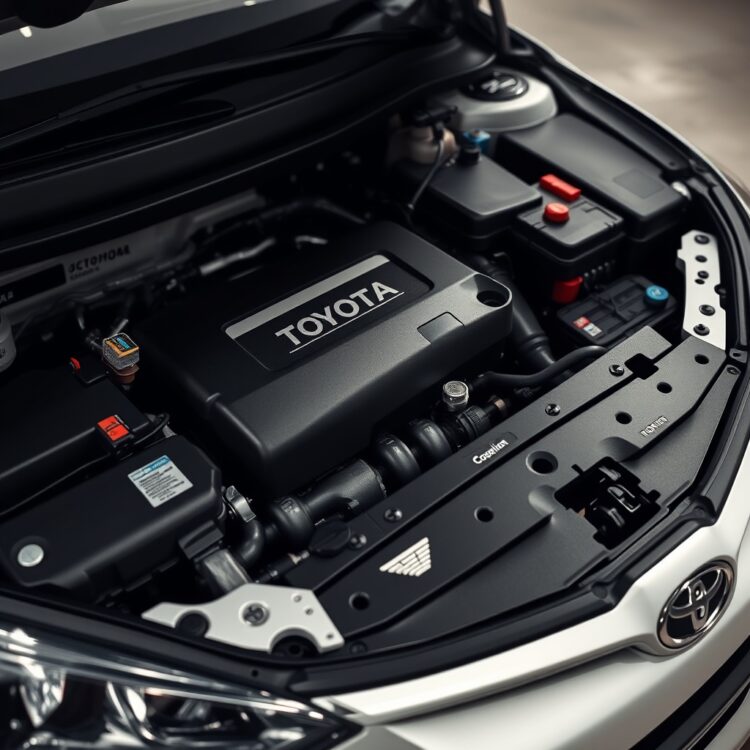
Toyota’s production network spans the globe, but Japan and the USA are the powerhouses for the Corolla. In Japan, the Takaoka and Tsutsumi plants are legendary, known for their precision and quality. These factories produce some of the most sought-after Corollas, especially for enthusiasts who swear by Japanese craftsmanship.
Across the Pacific, Toyota’s US plants in Mississippi and Kentucky are equally impressive. They cater to the North American market, ensuring shorter delivery times and localised features. The production location isn’t just about pride—it affects everything from part availability to resale value. Knowing where your Corolla was built helps you understand its DNA.
For more insights, check out our automotive blog or explore fastest Corsa models. If you’re curious about reliability, we’ve got you covered. And don’t miss our guide on Toyota Corolla pricing.
For an authoritative external resource, consider this VIN decoding guide.
Model Year and Manufacturing Location Trends
Understanding the historical trends in Corolla production can reveal patterns about where your car was made. Over the years, Toyota has shifted production between Japan and the USA based on demand and economic factors. For instance, earlier models were predominantly Japanese, while recent years have seen more USA-made Corollas. This shift reflects Toyota’s strategy to localise production and reduce costs.
Recent shifts in manufacturing locations highlight Toyota’s adaptability. The company has expanded its US plants, like the one in Mississippi, to cater to the North American market. Predicting future production trends involves monitoring Toyota’s announcements and global supply chain dynamics. If you’re curious about your Corolla’s origin, these trends offer valuable context.
Physical and Feature Differences by Origin
Identifying Japanese vs. USA models by features can be straightforward once you know what to look for. Japanese-made Corollas often have unique trim options or badges, while USA models might include region-specific features like different headlight configurations. These subtle differences can help pinpoint your car’s origin without decoding the VIN.
Quality and performance perceptions vary by origin, though Toyota maintains high standards globally. Some enthusiasts believe Japanese models have an edge in craftsmanship, while USA models are tailored for local preferences. Customisation and options availability also differ, with Japanese models sometimes offering more niche features. Understanding these distinctions can enhance your appreciation of your Corolla.
Documentation and Labels What to Look For
Your owner’s manual and manufacturing labels are treasure troves of information. These documents often include the production location, either explicitly or through codes. For example, the manual might list the factory address, while labels under the hood or inside the door frame could reveal the plant code. Always cross-reference this with your VIN for accuracy.
Import documents and their clues are especially useful if your Corolla was shipped internationally. These papers typically detail the country of origin and may include customs declarations. Warranty and service book insights can also hint at the manufacturing location, as regional variations exist in coverage terms. Don’t overlook these resources when verifying your car’s origin.
Online Tools and Resources for Verification
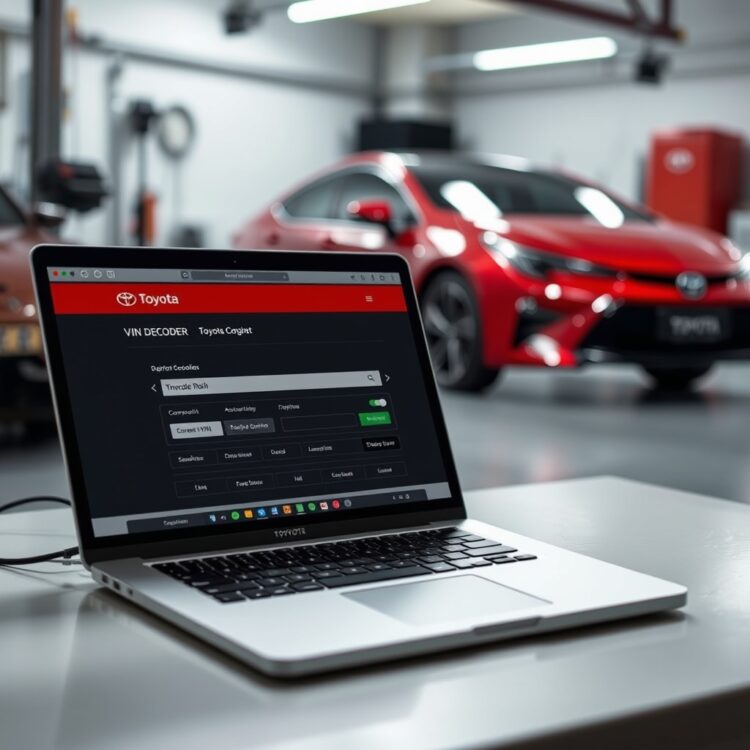
Toyota’s official VIN decoder is a reliable starting point for verifying your Corolla’s origin. Simply enter your VIN on Toyota’s website, and the tool will display details like the manufacturing plant. Third-party VIN check services can also provide this information, often with additional vehicle history insights. These tools are user-friendly and eliminate guesswork.
Forums and communities for Toyota owners are invaluable for shared knowledge. Enthusiasts often discuss how to identify manufacturing locations and decode obscure labels. Whether you’re using automotive blogs or dedicated forums, tapping into collective wisdom can simplify your search. Remember, combining multiple resources ensures the most accurate results.
Consulting with Toyota Dealerships and Experts
How Dealerships Can Help Identify Origin
When I’m unsure about my Toyota Corolla’s origin, I turn to dealerships for clarity. They have access to detailed databases and can decode the VIN instantly. Dealerships often know the manufacturing trends for specific models and years, making them a reliable source. Plus, they can pull up service records or warranty details that might hint at the car’s origin. It’s like having a backstage pass to your car’s history.
Dealerships also have direct links to Toyota’s global network, so they can verify plant-specific details. If you’re buying a used Corolla, ask the dealer for a vehicle history report. This document often includes the manufacturing location. Trust me, it’s worth the extra step to avoid surprises later. Dealerships are your first line of defence against misinformation.
Questions to Ask Your Dealer
I’ve learned that asking the right questions is key. Start with, “Can you confirm where this Corolla was manufactured?” Follow up with, “Does the VIN indicate a Japanese or USA plant?” If the dealer hesitates, dig deeper. Ask for the factory code or production records. A transparent dealer will provide answers without hesitation. Remember, knowledge is power—especially when it comes to your car’s pedigree.
Another smart move is to inquire about common features tied to the origin. Japanese models might have unique trim options or parts. Dealers can also check for import documents if the car was shipped internationally. Don’t shy away from technical details; the more you ask, the clearer the picture becomes. A well-informed buyer is a happy buyer.
When to Seek a Professional Opinion
Sometimes, even dealers hit a dead end. That’s when I call in the experts—Toyota-certified mechanics or import specialists. They can spot subtle differences in parts or labels that reveal the origin. For instance, Japanese models might use metric fasteners, while USA ones stick to imperial. These tiny clues add up, and a pro knows where to look.
If you’re dealing with a rare or older Corolla, consider hiring a vehicle inspector. They’ll scrutinise everything from the engine bay to the chassis stamps. It’s an investment, but peace of mind is priceless. Experts can also decode obscure paperwork or trace the car’s journey across borders. When in doubt, trust the pros—they’ve seen it all.
The Impact of Origin on Parts and Maintenance
Availability of Parts by Origin
I’ve noticed that Japanese-made Corollas often use parts sourced from Toyota’s domestic suppliers, while USA models rely on local or North American manufacturers. This can affect replacement part availability. For example, a Japanese Corolla might need a specific radiator or alternator that’s not as common in the UK. It’s not a deal-breaker, but it’s something to consider when planning repairs.
On the flip side, USA models might have parts more readily available here due to shared supply chains. If you’re ordering aftermarket upgrades, check compatibility based on origin. Some performance parts are designed for specific markets. A quick chat with your mechanic can save you time and money. Always cross-reference part numbers to avoid mismatches.
Maintenance Recommendations Based on Origin
Japanese Corollas are often built to stricter tolerances, so they might require premium fluids or specific service intervals. USA models, meanwhile, might follow more relaxed guidelines due to different driving conditions. I always check the owner’s manual for origin-specific advice. For instance, Japanese models might recommend synthetic oil, while USA ones could allow conventional blends.
Climate also plays a role. If your Corolla came from a snowy US state, it might have undercoating or rust-proofing that needs special care. Japanese models, especially those from coastal areas, might have unique corrosion protection. Tailor your maintenance to the car’s roots, and it’ll reward you with longevity. A little extra attention goes a long way.
Long-Term Reliability Considerations
I’ve owned both Japanese and USA Corollas, and while both are reliable, there are nuances. Japanese models often have a reputation for tighter quality control, but USA-built ones are no slouch either. The key is understanding how origin influences wear and tear. For example, USA models might have heavier-duty suspensions for rougher roads, while Japanese ones prioritise fuel efficiency.
If you’re planning to keep your Corolla for years, research common issues by origin. Japanese models might need timing belt changes sooner, while USA ones could have different transmission quirks. Toyota’s official site is a goldmine for this info. Knowledge is your best tool for ensuring your Corolla stays on the road for the long haul.

Legal and Import Regulations Insight
Understanding Import Laws by Country
Importing a Toyota Corolla from Japan or the USA involves navigating a maze of regulations. Each country has its own rules about emissions, safety standards, and paperwork. For example, Japanese models might need modifications to meet UK emissions laws, while USA ones could require headlight adjustments. I always consult an import specialist to avoid costly mistakes.
Customs duties and taxes also vary. A Japanese Corolla might attract different fees compared to a USA one, depending on trade agreements. Some countries even restrict certain model years or engine types. Do your homework before committing to an import. The last thing you want is a car stuck in customs limbo. A little research saves a lot of headaches.
How Origin Affects Compliance and Standards
Japanese Corollas often exceed global safety and emissions standards, making them easier to register in the UK. USA models, however, might need additional certifications. For instance, their airbags or lighting systems might not align with European norms. I’ve seen cases where owners had to retrofit parts to pass MOT tests. It’s not impossible, but it’s extra work.
Always check the Vehicle Certification Agency (VCA) guidelines before importing. They outline exactly what’s required for compliance. Some models might need a Single Vehicle Approval (SVA) test, which can be pricey. If you’re unsure, hire a compliance expert. They’ll ensure your Corolla meets all legal requirements without guesswork. Compliance isn’t optional—it’s essential.
Navigating Customs and Duties
Customs fees can make or break an import deal. Japanese Corollas might qualify for lower tariffs under certain trade agreements, while USA ones could be subject to higher rates. I always calculate the total landed cost—including shipping, taxes, and registration fees—before pulling the trigger. It’s easy to underestimate these expenses, but they add up fast.
Work with a reputable shipping agent who understands automotive imports. They’ll handle paperwork like the C384 form and ensure smooth clearance. Some agents even offer door-to-door service, which simplifies the process. Don’t cut corners here; a reliable partner is worth their weight in gold. Importing a car is a marathon, not a sprint—plan accordingly.
Advanced Verification Techniques
Using Vehicle History Reports
Vehicle history reports are a goldmine for verifying your Toyota Corolla’s origin. These reports often include manufacturing details, import records, and even service history. By cross-referencing the VIN with reputable databases, you can confirm whether your car was assembled in Japan or the USA. Always opt for trusted providers to ensure accuracy and avoid misleading information.
Engine and Transmission Codes Analysis
Engine and transmission codes can reveal your Corolla’s manufacturing location. Japanese-made models often have distinct codes compared to their USA counterparts. For example, certain engine prefixes or suffixes are exclusive to specific plants. Consulting a reliable automotive resource or a Toyota specialist can help decode these identifiers accurately.
Seeking Out Manufacturing Plant Records
If you’re determined to verify your Corolla’s origin, accessing manufacturing plant records is the ultimate step. Some Toyota plants maintain archives that detail production batches. While this method requires effort, it provides undeniable proof of your car’s birthplace. Reach out to Toyota’s customer service or explore third-party services that specialise in such records.
Common Myths and Misconceptions
Debunking Quality Myths by Origin
Many believe Japanese-made Corollas are inherently superior, but this isn’t always true. Both Japanese and USA plants adhere to Toyota’s stringent quality standards. Differences in perception often stem from cultural biases rather than actual performance. Focus on your car’s maintenance history and condition rather than its origin for a fair assessment.
The Truth About JDM Models
Japanese Domestic Market (JDM) models are often romanticised, but they’re not always better. While some JDM Corollas feature unique specs, they may lack compatibility with local regulations or parts. Before idolising JDM, consider practicality and availability of components in your region.
Addressing Common Online Misinformation
The internet is rife with myths about Corolla origins, from exaggerated resale values to dubious quality claims. Always verify facts through official sources or trusted forums. Misinformation can lead to poor decisions, so rely on credible automotive experts and documented evidence.
Making an Informed Decision on Your Next Purchase
Weighing the Pros and Cons by Origin
When buying a Corolla, consider the pros and cons of Japanese vs. USA models. Japanese cars may offer prestige, while USA models could provide easier access to parts. Evaluate factors like resale value, local support, and personal preferences to make a balanced choice.
How to Prioritise Origin in Your Buying Criteria
If manufacturing location matters to you, prioritise it alongside other factors like budget and features. Use tools like VIN decoders and vehicle reports to confirm origin before purchasing. Remember, a well-maintained car, regardless of origin, will serve you better than a poorly maintained one.
Future-Proofing Your Investment
To future-proof your Corolla, focus on reliability and long-term support. Research common issues for your chosen origin and ensure parts are readily available. A Toyota VIN decoder can help you verify details and plan for maintenance, ensuring your investment stands the test of time.
Frequently Asked Questions
How can I tell if my Corolla is Japanese-made without a VIN?
Check the owner’s manual or manufacturing labels inside the door frame. Japanese models often include specific markings or codes. If unsure, consult a Toyota dealership for verification.
Do USA-made Corollas have different features?
While core features remain consistent, some trim levels or options may vary by region. Always compare specifications for your target market to avoid surprises.
Is resale value higher for Japanese Corollas?
Perception can influence resale, but condition and maintenance history matter more. A well-kept USA model can rival a Japanese one in value.
Are parts harder to find for Japanese Corollas?
Not necessarily. Toyota’s global supply chain ensures parts availability, but niche JDM components might require sourcing from specialised dealers.