Is Ford Bringing Back the Focus?
Introduction
Rumours are swirling, and enthusiasts are buzzing—could Ford be bringing back the beloved Focus? As someone who’s followed the automotive world closely, I’ve seen how the Focus carved its niche. From its inception to its abrupt exit in North America, the Focus has left an indelible mark. Now, whispers of its return have us all wondering: is Ford ready to revive this iconic nameplate?
Key Takeaways
- The Ford Focus was discontinued in North America but remains popular globally.
- Industry insiders hint at a potential comeback, driven by market demand and competition.
- A new Focus could feature advanced tech, hybrid options, and a refreshed design.
- Ford’s electrification strategy may influence the Focus’s future.
- Stay updated through official channels and automotive blogs for the latest news.
How Well Do You Know Ford?
The History of the Ford Focus
The Ford Focus debuted in 1998, replacing the Escort and quickly becoming a global favourite. Its blend of affordability, practicality, and driving dynamics won over millions. Over the years, the Focus evolved, introducing sleeker designs, better tech, and performance variants like the ST and RS. It was a staple in Ford’s lineup, celebrated for its versatility.
However, in 2018, Ford announced the Focus’s discontinuation in North America, citing shifting consumer preferences towards SUVs and trucks. This move left a void for compact car enthusiasts. Yet, the Focus continued to thrive in other markets, proving its enduring appeal. The question now is whether Ford will reintroduce it to meet renewed demand.
For those curious about how the Focus stacks up against rivals like the Volkswagen GTI, the competition remains fierce. The Focus’s potential return could shake up the segment, offering a fresh take on a classic formula.
Current Status of the Ford Focus
The Ford Focus in global markets today
The Ford Focus continues to thrive in global markets, particularly in Europe and Asia, where compact cars remain a popular choice. We’ve seen the Focus evolve with sleek designs and advanced tech, making it a standout in its segment. While North America bid farewell to the Focus in 2018, other regions still enjoy its versatility and performance. It’s a testament to how Ford adapts to regional preferences while keeping the Focus relevant.
In the UK, the Focus remains a top seller, thanks to its blend of practicality and driving dynamics. Ford has also introduced hybrid variants to meet stricter emissions regulations. If you’re curious about how the Focus stacks up against rivals, check out our comparison with the Volkswagen GTI. The Focus’s enduring appeal proves that it’s far from being a forgotten nameplate.
Differences between the current and previous models
The latest Focus boasts a sharper design, with a more aggressive front grille and modern LED lighting. Inside, the cabin has been upgraded with premium materials and a larger infotainment screen. We’ve also noticed improved ride comfort, thanks to revised suspension tuning. These changes make the current model feel more refined than its predecessor, which was already a class leader.
Under the hood, Ford has introduced mild-hybrid options, enhancing fuel efficiency without sacrificing performance. The previous model’s turbocharged engines are still available, but the hybrid variants are stealing the spotlight. For a deeper dive into the Focus’s performance, explore our analysis of powertrain options. It’s clear that Ford is committed to keeping the Focus ahead of the curve.
Speculations About the Ford Focus’s Return
Industry rumours and insider reports
Rumours about the Focus’s return to North America have been swirling for months. Insiders suggest Ford is considering a comeback, possibly as an electric or hybrid model. We’ve heard whispers of a redesigned Focus that could debut by 2025, aligning with Ford’s electrification goals. These speculations are fuelled by growing demand for compact cars and Ford’s need to fill a gap in its lineup.
Some reports even hint at a partnership with Volkswagen to share platform costs, similar to the Ford-VW collaboration on the Maverick. If you’re intrigued by the potential of electric compact cars, our feature on the electric Puma offers a glimpse into Ford’s future. While nothing is confirmed, the buzz alone shows how much the Focus is missed.
Ford’s official statements and hints
Ford has been coy about the Focus’s return, but subtle hints have fans hopeful. During recent investor calls, executives mentioned “expanding our compact offerings” without elaborating. We’ve also spotted trademark renewals for the Focus name, suggesting Ford isn’t ready to let it go. These moves indicate that the Focus could make a triumphant return, possibly with a fresh twist.
Ford’s shift toward electrification adds weight to these speculations. A hybrid or electric Focus would align perfectly with their strategy. For more on Ford’s electrification plans, check out our detailed breakdown. Whether it’s a whisper or a shout, the Focus’s return seems more likely than ever.
Potential Reasons for Bringing Back the Focus
Market demand and consumer preferences
Compact cars are making a comeback, with buyers prioritising affordability and efficiency. The Focus could capitalise on this trend, especially if Ford offers hybrid or electric options. We’ve seen how models like the Toyota Corolla Hybrid thrive, proving there’s a market for eco-friendly compacts. Ford wouldn’t want to miss this opportunity, especially with loyal Focus fans eager for its return.
Younger buyers, in particular, are drawn to compact cars for their urban practicality. A revived Focus could attract this demographic, especially with tech-forward features. For insights into what modern buyers want, our consumer expectations guide breaks it down. It’s clear that the Focus has a place in today’s market—if Ford plays its cards right.
Competitive landscape and segment opportunities
The compact car segment is fiercely competitive, but Ford has a history of standing out. Bringing back the Focus would give Ford a direct competitor to the Honda Civic and Hyundai Elantra. With rivals offering hybrid and electric options, Ford needs a strong entry to stay relevant. The Focus’s legacy gives it an edge, but innovation will be key to its success.
Ford’s recent successes with the Maverick and Bronco show they know how to revive beloved nameplates. A Focus comeback could follow the same blueprint. For a look at how Ford stacks up against competitors, read our comparison with the Vauxhall Corsa. The stage is set for the Focus to reclaim its spot in the spotlight.
Possible Features of the New Ford Focus
Expected design and technological advancements
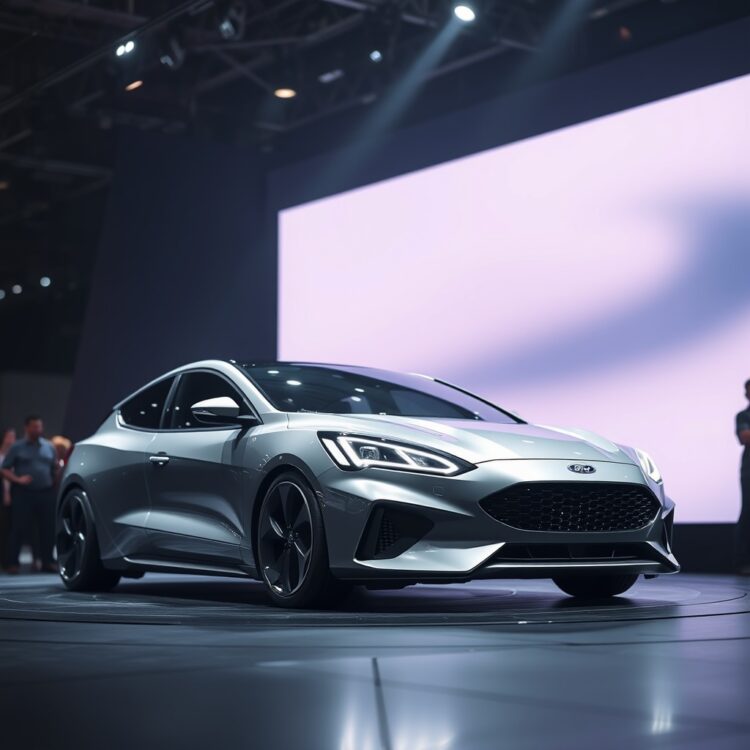
We’re buzzing with excitement about the potential design and tech upgrades for the new Ford Focus. Rumours suggest a sleeker, more aerodynamic silhouette, blending Ford’s signature styling with modern flair. Inside, expect a futuristic cockpit featuring a large touchscreen infotainment system, wireless charging, and advanced driver-assistance tech. Ford’s commitment to innovation means we could see augmented reality displays and voice-controlled features, making every drive smoother and more intuitive. The Focus might also embrace sustainable materials, aligning with Ford’s eco-friendly vision.
Technological advancements won’t stop at aesthetics. The new Focus could debut Ford’s latest connectivity suite, integrating seamlessly with smartphones and smart home devices. Imagine adjusting your home thermostat or checking your calendar—all from your car. Enhanced safety features like adaptive cruise control, lane-keeping assist, and automated parking could come standard, ensuring the Focus remains a leader in its class. With Ford’s focus on user experience, the new model promises to be as smart as it is stylish.
Powertrain options and performance specs
Under the bonnet, the new Focus is expected to offer a range of powertrains to suit every driver. A turbocharged 1.5-litre EcoBoost engine might headline the petrol options, delivering a punchy 180 horsepower while maintaining fuel efficiency. Diesel enthusiasts could see a refined 2.0-litre TDCi unit, balancing power and economy. But the real game-changer? A plug-in hybrid variant, combining electric mobility with petrol backup for those longer journeys.
Performance fans won’t be disappointed, either. The ST-Line and ST models could return, with the latter packing over 250 horsepower and a sport-tuned chassis for thrilling drives. Ford’s engineers are likely focusing on reducing emissions without compromising fun, ensuring the Focus remains a joy to drive. Whether you prioritise efficiency or excitement, the new Focus aims to deliver. And with whispers of an all-electric version, Ford’s electrification strategy could take centre stage.
Comparing the Focus to Its Competitors
How the Focus stacks up against similar models
When it comes to compact cars, the Ford Focus has always held its own. Against rivals like the Volkswagen Golf and Honda Civic, the Focus offers a compelling mix of driving dynamics and value. The Golf excels in refinement and tech, but the Focus counters with sharper handling and a more engaging ride. Meanwhile, the Civic boasts bold styling and spacious interiors, yet the Focus’s ergonomic design and intuitive controls give it an edge for everyday usability.
Where the Focus truly shines is its versatility. Whether you’re after a frugal commuter or a sporty hatchback, there’s a Focus for you. The upcoming model’s hybrid and electric options could further differentiate it from competitors still reliant on traditional powertrains. Ford’s knack for balancing performance, practicality, and affordability ensures the Focus remains a top contender in a crowded market.
Unique selling points of the Focus
The Focus’s standout feature has always been its driving experience. Ford’s chassis tuning delivers a blend of comfort and agility that few rivals can match. Add in the SYNC infotainment system, and you’ve got a car that’s as connected as it is fun to drive. The Focus also offers a range of trims and customisation options, allowing buyers to tailor the car to their preferences—something not all competitors provide.
Another unique selling point? Ford’s commitment to innovation. The new Focus could introduce cutting-edge tech like over-the-air updates and advanced semi-autonomous features. With competitive pricing and a reputation for reliability, the Focus appeals to both first-time buyers and seasoned drivers. It’s a car that doesn’t just meet expectations—it exceeds them.
The Role of Electric Vehicles in Ford’s Strategy
Ford’s shift towards electrification
Ford’s electrification strategy is in full swing, and the Focus plays a pivotal role. The company has pledged to invest billions in electric vehicle (EV) development, aiming for a fully electric lineup in Europe by 2030. The Focus, as one of Ford’s best-sellers, is a natural candidate for electrification. This shift isn’t just about compliance—it’s about meeting consumer demand for greener, more efficient vehicles.
Ford’s approach to electrification is pragmatic. Instead of rushing to market with half-baked solutions, they’re focusing on delivering reliable, affordable EVs. The Focus Electric, though discontinued, laid the groundwork for future models. Now, Ford is leveraging lessons learned to create next-gen electric vehicles. With partnerships in battery technology and charging infrastructure, Ford is positioning itself as a leader in the EV revolution.
Possibility of an electric or hybrid Focus
An all-electric Focus isn’t just a possibility—it’s a near certainty. Industry insiders suggest Ford is developing a dedicated EV platform that could underpin the next Focus. This would allow for greater range, faster charging, and improved performance compared to the previous electric model. A hybrid variant is also likely, offering a bridge for drivers not ready to go fully electric.
The hybrid Focus could combine a petrol engine with an electric motor, delivering impressive fuel economy without sacrificing power. Ford’s expertise in hybrid technology, honed with models like the Kuga PHEV, ensures the Focus hybrid would be a compelling option. Whether you’re drawn to the environmental benefits or the cost savings, the electrified Focus promises to be a smart choice.

Consumer Expectations for the New Focus
What potential buyers are looking for
Today’s car buyers want more than just a mode of transport—they crave innovation, efficiency, and style. For the new Focus, that means cutting-edge tech, eco-friendly options, and a design that turns heads. Buyers are increasingly prioritising fuel efficiency and low emissions, making hybrid and electric variants highly desirable. They also expect seamless connectivity, with features like Apple CarPlay and Android Auto becoming standard.
Practicality remains key, too. Spacious interiors, ample boot space, and comfortable seating are non-negotiables for many. Safety is another top concern, with buyers demanding advanced driver aids like automatic emergency braking and blind-spot monitoring. Ford’s challenge is to meet these expectations while keeping the Focus affordable and fun to drive. Early indications suggest they’re up to the task.
Feedback from current and past Focus owners
Current and past Focus owners have plenty to say about what they’d like to see in the new model. Many praise the car’s handling and reliability but call for more interior refinement and quieter cabins. Others highlight the need for better infotainment systems and more intuitive controls. Hybrid and electric options are a recurring theme, with owners eager for greener alternatives without compromising performance.
Owners also appreciate the Focus’s affordability and low running costs, hoping Ford maintains this in the new version. Some suggest more customisation options, allowing buyers to personalise their cars further. Overall, the message is clear: keep what works, improve what doesn’t, and embrace the future. Ford’s ability to listen to its customers will be crucial in shaping the next-generation Focus.
The Impact of the Focus’s Return on Ford’s Lineup
How the Focus fits into Ford’s current vehicle lineup
We’ve seen Ford’s lineup evolve, and the Focus’s potential return could shake things up. Currently, Ford leans heavily on SUVs and trucks, but the Focus would fill a crucial gap in the compact car segment. It’s a strategic move, balancing their portfolio while catering to urban drivers and eco-conscious buyers. The Focus’s reintroduction would complement models like the Ford Fiesta, ensuring Ford doesn’t lose ground to competitors.
With the Focus back, Ford could appeal to a broader audience. It’s not just about nostalgia—it’s about offering a versatile, efficient option in a market dominated by larger vehicles. The Focus’s compact size and potential hybrid or electric variants align perfectly with Ford’s push toward sustainability. This isn’t just a car; it’s a statement of Ford’s commitment to diversity in its lineup.
Potential cannibalization of other Ford models
There’s always a risk when introducing a new model: will it steal sales from existing ones? The Focus might overlap with the Ford Puma or even the Fiesta, especially if priced competitively. However, Ford’s strategy likely involves positioning the Focus as a premium compact, differentiating it through tech and performance. It’s a delicate balance, but one Ford has navigated before.
We believe Ford’s focus (pun intended) will be on minimising cannibalisation. By targeting specific demographics—urban commuters, young professionals—the Focus can carve its own niche. It’s not about replacing other models but expanding Ford’s reach. The key lies in clear messaging and distinct features, ensuring each vehicle has its own appeal.
Pricing and Availability Predictions
Expected price range for the new Focus
Pricing will make or break the Focus’s comeback. We anticipate a starting range of £20,000 to £25,000, positioning it as a competitive yet affordable option. Higher trims or hybrid versions could push this closer to £30,000, aligning with rivals like the Volkswagen Golf. Ford’s challenge is to offer value without undercutting its own models, like the Fiesta.
The Focus’s pricing strategy must reflect its target audience. Younger buyers and city dwellers need affordability, while tech-savvy consumers might splurge on advanced features. Ford’s history of competitive pricing gives us confidence they’ll strike the right balance. Keep an eye on financing options, too—leasing deals could make the Focus even more accessible.
Anticipated release dates and markets
Timing is everything, and we expect the Focus to debut in late 2024 or early 2025. Initial markets will likely include Europe and Asia, where compact cars thrive. North America might follow, though Ford’s SUV-heavy strategy there could delay its arrival. The rollout will be gradual, with Ford gauging demand before committing to wider availability.
Ford’s approach will be methodical. They’ll likely test the waters in key regions before expanding. This phased release ensures they can adapt to feedback and market trends. For enthusiasts, patience will be key—but we’re confident the wait will be worth it. Stay tuned to our blog for updates as they emerge.
Marketing Strategies for the New Focus
How Ford might promote the Focus’s return
Ford’s marketing playbook will be crucial for the Focus’s success. Expect a mix of nostalgia and innovation—highlighting the Focus’s legacy while showcasing its modern upgrades. Social media campaigns, influencer partnerships, and experiential events could dominate, targeting younger audiences. Ford might also leverage its electrification narrative, positioning the Focus as a smart, sustainable choice.
We wouldn’t be surprised to see Ford tap into its racing heritage, too. The Focus ST’s performance credentials could feature prominently, appealing to driving enthusiasts. The key is differentiation—making the Focus stand out in a crowded market. Ford’s marketing team has its work cut out, but the Focus’s storied history gives them plenty to work with.
Target demographics and messaging
The Focus’s appeal lies in its versatility, and Ford’s messaging will reflect that. Urban millennials, eco-conscious families, and first-time buyers are all potential targets. The pitch? A blend of practicality, style, and cutting-edge tech. Ford will likely emphasise the Focus’s adaptability—whether as a daily commuter or a weekend getaway car.
Messaging will vary by region. In Europe, fuel efficiency and compact design might take centre stage. In Asia, affordability and tech features could dominate. Ford’s challenge is to craft a cohesive global campaign while allowing for local nuances. It’s a tall order, but one that could redefine the Focus’s place in the market.

The Future of Compact Cars at Ford
Trends in the compact car segment
The compact car segment is evolving, and Ford must adapt. Consumers increasingly prioritise sustainability, connectivity, and affordability. Hybrid and electric options are no longer luxuries—they’re expectations. The Focus’s return signals Ford’s recognition of these shifts. By integrating advanced tech and eco-friendly powertrains, Ford can stay ahead of the curve.
Urbanisation is another key trend. As cities grow, compact cars like the Focus become more appealing. Their smaller footprint and efficiency make them ideal for crowded streets. Ford’s challenge is to future-proof the Focus, ensuring it remains relevant as mobility trends evolve. The compact car isn’t dead—it’s just getting smarter.
Ford’s long-term plans for compact vehicles
Ford’s commitment to compact vehicles goes beyond the Focus. We expect a broader strategy, encompassing hybrids, EVs, and even autonomous tech. The Focus could be the tip of the iceberg, paving the way for a new generation of compact cars. Ford’s investment in electrification suggests the Focus might eventually transition to an all-electric lineup.
Long-term, Ford’s compact vehicles will likely emphasise flexibility. Modular platforms, over-the-air updates, and shared mobility solutions could redefine what a compact car can be. The Focus’s return is just the beginning—Ford is playing the long game, and we’re here for it.
How to Stay Updated on the Focus Return
Official sources for news and updates
If you’re eager to stay in the loop about the Ford Focus’s potential return, official sources are your best bet. Ford’s website and press releases often drop hints and announcements first. We recommend subscribing to their newsletter or following their social media channels. These platforms provide timely updates directly from the company, ensuring you don’t miss any critical developments. For more insights, check out our automotive blog.
Industry events like auto shows and Ford’s investor meetings are also goldmines for insider information. Attending these or watching livestreams can give you a sneak peek into Ford’s plans. We’ve found that these events often reveal prototypes or concept cars, offering clues about the Focus’s future. Keep an eye on Ford’s official YouTube channel for event coverage and behind-the-scenes content.
Forums and communities for enthusiasts
Enthusiast forums and online communities are buzzing with speculation and firsthand accounts. Websites like Reddit and dedicated Ford forums are great places to discuss rumours and share findings. We’ve spent hours scrolling through these threads, and they often uncover leaks or unofficial confirmations before mainstream media. Join the conversation and connect with fellow Focus fans.
Facebook groups and Discord servers are also thriving hubs for real-time discussions. These platforms allow you to engage with like-minded individuals and even industry insiders. We’ve seen members share spy shots or dealership whispers, adding to the excitement. For a deeper dive, explore our guide on Ford models.
Preparing for the New Focus Arrival
Steps to take if you’re interested in buying
If the Focus returns, being prepared can give you a head start. Start by setting a budget and researching financing options. We suggest visiting local dealerships to test-drive similar models, like the Fiesta or Puma, to gauge your preferences. Keeping an open mind about trim levels and features will help you make an informed decision when the time comes.
Pre-ordering might be an option if Ford announces the Focus’s return early. Sign up for notifications from Ford and authorised dealers to secure your spot. We’ve seen high demand for returning models, so acting fast could save you from long waits. For more tips, check out our pricing guide.
Trade-in and financing considerations
If you’re planning to trade in your current vehicle, now’s the time to assess its value. Online tools and dealership appraisals can give you a rough estimate. We recommend cleaning and servicing your car to maximise its trade-in worth. Comparing offers from multiple dealers ensures you get the best deal possible.
Financing options like loans or leasing should be explored early. Credit unions and banks often offer competitive rates, so shop around. We’ve found that pre-approval can streamline the buying process when the Focus arrives. For a detailed breakdown, visit our cost analysis.
The Broader Implications of the Focus Comeback
What the Focus return means for the auto industry
The Focus’s potential return could signal a shift in Ford’s strategy, balancing EVs with traditional models. We believe this move might encourage competitors to revisit discontinued favourites. The compact car segment could see renewed interest, benefiting consumers with more choices. For a broader perspective, read Ford’s official statement.
Environmental and economic factors will also play a role. A hybrid or electric Focus could align with global sustainability goals while catering to budget-conscious buyers. We’re optimistic that Ford’s innovation will set a benchmark for the industry. The Focus’s comeback might just redefine compact cars for the modern era.
Environmental and economic considerations
A revived Focus could impact Ford’s carbon footprint, especially if electrified. We’ve noticed growing consumer demand for eco-friendly options, and Ford’s response will be crucial. Economically, the Focus’s return might boost local manufacturing and create jobs, benefiting communities. Balancing profit and planet will be key to its long-term success.
Pricing and affordability will determine the Focus’s accessibility. We hope Ford strikes a balance between cutting-edge features and competitive pricing. The Focus’s legacy as a reliable, affordable car should remain intact, appealing to a wide audience. Its return could be a win-win for Ford and consumers alike.
Frequently Asked Questions
Will the Ford Focus return to North America?
While Ford hasn’t confirmed a North American return, global demand and market trends could influence their decision. We’re keeping a close eye on official announcements and suggest you do the same. For now, the Focus remains available in other markets, with potential for expansion.
What features might the new Ford Focus have?
Expect advanced tech like hybrid powertrains, updated infotainment, and safety enhancements. We’ve seen spy shots hinting at a sleek redesign, but Ford’s official reveal will provide clarity. The Focus will likely compete with rivals like the Volkswagen Golf and Honda Civic.
How can I reserve a new Ford Focus?
Once Ford announces the Focus’s return, pre-orders may open through dealerships or their website. We recommend contacting local dealers early to express interest. Subscribing to Ford’s updates ensures you’re among the first to know.
Is the Focus worth waiting for compared to other compact cars?
If you value Ford’s reliability and potential innovations, the Focus could be worth the wait. We suggest test-driving competitors to compare, but the Focus’s legacy speaks for itself. Its return might just set a new standard for the segment.