Can I Still Buy a New Ford Fiesta?
Introduction
I’ve been getting a lot of questions lately about the Ford Fiesta—specifically, whether you can still buy a brand-new one. It’s no surprise, given how iconic this little car has become over the years. But with Ford’s recent shift in strategy, the answer isn’t as straightforward as it used to be. Let’s dive into the details and see what’s really going on with the Fiesta.
Key Takeaways
- The Ford Fiesta has been discontinued, but some new models may still be available at dealerships.
- Online marketplaces and verified dealerships are your best bet for finding remaining stock.
- Ford’s decision to discontinue the Fiesta was driven by market trends and a focus on electric vehicles.
- Alternatives like the Ford Puma or competitors’ models offer similar features.
- Act fast if you want a new Fiesta—supplies are dwindling.
How Well Do You Know Ford?
Introduction to the Ford Fiesta
History of the Ford Fiesta
The Ford Fiesta first hit the roads in 1976, and it quickly became a favourite for its affordability and fun driving experience. Over the years, it evolved with better tech, more efficient engines, and even sporty variants like the ST. It’s a car that’s won hearts globally, and its legacy is undeniable.
Why the Ford Fiesta Stands Out
What made the Fiesta special? It’s simple: it was practical, affordable, and surprisingly fun to drive. Whether you were commuting or hitting a twisty road, the Fiesta delivered. Its compact size made it perfect for city driving, while its peppy engines kept things exciting. It’s no wonder it became a top choice for beginners and seasoned drivers alike.
Current Status of the Ford Fiesta in the Market
Unfortunately, Ford announced the discontinuation of the Fiesta in 2023, shifting focus to SUVs and electric vehicles. While production has stopped, some dealerships may still have new models in stock. If you’re keen on owning one, now’s the time to act.
Availability of New Ford Fiesta Models
Checking Dealership Inventories
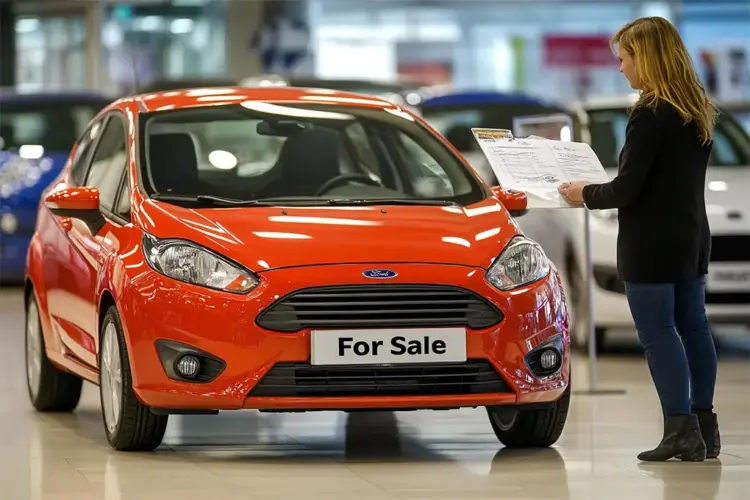
Your first stop should be local Ford dealerships. Some may still have unsold Fiestas, especially in less popular colours or trims. It’s worth calling around or checking their online inventories. Remember, the sooner you look, the better your chances.
Online Marketplaces for New Fiestas
If local dealers come up short, expand your search to online platforms. Websites like Auto Trader or even Ford’s official site might list remaining stock. Just be sure to verify the seller’s credibility before committing.
How to Verify Authenticity of New Models
With limited stock, scams can pop up. Always check the vehicle’s VIN, ask for proof of purchase, and inspect the car in person if possible. A little due diligence can save you from a problematic purchase.
Availability of New Ford Fiesta Models
Checking Dealership Inventories
If you’re wondering whether you can still buy a new Ford Fiesta, the first place to check is your local dealership. Many dealerships still have a few models left in their inventory, especially in popular trims like the Titanium or ST-Line. I’ve found that calling ahead saves time, as stock levels can vary. Some dealers might even offer discounts to clear remaining stock, so it’s worth asking about any ongoing promotions.
Dealerships often update their inventories online, so browsing their websites can give you a quick overview. If you’re flexible on colour or specs, you might snag a great deal. Remember, though, that once these models are gone, they’re gone for good. So, if you’ve got your heart set on a new Fiesta, now’s the time to act.
Online Marketplaces for New Fiestas
Beyond dealerships, online marketplaces like Auto Trader or Lowes Auto can be goldmines for finding new Fiestas. These platforms aggregate listings from across the country, giving you a broader selection. I’ve noticed that some sellers even offer delivery options, which is handy if you can’t find what you’re looking for locally.
When browsing online, always verify the seller’s credibility. Look for dealerships with high ratings and read customer reviews. Scams are rare, but it’s better to be safe than sorry. And don’t forget to check the vehicle’s history report—even for a new car, it’s good practice.
How to Verify Authenticity of New Models
With the Fiesta’s discontinuation, there’s a risk of encountering models that aren’t truly “new.” To avoid this, always ask for the vehicle’s build date and VIN. A genuine new Fiesta should have minimal mileage and come with a full manufacturer’s warranty. If something feels off, trust your gut and walk away.
Another tip is to visit the dealership in person if possible. Inspecting the car yourself ensures it hasn’t been sitting in a lot for months. And if you’re unsure, bring along a knowledgeable friend or hire a mechanic for a quick once-over. It’s a small investment for peace of mind.
Why Ford Discontinued the Fiesta
Market Trends Leading to Discontinuation
Ford’s decision to discontinue the Fiesta wasn’t made lightly. The market has shifted dramatically towards SUVs and electric vehicles, leaving compact cars like the Fiesta struggling. I’ve seen this trend firsthand—consumers want higher ride heights and more space, which the Fiesta simply couldn’t compete with.
Another factor is tightening emissions regulations. Ford has prioritised electrification, and the Fiesta’s platform wasn’t easily adaptable. It’s a shame, but it’s also a sign of the times. The automotive landscape is evolving, and not all models can keep up.
Ford’s Strategic Shift
Ford’s focus is now on larger, more profitable vehicles like the Puma and Kuga. The Fiesta, while beloved, didn’t fit into this new strategy. I’ve read that Ford plans to invest heavily in electric vehicles, and resources are being reallocated accordingly. It’s a bold move, but one that makes sense from a business perspective.
The company also cited supply chain challenges as a factor. With parts shortages and rising costs, producing a low-margin car like the Fiesta became unsustainable. It’s a tough pill to swallow for fans, but Ford’s priority is long-term survival.
Impact on Consumers
For consumers, the Fiesta’s discontinuation means fewer options in the compact car segment. If you’re a fan of small, nimble cars, you might feel left out. But there’s a silver lining: the used market is thriving, and resale values are holding strong.
On the flip side, Ford’s shift could mean better technology and more choices in the SUV and EV spaces. It’s a trade-off, but one that reflects changing consumer preferences. The Fiesta’s legacy will live on, even if the car itself is no longer in production.
Alternatives to the New Ford Fiesta
Similar Models from Ford
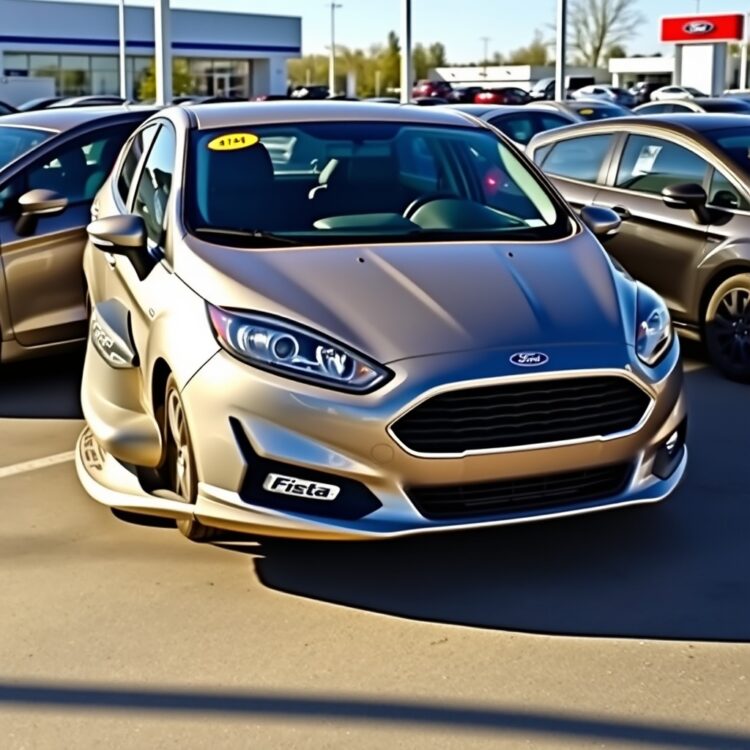
If you’re set on sticking with Ford, the Puma is the closest alternative to the Fiesta. It’s a compact SUV with similar driving dynamics but more space and a higher ride height. I’ve test-driven one, and it’s a blast—especially in ST-Line trim. The Focus is another option, though it’s larger and pricier.
Ford’s electric offerings, like the Mustang Mach-E, are worth considering if you’re ready to go green. They’re a different beast altogether, but they showcase Ford’s future direction. And let’s not forget the Puma’s role as the Fiesta’s spiritual successor.
Competitors’ Offerings
Rivals like the VW Polo and Hyundai i20 are excellent alternatives. Both offer similar size and driving fun, with modern tech and efficient engines. I’ve spent time in both, and they’re solid choices. The Polo, in particular, feels premium for its class, while the i20 punches above its weight in terms of value.
For those willing to spend a bit more, the Mini Cooper is a standout. It’s more expensive, but the driving experience is unmatched. And if you’re after reliability, the Toyota Yaris is a safe bet. Each of these models brings something unique to the table, so test-driving is key.
Electric Vehicles as Alternatives
The shift to electric is inevitable, and models like the Renault Zoe or Honda e are worth exploring. They’re compact, fun to drive, and emissions-free. I’ve driven the Honda e, and it’s a hoot—perfect for city dwellers. Charging infrastructure is improving, too, making EVs more practical than ever.
If range anxiety is a concern, hybrids like the Toyota Yaris Hybrid offer a middle ground. They’re efficient and still use petrol, so you’re not tied to charging stations. For more insights, check out this detailed analysis on the Fiesta’s discontinuation and what it means for the market.
How to Find a New Ford Fiesta Before They’re Gone
Tips for Locating Remaining Stock
If you’re determined to get your hands on a new Ford Fiesta, time is of the essence. Start by checking local dealerships—many still have unsold models in their inventory. Online marketplaces like Auto Trader and Motors.co.uk can also be goldmines for locating remaining stock. Don’t forget to expand your search radius; sometimes, the perfect Fiesta is just a short drive away. Persistence pays off, so keep checking regularly for updates.
Another pro tip: contact Ford directly. They often have insights into which dealerships still have new Fiestas available. You might even snag a deal if you’re flexible on colour or trim. Remember, the sooner you act, the better your chances of securing one before they’re all gone. It’s a race against time, but the reward is worth it.
Negotiating the Best Deal
With the Fiesta being discontinued, dealerships are eager to clear their stock. This puts you in a strong position to negotiate. Start by researching the market value of the model you’re interested in. Use this information to your advantage when discussing prices. Don’t shy away from asking for extras like free servicing or extended warranties—dealers are often willing to sweeten the deal to close a sale.
Consider financing options too. Some dealerships offer special rates for remaining stock, so it’s worth exploring. If you’re trading in an old car, get multiple valuations to ensure you’re getting a fair price. The key is to stay firm but polite. A little patience can save you a significant amount of money.
Understanding Warranty and Support Options
Even though the Fiesta is being phased out, Ford will continue to support existing models. New Fiestas come with the standard manufacturer’s warranty, typically covering three years or 60,000 miles. Extended warranties are also available for added peace of mind. Make sure to clarify what’s included and any limitations before signing on the dotted line.
Servicing and parts won’t be an issue either. Ford has a robust network of service centres, and third-party garages are well-equipped to handle Fiestas. If you’re worried about long-term support, rest assured—Ford’s commitment to its customers doesn’t end with discontinuation. You’ll still have access to everything you need to keep your Fiesta running smoothly.
The Resale Value of Ford Fiesta
Factors Affecting Resale Value
The resale value of a Ford Fiesta depends on several factors, including mileage, condition, and service history. Lower mileage and a full service record can significantly boost its value. Trim levels also play a role—higher-spec models like the ST-Line tend to hold their value better. Market demand is another key factor; with the Fiesta’s discontinuation, used models might see a slight uptick in value as they become rarer.
Colour can surprisingly impact resale too. Neutral shades like silver or black are generally more desirable. Modifications, on the other hand, can deter potential buyers unless they’re tasteful and professionally done. Keeping your Fiesta in pristine condition and maintaining all documentation will ensure you get the best possible price when it’s time to sell.
How to Maximize Your Fiesta’s Resale Value
To get the most out of your Fiesta when selling, start by keeping it clean and well-maintained. Regular servicing and timely repairs are non-negotiables. Address minor issues like scratches or dents before listing—small investments can yield big returns. Consider getting a professional valet to make it shine for potential buyers.
Timing is everything. Selling before the market is flooded with used Fiestas post-discontinuation could work in your favour. Advertise on multiple platforms to reach a wider audience, and be transparent about the car’s history. A well-presented Fiesta with honest details will attract serious buyers and fetch a higher price.
Comparing Resale Values with Competitors
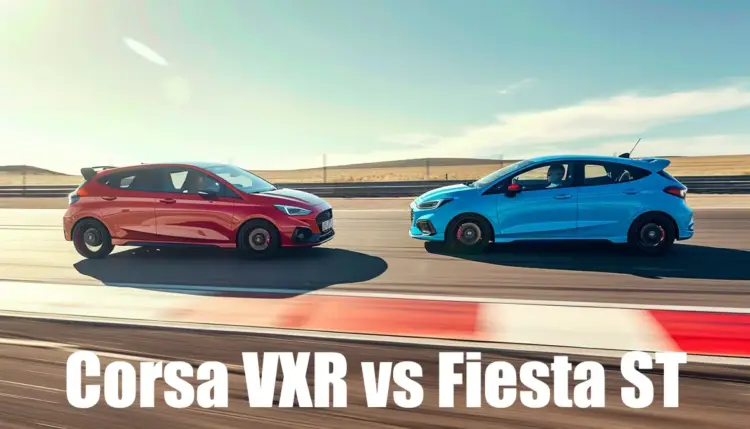
When stacked against rivals like the Vauxhall Corsa or Volkswagen Polo, the Ford Fiesta holds its own in the resale market. Its reputation for reliability and fun driving dynamics keeps demand steady. However, the Polo often edges ahead due to its premium image, while the Corsa’s affordability makes it a strong contender.
It’s worth noting that the Fiesta’s discontinuation could create a niche market for enthusiasts, potentially boosting its value over time. If you’re planning to sell, keep an eye on market trends to strike while the iron’s hot. Comparing prices regularly will help you set a competitive yet profitable asking price.
Customizing Your New Ford Fiesta
Available Customization Options
One of the joys of owning a Ford Fiesta is the endless customization possibilities. From exterior paint colours to alloy wheel designs, you can make your Fiesta uniquely yours. Ford offers a range of factory-fitted options, including sporty body kits and upgraded infotainment systems. Personalising your car at the dealership ensures everything is covered under warranty.
Interior upgrades are just as exciting. Opt for premium upholstery, ambient lighting, or even a heated steering wheel for added comfort. Don’t overlook practical additions like roof racks or parking sensors—they enhance both functionality and resale value. The key is to balance aesthetics with practicality to create a car that suits your lifestyle perfectly.
Aftermarket Upgrades
If factory options don’t cut it, the aftermarket world is your oyster. Performance upgrades like exhaust systems or suspension kits can transform your Fiesta’s driving dynamics. Cosmetic changes, such as tinted windows or vinyl wraps, let you stand out from the crowd. Just ensure any modifications are done by reputable professionals to avoid voiding your warranty.
Technology upgrades are another popular route. Installing a high-end sound system or a dash cam can significantly enhance your driving experience. Always check compatibility and seek expert advice before making changes. Remember, while aftermarket upgrades can be fun, they should align with your long-term goals for the car.
Cost vs. Benefit of Customizations
Customizing your Fiesta can be a double-edged sword. While some upgrades add value, others might not pay off when it’s time to sell. Factory-fitted options generally offer the best return on investment, as they’re covered by warranty and appeal to a broader audience. Aftermarket mods, however, can be hit or miss—enthusiasts might appreciate them, but the average buyer could be put off.
Consider your budget and how long you plan to keep the car. If it’s a long-term keeper, splurging on personal touches makes sense. For short-term ownership, stick to subtle, reversible changes. The goal is to enjoy your Fiesta without compromising its resale potential. A little thought now can save you headaches later.
Financing a New Ford Fiesta
Current Financing Offers
Ford dealerships often have attractive financing deals for remaining Fiesta stock. Low APR rates, deposit contributions, and flexible payment plans can make owning a new Fiesta more affordable. It’s worth shopping around—different dealers might offer varying incentives. Don’t forget to check Ford’s official website for the latest promotions.
Leasing is another option worth considering, especially if you like changing cars frequently. Monthly payments are typically lower than financing, and you can upgrade to a newer model at the end of the term. Just be mindful of mileage limits and wear-and-tear charges. Crunch the numbers to see what works best for your budget and driving habits.
Leasing vs. Buying
The choice between leasing and buying depends on your priorities. Leasing offers lower monthly payments and the chance to drive a new car every few years, but you’ll never own it. Buying, on the other hand, means higher upfront costs but eventual ownership. Consider how much you drive—high-mileage drivers might find leasing restrictive due to mileage caps.
Resale value is another factor. If you buy, you can sell the car whenever you want, potentially recouping some costs. With leasing, you’re locked into a contract. Weigh the pros and cons carefully, and don’t hesitate to ask dealers for side-by-side comparisons. The right choice depends on your financial situation and long-term plans.
Tips for Securing the Best Financing Deal
To land the best financing deal, start by checking your credit score—a higher score can unlock better rates. Compare offers from multiple lenders, including banks, credit unions, and dealerships. Pre-approval can give you bargaining power and streamline the buying process. Don’t be afraid to negotiate terms; even small adjustments can save you money over time.
Read the fine print carefully. Hidden fees or balloon payments can catch you off guard. If you’re unsure, seek advice from a financial advisor. Remember, the cheapest monthly payment isn’t always the best deal—consider the total cost over the loan term. With a little research and patience, you can drive away in your dream Fiesta without breaking the bank.
For more details on Ford Fiesta pricing, check out our comprehensive guide. If you’re curious about resale value, we’ve got you covered. Wondering about models to avoid? We’ve done the research. And if you’re considering running costs, our analysis will help. For expert advice on car financing, visit Ford’s official site.
The Future of Compact Cars Like the Fiesta
Industry Trends Affecting Compact Cars
The automotive industry is shifting rapidly, and compact cars like the Ford Fiesta are at the crossroads of change. We’re seeing a decline in demand for traditional petrol-powered small cars as consumers gravitate towards SUVs and electric vehicles. Market trends indicate a preference for larger, more versatile vehicles, leaving compact models struggling to maintain their foothold. However, urbanisation and environmental concerns could still breathe life into this segment.
Manufacturers are adapting by introducing hybrid and electric variants of compact cars, but the transition is slow. The Fiesta’s discontinuation reflects this broader trend, as Ford prioritises SUVs and EVs. Yet, for city dwellers, compact cars remain a practical choice. The challenge lies in balancing affordability with modern features to keep them relevant. The future may hinge on how well brands innovate within these constraints.
The Role of Electric Vehicles
Electric vehicles (EVs) are reshaping the compact car landscape, offering a sustainable alternative to petrol models. We’re already seeing EVs like the Mini Electric and Honda e carving out a niche. These cars combine the agility of compact designs with zero-emission technology, appealing to eco-conscious urban drivers. However, high costs and limited charging infrastructure remain barriers to widespread adoption.
Ford’s decision to discontinue the Fiesta suggests a strategic pivot towards electrification, but it leaves a gap in their compact lineup. The question is whether Ford will reintroduce a compact EV to fill this void. For now, competitors are seizing the opportunity, proving that compact EVs can thrive if priced competitively. The Fiesta’s legacy may yet inspire a greener successor, blending its iconic design with cutting-edge technology.
What Consumers Can Expect Moving Forward
Consumers eyeing compact cars like the Fiesta should prepare for a market in flux. While new petrol models are dwindling, used Fiestas and similar cars will remain popular for their affordability and efficiency. We anticipate a surge in certified pre-owned options as dealerships clear remaining stock. For those willing to wait, the rise of compact EVs promises exciting alternatives, though at a premium.
Ford’s focus on larger vehicles doesn’t mean compact cars are obsolete—far from it. Brands like Volkswagen and Toyota continue to invest in this segment, ensuring options for buyers. The key is to stay informed about emerging trends and weigh the pros and cons of petrol, hybrid, and electric models. The Fiesta’s spirit lives on, even as the industry evolves around it.
Maintaining Your New Ford Fiesta
Essential Maintenance Tips
Owning a Ford Fiesta means keeping it in top shape to maximise its lifespan. Regular oil changes, tyre rotations, and brake inspections are non-negotiable. We recommend sticking to the manufacturer’s service schedule to avoid costly repairs down the line. Simple habits like checking fluid levels and tyre pressure can prevent minor issues from escalating. A well-maintained Fiesta delivers reliable performance and retains its value.
Don’t overlook the importance of seasonal maintenance. Winter demands attention to battery health and antifreeze levels, while summer calls for coolant checks and air conditioning servicing. The Fiesta’s compact size makes it easy to handle, but neglecting these basics can lead to bigger problems. Investing in preventative care ensures your car remains a joy to drive, whether it’s a daily commute or a weekend adventure.
Finding Reliable Service Centers
Choosing the right service centre is crucial for your Fiesta’s upkeep. We advise opting for Ford-approved garages to ensure genuine parts and expert care. Independent mechanics can offer cost savings, but verify their experience with Ford models. Online reviews and word-of-mouth recommendations are invaluable for finding trustworthy professionals. A reliable service centre becomes a partner in your car’s longevity.
Modern diagnostics tools have made servicing more precise, but not all garages are equipped equally. Look for facilities with up-to-date technology and certified technicians. Regular servicing at a reputable centre not only maintains your Fiesta’s performance but also safeguards its warranty. Whether it’s routine maintenance or unexpected repairs, the right service provider makes all the difference.
DIY Maintenance vs Professional Services
DIY maintenance can save money and deepen your connection with your Fiesta. Tasks like replacing wiper blades or air filters are straightforward and rewarding. However, complex repairs—think engine or transmission work—are best left to professionals. We’ve seen too many well-intentioned DIY efforts lead to costly mistakes. Knowing your limits is key to avoiding unnecessary headaches.
For those keen on hands-on care, online tutorials and forums like Lowes Auto’s blog offer valuable guidance. But remember, some jobs require specialised tools and expertise. Balancing DIY enthusiasm with professional support ensures your Fiesta stays roadworthy. Whether you’re a novice or a seasoned tinkerer, a mix of both approaches keeps your car running smoothly.
The Community Around Ford Fiesta
Online Forums and Groups
The Ford Fiesta boasts a passionate community of enthusiasts who share tips, mods, and stories. Online forums like Fiesta Owners Club and Reddit threads are treasure troves of advice. We’ve found these platforms invaluable for troubleshooting issues or discovering upgrades. Whether you’re a new owner or a long-time fan, engaging with these communities enhances your Fiesta experience.
Social media groups also offer a space to connect with like-minded drivers. From Facebook groups to Instagram pages, the Fiesta’s fanbase is vibrant and welcoming. These platforms are perfect for buying/selling parts, organising meetups, or simply geeking out over your car. The sense of camaraderie among Fiesta owners is unmatched, making ownership even more rewarding.
Local Meetups and Events
Nothing beats the thrill of meeting fellow Fiesta fans in person. Local car meets and events provide opportunities to showcase your ride and swap ideas. We’ve attended countless gatherings where owners proudly display their customised Fiestas. These events often feature competitions, group drives, and expert talks, making them a must for any enthusiast.
Ford-sponsored events, like the annual Ford Fair, are highlights for the community. Here, you’ll see everything from stock models to heavily modified beasts. Participating in these events fosters connections and inspires new projects. Whether it’s a casual meet or a full-blown festival, the Fiesta community knows how to celebrate its favourite car.
How to Get Involved
Joining the Fiesta community is easier than you think. Start by signing up for forums or following relevant social media pages. We recommend attending a local meetup to dip your toes in. Don’t be shy—everyone was a newbie once. Sharing your Fiesta’s story or asking for advice is a great way to break the ice.
For those eager to dive deeper, consider joining a club or participating in charity drives. The Fiesta community often organises events for good causes, combining fun with philanthropy. Whether online or offline, getting involved enriches your ownership journey. The friendships and knowledge you gain are priceless.
Comparing the Fiesta to Other Ford Models
Fiesta vs Focus
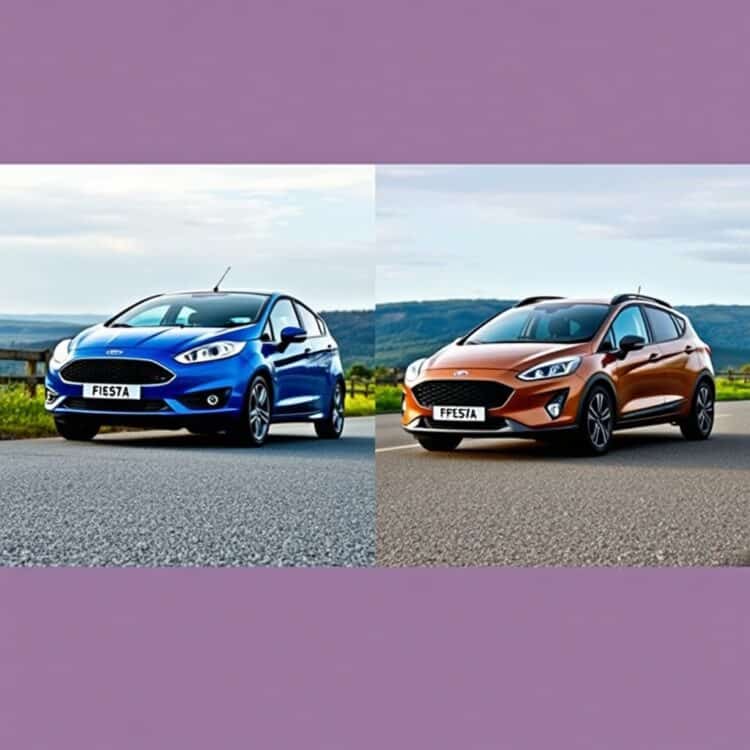
The Ford Fiesta and Focus have long been siblings in Ford’s lineup, each catering to different needs. The Fiesta’s compact size and agility make it ideal for city driving, while the Focus offers more space and power for families. We’ve driven both and appreciate the Fiesta’s nimble handling, though the Focus excels on longer journeys. It’s a matter of prioritising manoeuvrability versus versatility.
Price-wise, the Fiesta is more affordable, but the Focus justifies its higher cost with advanced features and comfort. The Focus also boasts a wider range of engine options, including hybrid variants. For those torn between the two, test drives are essential. The Fiesta’s charm lies in its simplicity, while the Focus appeals to those needing extra room and tech.
Fiesta vs Puma
Ford’s Puma bridges the gap between compact cars and SUVs, offering a taller ride and bolder design. We’ve noticed the Puma’s popularity surge as buyers gravitate towards crossover styling. The Fiesta, meanwhile, remains a purist’s choice for its sporty drive and lower price point. The Puma’s added practicality comes at the expense of the Fiesta’s agility.
Both models share Ford’s latest tech, but the Puma’s elevated seating position and boot space give it an edge for families. The Fiesta, however, delivers a more engaging driving experience. Your choice depends on whether you value driving dynamics or everyday convenience. The Puma’s rise highlights shifting preferences, but the Fiesta’s legacy endures.
Fiesta vs Kuga
The Ford Kuga is a full-fledged SUV, a world apart from the Fiesta’s compact dimensions. We’ve tested both and can attest to their distinct appeals. The Kuga’s spacious interior and robust build suit families and adventurers, while the Fiesta shines in urban settings. The Kuga’s higher driving position and advanced safety features cater to those prioritising comfort and security.
Fuel efficiency and parking ease give the Fiesta an advantage in crowded cities. The Kuga, however, offers superior towing capacity and off-road capability. For those debating between the two, consider your daily needs. The Fiesta is a nimble companion for city life, while the Kuga is built for broader horizons. Ford’s diverse lineup ensures there’s a model for every driver.
The Environmental Impact of Choosing a Fiesta
Fuel Efficiency and Emissions
When I think about the Ford Fiesta, one of the first things that comes to mind is its impressive fuel efficiency. The Fiesta has long been praised for its ability to deliver miles per gallon that rival many competitors. But it’s not just about saving money at the pump—lower fuel consumption means fewer emissions. The Fiesta’s smaller engine options, especially the EcoBoost variants, strike a balance between performance and environmental responsibility. If you’re looking for a car that minimises its carbon footprint, the Fiesta is a solid choice. For more insights on fuel-efficient cars, check out our guide.
However, it’s worth noting that while the Fiesta is efficient, it’s not a zero-emission vehicle. The shift towards hybrid and electric alternatives is accelerating, and the Fiesta’s traditional combustion engine can’t compete with the green credentials of these newer technologies. Still, for those not ready to make the leap to electric, the Fiesta remains a responsible option in its class. Its emissions are well within modern standards, making it a viable choice for eco-conscious drivers.
The Shift Towards Greener Alternatives
Ford’s decision to discontinue the Fiesta isn’t just about market trends—it’s a reflection of the automotive industry’s pivot towards greener technologies. Electric vehicles (EVs) are becoming more accessible, and Ford is focusing its resources on models like the Mustang Mach-E and the upcoming electric Puma. This shift leaves the Fiesta, with its reliance on fossil fuels, in a tricky position. If you’re passionate about reducing your environmental impact, it might be time to explore Ford’s electric offerings.
That said, the Fiesta’s legacy isn’t entirely overshadowed by its environmental limitations. Its compact size and efficient design still make it a better choice than many larger, less efficient vehicles. For urban drivers, the Fiesta’s agility and lower emissions compared to SUVs or trucks can be a meaningful step towards sustainability. The key is to weigh your options carefully and consider how your driving habits align with your environmental goals.
How Your Choice Affects the Environment
Every car purchase is a vote for the kind of future you want to see. Choosing a Fiesta means supporting a vehicle that, while not perfect, is a step in the right direction. Its fuel efficiency and relatively low emissions make it a responsible choice for drivers who aren’t ready for an EV. But it’s also a reminder that the automotive landscape is changing, and greener options are becoming the norm. For a deeper dive into Ford’s sustainability efforts, explore their official reports.
If you’re committed to minimising your environmental impact, consider the Fiesta’s used market. Buying a pre-owned Fiesta extends the life of an existing vehicle, reducing the demand for new manufacturing and its associated carbon footprint. Plus, with proper maintenance, a used Fiesta can remain efficient for years. It’s a small but meaningful way to make your driving habits more sustainable. For tips on finding a reliable used model, visit our resale value guide.
Navigating the Used Market for Ford Fiestas
Pros and Cons of Buying Used
Buying a used Ford Fiesta can be a smart financial move, but it’s not without its challenges. On the plus side, you’ll avoid the steep depreciation that hits new cars the moment they leave the lot. Fiestas are known for their reliability, so a well-maintained used model can offer years of trouble-free driving. However, you’ll need to be vigilant about the car’s history. Accidents, poor maintenance, or high mileage can turn a bargain into a money pit. Always request a full service history and consider a pre-purchase inspection.
Another advantage of the used market is the wider variety of trims and special editions available. While new Fiestas are becoming scarce, the used market is brimming with options, from sporty ST models to frugal EcoBoost variants. This variety lets you find a Fiesta that perfectly matches your needs and budget. Just remember to factor in potential repair costs—older models may need more frequent maintenance, so set aside a budget for unexpected expenses.
How to Find a Reliable Used Fiesta
Finding a reliable used Fiesta starts with knowing where to look. Dealerships often offer certified pre-owned (CPO) models, which come with warranties and thorough inspections. Private sellers can offer lower prices, but the risk is higher. Online marketplaces like Auto Trader or Gumtree are great for browsing inventory, but always arrange to see the car in person before committing. Pay attention to the seller’s reputation and read reviews if possible.
Once you’ve found a potential candidate, dig into its history. A vehicle history check can reveal past accidents, mileage discrepancies, or outstanding finance. Test drives are non-negotiable—listen for unusual noises, check for smooth gear changes, and test all electronics. Don’t rush the process; taking your time now can save you headaches later. For more tips on pricing and costs, explore our comprehensive guide.
What to Look for in a Pre-Owned Model
When inspecting a used Fiesta, start with the basics: tyres, brakes, and fluids. Worn tyres or low brake pads can indicate neglect. Check for leaks under the car and inspect the engine bay for signs of damage or poor maintenance. Inside, test all buttons, switches, and infotainment features. A well-cared-for interior often reflects a well-maintained engine.
Pay special attention to the Fiesta’s known weak points, such as the clutch in manual models or the timing belt in older engines. These components can be costly to replace, so factor them into your decision. If possible, bring a mechanic along for the inspection—their expertise can uncover issues you might miss. Remember, a little due diligence goes a long way in ensuring you drive away with a dependable used Fiesta.
The Legacy of the Ford Fiesta
Memorable Models and Editions
The Ford Fiesta has had a storied history, with countless special editions and memorable models. From the early Mk1 to the sporty ST and the luxurious Vignale, the Fiesta has always offered something for everyone. The ST, in particular, stands out as a fan favourite, blending affordability with thrilling performance. These models aren’t just cars—they’re milestones in automotive history, each contributing to the Fiesta’s enduring popularity.
Limited editions like the Fiesta Black Edition or the Red Edition added exclusivity to the lineup, often featuring unique styling or enhanced specs. Collectors and enthusiasts still seek these rare variants, and their value can appreciate over time. Whether you’re a casual driver or a die-hard fan, the Fiesta’s diverse range ensures there’s a model that resonates with you. Its legacy is a testament to Ford’s ability to cater to a wide audience.
The Fiesta in Motorsports
The Fiesta’s impact extends beyond the road—it’s a legend in motorsports. The Fiesta ST and RS models have dominated rally circuits, showcasing the car’s agility and durability. These racing pedigrees trickled down to the consumer models, giving everyday drivers a taste of performance engineering. The Fiesta’s success in motorsports isn’t just about wins; it’s about proving that small cars can pack a serious punch.
Even as the Fiesta bows out of production, its racing legacy lives on. Enthusiast communities and aftermarket tuners continue to celebrate the Fiesta’s performance potential. Whether you’re watching a rally or modifying your own Fiesta, the car’s motorsport DNA is undeniable. It’s a reminder that the Fiesta wasn’t just practical—it was fun, and that’s a legacy worth preserving.
Why the Fiesta Remains a Favorite
Despite its discontinuation, the Fiesta remains a beloved car for many. Its blend of affordability, efficiency, and driving enjoyment is hard to match. For first-time buyers, it’s a forgiving and economical choice. For seasoned drivers, it’s a reliable companion that never fails to put a smile on their face. The Fiesta’s charm lies in its simplicity—it’s a car that does everything well without unnecessary frills.
As we say goodbye to the Fiesta, it’s clear that its impact will linger. Whether through used models, enthusiast communities, or its influence on future Ford vehicles, the Fiesta’s spirit endures. It’s a car that defined generations, and its absence will be felt. But for those lucky enough to own one, the Fiesta’s legacy is alive and well on roads around the world.
Frequently Asked Questions
Is the Ford Fiesta still available new?
No, Ford has discontinued the Fiesta, and new models are no longer being produced. However, some dealerships may still have remaining stock. If you’re set on a new Fiesta, act quickly—once these are gone, they’re gone for good. Alternatively, consider exploring Ford’s newer models, like the Puma or the electric Mustang Mach-E.
What are the best alternatives to the Fiesta?
If you’re looking for a similar compact car, the Ford Puma, Volkswagen Polo, or Hyundai i20 are great options. For those ready to go electric, the Mini Electric or Renault Zoe offer comparable size and efficiency. Each of these alternatives brings its own strengths, so test-driving a few will help you find the best fit for your needs.
How does the Fiesta’s resale value hold up?
The Fiesta has historically held its value well, especially well-maintained or sporty models like the ST. Discontinuation could impact this, but for now, used Fiestas remain in demand. Factors like mileage, condition, and service history play a big role, so keep these in mind if you’re buying or selling.
Are used Fiestas reliable?
Yes, used Fiestas are generally reliable, especially if they’ve been well cared for. Stick to models with full service histories and avoid high-mileage examples unless they’ve been meticulously maintained. Common issues include clutch wear in manuals and minor electrical gremlins, but these are manageable with proper upkeep.
What makes the Fiesta special compared to other small cars?
The Fiesta’s winning formula was its balance of affordability, fun driving dynamics, and practicality. Few cars in its class matched its blend of attributes, making it a standout choice for decades. Its motorsport heritage and loyal fanbase only added to its appeal, cementing its place as a small car icon.