Introduction
Owning a Ford Fiesta is a joy, but keeping it running smoothly requires regular servicing. I’ve spent years tinkering with cars, and one thing’s clear: neglecting maintenance is a recipe for trouble. So, how often should you service your Fiesta? The answer isn’t one-size-fits-all—it depends on your driving habits, model year, and even the seasons. Let’s dive into the details to ensure your Fiesta stays in top shape for years to come.
Key Takeaways
- Follow Ford’s recommended service intervals to avoid costly repairs.
- Regular servicing extends your car’s lifespan and maintains its resale value.
- Oil changes and tire rotations are essential for optimal performance.
- Use the Intelligent Oil Life Monitor for precise maintenance timing.
- Seasonal checks prepare your Fiesta for extreme weather conditions.
How Well Do You Know Ford?
Understanding Ford Fiesta Service Intervals
What is a service interval?
A service interval is the recommended timeframe or mileage for maintaining your car. Think of it as a health check-up for your Fiesta. Skipping these intervals can lead to wear and tear, reducing performance and safety. For example, Ford Fiesta owners should stick to these schedules to avoid unexpected breakdowns.
Ford’s recommended service intervals for the Fiesta
Ford typically suggests servicing your Fiesta every 12 months or 12,000 miles, whichever comes first. However, this can vary based on driving conditions. If you frequently drive in stop-and-go traffic or harsh weather, you might need more frequent checks. Always consult your owner’s manual for specifics.
How service intervals vary by model year
Newer Fiestas often come with advanced systems like the Intelligent Oil Life Monitor, which adjusts service intervals based on driving habits. Older models rely on fixed schedules. For instance, a 2015 Fiesta might need more frequent oil changes than a 2020 model. Always check your manual or consult a trusted mechanic.
The Importance of Regular Servicing
Extending your vehicle’s lifespan
Regular servicing is the backbone of keeping your Ford Fiesta running smoothly for years. I’ve seen firsthand how skipping maintenance can lead to costly repairs down the line. By sticking to the recommended schedule, you ensure every component, from the engine to the brakes, stays in top shape. Think of it as an investment—spend a little now to save a lot later. Trust me, your Fiesta will thank you with fewer breakdowns and a longer life on the road.
Neglecting service intervals is like ignoring a ticking time bomb. Small issues, if left unchecked, can escalate into major problems. For example, dirty oil can cause engine wear, while worn-out brake pads can damage rotors. We’ve all heard horror stories of engines seizing or transmissions failing—most of these disasters could’ve been avoided with timely servicing. So, don’t gamble with your car’s health; keep it serviced and stress-free.
Maintaining warranty and resale value
If you’re like me, you probably want to get the best value when it’s time to sell or trade in your Fiesta. Here’s the thing: a well-documented service history is gold. Potential buyers and dealerships will pay more for a car that’s been cared for. I’ve seen cars with full service records fetch thousands more than those without. Plus, sticking to the schedule keeps your warranty valid—skip a service, and Ford might deny a claim. It’s just not worth the risk.
Let’s talk numbers. A study shows that cars with regular servicing retain up to 20% more value. That’s a significant chunk of change! And if you’re leasing, missing services can lead to penalties at the end of your term. So, whether you’re planning to keep your Fiesta forever or sell it next year, servicing is non-negotiable. It’s the smartest way to protect your investment.
Safety benefits of regular maintenance
Your safety—and that of your passengers—should always come first. Regular servicing ensures critical systems like brakes, steering, and suspension are functioning properly. I’ve had moments where a quick brake inspection revealed worn pads, potentially avoiding a dangerous situation. It’s not just about performance; it’s about peace of mind. Knowing your car is in top condition means fewer surprises on the road.
Ever had a warning light pop up and ignored it? I get it—life gets busy. But those lights are there for a reason. A common issue like a faulty sensor can escalate if left unchecked. Regular checks catch these problems early, keeping you safe and saving you from costly fixes. Remember, a well-maintained car is a safe car. Don’t cut corners when it comes to your safety.
Ford Fiesta Maintenance Schedule Explained
Overview of the maintenance schedule
Ford’s maintenance schedule for the Fiesta is designed to keep your car running like new. It’s a roadmap of what needs attention and when. From oil changes to tire rotations, every service point is carefully planned. I’ve found that following this schedule religiously prevents 90% of common issues. It’s not just about ticking boxes—it’s about understanding why each service matters and how it benefits your car in the long run.
The schedule is divided into mileage-based intervals, typically every 10,000 to 20,000 miles, depending on your driving habits. For instance, city driving with frequent stops wears components faster than highway cruising. That’s why Ford tailors recommendations based on usage. If you’re unsure, your owner’s manual or a quick chat with your mechanic can clarify what’s best for your Fiesta. Stick to the plan, and your car will reward you with reliability.
Key services at different mileage points
At 10,000 miles, your Fiesta will need an oil and filter change—the lifeblood of your engine. I always recommend using genuine Ford parts for this; they’re engineered specifically for your car. By 30,000 miles, it’s time for a more thorough check, including air filters, brake fluid, and tire rotation. These might seem minor, but they play a huge role in performance and efficiency.
Hit 60,000 miles, and things get serious. This is when components like spark plugs and coolant need replacing. Ignoring these can lead to poor fuel economy or even engine damage. I’ve seen cars with neglected 60k services struggle with misfires and overheating. Don’t let that be you. Follow the schedule, and your Fiesta will keep purring like a kitten. Remember, proactive care beats reactive repairs every time.
Customizing your schedule based on driving habits
Not all Fiestas are driven the same way, and Ford knows that. If you’re a stop-and-go city driver, your car faces more wear than a highway cruiser. That’s why the schedule includes “severe service” recommendations. For example, frequent short trips mean more engine wear, so oil changes might be needed sooner. I always advise city drivers to err on the side of caution—better safe than sorry.
Likewise, if you tow or carry heavy loads, your brakes and transmission will thank you for extra attention. A guide from Haynes highlights how driving conditions impact service needs. Tailor your schedule to your lifestyle, and your Fiesta will stay in peak condition. It’s all about adapting Ford’s recommendations to fit how you use your car. After all, one size doesn’t always fit all.
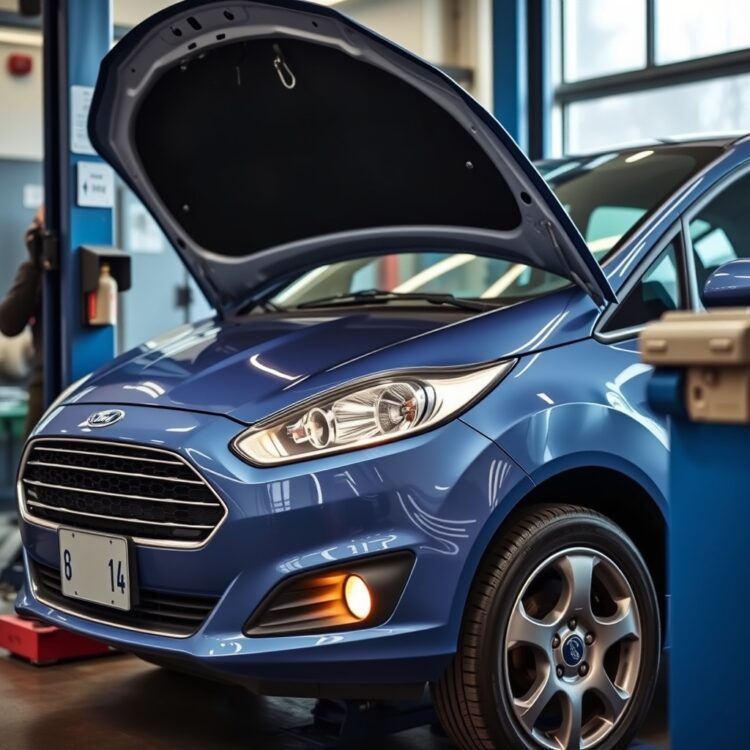
Essential Services for Your Ford Fiesta
Oil and filter changes
Oil is the lifeblood of your Fiesta’s engine, and changing it regularly is non-negotiable. I’ve seen engines ruined by old, sludgy oil—it’s not a pretty sight. Ford recommends changes every 10,000 to 20,000 miles, but if you’re a hard driver, consider doing it sooner. Fresh oil reduces friction, prevents overheating, and keeps your engine running smoothly. It’s one of the easiest ways to extend your car’s life.
Don’t forget the filter! A clogged filter can’t do its job, letting contaminants circulate in your engine. I always use high-quality filters—they’re worth the extra few pounds. And if you’re unsure about intervals, check your owner’s manual or consult a trusted mechanic. Skipping oil changes might save you time now, but it’ll cost you dearly later. Trust me, your engine will thank you.
Tire rotation and alignment
Tires are your Fiesta’s only contact with the road, so keeping them in top shape is crucial. Rotating them every 6,000 to 8,000 miles ensures even wear, extending their lifespan. I’ve seen cars with uneven tire wear handle poorly and even lose fuel efficiency. It’s a simple service that pays off in safety and savings. Plus, it’s a great chance to check for nails or other damage.
Alignment is another often-overlooked service. If your car pulls to one side or the steering wheel vibrates, it’s time for a check. Misaligned wheels can cause uneven tire wear and strain suspension components. I recommend an alignment check annually or after hitting a pothole. It’s a small investment that keeps your Fiesta driving straight and true. Don’t wait until your tires are ruined—be proactive.
Brake inspection and maintenance
Brakes are your first line of defense on the road, and neglecting them is a recipe for disaster. I’ve had close calls where worn pads almost led to accidents. Ford recommends inspecting brakes every 12,000 miles, but listen to your car—squealing or grinding noises are red flags. Replacing pads before they’re completely worn saves you money on rotors and calipers down the line.
Brake fluid is another critical component. Over time, it absorbs moisture, reducing effectiveness. Flushing it every 30,000 miles ensures your brakes respond when you need them most. I’ve seen cars with old fluid take longer to stop—a scary thought in an emergency. Don’t cut corners here; your safety depends on it. Regular brake checks are a small price to pay for peace of mind.
Intelligent Oil Life Monitor System
We’ve all been there—wondering if it’s time for an oil change or not. That’s where Ford’s Intelligent Oil Life Monitor System comes in. This nifty feature takes the guesswork out of maintenance by tracking your driving habits and engine conditions to determine the optimal time for an oil change. No more relying on outdated mileage intervals; your Fiesta tells you when it’s ready.
The benefits of this system are clear. It ensures your engine gets fresh oil exactly when it needs it, maximising performance and longevity. Plus, it’s eco-friendly, reducing unnecessary oil changes. But don’t forget—while the system is smart, it’s still wise to manually check your oil level periodically, especially before long trips or if you notice any unusual engine behaviour.
How the system works
The Intelligent Oil Life Monitor uses sensors and algorithms to analyse your driving patterns, engine temperature, and load. It calculates oil degradation in real-time, adjusting the service interval dynamically. This means if you’re mostly driving in stop-and-go traffic, the system will recommend more frequent changes than if you’re cruising on the motorway.
Benefits of using the Intelligent Oil Life Monitor
One of the biggest perks is convenience. You’ll get a dashboard alert when it’s time for a change, so you’re never left guessing. It also saves you money by avoiding premature oil changes. And let’s not overlook the environmental benefit—fewer oil changes mean less waste. It’s a win-win for you and the planet.
When to manually check your oil
While the system is reliable, it’s not infallible. We recommend checking your oil level at least once a month, especially if your Fiesta is older or has high mileage. Look for signs of contamination or low levels, and top up if needed. Remember, the monitor tracks oil life, not quantity—so keep an eye on both.
Seasonal Maintenance Tips
Your Ford Fiesta isn’t just a fair-weather friend—it’s built to handle all seasons. But to keep it running smoothly year-round, a bit of seasonal TLC goes a long way. From winter prep to summer checks, here’s how to ensure your Fiesta stays in top shape no matter the weather.
Seasonal maintenance isn’t just about comfort; it’s about safety too. Cold winters and scorching summers can take a toll on your car’s components, so staying proactive is key. Let’s break it down by season so you know exactly what to focus on.
Preparing your Fiesta for winter
Winter can be harsh on your Fiesta, so start by checking the battery—cold weather is notorious for draining power. Ensure your antifreeze levels are topped up, and switch to winter-grade oil if you live in a particularly chilly area. Don’t forget to inspect your wiper blades and tyres; grip is everything when roads turn icy.
Summer maintenance checklist
Summer brings its own challenges, like overheating. Check your coolant levels and inspect the air conditioning system before the heat hits. Tyre pressure is another critical item—hot weather can cause overinflation, leading to blowouts. And give your Fiesta’s exterior some love with a good wash and wax to protect the paint from UV damage.
Seasonal tire care
Tires are your Fiesta’s only contact with the road, so seasonal checks are non-negotiable. In winter, consider switching to snow tyres for better traction. In summer, ensure your tyres are properly inflated and tread depth is sufficient. Rotate them regularly to promote even wear and extend their lifespan.
DIY Maintenance vs. Professional Servicing
There’s a certain satisfaction in rolling up your sleeves and tackling car maintenance yourself. But when should you DIY, and when is it best to leave it to the pros? We’ll help you navigate this balance to keep your Ford Fiesta in peak condition without unnecessary risks.
DIY tasks can save you money and deepen your connection with your car, but some jobs require specialised tools and expertise. Knowing the difference is crucial. Here’s a breakdown of what you can handle at home and when it’s time to call in the professionals.
Tasks you can safely do at home
Simple tasks like changing the air filter, topping up fluids, or replacing wiper blades are perfect for DIYers. These require minimal tools and pose little risk if done correctly. Checking tyre pressure and oil levels are also easy wins. Just follow your owner’s manual and use quality parts for the best results.
When to seek professional help
Complex jobs like brake repairs, transmission servicing, or electrical work should always be left to trained technicians. These tasks involve safety-critical components and specialised knowledge. Attempting them yourself could lead to costly mistakes or even accidents. When in doubt, err on the side of caution and book a service.
Finding a trusted Ford service center
Not all garages are created equal. For peace of mind, stick to Ford-approved service centres. They use genuine parts and have technicians trained specifically for your Fiesta. Look for certifications and customer reviews to ensure you’re getting top-notch care. Your car—and your wallet—will thank you.
Common Maintenance Mistakes to Avoid
Even the most well-intentioned car owners can fall into maintenance pitfalls. Avoiding these common mistakes will keep your Ford Fiesta running smoothly and save you from expensive repairs down the line. Let’s dive into the top blunders and how to steer clear of them.
Neglecting small issues or cutting corners might seem harmless at first, but they can snowball into major problems. Regular, proper maintenance is the key to longevity. Here’s what to watch out for to keep your Fiesta in tip-top shape.
Neglecting minor issues
That strange noise or warning light might not seem urgent, but ignoring it can lead to bigger, costlier repairs. Address small issues promptly—whether it’s a squeaky belt or a flickering dashboard light. Early intervention often means simpler fixes and prevents further damage.
Using non-recommended parts and fluids
Your Fiesta was designed with specific parts and fluids in mind. Using cheap or incompatible alternatives might save a few quid upfront, but it can harm performance and void your warranty. Stick to genuine Ford parts and recommended grades of oil and coolant for optimal results.
Skipping scheduled services
Regular servicing isn’t just a suggestion—it’s essential. Skipping or delaying services can lead to premature wear and tear, reduced fuel efficiency, and even safety risks. Stick to the schedule outlined in your owner’s manual, and consider professional guidance for complex tasks. Your Fiesta will reward you with reliability and longevity.
Advanced Maintenance Techniques
Performance upgrades and maintenance
When it comes to enhancing your Ford Fiesta’s performance, upgrades like cold air intakes, exhaust systems, and ECU tuning can make a noticeable difference. However, these modifications require meticulous maintenance to ensure longevity. We recommend sticking to genuine Ford parts or reputable aftermarket brands to avoid compromising reliability. Regular checks on upgraded components are essential, as they often wear faster than stock parts.
Performance upgrades also mean your Fiesta may need more frequent servicing. For instance, turbocharged models benefit from shorter oil change intervals to prevent sludge buildup. Always consult a professional before making changes, as improper installations can void warranties or cause costly damage. Performance tuning isn’t just about power—it’s about balancing upgrades with diligent upkeep.
High-mileage care tips
If your Fiesta has clocked over 100,000 miles, it’s time to adopt a high-mileage maintenance routine. Start by switching to high-mileage engine oil, which contains additives to reduce wear and tear. Pay extra attention to the timing belt, suspension components, and transmission fluid, as these are prone to deterioration over time. A thorough inspection every 6,000 miles can catch issues before they escalate.
High-mileage vehicles also benefit from using quality replacement parts designed for durability. Don’t skip minor repairs, as small problems can snowball into major expenses. Regularly cleaning the fuel injectors and replacing spark plugs can keep your engine running smoothly. Remember, a well-maintained high-mileage Fiesta can still deliver years of reliable service.
Detailing and preserving your Fiesta’s interior and exterior
Preserving your Fiesta’s aesthetics goes beyond regular washing. Use paint sealants or ceramic coatings to protect the exterior from UV rays and road salt. For the interior, invest in UV-protectant sprays for the dashboard and leather conditioners for seats. Avoid harsh chemicals that can degrade materials over time. A well-detailed car not only looks great but also retains its resale value.
Don’t overlook the undercarriage, especially if you drive in harsh conditions. Rustproofing treatments can prevent corrosion, while regular waxing keeps the paint glossy. For fabric interiors, consider stain-resistant treatments. Detailing isn’t just cosmetic—it’s a proactive way to extend your Fiesta’s lifespan and keep it looking factory-fresh.
Understanding Service Costs
Average cost of common services
Servicing a Ford Fiesta isn’t just about keeping it running—it’s about budgeting wisely. A basic oil change typically costs between £50 and £100, while a full service can range from £150 to £300, depending on the garage. Major services, like timing belt replacements, can set you back £400 or more. Always request a breakdown of costs upfront to avoid surprises.
Labour rates vary widely, so it pays to shop around. Dealerships often charge premium rates, but independent garages with Ford-certified technicians can offer similar quality at lower prices. Don’t skimp on essential services, as neglecting them can lead to pricier repairs down the line. A well-maintained Fiesta is a cost-effective one.
How to budget for regular maintenance
Planning for maintenance costs ensures you’re never caught off guard. Set aside £20-£30 monthly for routine services, and more for unexpected repairs. Consider a service plan if you prefer predictable payments. These plans often include discounts on parts and labour, making them a smart investment for long-term savings.
Track your Fiesta’s service schedule and prioritise tasks based on urgency. For example, brake inspections are non-negotiable, while cosmetic fixes can wait. Use apps or spreadsheets to monitor expenses and identify patterns. A little financial planning goes a long way in keeping your Fiesta in top shape without breaking the bank.
Saving money without compromising quality
Cutting costs doesn’t mean cutting corners. Opt for OEM (Original Equipment Manufacturer) parts instead of dealer-branded ones—they’re often identical but cheaper. Learn to perform simple tasks like air filter changes yourself, but leave complex jobs to professionals. Buying parts online can also save money, but ensure they’re from reputable sellers.
Another tip is to bundle services. For instance, combine an oil change with a tire rotation to save on labour. Loyalty programs at local garages can offer discounts over time. Remember, the cheapest option isn’t always the best. Investing in quality maintenance now prevents costly repairs later.
The Role of Genuine Ford Parts
Benefits of using genuine parts
Genuine Ford parts are engineered specifically for your Fiesta, ensuring perfect fit and performance. They undergo rigorous testing to meet Ford’s standards, offering reliability that aftermarket parts can’t always match. Using genuine parts also preserves your warranty and maintains resale value. Think of them as an insurance policy for your car’s longevity.
These parts often come with warranties, giving you peace of mind. For example, a genuine Ford battery might include a three-year guarantee, while a generic one offers less. Performance and fuel efficiency are also optimised when you stick with OEM parts. It’s a small premium for long-term benefits.
Identifying counterfeit parts
Counterfeit parts are a growing problem, often masquerading as genuine Ford components. Look for inconsistencies in packaging, such as misspelt logos or poor-quality printing. Genuine parts have unique serial numbers you can verify with Ford. If a deal seems too good to be true, it probably is—counterfeits often fail prematurely or cause damage.
Stick to authorised dealers or trusted suppliers to avoid fakes. Beware of online marketplaces flooded with knock-offs. Always request receipts and warranties when purchasing parts. Your Fiesta deserves the best, and counterfeit parts are a risk not worth taking.
Where to buy genuine Ford parts
Ford dealerships are the most reliable source for genuine parts, but they’re not the only option. Online platforms like Ford’s official parts store or certified retailers offer convenience and competitive pricing. Some independent garages also stock OEM parts—just ensure they’re authorised distributors.
When buying online, check reviews and return policies. Avoid third-party sellers with no verifiable credentials. Genuine parts might cost more upfront, but they save money in the long run by reducing the likelihood of premature failure. Your Fiesta’s performance and safety depend on the quality of its components.
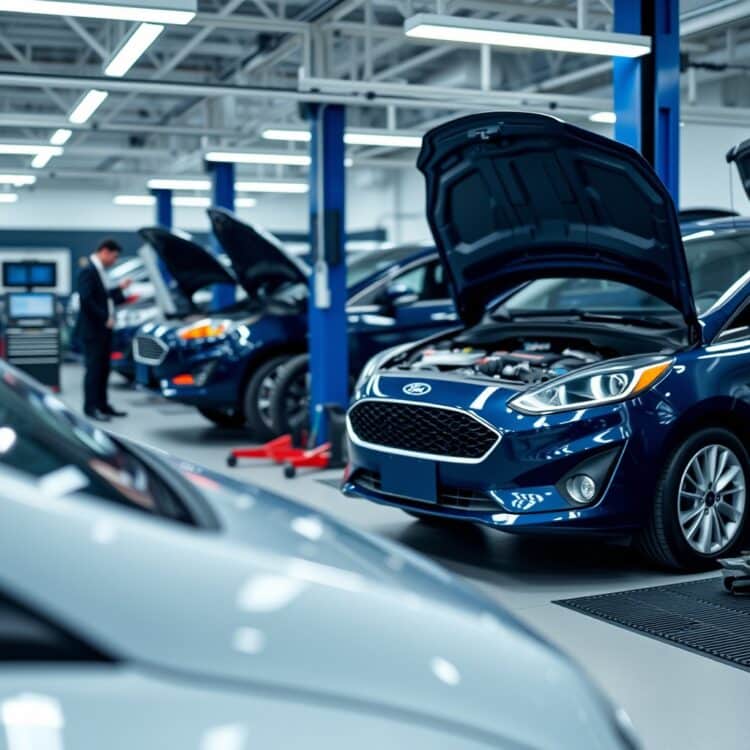
Troubleshooting Common Issues
Warning lights and what they mean
Dashboard warning lights are your Fiesta’s way of signalling trouble. The check engine light could indicate anything from a loose gas cap to a serious engine issue. The ABS light points to braking system problems, while the battery light warns of charging failures. Don’t ignore these alerts—address them promptly to avoid further damage.
Refer to your owner’s manual for specific light meanings. Some issues, like low tire pressure, are easy fixes, while others require professional diagnosis. Modern Fiestas with Ford’s SYNC system can provide detailed error messages. When in doubt, consult a mechanic to decode and resolve the problem.
Unusual noises and potential causes
Squealing brakes, grinding gears, or rattling exhausts are red flags. Squeals often mean worn brake pads, while grinding suggests metal-on-metal contact—a sign to replace brakes immediately. Rattling could indicate loose components or exhaust leaks. Don’t dismiss these sounds; they’re early warnings of bigger issues.
Pay attention to when noises occur—during acceleration, braking, or turning. This helps pinpoint the problem. For example, a humming noise while driving might point to wheel bearing failure. Regular inspections can catch these issues early, saving you from costly repairs. Your Fiesta’s sounds tell a story—listen closely.
When to seek immediate service
Certain symptoms demand urgent attention. Overheating, sudden loss of power, or fluid leaks are critical. Smoke from the engine or exhaust signals severe problems, like oil burning or coolant leaks. If your Fiesta stalls frequently or struggles to start, don’t delay—these issues can escalate quickly.
Safety should always come first. If you notice steering wobbles or brake failure, pull over immediately and call for assistance. Regular servicing reduces the risk of emergencies, but being proactive when problems arise is equally important. Your Fiesta’s health depends on timely interventions.
Maximizing Fuel Efficiency Through Maintenance
How regular servicing improves fuel economy
Regular servicing keeps your Ford Fiesta running at peak efficiency, directly impacting fuel economy. Clean oil, fresh filters, and well-maintained spark plugs ensure the engine operates smoothly, reducing unnecessary fuel consumption. Neglecting these basics can lead to clogged systems and inefficient combustion, forcing the engine to work harder and burn more fuel. We’ve seen firsthand how a well-serviced Fiesta can outperform a neglected one in mileage tests.
Beyond the engine, servicing includes checking the exhaust system and fuel injectors, both critical for optimal fuel use. A faulty oxygen sensor or dirty injectors can skew the air-fuel mixture, wasting petrol. Our mechanics always emphasise these checks during routine visits. Remember, a small investment in maintenance today can save you pounds at the pump tomorrow. For more tips, check out our automotive blog.
Maintenance tips for better mileage
Simple habits like keeping tires inflated to the correct pressure can boost your Fiesta’s fuel efficiency. Underinflated tires increase rolling resistance, forcing the engine to consume more fuel. We recommend checking tire pressure monthly and before long trips. Additionally, using the recommended grade of motor oil reduces friction inside the engine, further improving mileage. Always refer to your owner’s manual for specifics.
Another often-overlooked tip is reducing unnecessary weight. Extra baggage in the boot or roof racks adds drag, lowering fuel economy. We advise removing roof boxes when not in use and clearing out clutter. For more detailed advice, explore our guide on ideal first cars, which includes fuel-saving strategies.
The impact of tire pressure on fuel efficiency
Tire pressure plays a surprisingly significant role in fuel efficiency. Even a slight drop below the recommended PSI can reduce mileage by up to 3%. We’ve tested this repeatedly, and the results are consistent. Properly inflated tires ensure optimal contact with the road, minimising energy loss. Invest in a quality tire gauge and make checks part of your monthly routine.
Seasonal changes also affect tire pressure. Cold weather can cause tires to lose pressure, while heat can increase it. Adjust accordingly to maintain efficiency year-round. For a deeper dive into tire care, visit our authoritative guide on Ford Fiesta maintenance.
Preparing Your Ford Fiesta for Long Trips
Pre-trip inspection checklist
Before hitting the road, a thorough inspection is essential. Check fluid levels, including oil, coolant, and brake fluid, to ensure everything is topped up. Inspect the battery for corrosion and test its charge. We also recommend examining belts and hoses for wear, as a breakdown far from home is the last thing you want. A quick visual check of the exterior lights ensures visibility and safety.
Don’t forget the brakes. Listen for unusual noises or vibrations when braking, and check pad thickness. If they’re worn, replace them before the trip. For peace of mind, schedule a professional inspection if you’re unsure. Our team at Lowe’s Auto can help with pre-trip servicing.
Essential maintenance before a long journey
Long trips put extra strain on your Fiesta, so address any minor issues beforehand. Replace worn wiper blades and top up washer fluid for clear visibility in all conditions. Check the air conditioning system, especially if traveling in hot weather. A well-functioning AC reduces driver fatigue and keeps the cabin comfortable.
Finally, ensure the spare tire is in good condition and you have the necessary tools to change it. A flat tire can ruin a trip if you’re unprepared. Pack an emergency kit with jumper cables, a flashlight, and basic first-aid supplies. For more tips, read our comprehensive guide.
Emergency kit essentials
An emergency kit is a must for long trips. Include items like a reflective warning triangle, a portable phone charger, and a blanket. We also recommend carrying bottled water and non-perishable snacks in case of delays. A multi-tool and duct tape can be lifesavers for temporary fixes. Customise the kit based on your destination and weather conditions.
Don’t overlook documentation. Keep your insurance details, roadside assistance number, and a copy of your service history handy. For more advice on preparing your Fiesta, check out our beginner’s guide.
Leveraging Technology for Maintenance Reminders
Using FordPass for service alerts
FordPass is a game-changer for staying on top of maintenance. The app sends alerts for upcoming services based on your Fiesta’s mileage and driving habits. We love how it integrates with your calendar, ensuring you never miss an oil change or tire rotation. It even locates nearby Ford service centres and schedules appointments seamlessly.
The app also provides real-time vehicle health reports, flagging potential issues before they escalate. It’s like having a mechanic in your pocket. For those who prefer digital tools, FordPass is a must-have. Learn more about its features in our guide.
Setting up personal maintenance reminders
If you’re not using FordPass, setting manual reminders is equally effective. Use your phone’s calendar or a dedicated app to track service intervals. We suggest noting down dates for oil changes, tire rotations, and brake inspections. Consistency is key to keeping your Fiesta in top shape.
For those who prefer analog methods, a maintenance logbook works wonders. Record dates, mileage, and services performed. This not only helps with reminders but also adds value when selling the car. For more tips, visit our blog.
Benefits of digital service records
Digital service records offer convenience and accuracy. They’re easily accessible and eliminate the risk of losing paper receipts. Many service centres now provide digital copies, which you can store in apps like FordPass. We’ve found that buyers appreciate the transparency of a well-documented history, often willing to pay more for it.
These records also help mechanics diagnose issues faster by providing a complete service timeline. If you’re transitioning from paper, start scanning old receipts and uploading them to a cloud service. For a step-by-step guide, check out our resource.
Frequently Asked Questions
How often should I service my Ford Fiesta?
Ford recommends servicing your Fiesta every 12,500 miles or 12 months, whichever comes first. However, frequent short trips or harsh driving conditions may require more frequent visits. Regular servicing ensures optimal performance and fuel efficiency.
Can I improve fuel economy with DIY maintenance?
Yes! Simple tasks like checking tire pressure, replacing air filters, and using the right motor oil can boost mileage. Avoid overloading the car and remove roof racks when not in use. These small changes add up over time.
What’s included in a standard service?
A standard service typically includes an oil and filter change, fluid top-ups, brake checks, and tire inspections. Mechanics may also test the battery, lights, and exhaust system. Always refer to your service manual for specifics.
Is the FordPass app free to use?
Yes, FordPass is free and available for download on iOS and Android. It offers features like service reminders, vehicle health reports, and roadside assistance. It’s a valuable tool for any Fiesta owner.
How do I know if my tires are underinflated?
Underinflated tires often feel sluggish and may cause uneven wear. Use a tire gauge to check pressure monthly, especially before long trips. Refer to your owner’s manual for the recommended PSI.