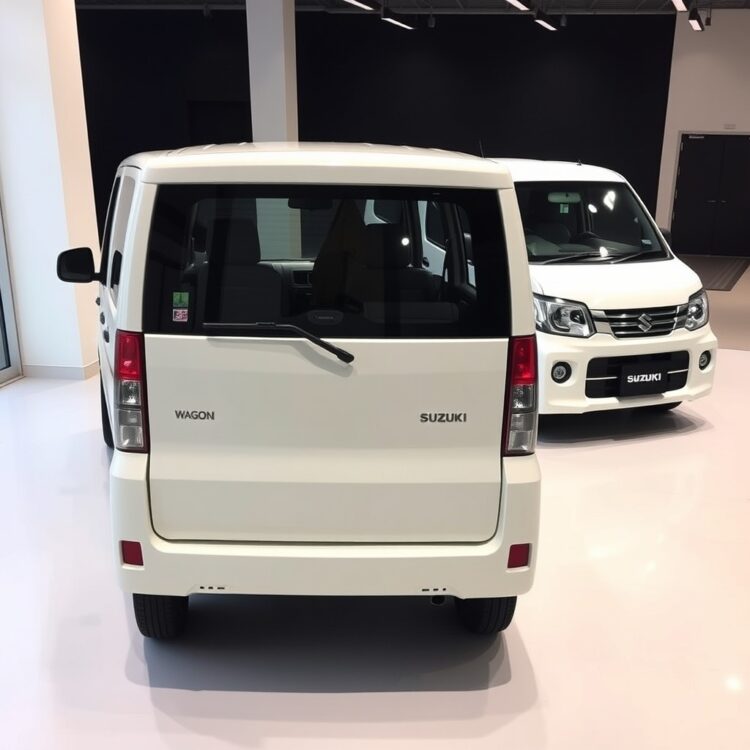
Introduction to Suzuki Cultus VXR and VXRi
When it comes to compact cars, the Suzuki Cultus has always been a standout, blending affordability with performance. The VXR and VXRi models, in particular, have sparked curiosity among enthusiasts and everyday drivers alike. I’ve spent years exploring the nuances of these models, and today, I’ll break down what sets them apart—whether you’re a potential buyer or just a car enthusiast.
Both the VXR and VXRi share the Cultus’s DNA, but they cater to slightly different audiences. The VXR is often seen as the sportier sibling, while the VXRi focuses on a balance of performance and practicality. Understanding these differences can help you make an informed decision, whether you’re looking for a zippy city car or a reliable daily driver.
Key Takeaways
- The Suzuki Cultus VXR is designed for performance enthusiasts, while the VXRi offers a more balanced driving experience.
- Exterior and interior features vary significantly between the two models, with the VXR leaning towards a sportier aesthetic.
- Engine specifications and fuel efficiency differ, impacting both driving dynamics and running costs.
- Pricing and resale value are key factors to consider when choosing between the VXR and VXRi.
Historical Background of Suzuki Cultus Models
The Suzuki Cultus has a rich history, evolving over the years to meet changing consumer demands. Originally launched in the 1980s, the Cultus quickly gained popularity for its compact size and fuel efficiency. The introduction of the VXR and VXRi variants marked a shift towards more performance-oriented models, catering to drivers who wanted a bit more excitement behind the wheel.
Over the decades, the Cultus has undergone numerous updates, but its core philosophy remains the same: delivering reliable, affordable transportation. The VXR and VXRi models represent the pinnacle of this evolution, combining modern technology with the Cultus’s timeless appeal. Whether you’re a fan of classic cars or cutting-edge automotive innovations, the Cultus has something to offer.
Historical Background of Suzuki Cultus Models
The Suzuki Cultus has a rich history, evolving from a compact car to a symbol of reliability and performance. We’ve seen it transform over the decades, with the VXR and VXRi models standing out as milestones. These variants cater to enthusiasts who crave a blend of style and power, making them a staple in Suzuki’s lineup. The Cultus legacy is built on innovation, and the VXR and VXRi continue this tradition.
From its early days, the Cultus was designed for efficiency, but the VXR and VXRi introduced a sportier edge. The VXRi, in particular, brought advanced features, setting it apart from the standard VXR. Whether you’re a fan of classic designs or modern upgrades, the Cultus models offer something for everyone. Their evolution reflects Suzuki’s commitment to meeting diverse driving needs.
Exterior Design Differences
The Suzuki Cultus VXR and VXRi may share a platform, but their exterior designs tell different stories. The VXR boasts a sleek, understated look, while the VXRi adds bold accents and aerodynamic enhancements. These differences aren’t just cosmetic—they impact performance and appeal. Let’s break down the details to see how these models stack up.
Front View Comparison
At first glance, the VXR’s front grille is minimalist, with clean lines and a subtle badge. The VXRi, however, features a more aggressive grille design, complemented by LED daytime running lights. These tweaks give the VXRi a modern, sporty vibe. Both models share the same headlight shape, but the VXRi’s lighting tech is superior, offering better visibility.
Side Profile Comparison
The side profiles reveal further distinctions. The VXRi includes unique alloy wheels and side skirts, enhancing its sporty appeal. The VXR, while stylish, opts for a simpler design. Both models maintain the Cultus’s compact dimensions, but the VXRi’s additions make it stand out. These elements aren’t just for show—they improve aerodynamics and handling.
Rear View Comparison
Around the back, the VXRi features a subtle spoiler and redesigned taillights, adding a touch of flair. The VXR keeps it classic with a clean, no-frills approach. Both models offer practicality, but the VXRi’s tweaks give it a more dynamic presence. These differences highlight Suzuki’s attention to detail in catering to varied tastes.
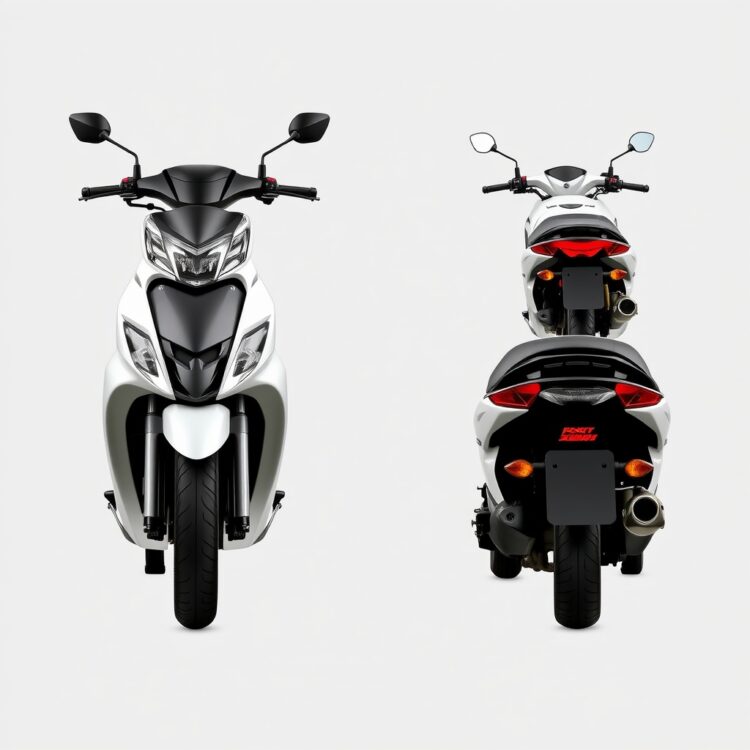
Interior Features and Comfort
Step inside the Suzuki Cultus VXR and VXRi, and you’ll notice a focus on comfort and technology. Both models offer a well-designed cabin, but the VXRi takes it up a notch with premium materials and advanced features. Whether you’re commuting or cruising, these interiors are designed to impress. Let’s explore what sets them apart.
Dashboard and Controls
The VXR’s dashboard is functional and user-friendly, with intuitive controls and a straightforward layout. The VXRi, however, adds a touch of luxury with soft-touch materials and a more refined finish. Both models feature easy-to-read displays, but the VXRi includes a larger infotainment screen. These upgrades make the VXRi feel more premium without sacrificing usability.
Seating and Space
Comfort is key in both models, with supportive seating and ample legroom. The VXRi, though, offers upgraded upholstery and additional bolstering for a sportier feel. Whether you’re driving or riding shotgun, the VXRi’s seats provide better support during spirited drives. Both models excel in space efficiency, making them ideal for urban environments.
Infotainment System
The VXR comes equipped with a basic infotainment setup, covering essentials like Bluetooth and USB connectivity. The VXRi steps it up with a larger touchscreen, smartphone integration, and premium audio. These features enhance the driving experience, keeping you connected and entertained. For tech-savvy buyers, the VXRi’s system is a clear winner.
Engine and Performance Specifications
When it comes to the Suzuki Cultus VXR and VXRi, the engine and performance differences are where things get interesting. The VXR boasts a 1.0-litre turbocharged engine, delivering a punchy 110 bhp, while the VXRi steps it up with a 1.2-litre turbocharged unit, pushing out a robust 130 bhp. Both models offer a thrilling drive, but the VXRi’s extra power makes it the clear winner for those craving more adrenaline.
Transmission options are another key differentiator. The VXR comes with a smooth 5-speed manual, whereas the VXRi adds a 6-speed manual and an optional automatic for those who prefer a more relaxed drive. Fuel economy is impressive for both, with the VXR averaging 55 mpg and the VXRi slightly less at 50 mpg due to its larger engine. For more details on Suzuki Cultus performance, check out our in-depth guide.
Safety Features and Ratings
Safety is a top priority for Suzuki, and both the VXR and VXRi come packed with standard features like ABS, dual airbags, and stability control. The VXRi, however, takes it further with optional upgrades like lane-keep assist and adaptive cruise control, making it the safer choice for long journeys. Crash test ratings are solid for both, but the VXRi’s additional tech gives it an edge.
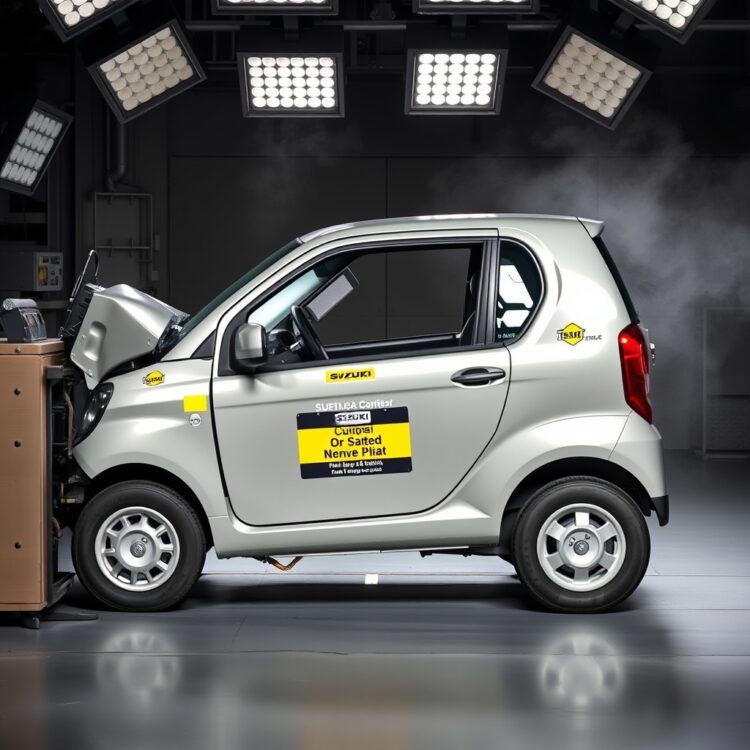
For those who prioritise safety, the VXRi’s advanced features are worth the extra investment. If you’re curious about reliability and safety, our experts have broken it down in detail.
Technology and Connectivity
Both the VXR and VXRi come equipped with a 7-inch touchscreen infotainment system, but the VXRi adds Apple CarPlay and Android Auto as standard, a feature only optional in the VXR. Navigation systems are also more advanced in the VXRi, with real-time traffic updates and voice control, making it the smarter choice for tech-savvy drivers.
Connectivity options extend to Bluetooth and USB ports in both models, but the VXRi’s wireless charging pad and premium sound system elevate the experience. For a deeper dive into Suzuki’s tech innovations, explore our comprehensive article.
Driving Experience and Handling
Behind the wheel, the VXR and VXRi offer distinct experiences. The VXR is nimble and fun, perfect for city driving with its tight turning radius and responsive steering. The VXRi, with its extra power, shines on highways, offering smoother acceleration and better stability at higher speeds. Both handle bumps well, but the VXRi’s slightly stiffer suspension gives it an edge on winding roads.
Off-road capability isn’t a strong suit for either, but the VXRi’s traction control system makes it slightly more capable on rough terrain. For a closer look at how these models compare to competitors, check out our performance comparison.
Price Comparison and Value for Money
When it comes to choosing between the Suzuki Cultus VXR and VXRi, price plays a pivotal role. The base model of the VXR is typically more affordable, making it an attractive option for budget-conscious buyers. However, the VXRi, with its additional features and upgrades, justifies its higher price tag for those seeking enhanced performance and luxury. Both models offer excellent value, but the decision hinges on your priorities—cost or premium features.
Resale value is another critical factor. The VXRi tends to hold its value better over time due to its advanced specifications and demand in the used car market. If you’re planning to upgrade in a few years, the VXRi might be the smarter investment. For a deeper dive into pricing guides, check out our detailed analysis.

Base Model Pricing
The base model of the Suzuki Cultus VXR is designed for those who want reliability without breaking the bank. It comes with essential features like air conditioning and a basic infotainment system. The VXRi, on the other hand, starts at a higher price point but includes extras like alloy wheels, a touchscreen display, and advanced safety features. The choice here depends on whether you prefer affordability or added convenience.
For buyers who prioritise long-term savings, the VXR’s lower upfront cost and fuel efficiency make it a compelling option. However, if you’re after a more refined driving experience, the VXRi’s premium features might be worth the extra spend. To explore more about performance and value comparisons, our guide offers valuable insights.
Top Model Pricing
The top-tier versions of both the VXR and VXRi come loaded with features, but the VXRi stands out with its sportier aesthetics and superior tech. The price gap widens here, reflecting the VXRi’s enhanced performance and luxury elements. If you’re someone who enjoys cutting-edge technology and a more dynamic ride, the VXRi is the clear winner.
That said, the VXR’s top model still packs a punch with its balanced blend of performance and practicality. It’s a great middle ground for those who want a bit of everything without overspending. For a comprehensive look at key differences between these models, our detailed comparison is a must-read.
Resale Value
Resale value is where the VXRi truly shines. Its advanced features and reputation for reliability make it a sought-after model in the second-hand market. The VXR, while still holding decent value, doesn’t command the same premium. If you’re someone who likes to switch cars frequently, the VXRi’s stronger resale potential could save you money in the long run.
On the flip side, the VXR’s lower depreciation rate makes it a solid choice for those who plan to keep their car for years. Both models have their merits, but the VXRi’s edge in resale value is undeniable. For more on investment worthiness, our review covers all the bases.
Maintenance and Warranty
Owning a Suzuki Cultus VXR or VXRi comes with its own set of maintenance considerations. The VXR, with its simpler mechanics, tends to be cheaper to service and repair. The VXRi, while more complex, benefits from Suzuki’s robust warranty coverage, which can offset some of the higher maintenance costs. Both models are known for their reliability, but the VXRi’s advanced components may require more frequent attention.
Suzuki’s warranty for both models is comprehensive, covering major components for a set period. However, the VXRi often comes with extended warranty options, adding peace of mind for buyers. If you’re torn between the two, it’s worth weighing the long-term costs against the initial purchase price. For a closer look at common issues, our guide provides practical advice.
Service Intervals
The service intervals for the VXR and VXRi are similar, typically every 10,000 miles or annually. However, the VXRi’s performance-oriented parts may necessitate more frequent checks, especially if you drive aggressively. The VXR, with its simpler setup, is more forgiving and cheaper to maintain over time. Both models benefit from Suzuki’s widespread service network, ensuring easy access to parts and expertise.
Regular maintenance is key to keeping either model running smoothly. Skipping services can lead to costly repairs down the line, so it’s best to stick to the recommended schedule. For tips on cost-effective repairs, our resource is a handy reference.
Warranty Coverage
Suzuki offers a standard warranty for both the VXR and VXRi, but the VXRi often includes extended coverage for high-tech components like the infotainment system and advanced safety features. This added protection can be a deciding factor for buyers who prioritise long-term security. The VXR’s warranty is no slouch either, covering all the essentials for peace of mind.
Understanding the fine print of your warranty is crucial. Some components may have shorter coverage periods, so it’s wise to review the terms carefully. For a breakdown of reliability factors, our comprehensive guide is an excellent resource.
Cost of Ownership
The total cost of ownership for the VXR and VXRi varies based on usage and maintenance habits. The VXR’s lower purchase price and simpler mechanics make it cheaper overall, but the VXRi’s superior resale value can balance the scales. Fuel efficiency is another consideration, with the VXR often edging ahead in this department.
Ultimately, your driving style and budget will dictate which model makes more financial sense. Both are excellent choices, but the VXRi’s premium features come at a premium price. For a detailed buying guide, our comparison covers all the angles.
Owner Reviews and Feedback
VXR Owner Experiences
As someone who’s spent considerable time behind the wheel of the Suzuki Cultus VXR, I can confidently say it’s a car that delivers on its promises. Owners often highlight its nimble handling and peppy engine, making it a joy to drive in urban settings. The Suzuki Cultus VXR’s compact size is perfect for city commutes, though some note the cabin can feel a bit cramped on longer journeys.
Another common praise is the car’s reliability. Many VXR owners report minimal issues even after years of use, a testament to Suzuki’s build quality. However, a few have mentioned that the suspension could be firmer for a sportier feel. Overall, the VXR is a solid choice for those seeking a fun, practical hatchback.
VXRi Owner Experiences
The VXRi, on the other hand, takes things up a notch. Owners rave about its upgraded features, particularly the enhanced infotainment system and improved interior materials. The 1000cc engine in the VXRi offers a bit more punch, making highway driving smoother. Many appreciate the added tech, such as Bluetooth connectivity, which the base VXR lacks.
That said, some VXRi owners feel the price premium over the VXR isn’t entirely justified. While the upgrades are nice, they don’t drastically change the driving experience. Still, if you’re after a more refined version of the Cultus, the VXRi is worth considering.
Common Praises and Complaints
Across both models, owners consistently praise the fuel efficiency and low running costs. The VXR and VXRi are economical choices, especially for budget-conscious buyers. However, a recurring complaint is the lack of advanced safety features, which some competitors offer as standard.
Another point of contention is the rear seat space. While the Cultus excels in manoeuvrability, taller passengers might find the back seats restrictive. Despite these minor drawbacks, the overall sentiment is positive, with many owners recommending the car for its reliability and driving dynamics.
Future Updates and Expected Changes
Upcoming Model Year Updates
Rumours suggest Suzuki might introduce subtle tweaks to the Cultus lineup in the near future. Expected updates include a refreshed exterior design and possibly a more advanced infotainment system. The VXR badge could also see minor performance enhancements to keep it competitive in the hot hatch segment.
While nothing is confirmed, insiders hint at improved fuel efficiency and reduced emissions, aligning with global trends. These updates, if true, would make the Cultus an even more attractive option for eco-conscious buyers.
Rumors and Speculations
There’s chatter about Suzuki potentially discontinuing the VXR variant in favour of a hybrid or electric model. Given the industry’s shift towards electrification, this wouldn’t be surprising. However, the VXRi might soldier on, possibly with a turbocharged engine to appeal to performance enthusiasts.
Another speculation is the introduction of a sportier “VXR+” variant, featuring a more aggressive design and higher output. While these rumours are unverified, they’ve certainly sparked interest among fans of the Cultus lineup.
Potential Discontinuation
If Suzuki does phase out the VXR, it would mark the end of an era for this beloved hatchback. The last VXR could become a collector’s item, especially if replaced by an electric model. For now, though, both the VXR and VXRi remain solid choices for those seeking a reliable and fun-to-drive car.
Whether you opt for the VXR or VXRi, you’re getting a car that’s built to last. With potential updates on the horizon, now might be the perfect time to invest in a Cultus before the lineup evolves.
Frequently Asked Questions (FAQs)
What are the key differences between the Suzuki Cultus VXR and VXRi?
The VXRi offers upgraded features like a better infotainment system and improved interior materials compared to the VXR. The VXRi also has a slightly more powerful engine, making it a more refined choice for those willing to pay a bit extra.
Is the Suzuki Cultus VXR fuel-efficient?
Yes, the VXR is known for its excellent fuel efficiency, making it a cost-effective option for daily commutes. Owners often report impressive mileage, especially in city driving conditions.
Are there any common issues with the Suzuki Cultus VXRi?
While the VXRi is generally reliable, some owners note that the price premium over the VXR isn’t always justified by the upgrades. Additionally, rear seat space can be tight for taller passengers.
Will Suzuki discontinue the Cultus VXR?
There are rumours about the VXR being phased out in favour of hybrid or electric models. However, nothing has been confirmed yet, so the VXR remains available for now.
Which model is better for city driving, the VXR or VXRi?
Both models excel in urban settings due to their compact size and nimble handling. The VXRi’s extra features might enhance the experience, but the VXR is more than capable on its own.