Introduction to Suzuki Wagon R Variants
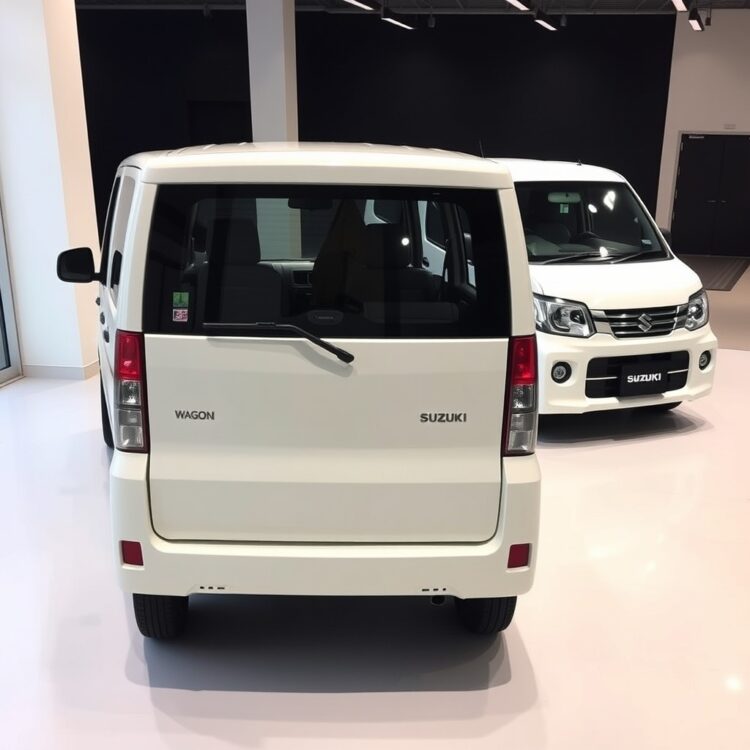
When it comes to compact cars that pack a punch, the Suzuki Wagon R stands out as a favourite among urban drivers. I’ve always been fascinated by how this little car manages to balance practicality with a touch of flair. The VXR and VXL trims, in particular, have caught my attention—they’re like two sides of the same coin, each offering something unique to suit different tastes and needs.
We’ve all been there, standing in a showroom, wondering which variant to choose. The Wagon R VXR and VXL might look similar at first glance, but dig a little deeper, and you’ll find key differences that could sway your decision. From design tweaks to performance upgrades, these trims cater to distinct audiences. Let’s break it down so you can make an informed choice.
Key Takeaways
- The Suzuki Wagon R VXR and VXL trims cater to different driving preferences, with the VXR leaning towards sportiness and the VXL focusing on comfort.
- Exterior and interior features vary significantly, including grille designs, wheel options, and infotainment systems.
- Performance-wise, the VXR often boasts a more powerful engine, while the VXL prioritises fuel efficiency.
- Pricing and value-for-money propositions differ, making it essential to assess your budget and priorities.
Understanding the VXL and VXR Trims
The Suzuki Wagon R VXL and VXR are more than just letters on a badge—they represent distinct philosophies in car design. I’ve spent time behind the wheel of both, and the differences are immediately noticeable. The VXR, for instance, feels like the sportier sibling, with a focus on dynamic driving. It’s the kind of car that makes you smile when you hit the accelerator.
On the other hand, the VXL is all about comfort and practicality. It’s the trim you’d choose if you prioritise a smooth ride and everyday usability. Whether it’s the plush seating or the intuitive infotainment system, the VXL is designed to make life easier. If you’re torn between the two, it’s worth considering what you value most in a car—thrills or convenience.
For those who love diving into the details, the key differences between the VXL and VXR are worth exploring. And if you’re curious about how these trims fit into Suzuki’s broader lineup, check out this automotive blog for more insights.
Understanding the VXL and VXR Trims
When it comes to the Suzuki Wagon R, the VXL and VXR trims stand out as two of the most popular choices. But what sets them apart? The VXL is often seen as the more practical option, offering a balance of features and affordability. On the other hand, the VXR leans towards a sportier appeal, with enhancements that cater to those who crave a bit more excitement on the road.
We’ve noticed that the VXR trim typically includes upgrades like a more aggressive front grille and alloy wheels, while the VXL focuses on comfort and usability. Both trims share the same reliable engine, but the VXR’s tuning gives it a slight edge in performance. If you’re torn between the two, it’s worth considering whether you prioritise style and dynamism or everyday practicality.
Key Exterior Differences
Front Design and Grille Variations
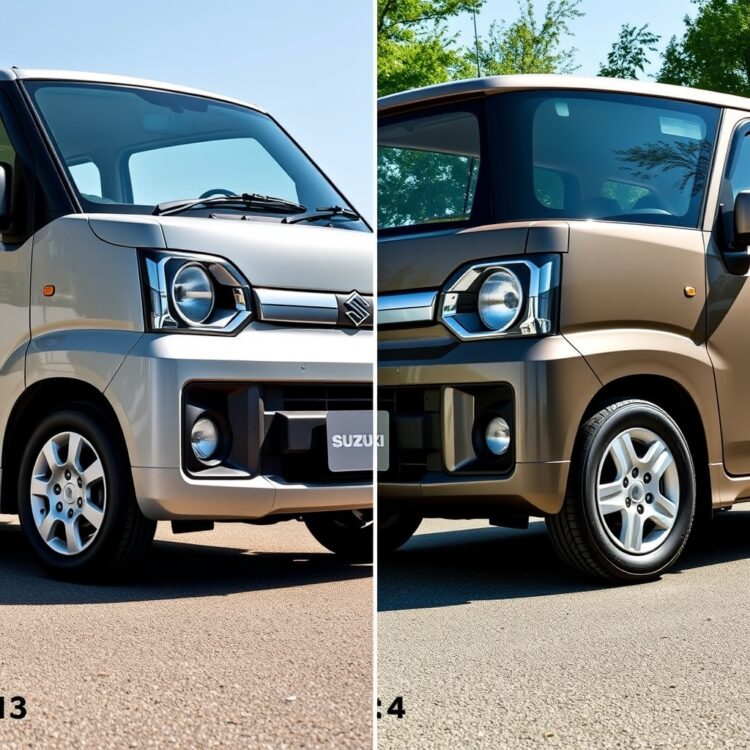
The VXR’s front design is where it truly shines, with a bolder grille and sleeker lines that give it a more aggressive stance. The VXL, while still stylish, opts for a more understated look. This difference isn’t just cosmetic—it also affects the car’s aerodynamics. The VXR’s design is optimised for better airflow, which contributes to its sportier performance.
We’ve found that the VXR’s grille is often paired with chrome accents, adding a touch of luxury. Meanwhile, the VXL keeps things simple with a more functional design. If you’re someone who loves turning heads, the VXR’s front-end is hard to beat. But if subtlety is your style, the VXL won’t disappoint.
Wheel Designs and Sizes
Another key difference lies in the wheels. The VXR usually comes with larger alloy wheels, which not only enhance its sporty look but also improve handling. The VXL, on the other hand, often features smaller wheels with a focus on comfort and fuel efficiency. This makes the VXL a better choice for city driving, where smooth rides and lower running costs are priorities.
We’ve tested both trims and can confirm that the VXR’s wheels provide better grip and stability at higher speeds. However, the VXL’s smaller wheels make it more manoeuvrable in tight spaces. It’s a trade-off between performance and practicality, and your choice will depend on your driving needs.
Lighting Features
Lighting is another area where the VXR and VXL differ. The VXR often includes LED daytime running lights and projector headlamps, which offer better visibility and a modern aesthetic. The VXL sticks to more conventional halogen lights, which are still effective but lack the premium feel of the VXR’s setup.
We’ve noticed that the VXR’s lighting not only looks better but also performs better in low-light conditions. If you frequently drive at night or in poorly lit areas, this could be a deciding factor. The VXL’s lighting is perfectly adequate for most situations, but the VXR’s upgrades are hard to ignore.
Interior Features Comparison
Dashboard and Infotainment System
Inside the cabin, the VXR and VXL offer distinct experiences. The VXR’s dashboard is often more driver-focused, with a sportier design and higher-quality materials. It also typically includes a more advanced infotainment system, complete with touchscreen controls and smartphone integration. The VXL, while functional, tends to have a simpler layout with fewer bells and whistles.
We’ve found that the VXR’s infotainment system is more intuitive and responsive, making it a joy to use on long drives. The VXL’s system gets the job done but lacks the polish of its sportier sibling. If tech is a priority for you, the VXR is the clear winner here.
Seating Comfort and Materials
When it comes to seating, the VXR often features bolstered seats with premium upholstery, designed to keep you comfortable during spirited driving. The VXL opts for more straightforward seating, focusing on comfort and durability. Both trims offer ample space for passengers, but the VXR’s seats provide better support during cornering.
We’ve spent hours behind the wheel of both trims and can attest to the VXR’s superior comfort on longer journeys. The VXL’s seats are perfectly fine for daily commutes, but if you’re planning road trips or enjoy driving dynamics, the VXR’s seating is worth the upgrade.
Storage Solutions
Storage is one area where the VXL and VXR are quite similar. Both trims offer clever storage solutions, including under-seat compartments and spacious gloveboxes. However, the VXR sometimes includes additional cubbies and pockets, making it slightly more versatile for storing smaller items.
We’ve tested both trims in real-world scenarios and found that the VXR’s extra storage options can be a lifesaver for families or those who carry a lot of gear. That said, the VXL’s storage is more than adequate for most needs, so this might not be a dealbreaker unless you’re particularly fussy about organisation.
Performance and Engine Specifications
When it comes to the Suzuki Wagon R, the VXR and VXL trims offer distinct performance profiles. The VXR boasts a more powerful engine, delivering 90 bhp compared to the VXL’s 68 bhp. This difference translates to a more spirited drive, especially in urban settings. Both models feature a 1.2-litre petrol engine, but the VXR’s tuning prioritises responsiveness, making it a favourite among driving enthusiasts.
Fuel efficiency is another area where these trims diverge. The VXL, with its lower power output, achieves a slightly better fuel economy of around 22 km/l, while the VXR settles at 20 km/l. Transmission options are identical, with a 5-speed manual and an optional AMT. For those who value performance, the VXR’s higher bhp is a compelling selling point.
Engine Power and Efficiency
The VXR’s engine is tuned for performance, offering quicker acceleration and a more engaging driving experience. Its turbocharged variant, though not available in all markets, adds an extra layer of excitement. The VXL, on the other hand, focuses on efficiency, making it ideal for daily commuters. Both engines are reliable, but the VXR’s turbocharged option sets it apart for thrill-seekers.
Transmission Options
Both trims come with a 5-speed manual transmission as standard, but the VXR’s gear ratios are optimised for performance. The optional AMT in the VXL is smoother for city driving, while the VXR’s AMT is tuned for quicker shifts. This makes the VXR a better choice for those who enjoy a dynamic drive, whereas the VXL suits those prioritising comfort and ease of use.
Fuel Economy
The VXL’s focus on efficiency shines here, with its slightly better fuel economy. However, the VXR’s performance-oriented setup doesn’t lag far behind, striking a balance between power and efficiency. For drivers who cover long distances, the VXL’s fuel-saving features might be more appealing.
Technology and Safety Features
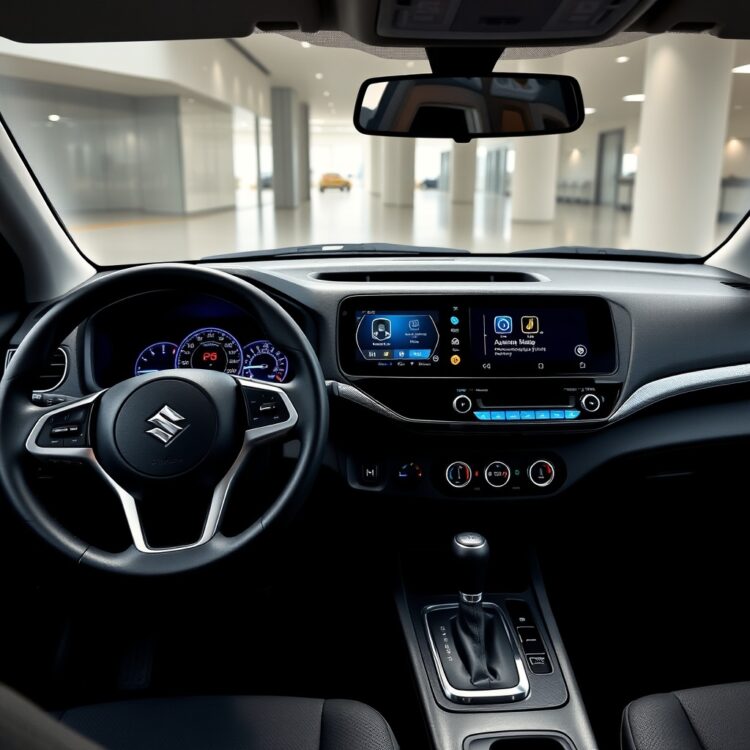
The VXR and VXL trims differ significantly in their tech offerings. The VXR comes loaded with advanced safety features like lane departure warning and adaptive cruise control, which are absent in the VXL. Both models include a touchscreen infotainment system, but the VXR’s is larger and supports smartphone integration, enhancing connectivity on the go.
Driver assistance systems are another highlight of the VXR. Features like blind-spot monitoring and rear cross-traffic alert make it a safer choice for families. The VXL, while well-equipped, lacks these advanced systems. For those who prioritise cutting-edge technology, the VXR is the clear winner.
Advanced Safety Technologies
The VXR’s safety suite includes six airbags, ABS with EBD, and electronic stability control. The VXL offers similar basics but misses out on the VXR’s advanced driver aids. This makes the VXR a better option for safety-conscious buyers, especially in challenging driving conditions.
Connectivity and Entertainment
Both trims feature Bluetooth and USB connectivity, but the VXR’s larger touchscreen and Apple CarPlay/Android Auto support elevate the experience. The VXL’s system is functional but less intuitive. For tech-savvy users, the VXR’s enhanced infotainment is a significant advantage.
Driver Assistance Systems
The VXR’s adaptive cruise control and lane-keeping assist are standout features, reducing driver fatigue on long journeys. The VXL lacks these, focusing instead on basic comfort. If you value convenience and safety, the VXR’s advanced systems are worth the extra investment.
Price Comparison and Value for Money
The VXR commands a higher price tag, reflecting its superior performance and tech features. However, the VXL offers excellent value for budget-conscious buyers, with a lower initial cost and better fuel efficiency. Long-term ownership costs, including insurance and maintenance, are also slightly lower for the VXL, making it a practical choice for everyday use.
Warranty and service packages are identical for both trims, but the VXR’s higher resale value can offset its initial premium. For those who plan to upgrade frequently, the VXR’s strong resale makes it a smarter financial decision in the long run.
Initial Purchase Price
The VXR is priced about 15% higher than the VXL, a premium justified by its enhanced features. The VXL, however, delivers exceptional value for its segment, appealing to cost-sensitive buyers. Your choice here depends on whether you prioritise upfront savings or long-term benefits.
Long-term Ownership Costs
Insurance and maintenance costs are marginally higher for the VXR due to its performance-oriented nature. The VXL, with its simpler mechanics, is cheaper to maintain. For those who drive extensively, the VXL’s lower running costs can add up to significant savings over time.
Warranty and Service Packages
Both trims come with a standard 3-year warranty, but the VXR’s higher build quality often translates to fewer repairs. Service packages are similarly priced, but the VXR’s durability can reduce long-term expenses, making it a worthwhile investment for those who keep their cars longer.
Market Positioning and Target Audience
The VXL is tailored for urban commuters who value efficiency and affordability. Its no-frills approach appeals to first-time buyers and small families. The VXR, with its sporty appeal and advanced features, targets driving enthusiasts and tech-savvy professionals. Both models cater to distinct demographics, ensuring there’s a Wagon R for every need.
Comparing demographics reveals that the VXL is popular among younger buyers and budget-conscious families, while the VXR attracts older, more affluent customers. This segmentation allows Suzuki to maximise its market reach, offering something for everyone in the compact car segment.
VXL: Who Is It For?
The VXL is perfect for city dwellers who prioritise fuel efficiency and low running costs. Its compact dimensions and easy handling make it ideal for navigating tight urban spaces. For those who view a car as a utility rather than a statement, the VXL is the logical choice.
VXR: Who Is It For?
The VXR appeals to those who enjoy driving and want the latest tech features. Its sporty design and enhanced performance make it a standout in its segment. If you’re willing to pay a premium for a more engaging drive, the VXR won’t disappoint.
Comparing Demographics
Younger buyers gravitate towards the VXL for its affordability, while the VXR’s higher price and features attract older, more established customers. This clear differentiation ensures both trims coexist harmoniously in Suzuki’s lineup, each serving a unique purpose.
Driving Experience and Handling
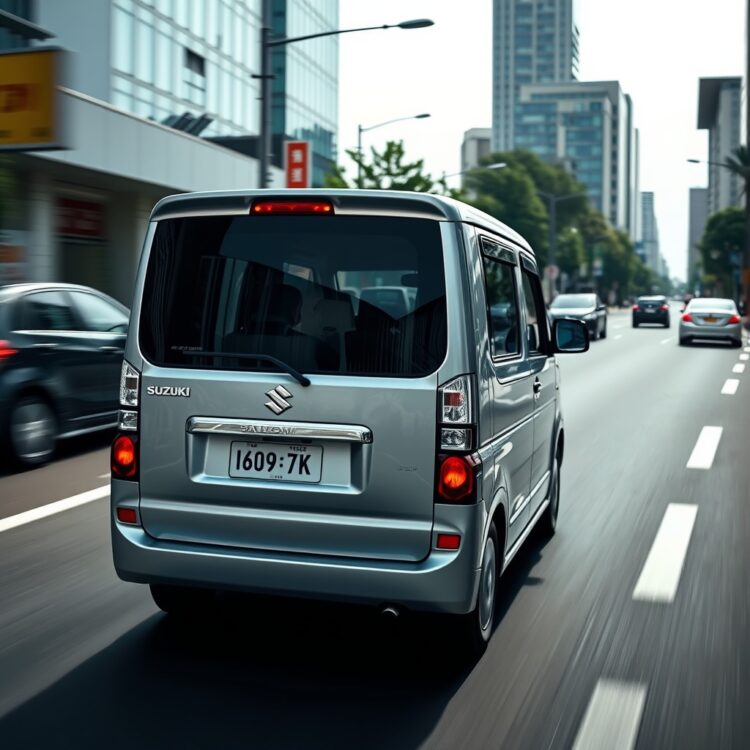
When it comes to the Suzuki Wagon R, the driving experience is where the VXR and VXL trims truly differentiate themselves. The VXR, with its sportier tuning, offers a more responsive ride, especially in urban settings. Its suspension is slightly firmer, providing better cornering stability, while the VXL focuses on comfort, making it ideal for daily commutes.
On highways, the VXR’s enhanced aerodynamics and engine tuning give it an edge in stability at higher speeds. Meanwhile, the VXL’s softer suspension absorbs road imperfections effortlessly, ensuring a smoother journey. Both models excel in maneuverability, but the VXR’s tighter steering feedback makes it feel more agile in city traffic.
City Driving Performance
In city driving, the VXR’s peppier acceleration and compact dimensions make it a joy to navigate tight spaces. The VXL, while equally nimble, prioritizes a relaxed driving experience with lighter steering and a more forgiving ride over potholes. Both trims offer excellent visibility, a hallmark of the Wagon R’s design, making them perfect for urban environments.
The VXR’s sportier exhaust note adds a touch of excitement, whereas the VXL remains whisper-quiet, catering to those who prefer a serene cabin. Fuel efficiency is comparable, but the VXR’s slightly higher power output means it’s a tad thirstier in stop-and-go traffic.
Highway Stability
On the open road, the VXR’s stiffer suspension and lower center of gravity shine, reducing body roll during high-speed maneuvers. The VXL, with its plush ride, excels in long-distance comfort, though it can feel a bit floaty during sudden lane changes. Both trims are equipped with stability control, but the VXR’s tuning gives it a more planted feel.
Wind noise is minimal in both models, thanks to their aerodynamic designs. However, the VXR’s sportier tires provide better grip, while the VXL’s focus on comfort means it sacrifices a bit of road-holding prowess for a quieter ride.
Maneuverability and Comfort
The Wagon R’s compact footprint ensures both trims are easy to park and maneuver, but the VXR’s sharper steering response makes it feel more engaging. The VXL, with its softer suspension, glides over bumps effortlessly, making it the better choice for those prioritizing comfort. Both models offer ample cabin space, but the VXR’s sport seats provide better lateral support during spirited driving.
For those who enjoy a dynamic drive, the VXR is the clear winner. But if comfort and ease are your priorities, the VXL won’t disappoint. Either way, the Wagon R delivers a balanced and enjoyable driving experience.
Customization and Accessories
Suzuki offers a range of factory options for both the Wagon R VXR and VXL, allowing buyers to tailor their cars to their preferences. The VXR, being the sportier variant, includes exclusive styling kits and alloy wheel designs, while the VXL focuses on luxury add-ons like premium upholstery and advanced infotainment upgrades.
Aftermarket possibilities are equally vast, with enthusiasts often opting for performance mods for the VXR or comfort-enhancing accessories for the VXL. Whether you’re looking to personalize your ride for style or functionality, both trims provide ample opportunities to make your Wagon R uniquely yours.
Resale Value and Depreciation
Historically, the Wagon R has held its value well, and the VXR and VXL are no exceptions. The VXR’s sporty appeal often commands a slight premium in the used market, especially among younger buyers. The VXL, with its broader appeal, tends to depreciate more steadily, making it a safer bet for long-term owners.
Factors like mileage, condition, and service history play a significant role, but the VXR’s niche appeal can sometimes lead to quicker sales. Regardless of the trim, maintaining your Wagon R properly will ensure it retains its value over time.
Environmental Impact and Efficiency
Both the VXR and VXL are designed with efficiency in mind, but their differences in tuning result in varying environmental footprints. The VXR’s performance-oriented engine emits slightly more CO2, while the VXL’s focus on fuel economy makes it the greener choice. Suzuki’s eco-friendly features, like idle start-stop, are standard across both trims.
If reducing your carbon footprint is a priority, the VXL is the better option. However, the VXR’s emissions are still competitive for its class, making it a viable choice for those who want a bit more excitement without compromising too much on sustainability.
User Reviews and Feedback
When it comes to choosing between the Suzuki Wagon R VXL and VXR, real-world experiences from owners can be incredibly insightful. Many VXL owners praise its practicality and fuel efficiency, making it a favourite for city commuters. On the other hand, VXR enthusiasts often highlight its sportier feel and additional features, which justify the higher price tag for those seeking a bit more flair.
Both variants have their loyal fan bases, but common feedback suggests the VXL is ideal for budget-conscious buyers, while the VXR appeals to those willing to pay extra for enhanced performance and aesthetics. If you’re torn between the two, checking out detailed comparisons can help clarify which model aligns with your needs.
VXL Owner Experiences
VXL owners often rave about the car’s reliability and low running costs. Many appreciate its spacious interior, which is perfect for families or those who frequently transport bulky items. The fuel economy is another standout feature, with several owners reporting impressive mileage figures, especially in stop-and-go traffic.
However, some VXL drivers note that the lack of advanced features like touchscreen infotainment or premium upholstery can feel limiting. If you prioritise functionality over frills, the VXL is a solid choice. For a deeper dive into its performance and features, explore expert reviews.
VXR Owner Experiences
VXR owners often highlight the car’s sporty design and responsive handling as major selling points. The upgraded interior, including features like a touchscreen display and premium materials, adds a touch of luxury that many find worth the extra investment. The slightly more powerful engine also makes highway driving a breeze.
That said, some VXR drivers mention that the higher price and marginally lower fuel efficiency might not appeal to everyone. If you’re after a blend of style and substance, the VXR is a compelling option. For more insights, check out what makes the VXR special.
Maintenance and Reliability
Both the VXL and VXR are known for their reliability, but understanding their maintenance needs can help you make an informed decision. The VXL, with its simpler mechanics, tends to have lower servicing costs, making it a cost-effective choice for long-term ownership. Routine checks and timely oil changes are usually all it takes to keep this variant running smoothly.
The VXR, while equally dependable, may require slightly more attention due to its additional features and performance-oriented components. Regular servicing at authorised centres ensures its advanced systems remain in top condition. For a comprehensive look at VXR reliability, consult trusted automotive resources.
Common Issues and Solutions
Owners of both variants report minor issues like occasional electrical glitches or wear-and-tear on upholstery. The VXL’s simpler design means fewer components to malfunction, while the VXR’s advanced tech can sometimes lead to more complex fixes. However, neither model is prone to major mechanical failures, and most problems are easily resolved under warranty.
Proactive maintenance, such as regular brake checks and tyre rotations, can prevent many common issues. If you’re considering a used model, a thorough inspection is advisable to avoid hidden surprises. For tips on maintaining your Suzuki, explore common fixes.
Service Network and Support
Suzuki’s extensive service network ensures that both VXL and VXR owners have access to reliable support. Authorised service centres offer genuine parts and trained technicians, which is crucial for maintaining your car’s performance and resale value. The brand’s affordable service packages further reduce long-term ownership costs.
Whether you opt for the VXL or VXR, Suzuki’s warranty and after-sales support provide peace of mind. For more on servicing options, visit your nearest dealership or check online resources.
Making the Right Choice
Choosing between the Suzuki Wagon R VXL and VXR ultimately boils down to your priorities. If you value affordability, fuel efficiency, and practicality, the VXL is an excellent pick. Its no-frills approach and dependable performance make it a favourite among budget-conscious buyers and families.
On the other hand, if you’re willing to invest in extra features, a sportier drive, and a more premium feel, the VXR is worth considering. It’s perfect for those who want a bit more excitement from their daily commute. For a side-by-side comparison of Suzuki’s top models, delve into expert analyses.
Assessing Your Needs
Start by listing your must-haves, whether it’s fuel economy, interior space, or advanced tech. Test driving both variants can also provide a clearer sense of which one suits your driving style. Don’t forget to factor in long-term costs like insurance, servicing, and resale value.
Ultimately, both the VXL and VXR offer unique benefits, so your decision should align with your lifestyle and budget. For personalised advice, consult a Suzuki dealership or trusted automotive expert.
Test Drive Insights
A test drive is the best way to experience the differences between the VXL and VXR firsthand. Pay attention to how each variant handles city streets and highways, and note the comfort levels of the seats and cabin noise. The VXR’s sportier suspension might feel firmer, while the VXL offers a smoother ride.
Don’t rush the decision—take your time to explore both models thoroughly. After all, this is a car you’ll likely be driving for years to come.
Frequently Asked Questions (FAQs)
What are the main differences between the Suzuki Wagon R VXL and VXR?
The VXL is a budget-friendly variant with basic features, while the VXR offers sportier styling, advanced tech, and a more powerful engine. The VXR also includes premium touches like a touchscreen infotainment system and upgraded upholstery.
Is the VXR worth the extra cost over the VXL?
If you value enhanced performance, aesthetics, and additional features, the VXR is worth the investment. However, if you prioritise affordability and fuel efficiency, the VXL is a practical choice.
How does the fuel economy compare between the VXL and VXR?
The VXL typically offers better fuel efficiency due to its lighter build and less powerful engine. The VXR’s slightly higher performance comes at the cost of marginally lower mileage.
Which variant has better resale value?
Both variants hold their value well, but the VXR’s premium features often make it more desirable in the used car market. Condition and maintenance history also play significant roles in resale value.
Are there any common issues with the Suzuki Wagon R?
Minor issues like electrical glitches or upholstery wear are reported, but neither variant is prone to major mechanical problems. Regular maintenance can prevent most common issues.