What Will Replace a Ford Fiesta?
Introduction
The Ford Fiesta has been a beloved staple on UK roads for decades, but with its discontinuation, many are left wondering what will fill its shoes. I’ve spent years analysing the automotive market, and today, I’ll break down the best alternatives to the Fiesta. Whether you’re after affordability, performance, or eco-friendliness, there’s a perfect match out there for you.
Key Takeaways
- The Ford Fiesta’s legacy is unmatched, but its discontinuation opens doors for newer, innovative models.
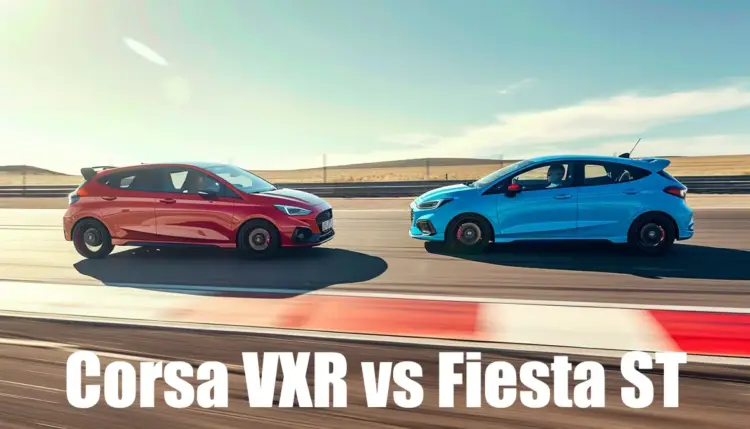
- Compact cars like the Vauxhall Corsa VXR and Volkswagen Polo are strong contenders.
- Electric and hybrid models are rising in popularity, offering sustainability without sacrificing performance.
- Ford’s own Puma is a worthy successor, blending practicality with modern features.
- Test driving is crucial—don’t commit until you’ve experienced the car firsthand.
How Well Do You Know Ford?
Introduction to the Ford Fiesta and Its Legacy
The History of the Ford Fiesta
Launched in 1976, the Ford Fiesta quickly became a household name. Its compact design, affordability, and reliability made it a favourite among UK drivers. Over the years, it evolved with the times, incorporating advanced tech and sleek aesthetics. The Fiesta wasn’t just a car; it was a cultural icon.
Why the Ford Fiesta Became a Favorite
What set the Fiesta apart was its versatility. Whether you were a student on a budget or a family needing a reliable runabout, the Fiesta delivered. Its nimble handling and fuel efficiency made it ideal for urban driving, while its sportier variants, like the ST, appealed to performance enthusiasts. It was the Swiss Army knife of compact cars.
The End of an Era: Discontinuation Announcement
In 2023, Ford announced the Fiesta’s discontinuation, marking the end of an era. The decision was driven by shifting consumer preferences towards SUVs and electric vehicles. While it’s sad to see it go, this opens up exciting opportunities for newer models to take the spotlight.
Understanding the Market Gap Left by the Ford Fiesta
Analyzing the Demand for Compact Cars
The Fiesta’s exit leaves a void in the compact car segment, but demand remains strong. Urban drivers still prioritise small, efficient vehicles for their practicality. Brands like Seat and Toyota are stepping up to fill this gap with models that balance size, performance, and affordability.
The Target Audience for Fiesta Replacements
Fiesta buyers were diverse, from first-time drivers to city commuters. Replacement models must cater to this broad audience. Features like low running costs, modern infotainment, and safety tech are non-negotiables. The challenge is finding a car that ticks all these boxes without breaking the bank.
Understanding the Market Gap Left by the Ford Fiesta
Analyzing the Demand for Compact Cars
The Ford Fiesta’s discontinuation has left a noticeable void in the compact car market. We’ve seen a surge in demand for affordable, efficient, and stylish hatchbacks, especially among urban drivers. The Fiesta’s blend of practicality and fun-to-drive dynamics set a high bar, and now, buyers are searching for alternatives that match its legacy. The market is ripe for contenders that can deliver similar value without compromising on performance or reliability.
Compact cars remain a favourite for their versatility, fuel efficiency, and ease of parking in crowded cities. With the Fiesta gone, brands like Vauxhall and Volkswagen are stepping up to fill the gap. The challenge lies in replicating the Fiesta’s charm while incorporating modern features that today’s drivers expect. We’re keeping a close eye on how the market evolves to meet these demands.
The Target Audience for Fiesta Replacements
The Fiesta’s appeal spanned generations, from young professionals to small families. Its replacement needs to cater to this diverse audience, offering affordability without skimping on quality. First-time buyers, in particular, are drawn to compact cars for their lower running costs and manageable size. Brands must balance budget-friendly pricing with advanced safety and tech features to win over this demographic.
Urban commuters also form a significant part of the target market. They prioritise fuel efficiency, nimble handling, and compact dimensions for city driving. The ideal Fiesta successor will need to tick these boxes while offering a touch of personality. Whether it’s a sporty hatchback or an eco-friendly hybrid, the key is understanding what made the Fiesta so beloved and building on that foundation.
Top Compact Cars to Consider as Replacements
Seat Ibiza A Worthy Successor
The Seat Ibiza has long been a strong contender in the compact car segment, and it’s a natural fit for Fiesta fans. Its sharp design, peppy engines, and agile handling make it a joy to drive. The Ibiza also boasts a well-built interior and a range of tech features that rival more expensive models. If you’re after a car that combines style with substance, this Spanish hatchback deserves a spot on your shortlist.
One area where the Ibiza shines is its affordability. With competitive pricing and low running costs, it’s an excellent choice for budget-conscious buyers. The Ibiza’s sporty FR trim adds a dash of excitement, while the SE Technology focuses on practicality. Whether you’re navigating city streets or hitting the open road, the Ibiza delivers a balanced driving experience.
Volkswagen Polo Hatchback German Engineering
The Volkswagen Polo is another standout option, offering German precision and refinement in a compact package. Known for its solid build quality and upmarket feel, the Polo feels more premium than its price tag suggests. Its spacious interior and smooth ride make it a practical choice for daily commuting, while the turbocharged engines provide plenty of punch when needed.
What sets the Polo apart is its attention to detail. From the intuitive infotainment system to the ergonomic seating, every aspect is designed with the driver in mind. The Polo’s reliability and resale value further enhance its appeal. If you’re looking for a Fiesta replacement that exudes quality and sophistication, the Polo is hard to beat.
Toyota Yaris Hatchback Reliability Personified
Toyota’s reputation for reliability is well-earned, and the Yaris is no exception. This hatchback is a solid choice for those prioritising longevity and low maintenance costs. The latest Yaris also benefits from Toyota’s hybrid technology, delivering impressive fuel efficiency without sacrificing performance. It’s a smart pick for eco-conscious drivers who want a hassle-free ownership experience.
The Yaris’s compact dimensions make it ideal for urban living, while its comfortable ride ensures it’s just as capable on longer journeys. With a range of trim levels to suit different budgets, there’s a Yaris for everyone. Whether you opt for the entry-level Icon or the sportier GR Sport, you’re getting a car built to last. The Yaris proves that practicality and fun can go hand in hand.
Electric and Hybrid Alternatives to the Ford Fiesta
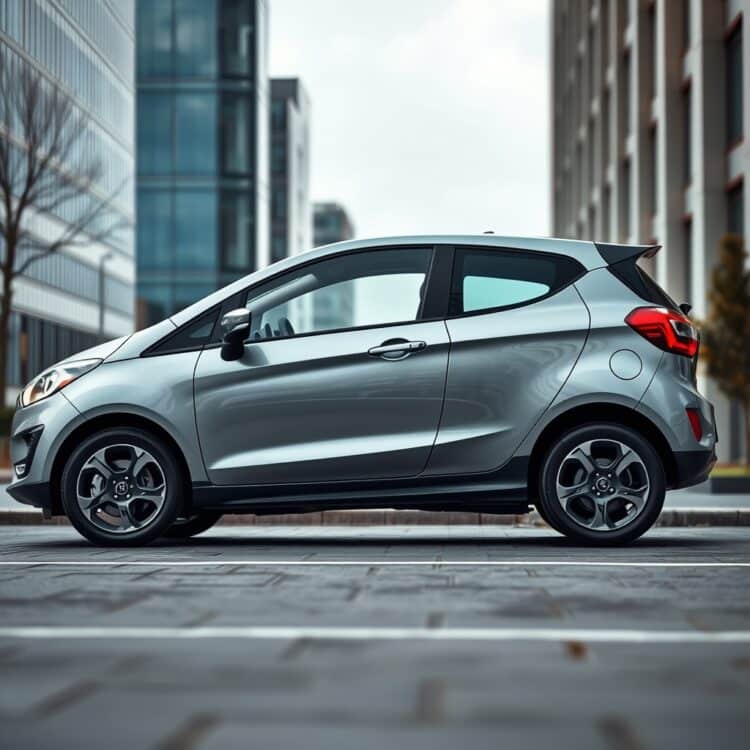
The Rise of Electric Compact Cars
The shift towards electric vehicles (EVs) is undeniable, and compact cars are at the forefront of this revolution. With governments pushing for greener transportation, brands are introducing affordable EVs to replace traditional petrol models. The Ford Fiesta’s departure has accelerated this trend, with electric alternatives offering lower running costs and zero emissions. For city dwellers, the convenience of home charging and exemption from congestion charges adds to the appeal.
Electric compact cars are also becoming more accessible, thanks to advancements in battery technology and government incentives. Models like the Renault Zoe and Honda e are proving that EVs can be practical and fun to drive. As charging infrastructure expands, the barriers to owning an electric car are diminishing. The future of urban mobility is electric, and the Fiesta’s successors are leading the charge.
Top Electric Models to Watch
The Nissan Leaf remains a popular choice, offering a proven track record and a spacious interior. Its affordable price and decent range make it a practical option for first-time EV buyers. For those seeking a more premium experience, the Mini Electric delivers the brand’s signature style with zero emissions. Its go-kart-like handling ensures driving enjoyment hasn’t been sacrificed for sustainability.
Another standout is the Ford Puma EV, which combines the practicality of a small SUV with electric power. With a growing number of options, the electric compact car market is thriving. Whether you prioritise range, performance, or affordability, there’s an EV out there to suit your needs. The Fiesta may be gone, but its spirit lives on in these innovative alternatives.
The Ford Puma Ford’s Own Replacement Option
Features and Specifications
The Ford Puma is a standout choice for those seeking a seamless transition from the Fiesta. With its sleek design and advanced technology, the Puma offers a blend of style and practicality. The 1.0-litre EcoBoost engine delivers impressive fuel efficiency, while the spacious interior ensures comfort for all passengers. Features like the 12.3-inch digital instrument cluster and SYNC 3 infotainment system elevate the driving experience, making it a worthy successor.
Safety is a priority in the Puma, with standard features including lane-keeping assist and autonomous emergency braking. The optional adaptive cruise control adds convenience for long drives. Whether you’re navigating city streets or hitting the open road, the Puma’s agile handling and responsive steering make it a joy to drive. It’s clear why Ford positions this model as the ideal replacement for the Fiesta.
How It Compares to the Fiesta
While the Fiesta was beloved for its compact size and affordability, the Puma offers a more refined and versatile package. The higher driving position and increased boot space cater to modern needs, without sacrificing the fun-to-drive factor. The Puma’s hybrid option also future-proofs your purchase, aligning with the shift towards eco-friendly vehicles. For those who loved the Fiesta’s charm, the Puma feels like a natural evolution.
However, the Puma comes at a higher price point, which may deter budget-conscious buyers. Yet, the added features and improved practicality justify the investment. If you’re looking for a car that builds on the Fiesta’s legacy while offering more, the Puma is a compelling choice. It’s a testament to Ford’s commitment to innovation and customer satisfaction.
Budget-Friendly Alternatives Under £20,000
Best Value for Money Picks
If you’re working with a tighter budget, there are plenty of excellent options under £20,000. The Vauxhall Corsa is a strong contender, offering a balance of affordability and reliability. Its modern design and efficient engines make it a practical choice for daily commuting. The Corsa’s infotainment system is user-friendly, and its compact size ensures easy parking in urban areas.
Another standout is the Hyundai i20, which boasts a generous warranty and low running costs. The i20’s cabin is well-built, and its smooth ride quality makes it ideal for long journeys. With a range of trim levels available, you can find a model that suits your needs without breaking the bank. These cars prove that you don’t need to compromise on quality, even on a budget.
What to Expect in This Price Range
In this price bracket, you’ll find cars that prioritise practicality and efficiency. While luxury features may be limited, modern safety tech like rear parking sensors and lane assist are often included. Fuel economy is a key focus, with many models offering hybrid or efficient petrol engines. The Kia Rio is another excellent example, combining affordability with a spacious interior and a reputation for durability.
It’s worth noting that resale value can vary, so choosing a model with a strong reputation is wise. Test driving multiple options will help you find the best fit for your lifestyle. Whether you prioritise fuel efficiency, comfort, or tech, there’s a budget-friendly car that meets your needs. The market is brimming with choices, making it easier than ever to find a reliable replacement for your Fiesta.
Premium Compact Cars for the Discerning Buyer
Audi A1 Luxury in a Small Package
For those willing to splurge, the Audi A1 delivers premium craftsmanship in a compact form. Its sleek exterior and high-quality interior materials exude sophistication. The A1’s infotainment system is intuitive, and the optional virtual cockpit adds a futuristic touch. With a range of powerful engines, including a sporty S1 variant, this car caters to drivers who crave performance and prestige.
The A1’s refined ride and precise handling make it a pleasure to drive, whether you’re navigating city streets or winding roads. While it comes at a higher price, the Audi badge and exceptional build quality justify the cost. If you’re after a small car that doesn’t compromise on luxury, the A1 is a top-tier choice. It’s a testament to Audi’s ability to pack big-car features into a compact frame.
Mini Cooper Style and Performance
The Mini Cooper is an icon of style and fun, making it a favourite among discerning buyers. Its retro-inspired design turns heads, while the customisation options allow for a personal touch. The Cooper’s go-kart-like handling ensures an engaging drive, and the range of engine options caters to all preferences. From the efficient Cooper D to the high-performance John Cooper Works, there’s a Mini for every driver.
Inside, the Mini’s cabin is packed with quirky details and modern tech. The infotainment system is user-friendly, and the optional heads-up display adds convenience. While the rear seats and boot space are limited, the Mini excels in delivering a unique driving experience. If you value personality and performance over practicality, the Cooper is a standout choice. It’s a car that brings joy to every journey.
The Importance of Test Driving Potential Replacements
What to Look for During a Test Drive
A test drive is your chance to evaluate how a car feels on the road. Pay attention to the steering response, braking, and overall comfort. Does the car handle bumps well? Is the cabin quiet at high speeds? These factors can make a big difference in daily driving. Test the infotainment system and ensure it’s intuitive—you don’t want to struggle with controls while on the move.
Don’t forget to assess practicality. Check the boot space, rear legroom, and ease of access. If you frequently carry passengers or luggage, these details matter. Take the car on a variety of roads, including highways and city streets, to get a comprehensive feel. A thorough test drive will help you avoid buyer’s remorse and ensure you choose a car that truly suits your needs.
Questions to Ask the Dealer
When visiting a dealership, come prepared with questions. Inquire about warranty coverage, servicing costs, and available financing options. Ask if there are any upcoming promotions or discounts. It’s also wise to research the car’s reliability and resale value beforehand. Dealers can provide valuable insights, but being informed empowers you to negotiate effectively.
Don’t hesitate to ask for a longer test drive or to see different trim levels. The more information you gather, the better your decision will be. Remember, buying a car is a significant investment, so take your time. A reputable dealer will be happy to assist you in finding the perfect replacement for your Fiesta. For more tips, check out this external guide on choosing the right car.
Financing Your New Compact Car
Understanding Your Financing Options
When it comes to financing your new compact car, you’ve got several routes to explore. Personal Contract Purchase (PCP) and Hire Purchase (HP) are popular choices, offering flexibility and ownership options. PCP allows lower monthly payments with a balloon payment at the end, while HP spreads the cost evenly. Personal loans and leasing are also worth considering, depending on your budget and long-term plans. Weighing the pros and cons of each can help you find the best fit for your financial situation.
It’s essential to compare interest rates and terms from multiple lenders. Some dealerships offer in-house financing, but third-party providers might have better deals. Don’t forget to factor in additional costs like insurance and maintenance. A well-researched decision ensures you’re not overpaying. For more insights, check out this guide on car finance options.
Tips for Getting the Best Deal
Negotiation is key when securing car finance. Start by checking your credit score, as it directly impacts the rates you’re offered. A higher score can save you thousands over the loan term. Always read the fine print—hidden fees can sneak up on you. Consider putting down a larger deposit to reduce monthly payments, especially if you’re opting for PCP or HP.
Timing can also play a role. Dealerships often have quotas to meet, so shopping at the end of the month or financial quarter might land you a better deal. Don’t hesitate to walk away if the terms aren’t favourable. For more tips, explore our pricing guide to understand the market better.
The Future of Compact Cars Trends to Watch
The Shift Towards Sustainability
The automotive industry is rapidly evolving, with sustainability at the forefront. Electric and hybrid compact cars are gaining traction, offering eco-friendly alternatives without compromising performance. Governments are incentivising green vehicles through tax breaks and grants, making them more accessible. Brands like Toyota and Volkswagen are leading the charge with models designed for urban living.
Charging infrastructure is expanding, but range anxiety remains a concern for some buyers. However, advancements in battery technology are addressing this, with newer models offering longer ranges. If you’re considering an electric compact car, research local charging points and incentives. Our article on Ford’s electric Puma highlights one of the exciting options available.
Technological Advancements in Compact Cars
Compact cars are no longer just about size—they’re packed with cutting-edge tech. Features like adaptive cruise control, lane-keeping assist, and advanced infotainment systems are becoming standard. Connectivity is a big focus, with Apple CarPlay and Android Auto integration enhancing the driving experience. Autonomous driving capabilities are also trickling down to smaller vehicles.
Safety has seen significant improvements too, with models boasting high Euro NCAP ratings. These advancements make compact cars a smart choice for tech-savvy buyers. For a deeper dive into the latest innovations, check out our top picks for compact cars.
How to Sell or Trade-In Your Ford Fiesta
Preparing Your Fiesta for Sale
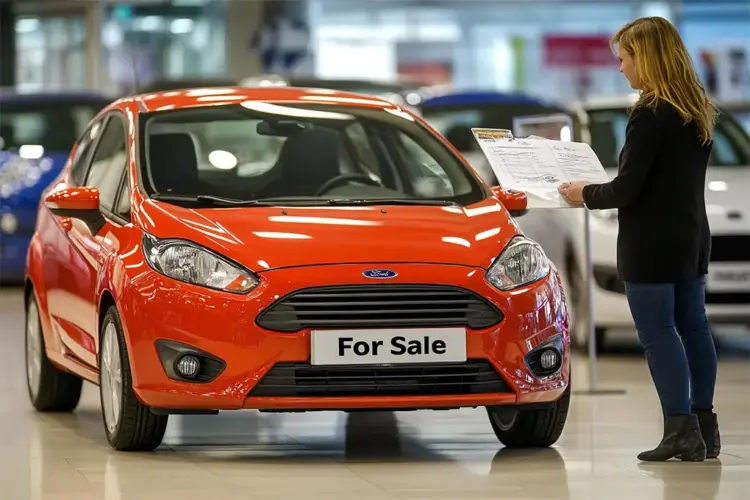
First impressions matter when selling your Ford Fiesta. Start by giving it a thorough clean, inside and out. Address minor repairs like scratches or worn tyres to boost its appeal. Gather all service records and paperwork—proof of maintenance can significantly increase its value. Consider getting a professional valuation to set a realistic price.
Advertising your car effectively is crucial. High-quality photos and a detailed description highlighting its features and condition will attract more buyers. Platforms like Auto Trader and Gumtree are popular choices. If you’re trading in, dealerships often offer convenience but may pay less. For more tips, our guide on resale value is a great resource.
Maximising Your Trade-In Value
Timing your trade-in can make a difference. Dealerships are more likely to offer better deals when they’re trying to meet sales targets. Research the market value of your Fiesta to ensure you’re getting a fair offer. Don’t settle for the first offer—shop around and negotiate. Highlighting any recent upgrades or low mileage can also strengthen your position.
Consider selling privately if you’re after the highest return, though it requires more effort. Whichever route you choose, being prepared and informed will help you get the best deal. For more insights, explore our analysis of running costs.
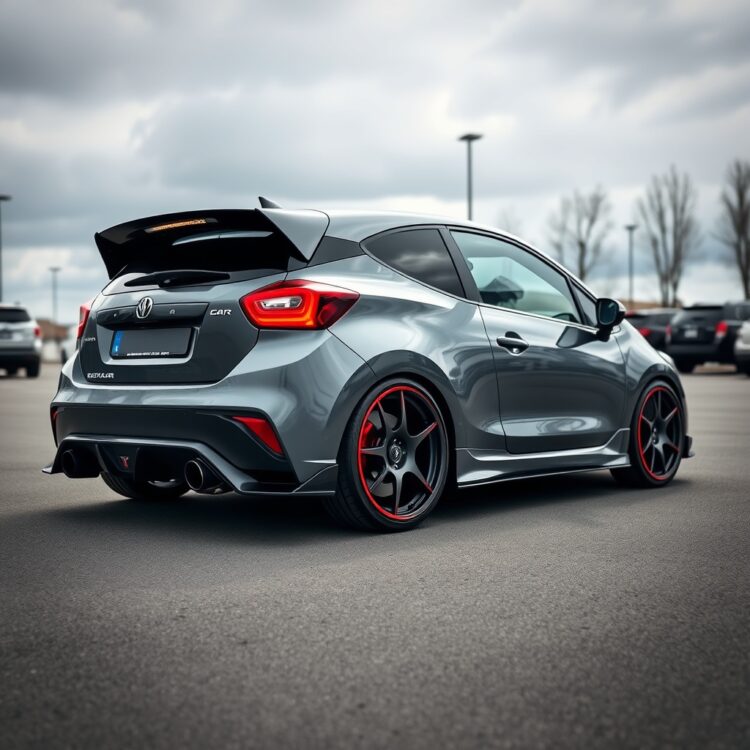
Customizing Your New Compact Car
Popular Accessories and Upgrades
Personalising your compact car can enhance both its look and functionality. Popular upgrades include alloy wheels, tinted windows, and sporty body kits. Interior additions like custom floor mats, seat covers, and ambient lighting can make your ride more comfortable. Tech enthusiasts might opt for dash cams, upgraded sound systems, or wireless charging pads.
Performance upgrades are another avenue to explore. Chip tuning, exhaust systems, and suspension kits can boost your car’s driving dynamics. However, ensure any modifications are compatible with your warranty and local regulations. For inspiration, check out our design ideas for steering wheels.
Personalizing for Performance and Style
Balancing style and performance is key when customising your car. Lightweight alloy wheels can improve handling, while aerodynamic kits add a sleek look. Paint jobs or vinyl wraps offer a unique aesthetic without the permanence of a respray. Always prioritise quality parts and professional installation to avoid compromising safety.
Remember, modifications can affect insurance premiums, so inform your provider beforehand. Whether you’re aiming for a subtle tweak or a full transformation, the right upgrades can make your compact car truly yours. For more ideas, explore our gear stick design guide.
Safety Features in Modern Compact Cars
Essential Safety Technologies
Modern compact cars are packed with advanced safety technologies designed to protect you and your passengers. Features like automatic emergency braking, lane-keeping assist, and adaptive cruise control are now standard in many models. These systems work together to prevent accidents before they happen, giving you peace of mind on the road. We’ve seen how these innovations can significantly reduce collision risks, making them a must-have for any new car buyer.
Another standout is blind-spot monitoring, which alerts you to vehicles in your blind spots, reducing the chance of side collisions. Pair this with rear cross-traffic alert, and you’ve got a car that’s always looking out for you. If you’re considering a Ford Fiesta replacement, these features should be at the top of your checklist. They’re not just extras—they’re lifesavers.
Comparing Safety Ratings
Safety ratings are a crucial factor when choosing your next compact car. Organisations like Euro NCAP and IIHS rigorously test vehicles, awarding stars based on performance in crash tests and safety tech. For example, the Toyota Yaris consistently scores high, thanks to its robust construction and comprehensive safety suite. Always check these ratings to ensure you’re getting a car that prioritises your safety.
It’s also worth noting how electric and hybrid models, like the Ford Puma, integrate safety with sustainability. Their low centres of gravity improve stability, while advanced battery protection systems add an extra layer of security. For more insights, check out this IIHS guide on the safest cars of 2023.
The Role of Compact Cars in Urban Environments
Ease of Parking and Maneuverability
One of the biggest advantages of compact cars in cities is their ease of parking. Their smaller size means you can squeeze into tight spots that larger vehicles can’t. Features like rearview cameras and parking sensors further simplify the process, making urban driving less stressful. We’ve found that models like the Volkswagen Polo excel in this area, offering nimble handling without sacrificing comfort.
Maneuverability is another key benefit. Compact cars can navigate narrow streets and heavy traffic with ease, reducing the risk of minor scrapes and dings. If you’re frequently driving in congested areas, this agility is invaluable. It’s no wonder so many city dwellers opt for compact cars—they’re designed for urban life.
Fuel Efficiency and Environmental Impact
Compact cars are also champions of fuel efficiency, saving you money at the pump while reducing your carbon footprint. Many modern models, including hybrids and electrics, offer impressive mileage figures. For example, the Toyota Yaris Hybrid delivers exceptional fuel economy, making it a smart choice for eco-conscious drivers. Lower emissions mean you’re doing your part for the environment without compromising on performance.
Electric compact cars take this a step further, offering zero-emission driving with increasingly competitive ranges. As charging infrastructure expands, they’re becoming a viable option for urban commuters. Whether you’re motivated by cost savings or environmental concerns, compact cars provide a practical solution for city living.
Making the Final Decision Which Car is Right for You
Assessing Your Needs and Preferences
Choosing the right compact car starts with understanding your priorities. Are you looking for cutting-edge safety features, fuel efficiency, or a balance of both? Make a list of must-haves and nice-to-haves to narrow down your options. Test driving multiple models is essential—it’s the best way to gauge comfort, handling, and how well the car suits your lifestyle.
Don’t overlook practical considerations like boot space and rear-seat comfort, especially if you frequently carry passengers or luggage. We recommend comparing specs and reading reviews to ensure you’re making an informed decision. Remember, the perfect car is one that meets your unique needs.
Taking the Next Steps Towards Purchase
Once you’ve shortlisted a few models, it’s time to explore financing options. Whether you’re buying new or used, understanding your budget and loan terms is crucial. Dealerships often offer promotions, so keep an eye out for deals that could save you money. Trading in your current car can also reduce the overall cost, so get a valuation beforehand.
Finally, don’t rush the process. Take your time to weigh the pros and cons of each option. The right compact car is out there—it’s just a matter of finding the one that ticks all your boxes. Happy driving!
Frequently Asked Questions
What are the most important safety features in a compact car?
Automatic emergency braking, lane-keeping assist, and blind-spot monitoring are among the most critical safety features. These technologies help prevent accidents and protect you on the road. Always prioritise cars with high safety ratings from organisations like Euro NCAP.
How do electric compact cars compare in terms of safety?
Electric compact cars often excel in safety due to their low centres of gravity and advanced battery protection systems. Many models, like the Nissan Leaf, score highly in crash tests and come equipped with cutting-edge safety tech.
Are compact cars suitable for long-distance driving?
While compact cars are ideal for urban environments, many are also comfortable for long trips. Look for models with supportive seats, good fuel efficiency, and advanced cruise control for a smoother journey.
What should I consider when test driving a compact car?
Focus on comfort, visibility, and how the car handles in different conditions. Test features like parking assist and infotainment systems to ensure they meet your needs. A thorough test drive is the best way to evaluate a car’s suitability.
How can I maximise the resale value of my compact car?
Regular maintenance, keeping service records, and avoiding modifications can help maintain your car’s value. Choosing a popular model with a strong reputation for reliability, like the Toyota Yaris, also boosts resale potential.