Introduction to the Suzuki Alto
When it comes to compact cars that have stood the test of time, the Suzuki Alto is a name that instantly comes to mind. I’ve always been fascinated by how this little car has managed to carve out such a significant place in automotive history. From its humble beginnings to its modern iterations, the Alto has been a symbol of affordability, efficiency, and reliability. It’s a car that’s won hearts across the globe, and for good reason.
We often overlook the impact of small cars like the Alto, but they’ve played a pivotal role in shaping the automotive landscape. Whether it’s navigating crowded city streets or offering a budget-friendly option for first-time buyers, the Alto has consistently delivered. In this article, I’ll take you on a journey through the evolution of the Suzuki Alto, starting with its oldest model and exploring how it has evolved over the decades.
Key Takeaways
- The Suzuki Alto debuted in 1979, marking the beginning of a legendary compact car lineage.
- Its first generation was praised for its lightweight design and fuel efficiency, setting a benchmark for future models.
- The Alto’s adaptability allowed it to thrive in diverse markets, from Japan to Europe and beyond.
- Over the years, the Alto has undergone significant design and technological advancements while retaining its core values.
The Birth of the Suzuki Alto
The Suzuki Alto made its grand entrance in 1979, and it was nothing short of revolutionary. I remember reading about how this car was designed to cater to the needs of urban commuters who wanted something small, efficient, and affordable. It was a time when the world was grappling with fuel crises, and the Alto’s lightweight build and frugal engine made it an instant hit.
What really stood out to me was how Suzuki managed to pack so much practicality into such a compact frame. The Alto wasn’t just a car; it was a solution to a problem. Whether it was squeezing into tight parking spaces or sipping fuel like a miser, the Alto excelled. It’s no wonder that this little car quickly became a favourite among city dwellers and budget-conscious buyers alike.
The Birth of the Suzuki Alto
The Suzuki Alto is a name that resonates with car enthusiasts worldwide, but its origins trace back to 1979. Born out of Suzuki’s vision to create an affordable, compact car, the Alto quickly became a staple in urban environments. Its lightweight design and fuel efficiency made it a hit, especially in markets where practicality trumped extravagance. We can’t help but admire how this little car carved its niche.
What set the Alto apart was its simplicity. Unlike flashier models, it focused on reliability and ease of use. This philosophy laid the foundation for its enduring legacy. Whether you’re a fan of Suzuki Alto models or just curious about automotive history, the Alto’s birth is a story worth telling.
First Generation (1979)
Design and Features
The first-generation Alto was a marvel of minimalist design. With a boxy shape and a compact footprint, it was perfect for crowded city streets. Under the hood, a modest 539cc engine delivered just enough power for daily commutes. Inside, the cabin was spartan but functional, reflecting Suzuki’s no-nonsense approach. It wasn’t luxurious, but it got the job done—and that’s what mattered.
One standout feature was its front-wheel-drive layout, a rarity for small cars at the time. This innovation improved handling and freed up interior space. If you’re intrigued by Suzuki Alto features, this generation is where it all began.
Market Reception
The Alto’s debut was met with enthusiasm, particularly in Japan and Europe. Its affordability and low running costs made it a favourite among budget-conscious buyers. In Japan, it even benefited from kei car regulations, which incentivised small, efficient vehicles. The Alto wasn’t just a car; it was a smart financial choice.
Globally, the Alto’s reception varied. In some markets, it was seen as too basic, but in others, its practicality won hearts. For those interested in Suzuki Alto performance, this generation set the tone for what was to come.
Suzuki Hatch (Australia)

Unique Features for the Australian Market
Down under, the Alto was rebranded as the Suzuki Hatch, tailored to local preferences. The Australian version boasted a slightly larger engine and tweaked suspension to handle rough outback roads. These modifications made it more versatile, appealing to both city dwellers and rural drivers. It was a small car with big ambitions.
Another unique aspect was its marketing. Suzuki positioned the Hatch as a fun, youthful car, a strategy that paid off. If you’re curious about Suzuki Alto models, the Australian Hatch is a fascinating chapter in its history.
Second Generation (1984)
The second generation of the Suzuki Alto, launched in 1984, marked a significant leap forward in design and engineering. We saw a sleeker, more aerodynamic body, along with improved fuel efficiency and performance. The car retained its compact size but offered more interior space, making it a practical choice for urban drivers. Innovations like a more robust suspension system enhanced ride comfort, setting a new standard for small cars.
Globally, this generation expanded Suzuki’s footprint, particularly in emerging markets. The Alto became a symbol of affordability and reliability, appealing to a broader audience. Its lightweight design and efficient engine made it a favourite among budget-conscious buyers. The second generation laid the groundwork for the Alto’s future success, proving that small cars could deliver big value.
Innovations and Improvements
The 1984 Alto introduced several groundbreaking features, including a more fuel-efficient engine and a redesigned chassis. We also saw the introduction of front-wheel drive, which improved handling and stability. These upgrades made the Alto more competitive in the growing small car market. The car’s reliability and low running costs further cemented its reputation as a practical choice for everyday driving.
Another notable improvement was the enhanced safety features, such as reinforced body structures and better braking systems. These changes reflected Suzuki’s commitment to driver and passenger safety. The second-generation Alto wasn’t just about affordability—it was about delivering a well-rounded package that appealed to a wide range of drivers. This focus on innovation set the tone for future models.
Global Expansion
The second-generation Alto played a pivotal role in Suzuki’s global strategy. We saw the car introduced in markets like Europe, India, and Pakistan, where it quickly gained popularity. Its adaptability to different driving conditions and fuel types made it a versatile choice. In India, for example, the Alto became one of the best-selling cars, thanks to its affordability and low maintenance costs.
This expansion wasn’t just about sales—it was about building brand loyalty. The Alto’s success in diverse markets demonstrated Suzuki’s ability to cater to local preferences while maintaining core values of reliability and efficiency. The global reach of the second-generation Alto laid the foundation for the brand’s enduring presence in the small car segment.
Fourth Generation (1994)
The fourth-generation Suzuki Alto, launched in 1994, represented a bold step forward in design and technology. We witnessed a more modern, rounded aesthetic that aligned with the era’s trends. The car’s interior was revamped to offer better ergonomics and comfort, making it a more appealing option for daily commuters. Technological advancements, such as fuel injection systems, improved performance and efficiency.
This generation also saw the introduction of new safety features, including airbags and anti-lock braking systems (ABS). These upgrades reflected Suzuki’s commitment to meeting evolving consumer expectations. The 1994 Alto wasn’t just a car—it was a statement of innovation and progress. Its blend of style, technology, and affordability made it a standout in the small car market.

Design Evolution
The 1994 Alto showcased a significant design overhaul, with smoother lines and a more aerodynamic profile. We noticed a shift towards a more contemporary look, appealing to younger buyers. The interior was equally impressive, with better materials and a more driver-focused layout. These changes made the Alto feel more premium without compromising its affordability.
Another highlight was the increased use of lightweight materials, which improved fuel efficiency without sacrificing durability. The design evolution of the fourth-generation Alto reflected Suzuki’s ability to adapt to changing tastes while staying true to its core values. This balance of style and substance helped the car stand out in a crowded market.
Technological Advancements
The fourth-generation Alto introduced several cutting-edge technologies, including electronic fuel injection and multi-valve engines. These innovations boosted performance while reducing emissions, aligning with stricter environmental regulations. We also saw the introduction of power steering, making the car easier to handle in urban environments. These advancements demonstrated Suzuki’s forward-thinking approach to small car engineering.
Another key feature was the improved infotainment options, such as cassette players and later CD systems. These additions catered to the growing demand for in-car entertainment. The 1994 Alto wasn’t just a means of transportation—it was a reflection of the era’s technological progress. By integrating these features, Suzuki ensured the Alto remained relevant and desirable.
Fifth Generation (1998)
The fifth-generation Suzuki Alto, launched in 1998, marked a significant facelift for the model. We saw a sleeker design, with rounded edges and a more modern aesthetic that appealed to urban drivers. Under the hood, improvements in fuel efficiency and engine performance made it a standout in its class. This generation also introduced updated interiors, focusing on comfort and practicality.
In markets outside Japan, the Alto continued to perform well, especially in emerging economies. Its affordability and reliability made it a popular choice for first-time car buyers. The fifth-gen Alto also saw the introduction of new safety features, aligning with global automotive trends. It was a testament to Suzuki’s commitment to evolving with consumer needs while staying true to its roots.
Facelift and Updates
The 1998 facelift brought a fresh look to the Alto, with redesigned headlights and a more aerodynamic profile. Inside, the cabin received upgrades like better seating materials and improved ergonomics. These changes weren’t just cosmetic; they enhanced the driving experience, making the Alto more competitive in a crowded market.
Technological updates included a more refined suspension system and a quieter engine. These improvements addressed common feedback from previous models, showcasing Suzuki’s responsiveness to its customers. The fifth-gen Alto wasn’t just a car; it was a statement of how far the brand had come since its inception.
Performance in Other Markets
In countries like India and Pakistan, the fifth-generation Alto became a household name. Its compact size and fuel efficiency made it ideal for city driving, while its affordability ensured widespread adoption. Suzuki’s strategy of tailoring the Alto to local preferences paid off, solidifying its position as a global player.
Europe, however, saw a different story. The Alto faced stiff competition from local manufacturers, but its unique charm and reliability won over a niche audience. This generation proved that the Alto wasn’t just a car for one market—it was a global phenomenon.
Sixth Generation (2004)
The sixth-generation Suzuki Alto, introduced in 2004, ushered in a new era for the model. With a bolder design and advanced engineering, it stood out in the compact car segment. This generation also saw the introduction of new engine options, including a more powerful 1.1-litre variant, catering to drivers who wanted a bit more punch.
Suzuki’s focus on sustainability became evident with the sixth-gen Alto, as it featured improved emissions standards and better fuel economy. The car’s lightweight construction and efficient powertrain made it a favourite among eco-conscious buyers. It was a clear sign that Suzuki was thinking ahead, blending performance with environmental responsibility.
A New Era for the Alto
The 2004 model year brought a complete redesign, with a more aggressive front grille and sharper lines. The interior was also revamped, offering more space and modern amenities like a CD player and power windows. These upgrades made the Alto feel more premium without sacrificing its budget-friendly appeal.
Under the hood, the new engine options provided a smoother ride and better acceleration. The sixth-gen Alto was no longer just a basic city car; it was a versatile vehicle that could handle highways with ease. Suzuki had successfully elevated the Alto to new heights.
Gallery of Models
The sixth-generation Alto came in multiple trims, each catering to different buyer preferences. From the base model to the sportier variants, there was an Alto for everyone. Special editions, like the Alto Works, added a touch of excitement with unique styling and enhanced performance.
Photographs from this era showcase the Alto’s evolution, from its humble beginnings to a stylish and capable compact car. The gallery of models is a visual testament to Suzuki’s dedication to innovation and design. It’s no wonder the Alto remained a bestseller in many markets.
Seventh Generation (2009)
The seventh-generation Suzuki Alto debuted in 2009, boasting a futuristic design and cutting-edge technology. This iteration was lighter and more fuel-efficient than its predecessors, thanks to Suzuki’s innovative engineering. The Alto’s reputation for reliability and affordability remained intact, making it a top choice for budget-conscious buyers.
In Japan, the seventh-gen Alto was a hit, especially among young urbanites. Its compact dimensions and nimble handling made it perfect for crowded city streets. Internationally, the Alto continued to thrive, with versions tailored to meet regional demands. This generation also saw a collaboration with Nissan, resulting in the Nissan Pixo.
The Alto in Japan
In its home market, the seventh-gen Alto was celebrated for its efficiency and style. The K-car regulations in Japan influenced its design, ensuring it met strict size and engine displacement limits. Despite these constraints, the Alto delivered impressive performance and practicality.
Suzuki’s marketing campaigns highlighted the Alto’s eco-friendly credentials, appealing to environmentally conscious consumers. The car’s success in Japan reinforced its status as a cultural icon, synonymous with smart urban mobility.
International Versions
Outside Japan, the seventh-gen Alto was adapted to suit local tastes. In Europe, it was marketed as a budget-friendly city car, while in India, it became a symbol of affordable mobility. Each version retained the core qualities of reliability and efficiency, proving the Alto’s universal appeal.
The international success of this generation underscored Suzuki’s ability to create a car that resonated with diverse audiences. Whether in bustling metropolises or rural towns, the Alto was a trusted companion.
Nissan Pixo Collaboration
The collaboration with Nissan resulted in the Pixo, a rebadged version of the Alto. While mechanically identical, the Pixo featured subtle styling differences to align with Nissan’s brand identity. This partnership expanded the Alto’s reach, introducing it to new markets under a different badge.
The Pixo was well-received, further cementing the Alto’s reputation as a versatile and adaptable platform. It was a win-win for both Suzuki and Nissan, showcasing the power of strategic alliances in the automotive industry.
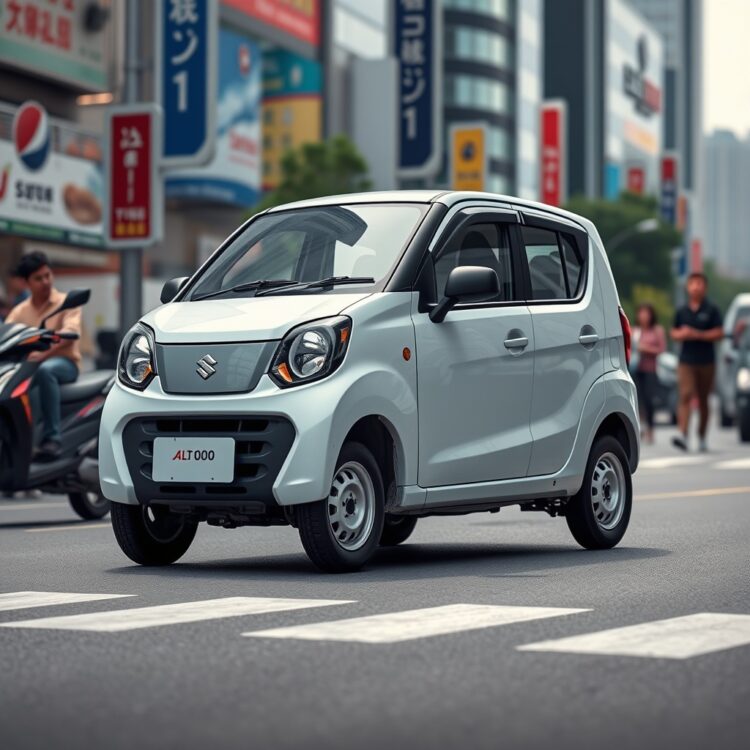
Suzuki Alto 800
The Suzuki Alto 800, launched in 2012, was a game-changer for the brand. Designed specifically for emerging markets, it combined affordability with modern features. The 800cc engine struck a balance between performance and fuel efficiency, making it ideal for city driving. Its compact size and agile handling further enhanced its appeal.
The Alto 800 quickly became one of Suzuki’s best-selling models in countries like India and Pakistan. Its success was a testament to the brand’s understanding of local needs. By offering a car that was both economical and reliable, Suzuki solidified its position as a leader in the budget car segment.
Development and Launch
The development of the Alto 800 was driven by market research and consumer feedback. Suzuki engineers focused on creating a car that was affordable to buy and run, without compromising on quality. The result was a vehicle that exceeded expectations, offering great value for money.
At its launch, the Alto 800 was met with enthusiasm, quickly becoming a top seller. Its competitive pricing and low maintenance costs made it a favourite among first-time car buyers. The Alto 800 wasn’t just a car; it was a gateway to mobility for millions.
Market Impact
The Alto 800’s impact on the market was profound. It set new standards for affordability and reliability, forcing competitors to up their game. In India, it became a cultural icon, symbolizing the aspirations of the middle class.
Suzuki’s decision to localize production further boosted the Alto 800’s success. By manufacturing the car in key markets, the brand reduced costs and improved accessibility. The Alto 800 wasn’t just a commercial triumph; it was a milestone in Suzuki’s global strategy.
Eighth Generation (2014)
The eighth-generation Suzuki Alto, launched in 2014, marked a significant step in revitalising the brand. With a fresh design and improved fuel efficiency, this model aimed to appeal to a new generation of drivers. The compact yet stylish exterior was paired with a surprisingly spacious interior, making it a practical choice for urban commuters. We saw Suzuki blending affordability with modern aesthetics.
Under the hood, the Alto featured a refined 660cc engine, balancing power and economy. The introduction of advanced safety features, such as ABS and airbags, showcased Suzuki’s commitment to driver safety. This generation also embraced eco-friendly technology, with reduced emissions and better mileage. It was clear that Suzuki was listening to its audience and evolving with the times.
Revitalizing the Brand
The 2014 Alto wasn’t just a car; it was a statement. Suzuki aimed to reposition itself in the competitive automotive market by offering a car that was both affordable and aspirational. The sleek lines and bold grille gave it a contemporary look, while the lightweight chassis ensured nimble handling. It was a car designed for the modern driver who values style and substance.
Inside, the Alto boasted a minimalist yet functional dashboard, with user-friendly controls and ample storage. The infotainment system, though basic, was a welcome addition. Suzuki’s focus on evolution was evident, as this model bridged the gap between budget and premium. It was a testament to how far the Alto had come since its inception.
The Alto in Pakistan
In Pakistan, the eighth-generation Alto became a household name. Its affordability and reliability made it a favourite among families and young professionals alike. The localised version featured minor tweaks to suit Pakistani roads, including a reinforced suspension. It was a car built for the challenges of everyday life, proving its versatility in diverse conditions.
Suzuki’s partnership with local manufacturers ensured that spare parts were readily available, further enhancing its appeal. The Alto’s success in Pakistan highlighted its global adaptability. Whether navigating bustling cities or rural terrains, this model proved its mettle. It wasn’t just a car; it was a trusted companion for millions.
Ninth Generation (2021)
The ninth-generation Suzuki Alto, unveiled in 2021, embraced the future with open arms. This model was a leap forward in terms of design, technology, and performance. The aerodynamic silhouette and LED lighting gave it a futuristic edge, while the interior was packed with smart features. It was a car designed for the digital age, catering to tech-savvy drivers.
Under the bonnet, the Alto featured a hybrid option, reflecting Suzuki’s commitment to sustainability. The improved fuel efficiency and reduced carbon footprint made it an eco-conscious choice. With advanced driver-assistance systems, this generation prioritised safety like never before. The Alto was no longer just a budget car; it was a forward-thinking vehicle.
Modern Features and Design
The 2021 Alto was a visual delight, with its sharp lines and dynamic proportions. The cabin was a blend of comfort and technology, featuring a touchscreen infotainment system and smartphone connectivity. Suzuki’s attention to detail was evident in the premium materials and ergonomic seating. It was a car that didn’t compromise on luxury, even at its price point.
The hybrid variant, in particular, stood out for its seamless transition between electric and petrol power. This innovation not only reduced running costs but also aligned with global environmental goals. The Alto was proof that sustainability and performance could go hand in hand. It was a car for the present, with an eye on the future.
Future Prospects
As Suzuki looks ahead, the Alto’s legacy continues to grow. The brand’s focus on innovation and affordability ensures that the Alto remains relevant in a rapidly changing market. With rumours of an electric version in the works, the future looks bright for this iconic model. The Alto has come a long way, and its journey is far from over.
The ninth-generation Alto is a testament to Suzuki’s ability to adapt and thrive. Whether it’s embracing hybrid technology or enhancing safety features, the brand continues to push boundaries. The Alto isn’t just a car; it’s a symbol of progress. And as we look to the future, one thing is clear: the best is yet to come.
The Legacy of the Suzuki Alto
From its humble beginnings in 1979 to its modern-day iterations, the Suzuki Alto has left an indelible mark on the automotive world. Its affordability, reliability, and adaptability have made it a global favourite. Over the decades, the Alto has evolved to meet the changing needs of drivers, proving that great things often come in small packages.
The Alto’s legacy isn’t just about cars; it’s about people. It’s about families who relied on it for daily commutes, young drivers who cherished their first car, and enthusiasts who appreciated its simplicity. The Alto has touched millions of lives, and its story is far from over. As Suzuki continues to innovate, the Alto’s spirit lives on, inspiring the next generation of compact cars.
Frequently Asked Questions (FAQs)
What is the oldest model of the Suzuki Alto?
The oldest model of the Suzuki Alto is the first generation, launched in 1979. It featured a compact design and a 550cc engine, setting the foundation for the Alto’s success. This model was praised for its affordability and practicality, making it a hit in urban markets.
How has the Suzuki Alto evolved over the years?
The Suzuki Alto has evolved significantly, from its basic 1979 model to the tech-packed 2021 version. Each generation introduced improvements in design, fuel efficiency, and safety. The latest models even offer hybrid options, showcasing Suzuki’s commitment to innovation and sustainability.
Why is the Suzuki Alto popular in Pakistan?
The Suzuki Alto is popular in Pakistan due to its affordability, reliability, and suitability for local roads. Its compact size makes it ideal for crowded cities, while its low maintenance costs appeal to budget-conscious buyers. The Alto’s adaptability has cemented its place in the Pakistani market.
What makes the ninth-generation Alto stand out?
The ninth-generation Alto stands out for its modern design, hybrid technology, and advanced safety features. It combines style, efficiency, and innovation, making it a forward-thinking choice for drivers. This model reflects Suzuki’s vision for the future of compact cars.