Introduction to the Suzuki Alto
When it comes to budget-friendly city cars, the Suzuki Alto often pops up as a go-to option. I’ve spent some time behind the wheel of this compact vehicle, and while it has its merits, there are some glaring downsides that potential buyers should be aware of. The Alto is marketed as an affordable, fuel-efficient runabout, but does it deliver on all fronts? Let’s dive in.
From the moment you step inside, the Alto’s compromises become apparent. The cabin feels cramped, and the materials scream cost-cutting. It’s not just about aesthetics—these shortcomings affect the overall driving experience. Whether you’re navigating city streets or tackling longer journeys, the Alto’s limitations are hard to ignore. So, what exactly are the negatives of this popular hatchback? Let’s break it down.
Key Takeaways
- The Suzuki Alto’s engine lacks power, making it sluggish on highways and steep inclines.
- Noise and vibration issues are prevalent, detracting from ride comfort.
- Interior materials feel cheap, and space is limited, especially for taller passengers.
- Safety features are minimal compared to competitors, raising concerns for families.
Test Your General Automotive Knowledge!
Engine Performance and Drive Quality
The heart of any car is its engine, and unfortunately, the Suzuki Alto’s powertrain leaves much to be desired. With a tiny engine, the Alto struggles to deliver the kind of performance you’d expect even from a budget car. Overtaking on highways feels like a gamble, and steep inclines? Forget about it. The lack of power is a constant reminder of the Alto’s limitations.
But it’s not just the lack of grunt that’s problematic. The Alto’s engine is noisy, and vibrations seep into the cabin, making long drives a chore. Whether you’re idling at a traffic light or cruising at 60 mph, the constant hum and rattle are hard to ignore. For a car that’s supposed to be a practical city runabout, these issues are hard to overlook.
Lack of Power
Let’s talk numbers. The Alto’s engine produces a meagre output, and it shows. Acceleration is lethargic, and merging onto fast-moving traffic requires careful planning. If you’re used to driving anything with a bit more oomph, the Alto will feel underwhelming. It’s a car that’s best suited for short, low-speed commutes—anything beyond that, and you’ll feel its shortcomings.
What’s worse is the Alto’s inability to handle load. Add a couple of passengers or some luggage, and the already sluggish performance takes another hit. This isn’t just a minor inconvenience; it’s a safety concern. When you need that extra burst of speed to avoid a potential hazard, the Alto might not deliver. It’s a trade-off that comes with the territory of budget cars, but it’s one that shouldn’t be ignored.
Noise and Vibration Issues
Noise insulation is another area where the Alto falls short. The engine’s growl is ever-present, and road noise seeps in at higher speeds. Combine that with the vibrations transmitted through the steering wheel and pedals, and you’ve got a recipe for driver fatigue. It’s a stark contrast to more refined competitors in the same price bracket.
The Alto’s suspension doesn’t help matters either. It’s tuned for comfort, but the trade-off is a lack of composure over rough surfaces. Bumps and potholes send shocks through the cabin, and the car feels unsettled on uneven roads. For a city car, this might not be a deal-breaker, but it’s another reminder of the compromises you’re making with the Alto.
Handling and Stability Concerns
Handling is where the Alto’s lightweight design works against it. While it’s nimble in tight spaces, it lacks stability at higher speeds. Crosswinds can make the car feel twitchy, and sharp turns require a firm grip on the steering wheel. It’s not the kind of confidence-inspiring drive you’d want, especially if you frequently tackle motorways or winding roads.
The Alto’s lightweight construction also means it doesn’t feel as planted as some of its rivals. There’s a noticeable lack of feedback through the steering, making it harder to judge the car’s limits. For new drivers or those who prioritise safety, this is a significant drawback. The Alto might be cheap to buy, but it’s not a car that inspires confidence when pushed.
Engine Performance and Drive Quality
The Suzuki Alto is often praised for its affordability, but its engine performance leaves much to be desired. The lack of power is immediately noticeable, especially when merging onto highways or climbing steep inclines. With a modest engine output, the Alto struggles to deliver the kind of performance that modern drivers expect, making it feel underwhelming in everyday driving scenarios.
Noise and vibration issues further detract from the driving experience. The cabin is far from refined, with engine noise and road vibrations permeating the interior. Handling and stability are also concerns; the lightweight build and narrow tyres can make the Alto feel unstable at higher speeds or in windy conditions. For those prioritising a smooth and confident drive, the Alto falls short.
Lack of Power
The Suzuki Alto’s engine is undeniably underpowered. With a small displacement and minimal horsepower, it struggles to keep up with traffic, particularly on motorways. Overtaking requires careful planning, and even then, the engine feels strained. This lack of power is a significant drawback for drivers who value responsiveness and acceleration.
Comparatively, rivals like the best Suzuki Alto models offer slightly better performance, but the Alto’s base engine remains a weak point. For urban commuting, it’s manageable, but for anything more demanding, the Alto’s limitations become glaringly obvious.
Noise and Vibration Issues
Noise insulation in the Alto is minimal, resulting in a loud and uncomfortable ride. Engine noise is particularly intrusive, especially at higher revs, and road noise is amplified by the thin cabin materials. Vibrations from the engine and suspension are also noticeable, making long journeys fatiguing.
While some budget cars manage to mitigate these issues, the Alto’s engine lifespan and build quality don’t inspire confidence. For a car that’s often used for daily commutes, the lack of refinement is a significant downside.
Handling and Stability Concerns
The Alto’s lightweight design and narrow tyres contribute to its unstable feel on the road. Cornering at speed can be unnerving, and crosswinds easily unsettle the car. The steering lacks feedback, making it difficult to judge the car’s limits.
For those who prioritise safety and confidence behind the wheel, the Alto’s handling is a major drawback. While it’s nimble in city traffic, its shortcomings become apparent on faster roads.
Fuel Efficiency and Environmental Impact
The Suzuki Alto’s fuel efficiency is one of its few redeeming qualities. With competitive MPG figures, it’s an economical choice for budget-conscious drivers. However, its environmental impact is less impressive, with higher CO2 emissions compared to some rivals. When stacked against competitors, the Alto’s eco-credentials are middling at best.
For urban drivers, the Alto’s fuel economy is a plus, but its environmental footprint and lack of hybrid or electric options limit its appeal in an increasingly eco-conscious market.
MPG Figures
The Alto delivers respectable fuel economy, with official figures often exceeding 50 MPG in mixed driving conditions. This makes it a cost-effective option for those covering high mileage. However, real-world performance can vary, especially with the manual transmission requiring frequent gear changes to maintain momentum.
For a deeper dive into fuel efficiency, check out this Suzuki Alto motorway fuel efficiency guide.
CO2 Emissions
While the Alto’s fuel economy is commendable, its CO2 emissions are less impressive. Compared to newer, more efficient models, the Alto’s environmental impact is higher than ideal. This could be a dealbreaker for eco-conscious buyers looking to minimise their carbon footprint.
For those prioritising sustainability, the Alto’s lack of hybrid or electric options is a significant limitation.
Comparison with Competitors
When compared to rivals like the Hyundai i10 or Kia Picanto, the Alto’s fuel efficiency holds up, but its overall package falls short. Competitors offer better performance, refinement, and lower emissions, making them more appealing choices. The Alto’s budget price tag is its main selling point, but it comes with compromises.
Interior Design and Comfort
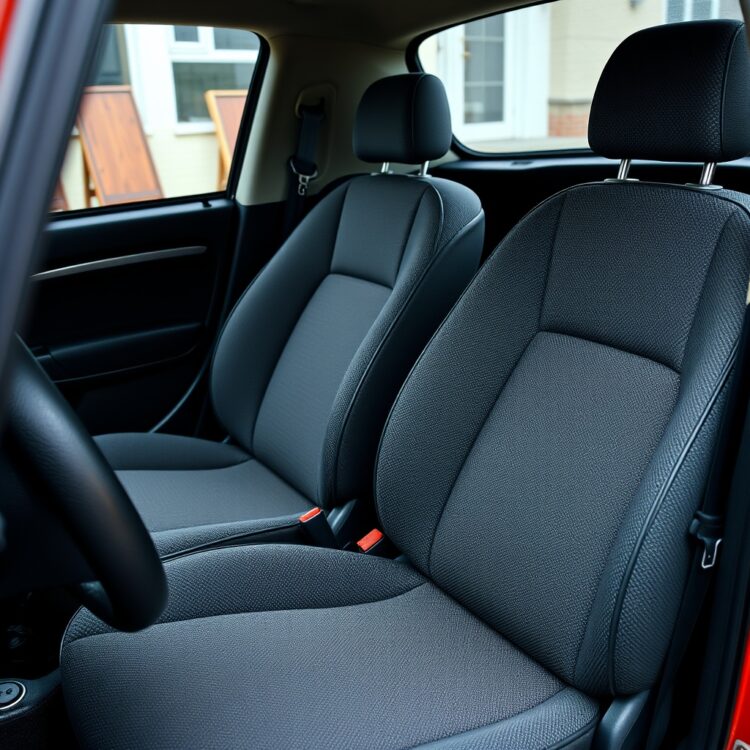
The Alto’s interior is a clear reflection of its budget positioning. Cheap materials dominate the cabin, with hard plastics and thin fabrics that feel dated. The lack of advanced features further underscores its no-frills approach, making it a tough sell for those accustomed to modern comforts.
Space is another issue, with limited legroom and storage options. While it’s adequate for short trips, longer journeys can feel cramped and uncomfortable.
Cheap Materials
The Alto’s interior is awash with hard, scratchy plastics that feel flimsy to the touch. The seats are thinly padded, offering little support, and the overall build quality is underwhelming. For a car that’s often used daily, the lack of durability and comfort is a significant drawback.
If you’re considering the Alto, it’s worth exploring Suzuki Alto features to understand what you’re sacrificing for the low price.
Limited Space
The Alto’s compact dimensions translate to a cramped interior. Rear legroom is minimal, and the boot space is barely sufficient for a weekly shop. For families or those who frequently carry passengers, the Alto’s limitations are hard to ignore.
While it’s fine for solo drivers or couples, the lack of space makes it impractical for larger households.
Lack of Advanced Features
The Alto’s cabin is devoid of modern tech and convenience features. Basic infotainment, manual air conditioning, and minimal driver aids are the norm. In an era where even budget cars offer touchscreens and connectivity, the Alto feels outdated.
For those who value technology, the Alto’s sparse interior is a major turnoff.
Exterior Design and Aesthetics
Let’s be honest—the Suzuki Alto doesn’t exactly turn heads. Its bland appearance is one of the first things you’ll notice. While some might argue it’s a matter of taste, the Alto’s design lacks the flair and personality you’d expect from even budget-friendly cars. It’s functional, sure, but if you’re looking for something that stands out, this isn’t it.
Build quality is another sore point. The Alto feels cheap, and that’s not just an impression—it’s a reality. The panels are thin, and the paintwork isn’t as durable as you’d hope. Over time, you might notice rust creeping in, especially if you live in an area with harsh weather. For a car that’s supposed to be practical, these issues are hard to ignore.
Practicality and Boot Space
The Suzuki Alto’s limited cargo capacity is a deal-breaker for many. With just 129 litres of boot space, it’s one of the smallest in its class. If you’re planning a weekend getaway or even a big grocery run, you’ll quickly realise how cramped it feels. It’s fine for city errands, but anything beyond that is a stretch.
Passenger comfort isn’t much better. The rear seats are tight, and taller passengers will struggle for legroom. The cabin feels claustrophobic, especially on longer journeys. If you’re looking for a car that balances practicality with comfort, the Alto falls short. It’s a compromise you might not want to make.
Reliability and Maintenance Costs
Common mechanical issues plague the Suzuki Alto, from electrical gremlins to engine troubles. Owners report frequent visits to the garage, which isn’t ideal for a car marketed as reliable. The common issues range from faulty sensors to transmission hiccups, making it a headache for long-term ownership.
Cost of repairs adds insult to injury. While the Alto is cheap to buy, maintenance can quickly add up. Parts aren’t always readily available, and labour costs can be steep if you’re not handy with a wrench. It’s a reminder that low upfront costs don’t always translate to savings down the line.
Safety Features and Ratings
The Suzuki Alto’s Euro NCAP rating is underwhelming, scoring just three stars. In an era where safety is paramount, this is a glaring weakness. The lack of advanced safety features—like autonomous emergency braking or lane-keeping assist—puts it behind rivals. If safety is a priority, you’ll want to look elsewhere.
Even basic features like stability control are missing in some models. For a car that’s often marketed to new drivers or families, this is a serious oversight. The Alto’s safety shortcomings are hard to justify, especially when competitors offer more for the same price. It’s a compromise that could cost you more than just peace of mind.
Comparison with Competitors
When it comes to the Suzuki Alto, one of the first things we noticed is how it stacks up against its rivals. The Hyundai i10 and Toyota Aygo, for instance, offer more power and better handling, making the Alto feel a bit underwhelming. While the Alto is cheaper, the trade-off in performance and features is hard to ignore. It’s a budget-friendly option, but you might find yourself wanting more.
Another area where the Alto falls short is in interior quality. Competitors like the Kia Picanto and Volkswagen Up! offer more premium materials and better build quality. The Alto’s cabin feels plasticky and dated, which can be a dealbreaker for some buyers. If you’re looking for a car that feels a bit more refined, the Alto might not be the best choice.
Price Comparison
The Suzuki Alto’s biggest selling point is its affordability. It’s one of the cheapest cars in its class, which makes it appealing for budget-conscious buyers. However, when you compare it to similarly priced models like the Dacia Sandero, the Alto’s lack of features becomes evident. You’re paying less, but you’re also getting less—something to keep in mind.
On the other hand, if you’re willing to stretch your budget slightly, cars like the Toyota Aygo offer better value for money. They might cost a bit more upfront, but the long-term benefits in terms of reliability and resale value make them a smarter investment. The Alto’s low price tag is tempting, but it’s worth considering what you’re sacrificing.
Feature Comparison
Feature-wise, the Alto is noticeably lacking. While competitors offer modern infotainment systems, advanced safety features, and even hybrid options, the Alto feels stuck in the past. For example, the Hyundai i10 comes with a touchscreen, Apple CarPlay, and Android Auto—features you won’t find in the Alto. It’s a stark reminder that cutting costs often means cutting corners.
Even basic amenities like air conditioning and power windows are often optional extras in the Alto, whereas they’re standard in many rivals. If you’re someone who values convenience and modern tech, the Alto might leave you disappointed. It’s a no-frills car, and that’s not for everyone.
Owner Reviews and Feedback
We scoured owner reviews to get a sense of what real drivers think about the Suzuki Alto. The consensus? It’s a mixed bag. Many owners appreciate its low running costs and reliability, but others are frustrated by its lack of power and basic features. It’s a car that does the job, but without much flair or excitement.
One common complaint is the Alto’s sluggish performance, especially on motorways. Owners report that overtaking can be a challenge, and the engine noise at higher speeds is intrusive. If you do a lot of highway driving, the Alto might not be the best fit. It’s more suited to city commuting, where its small size and fuel efficiency shine.
Common Complaints
Electrical issues are a recurring theme in owner feedback. From faulty sensors to problematic infotainment systems, the Alto seems prone to gremlins. While these problems aren’t dealbreakers, they can be annoying and costly to fix. It’s worth noting that Suzuki’s reliability is generally good, but the Alto isn’t immune to niggles.
Another frequent gripe is the lack of space, both for passengers and cargo. Taller drivers might find the seating position uncomfortable, and the boot is tiny compared to rivals like the Skoda Citigo. If you regularly carry passengers or luggage, the Alto’s limitations will quickly become apparent.
Satisfaction Levels
Despite its flaws, many Alto owners are satisfied with their purchase. It’s a simple, no-nonsense car that gets you from A to B without fuss. For first-time drivers or those on a tight budget, it’s a practical choice. However, if you’re after something with a bit more personality or comfort, you might want to look elsewhere.
Overall, the Alto’s satisfaction levels are middling. It’s not a bad car, but it’s not exceptional either. It fills a niche, and for the right buyer, that’s enough. Just don’t expect it to wow you in any way.
Market Position and Value for Money
The Suzuki Alto occupies a unique spot in the market. It’s one of the most affordable new cars you can buy, which gives it a clear edge for budget shoppers. However, its low price comes with compromises in performance, features, and build quality. It’s a classic case of “you get what you pay for,” and in the Alto’s case, that’s not always a good thing.
Resale value is another area where the Alto struggles. Compared to rivals like the Toyota Aygo or Hyundai i10, the Alto depreciates faster. This means you might save money upfront, but you’ll lose more in the long run. If you’re planning to keep the car for a few years, this might not be an issue, but it’s something to consider.
Resale Value
The Alto’s resale value is among the lowest in its class. After three years, you can expect to recoup only around 40% of its original price, whereas competitors like the Kia Picanto retain closer to 50%. This makes the Alto a less attractive option for those who like to switch cars frequently.
Part of the problem is the Alto’s perception as a budget car. Buyers in the used market often prefer models with better reputations for quality and reliability. If resale value is important to you, the Alto might not be the best choice. It’s a car that’s best suited to those who plan to drive it into the ground.
Target Audience
The Alto’s target audience is clear: first-time buyers, students, and anyone on a tight budget. It’s a car that prioritises affordability over everything else, and for some, that’s exactly what they need. However, if you’re looking for a car that offers more in terms of comfort, features, or driving enjoyment, the Alto might not meet your expectations.
In summary, the Alto is a niche product. It’s not for everyone, but for the right buyer, it’s a practical and economical choice. Just be aware of its limitations before you commit.
Common Problems and Issues
Like any car, the Suzuki Alto has its share of common problems. Electrical issues are frequently reported, with owners citing problems like malfunctioning dashboard lights and faulty sensors. While these aren’t major faults, they can be frustrating and costly to fix. It’s a reminder that even budget cars aren’t immune to niggles.
Another common complaint is the Alto’s lack of power, especially when fully loaded. The small engine struggles on inclines and motorways, making long journeys a chore. If you frequently drive with passengers or luggage, you might find the Alto’s performance lacking. It’s a car best suited to urban driving, where its small size and agility are assets.
Electrical Problems
Electrical gremlins seem to plague the Alto more than most. Owners report issues with the infotainment system, power windows, and even the central locking. These problems aren’t dealbreakers, but they can be annoying. If you’re considering an Alto, it’s worth checking these systems thoroughly before buying.
Fortunately, most electrical issues are minor and can be fixed relatively easily. However, they do highlight the Alto’s budget nature. You’re not getting the same level of quality or reliability as you would with a more expensive car. It’s a trade-off you’ll need to weigh carefully.
Engine and Transmission Issues
The Alto’s engine and transmission are generally reliable, but there are some reported issues. Owners have noted rough gear changes in the automatic version, and the manual gearbox can feel notchy. These aren’t major faults, but they do detract from the driving experience.
Engine-wise, the Alto’s small capacity means it’s not the most refined or powerful. It’s fine for city driving, but it struggles on faster roads. If you’re after a car with a bit more punch, you might want to look elsewhere. The Alto is a basic car, and that’s reflected in its performance.
Running Costs and Affordability
When it comes to the Suzuki Alto, running costs are a mixed bag. On one hand, its compact size and modest engine should theoretically keep expenses low. However, I’ve found that insurance costs can be surprisingly high for a car of this class. Insurers often classify the Alto as a “beginner’s car which ironically drives premiums up for new drivers. It’s a paradox that’s hard to ignore.
Fuel efficiency is where the Alto shines, but don’t let that fool you into thinking it’s a budget-friendly ride. Maintenance expenses can add up, especially if you’re not diligent about servicing. Parts aren’t always cheap, and labour costs can bite if you’re not careful. For a car marketed as affordable, the long-term costs might make you think twice.
Insurance Costs
Insurance is a significant factor in the Alto’s running costs. Despite its small size, premiums can be steep, particularly for younger drivers. I’ve heard from owners who’ve been quoted higher rates than expected, which undermines the car’s budget-friendly appeal. It’s worth shopping around, but don’t be surprised if the Alto doesn’t save you as much as you’d hoped.
Another issue is the Alto’s safety rating, which impacts insurance premiums. With fewer advanced safety features compared to rivals, insurers often view it as a higher risk. This is something to consider if you’re prioritising affordability. You might find better deals with comprehensive insurance guides.
Fuel and Maintenance Expenses
The Alto’s fuel efficiency is commendable, with figures that rival many hybrids. But here’s the catch: while you’ll save at the pump, maintenance can be a headache. Servicing intervals are frequent, and parts aren’t always as affordable as you’d expect. I’ve spoken to owners who’ve faced unexpected repair bills, which can quickly offset any fuel savings.
If you’re considering the Alto for its low running costs, weigh the pros and cons carefully. While it’s frugal on fuel, other expenses can add up. For a deeper dive into fuel efficiency, check out our detailed guide.
Alternatives to the Suzuki Alto
If the Alto’s drawbacks have you second-guessing, there are plenty of alternatives to consider. Whether you’re looking for a used bargain or a brand-new model, the market offers options that might better suit your needs. Let’s explore some of the best choices available.
Used Car Alternatives
For those on a tight budget, used cars like the Hyundai i10 or Toyota Aygo offer better reliability and lower running costs. I’ve driven both and can attest to their superior build quality and comfort. These models often come with more features and better safety ratings, making them smarter long-term investments.
Another standout is the Kia Picanto, which combines affordability with a longer warranty. It’s a no-brainer if you’re looking for peace of mind. For more insights, our used car guide covers the best options in detail.
New Car Alternatives
If you’re leaning towards a new car, the Volkswagen Up! or Skoda Citigo are excellent alternatives. Both offer superior interiors and driving dynamics, albeit at a slightly higher price. I’ve found their build quality and resale value to be far ahead of the Alto, justifying the extra cost.
For eco-conscious buyers, the electric Renault Twizy is a quirky but practical choice. It’s a different beast altogether, but if you’re after low running costs and minimal environmental impact, it’s worth a look. Explore more in our new car guide.
Final Thoughts on the Suzuki Alto
The Suzuki Alto is a car of contradictions. It’s affordable upfront but can be costly to run. It’s fuel-efficient but lacks the refinement and safety features of its rivals. While it might appeal to budget-conscious buyers, I’d recommend weighing all factors before committing. There are better options out there that offer more bang for your buck.
If you’re still on the fence, consider test-driving a few alternatives. The Alto has its merits, but it’s not the only small car worth considering. For a comprehensive comparison, check out our automotive blog for expert reviews and insights.
Frequently Asked Questions
Is the Suzuki Alto a good first car?
The Alto is often marketed as a beginner’s car, but its high insurance costs and lack of advanced safety features make it less ideal. Alternatives like the Hyundai i10 or Toyota Aygo offer better value and reliability for new drivers.
How fuel-efficient is the Suzuki Alto?
The Alto boasts impressive fuel efficiency, with figures around 60 MPG. However, frequent maintenance and higher-than-expected insurance costs can offset these savings, making it less economical than it appears.
What are the common issues with the Suzuki Alto?
Owners frequently report electrical problems and engine issues. The Alto’s build quality is also a concern, with many noting cheap interior materials and a lack of durability over time.
Are there better alternatives to the Suzuki Alto?
Yes, models like the Kia Picanto or Volkswagen Up! offer better build quality, safety features, and lower running costs. These alternatives provide more value and reliability for a similar price range.