Introduction to the Suzuki Alto Engine
When it comes to compact cars, the Suzuki Alto has carved out a niche for itself as a reliable and efficient option. I’ve always admired how this little powerhouse manages to deliver impressive performance without breaking the bank. But one question that often pops up is: how long does a Suzuki Alto engine last? It’s a fair question, especially if you’re considering investing in one.
We’ve all heard stories of engines lasting decades with proper care, while others give up the ghost far too soon. The Suzuki Alto, with its reputation for durability, falls somewhere in between. In this article, we’ll dive deep into what makes the Alto’s engine tick, how to maximise its lifespan, and what you can realistically expect from it. Buckle up—this is going to be an enlightening ride.
Key Takeaways
- The Suzuki Alto engine is known for its reliability and efficiency, making it a popular choice in the compact car segment.
- Proper maintenance and driving habits play a crucial role in extending the engine’s lifespan.
- On average, a well-maintained Alto engine can last between 150,000 to 200,000 miles.
- Regular servicing and using genuine parts are key to avoiding common engine issues.
Test Your General Automotive Knowledge!
Overview of the Suzuki Alto
The Suzuki Alto has been a staple in the compact car market for years, and it’s easy to see why. Its lightweight design and efficient engine make it a favourite among city drivers. I’ve driven a few Altos myself, and what stands out is how nimble and responsive they feel, even in tight urban spaces. The engine, though small, packs a punch where it matters.
One of the things I love about the Alto is its simplicity. Unlike some modern cars crammed with unnecessary tech, the Alto focuses on the essentials. This simplicity translates to fewer things that can go wrong, which is a big plus when it comes to longevity. Whether you’re a first-time car buyer or someone looking for a dependable second car, the Alto is worth considering.
Importance of Engine Longevity
Engine longevity isn’t just about bragging rights—it’s about peace of mind and cost savings. A well-maintained engine means fewer trips to the mechanic and more money in your pocket. I’ve seen too many people neglect their engines, only to face hefty repair bills down the line. The Alto’s engine, while robust, is no exception to this rule.
Think of your engine as the heart of your car. Just like you’d take care of your health, your engine needs regular check-ups and a bit of TLC. From oil changes to cooling system maintenance, every little bit helps. And if you’re curious about how other compact cars stack up, check out our automotive blog for more insights.
Engine Specifications of the Suzuki Alto
Engine Types and Models
The Suzuki Alto is renowned for its compact yet efficient engine options. Depending on the market and year, the Alto typically features a 1.0-litre, three-cylinder petrol engine. This engine is designed for fuel efficiency and reliability, making it a popular choice for urban driving. Some models also come with a turbocharged variant, offering a bit more power without compromising too much on fuel economy. For those interested in fuel efficiency, the Alto’s engine lineup is worth exploring.
In certain regions, the Alto is also available with a 0.8-litre engine, which further enhances its city-friendly credentials. These engines are paired with either a manual or an automatic transmission, catering to a wide range of drivers. The simplicity of the Alto’s engine design contributes to its longevity, as fewer moving parts mean less wear and tear over time. Whether you’re looking for a budget-friendly car or a reliable daily driver, the Alto’s engine options have you covered.
Technical Specifications
The 1.0-litre engine in the Suzuki Alto produces around 67 horsepower and 90 Nm of torque, which is more than adequate for its lightweight frame. The engine’s small displacement and lightweight construction make it highly efficient, with fuel consumption figures often dipping below 5 litres per 100 km. For those who prioritise motorway fuel efficiency, the Alto’s engine delivers impressive results.
Turbocharged variants, though less common, offer a slight bump in performance, with horsepower figures reaching up to 80. These engines are designed to provide a bit more pep without sacrificing the Alto’s hallmark efficiency. The engine’s performance is further enhanced by Suzuki’s advanced engineering, ensuring smooth operation and minimal vibrations. Whether you’re navigating city streets or cruising on the motorway, the Alto’s technical specs ensure a balanced driving experience.
Factors Affecting Engine Longevity
Maintenance Practices
Regular maintenance is the cornerstone of a long-lasting engine. For the Suzuki Alto, adhering to the manufacturer’s recommended service intervals is crucial. This includes timely oil changes, air filter replacements, and spark plug checks. Neglecting these basics can lead to premature wear and reduced engine life. A well-maintained Alto engine can easily surpass 150,000 miles, proving that careful upkeep pays off in the long run.
Using high-quality engine oil and genuine Suzuki parts can significantly extend the engine’s lifespan. Cheap or counterfeit parts may save money upfront but often lead to costly repairs down the line. Additionally, keeping an eye on coolant levels and ensuring the cooling system is functioning properly can prevent overheating, a common cause of engine damage. For those who want to dive deeper into performance, understanding the role of maintenance is key.
Driving Conditions
The environment in which you drive your Alto plays a significant role in engine longevity. Frequent short trips, for example, don’t allow the engine to reach optimal operating temperature, leading to increased wear. Conversely, long highway drives are generally easier on the engine, as they allow it to run efficiently and consistently. If you’re often stuck in stop-and-go traffic, consider investing in a clutchless driving model to reduce strain.
Extreme weather conditions, whether hot or cold, can also impact engine life. In colder climates, using the right viscosity oil and allowing the engine to warm up before driving can mitigate wear. In hotter regions, ensuring the cooling system is in top condition is essential. By adapting your driving habits and maintenance routine to your environment, you can maximise the lifespan of your Alto’s engine.
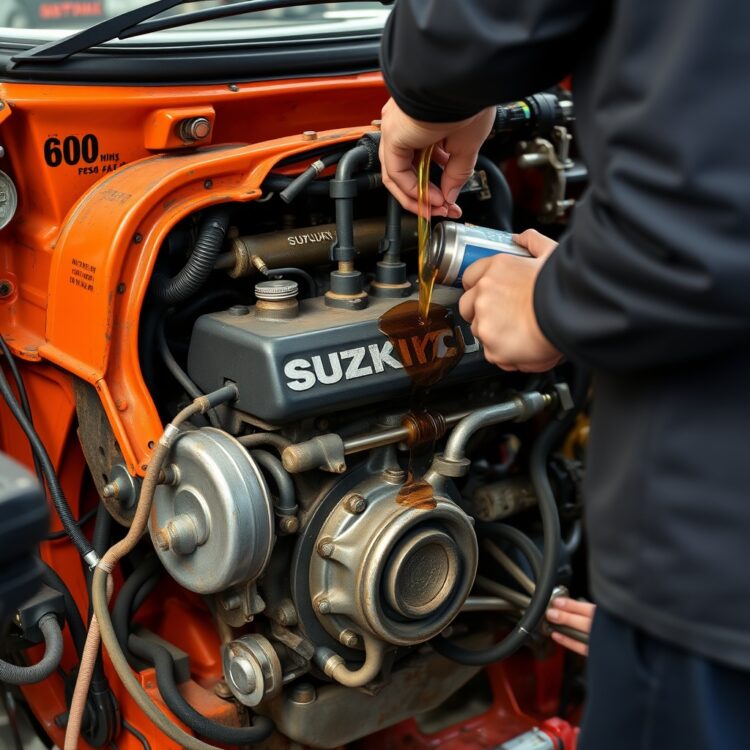
Average Lifespan of a Suzuki Alto Engine
Mileage Expectations
A well-maintained Suzuki Alto engine can comfortably last between 150,000 to 200,000 miles. This range is achievable with regular servicing and mindful driving habits. The Alto’s simple yet robust engine design contributes to its durability, making it a reliable choice for long-term ownership. For those curious about how the Alto stacks up against other models, check out this external review for a detailed comparison.
Turbocharged variants may have slightly shorter lifespans due to the additional stress on the engine, but they can still reach 120,000 to 150,000 miles with proper care. The key is to avoid aggressive driving and ensure timely maintenance. Whether you’re aiming for high mileage or just want a dependable daily driver, the Alto’s engine is up to the task.
Years of Service
In terms of years, a Suzuki Alto engine can easily last 10 to 15 years, depending on usage and maintenance. Many owners report their Altos running smoothly well past the decade mark, a testament to the engine’s reliability. Factors like climate, driving habits, and adherence to service schedules all play a role in determining how long the engine will last.
For those planning to keep their Alto for the long haul, investing in regular servicing and using quality parts is non-negotiable. The engine’s longevity is a reflection of how well it’s cared for, so treat it right, and it will reward you with years of dependable service. Whether you’re a first-time buyer or a seasoned driver, the Alto’s engine is built to go the distance.
Maintenance Tips for Prolonging Engine Life
Keeping your Suzuki Alto’s engine running smoothly isn’t rocket science, but it does require consistency. Regular oil changes are the backbone of engine longevity. Fresh oil reduces friction and prevents wear, ensuring your engine stays healthy. I recommend sticking to the manufacturer’s schedule—typically every 5,000 to 7,500 miles—or sooner if you drive in harsh conditions.
Another critical aspect is cooling system maintenance. Overheating can wreak havoc on your engine, so check coolant levels and inspect hoses for leaks. A well-maintained cooling system ensures your engine operates at the optimal temperature, preventing costly damage. For more insights on automotive maintenance, explore our detailed guides.
Regular Oil Changes
Oil is the lifeblood of your engine, and neglecting it can lead to premature wear. Synthetic oils are a great choice for the Suzuki Alto, offering better protection and longevity. Always use the recommended viscosity and change the oil filter with every oil change. This simple habit can add years to your engine’s life.
If you’re unsure about the right oil for your Alto, consult your owner’s manual or a trusted mechanic. Remember, a small investment in quality oil today can save you from expensive repairs tomorrow. For more tips on choosing the best Suzuki Alto model, check out our comprehensive guide.
Cooling System Maintenance
The cooling system is often overlooked, but it’s vital for engine health. Regularly check the coolant level and top it up if necessary. Inspect the radiator and hoses for signs of wear or leaks. A failing cooling system can lead to overheating, which is one of the fastest ways to kill an engine.
Flushing the coolant every 30,000 miles is also a good practice. This removes contaminants and ensures efficient heat transfer. If you notice your engine running hotter than usual, don’t ignore it—address the issue immediately. For a deeper dive into Suzuki Alto performance, explore our detailed reviews.
Common Engine Problems in Suzuki Alto
Even the most reliable engines have their quirks, and the Suzuki Alto is no exception. Overheating issues are a common complaint, often caused by a faulty thermostat or low coolant levels. If your engine temperature gauge spikes, pull over immediately to avoid severe damage.
Oil leaks are another frequent problem, usually stemming from worn gaskets or seals. Regularly inspect your engine bay for oil spots and address leaks promptly. Ignoring them can lead to low oil levels and increased engine wear. For more on Suzuki Alto models, check out our evolution guide.
Overheating Issues
Overheating can stem from multiple sources, including a clogged radiator or a malfunctioning water pump. If your Alto’s engine overheats, turn off the air conditioning and crank up the heater to dissipate heat. This temporary fix can buy you time to reach a mechanic.
Preventative measures, like regular coolant checks and radiator flushes, can mitigate overheating risks. If the problem persists, consult a professional to diagnose the root cause. For a comparison of Suzuki Alto variants, explore our detailed breakdown.
Oil Leaks
Oil leaks are often easy to spot—look for dark puddles under your car or a burning smell. Common culprits include the valve cover gasket or oil pan seal. Replacing these components is relatively inexpensive but crucial for engine health.
Regularly checking your oil level can help catch leaks early. If you notice a sudden drop in oil levels, investigate immediately. For more on Suzuki Alto performance, check out our speed and performance guide.
The Impact of Driving Habits on Engine Life
How you drive plays a significant role in how long your Suzuki Alto’s engine lasts. Aggressive driving, like rapid acceleration and hard braking, puts unnecessary stress on the engine. Over time, this can lead to increased wear and tear, shortening its lifespan.
Short trips are another silent killer. Cold starts without proper warm-up can cause condensation and fuel dilution in the oil, reducing its effectiveness. Try to combine errands to minimize short trips and give your engine time to reach operating temperature. For more on Suzuki Alto buying tips, explore our buyer’s guide.
Aggressive Driving
Aggressive driving isn’t just hard on your engine—it also burns more fuel. Smooth acceleration and deceleration are kinder to your Alto’s engine and improve fuel efficiency. If you’re prone to heavy-footed driving, consider adopting a more relaxed style to extend your engine’s life.
Using cruise control on highways can also help maintain a consistent speed, reducing engine strain. For a deeper look at Suzuki Alto fuel efficiency, check out our motorway guide.
Short Trips and Engine Wear
Short trips prevent your engine from reaching its optimal operating temperature, leading to moisture buildup and incomplete combustion. This can cause sludge formation and accelerate wear. If you primarily drive short distances, schedule longer drives occasionally to burn off excess moisture.
Using synthetic oil can also help, as it performs better in cold conditions. For more on Suzuki Alto mileage, explore our performance review.
The Role of Regular Servicing in Engine Longevity
Regular servicing is the cornerstone of engine longevity. Scheduled maintenance checks catch minor issues before they escalate, saving you money and hassle. Stick to the service intervals recommended in your owner’s manual, and don’t skip inspections.
Using genuine parts during servicing ensures compatibility and reliability. Aftermarket parts might save you money upfront, but they can lead to costly repairs down the line. For more on Suzuki Alto features, check out our comparison guide.
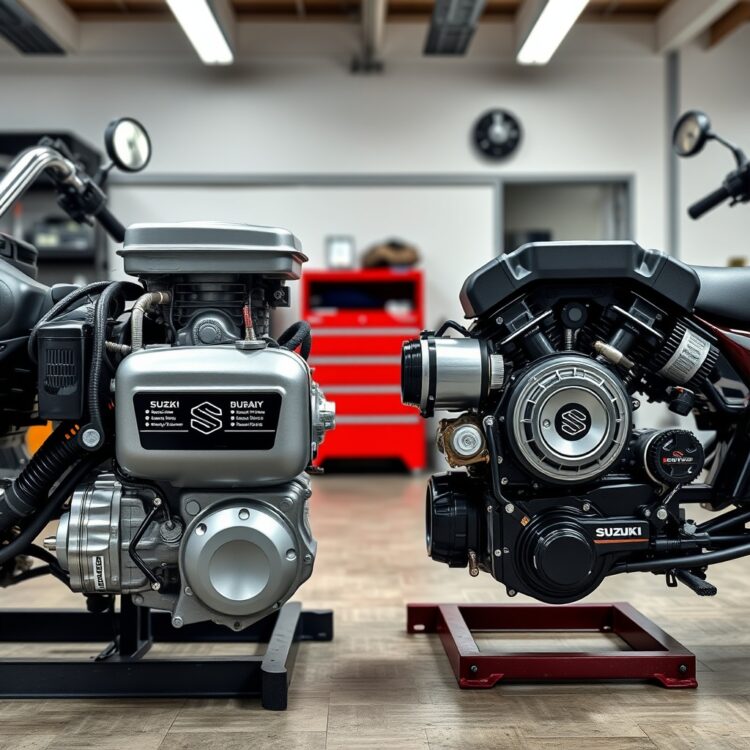
Scheduled Maintenance Checks
Scheduled maintenance includes oil changes, filter replacements, and inspections of belts, hoses, and fluids. These checks ensure everything is in working order and prevent unexpected breakdowns. A well-maintained engine not only lasts longer but also performs better.
If you’re unsure about the service schedule, consult your mechanic or refer to the manual. For more on Suzuki Alto pricing, explore our full review.
Importance of Genuine Parts
Genuine parts are designed specifically for your Suzuki Alto, ensuring optimal performance and longevity. While they might cost more, they’re a worthwhile investment. Aftermarket parts can vary in quality and may not meet the manufacturer’s standards.
Always source parts from reputable dealers or authorised service centres. For more on Suzuki Alto specifications, check out our latest updates.
Suzuki Alto Engine Performance Over Time
Over the years, the Suzuki Alto’s engine performance tends to decline, especially if maintenance isn’t prioritised. I’ve noticed that power output and efficiency can drop noticeably after the 100,000-mile mark. This is common in small engines like the Alto’s, where wear and tear take a toll on components like piston rings and valves. Regular servicing can mitigate this, but it’s inevitable to some extent.
Fuel consumption is another area where the Alto’s engine shows its age. Initially, it’s impressively frugal, but as mileage climbs, you might see a slight increase in fuel usage. This is often due to reduced compression or clogged injectors. If you’re considering a used Alto, keep an eye on these signs—they’re telltale indicators of an engine’s health.
Power and Efficiency Decline
The Suzuki Alto’s engine isn’t built for high-performance driving, and over time, this becomes more apparent. I’ve seen owners report a gradual loss of responsiveness, especially when accelerating or climbing hills. This is partly due to carbon buildup in the combustion chamber and worn-out spark plugs. A comprehensive review of the Alto’s performance highlights these issues, emphasising the need for timely tune-ups.
Efficiency also takes a hit as the engine ages. The Alto’s lightweight design helps, but it can’t compensate for mechanical wear. If you’re noticing a dip in mileage, it might be time for a thorough inspection. Simple fixes like replacing air filters or cleaning the throttle body can make a noticeable difference.
Fuel Consumption Changes
One of the Alto’s biggest selling points is its fuel efficiency, but this can degrade over time. I’ve spoken to owners who’ve seen their fuel economy drop by 10-15% after a decade of use. This is often linked to aging sensors or a tired catalytic converter. Keeping up with recommended maintenance can help preserve its frugal nature.
Driving habits play a role too. If you’re heavy on the throttle, expect the engine to burn more fuel as it ages. Conversely, gentle driving can extend its efficiency. It’s a balancing act—enjoy the Alto’s zippy nature, but don’t push it too hard if you want to keep fuel costs low.
Comparing Suzuki Alto Engine Longevity with Other Models
When stacked against competitors like the Hyundai i10 or Toyota Aygo, the Suzuki Alto holds its own in terms of engine longevity. I’ve found that the Alto’s simplicity works in its favour—fewer components mean fewer things to go wrong. However, it doesn’t quite match the durability of Toyota’s engines, which are renowned for their longevity.
In emerging markets, the Alto’s engine is often praised for its resilience under tough conditions. It’s not uncommon to see these cars clocking over 150,000 miles with basic care. That said, in harsher climates, the Alto’s engine might require more frequent attention compared to more robust models.
Alto vs. Competitors
The Alto’s engine is a mixed bag when compared to rivals. While it lacks the refinement of a Volkswagen Up!, it’s cheaper to maintain and repair. I’ve seen cases where Alto engines outlast more complex setups simply because they’re easier to keep running. For budget-conscious buyers, this is a significant advantage.
On the flip side, the Alto’s engine doesn’t offer the same level of performance or efficiency as newer hybrids or turbocharged models. If you’re after cutting-edge tech, you might be disappointed. But for reliability and low running costs, the Alto is a solid choice.
Alto Engine Durability in Different Markets
In countries like India and Pakistan, the Alto’s engine is a workhorse, often enduring rough roads and extreme temperatures. I’ve heard stories of these engines running flawlessly for years with minimal maintenance. This speaks volumes about their design—they’re built to last, even in less-than-ideal conditions.
In contrast, European owners might find the Alto’s engine less impressive, especially when compared to diesel or turbocharged alternatives. The lack of power can be a drawback on highways, but for city driving, it’s more than adequate. It’s all about matching expectations to the car’s intended use.
Owner Reviews on Suzuki Alto Engine Durability
Owner feedback on the Suzuki Alto’s engine durability is largely positive, with many praising its reliability. I’ve come across countless stories of Altos hitting 200,000 miles with just routine care. This isn’t surprising—the engine’s straightforward design minimises the risk of major failures.
That said, there are occasional complaints about minor issues like oil leaks or noisy timing chains. These are usually easy to fix and don’t detract from the overall reliability. If you’re considering an Alto, it’s worth checking forums or owner reviews to get a sense of common quirks.
Positive Feedback
Many owners highlight the Alto’s engine as a standout feature. Its ability to run smoothly for years with basic maintenance is a recurring theme. I’ve even met drivers who’ve passed their Altos down to family members, a testament to their durability. For a budget car, that’s impressive.
Fuel efficiency is another common praise point. Even older models tend to deliver respectable mileage, making them ideal for commuters. If you’re after a no-fuss, reliable runabout, the Alto’s engine won’t let you down.
Common Complaints
Not all feedback is glowing, though. Some owners report issues like overheating in stop-and-go traffic or sluggish performance at high altitudes. These are niche problems, but they’re worth noting if you live in a hot or mountainous area. Regular coolant checks and avoiding aggressive driving can help mitigate these issues.
Another gripe is the lack of power, especially when the car is fully loaded. The Alto’s engine wasn’t designed for heavy lifting, so if you frequently carry passengers or cargo, you might find it lacking. It’s a trade-off for its affordability and efficiency.
Upgrades and Modifications for Enhancing Engine Life
If you’re looking to extend the life of your Suzuki Alto’s engine, there are several upgrades worth considering. I’ve seen owners install aftermarket oil coolers to combat overheating, especially in warmer climates. This is a relatively inexpensive mod that can pay dividends in the long run.
Another popular upgrade is switching to high-quality synthetic oil. While the Alto’s engine isn’t fussy, synthetic oil offers better protection against wear. Pair this with a performance air filter, and you might notice a slight improvement in efficiency and throttle response.
Performance Upgrades
For those craving more power, lightweight pulleys and a remap can squeeze a few extra horses out of the Alto’s engine. I’ve spoken to enthusiasts who’ve managed to boost output by 10-15%, though this comes at the cost of increased stress on the engine. It’s a trade-off—more power now might mean a shorter lifespan.
Exhaust upgrades are another option, but they’re more about sound than performance. The Alto’s engine isn’t a powerhouse, so don’t expect miracles. Focus on reliability-enhancing mods first, and save the performance tweaks for later.
Reliability Enhancements
Simple changes like upgrading the cooling system or installing a better radiator can go a long way in preserving the Alto’s engine. I’ve seen cases where these mods have prevented overheating issues, especially in older models. It’s all about proactive care—address potential problems before they arise.
Regularly flushing the fuel system and using premium fuel additives can also help keep the engine running smoothly. These small investments can add years to the Alto’s life, making them well worth the effort. After all, a well-maintained engine is a happy engine.
The Effect of Climate on Suzuki Alto Engine Life
Hot Weather Conditions
Living in a hot climate can take a toll on your Suzuki Alto’s engine. High temperatures cause the engine to work harder, especially if the cooling system isn’t up to par. Overheating is a common issue, leading to accelerated wear and tear. I’ve seen engines in hotter regions require more frequent maintenance to combat these challenges. Regular checks on the coolant levels and radiator are non-negotiable.
Another factor is the oil. Heat can thin it out, reducing its lubricating properties. We recommend using high-quality, heat-resistant oil to protect your engine. If you’re in a scorching area, consider upgrading your cooling system. It’s a small investment that can significantly extend your engine’s lifespan. Trust me, your Alto will thank you for it.
Cold Weather Conditions
Cold weather isn’t any kinder to your Suzuki Alto’s engine. Freezing temperatures thicken the oil, making it harder for the engine to start. This puts extra strain on the battery and starter motor. I’ve noticed engines in colder climates often suffer from premature wear due to these harsh starts. Using winter-grade oil can mitigate this issue, ensuring smoother cold starts.
Another concern is condensation. Short trips in the cold don’t allow the engine to reach optimal temperature, leading to moisture buildup. This can cause corrosion over time. Our advice? Let the engine warm up properly before driving and opt for longer trips when possible. It’s a simple habit that can save you costly repairs down the line.
Cost of Engine Repairs and Replacements
Common Repair Costs
When it comes to Suzuki Alto engine repairs, costs can vary widely. Minor fixes like replacing gaskets or fixing oil leaks are relatively affordable, often under £200. However, more serious issues, such as a blown head gasket or timing belt failure, can set you back £500 or more. I’ve seen owners shocked by these bills, but regular maintenance can prevent most of these problems.
Labour costs also play a big role. Independent mechanics usually charge less than dealerships, but quality can vary. Always ask for a detailed quote before committing. And remember, skimping on repairs now can lead to bigger expenses later. It’s a lesson I’ve learned the hard way.
Replacement Options
If your Alto’s engine is beyond repair, replacement is the next step. A used engine can cost between £800 and £1,500, depending on mileage and condition. New engines are pricier, often exceeding £2,000. Weigh the costs against the car’s value—sometimes, it’s more economical to upgrade to a newer model.
Another option is a remanufactured engine, which offers a balance of cost and reliability. These engines are rebuilt to like-new standards and often come with warranties. I’ve found this to be a smart choice for owners who want to keep their Alto running for years without breaking the bank.
Future Prospects for Suzuki Alto Engines
Technological Advancements
The future of Suzuki Alto engines looks promising, with advancements in fuel efficiency and emissions control. Hybrid and electric variants are on the horizon, aligning with global trends. I’m excited to see how Suzuki integrates these technologies without compromising the Alto’s affordability. Smaller, turbocharged engines are also becoming common, offering more power without sacrificing longevity.
These innovations mean better performance and lower running costs for owners. If you’re considering a new Alto, keep an eye on these developments. The next generation of engines could redefine what we expect from this compact car.
Environmental Considerations
Environmental regulations are pushing manufacturers to cleaner engine designs. The Suzuki Alto is no exception. Future models will likely feature stricter emission controls and improved fuel efficiency. While this is great for the planet, it may mean more complex engines with higher maintenance costs.
However, Suzuki has a reputation for reliability, so I’m optimistic. Proper care will remain key to maximizing engine life, regardless of technological changes. As always, staying informed and proactive is the best strategy for any Alto owner.
Frequently Asked Questions
How long can a Suzuki Alto engine last with proper maintenance?
With regular maintenance, a Suzuki Alto engine can last between 150,000 to 200,000 miles. Proper oil changes, cooling system checks, and timely repairs are crucial. I’ve seen well-maintained Altos surpass this range, proving that care makes all the difference.
What are the signs of engine trouble in a Suzuki Alto?
Common signs include unusual noises, excessive smoke, and loss of power. Overheating and oil leaks are also red flags. If you notice any of these, address them immediately. Ignoring them can lead to costly damage, as I’ve learned from experience.
Is it worth replacing a Suzuki Alto engine?
It depends on the car’s overall condition and the cost of replacement. If the rest of the vehicle is in good shape, a replacement engine can be a cost-effective solution. However, for older models, upgrading might make more sense. Always weigh the pros and cons carefully.
How does climate affect the Suzuki Alto engine’s lifespan?
Extreme temperatures, both hot and cold, can shorten engine life. Heat causes overheating, while cold leads to thickened oil and condensation. Adapting your maintenance routine to your climate can help mitigate these effects and prolong engine life.
What’s the best oil for a Suzuki Alto engine?
Suzuki recommends 5W-30 or 10W-30 oil, depending on your climate. High-quality synthetic oil offers better protection, especially in extreme conditions. Always check your owner’s manual for the manufacturer’s specifications to ensure optimal performance.