Introduction
Finding the cheapest car to insure for a 17-year-old can feel like navigating a maze. I’ve been there—scouring the web, comparing quotes, and wondering why premiums are so high. The truth? It’s not just about the car; it’s about balancing affordability, safety, and insurance costs. Let’s break it down and uncover the best options for young drivers.
Key Takeaways
- Compact cars and sedans often offer the lowest insurance premiums for young drivers.
- Safety features like ABS and airbags can significantly reduce insurance costs.
- Choosing a car with a smaller engine size can lead to cheaper insurance.
- Comparing quotes from multiple insurers is essential to find the best deal.
- Adding a black box policy can further lower premiums for responsible drivers.
Introduction to Car Insurance for 17-Year-Olds
Insurance for 17-year-olds is notoriously expensive, and for good reason. Statistically, young drivers are more likely to be involved in accidents, which means higher risk for insurers. But don’t despair—there are ways to cut costs. The key is choosing the right car. Opting for a cheap-to-insure model can make a world of difference.
Another factor is the car’s safety rating. Vehicles with high safety scores often attract lower premiums because they’re less likely to result in costly claims. For example, models like the Vauxhall Corsa or Ford Fiesta are popular choices for young drivers due to their affordability and safety features. If you’re curious about other options, check out our top small car picks.
Understanding Why Age Affects Insurance Rates
When I first looked into car insurance for my 17-year-old, I was shocked at the rates. Why? Because insurers see young drivers as high-risk. Statistically, teens are more likely to be involved in accidents due to inexperience. Insurers factor this into premiums, making them steeper. But don’t despair—choosing the right car can help. We’ll dive into that next.
Another reason? Young drivers often drive smaller, less powerful cars, which can be cheaper to insure. But it’s not just about the car. Location, driving history, and even gender play a role. For now, focus on the vehicle. A cheap-to-insure car is your best bet to keep costs down.
The Cheapest Cars to Insure for 17-Year-Olds
Finding the right car is like unlocking a secret level in a game—suddenly, insurance costs drop. Here’s the cheat code: smaller, safer, and less flashy. Compact cars, sedans, and SUVs with top-notch safety features are your allies. Let’s break it down.
Compact Cars
Compact cars are the unsung heroes for young drivers. They’re affordable, fuel-efficient, and—most importantly—cheap to insure. Models like the Vauxhall Corsa or Ford Fiesta are popular choices. Why? They’re common, so parts are cheap, and insurers love that. Plus, their smaller engines mean lower premiums. It’s a win-win.
But don’t just take my word for it. Check out the Corsa VXR—it’s a solid option for young drivers. Just remember, the more basic the model, the better for your wallet.
Sedans
Sedans offer a bit more space without breaking the bank. Think Toyota Yaris or Honda Civic. These cars are reliable, safe, and insurers know it. They’re less likely to be involved in high-speed accidents, which keeps premiums manageable. And let’s face it, as a parent, safety is your top priority.
If you’re curious about other models, the best cars for young drivers list is a great resource. Sedans might not be the flashiest, but they’re practical and cost-effective.
SUVs with Safety Features
SUVs might seem like an odd choice, but hear me out. Modern SUVs come packed with safety tech—lane assist, automatic braking, and more. These features can lower your premium because they reduce accident risk. Models like the Nissan Qashqai or Hyundai Tucson are worth considering.
Still unsure? The reliability of SUVs might surprise you. Just avoid the high-performance variants—stick to the basics.

Average Insurance Rates for 17-Year-Olds
Now, let’s talk numbers. On average, a 17-year-old can expect to pay around £1,500 to £3,000 annually for insurance. But this varies wildly based on the car, location, and driving record. A comparison site can help you find the best deal.
Remember, adding a parent as a named driver can slash costs. It’s a simple trick, but it works. And always shop around—insurers don’t all weigh risk the same way. Your perfect policy is out there; you just need to find it.
Top Car Insurance Companies for 17-Year-Olds
Finding the right car insurance for a 17-year-old can feel like navigating a maze, but we’ve got you covered. National providers often offer competitive rates and comprehensive coverage, making them a solid choice for young drivers. Regional providers, on the other hand, might provide more personalised service and local expertise. We recommend comparing quotes from both to find the best fit for your needs and budget.
When it comes to affordability, some insurers specialise in policies for young drivers. Look for companies that offer discounts for good grades or completing a driver training course. These perks can significantly lower your premiums. Remember, the cheapest option isn’t always the best—ensure the policy covers everything you need. For more insights, check out our guide on cheap car insurance.
National Providers
National insurers like Admiral and Direct Line often have tailored policies for young drivers. They leverage their large customer base to offer competitive rates. Many also provide telematics policies, which monitor driving behaviour and can lead to lower premiums over time. It’s worth exploring these options, especially if you’re confident in your driving skills. Don’t forget to ask about any additional perks, like breakdown cover or legal protection.
Regional Providers
Regional insurers might not have the same brand recognition, but they often excel in customer service and local knowledge. They understand the specific risks in your area, which can translate to better rates. Smaller providers may also be more flexible with payment plans, making it easier to manage costs. If you’re unsure where to start, our automotive blog has plenty of tips to help you decide.
How Vehicle Size Influences Insurance Costs
You might think a smaller car means cheaper insurance, but it’s not always that simple. Compact cars are generally cheaper to insure because they’re less powerful and cheaper to repair. However, larger vehicles like SUVs with advanced safety features can sometimes offer lower premiums due to their reduced risk of injury in accidents. It’s all about finding the right balance between size, safety, and cost.
Insurance companies also consider the likelihood of theft and repair costs when setting premiums. Smaller cars are often targeted by thieves, while larger vehicles may have higher repair bills. To get the best deal, consider a mid-sized car with a strong safety record. For more details, take a look at our best car picks for young drivers.
The Role of Safety Features in Reducing Premiums
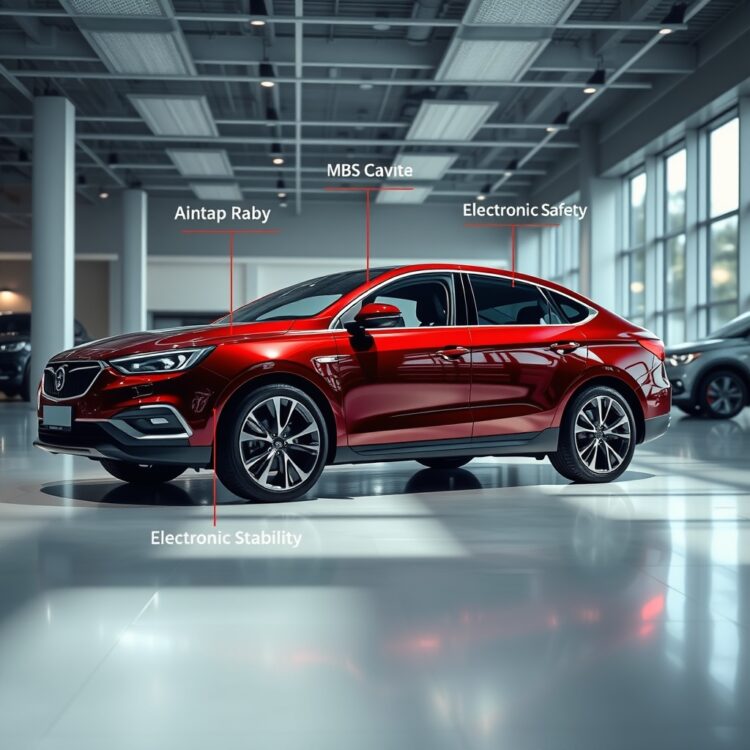
Safety features aren’t just about protecting you on the road—they can also save you money on insurance. Essential features like airbags, ABS, and electronic stability control are a must for any young driver. Insurers love these because they reduce the risk of accidents and injuries. If your car has them, you’ll likely see lower premiums. It’s a win-win for your safety and your wallet.
Advanced technologies like lane-keeping assist and automatic emergency braking take things a step further. These systems can prevent accidents before they happen, making them highly valued by insurers. While cars with these features might cost more upfront, the long-term savings on insurance can make them worthwhile. For a deeper dive, explore our guide on reliable cars with top-notch safety.
Essential Safety Features
Basic safety features are non-negotiable for young drivers. Airbags, seatbelts, and ABS are standard in most modern cars, but it’s worth double-checking before you buy. These features not only protect you but also signal to insurers that you’re a lower risk. If your car lacks these, you could end up paying significantly more for coverage. Always prioritise safety over style when choosing your first car.
Advanced Safety Technologies
Advanced safety tech is becoming more common, even in budget-friendly cars. Features like adaptive cruise control and blind-spot monitoring can dramatically reduce your risk of accidents. Insurers recognise this and often offer discounts for cars equipped with these systems. While they might seem like luxuries, they can pay for themselves in lower premiums over time. For more on this, check out this external resource on young driver insurance.
Evaluating Repair Costs Before Purchase
Repair costs can make or break your insurance premiums, so it’s crucial to consider them before buying a car. Smaller, more common cars tend to have cheaper parts and labour costs, which keeps insurance rates down. On the other hand, luxury or rare vehicles often come with hefty repair bills, leading to higher premiums. Always research the average repair costs for any car you’re considering.
Another factor is the availability of parts. Cars with readily available parts are cheaper to fix, which insurers appreciate. If you’re unsure about a specific model, ask your mechanic or check online forums for real-world experiences. A little research now can save you a lot of money later. For more tips, visit our guide on common car faults.
The Impact of Car Theft Risk on Insurance Rates
When we talk about car insurance for 17-year-olds, one factor that often gets overlooked is the risk of theft. Insurers don’t just look at your driving record—they also consider how likely your car is to be stolen. High-theft vehicles come with higher premiums because insurers anticipate more claims. It’s a harsh reality, but choosing a car with a low theft rate can save you hundreds of pounds a year. We’ve seen cases where switching to a less targeted model cut premiums by 20% or more.
So, how do you know which cars are theft magnets? Research is key. Look for models with robust security features like immobilisers and tracking systems. Cars like the Vauxhall Corsa often score well here. Avoid flashy, high-performance vehicles—they’re like candy to thieves. Instead, opt for practical, understated models that blend in. Trust us, your wallet will thank you.
Practical vs Flashy Choosing the Right Car
Let’s be honest: at 17, you might dream of a car that turns heads. But here’s the truth—flashy cars come with flashy insurance premiums. Insurers see them as high-risk, whether it’s because of their speed or their appeal to thieves. We’ve crunched the numbers, and the difference between insuring a modest hatchback and a sporty coupe can be staggering. Sometimes, it’s the difference between affordable and unaffordable.
That’s why we always recommend practicality over pizzazz. A car like the Suzuki Alto might not win any races, but it’ll keep your insurance costs down. Focus on reliability, fuel efficiency, and safety features. These are the things that matter when you’re starting out. And remember, there’s plenty of time to upgrade later when your premiums drop.
Insurance Discounts Available for Teen Drivers
Good Student Discounts
Did you know your grades could save you money on car insurance? Many insurers offer discounts for students who maintain a certain GPA. It’s their way of rewarding responsibility. We’ve seen policies where good students save up to 15% on their premiums. It’s a no-brainer—if you’re hitting the books, you might as well hit the savings too. Just make sure to provide proof of your grades when applying.
But it’s not just about academics. Some insurers also offer discounts for completing driver training courses. These courses teach defensive driving skills, which reduce your risk of accidents. And less risk means lower premiums. It’s a win-win. Check out this guide for more tips on cutting costs.
Driver Training Discounts
Speaking of driver training, completing an accredited course can be a game-changer. Insurers see trained drivers as less risky, and they’re willing to reward that with lower rates. We’re talking savings of up to 10% in some cases. Plus, the skills you learn could prevent accidents, saving you even more in the long run. It’s an investment that pays off in more ways than one.
Not all courses are created equal, though. Look for ones approved by insurers, like Pass Plus in the UK. These programs cover everything from night driving to motorway skills. And don’t forget to ask your insurer about discounts—sometimes, they won’t apply them unless you request it. It’s all about being proactive.

How Location Affects Your Insurance Premium
Where you live plays a huge role in your insurance costs. Urban areas with high traffic and crime rates typically come with higher premiums. Insurers see these locations as riskier, and they price accordingly. We’ve seen quotes double just because of a postcode change. It’s frustrating, but it’s the reality of the system. If you’re in a high-risk area, there’s not much you can do about it—except maybe move.
But there are ways to mitigate the impact. Parking your car in a garage or secure lot can help. So can installing additional security features. And if you’re lucky enough to live in a rural area, you’re already ahead of the game. For more insights, check out this external resource on how to navigate location-based premiums. Knowledge is power, especially when it comes to saving money.
Strategies to Lower Insurance Costs for Teens
Finding affordable car insurance for a 17-year-old can feel like searching for a needle in a haystack. But trust me, it’s not impossible. One of the best ways to slash those premiums is by increasing your deductible. Sure, it means paying more out of pocket if you make a claim, but the savings on your monthly bill can be worth it. Just make sure you’ve got the cash stashed away for emergencies.
Another smart move is bundling policies. If your parents are willing, adding you to their policy can save a bundle compared to going solo. And don’t overlook usage-based insurance—it tracks your driving habits and rewards safe behaviour with lower rates. It’s like having a financial incentive to keep your lead foot in check. For more tips on cheap car insurance, check out our guide.
Increasing Deductibles
Raising your deductible is a straightforward way to cut costs. By agreeing to pay more upfront in the event of a claim, insurers often reward you with lower premiums. It’s a trade-off, but if you’re a cautious driver, it’s a gamble that usually pays off. Just remember, this strategy works best if you’re confident in your ability to avoid accidents.
Bundling Policies
Combining your car insurance with other policies, like home or life insurance, can unlock significant discounts. Many insurers offer multi-policy deals, so it’s worth shopping around. If you’re still on your parents’ policy, you might already be benefiting from this without even realising it. It’s one of the easiest ways to keep costs down without sacrificing coverage.
Usage-Based Insurance
Usage-based insurance is a game-changer for teen drivers. By monitoring your driving habits—think speed, braking, and mileage—insurers can tailor your premiums to reflect your actual risk. Drive safely, and you’ll see the savings add up. It’s a win-win: you save money, and your parents sleep easier knowing you’re driving responsibly. For more on small cars that are cheap to insure, take a look here.
The Importance of Comparing Insurance Rates Regularly
Insurance isn’t a set-it-and-forget-it deal. Rates change, and so do your circumstances. That’s why it’s crucial to compare quotes at least once a year. You might find a better deal elsewhere, or your current provider might offer a loyalty discount to keep you. Either way, staying proactive can save you hundreds over time. Don’t let complacency cost you money.
Switching providers isn’t as daunting as it sounds. Most insurers make the process seamless, and the potential savings make it worth the effort. Plus, with so many comparison tools online, it’s easier than ever to shop around. Remember, the cheapest option isn’t always the best—balance cost with coverage to find the right fit for your needs.
Final Thoughts on Selecting the Right Car and Insurance
Choosing the right car and insurance for a 17-year-old is all about balance. You want something affordable to insure but still reliable and safe. Compact cars and sedans are often the sweet spot, offering low premiums without skimping on safety. And don’t forget to leverage every discount available—good grades, driver training, and even safe driving can all help lower costs.
At the end of the day, the cheapest car to insure is the one that ticks all the boxes: low repair costs, high safety ratings, and minimal theft risk. Pair that with the right insurance strategy, and you’ll be cruising without breaking the bank. For more insights, check out this external guide on saving money on car insurance.
Frequently Asked Questions
What’s the cheapest car to insure for a 17-year-old?
Compact cars and sedans with high safety ratings and low repair costs are typically the cheapest to insure. Models like the Vauxhall Corsa or Ford Fiesta often top the list. Always check insurance quotes before buying to ensure you’re getting the best deal.
How can I reduce my insurance premiums as a teen?
Increasing your deductible, bundling policies, and opting for usage-based insurance are effective strategies. Additionally, maintaining good grades and completing driver training courses can unlock further discounts.
Does the type of car affect insurance costs?
Absolutely. Smaller, safer cars with low theft rates and affordable repair costs generally have lower premiums. Flashy or high-performance vehicles, on the other hand, can drive up your rates significantly.
How often should I compare insurance rates?
It’s wise to compare rates at least once a year or whenever your circumstances change, like moving house or buying a new car. Regular comparisons ensure you’re always getting the best deal.