Introduction
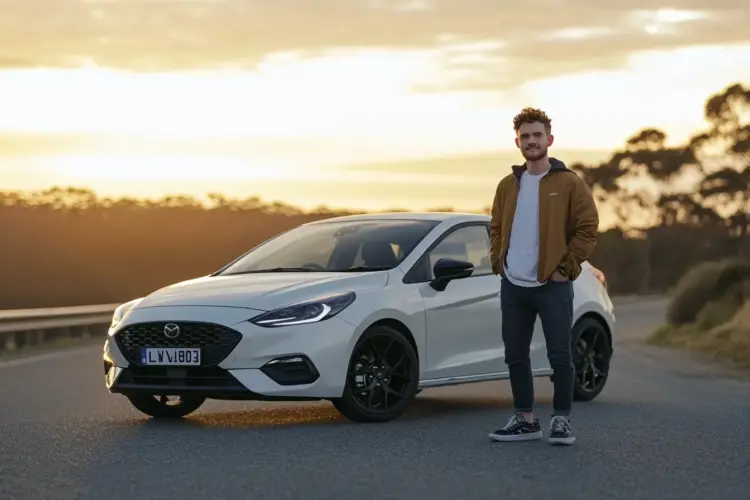
Ever wondered what cars 16-year-olds can legally drive in the UK? It’s a question that pops up for every parent and teen eager to hit the road. From legal requirements to safety considerations, choosing the right car is crucial. I’ve dug deep into the details to help you navigate this exciting yet daunting milestone. Let’s dive into the world of teen driving and find the perfect ride.
Key Takeaways
- 16-year-olds can drive certain low-powered vehicles, but full car licenses start at 17.
- Safety features like ABS and airbags are non-negotiable for teen drivers.
- Used cars often offer the best balance of affordability and reliability.
- Insurance costs can be steep, but choosing the right car can help reduce premiums.
- Parental guidance and driver education play a huge role in safe teen driving.
Introduction to Driving at 16
Understanding the Basics of Teen Driving
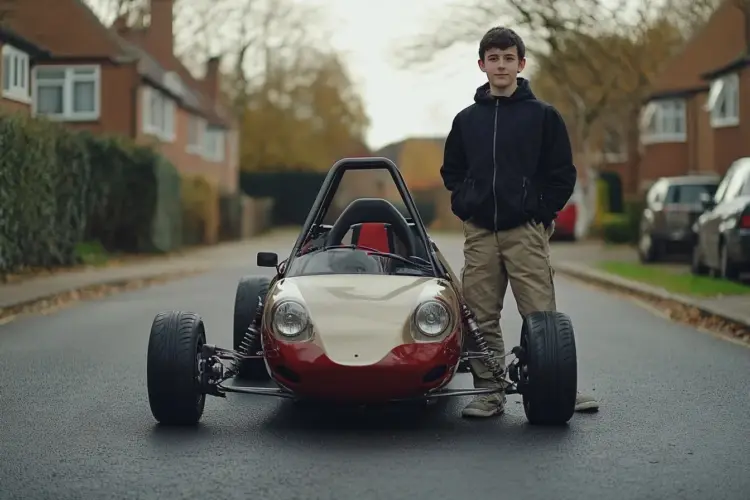
Driving at 16 comes with restrictions, but it’s a fantastic way to build confidence behind the wheel. In the UK, 16-year-olds can drive certain low-powered vehicles, like quad bikes or small cars with limited speed. It’s all about easing into the driving experience safely. I remember my first drive—it was nerve-wracking but exhilarating. The key is starting slow and focusing on mastering the basics.
Legal Requirements for 16-Year-Old Drivers
Before hitting the road, it’s essential to understand the legalities. At 16, you’ll need a provisional license and must adhere to specific vehicle restrictions. For example, cars must have an engine size under 50cc or a limited top speed. It’s not just about the thrill; it’s about staying within the law. Check out our guide to the best cars for 16-year-olds for more details.
Safe Vehicles for Teens
Importance of Vehicle Safety Features
Safety should always come first, especially for new drivers. Look for cars with ABS, airbags, and stability control. These features can make all the difference in an emergency. I’ve seen too many accidents where basic safety tech could’ve prevented injuries. Don’t compromise—your teen’s safety is worth every penny.
Top Safety Picks for Young Drivers
Some cars stand out for their safety ratings and teen-friendly features. Models like the Vauxhall Corsa and Ford Fiesta are popular choices. They’re not just safe; they’re also affordable to insure. For a deeper dive, explore our cheapest cars to insure for 16-year-olds list. Trust me, it’s a game-changer for budget-conscious families.
Safe Vehicles for Teens
Importance of Vehicle Safety Features
When it comes to choosing a car for a 16-year-old, safety is non-negotiable. We’ve all heard the horror stories, and I’m here to tell you—skimping on safety features isn’t an option. Look for cars with advanced airbag systems, electronic stability control, and anti-lock brakes. These features can mean the difference between a close call and a catastrophe. Trust me, peace of mind is worth every penny.
But it’s not just about the tech. A car’s crash-test ratings are equally crucial. Organisations like Euro NCAP provide invaluable data on how vehicles perform in collisions. I always recommend checking these ratings before making a decision. After all, your teen’s first car should be a safe haven, not a hazard. And if you’re unsure, this guide breaks it down perfectly.
Top Safety Picks for Young Drivers
So, what cars make the cut? I’ve got a few favourites. The Vauxhall Corsa is a standout—compact, reliable, and packed with safety tech. Another gem is the Ford Fiesta, known for its agility and robust build. Both are budget-friendly and perfect for new drivers. And if you’re after something a bit more premium, the Volkswagen Polo is a stellar choice. It’s like wrapping your teen in a safety blanket.
Don’t overlook used options either. A well-maintained Corsa VXR can offer both safety and a bit of fun. Just ensure it’s been serviced regularly. Remember, the goal is to find a car that’s as safe as it is practical. And if you need more options, this list is a goldmine.
Best Choices — Used Vehicles
Benefits of Choosing Used Vehicles
Let’s be real—new cars are expensive, and teens aren’t exactly known for their gentle driving. That’s why used vehicles are a smart choice. They’re affordable, and depreciation won’t hit you like a ton of bricks. Plus, many used cars come with low mileage and solid service histories. It’s like getting a nearly new car without the hefty price tag. Win-win, right?
Another perk? Insurance costs are often lower for used cars. And let’s face it, insuring a teen driver can feel like financing a small country. By opting for a used model, you’re not just saving on the purchase price—you’re also cutting down on ongoing expenses. For more insights, check out this resource.
Top Used Vehicles for 16-Year-Olds
Now, onto the good stuff—the best used cars for teens. The Toyota Yaris is a personal favourite. It’s reliable, fuel-efficient, and built like a tank. The Honda Jazz is another winner, with its spacious interior and excellent safety ratings. And if you’re after something with a bit more flair, the Mini Cooper is a fun yet practical option. Just make sure it’s been well looked after.
For those on a tighter budget, the Ford Ka is a solid pick. It’s small, easy to manoeuvre, and cheap to run. And if you’re curious about other options, this external guide is packed with great suggestions. Remember, the key is to balance cost, safety, and reliability.
Good Choices — Used Vehicles
What Makes a Used Vehicle a Good Choice
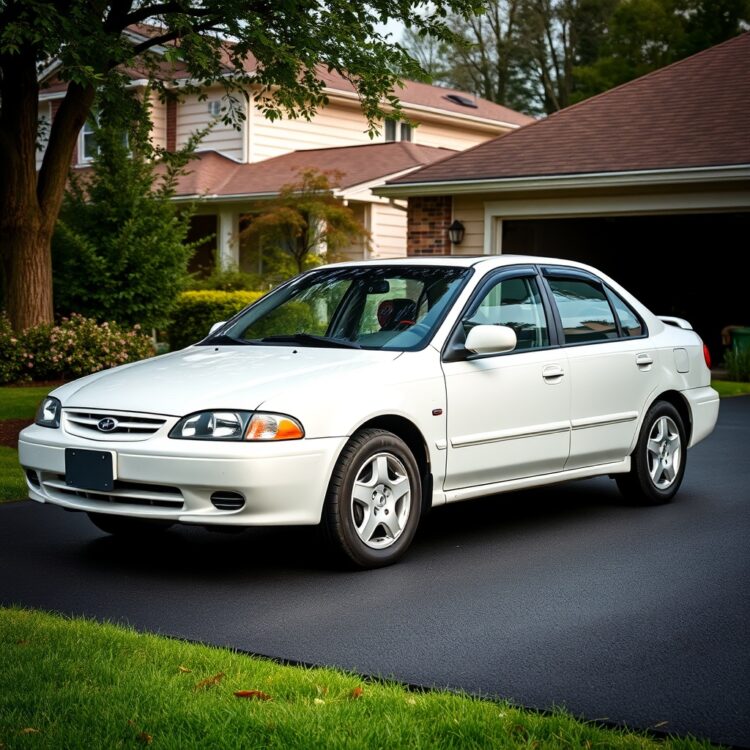
A good used car isn’t just about the price—it’s about value. Look for models with a reputation for longevity and low maintenance costs. Cars like the Vauxhall Astra or the Volkswagen Golf are perfect examples. They’re built to last, and parts are readily available. Plus, their safety features are top-notch, which is a must for any teen driver. It’s all about finding that sweet spot between cost and quality.
Another factor? Fuel efficiency. Teens aren’t exactly rolling in cash, so a car that sips fuel is a godsend. The Hyundai i10 and the Kia Picanto are both excellent choices in this regard. And if you’re still on the fence, this article offers some great advice. Trust me, your wallet—and your teen—will thank you.
Recommended Models for New Drivers
So, which models should you be eyeing? The Nissan Micra is a standout—affordable, reliable, and packed with safety features. The Renault Clio is another great option, offering a smooth ride and decent fuel economy. And if you’re after something a bit more stylish, the Peugeot 208 is worth a look. Just make sure it’s been well-maintained.
For those who prefer a bit more space, the Skoda Fabia is a fantastic choice. It’s practical, safe, and surprisingly fun to drive. And if you’re still unsure, don’t hesitate to consult a trusted mechanic. After all, a second opinion never hurts when it comes to your teen’s safety.
Recommended New Vehicles
Advantages of New Vehicles for Teens
When it comes to choosing a car for a 16-year-old, new vehicles offer unbeatable peace of mind. I’ve seen firsthand how the latest safety features and warranties make them a top pick for parents. With no hidden mechanical issues, you’re investing in reliability from day one. Plus, modern tech like lane-keeping assist and automatic emergency braking adds an extra layer of protection for young drivers.
New cars also come with the latest fuel-efficient engines, which is a win for both the environment and your wallet. We’re talking lower running costs and fewer trips to the petrol station. And let’s not forget the appeal of that new-car smell—it’s a bonus that never gets old. For teens, driving a brand-new car can also boost confidence behind the wheel, making it a smart choice all around.
Best New Cars for 16-Year-Old Drivers
If you’re looking for the best new cars for young drivers, the Vauxhall Corsa is a standout. It’s compact, easy to handle, and packed with safety tech. Another great option is the Ford Fiesta, known for its agile handling and user-friendly infotainment system. Both models are affordable to insure, which is a huge plus for parents.
For those who want a bit more space, the Vauxhall Astra is a solid choice. It’s roomy yet still manageable for new drivers. And if you’re after something with a bit more flair, the Suzuki Swift combines style with practicality. No matter which you choose, these cars tick all the boxes for safety, efficiency, and teen-friendly features.
Understanding Insurance for Teen Drivers
How Insurance Works for Young Drivers
Insurance for teen drivers can be a bit of a headache, but understanding the basics helps. I’ve learned that insurers see young drivers as high-risk, which means higher premiums. Factors like the car’s value, engine size, and even postcode play a role. Opting for a car with a smaller engine and advanced safety features can help keep costs down. It’s all about balancing risk and reward.
Another tip is to consider adding your teen to your policy as a named driver. This often works out cheaper than a standalone policy. And don’t forget about black box insurance—it monitors driving habits and can lead to discounts for safe behaviour. It’s a great way to encourage responsible driving while saving money. Trust me, every little bit helps when it comes to insurance.
Tips for Lowering Insurance Costs
Lowering insurance costs starts with choosing the right car. Models like the Toyota Yaris are known for their low insurance groups. I also recommend shopping around and comparing quotes—don’t settle for the first offer. Increasing the excess can reduce premiums, but make sure it’s an amount you can afford if needed. And always check for student discounts or other special offers.
Encouraging your teen to take an advanced driving course can also lead to savings. Insurers love seeing proactive steps to improve safety. Finally, consider paying annually instead of monthly to avoid interest charges. It’s a small change that can add up over time. With these strategies, you’ll find a policy that fits your budget without compromising on coverage.
The Role of Technology in Safe Teen Driving
Essential Tech Features for Safety
Technology has revolutionised teen driving safety, and I’m all for it. Features like adaptive cruise control and blind-spot monitoring are game-changers. They help young drivers stay aware of their surroundings and avoid collisions. Another must-have is a rear-view camera, which makes parking and reversing much safer. These tools aren’t just gadgets—they’re lifesavers.
Many new cars also come with smartphone integration, reducing the temptation to use phones while driving. Voice-activated controls let teens keep their hands on the wheel and eyes on the road. And let’s not forget about automatic high beams, which improve visibility at night. Investing in a car with these features is one of the best ways to protect your teen on the road.
Apps and Tools to Monitor Teen Driving
Parents can now monitor their teen’s driving habits with apps like Life360 or Drivemoji. These tools provide real-time feedback on speed, braking, and even location. I’ve found them incredibly useful for peace of mind. Some insurers also offer apps that track driving behaviour and reward safe habits with discounts. It’s a win-win for everyone.
For more advanced monitoring, consider a GPS tracker or dashcam. These devices record driving patterns and can be reviewed later. They’re not about spying—they’re about teaching. By identifying areas for improvement, you can help your teen become a better driver. And with tools like these, you’re not just handing over the keys; you’re setting them up for success.

Parental Guidance and Restrictions
Setting Rules for Teen Drivers
Setting clear rules is crucial when your teen starts driving. I recommend starting with a no-phone policy—distractions are a leading cause of accidents. Limit the number of passengers, too; friends can be a major distraction. And establish curfews to avoid late-night driving, when risks are higher. These rules aren’t about control; they’re about safety.
Another rule to consider is no eating or drinking while driving. It sounds simple, but spills and distractions can lead to accidents. And make sure your teen understands the consequences of breaking the rules. Consistency is key. By setting boundaries early, you’re helping them develop habits that will last a lifetime. It’s all about creating a safe driving culture from the start.
How Parents Can Help Ensure Safety
Parents play a huge role in teen driving safety, and it starts with leading by example. I’ve seen how teens mimic their parents’ driving habits, so always follow the rules yourself. Practice driving with your teen in different conditions—rain, night, and heavy traffic. The more experience they have, the better prepared they’ll be. And don’t forget to praise good driving; positive reinforcement goes a long way.
Finally, stay involved. Check in regularly about their driving experiences and any challenges they’re facing. For more tips, check out this external guide on learning to drive. It’s packed with useful advice for both teens and parents. By working together, you can help your teen become a confident, responsible driver.
The Impact of Vehicle Size and Type
Pros and Cons of SUVs for Teens
When it comes to choosing a car for a 16-year-old, SUVs often come to mind. They offer space, safety, and a commanding view of the road. However, they also come with higher fuel costs and can be trickier to manoeuvre, especially for new drivers. We’ve found that while SUVs like the best car for a 16-year-old provide excellent protection, their size can be overwhelming for inexperienced drivers. It’s a trade-off between safety and practicality.
On the flip side, SUVs are great for families who need extra room. But for a teen’s first car, something smaller might be more manageable. If you’re considering an SUV, look for models with advanced safety features. These can help compensate for the challenges of driving a larger vehicle. Remember, the goal is to build confidence behind the wheel, not intimidate.
Why Compact Cars Might Be Better
Compact cars are often the better choice for young drivers. They’re easier to park, more fuel-efficient, and generally cheaper to insure. Models like the Corsa VXR strike a balance between performance and practicality. Their smaller size makes them less daunting to handle, which is crucial for building driving skills. Plus, they’re often packed with modern safety tech, giving parents peace of mind.
Another advantage of compact cars is their lower running costs. Teens won’t have to worry as much about fuel bills or maintenance. And let’s be honest—smaller cars are just more fun to drive. They’re nimble, responsive, and perfect for navigating city streets. If you’re looking for a reliable first car, a compact model is hard to beat.
Fuel Efficiency and Maintenance Costs
Choosing a Fuel-Efficient Vehicle
Fuel efficiency is a big deal for teen drivers. Not only does it save money, but it also encourages responsible driving habits. We recommend looking for cars with good MPG ratings, like the Suzuki Alto. These vehicles are designed to go further on less fuel, which is ideal for budget-conscious families. Plus, they’re often lighter, making them easier to handle for new drivers.
Hybrids and electric cars are also worth considering. They offer even better fuel economy and lower emissions. However, they can be pricier upfront. If you’re not ready to go electric, a small petrol or diesel engine is a solid alternative. The key is to find a balance between efficiency and affordability. After all, the last thing you want is a car that’s cheap to buy but expensive to run.
Understanding Maintenance Requirements
Maintenance costs can add up quickly, especially for young drivers. That’s why it’s important to choose a car with a reputation for reliability. Regular servicing is a must, but some cars are just easier—and cheaper—to maintain. For example, the Suzuki Alto is known for its low maintenance needs, making it a great option for teens.
It’s also worth considering warranty options. Some manufacturers offer extended warranties that cover major repairs. This can be a lifesaver for families on a tight budget. And don’t forget about tyres and brakes—these are the most common replacement parts. Teaching your teen basic maintenance skills can also help keep costs down. A little knowledge goes a long way.
Navigating Peer Pressure and Distractions
How Peer Pressure Affects Driving
Peer pressure is a real challenge for teen drivers. Whether it’s speeding or showing off, the influence of friends can lead to risky behaviour. We’ve seen how important it is to set clear rules about passengers. Limiting the number of friends in the car can reduce distractions and keep the focus on the road. It’s also a good idea to discuss the dangers of peer pressure openly.
Another strategy is to encourage your teen to take responsibility for their actions. Remind them that their safety—and the safety of others—comes first. Role-playing scenarios can help them practise saying no to peer pressure. And don’t underestimate the power of positive reinforcement. Praise them for making smart choices behind the wheel. It’s all about building confidence and independence.
Strategies to Avoid Distractions
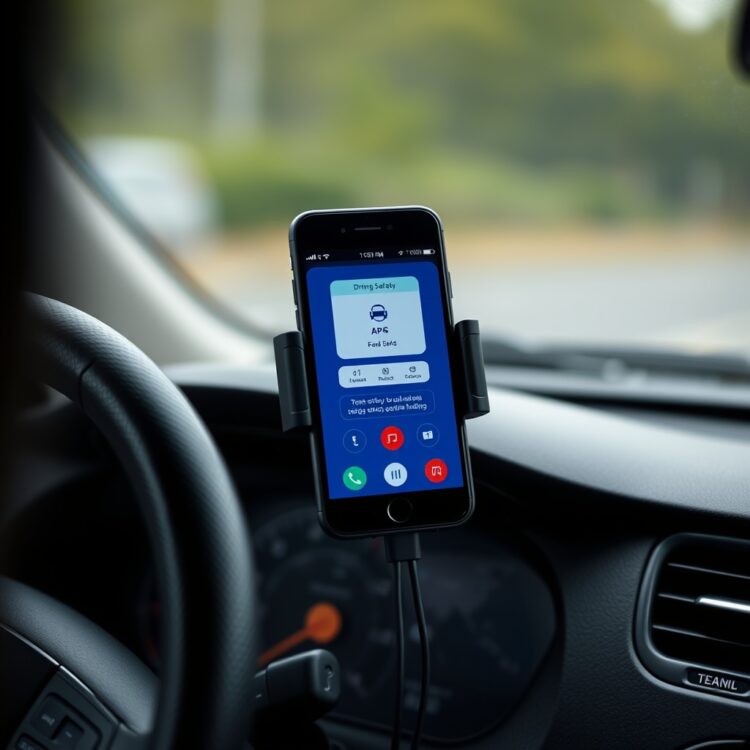
Distractions are everywhere, especially for young drivers. From smartphones to loud music, it’s easy to lose focus. That’s why we recommend using apps like distracted driving tools to block notifications while driving. These apps can help teens stay focused on the road. It’s a simple step that can make a big difference.
Another tip is to set up a pre-drive routine. Encourage your teen to adjust mirrors, set the GPS, and choose music before starting the engine. This reduces the temptation to fiddle with controls while driving. And of course, lead by example. If you’re glued to your phone behind the wheel, your teen will notice. Show them that safe driving is a priority for everyone in the family.
Seasonal Driving Tips for Teens
Driving Safely in Winter Conditions
Winter driving can be tricky, especially for new drivers. I always recommend checking your tyres and ensuring they have adequate tread for icy roads. Slow down and increase your following distance—black ice is invisible but deadly. Keep an emergency kit in your car, including a blanket, torch, and snacks. Remember, even if you’re confident, other drivers might not be as prepared. Stay cautious and avoid sudden movements to prevent skidding.
Another tip is to practise driving in winter conditions in an empty car park. Get a feel for how your car handles on slippery surfaces. If you’re unsure about the weather, it’s okay to delay your trip. Safety first! Also, keep your fuel tank at least half full to avoid freezing fuel lines. And don’t forget to clear all snow and ice from your windows and mirrors before setting off.
Summer Driving Hazards to Avoid
Summer might seem easier, but it comes with its own challenges. Overheated engines are common, so check your coolant levels regularly. Long road trips can lead to fatigue—take breaks every two hours. I’ve seen too many teens distracted by friends or loud music. Keep the volume down and focus on the road. Sun glare can be brutal, so always have sunglasses handy and use your sun visor.
Hot weather can also affect your tyres. Check the pressure frequently, as overinflated tyres are more prone to blowouts. Hydration is key, but avoid drinking too much before a long drive to minimise stops. And if you’re planning a beach trip, remember that sand on the roads can reduce traction. Drive slowly and avoid sharp turns to stay safe.
Making Roads and Vehicles Safer for Everyone
Community Efforts to Improve Road Safety
We all play a role in making roads safer. Local councils often run campaigns to educate young drivers—get involved! Carpooling reduces traffic and lowers the risk of accidents. I’ve joined neighbourhood watch programs that monitor speeding in residential areas. Reporting hazardous road conditions, like potholes or poor lighting, can also make a big difference. Small actions add up to safer roads for everyone.
Schools and colleges can host workshops on defensive driving. Encourage your friends to attend—it’s a great way to learn together. Parents can set a good example by following traffic rules themselves. And if you see someone driving recklessly, don’t hesitate to report it. Safety is a collective responsibility, and every effort counts.
How Vehicle Design Contributes to Safety
Modern cars are packed with safety features, but not all are created equal. Look for vehicles with high Euro NCAP ratings—they’ve been rigorously tested. Features like automatic emergency braking and lane-keeping assist are lifesavers. I always recommend checking if a car has advanced safety tech before buying. Even used cars can have these features, so do your homework.
Crash-test ratings are another must-check. A car might look cool, but if it crumples like paper in a crash, it’s not worth it. Pedestrian detection systems are becoming standard, reducing accidents in urban areas. And don’t overlook the basics—good visibility and comfortable seating can prevent fatigue-related mistakes. Safety should always trump style when choosing your first car.
Preparing for the Driving Test
What to Expect During the Test
The driving test can be nerve-wracking, but knowing what to expect helps. You’ll start with an eyesight check—read a number plate from 20 metres. Then comes the “show me, tell me” questions about vehicle safety. The practical test includes independent driving, following directions, and manoeuvres like parallel parking. I always advise practising the test route beforehand to build confidence.
Examiners look for smooth control and awareness, not perfection. Minor mistakes won’t fail you if you recover safely. Stay calm and communicate your actions—check mirrors visibly and signal in good time. Mock tests with an instructor can highlight areas to improve. Remember, the examiner isn’t out to fail you; they just want to ensure you’re safe on the road.
Tips for Passing on the First Try
Preparation is key to passing first time. Book lessons at different times to experience varied traffic conditions. Familiarise yourself with the Highway Code—it’s not just about driving. I’ve found that learners who practise hazard perception tests online perform better. Get plenty of sleep the night before and eat a light meal to stay focused.
During the test, breathe deeply and take your time. Rushing leads to mistakes. If you’re unsure about a direction, ask the examiner to repeat it. And don’t panic if you think you’ve failed—keep going. Many learners pass despite thinking they’ve messed up. Confidence comes from practice, so clock as many miles as possible before the big day.
Frequently Asked Questions
What is the best car for a 16-year-old?
The best car for a 16-year-old balances safety, affordability, and reliability. Look for models with high safety ratings and low insurance costs. Smaller cars like the Vauxhall Corsa are popular choices. Avoid high-performance vehicles—they’re expensive to insure and harder to handle. Focus on practicality over flashy features to keep costs down.
How can I lower insurance costs as a teen?
Insurance is pricey for teens, but there are ways to reduce it. Adding a black box can lower premiums by monitoring your driving. Choose a car in a low insurance group and avoid modifications. Some insurers offer discounts for passing advanced driving courses. Also, adding an experienced driver to your policy can help, but never front—it’s illegal and voids your cover.
Are used cars a good option for new drivers?
Used cars are a fantastic option for new drivers. They’re cheaper to buy and insure, and depreciation is slower. Look for models with a full service history and low mileage. Websites like Auto Trader offer great deals. Just ensure the car has essential safety features and get it inspected before buying. A used car can be a smart, budget-friendly choice.
What should I do if I’m nervous about driving?
Nerves are normal when you’re starting out. Take lessons at your own pace and practise in quiet areas first. Breathing exercises can help calm your nerves before driving. I also recommend driving with a trusted adult who won’t pressure you. Remember, every driver was once a beginner—confidence comes with time and experience. Don’t rush the process.