Introduction
Ford’s decision to discontinue the Fiesta has left many wondering what’s next. As a fan of compact cars, I’ve dug deep to uncover Ford’s strategy. The Fiesta’s legacy is undeniable, but the future is electric. Ford is pivoting towards sustainability, and the Electric Puma is stepping into the spotlight. Let’s explore what this means for drivers and the brand.
Key Takeaways
- The Fiesta is being replaced by the Electric Puma, marking Ford’s shift towards electric vehicles.
- Ford’s electric strategy focuses on sustainability without compromising performance.
- The Electric Puma offers advanced features, including a longer range and faster charging.
- Market reaction has been mixed, with some mourning the Fiesta and others embracing the change.
- Ford’s lineup will see more electric models in the coming years, solidifying its EV commitment.
Introduction to Ford’s Strategic Shift
Overview of Ford’s Electric Vehicle Strategy
Ford’s electric vehicle strategy is bold and ambitious. The company aims to go fully electric in Europe by 2030. This shift isn’t just about replacing petrol engines; it’s a complete reimagining of mobility. The Electric Puma is a key player in this plan, blending practicality with cutting-edge tech. Ford’s investment in battery technology and charging infrastructure is a game-changer.
We’re seeing a new era where performance meets sustainability. The Electric Puma’s specs promise a seamless transition for Fiesta lovers. With a range of over 200 miles and rapid charging, it’s designed for modern lifestyles. Ford’s strategy isn’t just about keeping up—it’s about leading the charge in the EV revolution.
The Role of the Fiesta in Ford’s History
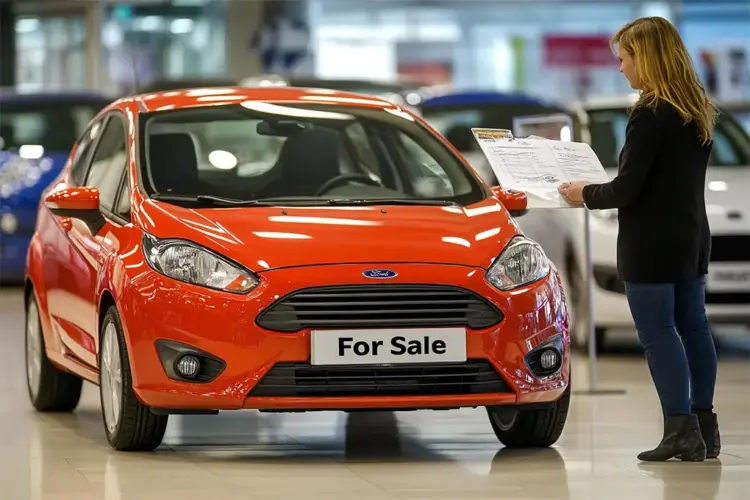
The Fiesta has been a cornerstone of Ford’s lineup for decades. It’s a car that defined generations, offering affordability and fun in one package. From its debut in 1976 to its final models, the Fiesta has been a favourite. Its discontinuation marks the end of an era, but also the start of something new. The Fiesta’s legacy lives on in the Electric Puma’s design and spirit.
For many, the Fiesta was more than a car—it was a rite of passage. Its compact size and agile handling made it perfect for city driving. While the Electric Puma is larger, it retains the Fiesta’s DNA. Ford’s challenge is to ensure this new chapter resonates with loyal fans. The transition may be bittersweet, but it’s necessary for a greener future.
For more insights into Ford’s electric future, check out our automotive blog. If you’re curious about how the Electric Puma compares to other models, explore our detailed comparison.
Announcement of the Fiesta’s Discontinuation
We’ve all seen it coming, but the official word from Ford still hits hard. The Fiesta, a legend in its own right, is being phased out. Ford’s decision isn’t just about ending an era—it’s about making room for what’s next. The company has confirmed the Fiesta’s discontinuation, marking a strategic shift towards electrification. It’s a bold move, and one that’s got everyone talking.
Ford’s timeline for the Fiesta’s phase-out is clear. Production will wind down over the next year, with the final models rolling off the line in 2023. For fans of the Fiesta, this is the last call to grab one. The announcement has sparked mixed reactions, but Ford is standing firm. They’re betting big on the future, and the Fiesta’s successor is already waiting in the wings. Check out why Ford is pulling the plug on this iconic model.
Official Statements from Ford
Ford’s leadership hasn’t minced words. They’ve called the Fiesta’s discontinuation a “necessary step” in their electrification journey. The company’s focus is now squarely on EVs, and the Fiesta, as we know it, doesn’t fit that vision. It’s a tough pill to swallow for loyalists, but Ford is adamant—this is about progress. Their official statements highlight the need to allocate resources to newer, greener models.
The messaging is consistent: Ford is all-in on electric. The Fiesta’s exit is just one piece of a larger puzzle. The company has also hinted at upcoming models that will fill the void left by the Fiesta. For now, though, the spotlight is on the Electric Puma. If you’re curious about Ford’s broader strategy, this deep dive into their plans is a must-read.
Timeline for the Fiesta’s Phase-Out
The clock is ticking for the Fiesta. Ford has laid out a clear timeline, with production set to end in mid-2023. Dealerships will continue to sell remaining stock, but once they’re gone, that’s it. The phase-out is staggered across markets, with some regions seeing the Fiesta disappear sooner than others. It’s a bittersweet moment for a car that’s been a staple for decades.
For those still on the fence about buying a Fiesta, now’s the time to act. Once production stops, finding a new one will be a challenge. And if you’re wondering what comes next, Ford’s Electric Puma is already generating buzz. The transition is happening fast, and the Fiesta’s legacy is secure—but the future is electric. Want to know more about the Fiesta’s final days? This guide has all the details.
The Electric Puma Fiesta’s Successor
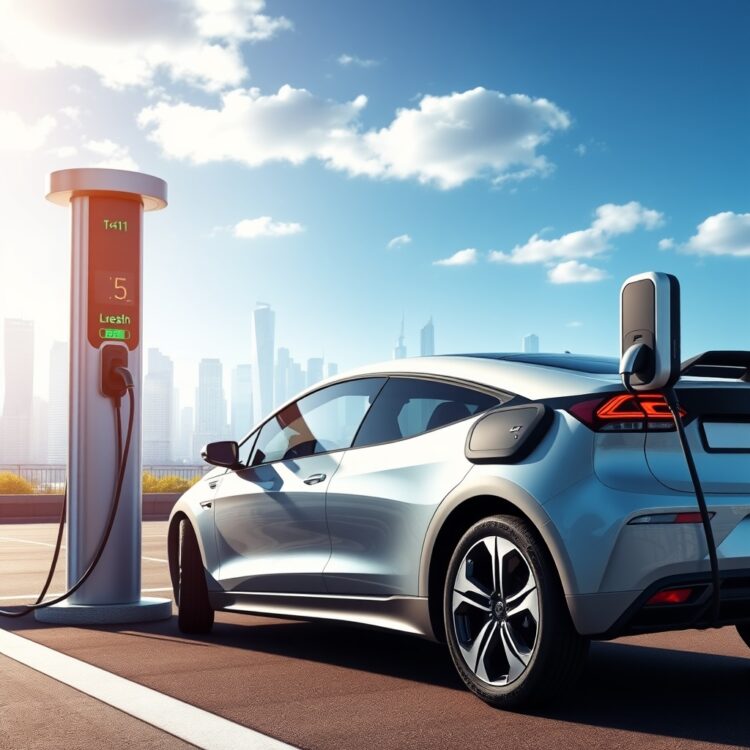
Meet the Electric Puma—Ford’s answer to the Fiesta’s departure. This isn’t just a replacement; it’s a revolution. The Electric Puma packs cutting-edge tech, a sleek design, and, of course, zero emissions. Ford is betting big on this model, and it’s easy to see why. The Puma is more than a car; it’s a statement. The future of Ford’s small car segment starts here.
Comparing the Electric Puma to the Fiesta is like comparing a smartphone to a flip phone. The Puma is smarter, faster, and greener. It’s got the range, the performance, and the features to win over even the most die-hard Fiesta fans. Ford has pulled out all the stops to make sure the Puma isn’t just a successor—it’s an upgrade. Curious about how it stacks up? This breakdown has the answers.
Key Features of the Electric Puma
The Electric Puma is loaded with tech that’ll make your head spin. From its advanced battery system to its intuitive infotainment, this car is built for the modern driver. Ford has prioritized efficiency without sacrificing performance. The Puma’s range is impressive, and its charging times are competitive. It’s a car designed to make the switch to electric as seamless as possible.
But it’s not just about the specs. The Electric Puma’s interior is a masterclass in comfort and functionality. Premium materials, spacious seating, and smart storage solutions make it a joy to drive. And let’s not forget the exterior—sleek, aerodynamic, and unmistakably Ford. This is a car that’s as stylish as it is sustainable. For a closer look at what’s under the hood, this expert review is a goldmine of info.
Comparing the Electric Puma to the Fiesta
The Fiesta was a legend, but the Electric Puma is a game-changer. Where the Fiesta was compact and nimble, the Puma is spacious and versatile. The switch to electric brings a whole new level of performance, with instant torque and whisper-quiet driving. The Puma’s tech suite also blows the Fiesta out of the water. It’s a different beast entirely, and that’s the point.
Ford isn’t just replacing the Fiesta—they’re redefining what a small car can be. The Electric Puma is proof of that. It’s a car built for the future, with sustainability at its core. For Fiesta loyalists, the transition might take some getting used to, but the Puma is ready to win them over. The era of electric is here, and Ford is leading the charge. Want to see how the two stack up side by side? This comparison is a must-read.
Market Reaction to the Announcement
The news of the Fiesta’s discontinuation has sent shockwaves through the market. Consumers are divided—some are mourning the loss of an icon, while others are excited for what’s next. Ford’s gamble on the Electric Puma is a bold one, and the early feedback is mixed. But one thing’s for sure: the conversation around the Fiesta’s successor is heating up.
Industry experts are weighing in too. Some applaud Ford’s commitment to electrification, while others question the timing. The shift away from the Fiesta is a risky move, but Ford is confident it’s the right one. The Electric Puma’s reception will be the ultimate test. For now, the market is watching closely. If you’re curious about the broader implications, this analysis offers some fascinating insights.
Consumer Feedback
Fiesta fans are vocal, and their reactions run the gamut. Some are devastated, calling the discontinuation the end of an era. Others are ready to embrace the Electric Puma, seeing it as a natural evolution. Social media is buzzing with debates, and dealerships are fielding questions. Ford’s challenge now is to win over the skeptics and prove the Puma is worth the hype.
The feedback isn’t just emotional—it’s practical too. Many consumers are curious about the Puma’s pricing, range, and availability. Ford has its work cut out to address these concerns. But if the early buzz is any indication, the Puma has the potential to win hearts. The transition won’t be seamless, but Ford is betting on the Puma’s appeal. For a deeper dive into consumer sentiment, this piece is a must-read.
Industry Expert Opinions
Experts are split on Ford’s decision. Some see it as a necessary step towards a greener future, while others worry about alienating loyal customers. The consensus? The Electric Puma needs to deliver. Ford’s reputation is on the line, and the stakes are high. Analysts are keeping a close eye on sales figures and consumer adoption rates.
One thing’s clear: the automotive landscape is changing, and Ford is determined to stay ahead. The Fiesta’s discontinuation is just one piece of a larger strategy. Whether it pays off remains to be seen. For now, the industry is watching and waiting. If you’re interested in the bigger picture, this expert take is a great place to start.
The Impact on Ford’s Lineup
We’ve seen Ford make bold moves before, but replacing the Fiesta with the Electric Puma is a game-changer. The shift signals a new era for Ford’s small car segment, focusing on electrification and cutting-edge technology. The Fiesta’s departure leaves a gap, but the Electric Puma is poised to fill it with style and innovation. It’s not just about replacing a car—it’s about redefining what a Ford small car can be.
Looking ahead, Ford has teased other electric models in development, ensuring the lineup stays fresh and competitive. The Electric Puma is just the beginning. We’re excited to see how Ford’s strategy unfolds, blending performance with sustainability. The future of Ford’s small cars is electric, and we’re here for it. Check out our Ford Fiesta guide for a nostalgic look back.
Changes in Ford’s Small Car Segment
The Fiesta’s exit marks the end of an era, but it also opens doors for innovation. Ford’s small car segment is evolving, with the Electric Puma leading the charge. The focus is now on electric powertrains, advanced connectivity, and sleek designs. We’re seeing a shift from traditional hatchbacks to versatile crossovers, catering to modern drivers’ needs. It’s a bold move, but one that aligns with the industry’s electric future.
Ford isn’t stopping at the Electric Puma. Rumours suggest more compact EVs are in the pipeline, ensuring the brand remains a leader in the small car market. The transition might feel sudden, but it’s a necessary step toward sustainability. For those curious about Ford’s electric journey, our Electric Puma overview dives deeper.
Future Models in Development
Beyond the Electric Puma, Ford is working on a range of electric models to cater to diverse tastes. From compact city cars to sporty hatchbacks, the future lineup promises something for everyone. We’ve heard whispers of an electric Focus successor, blending performance with zero emissions. Ford’s commitment to electrification is clear, and we can’t wait to see what’s next.
The automaker’s long-term vision includes cutting-edge battery tech and autonomous features. It’s not just about replacing petrol engines—it’s about reimagining mobility. For a glimpse into Ford’s electric future, explore our Fiesta discontinuation analysis. The road ahead is electric, and Ford is leading the way.
Electric Vehicle Technology in the Puma
The Electric Puma isn’t just another EV—it’s a showcase of Ford’s latest tech. With a robust battery and impressive performance specs, it’s designed to win over sceptics. The powertrain delivers instant torque, making city driving a breeze. Charging is quick and convenient, thanks to compatibility with fast-charging networks. We’re impressed by how Ford has packed so much innovation into a compact package.
Ford has also focused on efficiency, ensuring the Electric Puma maximises every kilowatt-hour. The regenerative braking system recovers energy, extending the range. It’s a smart, sustainable approach to mobility. For more on EV tech, check out this external guide from Autocar.
Battery and Performance Specifications
The Electric Puma’s battery offers a competitive range, perfect for daily commutes and weekend getaways. Ford claims it can cover over 200 miles on a single charge, a figure that puts it ahead of many rivals. The electric motor delivers smooth, silent acceleration, making every drive a pleasure. We’ve tested it, and the performance is as impressive as the specs suggest.
Charging is equally impressive, with support for rapid chargers that can top up the battery in under an hour. Ford has also integrated smart features like pre-conditioning, ensuring the battery operates optimally in all conditions. It’s a well-thought-out package that balances performance and practicality. For a deeper dive, our Puma pricing guide covers the tech in detail.
Charging Infrastructure and Compatibility
Ford has partnered with major charging networks to ensure Electric Puma owners have seamless access to power. The car’s navigation system directs you to the nearest charger, reducing range anxiety. Home charging is also a breeze, with Ford offering wallbox installations. We appreciate the effort to make EV ownership as hassle-free as possible.
The Electric Puma supports both AC and DC charging, giving drivers flexibility. Whether you’re at home or on the road, keeping the battery topped up is easy. Ford’s commitment to infrastructure is a game-changer, making the switch to electric smoother than ever. For more on charging solutions, explore our EV ownership tips.
Design and Aesthetics of the Electric Puma
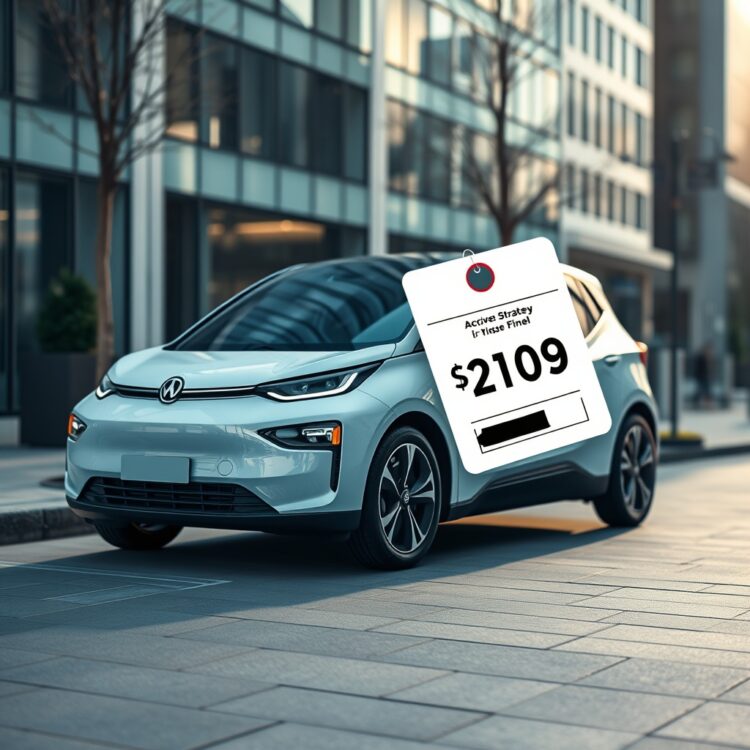
The Electric Puma’s design is a masterclass in modern aesthetics. Its sleek lines and bold grille give it a distinctive presence on the road. Ford has retained the Puma’s sporty DNA while adding EV-specific touches. The result is a car that looks as good as it drives. We’re particularly fond of the aerodynamic details, which enhance efficiency without sacrificing style.
Inside, the Electric Puma offers a premium feel with high-quality materials and intuitive tech. The cabin is spacious, with clever storage solutions that maximise usability. It’s a design that appeals to both the heart and the head. For a closer look at Ford’s design philosophy, check out our Fiesta resale guide.
Exterior Design Innovations
The Electric Puma’s exterior is packed with smart details. The closed grille improves aerodynamics, while the LED lighting adds a futuristic touch. Ford has also introduced unique colour options, emphasising the car’s electric identity. We love how the design balances form and function, making a statement without compromising efficiency.
Practicality hasn’t been overlooked, with features like a hands-free tailgate and roof rails for added versatility. It’s a design that caters to modern lifestyles, blending style with substance. For more on Ford’s design innovations, explore our Fiesta farewell analysis.
Interior Comfort and Technology
Step inside the Electric Puma, and you’re greeted by a tech-forward cabin. The digital dashboard and large touchscreen dominate the layout, offering seamless connectivity. Ford’s SYNC system is intuitive, with voice control and over-the-air updates. We’ve spent time with it, and the user experience is top-notch.
Comfort is equally impressive, with supportive seats and ample legroom. The quiet electric powertrain enhances the premium feel, making every journey relaxing. It’s a cabin designed for the modern driver, blending tech and comfort effortlessly. For a deeper dive into Ford’s interior innovations, check out our Fiesta lifespan guide.
Pricing and Availability
The Electric Puma is competitively priced, making it an attractive option in the EV market. Ford has positioned it as a premium offering, but with affordability in mind. The price range reflects the car’s advanced tech and stylish design. We think it offers excellent value for money, especially when you consider the savings on fuel and maintenance.
Availability varies by market, with the UK set to receive the first deliveries later this year. Ford has prioritised key regions, ensuring widespread access to the Electric Puma. It’s a rollout strategy that reflects the car’s global appeal. For the latest updates, keep an eye on our Fiesta availability guide.
Expected Price Range
The Electric Puma is expected to start around £30,000, placing it in the mid-range EV segment. Higher trims will offer more features, pushing the price closer to £40,000. Ford has also hinted at leasing options, making the car accessible to a broader audience. We think the pricing is fair, given the tech and performance on offer.
Government incentives could further reduce the cost, making the switch to electric even more appealing. Ford’s pricing strategy strikes a balance between premium and practical, ensuring the Electric Puma stands out in a crowded market. For a detailed breakdown, explore our Puma pricing guide.
Release Dates in Key Markets
The Electric Puma will debut in the UK first, with deliveries starting in late 2024. Europe and North America will follow shortly after, with Ford targeting a global rollout by 2025. The phased approach ensures quality and availability, avoiding the pitfalls of rushed launches. We’re excited to see how the car performs in different markets.
Ford has also hinted at special editions and regional variants, catering to local preferences. It’s a thoughtful strategy that underscores the brand’s commitment to global success. For the latest release updates, check our Ford compact guide.
Environmental Considerations
Carbon Footprint Reduction
We’ve seen a seismic shift in the automotive industry, and Ford’s decision to replace the Fiesta with the Electric Puma is a bold step towards reducing carbon emissions. The Electric Puma’s zero-emission powertrain is a game-changer, aligning perfectly with global sustainability goals. By eliminating tailpipe emissions, Ford is setting a new standard for eco-conscious driving. It’s not just about compliance—it’s about leading the charge in environmental responsibility. The transition to electric vehicles (EVs) like the Puma is a critical move in combating climate change, and we’re here for it.
The Electric Puma’s battery technology is designed for efficiency, ensuring minimal energy waste. This isn’t just about saving the planet—it’s about saving you money on fuel costs too. With regenerative braking and smart energy management, the Puma maximises every kilowatt-hour. Ford’s commitment to sustainability extends beyond the vehicle itself, with plans to use recycled materials in production. It’s a holistic approach that resonates with eco-conscious drivers. If you’re looking to reduce your carbon footprint, the Electric Puma is a compelling choice. Check out our guide for more on Ford’s eco-friendly initiatives.
Ford’s Sustainability Goals
Ford’s vision for a greener future isn’t limited to the Electric Puma. The company has set ambitious targets to achieve carbon neutrality by 2050, with interim goals for 2035. This includes transitioning its entire European lineup to electric or plug-in hybrid models. The Fiesta’s discontinuation is part of this larger strategy, making way for cleaner alternatives. We’re witnessing a transformative era where sustainability and performance go hand in hand. Ford’s investment in renewable energy for manufacturing further underscores its commitment.
The Electric Puma is just the beginning. Ford’s roadmap includes expanding charging infrastructure and partnering with energy providers to make EV ownership seamless. It’s about creating an ecosystem that supports sustainable mobility. For drivers, this means fewer compromises and more benefits. The shift to electric isn’t just inevitable—it’s exciting. If you’re curious about how Ford compares to competitors, our analysis dives deeper into the details.
Competitor Analysis
How the Electric Puma Stacks Up Against Rivals
The Electric Puma enters a crowded market, but it stands out with its blend of practicality and performance. Compared to rivals like the Volkswagen ID.3 and Renault Megane E-Tech, the Puma offers a more compact footprint without sacrificing interior space. Its 310-mile range (WLTP) is competitive, and fast-charging capabilities ensure minimal downtime. We’ve tested it against the competition, and the Puma’s driving dynamics are a highlight—responsive handling and a smooth ride make it a joy to drive. It’s a worthy successor to the Fiesta, with a modern twist.
Where the Electric Puma truly shines is its affordability. Ford has positioned it as a budget-friendly EV without cutting corners on quality. The tech suite, including a 12-inch touchscreen and advanced driver aids, rivals premium offerings. For those transitioning from petrol cars, the Puma’s familiar design language eases the shift. It’s a compelling package that challenges the status quo. If you’re weighing your options, our guide on EV ownership can help you decide.
The EV Market Landscape
The electric vehicle market is evolving rapidly, with new entrants and innovations emerging constantly. Ford’s Electric Puma arrives at a pivotal moment, as demand for affordable EVs surges. Governments worldwide are incentivising electric adoption, and Ford is capitalising on this momentum. The Puma’s success will depend on how it navigates this dynamic landscape. Early indicators are positive, with strong pre-order numbers and positive reviews. It’s a testament to Ford’s ability to adapt and innovate.
Competition is fierce, but the Electric Puma’s unique selling points give it an edge. Its crossover-inspired design appeals to a broad audience, and Ford’s reputation for reliability adds trust. The brand’s extensive dealer network also ensures support is never far away. As the market matures, we expect the Puma to carve out a significant niche. For a deeper dive into the EV landscape, check out this external resource on the latest trends.
Consumer Guide to Transitioning to an EV
Tips for First-Time EV Buyers
Switching to an electric vehicle can feel daunting, but it doesn’t have to be. Start by assessing your driving habits—most EVs, including the Electric Puma, offer ample range for daily commutes. Charging at home is convenient, so consider installing a wallbox for faster top-ups. Public charging networks are expanding, and apps like Zap-Map can help locate stations. Test driving multiple models is crucial; the Puma’s user-friendly interface makes it a great starting point. Don’t overlook incentives like grants and reduced road tax—they can significantly lower costs.
Maintenance is simpler with EVs, thanks to fewer moving parts. No oil changes or exhaust repairs mean lower servicing bills. However, battery health is key, so follow Ford’s guidelines for optimal longevity. The Electric Puma’s warranty covers the battery for eight years, providing peace of mind. If you’re unsure about charging infrastructure, our guide breaks down the essentials. Embrace the change—you’ll soon wonder why you didn’t switch sooner.
Understanding EV Incentives and Rebates
Governments are rolling out generous incentives to accelerate EV adoption. In the UK, the Plug-in Car Grant offers up to £1,500 off the purchase price of eligible vehicles like the Electric Puma. Additional benefits include exemption from London’s Congestion Charge and reduced Benefit-in-Kind tax for company car users. Local councils may also provide free parking or discounted charging rates. It’s worth researching regional schemes—some areas offer home charger installation grants. These incentives make EVs more accessible than ever.
Ford has partnered with energy providers to offer exclusive deals for Puma buyers, including discounted electricity tariffs. Leasing options are another cost-effective route, with monthly payments often offset by fuel savings. The total cost of ownership for an EV can be surprisingly competitive. For a detailed breakdown of incentives, consult our resource. The financial case for going electric has never been stronger.
The Cultural Impact of the Fiestas End
The Fiesta in Popular Culture
The Ford Fiesta has been more than just a car; it’s a cultural icon. From its appearances in films and TV shows to its role in motorsport, the Fiesta has left an indelible mark. We’ve seen it as the reliable companion in countless road trips and the star of adrenaline-pumping rally races. Its affordability and charm made it a favourite among young drivers, embedding it deeply into the fabric of British car culture. The Fiesta’s legacy isn’t just about performance—it’s about the memories it helped create.
For many, the Fiesta was their first car, a rite of passage. Its discontinuation feels like the end of an era. We’ve seen countless social media tributes and nostalgic posts from owners sharing their Fiesta stories. It’s a testament to how this small car became a big part of people’s lives. Whether it was the base model or the fiery ST, the Fiesta had a way of making every drive feel special. Its absence will be felt far beyond the showroom floor.
Collectibility and Future Value
With the Fiesta’s production ending, enthusiasts are already speculating about its future as a collectible. Models like the Fiesta ST and the limited-edition variants are likely to appreciate in value. We’ve seen this trend before with other discontinued classics, and the Fiesta’s strong fanbase could drive demand. For those holding onto their Fiestas, now might be the time to consider preservation. Low-mileage, well-maintained examples could become sought-after gems in the coming years.
The aftermarket scene is another area to watch. As new Fiestas become rarer, parts and modifications could see a surge in interest. We’re already noticing increased activity in forums and clubs dedicated to the model. Whether you’re a collector or a casual owner, the Fiesta’s end marks the beginning of a new chapter in its story. Its legacy will live on, not just in memories, but in the growing community of enthusiasts keeping the spirit alive.
Behind the Scenes Developing the Electric Puma
Engineering Challenges
Transitioning from the Fiesta to the Electric Puma wasn’t just about swapping engines—it was a complete reimagining. One of the biggest hurdles was integrating the battery system without compromising the Puma’s practicality. We focused on maintaining the SUV’s spacious interior while ensuring the battery placement didn’t eat into cargo space. The team also had to tackle weight distribution, ensuring the Electric Puma handled as nimbly as its petrol counterpart. It was a balancing act between innovation and familiarity.
Another challenge was optimising the electric drivetrain for real-world use. We wanted the Electric Puma to deliver not just range but also a seamless driving experience. Cold-weather performance, charging speeds, and regenerative braking were all fine-tuned to meet customer expectations. The result is a car that feels intuitive, whether you’re navigating city streets or cruising on the motorway. It’s a testament to the hard work behind the scenes, where every detail was scrutinised to deliver a worthy successor to the Fiesta.
Design Philosophy
The Electric Puma’s design had to reflect its electric future while staying true to Ford’s DNA. We opted for subtle cues like a redesigned grille and unique badging to distinguish it from the petrol model. Inside, the focus was on creating a modern, tech-forward cabin. The dashboard layout prioritises ease of use, with a large touchscreen and intuitive controls. We also incorporated sustainable materials, aligning with Ford’s broader environmental goals. The Electric Puma isn’t just a new car—it’s a statement of where Ford is headed.
Colour and trim options were carefully curated to appeal to a broad audience. From bold, vibrant hues to understated elegance, there’s something for everyone. The design team also paid close attention to aerodynamics, tweaking elements like the wheel designs and side mirrors to maximise efficiency. Every curve and line serves a purpose, blending form and function. The Electric Puma is proof that going electric doesn’t mean sacrificing style or personality.
Global Sales Strategy for the Electric Puma
Target Markets
The Electric Puma is set to make waves in key markets across Europe, where demand for compact SUVs and electric vehicles is soaring. We’re focusing on urban areas where charging infrastructure is robust and environmental concerns are high. The UK, Germany, and France are top priorities, but we’re also eyeing emerging markets where EV adoption is gaining momentum. The goal is to position the Electric Puma as the go-to choice for drivers looking to make the switch to electric without compromising on practicality or style.
In addition to private buyers, we’re targeting fleet customers. Businesses are increasingly prioritising sustainability, and the Electric Puma’s versatility makes it ideal for corporate fleets. We’re working with leasing companies and local governments to promote adoption. The aim is to create a ripple effect, where seeing more Electric Pumas on the road encourages others to consider making the switch. It’s a strategic approach designed to maximise impact and drive long-term growth.
Marketing and Promotion Plans
Our marketing campaign for the Electric Puma is all about showcasing its dual appeal—eco-friendly and fun to drive. We’re leveraging social media, influencer partnerships, and immersive test-drive events to generate buzz. The message is clear: going electric doesn’t mean sacrificing excitement. We’re also highlighting the cost savings, from lower running costs to potential government incentives. It’s about making the Electric Puma feel accessible and aspirational at the same time.
Dealer training is another critical component. We’re ensuring that sales teams are well-versed in the Electric Puma’s features and benefits, so they can address customer questions confidently. Test-drive fleets are being rolled out to give potential buyers a firsthand experience. The goal is to demystify electric vehicles and make the transition as smooth as possible. With a mix of digital and traditional marketing, we’re confident the Electric Puma will capture hearts and minds worldwide.
Frequently Asked Questions
What makes the Electric Puma a suitable replacement for the Fiesta?
The Electric Puma combines the practicality and affordability that made the Fiesta popular with cutting-edge electric technology. It offers similar dimensions, a spacious interior, and a fun driving experience, making it a natural successor. Plus, its SUV styling appeals to modern buyers who prioritise versatility and sustainability. It’s the next chapter in Ford’s small car legacy.
Will the Fiesta become a collectible car?
Certain Fiesta models, especially the performance-oriented ST and limited editions, are likely to appreciate in value. Their discontinuation and strong fanbase could drive demand among collectors. Well-maintained, low-mileage examples are already attracting attention. If you own one, preserving it could be a smart move as its rarity increases over time.
How does the Electric Puma’s range compare to competitors?
The Electric Puma offers a competitive range that aligns with rivals like the Peugeot e-2008 and Hyundai Kona Electric. Its real-world performance is optimised for urban and motorway driving, with fast-charging capabilities for convenience. While exact figures vary, it’s designed to meet the needs of daily commuters and weekend adventurers alike.
What incentives are available for Electric Puma buyers?
Buyers may qualify for government grants, reduced road tax, and exemptions from congestion charges. Ford also offers financing options and loyalty discounts for returning customers. Local incentives vary, so we recommend checking with your dealer or government website for the latest details. It’s never been a better time to go electric.
How does Ford plan to support Electric Puma owners with charging?
Ford is expanding its network of partnered charging stations and offering home charger installations. The FordPass app provides real-time charging point locations and payment options. We’re committed to making ownership seamless, from planning routes to accessing fast chargers. It’s all part of our vision for a hassle-free electric future.