Introduction
Buying a second-hand car can be a game-changer—saving you thousands while still landing a reliable ride. But with so many options, how do you choose the right one? I’ve spent years navigating the used car market, and I’m here to share the insider tips that’ll help you avoid the pitfalls and drive away with a winner. Let’s dive in.
Key Takeaways
- Second-hand cars offer significant savings without sacrificing quality.
- Always check the vehicle history report to avoid hidden surprises.
- Mileage matters, but condition and maintenance history are just as crucial.
- Pre-purchase inspections are non-negotiable for peace of mind.
- Negotiation can save you hundreds—or even thousands—if done right.
Introduction to Buying Second-Hand Cars
Benefits of Buying Used Cars
One of the biggest perks of buying second-hand is the instant depreciation drop. New cars lose value the moment they leave the lot, but used cars hold their worth better. Plus, you can often snag higher-end models for the price of a basic new car. It’s like upgrading your lifestyle without the hefty price tag.
Another advantage? Lower insurance costs. Insurers base premiums on a car’s value, so a used reliable second-hand car will cost less to cover. And let’s not forget the environmental benefit—keeping an existing car on the road reduces waste and carbon footprint.
Common Misconceptions About Second-Hand Cars
Many assume used cars are unreliable, but that’s far from the truth. With proper research and a thorough inspection, you can find gems that run like new. Another myth? High mileage equals trouble. While mileage is a factor, how the car was maintained matters more. A well-cared-for high-mileage car can outlast a neglected low-mileage one.
Lastly, some think warranties don’t apply to used cars. Not true! Many dealers offer certified pre-owned programmes, and third-party warranties are also available. Don’t let myths steer you away from a great deal.
Top 10 Second-Hand Cars to Consider
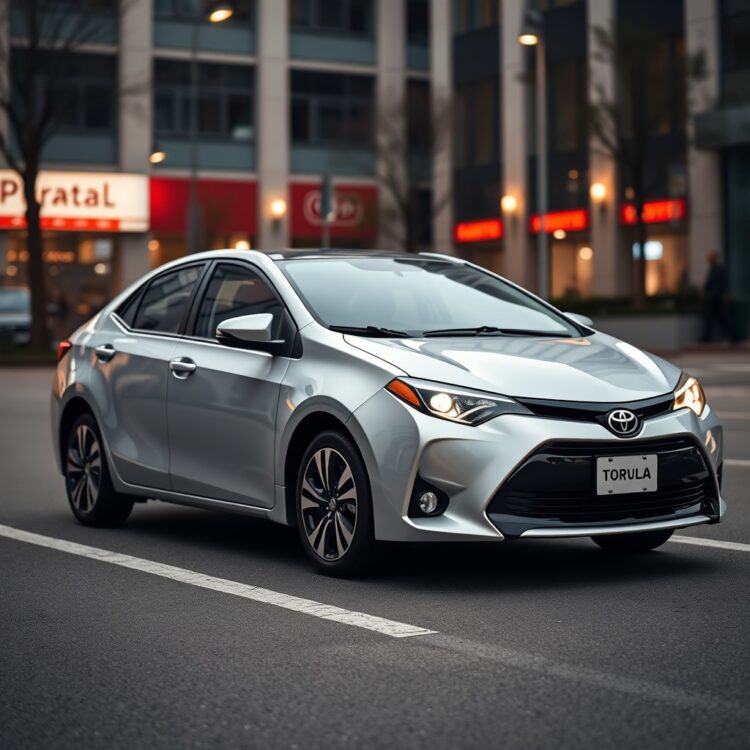
Toyota Corolla
The Toyota Corolla is a legend for a reason—reliability, fuel efficiency, and low maintenance costs. It’s the perfect choice if you want a car that won’t let you down. Plus, its resale value stays strong, making it a smart long-term investment.
Whether you’re commuting or road-tripping, the Corolla delivers. And with a used Ford Fiesta as another option, you’ve got plenty of great choices to explore.
Top 10 Second-Hand Cars to Consider
Toyota Corolla
The Toyota Corolla is a solid choice for anyone looking for reliability and affordability. I’ve seen these cars go for miles without major issues, making them a top pick for second-hand buyers. With a reputation for low maintenance costs and excellent fuel efficiency, the Corolla is a no-brainer for those who want a hassle-free ride. Check out our automotive blog for more insights on reliable models.
Honda Fit
If you’re after versatility, the Honda Fit is a gem. Its compact size hides a surprisingly spacious interior, perfect for city driving or weekend getaways. I’ve always admired how Honda manages to pack so much value into such a small package. Plus, the Fit’s resale value holds up well, so you won’t lose much if you decide to sell later.
Mercedes-Benz E-Class
For those craving luxury without the new-car price tag, the Mercedes-Benz E-Class is a dream come true. I’ve driven a few of these, and the comfort and performance are unmatched. Just be sure to get a thorough inspection—luxury cars can come with hefty repair bills if not properly maintained.
Ford Mustang
The Ford Mustang is an icon, and picking one up second-hand lets you enjoy its power without the depreciation hit. I’ve found that well-maintained Mustangs offer a thrilling driving experience. However, be cautious of high-mileage models—performance cars can wear out faster than your average sedan.
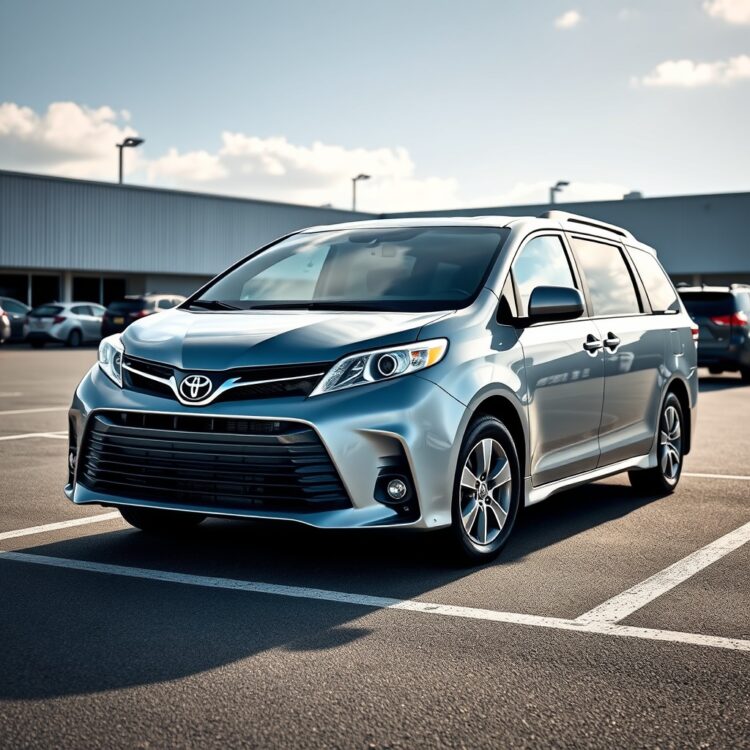
Toyota Sienna
Families, listen up: the Toyota Sienna is a minivan that doesn’t feel like one. It’s spacious, reliable, and packed with features. I’ve recommended this to countless parents, and they’ve all thanked me later. The Sienna’s durability means you can find great deals on older models that still have plenty of life left.
Nissan Frontier
Need a truck? The Nissan Frontier is a rugged, no-nonsense option. I’ve seen these handle tough jobs without breaking a sweat. While it might lack some modern frills, its simplicity means fewer things can go wrong. Just make sure to check for rust—older models can be prone to it.
Toyota Prius
The Prius is the king of fuel efficiency, and buying one second-hand is a smart move. I’ve driven hybrids for years, and the Prius consistently delivers on its promise of low running costs. Battery life is a common concern, but most last well beyond 100,000 miles with proper care.
Kia Soul
Quirky yet practical, the Kia Soul is a fun choice for urban dwellers. I love its unique design and surprisingly roomy interior. Kia’s warranty often transfers to second owners, giving you extra peace of mind. Just avoid models with a history of electrical issues—they’re rare but can be a headache.
Honda CR-V
The Honda CR-V is a top-tier SUV for good reason. It’s reliable, spacious, and holds its value exceptionally well. I’ve taken these on long road trips, and they’ve never let me down. Look for models with a clean service history to avoid any hidden surprises.
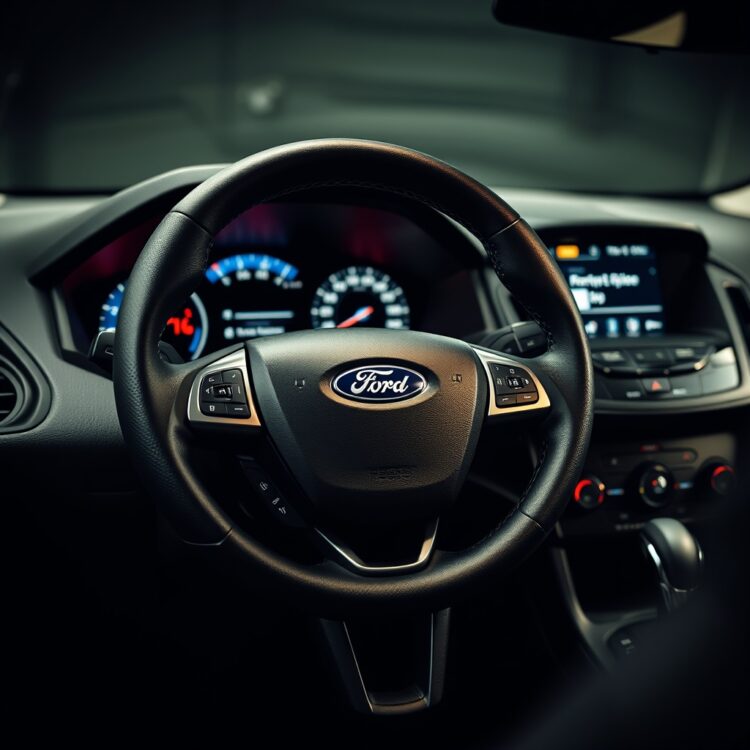
Ford Focus
The Ford Focus is a great all-rounder, offering a balance of performance and practicality. I’ve found that the hatchback version is especially popular for its versatility. Just steer clear of models with automatic transmissions—they’ve been known to cause issues. For more on Ford’s reliability, check out our detailed guide.
How to Assess a Second-Hand Car’s Condition
Exterior Inspection Tips
Start by walking around the car in good lighting. Look for dents, scratches, or rust—these can hint at neglect or accidents. I always check the panel gaps; uneven spacing might mean the car’s been in a crash. Don’t forget the tires—uneven wear could signal alignment issues. A thorough exterior check can save you from costly repairs down the line.
Interior Inspection Tips
The interior tells a story about how the car’s been treated. I look for worn seats, sticky controls, or strange smells—these are red flags. Test every button and switch to ensure they work. A musty odor might mean water damage, so check the carpets for dampness. A well-kept interior usually reflects a well-maintained engine.
Engine and Mechanical Inspection Tips
Pop the hood and listen for odd noises when the engine’s running. I always check for leaks or corroded battery terminals. Take it for a test drive—pay attention to how it accelerates, brakes, and handles bumps. If something feels off, trust your gut. A pre-purchase inspection by a mechanic is worth every penny.
Understanding Vehicle History Reports
Importance of Vehicle History
A vehicle history report is your best friend when buying second-hand. I’ve seen cars with clean exteriors hide dark pasts—accidents, floods, or even theft. These reports reveal everything from mileage discrepancies to service records. Skipping this step is like buying a house without an inspection—risky and potentially costly. Always insist on seeing one before handing over any cash.
How to Obtain a Vehicle History Report
Getting a report is easier than you think. Services like Check MOT provide detailed insights for a small fee. Just enter the car’s registration number, and you’ll get a full breakdown. I recommend cross-referencing the report with the seller’s claims—discrepancies are a major red flag. It’s a small price to pay for peace of mind.
The Role of Mileage in Second-Hand Cars
How Mileage Affects Car Value
When I’m scouting for a second-hand car, mileage is one of the first things I check. It’s a direct indicator of how much wear and tear the vehicle has endured. Lower mileage often means less strain on the engine and other components, which can translate to a higher resale value. However, it’s not just about the numbers—how the car was driven matters too. A well-maintained high-mileage car can sometimes be a better bet than a low-mileage one with a sketchy service history. For more insights, check out our automotive blog.
Mileage also impacts depreciation. Cars lose value as they rack up miles, but the rate varies by make and model. Luxury cars, for instance, tend to depreciate faster. So, if you’re eyeing a used Mercedes-Benz E-Class, pay close attention to its odometer. A high-mileage luxury car might seem like a steal, but repair costs could quickly add up. Always weigh the mileage against the car’s overall condition and maintenance records.
Ideal Mileage for Used Cars
So, what’s the sweet spot for mileage? In my experience, a car with 10,000 to 12,000 miles per year is generally a safe bet. For a five-year-old car, that’s around 50,000 to 60,000 miles. This range suggests the car was used regularly but not excessively. Of course, exceptions exist—some models are built to last well beyond 100,000 miles. For example, the Corsa VXR is known for its durability even at higher mileages.
It’s also worth considering how the car was driven. Highway miles are less taxing than city driving, which involves constant stopping and starting. If you’re unsure, a pre-purchase inspection can reveal whether the mileage aligns with the car’s condition. Remember, a well-documented service history can often outweigh high mileage, so don’t dismiss a car outright based on numbers alone.
Negotiating the Price of a Second-Hand Car
Tips for Effective Negotiation
Negotiating the price of a used car can feel daunting, but it’s all about preparation. I always start by researching the market value of the car I’m interested in. Websites like AutoTrader provide a wealth of data on pricing trends. Armed with this info, I can confidently make an offer that’s fair but favourable. Another trick is to point out any minor flaws—like worn tyres or scratches—to justify a lower price.
Timing can also work in your favour. Sellers are often more flexible at the end of the month or during quieter sales periods. And don’t forget to leverage competing offers. If you’ve found similar cars at lower prices elsewhere, mention it politely. The goal is to create a win-win situation where both you and the seller walk away satisfied. For more negotiation strategies, visit our guide on Corsa models.
Common Negotiation Mistakes to Avoid
One mistake I’ve seen buyers make is showing too much enthusiasm. If the seller senses you’re desperate, they’re less likely to budge on price. Stay calm and composed, even if you’re excited about the car. Another pitfall is skipping the test drive. You might miss issues that could give you leverage in negotiations. Always inspect the car thoroughly and take it for a spin before discussing numbers.
Avoid focusing solely on the sticker price. Consider other factors like warranty, service history, and included extras. Sometimes, a slightly higher price is justified if the car comes with a full service record or extended warranty. And never rush the process—take your time to evaluate all aspects of the deal. Patience often pays off in the long run.
Financing Options for Second-Hand Cars
Bank Loans vs. Dealer Financing
When it comes to financing a used car, you’ve got two main options: bank loans or dealer financing. I’ve found that bank loans often offer lower interest rates, especially if you have a good credit score. They also give you the freedom to shop around for the best deal. However, the application process can be slower, and approval isn’t guaranteed. For a quicker solution, dealer financing might be the way to go, but watch out for higher rates and hidden fees.
Dealer financing can sometimes include perks like discounted servicing or warranty extensions. But read the fine print carefully. Some deals come with balloon payments or penalties for early repayment. If you’re considering this route, compare it with bank offers to ensure you’re getting the best deal. And don’t forget to check out our guide on Corsa VXR reliability for more tips.
Understanding Interest Rates
Interest rates can make or break your financing deal. Even a small difference in rates can add up over the life of the loan. I always shop around for the lowest APR (Annual Percentage Rate) and consider fixed vs. variable rates. Fixed rates provide stability, while variable rates might start lower but can increase over time. Your credit score plays a huge role here—better scores usually mean better rates.
It’s also worth considering the loan term. Longer terms mean lower monthly payments but more interest paid overall. Shorter terms save you money in the long run but require higher monthly commitments. Strike a balance that fits your budget without stretching you too thin. And remember, a larger down payment can reduce your loan amount and interest burden.
The Importance of a Pre-Purchase Inspection
What to Expect During an Inspection
A pre-purchase inspection is non-negotiable in my book. It’s like a health check for the car, uncovering issues you might miss during a casual look. A thorough inspection covers everything from the engine and transmission to brakes and suspension. The inspector will also check for signs of accidents or flood damage. I’ve seen cars with pristine exteriors hiding major mechanical problems—don’t let that be you.
The process usually takes an hour or two and costs between £100 and £200. It’s a small price to pay for peace of mind. If the seller refuses an inspection, consider it a red flag. A reputable seller will have no problem with it. And if the inspection reveals issues, you can use them to negotiate a lower price or walk away if the problems are too severe.
Finding a Reliable Inspection Service
Not all inspection services are created equal. I always look for certified mechanics or companies with a solid reputation. Organisations like the AA or RAC offer professional inspections, or you can ask for recommendations from trusted garages. Make sure the inspector provides a detailed report with photos and explanations of any issues found.
If you’re buying from a dealership, they might offer their own inspection. While convenient, it’s best to get an independent assessment to avoid conflicts of interest. And don’t skip the test drive—it’s your chance to see how the car feels on the road. Combine a professional inspection with your own observations to make an informed decision.
Warranty and Insurance for Second-Hand Cars
Types of Warranties Available
When buying a second-hand car, warranties can be a lifesaver. I always recommend checking if the car comes with a manufacturer’s warranty, which often covers major components for a limited time. Extended warranties are another option, offering peace of mind beyond the standard coverage. Some dealers even provide third-party warranties, but I’ve found these can vary widely in terms of what they cover. Always read the fine print—trust me, it’s worth it.
Another thing to consider is the difference between comprehensive and powertrain warranties. Comprehensive warranties cover almost everything, while powertrain warranties focus on the engine, transmission, and drivetrain. Weighing the cost against the potential repairs is crucial. I’ve seen buyers save thousands by opting for the right warranty, so don’t skip this step.
Choosing the Right Insurance Policy
Insurance is non-negotiable, but the type you choose can make a big difference. Comprehensive insurance is my go-to because it covers theft, accidents, and even natural disasters. Third-party fire and theft is a cheaper alternative, but it’s less protective. I’ve learned that paying a bit more upfront can save you from hefty out-of-pocket expenses later.
Don’t forget to compare quotes from different providers. I’ve found that insurers often offer discounts for things like low mileage or advanced safety features. Also, consider adding breakdown cover—it’s a small cost for a lot of reassurance. Trust me, being stranded without it is no fun.
Where to Buy Second-Hand Cars
Dealerships vs. Private Sellers
Dealerships offer reliability and often include warranties, but they come at a premium. I’ve bought from both and found that dealerships provide more peace of mind, especially with certified pre-owned programs. Private sellers, on the other hand, can offer lower prices, but the risk is higher. Always inspect the car thoroughly and consider a pre-purchase inspection to avoid surprises.
One thing I’ve noticed is that dealerships are more likely to handle paperwork, which can be a huge relief. Private sales require more legwork, from transferring ownership to ensuring the car’s history is clean. If you’re not confident, stick with a reputable dealer—it’s worth the extra cost.
Online Marketplaces for Used Cars
Online platforms like Auto Trader and Gumtree have revolutionised car buying. I love the convenience of browsing thousands of listings from home. However, scams are rampant, so always meet in person and avoid deals that seem too good to be true. I’ve saved time by filtering for sellers with verified profiles and positive reviews.
Another tip is to use online tools to check the car’s history. Services like HPI checks can reveal hidden issues like outstanding finance or previous accidents. I’ve dodged a few bullets this way. Remember, a little due diligence goes a long way.
Legal Considerations When Buying Used Cars
Understanding the Paperwork
The paperwork can be daunting, but it’s essential. The V5C logbook proves ownership, so ensure it matches the seller’s details. I always check the MOT history online—it’s free and reveals a lot about the car’s condition. Service records are another must-have; they show how well the car’s been maintained.
Don’t overlook the bill of sale. It should include the price, date, and both parties’ details. I’ve seen disputes arise from vague agreements, so clarity is key. If anything seems off, walk away. There are plenty of other cars out there.
Transfer of Ownership Process
Transferring ownership is straightforward but crucial. The seller must notify the DVLA, and you’ll receive a new V5C in your name. I’ve made the mistake of delaying this and ended up with fines. Do it ASAP to avoid headaches. Also, update your insurance immediately—driving without it is illegal.
If the car has outstanding finance, the seller must clear it before the sale. I’ve heard horror stories of buyers inheriting debt. A quick check with the finance company can save you a world of trouble. Always cover your bases.
Common Pitfalls in Buying Second-Hand Cars
How to Spot a Lemon
Lemons are every buyer’s nightmare. I look for signs like inconsistent mileage, mismatched panels, or strange noises during a test drive. A vehicle history report can reveal past accidents or flood damage. Trust your instincts—if something feels off, it probably is.
Another red flag is a seller who’s evasive about the car’s history. I always ask for maintenance records and receipts. If they can’t provide them, it’s a bad sign. A thorough inspection by a mechanic is a small price to pay for avoiding a money pit.
Avoiding Scams and Fraud
Scams are everywhere, from cloned vehicles to fake sellers. I avoid deals where the seller pressures me to act fast or refuses to meet in person. Always verify the car’s VIN matches the paperwork. I’ve also learned to be wary of sellers who only accept cash—it’s a common tactic for fraudsters.
Using a secure payment method like a bank transfer is safer than cash. I’ve heard of buyers losing thousands to scams. If you’re unsure, consult a trusted resource or seek professional advice. It’s better to be safe than sorry.
Maintenance Tips for Second-Hand Cars
Regular Maintenance Schedule
Keeping your second-hand car in top shape starts with a regular maintenance schedule. I recommend sticking to the manufacturer’s guidelines for oil changes, filter replacements, and tyre rotations. Skipping these can lead to costly repairs down the line. A well-maintained car not only runs smoother but also retains its value better. Trust me, a little effort now saves a lot of headaches later.
Don’t forget about the smaller details like checking fluid levels and inspecting belts and hoses. These might seem minor, but they play a huge role in your car’s longevity. We’ve all heard horror stories of neglected cars breaking down at the worst times. A reliable automotive blog can help you stay on track with maintenance reminders and tips.
Cost-Saving Maintenance Tips
Maintaining a second-hand car doesn’t have to break the bank. Simple habits like driving smoothly and avoiding short trips can extend the life of your engine. I also suggest learning basic DIY tasks like changing wiper blades or air filters. These small savings add up over time, and you’ll feel more connected to your car.
Another tip is to shop around for parts and services. Not all garages charge the same rates, and some even offer discounts for loyal customers. If you’re unsure about a repair, consult a guide on reliable second-hand cars for advice. Remember, investing in maintenance now can prevent expensive fixes later.
Resale Value Considerations
Factors That Affect Resale Value
When it’s time to sell, several factors influence your car’s resale value. Mileage, condition, and service history are the big ones. Buyers love a well-documented maintenance record—it shows you’ve cared for the car. I’ve seen cars with similar mileage sell for wildly different prices just because one had a full service history.
Brand reputation also plays a role. Some brands, like Toyota and Honda, hold their value better than others. If you’re curious about which models retain value, check out this Ford Fiesta guide. Even small things like keeping the interior clean and avoiding modifications can make a difference when selling.
How to Maximize Your Car’s Resale Value
Maximizing resale value starts the day you buy the car. Keep all receipts and service records—buyers appreciate transparency. Regular washes and waxing protect the paint, while addressing minor repairs promptly prevents bigger issues. I always recommend fixing dents or scratches before listing the car; first impressions matter.
Timing your sale can also help. Convertibles sell better in summer, while 4x4s are hotter in winter. If you’re unsure about pricing, use online tools or consult a resale value guide. A little research can mean hundreds more in your pocket.
Personalizing Your Second-Hand Car
Safe Modifications to Consider
Personalizing your car can make it feel uniquely yours, but not all modifications are created equal. Start with non-invasive upgrades like alloy wheels or a premium sound system. These add personality without voiding warranties or affecting resale value. I’ve found that subtle changes often make the biggest impact.
Avoid performance modifications unless you’re prepared for higher insurance premiums and potential reliability issues. If you’re set on tweaking the engine, consult a professional. For inspiration, check out this design ideas guide. Remember, the goal is to enhance, not compromise, your car’s functionality.
Where to Find Quality Parts and Accessories
Finding quality parts is easier than ever, thanks to online marketplaces and specialist retailers. Always opt for OEM (Original Equipment Manufacturer) parts when possible—they’re designed specifically for your car. I’ve had great experiences with certified sellers who offer warranties on their products.
For unique accessories, consider forums or enthusiast groups. They often share trusted suppliers and DIY tips. If you’re unsure about compatibility, consult a reputable external resource for advice. Investing in quality parts ensures your modifications last and don’t cause future issues.
Frequently Asked Questions
How often should I service my second-hand car?
Follow the manufacturer’s recommended schedule, usually every 12 months or 10,000 miles. Regular servicing keeps your car running smoothly and maintains its resale value. Skipping services can lead to costly repairs and lower your car’s appeal to future buyers.
What’s the best way to check a used car’s history?
Always request a vehicle history report. It reveals accidents, mileage discrepancies, and ownership history. Services like HPI or AutoCheck provide comprehensive reports. A clean history gives you peace of mind and strengthens your negotiating position.
Are extended warranties worth it for used cars?
It depends on the car’s age and reliability. For older or high-mileage cars, an extended warranty can save you from unexpected repair costs. Compare policies and read reviews to find a reputable provider. Not all warranties cover the same things, so choose wisely.
How can I improve my car’s fuel efficiency?
Simple habits like regular tyre checks, smooth acceleration, and reducing excess weight can boost fuel efficiency. Also, stick to recommended service intervals—a well-maintained engine runs more efficiently. Small changes add up to significant savings over time.