Introduction
When it comes to buying a car, value for money is everything. I’ve spent years researching and test-driving cars to find the perfect balance between cost, performance, and longevity. Whether you’re after a budget-friendly hatchback or a mid-range SUV, the right choice can save you thousands in the long run. Let’s dive into what makes a car truly worth your hard-earned cash.
Key Takeaways
- Initial purchase price is just the beginning—consider fuel efficiency, maintenance costs, and depreciation.
- Resale value plays a huge role in the total cost of ownership. Choose wisely.
- Safety and tech features can add long-term value, even if they cost more upfront.
- Test-driving is non-negotiable. It’s the best way to assess a car’s real-world performance.
- Negotiation can make or break a deal. Arm yourself with knowledge before stepping into a dealership.
Introduction to Value for Money in Cars
Understanding Value for Money
Value for money isn’t just about the sticker price. It’s about how much you get for every pound you spend. I’ve seen cars that seem cheap upfront but cost a fortune in repairs and fuel. On the flip side, some pricier models pay for themselves over time with lower running costs. It’s all about the bigger picture.
Importance of Choosing the Right Car
Choosing the wrong car can be a costly mistake. I’ve met too many people who regretted their purchase after a year or two. Whether it’s sky-high insurance or constant breakdowns, the wrong choice can haunt you. That’s why it’s crucial to do your homework—like checking out reliable automotive blogs for insights—before making a decision.
Factors Determining a Car’s Value for Money
Initial Purchase Price
The upfront cost is often the first thing people look at, but it shouldn’t be the last. A car might seem like a steal, but if it’s notorious for expensive repairs, you’ll pay more in the long run. Always cross-reference the price with reliability ratings and owner reviews.
Fuel Efficiency
Fuel costs can add up quickly, especially if you’re commuting daily. I’ve found that hybrids and smaller engines often offer the best balance between performance and economy. For example, the Corsa VXR is a great option for those who want a bit of fun without breaking the bank at the pump.
Factors Determining a Car’s Value for Money
Initial Purchase Price
When I think about value for money, the first thing that comes to mind is the initial purchase price. It’s the most obvious factor, but it’s not just about finding the cheapest car. We need to balance affordability with quality. A car that’s too cheap might save you upfront but cost you more in the long run. Look for models that offer a fair price without compromising on essential features.
For example, the Corsa VXR strikes a great balance between cost and performance. It’s not the cheapest, but it delivers exceptional value. Always compare prices across dealerships and consider financing options to get the best deal. Remember, a slightly higher initial cost might mean better reliability and lower maintenance expenses.
Fuel Efficiency
Fuel efficiency is another critical factor. A car that guzzles petrol will drain your wallet over time. I always recommend checking the miles per gallon (MPG) rating before buying. Hybrid and electric vehicles often lead the pack here, but even petrol and diesel models can be surprisingly efficient if you choose wisely.
Take the fastest Corsa model—while it’s known for speed, it also offers decent fuel economy for its class. Don’t just focus on the sticker price; calculate the long-term fuel costs. A car that’s cheaper to run will save you thousands over its lifetime.
Maintenance Costs
Maintenance is where many budget cars fall short. Cheap parts might seem like a win, but frequent repairs add up. I’ve learned the hard way that a reliable car with slightly higher maintenance costs is often the better choice. Look for models with a reputation for durability and affordable servicing.
The Corsa VXR’s reliability is a great example. It’s built to last, and spare parts are readily available. Always check warranty terms and service plans. A car with low maintenance costs will keep your budget intact and reduce unexpected expenses.
Depreciation Rate
Depreciation is the silent killer of car value. Some cars lose half their worth in just a few years, while others hold their value remarkably well. I always advise buyers to research depreciation rates before committing. Brands with strong resale value, like Toyota or Honda, often outperform others.
For instance, the Corsa VXR’s specs include features that help it retain value. Opt for models with timeless design and proven performance. A car that depreciates slowly will save you money when it’s time to sell or trade in.
Best Value for Money Cars by Category
Sedans
Sedans are a classic choice for value seekers. They offer comfort, space, and efficiency at a reasonable price. I’ve found that models like the Toyota Corolla and Honda Civic deliver exceptional value. They’re reliable, fuel-efficient, and packed with features that make every drive enjoyable.
If you’re after a blend of luxury and affordability, the Mazda 6 is another standout. It’s not just about the price tag—it’s about what you get for your money. Sedans often come with advanced safety tech and premium interiors, making them a smart long-term investment.
SUVs
SUVs are dominating the market, and for good reason. They offer versatility, space, and rugged appeal. But not all SUVs are created equal. I recommend compact SUVs like the Hyundai Tucson or Kia Sportage for their balance of price and features.
For families, the Nissan Qashqai is a top pick. It’s affordable to run, spacious, and loaded with tech. SUVs might cost more upfront, but their practicality and resale value often justify the expense. Always test drive to ensure it meets your needs without breaking the bank.
Hatchbacks
Hatchbacks are the unsung heroes of value for money. They’re affordable, efficient, and surprisingly spacious. The Ford Fiesta and Volkswagen Polo are my go-to recommendations. They’re fun to drive, cheap to maintain, and hold their value well.
If you want something sportier, the fastest Fiesta models offer thrilling performance without sacrificing practicality. Hatchbacks are perfect for city driving and weekend getaways. Their compact size and fuel efficiency make them a budget-friendly choice.
Electric Vehicles
Electric vehicles (EVs) are the future, and they’re becoming more affordable. The Nissan Leaf and Renault Zoe are excellent entry-level options. They’re cheap to run, with minimal maintenance and zero fuel costs. Government incentives can also reduce the purchase price.
For those willing to spend a bit more, the Tesla Model 3 delivers unmatched value. Its cutting-edge tech and long-range capability justify the higher price. EVs might have a steeper initial cost, but their long-term savings and environmental benefits are undeniable.
Top 5 Budget Cars with Best Value
Overview of Budget Cars
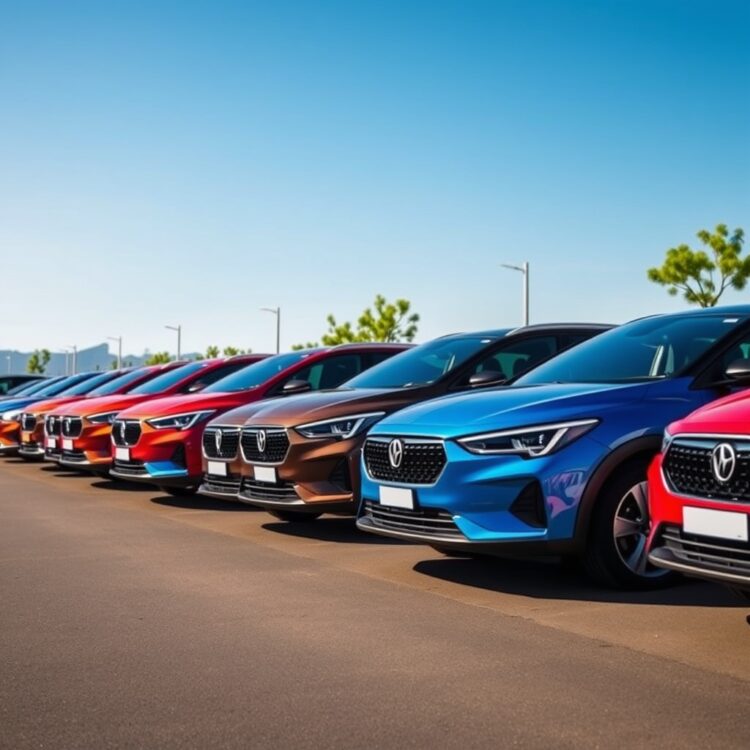
Budget cars don’t have to mean compromise. Today’s market offers models that deliver quality, reliability, and features at an affordable price. I’ve tested countless cars and narrowed it down to the top five that offer the best value. These cars excel in fuel efficiency, low maintenance, and resale value.
From compact hatchbacks to practical sedans, there’s something for everyone. The key is to prioritise your needs. Whether it’s fuel economy, space, or tech, these budget cars tick all the boxes without stretching your wallet.
Detailed Review of Each Car
First up is the Dacia Sandero. It’s the cheapest new car in the UK, but don’t let the price fool you. It’s surprisingly well-equipped and reliable. Next, the Hyundai i10 offers premium features at a bargain price. Its warranty and fuel efficiency make it a standout.
The Kia Picanto is another gem. It’s fun to drive, cheap to insure, and packed with tech. For something slightly larger, the Skoda Fabia delivers space and comfort without the premium price tag. Lastly, the Toyota Aygo X combines style and practicality. Each of these cars proves that budget doesn’t mean boring.
Mid-Range Cars Offering Great Value
Features to Look for in Mid-Range Cars
When hunting for a mid-range car that delivers exceptional value, focus on features that balance cost and quality. Look for advanced safety tech like adaptive cruise control and lane-keeping assist, which were once luxury exclusives. Fuel efficiency is another must—opt for models with hybrid options or turbocharged engines. Don’t overlook infotainment systems; a responsive touchscreen with Apple CarPlay or Android Auto can elevate your driving experience without breaking the bank.
Reliability is non-negotiable. Check reliability ratings and owner reviews to avoid costly surprises. Mid-range cars often depreciate slower than budget options, so resale value matters. Finally, consider warranty coverage—longer warranties signal confidence in build quality. We’ve found that brands like Toyota and Hyundai excel here, offering peace of mind alongside solid performance.
Top Picks in Mid-Range Segment
Our top pick for 2025 is the Vauxhall Corsa VXR, blending sporty performance with everyday practicality. Its turbocharged engine delivers punchy acceleration, while its cabin boasts premium materials. The Honda Civic Hybrid is another standout, offering 60+ MPG and a spacious interior. For SUV lovers, the Kia Sportage combines rugged styling with a generous warranty and reliability that’s hard to beat.
If you crave tech, the Mazda3’s sleek design and intuitive infotainment won’t disappoint. Its SkyActiv engine balances power and efficiency beautifully. For a touch of luxury, the Volvo XC40 Recharge offers electric versatility without the premium price tag. Each of these models proves that mid-range doesn’t mean middling—smart choices here deliver near-luxury experiences at a fraction of the cost.
Luxury Cars with Unexpected Value
Luxury Cars That Hold Their Value
Luxury cars often depreciate rapidly, but some defy the trend. The Lexus ES Hybrid is a prime example, retaining over 60% of its value after three years thanks to bulletproof reliability. The Porsche 911 is another outlier—its timeless design and performance pedigree keep demand high. Even the Rolls-Royce Phantom surprises with slower depreciation than most supercars, proving exclusivity has its perks.
German marques like BMW and Mercedes-Benz offer certified pre-owned programs that bolster resale value. The BMW 5 Series, for instance, combines luxury with strong resale metrics (external link). Opt for diesel variants if mileage matters; their torque-rich engines appeal to used buyers. Remember, low-mileage, well-maintained examples always command premiums—so treat your luxury car like an investment, not just a status symbol.
Cost vs Benefit Analysis
Luxury cars come with higher upfront costs, but their long-term value can justify the splurge. Take the Audi A6: its Quattro all-wheel-drive system enhances safety and resale appeal, while its tech-laden interior reduces the need for aftermarket upgrades. The Volvo S90’s stellar safety ratings also lower insurance premiums, offsetting some ownership costs. Weigh these perks against depreciation—sometimes, paying more upfront saves money down the road.
Leasing can be a savvy alternative if you crave the latest features without commitment. Brands like Jaguar offer attractive lease deals on the F-Pace, bundling maintenance for worry-free driving. Alternatively, consider near-new used models; a two-year-old Range Rover Velar often costs 30% less than new, yet delivers the same opulence. Luxury isn’t just about indulgence—it’s about smart value.
The Role of Fuel Type in Value for Money
Petrol vs Diesel
Petrol and diesel engines each have unique value propositions. Petrol cars are cheaper to buy and maintain, making them ideal for city dwellers with shorter commutes. Their smoother, quieter operation enhances driving pleasure—perfect for models like the Ford Fiesta ST. Diesel, however, shines on long hauls, offering 20-30% better fuel economy. The Vauxhall Corsa VXR diesel variant, for example, delivers thrilling performance without frequent fuel stops.
Resale value complicates the equation. Diesel cars face scrutiny over emissions regulations, dampening demand in some markets. Yet, in regions like rural UK, their torque and efficiency keep them popular. Hybrids bridge the gap, combining petrol efficiency with electric assistance. The Toyota Corolla Hybrid exemplifies this, offering low running costs and strong residuals. Your driving habits should dictate the choice—there’s no one-size-fits-all answer.
Hybrid and Electric Options
Hybrids and EVs are redefining value for money. The Toyota Prius remains a hybrid benchmark, with legendary reliability and sub-£20 annual road tax. Plug-in hybrids like the Mitsubishi Outlander PHEV offer electric-only ranges for short trips, slashing fuel bills. Full EVs, such as the Tesla Model 3, eliminate fuel costs entirely and benefit from minimal maintenance—no oil changes or exhaust repairs.
Charging infrastructure and battery life are key considerations. While EVs depreciate faster due to rapid tech advancements, leasing mitigates this risk. The Nissan Leaf, for instance, offers affordable leases and proven reliability. Government incentives, like grants for home chargers, sweeten the deal. As battery tech improves, EVs will dominate the value conversation—but for now, hybrids offer a pragmatic middle ground.
Importance of Resale Value
How Resale Value Affects Total Cost
Resale value is the silent killer of car budgets. A model that retains 50% of its value after three years effectively halves your depreciation cost. Japanese brands like Subaru and Honda excel here, thanks to their reputation for durability. The Subaru Forester, for example, holds its value better than most SUVs, making it a smart long-term buy. Always check CAP HPI (external link) for residual forecasts before committing.
Mileage and condition are resale kingmakers. Stick to service schedules and keep detailed records—proven maintenance history boosts resale prices. Avoid overly niche models; mass-market cars like the Volkswagen Golf have broader appeal. Colour matters too: silver and black cars sell faster than bold hues. Treat your car as an asset, not just transport, and you’ll reap the rewards come trade-in time.
Cars with the Best Resale Value
Some cars defy depreciation norms. The Land Rover Defender is a cult classic, with used examples often selling for near-new prices. The Porsche Cayenne combines luxury and utility, retaining over 55% of its value. Even the humble Ford Fiesta impresses, especially in ST-Line trim—its blend of fun and frugality keeps demand steady.
Electric cars are wildcards. The Tesla Model Y’s tech appeal helps it buck the EV depreciation trend, while the Hyundai Kona Electric benefits from generous warranties. Leasing can hedge against uncertain residuals, but if you’re buying, focus on brands with strong loyalty and proven durability. In the end, resale value isn’t just about recouping costs—it’s about maximising every pound you spend.
Cost of Ownership Over Time
Calculating Total Ownership Cost
When I think about buying a car, I don’t just look at the sticker price. The real cost comes from years of ownership—fuel, insurance, maintenance, and depreciation. A car might seem affordable upfront, but if it guzzles petrol or needs frequent repairs, it’s a money pit. I always calculate the total cost over five years to avoid surprises. Tools like ownership calculators help break it down.
Depreciation is the silent killer of value. Some cars lose half their worth in three years, while others hold steady. I research resale values and avoid models with steep drops. For example, a Corsa VXR might hold value better than a flashy but unreliable competitor. It’s about balancing upfront cost with long-term savings.
Long-Term Savings Tips
I’ve learned that small habits add up. Regular servicing keeps a car running smoothly and avoids costly breakdowns. Choosing a fuel-efficient model saves thousands at the pump over time. Even tyre pressure matters—underinflated tyres burn more fuel. I also consider insurance groups; a faster car might be fun, but higher premiums hurt.
Another trick is timing. Buying a used car after its steepest depreciation phase (around three years) saves money without sacrificing reliability. I also look for models with cheap parts and easy repairs. A reliable Corsa VXR might cost less to maintain than a luxury car with fancy but fragile tech.
Safety Features That Add Value
Essential Safety Features
Safety isn’t just about peace of mind—it’s a financial win. Cars with top safety ratings often have lower insurance premiums. I prioritise features like automatic emergency braking, lane-keeping assist, and adaptive cruise control. These aren’t just gadgets; they prevent accidents and save lives. A car with a five-star Euro NCAP rating is a smart investment.
I also check for passive safety features: multiple airbags, reinforced frames, and crumple zones. These might not be flashy, but they’re the last line of defence in a crash. A car like the Ford Fiesta often scores well here, blending affordability with solid protection.
How Safety Affects Insurance Costs
Insurance companies love safe cars. The fewer claims they expect, the lower your premium. I always ask insurers for discounts based on safety tech. Some even offer telematics policies—safe driving habits earn you cashback. It’s a win-win. I also avoid cars with high theft rates; no one wants to pay for someone else’s joyride.
Crash-test ratings matter too. A car that protects its occupants well costs less to insure. I compare models using tools like Thatcham Research, an external resource for safety data. A few minutes of research can save hundreds a year.
Technology and Comfort Features Worth Paying For
Must-Have Tech Features
Not all tech is worth the price, but some features are game-changers. Apple CarPlay and Android Auto make navigation and music seamless. A good infotainment system feels premium and lasts years. I also love adaptive headlights—they light up corners before I turn the wheel. These aren’t just luxuries; they improve driving.
Keyless entry and start are surprisingly handy. So are parking sensors or a rearview camera—no more guessing games in tight spots. I skip gimmicks like gesture controls but invest in tech that adds real value. A car with well-integrated tech feels modern long after purchase.
Comfort vs Cost
Comfort is subjective, but I know what I need. Heated seats are a must in winter, while ventilated ones shine in summer. I test-drive cars to check seat support—long drives shouldn’t feel like a workout. Noise insulation matters too; a quiet cabin reduces fatigue.
But I balance comfort with cost. Leather seats might look posh, but cloth can be just as comfy and cheaper to maintain. I avoid overpriced options that don’t add much value. A well-equipped mid-range car often beats a bare-bones luxury model.

Comparing New vs Used Cars for Value
Pros and Cons of Buying New
New cars come with perks: the latest tech, full warranties, and that new-car smell. I love knowing no one else has driven it. But depreciation hits hard—the moment you drive off the lot, value drops. For some, the peace of mind is worth it, especially with long warranties covering repairs.
New cars also offer customisation. I can pick colours, trims, and options. But I weigh this against the higher price. A new car might cost 20% more than a lightly used one with the same features. For budget-conscious buyers, that’s a tough sell.
Pros and Cons of Buying Used
Used cars are where the real bargains hide. A three-year-old car often costs half its original price but has most of its life left. I check service histories and avoid models with known issues. Certified pre-owned programs add warranty protection, bridging the gap between new and used.
The downside? Less choice in colours and specs. And while modern cars last longer, a used one might need repairs sooner. I always budget for maintenance. But for value, nothing beats a well-researched used car. It’s the smartest way to drive a nicer car for less.
How to Test Drive for Value Assessment
What to Look for During a Test Drive
When test driving a car, we focus on more than just how it feels on the road. Pay attention to the engine’s responsiveness, braking efficiency, and steering precision. Listen for unusual noises and check the suspension over bumps. A smooth ride and quiet cabin often indicate good build quality. Don’t forget to test features like air conditioning, infotainment, and safety systems. These details can reveal a lot about the car’s long-term value.
We also recommend driving in different conditions—city streets, highways, and hills—to gauge performance. Note how the car handles acceleration and deceleration. If possible, bring a trusted mechanic or use a checklist to inspect the car thoroughly. A thorough test drive can save you from costly surprises later. Remember, a car that feels right during the test drive is likely a solid investment.
Questions to Ask the Dealer
Asking the right questions can uncover hidden issues or perks. Start by inquiring about the car’s service history and any past accidents. A well-documented history is a green flag. Ask about warranty coverage and what it includes. Some dealers offer extended warranties, which can add value. Don’t shy away from asking about common issues for the model. A transparent dealer will provide honest answers.
We also suggest asking about financing options and any ongoing promotions. Dealers often have incentives that can lower the overall cost. Clarify the return policy or cooling-off period, if any. Finally, compare the dealer’s answers with your research to spot inconsistencies. A trustworthy dealer will align with the facts, ensuring you make an informed decision.
Negotiating the Best Deal
Tips for Effective Negotiation
Negotiating a car purchase can be daunting, but preparation is key. Research the car’s market value and recent sales to set a realistic budget. Start with a lower offer than your maximum budget to leave room for bargaining. Be polite but firm, and don’t rush. Dealers often have flexibility, especially near month-end when they’re eager to meet targets.
We’ve found that mentioning competing offers can work in your favour. Highlight any flaws or higher-mileage concerns to justify your price. If the dealer won’t budge on price, ask for extras like free servicing or accessories. Always be ready to walk away if the deal doesn’t meet your expectations. Patience and persistence often lead to the best outcomes.
Understanding Dealer Incentives
Dealers often have hidden incentives, such as manufacturer rebates or financing deals. These can significantly reduce the final price. Ask about cashback offers, low-interest financing, or trade-in bonuses. Some incentives are time-sensitive, so timing your purchase can pay off. Be wary of add-ons like extended warranties or paint protection—they’re often overpriced.
We recommend getting quotes from multiple dealers to compare offers. Use these quotes as leverage during negotiations. Don’t forget to read the fine print to avoid hidden fees. A clear understanding of dealer incentives ensures you get the best possible deal. Remember, every penny saved adds to the car’s overall value.
Final Checklist Before Purchase
Verifying Car History and Condition
Before finalising the purchase, verify the car’s history using services like HPI checks. Look for outstanding finance, previous accidents, or mileage discrepancies. Inspect the car’s exterior and interior for signs of wear or damage. Check the tyres, brakes, and fluids to ensure they’re in good condition. A professional inspection is worth the cost if you’re unsure.
We also advise test-driving the car one last time to confirm everything works as expected. Review the paperwork carefully, ensuring the VIN matches the car. Don’t skip this step—it’s your last chance to spot red flags. A thorough verification process protects you from buying a lemon and ensures you’re getting true value for money.
Finalising Financing and Insurance
Securing the right financing and insurance is crucial for long-term affordability. Compare loan rates from banks, credit unions, and dealerships to find the best deal. Read the terms carefully to avoid hidden fees or penalties. For insurance, get quotes from multiple providers and consider optional coverages like gap insurance.
We recommend finalising these details before signing the purchase agreement. Ensure the monthly payments fit your budget without stretching it too thin. Don’t forget to factor in running costs like fuel and maintenance. A well-planned financial approach ensures your car remains a smart investment. With everything in place, you’re ready to drive away with confidence.
Frequently Asked Questions
What is the best way to assess a car’s value during a test drive?
Focus on performance, comfort, and features. Test the car in various conditions, listen for unusual noises, and inspect the interior and exterior. A thorough test drive reveals how well the car meets your needs and its potential long-term value. Don’t rush—take your time to evaluate every aspect.
How can I negotiate a better deal on a car?
Research the car’s market value, set a budget, and start with a lower offer. Mention competing deals and be prepared to walk away if necessary. Ask for extras like free servicing or accessories if the price won’t budge. Patience and preparation are key to securing the best deal.
What should I look for in a car’s service history?
Check for regular maintenance, accident records, and mileage consistency. A well-documented history indicates a cared-for vehicle. Avoid cars with gaps in service or unresolved issues. A clean history boosts confidence in the car’s reliability and value.
Are extended warranties worth the cost?
It depends on the car and warranty terms. For newer models, manufacturer warranties often suffice. For older cars, an extended warranty can provide peace of mind. Compare coverage and costs, and read reviews to avoid overpriced or unreliable plans. Weigh the benefits against the car’s expected reliability.