Introduction
Deciding when to sell your Ford Fiesta isn’t just about timing—it’s about understanding value, market trends, and your personal needs. Whether you’re eyeing an upgrade or simply want to cash in before depreciation hits harder, knowing the right moment can save you thousands. Let’s dive into the key factors that’ll help you make an informed decision.
Key Takeaways
- Assess your Fiesta’s current market value using tools like Lowes Auto’s pricing guide.
- Watch for repair costs exceeding the car’s worth—it’s a clear sign to sell.
- Seasonal trends and economic factors can significantly impact resale prices.
- Prepare your car for sale with essential maintenance and cosmetic touch-ups.
- Choose between private sale and trade-in based on convenience and profit goals.
Understanding the Value of Your Fiesta
How to Assess Your Fiesta’s Current Market Value
Start by researching comparable listings online. Websites like Lowes Auto provide insights into current resale values based on mileage, condition, and location. Don’t forget to factor in optional extras—they can add value. A well-documented service history also boosts appeal, so gather all receipts and records before listing.
Factors That Influence Your Fiesta’s Resale Value
Demand for small, fuel-efficient cars fluctuates with fuel prices and urban driving trends. Colour matters too—neutral shades like silver or black often sell faster. Modifications can be a double-edged sword; while some buyers love them, others prefer stock models. Always consider the broader market and adjust your expectations accordingly.
The Impact of Mileage and Condition on Price
High mileage doesn’t always mean low value—if your Fiesta has been well-maintained, it can still fetch a good price. Focus on addressing minor issues like scratches or worn tyres before listing. A clean interior and smooth-running engine speak volumes. Remember, buyers pay for peace of mind as much as the car itself.
Signs It’s Time to Sell Your Fiesta
Recognizing When Repair Costs Outweigh Benefits
We’ve all been there—your Fiesta starts needing repairs more often than it used to. At some point, the costs add up, and you’re left wondering if it’s worth it. I’ve found that when repair bills start exceeding the car’s value, it’s a clear sign to consider selling. Think of it this way: would you rather pour money into endless fixes or invest in a newer, more reliable ride? It’s a no-brainer when you crunch the numbers.
Another red flag is when your mechanic becomes your best friend. If you’re visiting them more than your actual friends, it’s time to reassess. A Ford Fiesta should be fun to drive, not a financial black hole. Trust me, I’ve learned this the hard way. When the joy of driving turns into stress, it’s a sign to move on.
Lifestyle Changes That Necessitate a Different Vehicle
Life changes, and so do our needs. Maybe you’ve started a family, or your job now requires hauling equipment. Your Fiesta might not cut it anymore. I remember when my buddy upgraded to a bigger car after his twins arrived—his Fiesta just couldn’t keep up. It’s not about abandoning your trusty ride; it’s about adapting to your new reality.
Even if your lifestyle hasn’t changed, your priorities might. Maybe you’re craving more space or better fuel efficiency. The Fiesta is a fantastic car, but it’s not a one-size-fits-all solution. When your needs evolve, it’s okay to let go and find something that fits your current situation better.
Market Trends Favoring Sellers
Timing is everything, especially in the used car market. Right now, demand for used cars is high, and prices are strong. If you’ve been on the fence about selling, this might be your moment. I’ve seen sellers get top dollar for their Fiestas simply because they listed at the right time. Don’t miss out on a golden opportunity.
Keep an eye on seasonal trends too. Spring and summer are typically hot markets for car sales. Buyers are out in full force, and competition drives prices up. According to Autotrader, timing your sale can make a huge difference. If the stars align, you could walk away with a sweet deal.
Preparing Your Fiesta for Sale
Essential Maintenance Before Listing
First impressions matter, and a well-maintained Fiesta sells faster. Start with the basics: oil change, brake check, and tire rotation. These small investments can pay off big time. I once sold a car after fixing a minor issue, and the buyer was thrilled. It’s all about presenting a reliable, cared-for vehicle.
Don’t forget the paperwork. Service records and a clean MOT history can boost buyer confidence. A Fiesta with a documented maintenance history is a gem in the used car market. Buyers love transparency, and it gives them peace of mind knowing the car’s been looked after.
Cosmetic Improvements That Increase Value
A little elbow grease goes a long way. Wash, wax, and vacuum your Fiesta to make it shine. Fix small dents or scratches if possible—it’s amazing what a difference these touches make. I’ve seen cars sell for hundreds more just because they looked pristine. Buyers judge books by their covers, so make yours irresistible.
Consider upgrading worn-out parts like floor mats or seat covers. These inexpensive fixes can make your car feel newer. A fresh set of Fiesta mats might seem trivial, but they show you care. And when buyers see care, they see value.
Gathering Necessary Documentation
Paperwork might be boring, but it’s crucial. Gather your V5C logbook, service records, and MOT certificates. Missing documents can scare off buyers or delay the sale. I once lost a sale because I couldn’t find the logbook—lesson learned. Keep everything organized and ready to hand over.
If you’ve made any modifications, include receipts or warranties. Buyers appreciate honesty and proof of quality work. A well-documented car is a trustworthy car, and that’s what sells. Don’t let laziness cost you a great deal—get your ducks in a row before listing.
Choosing the Right Time to Sell
Seasonal Trends in Car Sales
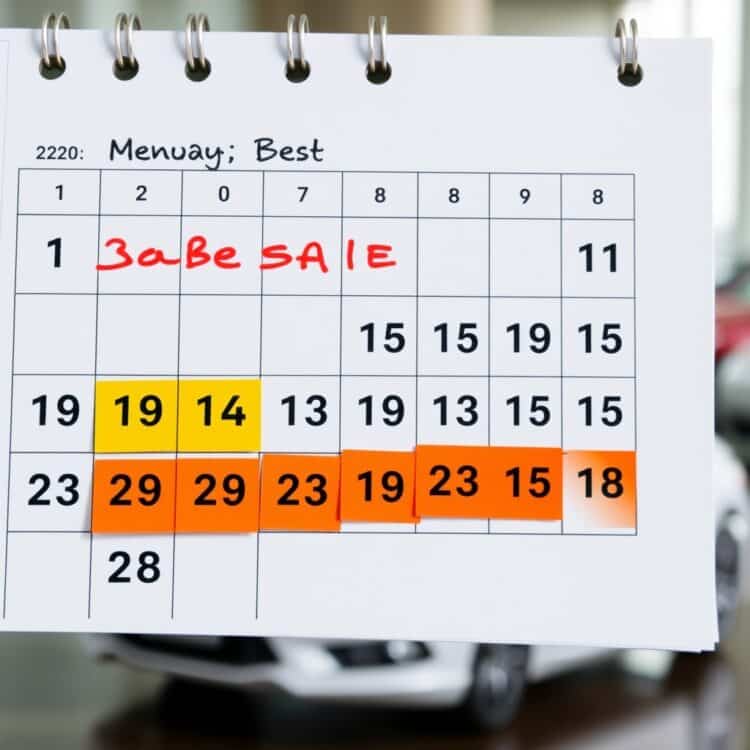
Timing your sale with the seasons can maximize your profit. Spring and summer are peak times—buyers are out, and demand is high. I’ve noticed cars sell faster and for more money during these months. It’s like selling ice cream in July; you’re meeting demand at its peak.
Winter, on the other hand, can be sluggish. Fewer buyers mean lower prices and longer wait times. Unless you’re in a hurry, it’s worth waiting for the right season. Think of it as planting seeds in spring—you’ll reap the rewards when the market’s ripe.
Economic Factors Affecting Car Prices
The economy plays a huge role in car sales. When fuel prices rise, smaller cars like the Fiesta become more desirable. Keep an eye on trends—selling during a fuel crisis could work in your favor. I’ve seen sellers capitalize on these shifts to get top dollar.
Interest rates and inflation also impact buyers’ budgets. If rates are low, more people are willing to spend. Stay informed and time your sale when the economic winds are at your back. A little research can go a long way in securing the best deal.
Personal Timing Considerations
Your personal situation matters too. Are you upgrading to a new car? Moving abroad? These life events can dictate your selling timeline. I once sold my Fiesta before a big move, and it was one less thing to worry about. Align your sale with your life plans for a smoother transition.
Don’t rush if you don’t have to. Waiting for the right buyer can mean a better price. Patience pays off, especially in the used car market. When the stars align—season, economy, and personal timing—you’ll know it’s the perfect moment to sell.
Deciding Between Private Sale and Trade-In
Pros and Cons of Selling Privately
Selling your Fiesta privately can often fetch a higher price than trading it in, but it comes with its own set of challenges. On the plus side, you have full control over the price and negotiations, and you might attract buyers willing to pay a premium for a well-maintained car. However, it requires more effort—you’ll need to handle advertising, respond to inquiries, and arrange test drives. Plus, there’s the risk of dealing with unreliable buyers or lowball offers. If you’re up for the hustle, it’s worth considering.
On the flip side, trade-ins are hassle-free. You walk into a dealership, and they handle everything—no ads, no test drives, no negotiations. The downside? You’ll likely get less money for your car. Dealerships need to make a profit, so they’ll offer below market value. If convenience outweighs profit for you, trading in might be the way to go. For more insights, check out our guide on Fiesta resale value.
Understanding Trade-In Offers
Trade-in offers are based on several factors, including your car’s condition, mileage, and current market demand. Dealerships use industry tools to appraise your Fiesta, but their goal is to buy low and sell high. Don’t take the first offer—shop around. Get quotes from multiple dealers to ensure you’re getting a fair deal. Remember, trade-in values can fluctuate based on seasonal trends and economic conditions, so timing matters.
Another tip: clean and service your car before taking it in. A well-presented Fiesta can fetch a better offer. If you’re unsure about the trade-in process, our pricing guide breaks down what to expect. Trade-ins are quick, but they’re not always the most lucrative option. Weigh the pros and cons carefully.
How to Negotiate the Best Deal
Negotiation is key, whether you’re selling privately or trading in. For private sales, set a realistic price and be prepared to justify it with evidence—service history, recent repairs, or comparable listings. Don’t be afraid to stand firm, but also know your bottom line. If a buyer lowballs you, counter with a reasonable offer or walk away. Patience pays off.
For trade-ins, use competing offers as leverage. If one dealer offers £5,000, see if another will beat it. Knowledge is power—research your Fiesta’s value beforehand. And don’t forget to negotiate the price of your new car separately. Mixing the two can muddy the waters. For more tips, read our analysis on running costs to understand your car’s worth.
Setting a Competitive Price
Researching Comparable Listings
Pricing your Fiesta competitively starts with research. Look at similar models on platforms like Auto Trader or Gumtree. Focus on cars with comparable mileage, age, and condition. Note the asking prices, but also check how long listings have been up—if they’re sitting unsold, the price might be too high. This gives you a realistic benchmark for your own listing.
Don’t just rely on online tools—they’re a starting point, but real-world data is king. If your Fiesta has unique features (like a premium sound system or low mileage), factor those into your price. For a deeper dive, explore our comparison of Fiesta models to see how specs affect value.
Adjusting Price Based on Demand
Demand for used cars fluctuates. In summer, convertibles sell faster; in winter, 4x4s are hot. Your Fiesta might not be seasonal, but market trends still matter. If you’re in a hurry, price slightly below market to attract quick buyers. If you can wait, aim for the higher end. Monitor your listing’s performance—if you’re getting no bites after a week, consider a price drop.
Another factor: location. Urban areas might have higher demand for small cars like the Fiesta. Rural buyers might prioritise different features. Tailor your ad accordingly. For expert advice, check out this guide on selling cars privately.
Strategies for Pricing to Sell Quickly
Want to sell fast? Price aggressively. Start 10-15% below the average asking price for similar Fiestas. Highlight this in your ad—“priced to sell!”—to create urgency. Include high-quality photos and a detailed description to build trust. Buyers are more likely to act if they feel confident in the car’s condition.
Another tactic: bundle extras. Throw in a full tank of fuel, a set of winter tyres, or a year’s MOT to sweeten the deal. Small perks can make your listing stand out. And remember, flexibility helps—be open to reasonable offers and quick viewings. The faster you respond, the faster you’ll sell.

Handling Inquiries and Test Drives
Screening Potential Buyers
Not all inquiries are equal. Screen buyers carefully to avoid time-wasters. Ask questions upfront—why are they interested? Do they have financing sorted? Genuine buyers will answer openly. Be wary of vague responses or requests to “hold” the car without a deposit. Trust your gut—if something feels off, it probably is.
For extra security, meet in public places during daylight hours. Bring a friend if possible. And always verify a buyer’s identity before handing over keys. A little caution goes a long way. For more tips, read our guide on buying wisely—it works both ways!
Preparing for Test Drives
Test drives are make-or-break moments. Ensure your Fiesta is clean, fuelled, and ready to impress. Accompany the buyer on the drive—it’s your car, after all. Point out features and answer questions honestly. If they’re serious, they’ll appreciate the transparency.
Safety first: check the buyer’s licence before handing over the keys. Set boundaries—agree on a route and duration beforehand. And don’t let them drive alone. A test drive is a chance to sell, but it’s also a risk. Manage it carefully.
Safety Tips for Meeting Buyers
Meeting strangers comes with risks. Always meet in a well-lit, public area—supermarket car parks are ideal. Avoid giving out your home address until you’re sure the buyer is genuine. Cash transactions are risky—opt for a bank transfer or certified cheque instead.
Lastly, trust your instincts. If a buyer seems pushy or evasive, walk away. Your safety is more important than a sale. For more advice, explore our guide on Fiesta ownership costs—it’s packed with practical tips.
Negotiating the Sale
Setting Your Minimum Acceptable Price
Before entering negotiations, I always determine my bottom line. This is the lowest price I’m willing to accept for my Fiesta, factoring in its condition, mileage, and market demand. I research comparable listings to ensure my minimum is realistic. If an offer doesn’t meet this threshold, I’m prepared to walk away. It’s about balancing patience with practicality—knowing when to hold firm and when to compromise.
I also consider the emotional aspect. Selling a car can feel personal, but I remind myself it’s a business transaction. Setting a clear minimum helps me stay objective. If a buyer pushes for a lower price, I refer back to my research and the Ford Fiesta pricing guide to justify my stance. Transparency builds trust, and a well-reasoned argument often sways buyers.
Tactics for Effective Negotiation
Negotiation is an art, and I’ve learned a few tricks over the years. I start by listing my Fiesta slightly above my target price, leaving room for negotiation. When a buyer makes an offer, I listen carefully and respond calmly. Highlighting the car’s unique features—like recent maintenance or low mileage—can justify my asking price. I avoid rushing; patience often leads to better deals.
I also use silence strategically. After stating my counteroffer, I let the buyer think. Many fill the silence with concessions. If they’re hesitant, I might throw in small perks, like a full tank of fuel or a set of floor mats. These gestures can seal the deal without significantly lowering the price. For more tips, check out this Ford Fiesta negotiation guide.
Handling Lowball Offers
Lowball offers are inevitable, but I don’t take them personally. Instead, I counter with a polite but firm response, reiterating the car’s value. If the buyer insists, I ask them to justify their offer. Often, they can’t, which weakens their position. I also keep a list of interested buyers—knowing there are others waiting can deter lowballers from pushing too hard.
Sometimes, a lowball offer reveals a buyer’s budget constraints. If they’re serious but short on cash, I might suggest flexible payment terms or point them to affordable insurance options. It’s about finding common ground without undervaluing my Fiesta.
Completing the Sale Legally
Understanding Your State’s Requirements
Legal requirements for selling a car vary, so I always check my state’s rules. In the UK, I need to notify the DVLA of the sale and provide the buyer with a signed V5C logbook. I also ensure the car is taxed until the sale date. Skipping these steps can lead to fines or liability for the new owner’s actions. It’s a small hassle, but it protects me legally.
I also verify the buyer’s identity and payment method. Cash is king, but if they’re paying via bank transfer, I wait for the funds to clear before handing over the keys. For added security, I use the DVLA’s online service to update ownership instantly. This prevents any post-sale disputes.
Drafting a Bill of Sale
A bill of sale is a must—it’s proof of the transaction and protects both parties. I include details like the sale price, date, and both our names and addresses. I also note the car’s mileage and condition to avoid future disputes. Templates are available online, but I tailor mine to include any specific terms, like warranties or as-is clauses.
I keep a copy for my records and give one to the buyer. If the sale is private, I might also take a photo of the buyer’s ID for reference. It’s not legally required, but it adds an extra layer of security. For more guidance, I refer to the resale value guide to ensure I’m covering all bases.
Transferring the Title Properly
The title transfer is the final step, and I don’t cut corners. I fill out the V5C logbook with the buyer’s details and send my section to the DVLA. If the buyer plans to register the car abroad, I provide additional documentation, like a Certificate of Export. I also remove my private plates if I’m keeping them, as they’re not automatically transferred.
I remind the buyer to insure the car before driving it away. If they’re unsure where to start, I point them to resources like running cost analyses. A smooth title transfer ensures no loose ends—and peace of mind for both of us.
Common Mistakes to Avoid When Selling
Overpricing Your Fiesta
Overpricing is a common pitfall. I’ve seen sellers list their Fiestas way above market value, only to watch them sit unsold for months. I avoid this by researching similar listings and adjusting my price based on demand. If my car isn’t getting interest, I reassess rather than stubbornly holding out. A realistic price attracts serious buyers and speeds up the sale.
I also consider seasonal trends. For example, convertibles sell better in summer, while 4x4s are hot in winter. Timing my sale to match demand can justify a higher price. But if I’m in a hurry, I’m prepared to adjust. Flexibility is key—I’d rather sell quickly at a fair price than wait indefinitely for the perfect offer.
Neglecting to Disclose Known Issues
Honesty is non-negotiable. If my Fiesta has a known issue, like a minor oil leak or worn brakes, I disclose it upfront. Hiding problems might secure a quick sale, but it can lead to disputes or legal trouble later. I’d rather lower the price slightly than risk a buyer returning angry—or worse, leaving a scathing review online.
I also provide service records to back up my claims. Buyers appreciate transparency, and it builds trust. If they see I’ve maintained the car well, they’re more likely to overlook minor flaws. Plus, it sets the tone for a smooth negotiation—no nasty surprises.
Failing to Prepare Proper Documentation
Skipping paperwork is a rookie mistake. I gather everything before listing my Fiesta: logbook, service history, MOT certificates, and receipts for any repairs or upgrades. Missing documents can delay the sale or scare off buyers. I also make copies—just in case.
If I’ve modified the car, I include proof it’s road-legal and insured. Buyers want assurance they won’t inherit any headaches. A well-documented sale not only speeds up the process but also justifies a higher price. After all, a car with a clear history is worth more than one with question marks.
Advanced Selling Strategies
Leveraging Social Media for Sales
Social media is a powerful tool for selling your Fiesta. Platforms like Facebook Marketplace and Instagram allow you to reach a broad audience quickly. I recommend posting high-quality photos and engaging descriptions to attract potential buyers. Use hashtags like #FordFiesta and #UsedCars to increase visibility. Engaging with comments and messages promptly builds trust and keeps buyers interested.
Paid promotions can also boost your listing’s reach. Targeting local car enthusiasts ensures your ad appears to the right audience. Remember, transparency about your car’s condition avoids misunderstandings later. Social media isn’t just about selling—it’s about creating a connection with buyers who value honesty and clarity.
Using Online Auctions to Your Advantage
Online auctions like eBay Motors can be a great way to sell your Fiesta quickly. These platforms attract serious buyers looking for deals. I suggest setting a realistic reserve price to avoid disappointment. Detailed listings with clear photos and honest descriptions are key. Highlighting unique features, like low mileage or recent upgrades, can make your car stand out.
Timing your auction to end during peak browsing hours increases visibility. Be prepared to answer questions promptly and provide additional details if requested. Online auctions require effort, but they can yield excellent results if done right. Always factor in platform fees when setting your price to ensure you get the best deal.
Partnering with Local Dealerships
Local dealerships often buy used cars outright or offer consignment options. This route is ideal if you prefer a hassle-free sale. I recommend researching dealerships with good reputations for fair pricing. Getting multiple quotes ensures you don’t settle for less than your Fiesta’s worth.
Consignment allows the dealership to handle marketing and negotiations for a fee. While this reduces your profit, it saves time and effort. Be clear about your expectations and any minimum price requirements. Partnering with a dealership can be a win-win if you value convenience over maximising profit.
Understanding the Buyer’s Perspective
What Buyers Look for in a Used Fiesta
Buyers prioritise reliability, mileage, and condition when considering a used Fiesta. I’ve found that a well-maintained service history is a major selling point. Buyers also appreciate transparency about any past issues or repairs. Highlighting features like fuel efficiency or low tax bands can make your car more appealing.
First impressions matter, so ensure your Fiesta is clean and presentable. Buyers often look for cars with modern amenities, like Bluetooth or parking sensors. Understanding what buyers value helps you tailor your listing to their needs. A little effort in presentation can go a long way in securing a sale.
Common Buyer Concerns and How to Address Them
Buyers often worry about hidden mechanical issues or high maintenance costs. I recommend providing a recent MOT certificate and service records to ease these concerns. Offering a test drive allows buyers to experience the car’s condition firsthand. Be honest about any minor faults—it builds trust and avoids disputes later.
Price is another common concern. Researching comparable listings ensures your asking price is competitive. Flexibility in negotiation can help close the deal faster. Addressing buyer concerns proactively shows you’re a trustworthy seller, increasing the chances of a smooth transaction.
Building Trust with Potential Buyers
Trust is crucial in any sale. I always start by being transparent about my Fiesta’s history and condition. Responding promptly to inquiries and providing additional photos or videos if requested shows you’re serious. Meeting buyers in a public place for test drives ensures safety for both parties.
Offering a warranty or agreeing to a third-party inspection can further build confidence. Buyers are more likely to commit if they feel secure in their purchase. A little goodwill, like sharing maintenance tips, can leave a lasting positive impression. Trust turns potential buyers into happy owners.
Exploring Alternatives to Selling
Considering Leasing Options
If selling isn’t urgent, leasing your Fiesta could be an alternative. Some companies specialise in leasing used cars, providing a steady income stream. I recommend researching lease terms and potential wear-and-tear costs. This option is ideal if you plan to upgrade later but want to retain ownership.
Leasing reduces the hassle of finding a buyer and can be more profitable in the long run. However, it requires trust in the leasing company to maintain your car properly. Weigh the pros and cons carefully to decide if leasing aligns with your goals. It’s a flexible solution for those not ready to part with their Fiesta permanently.
The Benefits of Donating Your Car
Donating your Fiesta to charity is a meaningful way to part with it. Many charities accept car donations and use the proceeds for good causes. I suggest choosing a reputable charity and checking if they offer free collection. Donations can also provide tax benefits, depending on your location.
This option is perfect if you’re not concerned about profit and want to make a difference. Ensure you transfer ownership correctly to avoid liability. Donating your car is a hassle-free way to declutter while supporting a worthy cause. It’s a win-win for you and the community.
When to Keep Your Fiesta Longer
Sometimes, keeping your Fiesta makes more sense than selling. If it’s running well and meets your needs, holding onto it can save money on a replacement. I recommend assessing its long-term reliability and maintenance costs. Upgrading features or giving it a refresh can make it feel new again.
Market conditions also play a role. If prices are low, waiting for a better time to sell might be wise. Keeping your Fiesta longer avoids the stress of selling and buying anew. It’s a practical choice if you’re not ready for a change. Sometimes, the best decision is no decision at all.
Frequently Asked Questions
How do I know if it’s the right time to sell my Fiesta?
Timing depends on factors like market trends, your car’s condition, and personal needs. If repair costs are rising or your lifestyle demands a different vehicle, it might be time to sell. Researching seasonal trends can also help you choose the best moment for a profitable sale.
What’s the best way to price my Fiesta competitively?
Start by checking similar listings on platforms like Lowes Auto. Adjust your price based on mileage, condition, and demand. Setting a slightly higher price allows room for negotiation while staying realistic. A competitive price attracts serious buyers quickly.
Should I sell privately or trade in my Fiesta?
Private sales often yield higher profits but require more effort. Trade-ins are convenient but may offer lower prices. Consider your priorities—time or profit—when deciding. For a hassle-free option, trade-ins are ideal, while private sales suit those willing to invest time.
How can I make my Fiesta more appealing to buyers?
Clean your car thoroughly, fix minor issues, and gather all documentation. High-quality photos and a detailed description highlight its best features. Offering a test drive and being transparent about its history builds buyer confidence. Small efforts can significantly boost your car’s appeal.
What are the risks of selling my Fiesta online?
Online sales can attract scammers or lowball offers. Protect yourself by meeting buyers in person, avoiding wire transfers, and using secure payment methods. Platforms like Lowes Auto offer guidance on safe selling practices. Always trust your instincts and prioritise safety.