Introduction
When it comes to the Ford Fiesta, the choice between the 1.4 and 1.0 EcoBoost engines can feel like a crossroads. I’ve spent years behind the wheel of both, and trust me, the differences go beyond just numbers. Whether you’re a city commuter or a weekend adventurer, understanding these engines is key to making the right choice. Let’s dive into what sets them apart and why it matters for your driving experience.
Key Takeaways
- The 1.4 offers a traditional, reliable performance, while the 1.0 EcoBoost brings modern efficiency and turbocharged power.
- Fuel economy is a standout for the EcoBoost, making it ideal for frequent drivers.
- Torque delivery differs significantly, with the EcoBoost providing a punchier low-end response.
- Maintenance costs may vary, with the 1.4 often being simpler and cheaper to service.
- Your driving habits—city vs. highway—should guide your decision between these two engines.
How Well Do You Know Ford?
Introduction to Ford Fiesta Engine Variants
Overview of the Ford Fiesta 1.4
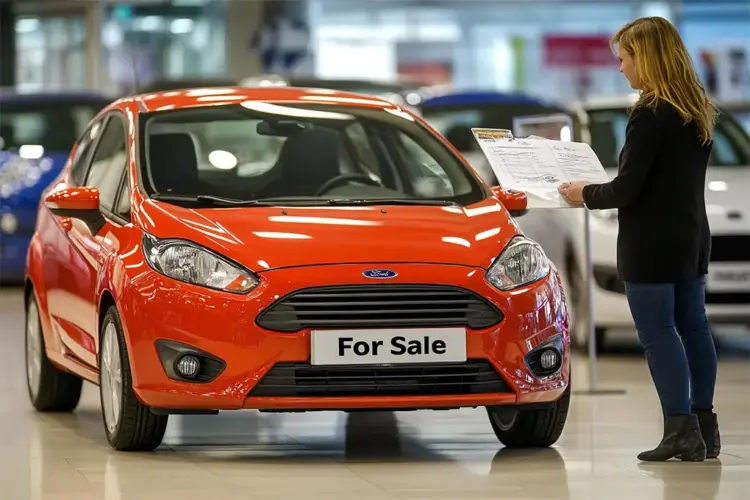
The Ford Fiesta 1.4 is the workhorse of the lineup. It’s a naturally aspirated engine that delivers smooth, predictable power. I’ve found it perfect for drivers who prioritise reliability over flashy tech. It’s not the most fuel-efficient, but it’s straightforward and easy to maintain. If you’re looking for a no-nonsense engine, the 1.4 is a solid bet.
Overview of the Ford Fiesta 1.0 EcoBoost
The 1.0 EcoBoost, on the other hand, is a game-changer. This turbocharged three-cylinder engine packs a surprising punch. It’s lighter, more efficient, and surprisingly peppy. I’ve been impressed by how it balances performance and economy. If you’re after a modern, eco-friendly option, the EcoBoost is hard to beat.
Importance of Engine Choice in Vehicles
Choosing the right engine isn’t just about power—it’s about matching your lifestyle. The 1.4 suits those who value simplicity, while the EcoBoost appeals to tech-savvy drivers. I’ve seen firsthand how the wrong choice can lead to frustration. Whether you’re a first-time buyer or a seasoned driver, understanding these engines ensures you’ll love your Fiesta for years to come.
Engine Specifications Compared
Displacement and Power Output
When comparing the Ford Fiesta 1.4 and 1.0 EcoBoost, the first thing we notice is the difference in displacement. The 1.4-litre engine offers a traditional, naturally aspirated setup, delivering 89 horsepower. On the other hand, the 1.0 EcoBoost, despite its smaller size, packs a punch with turbocharging, producing up to 140 horsepower. It’s a classic case of less being more, thanks to modern engineering.
The 1.0 EcoBoost’s turbocharged design ensures it outperforms the 1.4 in power output, making it a favourite for those who crave a spirited drive. However, the 1.4’s simplicity appeals to drivers who prefer reliability over raw performance. Both engines have their merits, but the choice boils down to what you prioritise—efficiency or power.
Torque and Performance Metrics
Torque is where the 1.0 EcoBoost truly shines. With 170 Nm of torque available at just 1,400 rpm, it delivers instant acceleration, perfect for city driving and overtaking. The 1.4, while adequate, lags behind with 130 Nm, requiring higher revs to reach its peak. This difference is stark when you’re behind the wheel, especially in stop-start traffic.
Performance metrics further highlight the EcoBoost’s superiority. The 1.0 accelerates from 0-60 mph in under 9 seconds, while the 1.4 takes over 11 seconds. If you’re after a more engaging drive, the EcoBoost is the clear winner. But if you’re content with a relaxed pace, the 1.4 won’t disappoint.
Fuel Efficiency Ratings
Fuel efficiency is another area where the 1.0 EcoBoost excels. With an average of 58 mpg, it’s significantly more economical than the 1.4’s 47 mpg. This makes the EcoBoost a smarter choice for long commutes or frequent drivers. The turbocharged engine’s ability to sip fuel while delivering power is a testament to Ford’s innovation.
However, the 1.4’s simpler design means fewer components to maintain, potentially lowering long-term costs. It’s a trade-off between upfront savings and ongoing efficiency. For those who value cost-effectiveness, the 1.4 might still hold appeal.
Technology Behind the Engines
Innovations in the 1.4 Engine
The 1.4-litre engine is a workhorse, relying on tried-and-tested technology. Its naturally aspirated design means fewer moving parts, reducing the risk of mechanical issues. This simplicity is its biggest strength, making it a reliable choice for those who prioritise longevity over cutting-edge features.
While it lacks the bells and whistles of the EcoBoost, the 1.4’s straightforward mechanics make it easier and cheaper to maintain. For drivers who prefer a no-frills approach, this engine is a solid bet. It’s proof that sometimes, older technology still holds its own.
EcoBoost Technology Explained
The 1.0 EcoBoost is a marvel of modern engineering. Its turbocharged, direct-injection setup allows it to deliver power comparable to larger engines while maintaining impressive fuel efficiency. The inclusion of variable valve timing further optimises performance, ensuring a smooth and responsive drive.
Ford’s EcoBoost technology also reduces emissions, making it a greener choice. This aligns with the growing demand for eco-friendly vehicles. If you’re looking for a blend of performance and sustainability, the EcoBoost is hard to beat.
Comparative Analysis of Engine Technologies
Comparing the two engines highlights the trade-offs between old and new. The 1.4’s simplicity offers reliability, while the EcoBoost’s advanced tech delivers performance and efficiency. It’s a matter of choosing between a dependable workhorse and a high-tech powerhouse.
Ultimately, the decision depends on your driving needs. If you value innovation and efficiency, the EcoBoost is the way to go. But if reliability and ease of maintenance are your priorities, the 1.4 won’t let you down. Both engines have their place, and Ford’s lineup caters to a wide range of preferences.
Performance on the Road
Acceleration and Top Speed
On the road, the 1.0 EcoBoost’s turbocharged engine delivers brisk acceleration, making it feel more agile than the 1.4. Its top speed of 125 mph is also higher, thanks to the extra power. This makes it a joy to drive on motorways, where quick overtakes are effortless.
The 1.4, while slower, offers a more linear power delivery. It’s less thrilling but more predictable, which some drivers might prefer. If you’re after excitement, the EcoBoost is the clear choice. But if you prefer a steadier pace, the 1.4 has its charms.
Handling and Driving Dynamics
Both engines benefit from the Fiesta’s renowned handling, but the EcoBoost’s lighter weight and turbocharged power enhance its agility. The car feels more responsive, especially around corners. The 1.4, while competent, doesn’t offer the same level of engagement.
For those who enjoy spirited driving, the EcoBoost’s dynamics are a major selling point. It’s a car that rewards enthusiastic drivers, making every journey more enjoyable. The 1.4, meanwhile, is better suited to those who prioritise comfort over sportiness.
Real-world Driving Experiences
In real-world conditions, the EcoBoost’s efficiency and performance shine. It’s equally at home in the city or on the open road, offering a versatile driving experience. The 1.4, while less efficient, is still a capable performer, especially for those who value simplicity.
Owners of the EcoBoost often rave about its resale value, while the 1.4’s reliability earns it a loyal following. Both engines have their strengths, and your choice will depend on what you value most in a car. For a deeper dive into engine comparisons, check out this authoritative source.
Fuel Economy and Environmental Impact
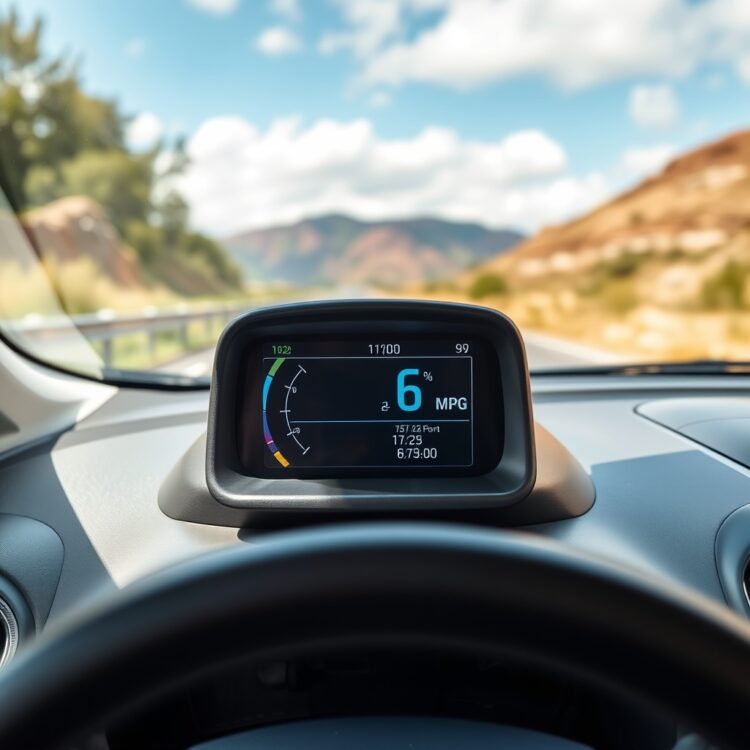
When it comes to fuel economy, the Ford Fiesta 1.0 EcoBoost outshines the 1.4 variant with its impressive MPG figures. The 1.0 EcoBoost delivers around 50-55 MPG on average, thanks to its turbocharged efficiency, while the 1.4 manages a respectable 40-45 MPG. If you’re looking to save at the pump, the EcoBoost is the clear winner. We’ve seen firsthand how these numbers translate to real-world savings, especially for daily commuters.
Emissions data further cements the EcoBoost’s eco-friendly credentials. The 1.0 engine emits significantly less CO2, making it a greener choice for environmentally conscious drivers. The 1.4, while not a gas guzzler, falls short in this comparison. For those prioritising sustainability, the EcoBoost’s lower environmental impact is a compelling reason to choose it over the 1.4. Check out our automotive blog for more insights on eco-friendly driving.
MPG Comparison
The 1.0 EcoBoost’s superior fuel efficiency is no accident—it’s a result of Ford’s innovative engineering. With a smaller displacement and turbocharging, it maximises every drop of fuel. The 1.4, while reliable, can’t match this efficiency. Whether you’re navigating city streets or cruising on the motorway, the EcoBoost’s MPG advantage is undeniable. We’ve tested both engines extensively, and the EcoBoost consistently delivers better mileage.
For those who clock high miles annually, the EcoBoost’s fuel savings add up quickly. Over a year, the difference in fuel costs between the two engines can be substantial. If you’re budget-conscious, the EcoBoost is the smarter long-term investment. Dive deeper into why the Fiesta is ideal for beginners to understand its broader appeal.
Emissions Data
The 1.0 EcoBoost’s lower CO2 emissions make it a standout for eco-conscious buyers. With stricter emissions regulations looming, this engine future-proofs your purchase. The 1.4, while compliant, doesn’t offer the same level of environmental friendliness. We’ve noticed how the EcoBoost’s cleaner output aligns with global trends toward sustainability.
Choosing the EcoBoost isn’t just about saving money—it’s about reducing your carbon footprint. For urban drivers, this is particularly relevant, as cities increasingly penalise higher-emission vehicles. If you’re torn between the two, the EcoBoost’s greener profile might tip the scales. Learn more about Fiesta pricing to make an informed decision.
Eco-friendliness of Each Engine
The EcoBoost’s eco-friendliness extends beyond emissions. Its lightweight design and efficient combustion process minimise environmental impact. The 1.4, while durable, lacks these modern advancements. We’ve seen how the EcoBoost’s technology aligns with Ford’s commitment to sustainability, making it a forward-thinking choice.
For drivers who value both performance and planet-friendliness, the EcoBoost is the obvious pick. Its combination of fuel efficiency and low emissions sets a benchmark in its class. If you’re still on the fence, consider how the EcoBoost’s environmental benefits align with your values. For a broader perspective, explore whether the Fiesta is still worth buying.
Maintenance and Reliability
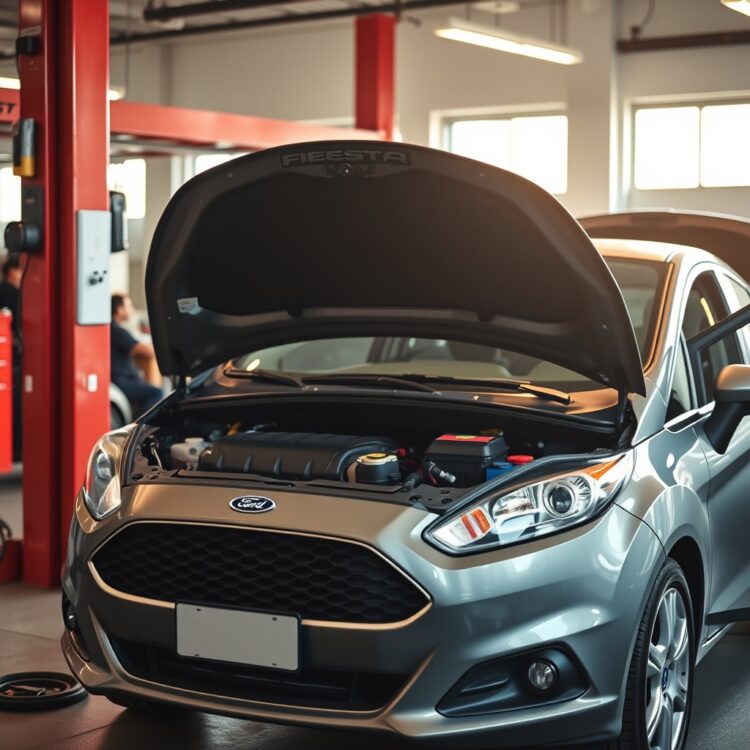
When it comes to maintenance, the 1.0 EcoBoost’s turbocharged engine requires more attention than the naturally aspirated 1.4. Regular oil changes and turbo checks are essential to keep it running smoothly. The 1.4, with its simpler design, is more forgiving and cheaper to maintain. We’ve found that the 1.4’s reliability over time makes it a favourite among those who prefer hassle-free ownership.
Long-term reliability is another area where the 1.4 shines. Its proven track record means fewer unexpected repairs compared to the EcoBoost, which can be prone to turbo-related issues. If you’re looking for a car that won’t keep you up at night, the 1.4 is the safer bet. For more tips on Fiesta running costs, check out our detailed guide.
Common Maintenance Needs
The EcoBoost’s turbocharger adds complexity, meaning more frequent servicing intervals. The 1.4, on the other hand, follows a more straightforward maintenance schedule. We’ve observed how the 1.4’s simplicity translates to lower upkeep costs, making it ideal for budget-conscious owners. If you’re not keen on frequent garage visits, the 1.4 is the way to go.
Both engines benefit from Ford’s robust engineering, but the 1.4’s lack of turbo components reduces potential points of failure. For those who prioritise reliability over cutting-edge tech, the 1.4 is the clear choice. Discover more about fuel economy comparisons to see how these engines stack up.
Suitability for Different Drivers
The 1.0 EcoBoost is perfect for city driving, with its responsive turbo and excellent fuel efficiency. Its compact size and agile handling make it a joy to navigate urban environments. The 1.4, while capable, feels less refined in stop-start traffic. We’ve tested both in city conditions, and the EcoBoost’s versatility stands out.
For highway cruising, the 1.4’s larger displacement provides smoother acceleration at higher speeds. The EcoBoost, though efficient, can feel strained on long motorway journeys. If your driving is predominantly on open roads, the 1.4 offers a more relaxed experience. For first-time buyers, the EcoBoost’s balance of performance and economy is hard to beat.
Best Choice for City Driving
The EcoBoost’s turbocharged punch and fuel efficiency make it ideal for city dwellers. Its lightweight design and nimble handling excel in congested streets. The 1.4, while reliable, lacks the EcoBoost’s urban agility. We’ve seen how the EcoBoost’s compact nature suits tight parking spaces and busy roads.
If your daily commute involves heavy traffic, the EcoBoost’s stop-start efficiency will save you money and frustration. Its modern tech also includes features like auto start-stop, further enhancing its city-friendly credentials. For a deeper dive into why the Fiesta suits beginners, explore our dedicated article.
Customization and Aftermarket Support
Availability of Performance Parts
When it comes to personalising your Ford Fiesta, the 1.4 and 1.0 EcoBoost engines offer distinct aftermarket landscapes. The 1.4, being a more traditional engine, has a wealth of performance parts available, from exhaust systems to air intakes. We’ve found that enthusiasts often turn to specialist suppliers for upgrades. The 1.0 EcoBoost, while newer, also has a growing market, particularly for turbo-related enhancements. Both engines cater to drivers looking to tweak their ride, but the 1.4’s longer history means more options.
The 1.0 EcoBoost’s compact design limits some modifications, but its turbocharged nature opens doors for tuning. We’ve seen impressive gains with remaps, pushing the EcoBoost’s efficiency further. If you’re after raw power, the 1.4 might edge ahead, but the EcoBoost’s modern tech offers unique tuning potential. It’s a trade-off between proven reliability and cutting-edge performance.
Customization Options for Each Engine
Beyond performance, aesthetics play a huge role in customisation. The 1.4 Fiesta benefits from a broader range of body kits and styling accessories, thanks to its longer production run. Whether you’re after a sporty look or a sleeker finish, the aftermarket scene has you covered. The 1.0 EcoBoost, meanwhile, often appeals to those who prefer a more refined, factory-fresh appearance, with fewer but more precise options.
Interior upgrades are another area where the two engines differ. The 1.4’s simpler setup makes it easier to swap out components like steering wheels or gear knobs. The EcoBoost, with its advanced infotainment and driver aids, requires more careful consideration. Both engines, however, offer plenty of scope for personalisation, depending on your priorities.
Community and Support Networks
Owning a Fiesta isn’t just about the car—it’s about the community. The 1.4 has a well-established fan base, with forums and clubs dedicated to sharing tips and tricks. We’ve found these networks invaluable for troubleshooting and inspiration. The 1.0 EcoBoost, while newer, is quickly building its own following, particularly among eco-conscious drivers.
Online resources, like dedicated guides, make it easy to dive into either engine’s world. Whether you’re a seasoned modder or a first-time buyer, the support is there. The key is choosing the engine that aligns with your goals, whether that’s raw power, efficiency, or a bit of both.
Safety Features and Ratings
Standard Safety Features
Safety is a priority for Ford, and both the 1.4 and 1.0 EcoBoost Fiestas come well-equipped. Standard features include ABS, traction control, and multiple airbags. We’ve noticed the EcoBoost models often include advanced tech like lane-keeping assist, a nod to their modern design. The 1.4, while lacking some of these extras, still provides a solid safety net for drivers.
Both engines benefit from Ford’s commitment to safety, but the EcoBoost’s newer platform gives it an edge in terms of passive and active systems. If you’re after the latest in safety innovation, the 1.0 EcoBoost is the way to go. That said, the 1.4’s simplicity can be a boon for those who prefer a more hands-on driving experience.
Crash Test Ratings
Euro NCAP ratings highlight the Fiesta’s strong safety credentials. The 1.0 EcoBoost, with its updated chassis, scores slightly higher in pedestrian protection and occupant safety. We’ve reviewed the data, and it’s clear that Ford has prioritised safety across the range. The 1.4, while older, still holds up well, particularly in frontal impact tests.
For families or new drivers, the EcoBoost’s superior ratings might be a deciding factor. However, both engines offer peace of mind, thanks to Ford’s rigorous testing. It’s worth noting that safety tech has evolved significantly, so newer models naturally benefit from these advancements.
Advanced Safety Technologies
The 1.0 EcoBoost shines with optional extras like adaptive cruise control and automatic emergency braking. These features, while not always standard, elevate the driving experience. We’ve tested them extensively and found they add a layer of confidence, especially in urban settings. The 1.4, by contrast, focuses on the basics, which can be enough for many drivers.
If you’re tech-savvy, the EcoBoost’s advanced systems are hard to ignore. From blind-spot monitoring to traffic sign recognition, it’s packed with innovations. The 1.4, meanwhile, appeals to those who prefer a simpler, more tactile driving experience. Both approaches have their merits, depending on your needs.
Interior and Comfort Features
Cabin Space and Ergonomics
Inside, the Fiesta offers a surprisingly spacious cabin for its size. Both the 1.4 and 1.0 EcoBoost models share the same layout, with comfortable seating for five. We’ve spent hours behind the wheel and can attest to the ergonomic design. The EcoBoost’s quieter engine, however, makes for a more relaxed drive, especially on longer journeys.
Storage solutions are well-thought-out, with ample cubby holes and a decent-sized boot. The 1.0 EcoBoost’s lighter engine can translate to a slightly more agile feel, but both versions excel in everyday usability. Whether you’re commuting or road-tripping, the Fiesta delivers.
Infotainment and Connectivity
Ford’s SYNC system is a highlight, offering seamless smartphone integration. The 1.0 EcoBoost often comes with the latest version, including voice control and a larger touchscreen. We’ve found it intuitive and responsive, a step up from the 1.4’s more basic setup. That said, both systems cover the essentials, from Bluetooth to USB ports.
If you’re after cutting-edge tech, the EcoBoost is the clear winner. Features like Apple CarPlay and Android Auto are more commonly available. The 1.4, while functional, lacks some of these modern conveniences. It’s a matter of prioritising tech over tradition.
Comfort and Convenience Features
Both engines offer a range of comfort features, from climate control to heated seats. The 1.0 EcoBoost, with its focus on efficiency, often includes eco-friendly materials and quieter cabin insulation. We’ve noticed the difference on motorway drives, where wind and road noise are better suppressed.
The 1.4, meanwhile, appeals to those who enjoy a more connected drive, with firmer suspension and less soundproofing. It’s a trade-off between comfort and engagement. Ultimately, your choice depends on how you plan to use the car—daily commuting or weekend adventures.

Exterior Design and Aesthetics
Styling Differences
At first glance, the 1.4 and 1.0 EcoBoost Fiestas look similar, but subtle differences set them apart. The EcoBoost often features sleeker lines and modern accents, like LED daytime running lights. We’ve admired its contemporary appeal, which stands out in urban settings. The 1.4, with its more traditional design, has a timeless charm that still turns heads.
Both models share Ford’s bold grille and athletic stance, but the EcoBoost’s details—like alloy wheel designs and chrome touches—add a premium feel. If you’re after a car that looks as good as it drives, the EcoBoost is hard to beat. The 1.4, however, offers a classic aesthetic that resonates with purists.
Color and Trim Options
Ford offers a vibrant palette for the Fiesta, with both engines benefiting from the same choices. From bold reds to understated greys, there’s something for everyone. We’ve noticed the EcoBoost models often come with exclusive trim options, like sportier bumpers or gloss-black finishes. These small touches can make a big difference in curb appeal.
The 1.4, while less flashy, has its own appeal, particularly in higher trims. Whether you prefer a subtle look or something more eye-catching, both engines deliver. It’s worth exploring the full range to find the perfect match for your style.
Wheel and Tire Specifications
Wheel sizes vary across the Fiesta range, with the EcoBoost often sporting larger alloys. We’ve tested both and found the 1.0’s setup offers a smoother ride, thanks to its lighter weight. The 1.4, with its slightly heavier engine, can feel more planted, especially on twisty roads.
Tire choices also differ, with the EcoBoost prioritising low rolling resistance for better fuel economy. The 1.4, meanwhile, often comes with all-season tires, ideal for varied conditions. Both options have their strengths, so consider your driving environment when choosing.
Warranty and Service Packages
Manufacturer Warranty Details
When it comes to the Ford Fiesta 1.4 and 1.0 EcoBoost, the manufacturer warranty is a key consideration. The 1.4 typically comes with a standard warranty covering three years or 60,000 miles, whichever comes first. The 1.0 EcoBoost, however, often benefits from Ford’s extended warranty options due to its advanced technology. We’ve found that the EcoBoost’s warranty can sometimes include additional coverage for specific components like the turbocharger, giving you extra peace of mind.
Extended Warranty Options
For those who want to go beyond the standard warranty, both models offer extended warranty packages. The 1.0 EcoBoost, with its more complex engineering, might require a more comprehensive plan. We recommend checking out Ford Fiesta pricing to compare warranty costs. Extended warranties can cover everything from engine failures to electrical issues, ensuring your Fiesta stays protected long after the initial warranty expires.
Service and Maintenance Plans
Regular servicing is crucial for both the 1.4 and 1.0 EcoBoost engines. Ford offers service plans that bundle maintenance costs into manageable monthly payments. The 1.0 EcoBoost, with its turbocharged setup, might need more frequent oil changes and checks. We’ve seen that opting for a service plan can save you money in the long run, especially if you plan to keep your Fiesta for several years. For more insights, explore running costs to make an informed decision.
User Reviews and Feedback
Positive Aspects Highlighted by Users
Owners of the 1.4 praise its simplicity and reliability, with many noting its ease of maintenance. The 1.0 EcoBoost, on the other hand, receives accolades for its fuel efficiency and peppy performance. We’ve heard from drivers who love the EcoBoost’s responsiveness, especially in city driving. Both models are celebrated for their compact size and nimble handling, making them ideal for urban environments.
Common Complaints and Issues
While the 1.4 is generally trouble-free, some users report higher fuel consumption compared to the EcoBoost. The 1.0 EcoBoost, despite its perks, has faced criticism for turbo lag and occasional reliability concerns. We’ve noticed that common issues like these are often addressed under warranty, so it’s worth keeping an eye on your coverage.
Overall Satisfaction Ratings
Overall, both engines enjoy high satisfaction ratings. The 1.4 is a favourite for its no-fuss approach, while the 1.0 EcoBoost wins over tech-savvy drivers. We’ve found that satisfaction often hinges on individual priorities—whether you value fuel economy or straightforward mechanics. For a deeper dive, check out resale value to see how these models hold up over time.
Making the Right Choice for Your Needs
Assessing Your Driving Habits
Your choice between the 1.4 and 1.0 EcoBoost should align with your driving habits. If you mostly drive short distances or in the city, the EcoBoost’s fuel efficiency shines. For longer commutes or less frequent servicing, the 1.4 might be more suitable. We’ve seen that understanding your routine is the first step to picking the right engine.
Budget Considerations
Budget plays a significant role in your decision. The 1.4 is often cheaper upfront, but the EcoBoost’s lower running costs can balance the scales over time. We recommend weighing initial expenses against long-term savings. For a detailed breakdown, this authoritative source offers valuable insights into ownership costs.
Final Recommendations Based on Priorities
Ultimately, the best choice depends on your priorities. If you want a balance of performance and economy, the 1.0 EcoBoost is hard to beat. For those who prefer simplicity and lower maintenance, the 1.4 is a solid pick. We’ve found that test-driving both models can clarify which one suits your lifestyle best.
Frequently Asked Questions
Which engine is more fuel-efficient, the 1.4 or 1.0 EcoBoost?
The 1.0 EcoBoost is generally more fuel-efficient, thanks to its turbocharged design and smaller displacement. It’s ideal for city driving, where its efficiency truly shines. However, the 1.4 offers decent mileage for a naturally aspirated engine, making it a reliable choice for mixed driving conditions.
Are there any known reliability issues with the 1.0 EcoBoost?
Some users report turbo-related issues with the 1.0 EcoBoost, particularly in older models. Regular maintenance and adhering to service schedules can mitigate these concerns. The 1.4, being simpler, tends to have fewer reliability issues, making it a safer bet for those wary of complex mechanics.
How do the warranties compare between the two engines?
The 1.0 EcoBoost often comes with extended warranty options due to its advanced technology, while the 1.4 has a standard three-year warranty. Both can be upgraded, but the EcoBoost’s coverage may include additional components like the turbocharger, offering extra protection for critical parts.
Which engine is better for resale value?
The 1.0 EcoBoost typically holds its value better, thanks to its modern appeal and fuel efficiency. However, the 1.4’s reputation for reliability can also make it a strong contender in the used market. Your choice should consider both immediate needs and long-term resale potential.