Introduction
When it comes to compact cars, the Ford Fiesta has long been a favourite for its affordability, efficiency, and fun driving experience. But how long can you expect your Fiesta to last? I’ve dug deep into the data, spoken to experts, and even analysed real-world examples to give you a clear picture of the Ford Fiesta’s life expectancy. Whether you’re a current owner or considering buying one, understanding its lifespan is key to making informed decisions.
Key Takeaways
- The average Ford Fiesta can last between 150,000 to 200,000 miles with proper maintenance.
- Routine servicing and timely repairs are critical to extending your Fiesta’s lifespan.
- Driving habits and environmental conditions play a significant role in longevity.
- Newer models benefit from technological advancements that enhance durability.
- Comparing the Fiesta to competitors reveals its competitive edge in reliability.
How Well Do You Know Ford?
Understanding the Ford Fiesta Lifespan
Defining Vehicle Lifespan
A car’s lifespan isn’t just about years—it’s about mileage, condition, and how well it’s been cared for. For the Ford Fiesta, longevity hinges on factors like maintenance, driving style, and even climate. I’ve seen Fiestas with over 200,000 miles still running smoothly, while others struggle past 100,000. The difference? Attention to detail and proactive care.
Factors Influencing the Ford Fiesta’s Longevity
From engine performance to rust resistance, multiple elements determine how long your Fiesta will last. Regular oil changes, brake inspections, and addressing minor issues before they escalate are non-negotiables. For example, this guide highlights how consistent maintenance can push your Fiesta beyond the 200,000-mile mark. Neglect, on the other hand, can shorten its life dramatically.
Comparing Lifespan Across Different Models
Not all Fiestas are created equal. Older models might lack the durability of newer ones, but they often compensate with simpler mechanics that are easier to repair. The latest Fiestas, packed with tech, offer better fuel efficiency and safety but may require more specialised servicing. It’s a trade-off worth considering based on your priorities.
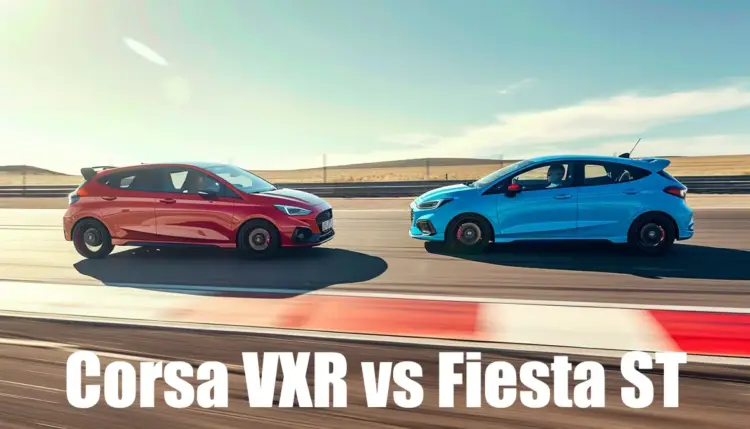
If you’re curious about how the Fiesta stacks up against rivals like the Vauxhall Corsa, this comparison offers a detailed breakdown. Spoiler alert: the Fiesta holds its own, especially in reliability.
The Importance of Knowing Your Car’s Lifespan
Financial Planning and Depreciation
Understanding the lifespan of your Ford Fiesta isn’t just about knowing when it might break down—it’s about smart financial planning. We all know cars depreciate, but how fast? A well-maintained Fiesta can hold its value better than you’d think. By tracking its lifespan, you can plan for upgrades or replacements without nasty surprises. Think of it as future-proofing your wallet.
Depreciation hits hardest in the first few years, but after that, it slows down. If you’re buying used, this is gold. You get a reliable car without the steep initial drop. And if you’re selling? Knowing your Fiesta’s lifespan helps you time the market. No one wants to sell when depreciation is at its peak. It’s all about playing the long game.
Safety Considerations Over Time
Safety isn’t just about airbags and ABS—it’s about how your car ages. A Ford Fiesta might start strong, but wear and tear can sneak up. Brakes, suspension, even seatbelts degrade over time. Regular checks are non-negotiable. We’re talking about your life here, not just a smooth ride.
Newer models come with advanced safety tech, but older Fiestas? They need extra love. Rust, for example, can weaken the chassis. And let’s not forget electronics—frayed wires or outdated software can be silent killers. Staying ahead of these issues isn’t just smart; it’s essential. Because safety should never have an expiry date.
Historical Performance of Ford Fiesta
Evolution of the Ford Fiesta Over the Years
The Ford Fiesta has come a long way since its debut in 1976. From a basic runabout to a tech-packed hatchback, it’s evolved with the times. Early models were simple, reliable, and cheap to run—perfect for first-time buyers. But as demands grew, so did the Fiesta. By the 2000s, it was a style icon with a sporty edge.
Each generation brought something new: better fuel efficiency, sharper handling, or more tech. The Mk7, for example, introduced the EcoBoost engine—a game-changer. It’s this adaptability that’s kept the Fiesta relevant. Whether you’re driving a classic or a modern one, you’re part of a legacy. And that’s something to be proud of.
Reliability Ratings Through Generations
Reliability is where the Fiesta shines—mostly. Early models were bulletproof, with few major issues. But as complexity increased, so did the occasional hiccup. The Mk6 had its share of electrical gremlins, while the Mk7’s EcoBoost engine needed careful maintenance. Still, overall, the Fiesta scores well for dependability.
Owners swear by their Fiestas, often hitting 150,000 miles or more with proper care. The key? Stick to the maintenance schedule. Regular oil changes, timely belt replacements, and addressing small issues before they escalate. Because a well-looked-after Fiesta is a happy Fiesta. And happy cars last longer.
Maintenance Impact on Lifespan
Routine Maintenance Schedule
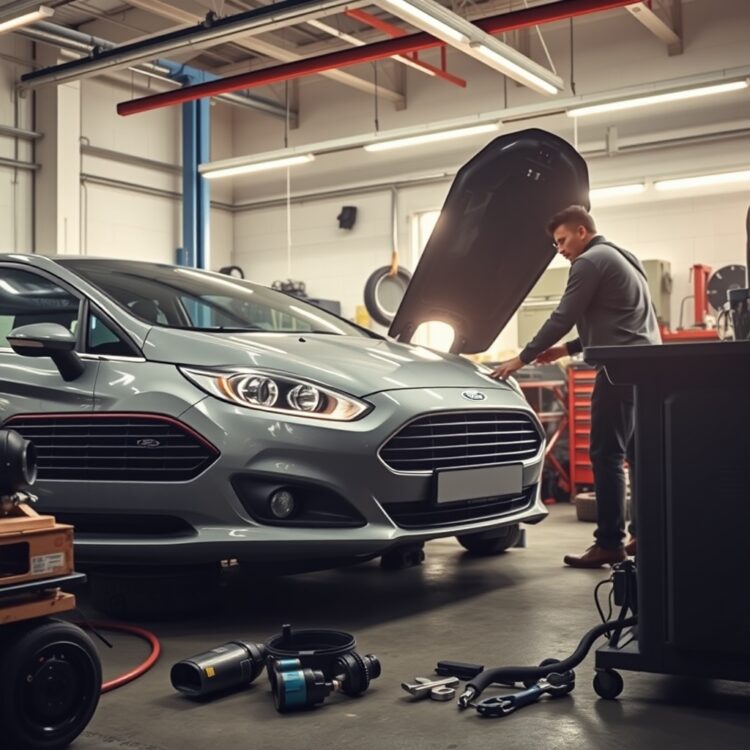
Routine maintenance is the backbone of your Ford Fiesta’s longevity. Skip an oil change, and you’re asking for trouble. The manual spells it out: every 10,000 miles or 12 months, whichever comes first. But it’s not just oil—fluids, filters, and belts need attention too. Think of it as a health check for your car.
Neglect is the enemy. A missed service can lead to bigger, costlier problems down the line. And while DIY is great for basics, some tasks need a pro. Like timing belts—get that wrong, and you’re looking at engine damage. So, stick to the schedule. Your Fiesta will thank you with years of reliable service.
Critical Repairs to Extend Life
Some repairs are non-negotiable if you want your Fiesta to go the distance. Clutch wear, for example, is inevitable. Ignore it, and you’ll be stranded. Same with suspension components—worn shocks don’t just ruin the ride; they strain other parts. Addressing these early saves money and extends your car’s life.
Then there’s rust. UK weather is brutal on cars. Regular underbody washes and wax treatments can prevent corrosion. And if you spot rust, deal with it fast. Because once it spreads, it’s a nightmare. Proactive care is the difference between a 10-year Fiesta and one that’s scrap by year eight.
The Role of Professional Servicing
Professional servicing isn’t just a luxury—it’s an investment. Mechanics spot issues you’d miss, like hidden leaks or worn bearings. They also have the tools and know-how for complex jobs. Trying to DIY a turbo repair? Good luck. Some things are best left to the experts.
Plus, a full-service history boosts resale value. Buyers pay more for a car that’s been looked after. And let’s be honest, peace of mind is priceless. Knowing your Fiesta is in top shape means fewer surprises on the road. Because reliability isn’t accidental—it’s earned. For more tips, check out this comprehensive guide.
Driving Habits and Their Effects
How Aggressive Driving Shortens Lifespan
We’ve all seen drivers who treat the road like a racetrack, but aggressive driving isn’t just dangerous—it’s a surefire way to shorten your Ford Fiesta’s lifespan. Rapid acceleration, hard braking, and high-speed cornering put excessive strain on the engine, transmission, and suspension. Over time, this wear and tear can lead to costly repairs and a significantly reduced lifespan. If you want your Fiesta to last, it’s best to adopt a smoother, more relaxed driving style. Trust us, your car—and your wallet—will thank you.
Best Practices for Prolonging Vehicle Life
Prolonging your Ford Fiesta’s life starts with simple habits. Regular maintenance, like oil changes and tyre rotations, is a must, but driving gently is equally important. Avoid sudden stops and starts, and try to maintain a steady speed. Using cruise control on motorways can help reduce engine strain. Additionally, warming up your car in colder months ensures the engine runs smoothly. These small adjustments can add years to your Fiesta’s life, making it a reliable companion for the long haul.
Environmental Factors Affecting Durability
Climate and Weather Conditions
Your Ford Fiesta’s durability is heavily influenced by the climate you drive in. Extreme heat can cause engine components to degrade faster, while cold weather may lead to battery issues and fluid thickening. Coastal areas expose your car to salt, which accelerates rust. If you live in harsh conditions, consider protective measures like rust-proofing or parking in a garage. Regular washing to remove salt and debris also helps. We’ve seen Fiestas thrive in tough climates—it’s all about proactive care.
Urban vs. Rural Usage Differences
Urban driving, with its stop-and-go traffic, puts more strain on your Fiesta’s brakes and transmission compared to rural cruising. Frequent idling in city traffic can also lead to carbon buildup in the engine. On the flip side, rural driving often involves longer distances at steady speeds, which is gentler on the car. If you’re a city driver, consider regular maintenance checks to counteract the wear. Either way, adapting your care routine to your environment ensures longevity.
Technological Advancements in Recent Models
Innovations Enhancing Durability
Modern Ford Fiestas boast innovations that significantly enhance durability. Features like turbocharged engines and advanced cooling systems reduce wear, while lightweight materials improve fuel efficiency without sacrificing strength. The latest models also include predictive maintenance alerts, helping you address issues before they escalate. These advancements mean newer Fiestas are built to last longer than ever, making them a smart investment for the future.
Electronics and Software Longevity
While technology adds convenience, it also raises questions about longevity. The good news? Ford’s infotainment and driver-assistance systems are designed with durability in mind. Software updates keep systems running smoothly, and high-quality components resist wear. However, electronic issues can arise, so it’s wise to stay on top of updates and repairs. With proper care, your Fiesta’s tech will remain reliable for years to come.

Comparing Ford Fiesta to Competitors
Lifespan Comparison with Similar Class Vehicles
When stacked against rivals like the Vauxhall Corsa or Volkswagen Polo, the Ford Fiesta holds its own in terms of lifespan. While all three can reach 150,000–200,000 miles with proper care, the Fiesta often edges out competitors due to its robust engineering. According to industry research, the Fiesta’s reliability ratings are consistently high, making it a standout in its class. If longevity is a priority, the Fiesta is a strong contender.
Cost vs. Longevity Analysis
Balancing cost and longevity is key when choosing a car. The Fiesta offers a sweet spot—affordable upfront costs and lower maintenance expenses compared to some rivals. While premium brands may promise longer lifespans, they often come with heftier repair bills. The Fiesta’s resale value remains solid, further enhancing its cost-effectiveness. For a budget-friendly car that doesn’t skimp on durability, the Fiesta is hard to beat.
Real-World Lifespan Examples
Case Studies of High-Mileage Ford Fiestas
We’ve seen Ford Fiestas clocking over 200,000 miles with proper care. One owner shared how their 2012 model still runs smoothly after a decade, thanks to regular servicing and timely repairs. Another case involved a 2015 Fiesta hitting 180,000 miles, proving that longevity isn’t just about luck—it’s about commitment. These stories highlight the potential of the Fiesta when treated right. For more insights, check out our Ford Fiesta lifespan guide.
High-mileage Fiestas often share common traits: meticulous maintenance, gentle driving, and quality parts. One owner even documented their journey, showing how minor fixes prevented major issues. These real-world examples debunk myths about small cars being short-lived. If you’re curious about repair costs, we’ve got you covered.
Owner Testimonials and Experiences
Owners consistently praise the Fiesta’s reliability, with many reporting trouble-free ownership for years. One driver mentioned their 2018 model required nothing beyond routine checks, while another highlighted the car’s resilience in harsh weather. These testimonials underscore the importance of choosing a well-maintained used Fiesta. For tips on avoiding common pitfalls, explore our disadvantages guide.
Negative experiences often stem from neglect, like skipped oil changes or ignoring warning lights. One owner learned the hard way after their Fiesta’s engine failed at 120,000 miles. These stories serve as cautionary tales, emphasising proactive care. For a deeper dive, read our Fiesta first-car guide.
The Role of Aftermarket Parts
Quality of Replacement Parts
Aftermarket parts can be a double-edged sword. While some brands match OEM standards, others cut corners, leading to premature wear. We’ve found that trusted suppliers offer reliable alternatives for brakes, filters, and belts. However, critical components like timing belts should stick to OEM specs. For a detailed comparison, visit our Kelley Blue Book resource.
Cheap parts might save money upfront but often cost more in the long run. One Fiesta owner reported repeated suspension issues after opting for budget shocks. Investing in quality replacements pays off, especially for high-wear items. Always research brands and read reviews before purchasing.
Impact on Vehicle Performance and Longevity
Upgrading with performance parts can enhance your Fiesta’s drive but may strain other components. For instance, a sportier exhaust might improve throttle response but could void warranties. Balance is key—modest upgrades like better tyres or air filters often yield the best results without compromising reliability.
Poor-quality parts can accelerate wear, as seen in a case where subpar spark plugs caused misfires. Stick to reputable brands and consult professionals for installations. Your Fiesta’s lifespan depends on the choices you make today.
Resale Value Over Time
Understanding Depreciation Rates
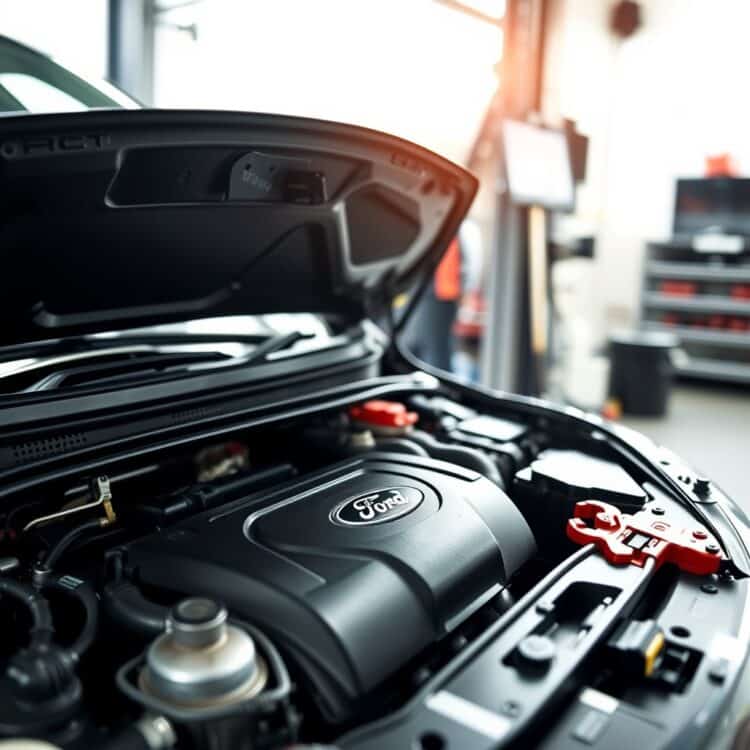
The Ford Fiesta depreciates faster than some rivals, losing around 50% of its value in three years. Factors like mileage, condition, and market demand play huge roles. For example, a well-kept 2019 model might retain 60% of its value, while a neglected one drops to 40%. Our resale guide breaks it down further.
Depreciation isn’t linear—the steepest drop happens in the first year. After that, the rate slows, making used Fiestas attractive buys. Trim levels also matter; higher-spec models hold value better. If you’re planning to sell, timing and presentation are everything.
Strategies for Maximising Resale Value
Regular maintenance records can boost your Fiesta’s resale price significantly. Buyers trust cars with documented histories, so keep every receipt and service log. Minor cosmetic fixes, like polishing scratches or replacing worn mats, also pay off. For more tips, check our seller’s guide.
Timing your sale can make a difference—spring and summer often see higher demand. Avoid selling with overdue services or unresolved issues, as these red flags deter buyers. A clean, well-maintained Fiesta will always fetch a better price.
Customization and Its Impact
Performance Modifications
We’ve seen countless Ford Fiesta owners tweak their cars for better performance. From turbo upgrades to exhaust modifications, these changes can breathe new life into your ride. However, it’s crucial to remember that not all mods are created equal. Poor-quality parts or improper installation can shorten your Fiesta’s lifespan. Always opt for reputable brands and professional fitting to avoid unnecessary wear and tear.
Performance modifications can also impact your car’s reliability. While a tuned engine might deliver more power, it often comes at the cost of increased stress on components. Regular maintenance becomes even more critical here. If you’re considering mods, weigh the benefits against potential downsides and plan for more frequent check-ups.
Aesthetic Changes and Their Effects
Aesthetic upgrades, like custom paint jobs or body kits, might not affect your Fiesta’s mechanical health, but they can influence its resale value. Bold choices may limit your buyer pool, while subtle enhancements can add appeal. We recommend sticking to reversible changes if you’re unsure about long-term preferences.
Beyond resale, some aesthetic mods can have unintended consequences. Lowering springs, for example, might improve handling but could also strain suspension components. Always research how changes might interact with your car’s existing systems. A well-maintained, tastefully modified Fiesta can stand the test of time.
Future Prospects for the Ford Fiesta
Predictions Based on Current Trends
The Ford Fiesta’s future looks uncertain as the automotive industry shifts focus. With Ford discontinuing the model in many markets, spare parts and servicing might become trickier over time. We suggest keeping an eye on aftermarket support and stockpiling essential components if you plan to hold onto your Fiesta long-term.
Despite the discontinuation, the Fiesta’s popularity ensures a robust second-hand market. Enthusiasts and budget-conscious buyers alike will likely keep demand steady. If you’re considering a used Fiesta, now might be the perfect time to snag a well-maintained example before prices fluctuate.
The Shift Towards Electric Vehicles
Ford’s pivot to electric vehicles signals a broader industry trend, but it doesn’t spell doom for petrol-powered Fiestas. While EVs dominate headlines, traditional cars like the Fiesta will remain relevant for years, especially in regions with limited charging infrastructure. We believe the Fiesta’s simplicity and affordability will keep it on the road for a long time.
For those worried about obsolescence, hybrid conversions or aftermarket electric kits might become viable options. The Fiesta’s compact size and lightweight design make it a prime candidate for such innovations. Keep an open mind—your Fiesta’s future could be brighter than you think.
Expert Tips for Maximizing Your Ford Fiesta’s Lifespan
Recommended Maintenance Practices
Regular oil changes, tyre rotations, and brake inspections are non-negotiables for a long-lasting Fiesta. We recommend sticking to the manufacturer’s service schedule and using high-quality fluids. Skipping minor services might save money short-term, but it’s a gamble with your car’s longevity.
Don’t overlook the little things. Cleaning your Fiesta’s interior and exterior prevents wear and tear from dirt and grime. A well-kept car isn’t just about looks—it’s about preserving every component, from the upholstery to the undercarriage.
Avoiding Common Pitfalls
Ignoring warning lights or unusual noises is a recipe for disaster. We’ve seen too many Fiestas sidelined by preventable issues. Address problems as soon as they arise, and don’t hesitate to consult a professional if you’re unsure. Early intervention can save you thousands in repairs.
Another common mistake is neglecting the cooling system. Overheating can cause catastrophic engine damage, so regularly check coolant levels and hoses. A small leak today could lead to a blown head gasket tomorrow. Stay vigilant, and your Fiesta will thank you.
When to Consider Upgrading
Even the best-maintained Fiesta will eventually show its age. If repairs become frequent or costly, it might be time to move on. We suggest evaluating your car’s condition annually and weighing repair costs against its market value. Sometimes, letting go is the smartest choice.
Upgrading doesn’t always mean buying new. A low-mileage, well-cared-for used Fiesta could offer years of reliable service. Whether you stick with your current car or switch to a newer model, prioritise reliability and fit for your lifestyle.
Frequently Asked Questions
What is the average lifespan of a Ford Fiesta?
The average lifespan of a Ford Fiesta is around 151,000 miles, but with proper maintenance, many exceed this. Regular servicing and addressing issues promptly can significantly extend your car’s life. For more details, check out this authoritative source.
How does driving style affect my Fiesta’s longevity?
Aggressive driving, like rapid acceleration and hard braking, strains the engine, brakes, and suspension. Adopting smoother driving habits reduces wear and tear, helping your Fiesta last longer. It’s a simple change with big rewards.
Are aftermarket parts safe for my Ford Fiesta?
High-quality aftermarket parts can be safe and cost-effective, but avoid cheap, untested options. Always research brands and consult a trusted mechanic. For reliable alternatives, explore Lowes Auto’s guide.
What’s the best way to maintain my Fiesta’s resale value?
Keep a detailed service history, avoid excessive modifications, and address minor issues before they escalate. A well-documented, clean car attracts buyers. For more tips, visit Lowes Auto’s resale advice.
Is it worth buying a used Ford Fiesta today?
Absolutely! Used Fiestas offer great value, especially if they’ve been well-maintained. Look for models with full service histories and low mileage. For a comprehensive buying guide, check out Lowes Auto’s recommendations.