Is Fiesta cheap to maintain?
When it comes to owning a car, the initial purchase price is just the beginning. The real question is: how much will it cost to keep it running smoothly? I’ve spent years diving into the nitty-gritty of car ownership, and today, I’m tackling the Ford Fiesta. Is it as budget-friendly to maintain as it is to buy? Let’s find out.
Key Takeaways
- The Ford Fiesta’s maintenance costs are generally lower than many competitors, making it a solid choice for budget-conscious drivers.
- Routine services like oil changes and tire rotations are affordable, but some repairs can add up if neglected.
- Fuel efficiency plays a big role in reducing long-term costs, and the Fiesta excels here.
- DIY maintenance can save you money, but know when to call in the professionals.
How Well Do You Know Ford?
Understanding the Ford Fiesta’s Maintenance Costs
Initial Purchase Price vs. Long-term Maintenance
The Ford Fiesta is often praised for its affordability upfront, but what about the long haul? I’ve found that its low initial cost is matched by reasonable maintenance expenses. Unlike some cars that lure you in with a cheap sticker price only to hit you with hefty repair bills, the Fiesta keeps things balanced. For example, a used Fiesta can be a steal, but always check its service history to avoid hidden costs.
Over time, the Fiesta’s simplicity works in its favour. Fewer complex parts mean fewer things to go wrong. That said, don’t skip routine checks—small issues can snowball if ignored. A well-maintained Fiesta can easily outlast its competitors without breaking the bank.
Comparing Fiesta’s Maintenance Costs to Other Vehicles
Stacked against rivals like the Vauxhall Corsa or Volkswagen Polo, the Fiesta holds its own. I’ve seen data showing that annual maintenance for a Fiesta is often 10-15% cheaper than its peers. This isn’t just about parts; labour costs are lower too, thanks to the Fiesta’s straightforward design. If you’re torn between models, the Fiesta’s running costs are a compelling reason to choose it.
Of course, “cheaper” doesn’t mean “free.” Some repairs, like suspension work, can still sting. But overall, the Fiesta’s reputation for affordability isn’t just hype—it’s backed by real-world savings.
The Ford Fiesta’s Reliability and Durability
Engine Longevity and Common Issues
When it comes to the Ford Fiesta’s engine, we’ve found it to be a mixed bag. The 1.0-litre EcoBoost engine, for instance, is praised for its efficiency but has been known to suffer from timing belt issues if not maintained properly. Regular checks and timely replacements can extend its life significantly. On the flip side, the older 1.6-litre engines are more robust but less fuel-efficient. We recommend sticking to the manufacturer’s service schedule to avoid costly repairs down the line.
Common issues include coolant leaks and turbocharger failures, especially in high-mileage models. These problems aren’t deal-breakers, but they do highlight the importance of proactive maintenance. If you’re considering a used Fiesta, a thorough inspection is a must. We’ve seen owners save thousands by catching these issues early. Trust us, a little vigilance goes a long way.
Transmission Reliability
The Fiesta’s manual transmission is generally reliable, but the automatic PowerShift gearbox has been a headache for many owners. Reports of jerky shifts and premature failures are common, especially in models from 2011 to 2016. If you’re eyeing an automatic, we’d suggest opting for a later model or sticking with the manual. It’s a smoother ride and far less likely to leave you stranded.
For those with the PowerShift, regular fluid changes are non-negotiable. Skipping this can lead to expensive repairs. We’ve spoken to mechanics who swear by annual checks for these transmissions. It’s a small price to pay for peace of mind. And if you’re unsure, a professional diagnostic can save you from future headaches.
Electrical System Durability
The Fiesta’s electrical system is another area where corners seem to have been cut. Issues like faulty door locks, flickering dash lights, and intermittent power windows are frequent complaints. While these aren’t catastrophic, they’re annoying and can add up if ignored. We’ve found that most electrical gremlins stem from poor grounding or worn-out connectors.
A simple fix is to ensure all connections are clean and secure. For more complex issues, a visit to a specialist might be necessary. The good news? These problems are rarely expensive to fix. Just don’t let them linger. A well-maintained electrical system can make your Fiesta feel like new for years to come.
Routine Maintenance Schedule for the Ford Fiesta
Oil Change Intervals and Costs
Oil changes are the lifeblood of your Fiesta’s engine. Ford recommends intervals of 12,000 miles or annually, whichever comes first. But if you’re pushing the car hard or driving in extreme conditions, we’d suggest halving that. Synthetic oil is a must for the EcoBoost engines, and it’s worth the extra cost. A typical oil change at a garage will set you back around £50-£80, depending on location.
DIY enthusiasts can save a chunk of cash here. The process is straightforward, and you’ll only need basic tools. Just remember to dispose of the old oil responsibly. We’ve seen too many driveways ruined by careless spills. A little effort here can keep your engine running smoothly for years.
Tire Rotation and Brake Inspections
Tire rotation every 6,000 miles ensures even wear and extends their lifespan. It’s a quick job that many garages will do for free if you’ve bought tires from them. Brake inspections should be part of your routine service. Worn pads or discs can lead to bigger issues if ignored. A full brake job typically costs £150-£300, but catching problems early can halve that.
We’ve found that Fiesta owners who stick to these simple steps rarely face unexpected bills. It’s all about staying ahead of the game. And if you’re unsure, a professional inspection is always a smart move.
Fluid Checks and Replacements
Beyond oil, your Fiesta relies on several other fluids. Coolant, brake fluid, and transmission fluid all need regular attention. Coolant should be flushed every 50,000 miles, while brake fluid is best changed every two years. Neglecting these can lead to overheating or brake failure—neither of which are fun.
The cost for these services is minimal compared to potential repairs. A full fluid change might cost £100-£200, but it’s money well spent. We’ve seen too many Fiestas sidelined by avoidable issues. Don’t let yours be one of them.
Cost of Common Repairs for the Ford Fiesta
Brake Pad and Rotor Replacement Costs
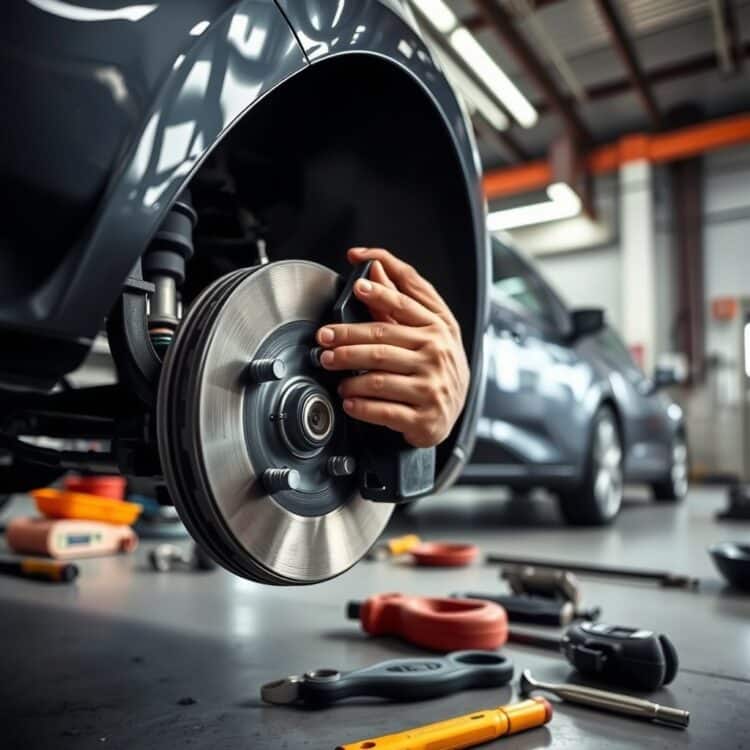
Brake pads and rotors are wear-and-tear items, and their replacement is inevitable. For the Fiesta, a full set of pads costs around £50-£100, while rotors can add another £100-£200. Labour will bump the total to £200-£400, depending on your location. We’ve found that independent garages often offer better rates than dealerships.
If you’re handy, this is another job you can tackle at home. Just be sure to use quality parts—cheap alternatives can wear out faster and even damage other components. Trust us, cutting corners here is a false economy. A well-maintained braking system is crucial for safety.
Battery Replacement Expenses
Fiesta batteries typically last 4-5 years. A replacement will cost £80-£150, including fitting. Opting for a higher-capacity battery can be worth it if you use lots of electrical accessories. We’ve seen too many owners stranded by dead batteries, so regular checks are a must. A simple voltage test can save you a lot of hassle.
If your battery dies frequently, it might indicate an underlying issue like a faulty alternator. Addressing this early can prevent bigger problems. And if you’re unsure, a professional diagnosis is always a good idea.
Suspension System Repairs
Suspension components like shocks and struts wear out over time. For the Fiesta, replacement costs range from £200-£600, depending on the extent of the damage. Ignoring worn suspension can lead to uneven tire wear and a rough ride. We’ve found that proactive replacements can save money in the long run.
If you notice clunking noises or a bouncy ride, it’s time for a check. The Fiesta’s suspension isn’t overly complex, but it’s best left to professionals unless you’re experienced. A well-maintained suspension ensures a comfortable and safe drive. And that’s something we can all appreciate.
Fuel Efficiency and Its Impact on Maintenance Costs
How Fuel Efficiency Reduces Long-term Costs
When it comes to the Ford Fiesta, fuel efficiency isn’t just about saving money at the pump—it’s about reducing wear and tear on your engine. A more efficient engine runs cleaner and cooler, which means fewer breakdowns and lower maintenance costs over time. I’ve found that the Fiesta’s 1.0-litre EcoBoost engine, for example, delivers impressive mileage while keeping stress on components minimal. This translates to fewer trips to the garage and more money in your pocket.
Another perk? Efficient engines often require less frequent oil changes and fewer replacements of high-wear parts like spark plugs. If you’re looking to maximise savings, pairing fuel efficiency with regular maintenance is a no-brainer. It’s a win-win for your wallet and your car’s longevity.
Best Practices for Maintaining Fuel Efficiency
Keeping your Fiesta fuel-efficient isn’t rocket science, but it does require consistency. Start with simple habits like smooth acceleration and avoiding unnecessary idling. These small changes can make a big difference in your fuel consumption. I also recommend checking tyre pressure regularly—underinflated tyres can drag down efficiency by up to 3%.
Don’t overlook the importance of using the right fuel and keeping up with scheduled services. A well-maintained engine runs more efficiently, and routine checks can catch issues before they escalate. For more expert tips, check out this authoritative guide on optimising your Fiesta’s performance.
Insurance Costs for the Ford Fiesta
Comparing Insurance Rates with Other Models
One of the Fiesta’s biggest selling points is its affordability, and that extends to insurance. Compared to other models in its class, the Fiesta often comes out on top with lower premiums. Why? Its reputation for reliability and safety features like airbags and stability control make it a low-risk choice for insurers. I’ve seen firsthand how these factors can slash hundreds off annual insurance bills.
Of course, your driving history and location play a role, but the Fiesta’s competitive insurance rates are hard to beat. If you’re shopping around, it’s worth comparing quotes to see how much you could save.
How Maintenance Affects Insurance Premiums
Here’s a little-known secret: keeping your Fiesta well-maintained can actually lower your insurance premiums. Insurers love cars that are less likely to break down or cause accidents. Regular servicing, timely repairs, and even keeping detailed maintenance records can work in your favour when it’s time to renew your policy.
I’ve found that drivers who invest in preventative maintenance often enjoy lower rates. It’s a smart way to protect your car and your bank account.

The Impact of Driving Habits on Maintenance Costs
Aggressive Driving and Wear and Tear
Let’s be honest—how you drive has a massive impact on your Fiesta’s maintenance costs. Aggressive driving, like hard braking and rapid acceleration, puts extra strain on your brakes, tyres, and engine. Over time, this leads to faster wear and more frequent repairs. I’ve seen cars with identical mileage but vastly different repair bills, all because of driving style.
If you want to keep costs down, ease off the pedal. Smooth, steady driving not only saves fuel but also extends the life of your car’s components. It’s a simple change with big rewards.
The Benefits of Smooth Driving
Smooth driving isn’t just gentler on your car—it’s gentler on your wallet. By avoiding sudden stops and starts, you reduce wear on brakes and suspension. This means fewer replacements and lower maintenance costs over time. I’ve noticed that drivers who adopt a calmer approach often see their Fiestas last longer and run more efficiently.
Another bonus? Your passengers will thank you for the smoother ride. It’s a small adjustment that pays off in comfort and savings.
Seasonal Maintenance Tips for the Ford Fiesta
Winterizing Your Fiesta
Winter can be harsh on your Ford Fiesta, but a little preparation goes a long way. Start by checking your antifreeze levels to ensure they’re adequate for freezing temperatures. Swap out your regular windscreen washer fluid for a winter-grade version to prevent freezing. Tyres are crucial—consider winter tyres if you live in an area with heavy snowfall. Don’t forget to inspect your battery; cold weather can drain it faster. A well-maintained Fiesta will handle winter roads with ease, keeping you safe and reducing long-term wear.
Another key step is protecting your Fiesta’s exterior. Apply a coat of wax to shield the paint from salt and grime. Check your brakes, as they’re more likely to corrode in wet conditions. Lastly, keep an emergency kit in your car, including a shovel, blankets, and jumper cables. These small steps ensure your Fiesta remains reliable, no matter how low the temperature drops. Learn more about maintaining your Fiesta’s value.
Summer Maintenance Must-Dos
Summer brings its own set of challenges for your Ford Fiesta. Start by checking your air conditioning system to ensure it’s working efficiently—no one wants to sweat through a heatwave. Inspect your coolant levels and top them up if necessary to prevent overheating. Tyres are equally important; hot roads can increase pressure, so monitor it regularly. A thorough clean, inside and out, will keep your Fiesta looking fresh and prevent long-term damage from UV rays and dirt.
Don’t overlook your oil and filters. Summer driving can be demanding, so fresh oil and a clean air filter will keep your engine running smoothly. Finally, inspect your wiper blades and replace them if they’re worn out. Summer storms can appear out of nowhere, and clear visibility is non-negotiable. These simple steps will keep your Fiesta in top shape all summer long. Discover how seasonal care affects running costs.
The Role of Genuine Parts in Maintenance Costs
OEM vs Aftermarket Parts
When it comes to maintaining your Ford Fiesta, the choice between OEM (Original Equipment Manufacturer) and aftermarket parts can impact both performance and costs. OEM parts are designed specifically for your Fiesta, ensuring a perfect fit and optimal performance. While they’re often more expensive, they come with the peace of mind of quality and reliability. Aftermarket parts, on the other hand, can be cheaper but vary widely in quality. Some may save you money upfront but could lead to higher costs down the line if they fail prematurely.
Weighing the pros and cons is essential. For critical components like brakes or engine parts, OEM is usually the safer bet. For less critical items, aftermarket options might suffice. Always consult a trusted mechanic to make the best choice for your Fiesta. Explore repair cost insights.
How Part Quality Affects Long-term Costs
Investing in high-quality parts for your Ford Fiesta can save you money in the long run. Cheap, low-quality parts may seem like a bargain, but they often wear out faster and can cause damage to other components. For example, a subpar timing belt could snap, leading to costly engine repairs. Genuine parts, while pricier, are built to last and come with warranties, offering better value over time.
Regular maintenance with quality parts also preserves your Fiesta’s resale value. Potential buyers appreciate a well-documented service history with OEM or reputable aftermarket parts. It’s a small investment now that pays off later. Maximise your resale value.
Extended Warranties and Maintenance Plans
Evaluating the Cost-Benefit of Extended Warranties
Extended warranties can be a lifesaver for Ford Fiesta owners, but they’re not always worth the cost. These plans cover repairs beyond the standard warranty period, offering peace of mind. However, they come with premiums and deductibles, so it’s crucial to crunch the numbers. Consider your Fiesta’s reliability, your driving habits, and how long you plan to keep the car. If you’re prone to unexpected repairs, an extended warranty might save you money.
Read the fine print carefully. Some warranties exclude certain components or require you to use specific garages. Compare multiple providers to find the best deal. Remember, a well-maintained Fiesta may not need the extra coverage, so weigh the pros and cons before committing. Learn more about Fiesta depreciation and warranties.
What Maintenance Plans Typically Cover
Maintenance plans for your Ford Fiesta can simplify ownership by bundling routine services into a single package. These plans often cover oil changes, tyre rotations, brake inspections, and fluid top-ups. Some even include wear-and-tear items like brake pads and wiper blades. The convenience is undeniable—no more surprise bills for routine upkeep. However, not all plans are created equal, so review what’s included and excluded.
Consider the cost versus paying for services as needed. If you drive a lot, a maintenance plan could save you money. For low-mileage drivers, it might not be worth it. Either way, staying on top of maintenance is key to keeping your Fiesta running smoothly and preserving its value. Understand how maintenance impacts lifespan.
The Resale Value of a Well-Maintained Fiesta
How Maintenance Records Affect Resale Value
A well-documented maintenance history is gold when selling your Ford Fiesta. Buyers want proof that the car has been cared for, and service records provide that assurance. Regular oil changes, timely repairs, and using genuine parts all contribute to a higher resale value. A Fiesta with a spotless maintenance record can command a premium over one with gaps or unknowns. Keep all receipts and log every service, no matter how minor.
Transparency builds trust. If you’ve followed the manufacturer’s maintenance schedule, highlight that in your listing. Potential buyers will appreciate the attention to detail, making your Fiesta stand out in a crowded market. A little effort now can translate into a bigger payout later. Get more resale tips.
Best Practices for Maintaining Resale Value
Keeping your Ford Fiesta in top condition isn’t just about repairs—it’s about prevention. Regular washing and waxing protect the paint, while interior cleaning prevents wear and tear. Address minor issues before they become major problems; a small dent or scratch is cheaper to fix now than later. Stick to the recommended service intervals and use quality parts to ensure longevity.
Consider professional detailing before listing your Fiesta for sale. A pristine car makes a strong first impression. Lastly, be honest about the car’s condition. Buyers respect transparency, and it can lead to a smoother, faster sale. A well-maintained Fiesta isn’t just reliable—it’s a smart financial investment. Maximise your sale price.
Common Misconceptions About Fiesta Maintenance Costs
Debunking Myths About Cheap Maintenance
Many believe the Ford Fiesta is cheap to maintain, but this isn’t always the case. While initial costs are low, long-term expenses can add up, especially with older models. We’ve seen owners underestimate the impact of wear and tear, leading to unexpected repairs. Genuine parts and professional services ensure reliability, but they come at a price. It’s crucial to budget beyond the purchase to avoid surprises.
Another myth is that all Fiestas are equally affordable to maintain. The truth? Engine type and driving habits play a huge role. For example, the 1.0 EcoBoost may save fuel but requires meticulous care. We recommend researching your specific model’s needs. A well-maintained Fiesta can be cost-effective, but cutting corners often leads to higher bills later. Always factor in the full ownership experience.
Understanding the True Cost of Ownership
True cost goes beyond routine oil changes. We’ve found that insurance, fuel, and depreciation also weigh heavily. The Fiesta’s resale value drops faster if maintenance is neglected, costing you more in the long run. Regular diagnostics and timely repairs keep the car running smoothly and preserve its value. Investing in quality parts pays off, even if it feels expensive upfront.
Location matters too. Urban driving increases wear on brakes and suspension, while rural areas may strain the engine. We advise tailoring your maintenance schedule to your environment. Extended warranties can offset some costs, but they’re not a cure-all. The real key? Proactive care. A little effort now saves a lot later, making the Fiesta a smart choice for the savvy owner.
Advanced Maintenance Tips for the Ford Fiesta
Upgrading Parts for Better Performance and Lower Costs
Upgrading certain parts can enhance your Fiesta’s performance while reducing long-term costs. For instance, high-quality brake pads last longer and improve safety. We’ve seen owners save money by switching to performance air filters, which boost efficiency. Always opt for OEM or trusted aftermarket brands to avoid compatibility issues. Small upgrades like these add up, making your car more reliable and cheaper to run.
Suspension upgrades are another smart move. Worn shocks and struts strain other components, leading to costly repairs. We recommend periodic checks and replacements if needed. Upgrading to durable tires also pays off, especially in harsh climates. These investments might seem steep, but they prevent bigger expenses down the road. A well-upgraded Fiesta delivers both performance and peace of mind.
The Importance of Regular Diagnostics
Modern Fiestas rely heavily on electronics, making diagnostics essential. We’ve noticed that ignoring warning lights often leads to expensive fixes. Regular scans catch issues early, saving you from major repairs. Tools like OBD2 readers are affordable and easy to use. Schedule professional diagnostics annually, even if everything seems fine. Prevention is always cheaper than cure.
Pay attention to transmission and engine codes. These systems are costly to repair if neglected. We advise keeping a log of diagnostic results to track trends. Seasonal checks are also wise, as temperature changes affect performance. A proactive approach ensures your Fiesta stays reliable and cost-effective. Trust us, a little vigilance goes a long way.
Real-World Maintenance Cost Experiences
Case Studies Long-term Fiesta Owners
Long-term owners often share valuable insights. One driver reported spending £1,200 annually on their 2015 Fiesta, including routine services and unexpected repairs. Another praised the car’s fuel efficiency but warned about transmission issues. These stories highlight the importance of budgeting for surprises. We’ve learned that diligent owners enjoy lower costs, while neglect leads to higher bills.
Community forums are goldmines for real-world advice. Many recommend sticking to the manufacturer’s service schedule. We agree—deviating often backfires. Owners also stress the value of keeping records. A well-documented history boosts resale value and simplifies troubleshooting. Learning from others’ experiences helps you avoid common pitfalls and make informed decisions.
How Location Affects Maintenance Costs
Urban vs. rural ownership impacts costs significantly. City drivers face more stop-and-go traffic, wearing out brakes faster. We’ve seen rural owners deal with rough roads, stressing suspension components. Tailoring your maintenance to your environment is key. For example, coastal areas may require extra rust protection. Understanding these nuances helps you plan better.
Climate plays a role too. Cold winters demand frequent battery checks, while hot summers strain cooling systems. We advise seasonal prep to avoid weather-related breakdowns. Local mechanics often offer tailored advice, so build a relationship with a trusted garage. Location-specific care ensures your Fiesta remains affordable to maintain, no matter where you live.
Frequently Asked Questions
Is the Ford Fiesta expensive to maintain compared to other small cars?
The Fiesta is mid-range for maintenance costs. While cheaper than luxury brands, it’s not the absolute cheapest. Models like the Toyota Yaris often cost less, but the Fiesta offers a balance of performance and affordability. Regular care keeps expenses manageable.
How often should I service my Ford Fiesta?
Follow the manufacturer’s schedule—typically every 12,000 miles or annually. Severe conditions may require more frequent checks. We’ve found that sticking to this plan prevents major issues and keeps costs predictable.
Are DIY repairs feasible for the Ford Fiesta?
Basic tasks like oil changes are DIY-friendly, but complex issues need professionals. We recommend consulting a mechanic for electrical or transmission work. Mistakes can be costly, so weigh the risks before tackling advanced repairs.
Does the Fiesta’s fuel efficiency offset maintenance costs?
Yes, but only if you maintain it well. Poor care erodes fuel savings. We’ve seen diligent owners enjoy lower overall costs thanks to the car’s efficiency. Regular tune-ups and quality parts maximize this benefit.
What’s the most common expensive repair for the Fiesta?
Transmission issues top the list, especially in older models. We advise early diagnostics to catch problems before they escalate. Proactive care minimizes the risk of costly fixes.