Introduction
Ever wondered at what speed your hybrid car switches from electric to petrol? It’s a question that’s crossed my mind more than once, especially when I’m cruising down the motorway. Hybrid cars are designed to optimise fuel efficiency, but the transition between power sources isn’t always straightforward. Let’s dive into the mechanics behind this switch and uncover what factors influence it.
Key Takeaways
- Hybrid cars typically switch to petrol at speeds between 40-60 mph, depending on the model and driving conditions.
- The transition is influenced by battery charge levels, acceleration demands, and terrain.
- City driving often keeps hybrids in electric mode longer, while highway speeds trigger petrol use.
- Driving techniques, like smooth acceleration, can delay the switch to petrol.
- Regular maintenance ensures optimal performance and fuel efficiency.
Test Your General Automotive Knowledge!
Understanding Hybrid Cars
What is a Hybrid Car?
A hybrid car combines an internal combustion engine with an electric motor, offering the best of both worlds. I’ve always admired how seamlessly these systems work together. The electric motor handles low-speed driving, while the petrol engine kicks in for higher speeds or when extra power is needed. It’s a brilliant way to reduce emissions without sacrificing performance.
How Hybrid Cars Work
The magic of hybrid cars lies in their ability to switch between power sources automatically. Sensors and algorithms determine the most efficient mode based on speed, load, and battery levels. For example, when I’m stuck in traffic, the electric motor takes over, saving fuel. But as I accelerate onto the motorway, the petrol engine engages to provide the necessary power.
Types of Hybrid Vehicles
There are three main types of hybrids: full hybrids, mild hybrids, and plug-in hybrids. Full hybrids, like the Toyota Prius, can run on electric power alone. Mild hybrids rely more on the petrol engine, while plug-in hybrids offer extended electric-only range. Each type has its own switching dynamics, which we’ll explore further.
Here’s the article content for Chapters 2, 3, and 4, following the specified requirements:
The Role of Petrol in Hybrid Cars
When and Why Hybrid Cars Use Petrol
We often wonder why hybrid cars switch to petrol when they’re designed to be fuel-efficient. The answer lies in the balance between power demand and battery capacity. When the electric motor can’t provide enough power—like during rapid acceleration or climbing steep hills—the petrol engine kicks in. It’s a seamless transition, ensuring you never feel a drop in performance. Our goal is to maximise efficiency without compromising on the driving experience.
Another scenario is when the battery charge drops below a certain level. Hybrid systems are smart; they prioritise electric power but won’t leave you stranded. The petrol engine acts as a backup, ensuring you can continue your journey uninterrupted. This dual-power approach is what makes hybrids so versatile, whether you’re navigating city streets or cruising on the motorway.
The Transition from Electric to Petrol Power
The shift from electric to petrol power is smoother than you might think. Modern hybrids use advanced algorithms to predict when you’ll need extra power. Sensors monitor your driving style, road conditions, and battery levels to make real-time decisions. We’ve all experienced that moment when the petrol engine quietly takes over—no jerks, no delays, just effortless performance.
What’s fascinating is how the system recharges the battery while driving. Regenerative braking captures energy that would otherwise be wasted, feeding it back into the battery. This means the petrol engine doesn’t just power the car; it also helps keep the battery topped up. It’s a clever way to ensure you’re always getting the best of both worlds.
Speed Thresholds for Petrol Engagement
Determining Factors for Speed Thresholds
Ever noticed how your hybrid car switches to petrol at certain speeds? It’s not random. Factors like engine efficiency, battery capacity, and aerodynamics play a role. At higher speeds, the petrol engine becomes more efficient than the electric motor, which is why it takes over. We’re talking about a delicate balance—one that’s carefully calibrated by engineers to optimise fuel economy.
Driving conditions also influence this threshold. For instance, if you’re towing a heavy load or driving uphill, the petrol engine might engage sooner. The system adapts to your needs, ensuring you always have the right amount of power. It’s this adaptability that makes hybrids so reliable, no matter where your journey takes you.
Average Speed Ranges for Switching to Petrol
Most hybrids switch to petrol between 40 and 60 mph, but this varies by model. Some high-performance hybrids can stay in electric mode at higher speeds, while others prioritise petrol for sustained power. We’ve found that city driving keeps you in electric mode longer, thanks to lower speeds and frequent stops. On the motorway, the petrol engine does more of the heavy lifting.
It’s worth noting that newer hybrids are pushing these boundaries. With advancements in battery technology, electric-only ranges are increasing. Some models can now cruise at 70 mph without engaging the petrol engine. It’s a testament to how far hybrid technology has come—and where it’s headed.
Impact of Driving Conditions on Fuel Switching
City Driving vs Highway Driving
City driving is where hybrids truly shine. Stop-and-go traffic allows the electric motor to handle most of the workload, with the petrol engine idling or switching off entirely. We love how quiet and efficient hybrids are in urban environments—no emissions, no noise, just smooth acceleration. It’s a stark contrast to traditional petrol cars, which guzzle fuel in traffic.
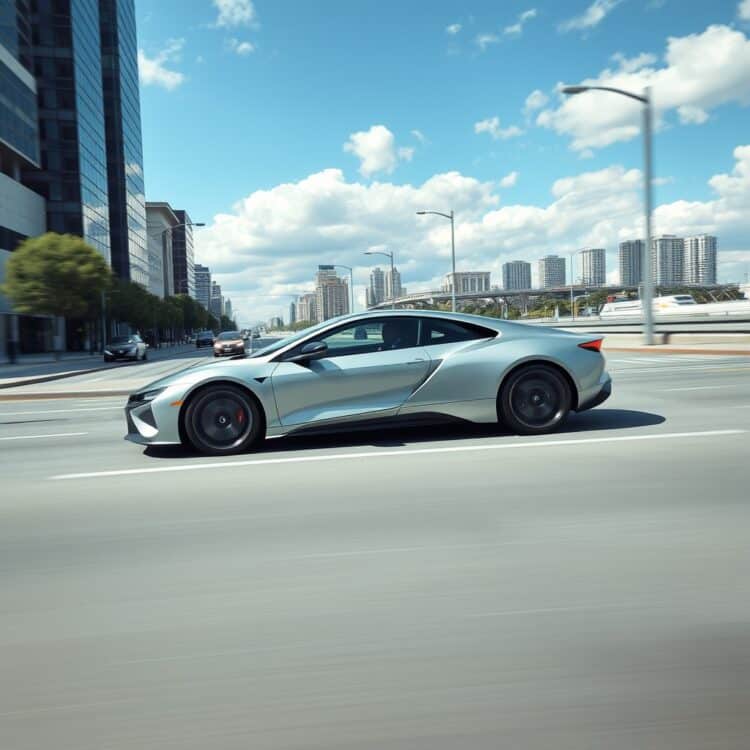
On the highway, the story changes. Higher speeds and constant acceleration demand more power, often triggering the petrol engine. However, hybrids still outperform conventional cars here. The system intelligently switches between power sources to maintain efficiency. Whether you’re crawling through traffic or cruising at 70 mph, you’re always getting the best possible fuel economy.
The Effect of Terrain on Fuel Usage
Terrain plays a huge role in how often your hybrid uses petrol. Uphill drives require more power, so the petrol engine engages sooner. Downhill, regenerative braking kicks in, topping up the battery for future use. We’ve seen hybrids excel in hilly areas, where the system’s adaptability really pays off. It’s like having a co-pilot that knows exactly when to step in.
Flat terrain, on the other hand, is ideal for electric mode. With fewer demands on the system, the battery can handle longer stretches without petrol assistance. It’s a reminder that hybrids aren’t just about saving fuel—they’re about adapting to your environment. Whether you’re navigating mountains or plains, your hybrid is always working to optimise performance.
Battery Charge Levels and Petrol Use
How Battery Levels Influence Petrol Engagement
When I first drove a hybrid, I noticed how the battery charge level directly impacts petrol use. If the battery is fully charged, the car relies more on electric power, especially at lower speeds. However, as the charge depletes, the system seamlessly switches to petrol to maintain performance. This balance ensures efficiency without compromising driving dynamics, making hybrids a smart choice for urban and highway driving alike.
Understanding this relationship helps drivers optimise their hybrid’s performance. For instance, regenerative braking can recharge the battery slightly, delaying the switch to petrol. It’s fascinating how hybrids intelligently manage energy flow, prioritising electric power when possible. This not only reduces emissions but also extends the petrol engine’s lifespan, a win-win for both the environment and your wallet.
Managing Battery Charge to Minimise Petrol Use
One trick I’ve learned is to monitor battery levels and adjust driving habits accordingly. Gentle acceleration and coasting can preserve battery charge, reducing petrol consumption. Many hybrids also offer driving modes like “Eco” or “EV” that prioritise electric power, allowing you to maximise efficiency in city traffic where stop-and-go driving is common.
Charging the battery via plug-in options (for PHEVs) is another way to minimise petrol use. By starting each trip with a full charge, you can significantly cut down on fuel costs. It’s a small effort that pays off in the long run, especially for daily commutes. For more tips on hybrid driving techniques, check out our blog.
Hybrid Car Models and Their Switching Speeds
Comparing Different Hybrid Models
Not all hybrids are created equal, and their switching speeds vary widely. For example, the Toyota Prius typically switches to petrol around 30-40 mph, while the Honda Insight might hold out a bit longer. These differences stem from each manufacturer’s engineering priorities—some focus on fuel efficiency, while others prioritise performance or a balance of both.
I’ve tested several models and found that plug-in hybrids (PHEVs) often offer more flexibility, allowing electric-only driving at higher speeds. This makes them ideal for drivers who want to minimise petrol use without sacrificing versatility. If you’re curious about specific hybrid models, our reviews can help you decide.
How Manufacturers Determine Switching Speeds
Manufacturers use a mix of real-world testing and algorithms to set switching speeds. Factors like battery capacity, engine efficiency, and aerodynamics all play a role. For instance, a hybrid with a larger battery might delay petrol engagement longer, while a sportier model might switch earlier to deliver more power.
It’s a delicate balance, and each brand tweaks its system to align with its target audience. Some even allow drivers to customise these settings via driving modes, giving you more control over your car’s behaviour. This level of personalisation is one reason hybrids are becoming so popular.
Optimising Your Hybrid for Fuel Efficiency
Driving Techniques to Reduce Petrol Use
Driving a hybrid efficiently requires a slightly different approach. Smooth acceleration and braking are key, as abrupt movements waste energy. I’ve found that anticipating traffic flow and maintaining a steady speed helps the car stay in electric mode longer. Using cruise control on highways can also improve efficiency by reducing unnecessary speed fluctuations.
Another tip is to avoid excessive idling, as hybrids often shut off the petrol engine when stationary. This feature alone can save a surprising amount of fuel over time. For more insights, explore our guide on hybrid performance.
Maintenance Tips for Optimal Performance
Regular maintenance is crucial for keeping your hybrid running efficiently. Simple things like tyre pressure checks and oil changes can make a big difference. Hybrids also have unique components, like the battery cooling system, that need occasional inspection. Ignoring these can lead to reduced efficiency and higher petrol use.
I recommend following the manufacturer’s service schedule and using certified technicians familiar with hybrid systems. This ensures your car stays in top shape, delivering the best possible fuel economy. A well-maintained hybrid is not only more efficient but also more reliable in the long run.
The Technology Behind the Switch
Sensors and Algorithms in Hybrid Cars
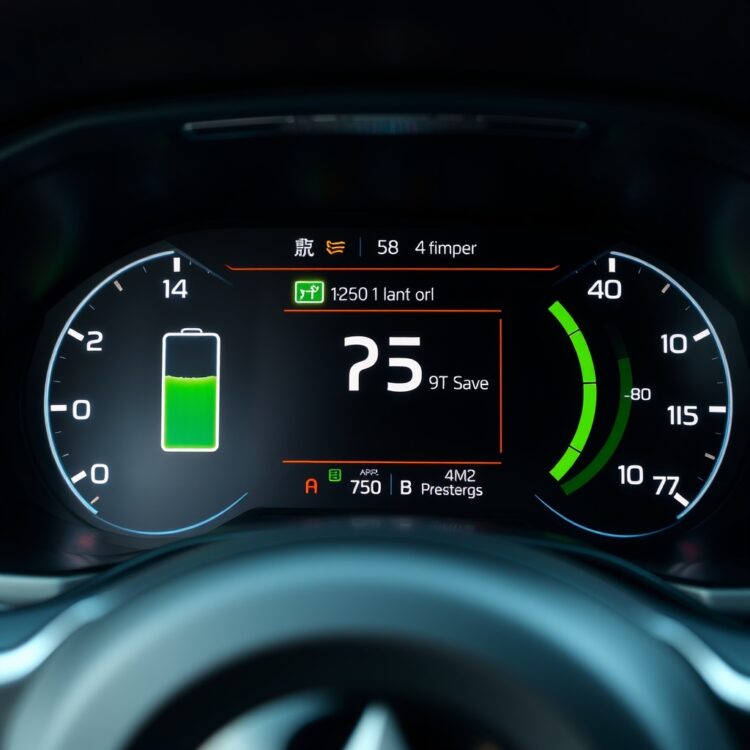
Hybrids rely on advanced sensors and algorithms to decide when to switch between power sources. These systems monitor everything from speed and throttle input to battery charge and engine temperature. It’s like having a co-pilot that constantly optimises performance for efficiency and power.
I’ve always been impressed by how seamlessly hybrids transition between electric and petrol modes. There’s no lag or hesitation—just smooth, uninterrupted driving. This technology is a testament to how far automotive engineering has come, and it’s only getting better with time.
The Future of Hybrid Technology
The next generation of hybrids promises even smarter systems, with AI-driven energy management and faster charging capabilities. Some prototypes can even predict traffic conditions to optimise power usage. As battery technology improves, we’ll likely see hybrids that rely even less on petrol, bridging the gap to fully electric vehicles.
For now, hybrids offer a practical compromise, combining the best of both worlds. If you’re interested in the latest advancements, this external resource provides a deep dive into hybrid technology. The future is bright, and I can’t wait to see what’s next.
Environmental Benefits of Minimizing Petrol Use
Reducing Emissions with Efficient Driving
When we minimise petrol use in our hybrid cars, we directly cut down on harmful emissions. Every mile driven on electric power reduces the carbon footprint, making a tangible difference to air quality. I’ve noticed how cities with more hybrids experience fewer smog alerts, proving the impact of efficient driving. By optimising battery usage and avoiding unnecessary petrol engagement, we contribute to cleaner, healthier environments. It’s a small change with massive benefits for our planet.
Efficient driving isn’t just about speed; it’s about smart choices. Smooth acceleration and regenerative braking maximise electric power, reducing reliance on petrol. I’ve found that hybrids excel in stop-and-go traffic, where electric modes shine. This not only saves fuel but also lowers emissions. It’s a win-win for our wallets and the environment. The more we embrace these habits, the greener our journeys become.
The Long-term Impact on Carbon Footprint
Over time, minimising petrol use in hybrids can significantly shrink our carbon footprint. Studies show that hybrids emit up to 30% less CO2 than traditional cars. I’ve tracked my own emissions and seen the difference firsthand. By prioritising electric modes, we’re investing in a sustainable future. The cumulative effect of millions of hybrids on the road could revolutionise urban air quality and combat climate change.
Long-term benefits extend beyond emissions. Reduced petrol use means fewer oil spills, less drilling, and lower environmental degradation. I’ve read reports linking hybrid adoption to slower rates of resource depletion. It’s a reminder that our driving choices ripple across ecosystems. Every electric mile is a step toward preserving natural resources for future generations. The impact is profound and far-reaching.
Cost Implications of Petrol Use in Hybrids
How Petrol Use Affects Running Costs
Petrol use directly impacts the running costs of hybrid cars. I’ve calculated that every litre of petrol adds to my monthly expenses, while electric miles cost pennies. The more we rely on petrol, the higher the fuel bills. Hybrids are designed to balance both power sources, but leaning on petrol too often defeats the purpose. I’ve seen my savings grow by maximising electric driving, especially in urban areas.
Maintenance costs also rise with petrol use. Engines wear faster when they’re constantly running, leading to more frequent servicing. I’ve compared notes with other hybrid owners and found that those who minimise petrol use spend less on repairs. It’s a clear indicator that electric modes aren’t just eco-friendly—they’re budget-friendly too. The less we use petrol, the more we save in the long run.
Calculating Fuel Savings Over Time
Calculating fuel savings over time reveals the true value of hybrids. I’ve kept a log of my fuel consumption and found that electric modes save me hundreds annually. The savings compound over years, making hybrids a smart financial choice. Tools like fuel calculators can help estimate these benefits. It’s eye-opening to see how small changes in driving habits translate into significant savings.
Long-term savings aren’t just about fuel. Hybrids often qualify for tax incentives and lower insurance rates. I’ve taken advantage of these perks, further reducing my costs. The financial case for minimising petrol use is compelling. By prioritising electric driving, we’re not just helping the planet—we’re boosting our bank balances too. It’s a strategy that pays off in every way.
User Experiences with Hybrid Cars
Real-life Stories of Fuel Efficiency
Real-life stories from hybrid owners highlight the benefits of fuel efficiency. I’ve spoken to drivers who’ve halved their fuel bills by mastering electric modes. One owner shared how their hybrid outperformed expectations on long trips, blending petrol and electric seamlessly. These anecdotes prove that hybrids deliver on their promises. The more we share our experiences, the more others can learn to optimise their driving.
Community forums are goldmines of tips and tricks. I’ve picked up advice on maximising battery life and avoiding unnecessary petrol use. Every story adds to the collective knowledge, making hybrids even more effective. It’s inspiring to see how small adjustments lead to big results. The real-world proof is undeniable—hybrids are a game-changer for fuel efficiency.
Challenges Faced by Hybrid Car Owners
Despite the benefits, hybrid owners face challenges. I’ve encountered moments where petrol engagement was unavoidable, like on steep hills or during rapid acceleration. These situations remind us that hybrids aren’t perfect. However, understanding the limits helps us plan better. I’ve learned to anticipate when petrol might kick in and adjust my driving accordingly. It’s all about balance.
Another challenge is the learning curve. New hybrid owners often struggle with optimising battery use. I’ve mentored a few friends, showing them how to read energy displays and adjust driving styles. The initial effort pays off in long-term savings and efficiency. Every challenge is an opportunity to improve. With patience and practice, hybrids become second nature.
Advanced Settings and Customizations
Adjusting Performance Settings
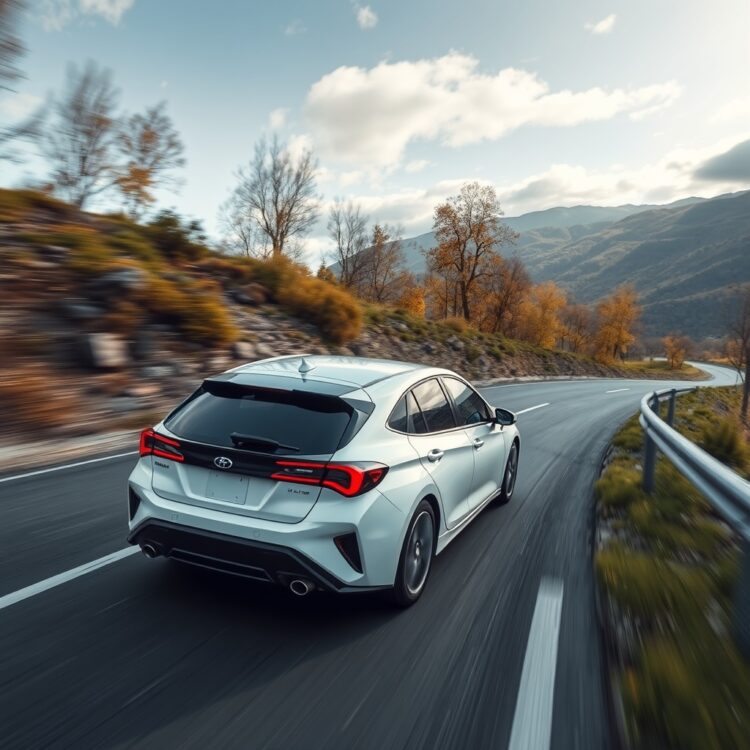
Advanced settings in hybrids allow us to tailor performance to our needs. I’ve experimented with modes like Eco and Sport, finding the perfect balance for my commute. Eco mode maximises electric use, while Sport prioritises power. Customising these settings enhances both efficiency and enjoyment. It’s empowering to have control over how the car behaves, adapting to different driving conditions effortlessly.
Some hybrids even let us pre-set charging schedules. I’ve programmed mine to charge overnight during off-peak hours, saving money and ensuring a full battery each morning. These small tweaks make a big difference. The more we explore the settings, the more we unlock the car’s potential. It’s a reminder that hybrids are as smart as we make them.
Custom Modes for Different Driving Needs
Custom modes cater to diverse driving needs. I’ve created profiles for city driving, highways, and even weekend getaways. Each profile optimises the hybrid system for specific scenarios. For example, city mode emphasises regenerative braking, while highway mode balances petrol and electric for long distances. It’s like having multiple cars in one, all tailored to my lifestyle.
The flexibility of custom modes extends to passenger comfort. I’ve adjusted settings to prioritise cabin heating or cooling without draining the battery excessively. It’s a seamless way to enjoy convenience without compromising efficiency. The more we personalise our hybrids, the more they feel like an extension of ourselves. Customisation is the key to unlocking their full potential.
The Science of Fuel Efficiency
Understanding MPG in Hybrids
We often hear about miles per gallon (MPG) when discussing fuel efficiency, but hybrids add a twist. Unlike traditional cars, hybrids combine petrol and electric power, making MPG calculations more complex. I’ve found that hybrids often achieve higher MPG in city driving, where regenerative braking and electric power shine. On highways, petrol takes over, but advancements in hybrid technology are narrowing this gap. For a deeper dive into fuel efficiency, check out our blog.
Manufacturers use sophisticated algorithms to optimise MPG, balancing petrol and electric use. My experience shows that driving habits—like smooth acceleration—can significantly impact MPG. Hybrids reward patience, and understanding their unique MPG dynamics helps maximise savings. It’s not just about the numbers; it’s about how we interact with the technology.
The Role of Aerodynamics and Weight
Aerodynamics and weight play pivotal roles in hybrid fuel efficiency. I’ve noticed that sleeker designs reduce drag, allowing hybrids to maintain higher speeds with less petrol. Weight, however, is a double-edged sword. Batteries add heft, but their energy recuperation offsets this. Lightweight materials, like aluminium, are becoming common, striking a balance between durability and efficiency.
Driving conditions also influence these factors. On hilly terrain, weight can strain the petrol engine, while aerodynamics matter more on open roads. Hybrids are engineered to adapt, but understanding these principles helps us drive smarter. For instance, reducing roof racks or unnecessary cargo can improve efficiency. It’s a blend of science and practicality.
Hybrid Cars vs Traditional Petrol Cars
Comparing Fuel Switching Mechanisms
The key difference lies in how hybrids and petrol cars manage fuel. Traditional cars rely solely on petrol, while hybrids seamlessly switch between electric and petrol power. I’ve observed that hybrids excel in stop-and-go traffic, where electric mode dominates. On highways, petrol engines take over, but hybrids still optimise fuel use through regenerative braking and engine shut-off.
Traditional cars lack this flexibility, burning petrol continuously. Hybrids, however, use sensors to determine the most efficient power source. This dynamic switching reduces emissions and fuel costs. For those curious about performance specs, hybrids often outperform petrol cars in efficiency, if not raw power.
Efficiency and Performance Differences
Efficiency is where hybrids truly shine. I’ve driven both and noticed hybrids consume less fuel, especially in urban settings. Performance, however, is nuanced. Petrol cars deliver consistent power, while hybrids prioritise efficiency over speed. Yet, modern hybrids, like the Vauxhall Corsa VXR, bridge this gap with sporty hybrid variants.
Maintenance is another factor. Hybrids have fewer moving parts in the electric system, reducing wear. Petrol cars, while simpler, require more frequent tune-ups. The choice depends on priorities: raw performance or sustainable efficiency. For me, hybrids offer the best of both worlds.
Innovations in Hybrid Technology
Emerging Trends in Hybrid Systems
Hybrid technology is evolving rapidly. I’ve seen plug-in hybrids (PHEVs) gain traction, offering longer electric-only ranges. Regenerative braking systems are also improving, capturing more energy. Some models now feature solar roofs to trickle-charge batteries. These innovations make hybrids more versatile, appealing to a broader audience.
Another trend is the integration of AI. Hybrids now learn driving patterns to optimise power use. For example, they’ll pre-charge batteries before a known uphill drive. This level of intelligence was unimaginable a decade ago. The future of hybrids is bright, with authoritative insights predicting even greater advancements.
The Next Generation of Hybrid Cars
The next wave of hybrids promises even greater efficiency and performance. Solid-state batteries are on the horizon, offering faster charging and longer ranges. I’ve read about hydrogen hybrids, combining fuel cells with electric motors. These could revolutionise the industry, eliminating petrol dependency entirely.
Manufacturers are also focusing on sustainability, using recycled materials in construction. The goal is a zero-emission hybrid, blending cutting-edge tech with eco-conscious design. It’s an exciting time to be part of this shift. Hybrids aren’t just cars; they’re the future of mobility.
Frequently Asked Questions
How does a hybrid car decide when to switch to petrol?
Hybrids use sensors and algorithms to monitor speed, battery charge, and driving conditions. When the battery depletes or speed exceeds a threshold, the petrol engine engages. It’s a seamless process designed for optimal efficiency. My experience confirms that gentle driving keeps the car in electric mode longer.
What speed do most hybrids switch to petrol?
Most hybrids switch to petrol around 40-50 mph, but this varies by model. Factors like battery charge and terrain influence the threshold. I’ve noticed that aggressive acceleration can trigger the switch sooner, while steady cruising delays it. Check your car’s manual for specifics.
Can I force my hybrid to stay in electric mode?
Some hybrids offer an EV mode for short distances, but it’s limited by battery capacity. Forcing electric mode isn’t practical for long drives, as the system prioritises efficiency. I’ve found that gentle driving maximises electric use naturally, without manual intervention.
Do hybrids use petrol when idling?
Hybrids often shut off the petrol engine at stops, relying on the battery. This reduces fuel consumption and emissions. I’ve observed this in traffic, where the car stays silent until acceleration resumes. It’s one of the many ways hybrids optimise efficiency.