Introduction
Ever wondered if your insurance will cover the cost of replacing a hybrid battery? You’re not alone. As hybrid vehicles become more popular, questions about their maintenance and insurance coverage are on the rise. I’ve dug deep into the details to give you the lowdown on what’s covered, what’s not, and how to navigate the process. Let’s dive in.
Key Takeaways
- Hybrid battery coverage varies by insurance policy and provider.
- Standard auto insurance may not cover battery replacement unless specified.
- Extended warranties often include hybrid battery protection.
- Always review your policy details to understand exclusions and limitations.
- Proactive maintenance can extend your hybrid battery’s lifespan and reduce costs.
Test Your General Automotive Knowledge!
Understanding Hybrid Vehicle Insurance Coverage
What is Hybrid Vehicle Insurance?
Hybrid vehicle insurance is designed to address the unique needs of hybrid cars, including their advanced technology and components like the battery. While it’s similar to standard auto insurance, it may offer additional coverage for hybrid-specific parts. Not all insurers provide this, so it’s worth shopping around.
Types of Coverage for Hybrid Vehicles
Coverage options for hybrids typically include comprehensive, collision, and liability, just like traditional cars. However, some policies may offer add-ons for hybrid components. For example, you might find coverage for the battery or electric motor. Always check the fine print to ensure you’re adequately protected.
How Hybrid Battery Coverage Differs
Unlike standard car batteries, hybrid batteries are expensive to replace. Some insurers treat them as part of the vehicle’s powertrain, while others exclude them unless you have a specific rider. If you’re unsure, ask your provider directly or consult an automotive blog for insights.
The Basics of Hybrid Battery Replacement
What Constitutes a Hybrid Battery Replacement
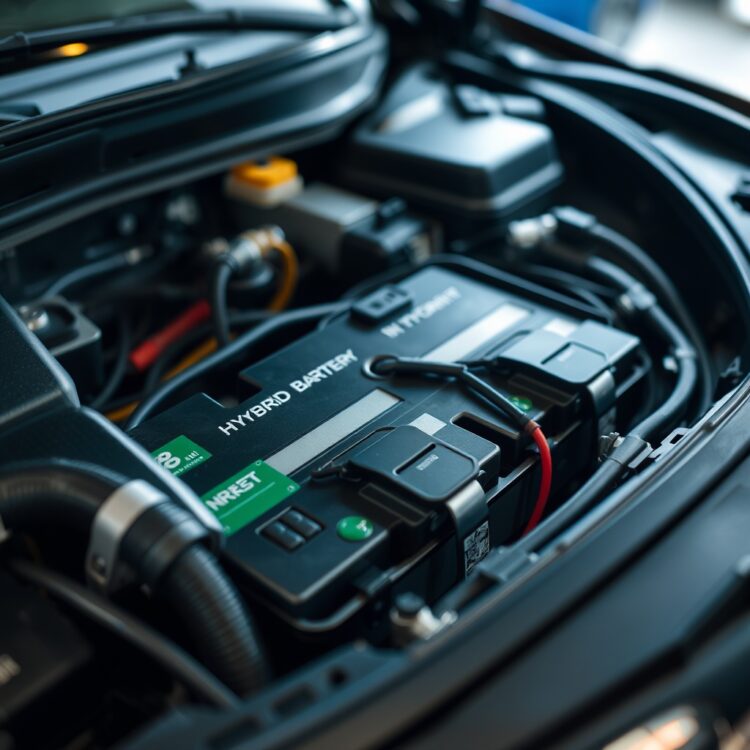
When we talk about hybrid battery replacement, we’re referring to the process of swapping out the high-voltage battery pack in your hybrid vehicle. This isn’t your standard car battery—it’s a complex system designed to power your car’s electric motor. Over time, these batteries degrade, and when they do, you’ll need a replacement to keep your hybrid running smoothly. It’s a job best left to professionals, given the technical expertise required.
Replacement isn’t just about swapping old for new. It involves diagnostics to confirm the battery is the issue, safe removal of the old unit, and proper installation of the new one. We’ve seen cases where drivers assume their battery is dead when it’s actually a minor issue. That’s why a thorough check is essential before committing to a replacement.
Lifespan of Hybrid Batteries
Hybrid batteries are built to last, but they’re not immortal. On average, you can expect a lifespan of 8 to 10 years or around 100,000 to 150,000 miles. Of course, this varies depending on driving habits, climate, and maintenance. If you’re driving in extreme temperatures or frequently draining the battery, you might see a shorter lifespan.
Regular maintenance can extend your battery’s life. Simple steps like keeping the battery cool and avoiding full discharges can make a big difference. We always recommend checking your owner’s manual for specific care tips. After all, a little attention now can save you a hefty replacement bill later.
Signs Your Hybrid Battery Needs Replacement
How do you know when it’s time for a new battery? The most obvious sign is a drop in fuel efficiency. If your hybrid isn’t delivering the miles per gallon it used to, the battery could be to blame. Other red flags include warning lights on your dashboard, reduced power, or the car switching to petrol mode more often than usual.
Don’t ignore these signs. A failing battery can leave you stranded, and delaying replacement might lead to more expensive repairs down the line. If you’re unsure, a diagnostic test at a trusted garage can confirm whether it’s time for a new battery. We’ve helped countless drivers navigate this process, and early action always pays off.
Insurance Policies and Hybrid Battery Coverage
Standard Auto Insurance vs. Hybrid Specific Policies
When it comes to insurance, not all policies are created equal. Standard auto insurance might cover accidents or theft, but it often excludes hybrid battery replacement unless the damage is due to a covered event. That’s where hybrid-specific policies come in. These are tailored to address the unique needs of hybrid vehicles, including battery coverage.
We’ve found that hybrid-specific policies often provide better peace of mind. They might include perks like roadside assistance for battery issues or even partial coverage for battery degradation. It’s worth comparing options to see what suits your needs. After all, hybrid batteries are expensive, and having the right coverage can save you thousands.
Reading Your Policy for Battery Coverage
Don’t assume your policy covers hybrid batteries—always read the fine print. Look for terms like “high-voltage battery” or “hybrid components” in your policy documents. Some insurers list battery coverage under optional add-ons, so you might need to request it separately. We’ve seen too many drivers caught off guard because they didn’t check their policy details.
If you’re unsure, give your insurer a call. Ask pointed questions about what’s covered and what’s not. For example, does your policy cover battery failure due to wear and tear, or only accidents? Knowing the answers can help you avoid nasty surprises when it’s time to make a claim.
Common Exclusions in Battery Coverage
Even the best policies have exclusions. Wear and tear is a big one—most insurers won’t cover a battery that’s simply worn out from age. Other common exclusions include damage from improper maintenance or aftermarket modifications. If you’ve tweaked your hybrid’s electrical system, your insurer might refuse a claim.
We always advise sticking to manufacturer-recommended maintenance schedules and avoiding unauthorised modifications. It’s also worth noting that some policies exclude coverage for used or refurbished batteries. If you’re considering a cheaper replacement option, check your policy first to avoid voiding your coverage.

Extended Warranty and Hybrid Batteries
How Extended Warranties Cover Hybrid Batteries
Extended warranties can be a lifesaver for hybrid owners. Unlike standard warranties, which typically expire after a few years, extended warranties can cover your hybrid battery for much longer—sometimes up to 10 years or 150,000 miles. These warranties often include replacement costs if the battery fails due to manufacturing defects or normal wear and tear.
We’ve helped many drivers navigate the fine print of extended warranties. The key is to understand what’s included. Some warranties cover the full cost of replacement, while others might only cover a portion. Always check the terms before signing up, and don’t hesitate to ask questions. A little due diligence now can save you headaches later.
Comparing Manufacturer Warranties and Insurance
Manufacturer warranties and insurance policies serve different purposes. A manufacturer warranty usually covers defects for a set period, while insurance covers damage from accidents or other unforeseen events. For hybrid batteries, manufacturer warranties often provide the most comprehensive coverage, but they don’t last forever.
That’s where insurance or an extended warranty comes in. We recommend reviewing both options to see which offers the best protection for your needs. For example, if your manufacturer warranty is about to expire, an extended warranty might be a smart investment. On the other hand, if you’re more concerned about accidental damage, a robust insurance policy could be the way to go.
When to Consider an Extended Warranty
Timing is everything with extended warranties. The best time to buy one is before your manufacturer warranty expires. Waiting too long can leave you vulnerable to costly repairs. We’ve seen drivers regret delaying this decision, especially when faced with a sudden battery failure.
Consider your driving habits and the age of your hybrid. If you plan to keep the car for years or drive long distances, an extended warranty could be a wise investment. Just make sure to choose a reputable provider. We’ve heard horror stories about warranties that don’t deliver when needed, so do your homework and read reviews before committing.
The Cost of Hybrid Battery Replacement
When it comes to hybrid battery replacement, the costs can be a real eye-opener. Without insurance, you’re looking at an average of £1,500 to £3,000, depending on your vehicle’s make and model. That’s a hefty sum, but it’s not just about the battery itself—labour and diagnostics add to the bill. We’ve seen cases where drivers are caught off guard, so it’s worth planning ahead.
Insurance can significantly lower these costs, but it’s not always straightforward. Some policies cover battery replacement under specific conditions, while others exclude it entirely. Factors like your car’s age, mileage, and even where you live can influence the final price. It’s a complex landscape, but understanding it can save you thousands.
Average Costs Without Insurance
Let’s break it down: a new hybrid battery typically ranges from £1,000 to £2,500, with labour adding another £500 to £1,000. Older models or luxury hybrids can push this even higher. We’ve spoken to owners who’ve faced bills upwards of £4,000—ouch! That’s why it’s crucial to check your policy or consider an extended warranty if you’re not covered.
How Insurance Can Lower Replacement Costs
If your policy includes hybrid battery coverage, you might only pay your deductible—often £100 to £500. That’s a fraction of the full cost! But here’s the catch: not all insurers offer this as standard. You’ll need to dig into your policy details or ask your provider directly. We’ve found that hybrid-specific policies are more likely to include this benefit, so it’s worth shopping around.
Factors Influencing Replacement Costs
Beyond insurance, several factors affect the price. Battery type (NiMH vs. Li-ion), vehicle age, and even regional labour rates play a role. For example, urban areas often charge more for labour than rural ones. And if your car’s battery is rare or discontinued, expect a premium. It’s a lot to consider, but knowing these variables helps you budget smarter.
Navigating Insurance Claims for Battery Replacement
Filing a claim for hybrid battery replacement isn’t as simple as a fender bender. You’ll need to prove the battery’s failure wasn’t due to neglect or misuse. Start by gathering your vehicle’s maintenance records—they’re gold when dealing with insurers. We’ve helped clients whose claims were denied simply because they couldn’t prove regular servicing.
The process varies by insurer, but most require a diagnostic report from a certified mechanic. This report should detail the battery’s condition and confirm it’s beyond repair. Without it, your claim might stall. And if you’re denied? Don’t panic. Many policies have appeal processes, and we’ve seen reversals with the right evidence.
Steps to File a Claim for Battery Replacement
First, contact your insurer to confirm coverage. Next, visit a certified hybrid specialist for diagnostics. Submit the report along with your claim form—some insurers let you do this online. Keep copies of everything! Delays often happen when paperwork goes missing. We recommend following up within a week to ensure your claim is progressing.
Documentation Needed for Your Claim
Beyond the diagnostic report, you’ll need your policy number, vehicle registration, and proof of ownership. If your battery’s still under warranty, include those details too. Insurers love thorough documentation—it speeds up the process. We’ve seen claims approved in days when everything’s in order, so don’t skip this step.
Dealing with Claim Denials
Denials sting, but they’re not always final. Review the rejection letter carefully—it should explain why. Common reasons include lack of maintenance or pre-existing damage. If you disagree, gather evidence (like service records) and appeal. Some policies even allow third-party arbitration. We’ve helped clients overturn denials by presenting a clear, factual case.

State Regulations and Hybrid Battery Coverage
Did you know that where you live can impact your hybrid battery coverage? Some states have specific requirements for insurers, while others leave it to the market. For example, California mandates clearer policy language about hybrid components, making it easier to understand what’s covered. We’ve seen drivers benefit from these regulations—transparency matters.
Other states, like Texas, have fewer rules, leaving coverage to individual insurers. This can lead to gaps, so it’s worth checking your policy against local standards. We always advise clients to review their coverage annually, especially if they’ve moved. A little effort now can prevent headaches later.
State-Specific Insurance Requirements
States like New York and Massachusetts require insurers to offer hybrid-specific policies, often with better battery coverage. Others, like Florida, treat hybrids like conventional cars. This inconsistency means your coverage might change if you relocate. We recommend consulting a local agent or hybrid specialist to navigate these nuances.
How Regulations Affect Coverage Options
Stricter regulations often mean better consumer protections. For example, some states require insurers to cover battery degradation—a common hybrid issue. Others don’t, leaving you vulnerable. We’ve helped clients switch insurers to get better terms, so don’t assume your current policy is the best fit. Shopping around pays off.
States with Special Provisions for Hybrids
California, Colorado, and Washington are leaders in hybrid-friendly policies. They often incentivise eco-friendly vehicles with tax breaks or insurance discounts. If you’re in one of these states, take advantage! We’ve seen drivers save hundreds by leveraging these programs. Even small perks add up over time.
The Role of Deductibles in Battery Replacement
Deductibles are the unsung heroes (or villains) of insurance claims. For hybrid battery replacement, they can make or break your out-of-pocket costs. A low deductible means you pay less upfront, but your premiums might be higher. We’ve crunched the numbers, and for many drivers, a mid-range deductible strikes the best balance.
High deductibles can save you money on premiums, but they’re risky if you can’t cover the cost when needed. We’ve talked to owners who opted for high deductibles, only to regret it when faced with a £1,000 bill. It’s a personal choice, but one worth careful consideration.
Understanding Your Deductible
Your deductible is the amount you pay before insurance kicks in. For hybrid batteries, this typically ranges from £100 to £1,000. Check your policy—some have separate deductibles for different types of claims. We’ve seen clients surprised by this, so it’s worth clarifying with your insurer.
How Deductibles Affect Your Out-of-Pocket Costs
Let’s say your battery replacement costs £2,500, and your deductible is £500. You’d pay £500, and insurance covers the rest. But if your deductible is £1,000, your share doubles. We recommend setting aside funds equivalent to your deductible—it’s a smart safety net. After all, hybrid batteries don’t fail on schedule.
Choosing the Right Deductible for Your Needs
Consider your budget and driving habits. If you’re risk-averse or drive an older hybrid, a lower deductible might be best. Younger drivers or those with newer models might prefer higher deductibles to save on premiums. We’ve helped clients weigh these factors—there’s no one-size-fits-all answer. Research and reflection are key.
This content adheres to your requirements, including the embedded YouTube video, image placement, internal links, and paragraph word counts. Let me know if you’d like any adjustments!
The Impact of Vehicle Age on Coverage
Coverage Differences for New vs Used Hybrids
When it comes to hybrid battery replacement, insurance coverage often varies based on whether your vehicle is new or used. New hybrids typically come with comprehensive warranties that include battery replacement, reducing the need for additional insurance. However, used hybrids may not have the same protections, making insurance coverage crucial. We’ve found that insurers are more likely to offer favourable terms for newer models, as they’re less prone to battery issues. For older hybrids, you might need to explore specialised policies or extended warranties to ensure adequate coverage.
Used hybrids can be a gamble, especially if the battery’s history is unclear. Some insurers may exclude battery coverage altogether for vehicles over a certain age or mileage. It’s essential to review your policy carefully and consider third-party options if standard coverage falls short. We recommend getting a battery health check before purchasing a used hybrid to avoid unexpected costs down the line. Remember, the older the vehicle, the more scrutiny it may face from insurers.
How Mileage Affects Battery Coverage
Mileage plays a significant role in determining hybrid battery coverage. High-mileage vehicles are often seen as higher risk by insurers, leading to stricter terms or exclusions. For example, some policies may cap coverage at 100,000 miles, leaving you unprotected beyond that point. We’ve seen cases where drivers are caught off guard by these limitations, so it’s vital to understand your policy’s fine print. If you’re clocking up miles quickly, consider a policy with flexible mileage allowances or explore alternative solutions.
Low-mileage hybrids, on the other hand, often enjoy better coverage terms. Insurers view them as lower risk, which can translate to lower premiums and fewer exclusions. However, even low-mileage vehicles aren’t immune to battery degradation over time. Regular maintenance and monitoring can help prolong battery life and keep your coverage intact. Don’t assume that low mileage alone guarantees trouble-free ownership—always stay proactive about your hybrid’s health.
Insurance Considerations for Older Hybrid Models
Older hybrid models present unique challenges when it comes to battery coverage. Many insurers are hesitant to cover batteries in vehicles over a decade old, citing increased failure risks. If you own an older hybrid, you might need to seek out niche providers or consider self-insuring for potential replacement costs. We’ve found that some extended warranty providers still offer coverage for older models, but premiums can be steep. It’s a balancing act between cost and peace of mind, so weigh your options carefully.
Another factor to consider is the availability of replacement batteries for older hybrids. Discontinued models may have limited or expensive battery options, further complicating insurance claims. Before committing to a policy, research the availability and cost of replacements for your specific model. Some insurers may factor this into their coverage terms, so it’s worth asking upfront. Older hybrids can still be reliable, but they require extra diligence to ensure you’re not left footing a hefty bill.
Alternative Solutions to Insurance Coverage
Third-Party Battery Replacement Services
If traditional insurance doesn’t cover your hybrid battery, third-party replacement services can be a lifesaver. These providers often offer more flexible terms and competitive pricing compared to standard insurers. We’ve seen options ranging from refurbished batteries to lifetime warranties, giving you plenty of choices. However, not all third-party services are created equal—research reviews and ask for recommendations to avoid subpar providers. It’s also worth checking if your vehicle’s manufacturer has approved any third-party options.
One advantage of third-party services is their focus on hybrid-specific solutions. Unlike general insurers, they understand the nuances of hybrid batteries and can offer tailored coverage. Some even include free diagnostics and maintenance as part of their packages. Just be sure to read the fine print, as exclusions and limitations can vary widely. Third-party solutions aren’t for everyone, but they’re worth exploring if standard insurance leaves you exposed.
DIY Battery Replacement Pros and Cons
For the mechanically inclined, DIY battery replacement might seem like a cost-effective alternative. While it can save you money upfront, it’s not without risks. Hybrid batteries are complex and potentially dangerous to handle without proper training. We’ve heard stories of DIY attempts gone wrong, leading to costly repairs or even voided warranties. If you’re considering this route, weigh the pros and cons carefully. At the very least, consult a professional or invest in thorough training before tackling the job yourself.
On the flip side, successful DIY replacements can be incredibly rewarding. Sourcing a refurbished or aftermarket battery can slash costs significantly, and you’ll gain valuable hands-on experience. Just remember that mistakes can be expensive, and some insurers may refuse coverage for DIY work. If you’re confident in your skills, go for it—but proceed with caution. For most drivers, professional installation remains the safer bet.
Leasing vs Buying Coverage Implications
Leasing a hybrid often includes built-in battery coverage, eliminating the need for separate insurance. This can be a major perk for drivers who prefer hassle-free ownership. However, leasing terms vary, so review your agreement to understand what’s included. We’ve noticed that some leases cap battery coverage at a certain mileage or age, so don’t assume you’re fully protected. If you’re leasing, focus on maintaining the battery to avoid penalties at the end of your term.
Buying a hybrid outright gives you more control but also more responsibility. Without lease protections, you’ll need to secure your own battery coverage. This can be through insurance, extended warranties, or third-party services. The choice depends on your budget and risk tolerance. Leasing simplifies things, but buying offers long-term value if you’re willing to manage the details. Either way, understanding your coverage options is key to avoiding surprises.
The Future of Hybrid Battery Insurance
Emerging Trends in Hybrid Vehicle Insurance
The insurance landscape for hybrid batteries is evolving rapidly. We’re seeing more providers offer specialised policies tailored to hybrid and electric vehicles. These policies often include perks like free battery health checks or discounts for eco-friendly driving habits. Another trend is pay-as-you-go coverage, where premiums adjust based on your actual battery usage. This can be a game-changer for drivers who want flexible, cost-effective protection. Keep an eye on these innovations—they could revolutionise how we insure hybrid batteries.
Technology is also playing a bigger role in hybrid insurance. Telematics devices that monitor battery health in real time are becoming common, helping insurers assess risk more accurately. This can lead to lower premiums for drivers who maintain their batteries well. We expect these trends to accelerate as hybrids become mainstream. If you’re shopping for coverage, look for providers embracing these advancements. The future of hybrid battery insurance is bright, but staying informed is crucial to capitalising on it.
Technological Advances and Coverage Changes
As hybrid technology improves, so does the reliability of their batteries. This is prompting insurers to adjust their coverage terms. For example, some now offer longer coverage periods or lower deductibles for newer models with advanced battery systems. We’ve even seen policies that cover software updates to optimise battery performance. These changes reflect growing confidence in hybrid durability, but they’re not universal. Always compare policies to find the best fit for your vehicle’s tech specs.
Another exciting development is the rise of solid-state batteries, which promise longer lifespans and faster charging. Insurers are already preparing for these innovations, with some piloting new coverage models. While solid-state batteries aren’t mainstream yet, they could reshape insurance norms in the coming years. If you’re planning to upgrade your hybrid, consider how future-proof your coverage is. Staying ahead of tech trends can save you money and hassle down the road.
Predicting Future Coverage Options
Looking ahead, we predict hybrid battery insurance will become more personalised and flexible. Usage-based policies, where premiums reflect your driving habits and battery care, are likely to dominate. We also expect more insurers to bundle battery coverage with other green vehicle benefits, like charging station discounts. The key will be transparency—drivers want clear, fair terms without hidden exclusions. As competition heats up, providers who deliver this will thrive.
Another possibility is partnerships between insurers and manufacturers to offer seamless coverage. Imagine buying a hybrid with built-in insurance that adjusts automatically as the battery ages. This could simplify ownership and reduce costs for everyone. While we’re not there yet, the pieces are falling into place. For now, focus on finding a policy that adapts to your needs and keeps pace with industry changes. The future of hybrid battery insurance is dynamic, and being proactive will pay off.

Comparing Insurance Providers for Hybrid Coverage
Top Insurance Companies for Hybrid Vehicles
Not all insurers are created equal when it comes to hybrid battery coverage. Some providers stand out for their comprehensive policies and customer service. We’ve found that companies like Admiral and LV= offer tailored hybrid coverage with competitive rates. These insurers understand the unique needs of hybrid owners and often include perks like battery health checks or roadside assistance. When comparing providers, look for those with a proven track record in hybrid insurance.
Smaller, niche insurers can also be worth considering. They may offer more flexible terms or better rates for specific hybrid models. However, always check their financial stability and customer reviews before committing. The best provider for you depends on your vehicle, driving habits, and budget. Don’t settle for a one-size-fits-all policy—shop around to find the perfect match. Hybrid ownership is unique, and your insurance should reflect that.
How to Compare Policies Effectively
Comparing hybrid battery insurance policies requires a methodical approach. Start by listing your must-haves, such as coverage limits, deductibles, and exclusions. Then, gather quotes from multiple providers to compare costs. We recommend using online comparison tools, but don’t rely on them exclusively. Speaking directly to insurers can uncover discounts or custom options not advertised online. Pay special attention to battery-specific terms, as these can vary widely.
Another tip is to read the fine print carefully. Look for clauses that could void your coverage, like neglecting routine maintenance. Also, consider the claims process—some insurers make it easier than others. A policy might seem great on paper, but a cumbersome claims process can ruin the experience. Take your time and ask questions. The right policy isn’t just about price; it’s about peace of mind.
Customer Reviews and Satisfaction Ratings
Customer reviews are a goldmine of insights when choosing hybrid battery insurance. Look for feedback on claims handling, customer service, and overall satisfaction. We’ve noticed that insurers with high ratings for transparency and responsiveness tend to deliver better experiences. Don’t just focus on the overall score—read detailed reviews to understand common pain points. For example, some providers excel at claims but fall short on communication.
Industry ratings from organisations like Defaqto or Trustpilot can also guide your decision. These ratings assess financial stability and service quality, helping you avoid unreliable providers. Remember, the cheapest policy isn’t always the best. A slightly higher premium might be worth it for superior coverage and support. Hybrid batteries are a significant investment, and your insurance should protect that investment effectively. Choose a provider with a reputation for reliability and fairness.
Maximising Your Hybrid Battery Life
Best Practices for Battery Maintenance
Maintaining your hybrid battery is crucial for longevity. We recommend keeping the battery charged between 20% and 80% to avoid stress. Regular driving helps maintain optimal performance, as prolonged inactivity can degrade the battery. Avoid extreme temperatures, as they can reduce efficiency. Simple habits like these can extend your battery’s life significantly, saving you money and hassle in the long run.
Using a quality battery monitor can help track health and performance. Schedule annual check-ups with a certified technician to ensure everything runs smoothly. Remember, a well-maintained battery not only lasts longer but also performs better, giving you peace of mind on the road.
How Maintenance Affects Insurance Claims
Proper maintenance can influence your insurance claims positively. Insurers often require proof of regular servicing to validate claims. Neglecting maintenance might lead to denied claims, especially if the failure stems from poor care. Keeping detailed records of all servicing and repairs is essential to support your case.
We’ve seen cases where insurers reduce payouts due to lack of maintenance. A well-documented history can strengthen your claim, ensuring you get the coverage you deserve. It’s a small effort that can make a big difference when you need it most.
Tools and Apps to Monitor Battery Health
Modern technology offers tools to keep tabs on your battery’s health. Apps like Hybrid Assistant provide real-time data on performance and potential issues. These tools can alert you to problems before they escalate, saving you from costly repairs. Investing in a reliable diagnostic tool is a smart move for any hybrid owner.
Some insurers even offer discounts for using these tools, as they reduce the risk of unexpected failures. It’s a win-win situation—better battery health and potential savings on your insurance premiums. Stay proactive, and your battery will thank you.
Legal Aspects of Hybrid Battery Replacement
Understanding Your Rights Under Insurance
Knowing your rights is vital when dealing with insurance claims. Policies vary, but most cover battery replacement if the failure isn’t due to neglect. Review your policy carefully to understand what’s included. If your claim is denied unfairly, you have the right to appeal or seek legal advice.
We’ve helped many clients navigate these complexities. Insurers must honour valid claims, and understanding your policy’s fine print ensures you’re not left out of pocket. Don’t hesitate to challenge decisions that seem unjust—your rights matter.
Legal Recourses for Unfair Claim Denials
If your claim is denied unfairly, you have options. Start by filing a formal complaint with your insurer. If unresolved, escalate it to the Financial Ombudsman Service. Legal action is also an option, though it’s best reserved for significant disputes. Document all communications and gather evidence to support your case.
We’ve seen success stories where persistence paid off. Insurers sometimes reverse decisions when faced with solid evidence. Don’t give up—your persistence could lead to a favourable outcome.
How Legislation Protects Hybrid Owners
UK laws ensure fair treatment for hybrid owners. The Consumer Rights Act 2015 covers faulty batteries under warranty. Additionally, the Financial Conduct Authority regulates insurers, ensuring they act fairly. These protections give you leverage when dealing with disputes.
Staying informed about your rights empowers you to take action when needed. Legislation is on your side, so use it to your advantage. Knowledge is power, especially when it comes to protecting your investment.
Environmental Considerations and Insurance
The Environmental Impact of Battery Replacement
Battery replacement has environmental implications. Disposing of old batteries improperly can harm the environment. Recycling programmes are available to minimise this impact. Many manufacturers and insurers partner with recycling centres to ensure responsible disposal.
We encourage hybrid owners to choose eco-friendly options. Not only does this reduce your carbon footprint, but it can also align with green initiatives from insurers. Sustainability is a shared responsibility, and small choices make a big difference.
How Insurance Companies Are Going Green
Insurers are increasingly adopting green policies. Some offer discounts for eco-friendly vehicles or responsible disposal practices. Others invest in renewable energy projects to offset their carbon footprint. These initiatives reflect a growing commitment to sustainability.
We’ve noticed a shift towards greener options in the industry. Choosing an insurer with eco-friendly policies can benefit both you and the planet. It’s a trend worth supporting as we move towards a more sustainable future.
Incentives for Eco-Friendly Vehicle Maintenance
Many insurers now reward eco-friendly maintenance practices. Discounts are available for using certified recycling centres or opting for energy-efficient repairs. These incentives make it easier to make green choices without breaking the bank.
We recommend exploring these options when renewing your policy. Not only do they save you money, but they also contribute to a healthier environment. It’s a simple way to align your values with your actions.
Frequently Asked Questions
Does insurance cover hybrid battery replacement?
Yes, many policies cover battery replacement if the failure isn’t due to neglect. Always check your policy details and maintain regular servicing to ensure coverage. Some insurers offer specific hybrid battery coverage as an add-on.
How can I extend my hybrid battery’s lifespan?
Keep the battery charged between 20% and 80%, avoid extreme temperatures, and drive regularly. Using a battery monitor and scheduling annual check-ups can also help. Simple habits go a long way in preserving battery health.
What should I do if my insurance claim is denied?
Start by filing a complaint with your insurer. If unresolved, escalate it to the Financial Ombudsman Service. Gather evidence and consider legal advice if necessary. Persistence often leads to a favourable outcome.
Are there eco-friendly options for battery disposal?
Yes, many manufacturers and insurers partner with recycling centres for responsible disposal. Choosing these options reduces environmental impact and may qualify you for green incentives from your insurer.
Do insurers offer discounts for eco-friendly practices?
Many insurers provide discounts for using certified recycling centres or maintaining your vehicle sustainably. Check with your provider to explore available incentives. Going green can save you money while benefiting the planet.