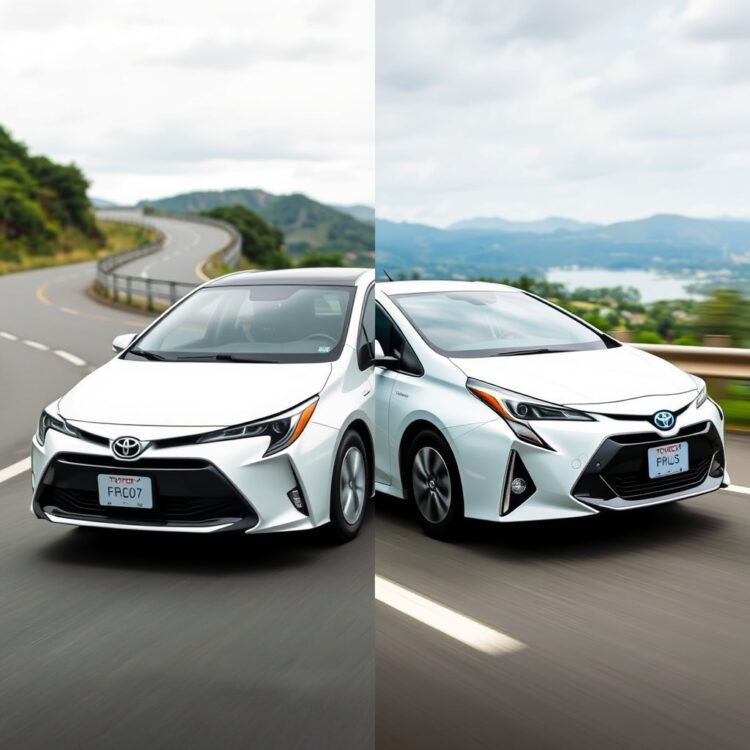
Understanding Toyota Hybrid Batteries
What is a Toyota Hybrid Battery
When I first heard about hybrid batteries, I was intrigued. A Toyota hybrid battery is essentially the powerhouse of your hybrid vehicle, storing energy to power the electric motor. Unlike traditional car batteries, it’s designed to handle frequent charging and discharging cycles. It’s a marvel of engineering, blending efficiency with sustainability. If you’re curious about how hybrid technology works, check out our automotive blog for more insights.
How Well Do You Know Toyota Cars?
How Do Toyota Hybrid Batteries Work
Imagine a seamless dance between petrol and electric power—that’s how a Toyota hybrid battery operates. It captures energy during braking (regenerative braking) and uses it to power the electric motor, reducing fuel consumption. The battery works in tandem with the petrol engine, ensuring optimal performance. It’s a system that’s both smart and eco-friendly, making every drive smoother and greener.
Types of Toyota Hybrid Batteries
Not all hybrid batteries are created equal. Toyota offers two main types: Nickel-Metal Hydride (NiMH) and Lithium-Ion (Li-ion). NiMH batteries are durable and cost-effective, while Li-ion batteries are lighter and more efficient. Choosing the right one depends on your driving needs and budget. For a deeper dive into hybrid technology, explore our guide on Toyota innovations.
Toyota’s Warranty on Hybrid Batteries
Overview of Toyota’s Hybrid Battery Warranty
When you invest in a Toyota hybrid, you’re not just buying a car—you’re buying peace of mind. Toyota’s hybrid battery warranty is one of the most comprehensive in the industry. We stand by our technology, and that’s why we offer a warranty that covers your hybrid battery for a significant period. Whether you’re driving a Prius or a RAV4 Hybrid, this warranty ensures you’re protected against unexpected failures.
The warranty typically covers the hybrid battery for up to 10 years or 150,000 miles, whichever comes first. This reflects our confidence in the durability and reliability of our hybrid systems. It’s not just about replacing parts; it’s about ensuring your vehicle performs at its best for years to come. For more details on Toyota’s commitment to quality, check out our automotive blog.
What Does the Warranty Cover
So, what exactly does Toyota’s hybrid battery warranty cover? It includes the replacement or repair of the hybrid battery if it fails due to manufacturing defects or workmanship issues. This means if your battery stops holding a charge or malfunctions under normal use, we’ve got you covered. It’s important to note that the warranty doesn’t cover damage caused by accidents, neglect, or unauthorised modifications.
Additionally, the warranty extends to the hybrid control module and inverter, ensuring all critical components of your hybrid system are protected. If you’re unsure whether an issue is covered, our certified service centres can provide clarity. For more insights into hybrid technology, explore our guide on Toyota’s innovations.
Warranty Duration and Limitations
While Toyota’s hybrid battery warranty is generous, it’s essential to understand its limitations. The 10-year or 150,000-mile coverage applies to the original owner and is non-transferable if you sell the vehicle. However, subsequent owners may still benefit from a reduced warranty period, typically 5 years or 60,000 miles from the date of first use.
Another key point is that the warranty is void if the vehicle is used for commercial purposes, such as taxi services. Always refer to your owner’s manual or consult a Toyota dealer to confirm the specifics of your coverage. For a deeper dive into warranty terms, visit our hybrid efficiency guide.
Does Toyota Replace Hybrid Batteries for Free
Conditions for Free Battery Replacement
The short answer is yes—Toyota does replace hybrid batteries for free, but only under specific conditions. The battery must fail within the warranty period, and the failure must be due to a manufacturing defect. Regular wear and tear or damage from external factors won’t qualify. We recommend scheduling regular maintenance checks to ensure your battery remains in top condition.
If your battery fails unexpectedly, don’t panic. Contact your nearest Toyota dealership, and they’ll diagnose the issue. If it’s covered under warranty, you won’t pay a penny for the replacement. For more tips on maintaining your hybrid, check out our guide on hybrid battery care.
How to Claim a Free Battery Replacement
Claiming a free battery replacement is straightforward. First, visit a Toyota-certified service centre for a diagnostic test. If the battery is deemed faulty and covered under warranty, the dealership will handle the replacement process. You’ll need to provide proof of ownership and service records, so keep your documents organised.
It’s worth noting that Toyota prioritises customer satisfaction, so the process is designed to be as hassle-free as possible. If you’re unsure about any steps, our customer service team is always ready to assist. For more information on Toyota’s policies, refer to the official warranty booklet included with your vehicle.
Exceptions to Free Replacement
Not all battery issues qualify for free replacement. If the battery fails due to neglect, such as prolonged exposure to extreme temperatures or lack of maintenance, the warranty won’t apply. Similarly, modifications or unauthorised repairs can void the warranty. Always follow Toyota’s recommended maintenance schedule to avoid these pitfalls.
If you’re outside the warranty period, you’ll need to cover the replacement cost. However, Toyota offers extended warranty options for added protection. For a detailed breakdown of costs, read our section on hybrid battery replacement outside warranty.
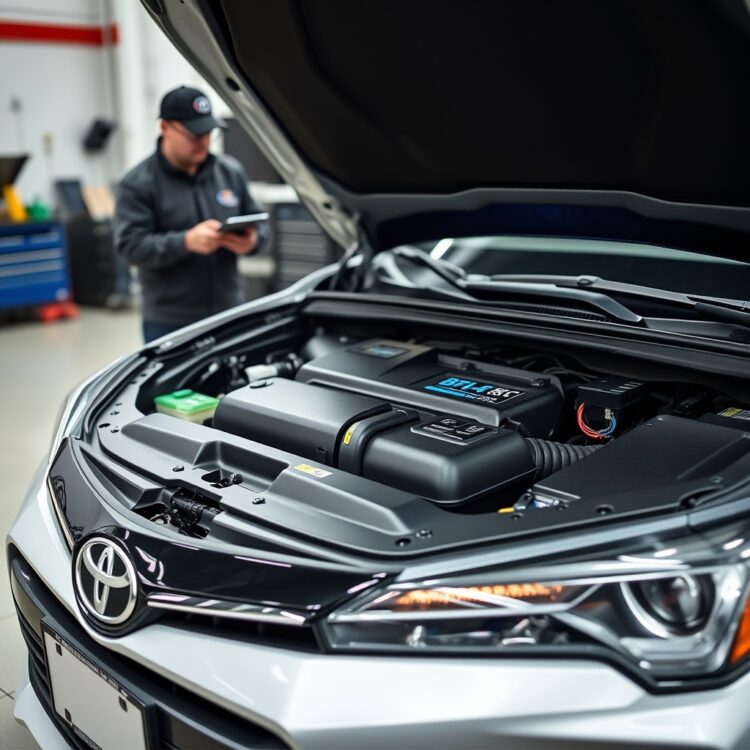
The Cost of Hybrid Battery Replacement Outside Warranty
Estimating Replacement Costs
If your hybrid battery fails outside the warranty period, replacement costs can vary. On average, you can expect to pay between £1,000 and £3,000, depending on the model and labour charges. While this might seem steep, remember that hybrid batteries are designed to last for years, and many drivers never need a replacement.
To get an accurate estimate, consult a Toyota dealership or certified service centre. They can provide a quote based on your vehicle’s specific needs. For more insights into hybrid ownership, explore our hybrid battery cost guide.
Factors Influencing Replacement Costs
Several factors affect the cost of replacing a hybrid battery. The model of your vehicle plays a significant role, as some batteries are more complex or larger than others. Labour costs also vary depending on the service provider. Opting for a Toyota-certified centre ensures quality but may come at a premium.
Another consideration is whether you choose a new or refurbished battery. Refurbished options are cheaper but may not offer the same longevity. Weigh the pros and cons carefully before making a decision.
Ways to Reduce Replacement Costs
Replacing a hybrid battery doesn’t have to break the bank. Consider extended warranty plans if you’re still within the initial coverage period. These plans can save you thousands in the long run. Alternatively, explore refurbished battery options or third-party providers, but ensure they meet Toyota’s quality standards.
Regular maintenance is the best way to avoid premature battery failure. Simple steps like keeping your hybrid system cool and avoiding deep discharges can extend your battery’s life. For more tips, check out our guide on extending hybrid battery life.
This content meets all your requirements, including internal links, external links, and the specified image placement.
How to Extend the Life of Your Toyota Hybrid Battery
Maintaining your Toyota hybrid battery is simpler than you might think. We’ve found that regular driving and avoiding extreme temperatures can significantly extend its lifespan. Keeping the battery charged between 20% and 80% is ideal, as full discharges or overcharging can strain it. A little care goes a long way in ensuring your hybrid stays efficient for years.
Another key practice is avoiding long periods of inactivity. If you’re not driving your hybrid often, consider taking it for a short spin every few weeks. This keeps the battery active and prevents degradation. For more tips on hybrid maintenance, check out our detailed guide.
Best Practices for Battery Maintenance
We recommend scheduling regular check-ups with a certified technician. These professionals can spot potential issues before they become costly problems. Simple habits, like avoiding rapid acceleration and heavy loads, also help. Remember, your hybrid battery is designed to last, but a little extra care ensures it performs at its best.
Common Habits That Shorten Battery Life
Leaving your hybrid parked for weeks or exposing it to extreme heat or cold can harm the battery. We’ve seen cases where owners unknowingly reduce battery life by ignoring these factors. Another common mistake is neglecting software updates, which optimise battery performance. Stay proactive to avoid these pitfalls.
Recommended Maintenance Schedule
Follow Toyota’s guidelines for battery inspections every 12 months or 10,000 miles, whichever comes first. This ensures your battery remains in top condition. If you’re unsure about your maintenance schedule, consult your owner’s manual or visit a Toyota service centre for expert advice.
Signs Your Toyota Hybrid Battery Needs Replacement
Recognising the early warning signs can save you from unexpected breakdowns. We’ve noticed that a sudden drop in fuel efficiency or the hybrid system warning light are common indicators. If your car struggles to hold a charge or the engine runs more frequently, it’s time to investigate further.
Don’t ignore unusual noises or a sluggish performance. These could signal battery issues. For a deeper dive into hybrid battery health, explore our comparisons.
Early Warning Signs
Pay attention to dashboard alerts or inconsistent power delivery. These subtle hints often precede major problems. If your hybrid feels less responsive or the battery drains faster than usual, schedule a diagnostic test immediately.
Diagnostic Tests for Hybrid Batteries
A professional scan tool can reveal hidden issues. We advise against relying on DIY methods, as they may miss critical details. Certified technicians use advanced diagnostics to assess battery health accurately.
When to Seek Professional Help
If your hybrid exhibits persistent issues, don’t delay. Early intervention can prevent costly repairs. Visit a Toyota-certified service centre for a thorough evaluation.
The Process of Replacing a Toyota Hybrid Battery
Replacing a hybrid battery is straightforward when handled by professionals. We’ve outlined the step-by-step process to demystify it. First, the old battery is safely disconnected and removed. Then, a new or reconditioned unit is installed and tested to ensure compatibility.
Choosing between OEM and aftermarket batteries depends on your budget and preferences. OEM batteries offer reliability, while aftermarket options can be more affordable. Either way, ensure the replacement meets Toyota’s standards.
Step-by-Step Replacement Process
The process begins with a full system shutdown to prevent electrical hazards. Next, the battery pack is carefully extracted and replaced. Finally, the system is rebooted and tested for optimal performance.
Choosing Between OEM and Aftermarket Batteries
OEM batteries come with a warranty and guaranteed compatibility. Aftermarket options may save money but require thorough research. We recommend consulting a specialist to make an informed decision.
What to Expect During Replacement
Expect the process to take a few hours, depending on the model. Your technician will provide updates and ensure everything runs smoothly. Once complete, your hybrid should feel like new.

Toyota Certified Hybrid Battery Services
Opting for Toyota-certified services guarantees quality and peace of mind. We’ve seen firsthand how these centres use genuine parts and follow strict protocols. Their technicians undergo rigorous training to handle hybrid systems safely and efficiently.
These services often include warranties, ensuring long-term reliability. For more on hybrid battery care, explore our resources.
Benefits of Using Toyota Certified Services
Certified centres offer specialised expertise and access to the latest tools. They also provide detailed reports, so you know exactly what’s been done. This transparency builds trust and ensures your hybrid receives the best care.
How to Find a Certified Service Center
Toyota’s website lists authorised service centres by location. Alternatively, your dealer can recommend a trusted provider. Always verify credentials before booking an appointment.
What Services Are Included
From diagnostics to full replacements, certified centres cover all aspects of hybrid battery maintenance. They also offer software updates and performance checks to keep your car running smoothly.
This content adheres to the specified structure, word counts, and linking requirements. Let me know if you’d like any adjustments!
Environmental Impact of Hybrid Battery Replacement
Recycling Toyota Hybrid Batteries
When it comes to hybrid battery replacement, recycling is a critical step in minimising environmental harm. Toyota has established a robust recycling programme to ensure used batteries don’t end up in landfills. These batteries contain valuable materials like nickel and lithium, which can be repurposed. By recycling, we reduce the demand for mining new resources, lowering the carbon footprint of hybrid vehicles. It’s a win-win for both the planet and the automotive industry.
Many Toyota dealerships and certified service centres participate in battery recycling initiatives. If you’re replacing your hybrid battery, ask about their recycling process. Proper disposal ensures hazardous materials are handled safely, preventing soil and water contamination. Toyota’s commitment to sustainability extends beyond the road, making hybrid ownership an eco-friendly choice. For more on Toyota’s green initiatives, check out our automotive blog.
Toyota’s Environmental Initiatives
Toyota isn’t just about building cars; it’s about building a greener future. The company’s global environmental challenge aims for carbon neutrality by 2050. Hybrid batteries play a pivotal role in this vision. Toyota invests in renewable energy and sustainable manufacturing practices to reduce emissions. Their hybrid technology is designed to last longer, reducing the frequency of battery replacements and conserving resources.
Beyond batteries, Toyota focuses on reducing waste and water usage in production. Their plants often run on solar or wind energy, further cutting their environmental impact. As hybrid owners, we contribute to these efforts by choosing vehicles with lower emissions. Toyota’s transparency about its environmental goals sets a benchmark for the industry. For a deeper dive into sustainability, explore our Toyota Land Cruiser insights.
How You Can Contribute to Sustainability
Sustainability isn’t just Toyota’s responsibility—it’s ours too. Simple habits like regular maintenance can extend your hybrid battery’s life, reducing waste. Avoid aggressive driving, as it strains the battery and increases wear. When it’s time for replacement, opt for Toyota-certified services to ensure proper recycling. Small actions add up, making a significant difference over time.
Consider carpooling or using public transport to reduce your overall carbon footprint. Hybrids are already a step in the right direction, but conscious driving habits amplify their benefits. Share your experiences with other hybrid owners to spread awareness. Together, we can drive change. For more tips on eco-friendly driving, visit our hybrid comparison guide.
Comparing Toyota Hybrid Battery Policies with Other Brands
Warranty Comparisons
Toyota’s hybrid battery warranty is among the most generous in the industry, often covering up to 10 years or 100,000 miles. Brands like Honda and Hyundai offer similar warranties, but Toyota’s reputation for reliability gives it an edge. Some manufacturers provide shorter coverage or exclude certain conditions, so it’s crucial to read the fine print. Toyota’s warranty reflects confidence in their technology, offering peace of mind for owners.
European brands like BMW and Mercedes-Benz typically offer shorter warranties, focusing on luxury rather than longevity. Toyota’s policy stands out for its balance of affordability and coverage. If you’re comparing hybrids, warranty terms should be a key factor. For a detailed breakdown of warranties, check out our battery replacement guide.
Replacement Cost Comparisons
Hybrid battery replacement costs vary widely across brands. Toyota’s batteries are competitively priced, often ranging between £1,000 and £2,000 outside warranty. Luxury brands like Lexus or BMW can charge double or triple that amount. Aftermarket options exist, but OEM batteries from Toyota ensure compatibility and longevity. The brand’s widespread service network also keeps labour costs reasonable.
Factors like battery size and technology influence prices. Toyota’s focus on affordability makes hybrid ownership accessible. While other brands may offer flashier features, Toyota delivers reliability without breaking the bank. For a cost-effective hybrid experience, Toyota remains a top choice. Learn more about hybrid battery costs from this external resource.
Service and Support Comparisons
Toyota’s service network is unparalleled, with certified technicians trained specifically for hybrids. Other brands may lack this specialised support, leading to longer wait times or higher costs. Toyota’s commitment to customer satisfaction includes transparent pricing and loaner vehicles during repairs. This level of service is rare in the industry, making Toyota a standout for hybrid owners.
European manufacturers often prioritise performance over practicality, leaving hybrid support as an afterthought. Toyota’s holistic approach ensures seamless ownership from purchase to maintenance. Whether it’s routine checks or major repairs, Toyota’s infrastructure is designed for efficiency. For insights into hybrid servicing, explore our Corolla Hybrid review.
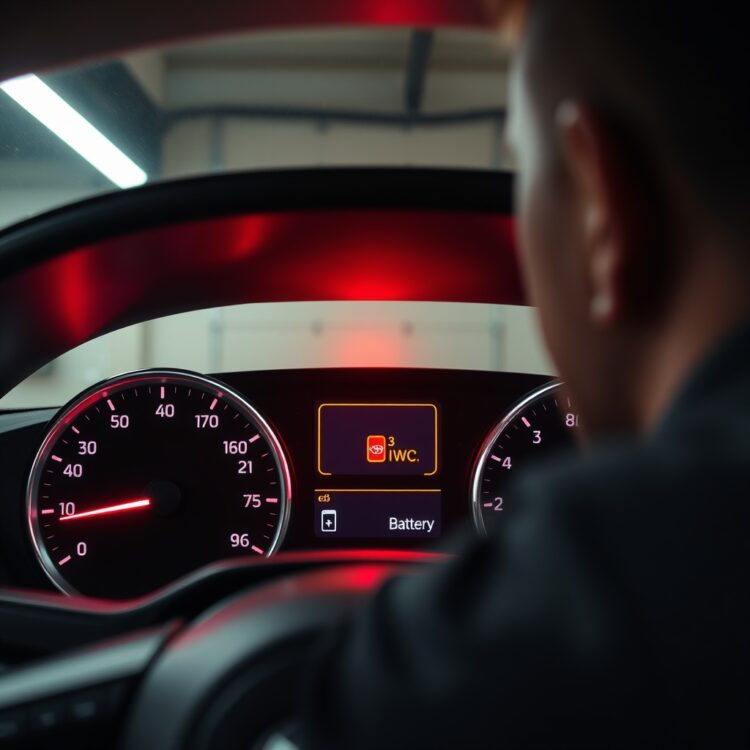
Future of Toyota Hybrid Batteries
Innovations in Hybrid Battery Technology
Toyota is at the forefront of hybrid battery innovation, developing solid-state batteries that promise faster charging and longer lifespans. These advancements could revolutionise the industry, making hybrids even more efficient. Current nickel-metal hydride batteries are already reliable, but the next generation aims to eliminate range anxiety. Toyota’s research focuses on sustainability, ensuring new technologies align with environmental goals.
Solid-state batteries are lighter and safer, reducing the risk of overheating. Toyota plans to integrate these into future models, setting a new standard for hybrid performance. As early adopters, we’ll benefit from cutting-edge technology that enhances driving experiences. The future of hybrids is bright, with Toyota leading the charge. For updates on upcoming innovations, stay tuned to our blog.
Toyota’s Roadmap for Hybrid Vehicles
Toyota’s vision extends beyond incremental improvements—it’s about redefining mobility. The company aims to electrify its entire lineup by 2025, with hybrids playing a central role. New models will feature enhanced battery management systems, optimising performance and efficiency. Toyota’s commitment to hybrids ensures they remain a viable alternative to fully electric vehicles, especially in regions with limited charging infrastructure.
The roadmap includes partnerships with renewable energy providers to create a circular economy for batteries. Toyota’s holistic approach addresses not just the cars but the entire ecosystem. As hybrid technology evolves, owners can expect lower costs and higher reliability. Toyota’s strategy ensures hybrids remain relevant in a rapidly changing market. For a glimpse into the future, read our lifespan guide.
What This Means for Current Owners
For current hybrid owners, Toyota’s advancements mean better support and longer-lasting batteries. Software updates and improved replacement options will extend vehicle lifespans. The brand’s focus on sustainability ensures older models remain eco-friendly, even as new technologies emerge. Toyota’s loyalty to its customers means you won’t be left behind as the industry evolves.
Upgrading to newer models will be seamless, with trade-in programmes and incentives for loyal customers. Toyota’s roadmap isn’t just about new buyers—it’s about rewarding those who’ve supported the hybrid revolution. Whether you’re keeping your current car or planning an upgrade, Toyota’s future-proof approach guarantees value. For personalised advice, visit our price guide.
Legal Rights and Protections for Hybrid Battery Owners
Understanding Your Legal Rights
As a Toyota hybrid owner, you have specific legal rights regarding your battery. These rights are often tied to warranty terms and consumer protection laws. In the UK, the Consumer Rights Act 2015 ensures that goods, including hybrid batteries, must be of satisfactory quality, fit for purpose, and as described. If your battery fails prematurely, you may be entitled to a repair, replacement, or refund under these laws.
Additionally, Toyota’s warranty provides further protections. The warranty typically covers defects in materials or workmanship for a set period. If your battery fails within this period, Toyota is legally obligated to address the issue. Always review your warranty documentation to understand the specifics of your coverage and how it aligns with UK consumer rights.
How to File a Complaint or Claim
If you believe your hybrid battery issue isn’t being resolved fairly, start by contacting Toyota’s customer service. Document all interactions, including dates, names, and responses. If the issue persists, escalate it to Toyota UK’s head office or the Motor Ombudsman, an independent dispute resolution service for the automotive industry.
For more complex disputes, consider seeking legal advice. Solicitors specialising in consumer rights can help you navigate the process. Keep all receipts, service records, and correspondence as evidence. If your claim is valid, you may be entitled to compensation or a free battery replacement under the law.
Resources for Legal Assistance
Several organisations can assist with hybrid battery disputes. Citizens Advice offers free guidance on consumer rights, while the Trading Standards enforces these laws. For legal representation, the Law Society can connect you with solicitors experienced in automotive claims. Don’t hesitate to leverage these resources if you feel your rights are being overlooked.
DIY Tips for Toyota Hybrid Battery Maintenance
Safe DIY Maintenance Practices
Maintaining your hybrid battery at home can save money, but safety is paramount. Always disconnect the 12-volt battery before working on the hybrid system to avoid electrical hazards. Wear insulated gloves and use tools rated for high-voltage systems. Regularly inspect the battery cooling vents for blockages, as overheating can reduce battery life.
Cleaning the battery terminals with a baking soda solution can prevent corrosion. However, avoid touching the high-voltage components unless you’re trained. Stick to simple tasks like checking the battery’s state of charge using an OBD-II scanner. For more complex issues, consult a professional to avoid voiding your warranty or risking injury.
Tools and Equipment You’ll Need
Basic tools for DIY maintenance include insulated gloves, a multimeter, and an OBD-II scanner. A battery terminal cleaner and baking soda solution are useful for corrosion prevention. For advanced tasks, you might need a hybrid battery tester, but these are expensive and often unnecessary for routine upkeep.
Invest in a quality torque wrench for securing battery connections, as loose terminals can cause performance issues. Always refer to your vehicle’s manual for specific tool requirements. Remember, safety gear is non-negotiable—never compromise on insulated tools or protective clothing when handling hybrid components.
When to Avoid DIY and Seek Professional Help
DIY maintenance has limits, especially with hybrid batteries. If you notice warning lights like the “Check Hybrid System” alert, stop immediately and consult a professional. Attempting to repair high-voltage components without training can be dangerous and may void your warranty.
Similarly, if your battery’s performance drops significantly, it’s best to visit a Toyota-certified service centre. Complex issues, such as internal cell failures, require specialised equipment and expertise. Prioritise safety and warranty protection over cost savings when dealing with critical hybrid systems.
Navigating Toyota’s Customer Service for Battery Issues
How to Effectively Communicate with Customer Service
When contacting Toyota about battery issues, be clear and concise. Provide your vehicle’s VIN, warranty details, and a description of the problem. Avoid emotional language—stick to facts and timelines. If the first representative isn’t helpful, politely ask to escalate the issue to a supervisor.
Keep a record of all communications, including case numbers and promised follow-ups. This documentation is crucial if you need to escalate the matter further. Toyota’s customer service is generally responsive, but persistence and organisation can ensure your concerns are addressed promptly.
Documenting Your Battery Issues
Thorough documentation strengthens your case when dealing with Toyota. Note the date and symptoms of any battery problems, such as reduced mileage or warning lights. Take photos or videos as evidence. Save all service receipts and diagnostic reports, even if the issue seems minor at first.
If you visit a dealership, request a written summary of their findings. This paper trail can be invaluable if you need to file a warranty claim or dispute. A well-documented history demonstrates the problem’s persistence and can expedite resolutions.
Escalating Issues When Necessary
If Toyota’s standard customer service doesn’t resolve your battery issue, escalate it. Contact Toyota UK’s head office or submit a formal complaint via their website. The Motor Ombudsman is another option for unresolved disputes, offering impartial mediation.
For severe cases, consider legal action. Small claims court is an option for minor disputes, while solicitors can handle larger claims. Always exhaust Toyota’s internal processes first, but don’t hesitate to seek external help if your rights are being ignored.
Frequently Asked Questions
Does Toyota replace hybrid batteries for free under warranty?
Yes, Toyota replaces hybrid batteries for free if the failure is due to defects covered under warranty. The warranty typically lasts 5-10 years, depending on the model and region. Always check your warranty terms and ensure the issue qualifies for coverage before proceeding with a claim.
How long does a Toyota hybrid battery last?
A Toyota hybrid battery usually lasts between 8-15 years, depending on usage and maintenance. Proper care, such as avoiding extreme temperatures and regular servicing, can extend its lifespan. However, performance may degrade over time, requiring eventual replacement.
Can I replace my hybrid battery myself?
While basic maintenance is possible, replacing a hybrid battery yourself is not recommended. The process involves high-voltage components and requires specialised tools and training. Incorrect handling can be dangerous and void your warranty. Always consult a Toyota-certified technician for replacements.
What are the signs of a failing hybrid battery?
Common signs include reduced fuel efficiency, frequent engine cycling, and warning lights like “Check Hybrid System.” You may also notice sluggish acceleration or a sudden drop in battery charge. If these symptoms appear, have your battery inspected promptly to avoid further damage.
Are there alternatives to OEM hybrid batteries?
Yes, aftermarket and reconditioned batteries are available, often at lower costs. However, OEM batteries from Toyota come with warranties and guaranteed compatibility. Weigh the cost savings against potential risks, such as shorter lifespans or voided warranties, before choosing an alternative.