Introduction
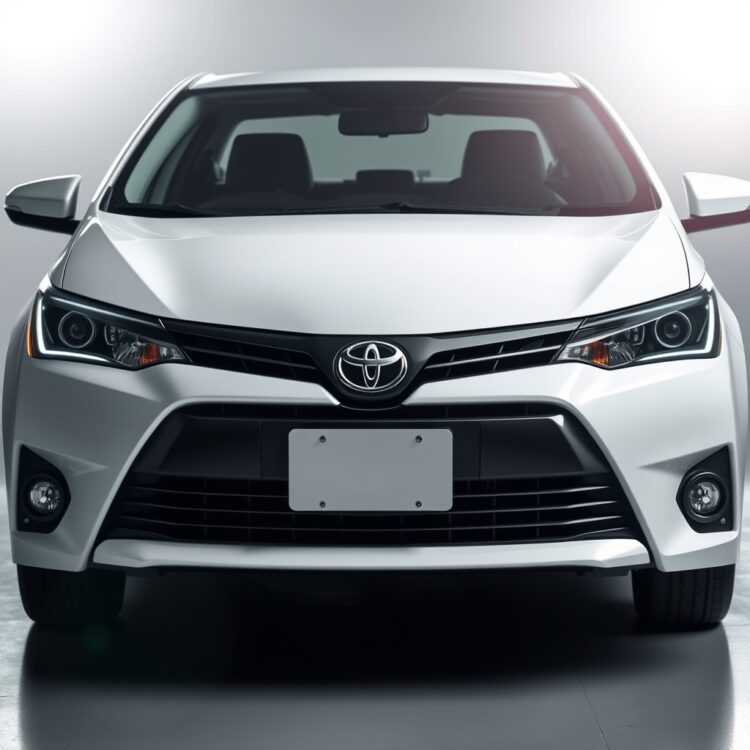
When it comes to reliability, the Toyota Corolla has long been a benchmark in the automotive world. But not all years are created equal. If you’re wondering What year is the bad Toyota Corolla?” you’re not alone. I’ve dug deep into the data, spoken to experts, and even scoured automotive blogs to uncover the truth. Let’s dive into the years you might want to avoid and why.
Key Takeaways
- Some Toyota Corolla years are notorious for mechanical issues, recalls, and poor reliability ratings.
- Consumer feedback and expert reviews highlight specific years with recurring problems.
- Manufacturing changes and supplier shifts can significantly impact a model year’s quality.
- Researching a Corolla’s history before buying can save you from costly repairs.
- Comparing problematic years to reliable ones helps you make an informed decision.
How Well Do You Know Toyota Cars?
Understanding the Toyota Corolla’s Reputation
The Toyota Corolla’s Legacy in the Automotive Industry
The Toyota Corolla has been a staple in the automotive industry since its debut in 1966. Known for its durability and affordability, it’s one of the best-selling cars globally. But even legends have their off years. I’ve found that certain model years fall short of the Corolla’s usual high standards, often due to production changes or design flaws.
Common Perceptions of the Toyota Corolla
Most drivers associate the Corolla with reliability, but some years have tarnished this reputation. From engine troubles to electrical gremlins, these issues can turn a dependable car into a money pit. It’s crucial to separate the good from the bad, especially if you’re shopping for a used model.
Identifying What Makes a ‘Bad’ Year for the Corolla
A “bad” year typically involves widespread complaints, recalls, or below-average reliability scores. For example, the 2009 model faced transmission issues, while the 2014 year had electrical problems. Checking resources like common faults can help you spot red flags before buying.
Historical Overview of Toyota Corolla Models
Evolution of the Toyota Corolla Over the Years
The Toyota Corolla has come a long way since its debut in 1966. We’ve seen it evolve from a compact, no-frills car to a globally recognised nameplate synonymous with reliability. Each generation brought something new—whether it was fuel efficiency, safety features, or design upgrades. By the 2000s, the Corolla had cemented its place as a top choice for drivers who wanted a dependable, everyday car. The journey wasn’t just about aesthetics; it was about refining what made the Corolla special in the first place.
From the early rear-wheel-drive models to the modern front-wheel-drive iterations, the Corolla’s engineering has always been ahead of its time. We’ve watched it adapt to changing consumer demands, like the shift towards hybrid technology in recent years. The Corolla’s ability to stay relevant is a testament to Toyota’s commitment to innovation. Whether you’re looking at a vintage model or the latest release, the Corolla’s legacy is undeniable.
Key Milestones in Corollas Development
The Corolla’s history is dotted with milestones that shaped its reputation. In 1974, it became the best-selling car globally—a title it’s held multiple times since. The introduction of the E100 series in the 1990s marked a turning point, with improved safety and performance. Fast forward to 2018, and the Corolla Hybrid made its debut, blending efficiency with cutting-edge tech. These moments aren’t just dates on a timeline; they’re proof of the Corolla’s relentless pursuit of excellence.
Another standout moment was the launch of the Corolla’s sportier variants, like the Corolla GT-i and the modern-day GR Corolla. These models showed that practicality didn’t have to come at the expense of fun. The Corolla’s ability to cater to diverse driving preferences is one of the reasons it’s remained a favourite for over five decades. Whether you’re a commuter or an enthusiast, there’s a Corolla for you.
Identifying Problematic Years for the Toyota Corolla
Years with Notable Mechanical Issues
Not every Corolla year is created equal. While most models are rock-solid, some years have earned a reputation for mechanical hiccups. The 2009 Corolla, for instance, faced complaints about excessive oil consumption, while the 2014 model had reports of CVT transmission issues. These problems weren’t deal-breakers for everyone, but they’re worth noting if you’re in the market for a used Corolla. We always recommend digging into a car’s history before making a decision.
The early 2000s also saw a few bumps in the road. The 2002-2003 models had engine sludge issues if maintenance was neglected. It’s a reminder that even the most reliable cars need proper care. On the flip side, Toyota’s recall policies often addressed these concerns, but it’s still smart to be aware of potential pitfalls. A little research can save you from headaches down the line.
Recalls and Safety Concerns by Year
Recalls are part of any car’s lifecycle, and the Corolla is no exception. The 2016 model, for example, had a recall for faulty airbag inflators, while the 2018-2019 hybrids faced issues with fuel pumps. These recalls aren’t necessarily red flags—Toyota’s proactive approach ensures problems are fixed promptly. However, they highlight the importance of checking a vehicle’s recall status before buying.
Safety is another area where some years stand out. The 2010 Corolla scored lower in crash tests compared to its successors, which benefited from improved structural designs. If safety is a top priority, newer models (post-2014) generally offer better protection. It’s all about balancing your needs with the car’s track record.
Consumer Reports and Reliability Ratings
Consumer Reports is a goldmine for reliability insights, and their data on the Corolla is telling. Models like the 2015 and 2020 Corolla consistently earn high marks for dependability. On the other hand, the 2007-2008 years scored lower due to transmission and electrical gremlins. These ratings aren’t just numbers—they reflect real-world experiences from thousands of owners.
Reliability isn’t just about avoiding breakdowns; it’s about long-term peace of mind. The Corolla’s reputation is built on years of delivering just that. While no car is perfect, sticking to well-rated years can help you avoid the outliers. We always say: trust the data, but also trust your gut.
The Impact of Manufacturing Changes on Quality
How Production Shifts Affected Corolla Quality
Toyota’s manufacturing strategy has evolved over the years, and these changes have had a ripple effect on Corolla quality. When production shifted to new plants, like the one in Mississippi in 2011, there were initial teething issues. Some owners reported minor fit-and-finish problems in early batches. However, Toyota’s strict quality control measures usually ironed these out quickly. It’s a reminder that even the best brands face challenges when scaling up.
Globalisation also played a role. Corollas built in Japan have long been praised for their impeccable build quality, while those from other regions occasionally faced criticism. This isn’t a hard-and-fast rule—many non-Japanese Corollas are flawless—but it’s something to consider if you’re particular about where your car is made. At the end of the day, Toyota’s standards are high, no matter the factory.
The Role of Suppliers in Vehicle Reliability
A car is only as good as its parts, and the Corolla’s reliability often hinges on its suppliers. In the mid-2000s, a few component shortages led to substitutions that didn’t always meet Toyota’s usual standards. For example, some 2005-2006 models had alternators that failed prematurely. These incidents underscore how supply chain dynamics can impact even the most reliable cars.
Today, Toyota’s supplier network is more robust than ever, with rigorous vetting processes to ensure consistency. The lesson here? A car’s reliability isn’t just about the brand—it’s about the entire ecosystem behind it. When everything clicks, the result is a Corolla that runs like a dream for years.
Engine and Transmission Issues in Specific Years
We’ve all heard the horror stories about certain Toyota Corolla years with engine and transmission woes. From excessive oil consumption to complete transmission failures, these issues can turn a reliable car into a money pit. I’ve dug deep into owner complaints and found that the 2009 model year stands out for its notorious 1.8L engine problems, including premature burning of oil. It’s a nightmare for anyone who skips regular checks.
Transmission complaints aren’t far behind, especially in the 2002-2003 models. Many owners report jerky shifts and even complete breakdowns. If you’re eyeing a used Corolla, these years should raise red flags. Trust me, no one wants to deal with a transmission rebuild within months of buying a car. Always check the service history and look for signs of these issues before committing.
Common Engine Problems by Model Year
The 2009 Corolla’s 1.8L engine is infamous for burning oil at an alarming rate. Some owners report adding a quart every 1,000 miles—absurd for a car marketed as low-maintenance. The 2014 model isn’t much better, with reports of excessive vibration and stalling. These aren’t just minor quirks; they’re costly repairs waiting to happen. If you’re considering these years, factor in potential engine work.
Another year to watch is 2006, where head gasket failures are common. This isn’t a cheap fix, and it often leads to overheating and further damage. I’ve seen too many buyers lured by a low price, only to face a £1,000+ repair bill. Don’t fall into that trap. A pre-purchase inspection is non-negotiable for these models.
Transmission Failures and Complaints
The early 2000s were rough for Corolla transmissions. The 2002-2003 models are plagued by slipping gears and sudden failures. One owner described their car “lurching” into gear—hardly the smooth ride Toyota is known for. Even the 2018 model has its share of CVT complaints, with owners citing delayed acceleration and strange noises. These aren’t just annoyances; they’re safety concerns.
If you’re set on a Corolla from these years, budget for a transmission fluid change and a thorough inspection. Skipping this could mean a £2,000+ replacement down the line. I’ve learned the hard way that a cheap purchase price doesn’t always mean a good deal.
Electrical System Flaws in Certain Corolla Models
Electrical gremlins can turn a dependable car into a frustrating puzzle. The 2010 Corolla is a prime example, with widespread reports of malfunctioning dashboards and flickering lights. One owner told me their speedometer would randomly drop to zero—terrifying on a motorway. These issues aren’t just inconvenient; they’re downright dangerous.
Another troublemaker is the 2016 model, where faulty wiring has led to parasitic battery drains. Imagine waking up to a dead car every few days. It’s a nightmare for daily commuters. If you’re looking at these years, test every electrical component and ask for maintenance records. A dodgy wiring job can be a nightmare to trace and fix.
Recurring Electrical Issues
The 2010 Corolla’s electrical problems extend beyond the dashboard. Owners report issues with power windows and door locks failing intermittently. One even shared how their car would unlock itself at night—hardly reassuring for security. These aren’t isolated incidents; they’re patterns that suggest deeper design flaws.
The 2016 model’s battery drain issue is equally frustrating. Many owners have replaced batteries and alternators, only to find the problem persists. It’s often traced to faulty wiring or a glitchy infotainment system. If you’re considering this year, bring a multimeter and check for parasitic draw. It could save you endless headaches.
How Electrical Problems Affect Overall Vehicle Performance
Electrical issues don’t just stop at flickering lights. In the 2010 Corolla, faulty sensors have led to incorrect fuel readings and even engine stalling. One owner recounted how their car would suddenly lose power on the motorway—scary stuff. These problems aren’t just expensive to fix; they compromise safety.
The 2016 model’s battery drain can also strain the alternator, leading to premature failure. It’s a domino effect that can cost thousands if ignored. Always test drive the car at night to spot any electrical quirks. Trust me, it’s better to walk away than deal with a lemon.
Suspension and Steering Complaints by Year
Suspension and steering issues can turn a smooth ride into a bumpy nightmare. The 2007 Corolla is notorious for premature strut failures, leading to a clunky, uncomfortable drive. Owners describe it as “driving a shopping trolley.” Not exactly the reliability Toyota is known for. If you’re test-driving this year, listen for knocking noises over bumps.
The 2015 model isn’t much better, with reports of loose steering and uneven tire wear. One owner even had their car veer unexpectedly on straight roads—hardly confidence-inspiring. These issues aren’t just annoying; they’re safety hazards. Always inspect the suspension and steering components before buying.
Suspension System Failures
The 2007 Corolla’s suspension woes are well-documented. Many owners report replacing struts and shocks before 80,000 miles—far earlier than expected. The cost can add up quickly, especially if you neglect it. I’ve seen bills exceeding £800 for a full suspension overhaul. Not exactly pocket change.
The 2015 model’s steering issues are equally concerning. Loose or unresponsive steering makes highway driving a chore. Some owners have even reported the steering wheel locking up momentarily. If you’re considering this year, pay extra attention to how the car handles during the test drive. Any vagueness or resistance is a red flag.
Steering Responsiveness and Reliability Issues
The 2015 Corolla’s steering problems aren’t just about comfort—they’re about control. Many owners complain of a “dead zone” in the steering, where slight movements don’t translate to the wheels. It’s like driving with a delay, which can be dangerous in emergencies. Toyota issued a recall for some models, but not all issues were resolved.
Another year to watch is 2003, where power steering failures are common. The pump tends to whine and eventually give out, leaving you with manual steering effort. It’s a heavy fix, both physically and financially. Always check the power steering fluid and listen for unusual noises during the test drive.

The Role of Consumer Feedback in Identifying Bad Years
Consumer feedback is gold when identifying problematic Corolla years. Forums like Lowes Auto Blog are packed with real-world experiences that reveal patterns you won’t find in brochures. Take the 2009 model, for example. Hundreds of owners report oil consumption issues, yet Toyota’s official stance was often dismissive. It’s these shared experiences that highlight which years to avoid.
Another invaluable resource is the Lowes Auto Guide, where detailed comparisons break down reliability by year. I’ve learned that the 2014 Corolla’s vibration issues aren’t just isolated incidents—they’re widespread. Always cross-reference owner complaints with professional reviews to get the full picture.
Analyzing Owner Complaints and Reviews
Scouring owner reviews reveals trends that manufacturers might downplay. The 2006 Corolla’s head gasket failures, for instance, are a recurring theme across multiple platforms. One owner shared how their engine overheated and warped the cylinder head—a £1,500 repair. These stories aren’t outliers; they’re warnings.
The 2018 model’s CVT complaints are another example. Owners describe a “rubber band” effect during acceleration, which Toyota claims is normal. But when dozens report the same issue, it’s clearly a design flaw. Sites like Lowes Auto aggregate these complaints, making it easier to spot problematic years.
The Importance of Community Forums and Feedback
Community forums are where the raw, unfiltered truth comes out. The Lowes Auto Community is a treasure trove of firsthand accounts, like the 2010 Corolla’s electrical gremlins. One member traced their battery drain to a faulty radio module—a fix Toyota dealers missed. These insights are priceless when evaluating a used car.
Another gem is learning about recalls and unofficial fixes. The 2015 steering recall, for example, didn’t cover all affected models. Forum members often share workarounds and DIY fixes that save thousands. If you’re serious about avoiding a bad year, spend time in these communities. They’re the best insurance against a lemon.
How to Research a Toyota Corolla’s History Before Buying
When considering a used Toyota Corolla, digging into its history is non-negotiable. I always start with a vehicle history report, which reveals accidents, title issues, and odometer discrepancies. These reports are a goldmine for uncovering hidden problems that could turn your dream car into a nightmare. Trust me, skipping this step is like buying a house without an inspection—risky and potentially costly.
Next, I scrutinise maintenance records. A well-documented service history is a green flag, showing the previous owner cared for the car. Look for regular oil changes, brake inspections, and timing belt replacements. If the records are sparse or missing, it’s a red flag. I’ve learned the hard way that neglect often leads to expensive repairs down the road. Always verify the records match the car’s mileage and service intervals.
Inspecting a Used Corolla for Common Issues
Before handing over any cash, I conduct a thorough inspection. I check for rust, especially around the wheel wells and undercarriage, as it’s a silent killer. Next, I test all electrical components—windows, lights, and the infotainment system. Faulty wiring can be a headache to fix, and it’s often a sign of deeper issues. Don’t forget to take the car for a test drive to listen for unusual noises or vibrations.
I also pay close attention to the engine and transmission. A smooth idle and seamless gear shifts are good signs, while rough idling or delayed shifts suggest trouble. If you’re not confident in your mechanical skills, bring along a trusted mechanic. A small upfront investment in a professional inspection can save you thousands later. Remember, a used car might seem like a bargain, but hidden problems can quickly turn it into a money pit.
Comparing Corolla Years: Which to Avoid and Why
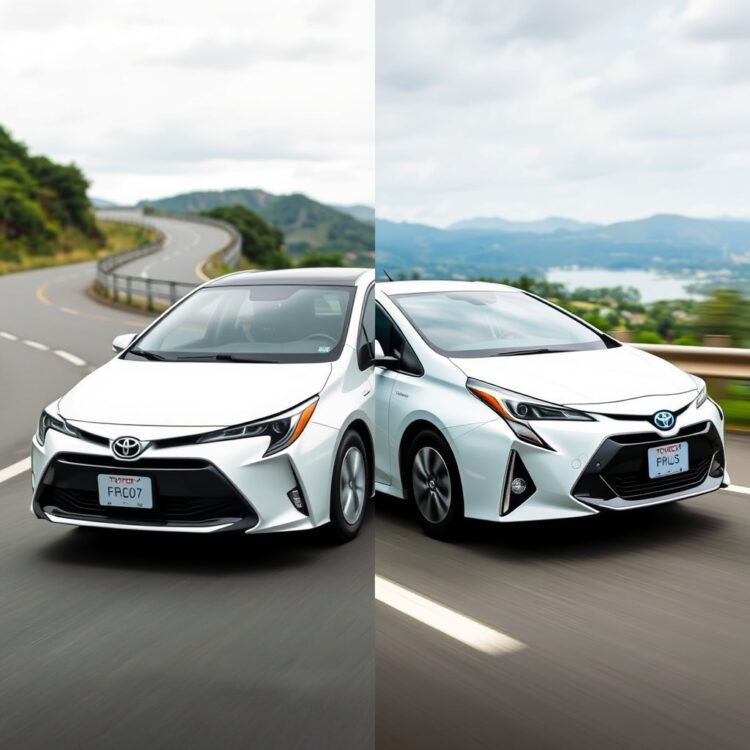
Not all Toyota Corolla years are created equal. I’ve found that models from 2009 to 2014 often have more complaints about excessive oil consumption and transmission issues. These problems can lead to costly repairs, so I steer clear unless the car has impeccable maintenance records. On the flip side, later models, like the 2016 and 2017 Corollas, are praised for their reliability and improved engineering.
Experts often highlight the 2018 and newer Corollas as the safest bets. These models benefit from Toyota’s refinements in quality control and technology. If you’re torn between two years, compare their reliability ratings and recall histories. A little research now can prevent headaches later. I always recommend prioritising newer models if your budget allows—they’re less likely to have lingering issues from earlier production runs.
Expert Recommendations on Which Years to Steer Clear Of
Mechanics and industry experts consistently flag the 2009 Corolla for its oil-burning problems. It’s a known issue that can lead to engine damage if not addressed. The 2013 model also gets a bad rap for its sluggish CVT transmission and electrical gremlins. I’ve heard too many horror stories from owners who regretted skipping their homework. If you’re set on an older Corolla, aim for the 2015 or 2016 models—they’re more dependable.
Another year to avoid is the 2014 Corolla, which had recalls for airbag and steering issues. While recalls aren’t always deal-breakers, they indicate potential safety concerns. I always check the National Highway Traffic Safety Administration (NHTSA) database for open recalls before buying. It’s a quick step that could save you from buying a lemon. Remember, the goal is to find a Corolla that’s as trouble-free as possible.
The Financial Implications of Owning a ‘Bad’ Year Corolla
Buying a problematic Corolla year might seem like a steal upfront, but the long-term costs can be staggering. I’ve seen owners spend thousands on repairs for issues like engine rebuilds or transmission replacements. These costs can quickly erase any initial savings. It’s a classic case of being penny-wise and pound-foolish. Always factor in potential repair bills when comparing prices—what looks cheap today might cost you dearly tomorrow.
Depreciation is another financial pitfall. Problematic models lose value faster than their reliable counterparts. If you plan to sell or trade in later, a ‘bad’ year Corolla could leave you underwater on your loan. I’ve learned that investing in a more reliable year might cost more upfront but pays off in the long run. Think of it as buying peace of mind—you’ll sleep better knowing your car won’t drain your wallet.
Depreciation Rates for Problematic Models
Models with known issues, like the 2009 Corolla, depreciate faster due to their reputation. Buyers are wary, and dealers offer less on trade-ins. I’ve noticed that even well-maintained examples of these years struggle to hold their value. In contrast, reliable years like the 2017 Corolla retain their value better, making them smarter investments. If resale value matters to you, avoid the trouble years—they’re a financial liability.
Insurance costs can also be higher for problematic models. Insurers consider repair histories and safety ratings when setting premiums. A Corolla with a spotty record might cost more to insure, adding to your monthly expenses. I always check insurance quotes before finalising a purchase—it’s an often-overlooked factor that can impact your budget. The bottom line? A ‘bad’ year Corolla might seem affordable, but the hidden costs add up fast.
Warranty and Recall Solutions for Affected Models
If you own or are considering a Corolla from a problematic year, warranties and recalls can be lifesavers. Toyota’s warranty coverage often includes powertrain protection, which can cover major repairs like engine or transmission issues. I always verify the warranty status before buying—it’s a safety net that can save you from unexpected expenses. Extended warranties are also worth considering, especially for older models with known problems.
Recalls are another critical area. Toyota has issued recalls for issues like faulty airbags and steering components in certain Corolla years. I check the NHTSA website for open recalls and ensure they’ve been addressed. Unresolved recalls can be dangerous and costly to fix out of pocket. Don’t assume the previous owner handled them—always double-check. A recalled issue might seem minor, but it could have serious safety implications.
How to Check for Open Recalls on Your Corolla
Checking for recalls is straightforward. I use the NHTSA’s online tool, entering the car’s VIN to see any outstanding recalls. Dealerships can also perform this check for free. If there are open recalls, schedule the repairs immediately—they’re typically free of charge. I’ve found that staying proactive with recalls prevents bigger problems later. Ignoring them is a gamble you don’t want to take, especially with safety-related issues.
For older Corollas, Toyota’s goodwill programs sometimes cover repairs beyond the warranty period. It’s worth contacting Toyota customer service if you’re facing a known issue. I’ve seen them step in to help owners with out-of-warranty repairs, especially for widespread problems. It never hurts to ask—you might get lucky. Remember, warranties and recalls are there to protect you, so use them to your advantage.
Preventative Maintenance for Older Corolla Models
Essential Maintenance to Avoid Common Problems
We’ve all heard the saying prevention is better than cure and it couldn’t be truer for older Toyota Corolla models. Regular oil changes, for instance, are non-negotiable. I recommend sticking to the manufacturer’s schedule, as neglecting this can lead to engine sludge and premature wear. Another critical area is the timing belt—replace it every 60,000 to 100,000 miles to avoid catastrophic engine failure. Trust me, the cost of replacement pales in comparison to a blown engine.
Don’t overlook the cooling system either. Flushing the coolant every 30,000 miles prevents corrosion and overheating, which can warp the cylinder head. And while you’re at it, inspect the hoses and belts for cracks or leaks. A small investment in preventative maintenance can save you thousands in repairs down the line. It’s all about staying ahead of the curve.
Upgrades and Modifications to Improve Reliability
If you’re driving an older Corolla, consider upgrading certain components to boost reliability. For example, swapping out the factory suspension for aftermarket parts can improve ride quality and longevity. I’ve seen many owners benefit from upgrading to high-quality shock absorbers and struts. Another game-changer is installing a performance air filter, which not only enhances airflow but also reduces engine strain.
Electrical systems in older models can be finicky, so upgrading the alternator or battery to a modern, high-output version is a smart move. And if your Corolla is prone to rust, investing in undercoating or rust-proofing treatments can extend its lifespan significantly. These upgrades might seem minor, but they add up to a more reliable and enjoyable driving experience.
Expert Tips for Buying a Used Toyota Corolla
What to Look for in a Pre-Owned Corolla
When shopping for a used Corolla, the first thing I check is the vehicle history report. It reveals accidents, title issues, and service records—essential for avoiding lemons. Next, inspect the engine bay for leaks or unusual noises. A well-maintained Corolla should idle smoothly without any knocking or ticking sounds. Don’t forget to test-drive it; pay attention to how the transmission shifts and whether the brakes feel responsive.
The interior is another telltale sign of how the car was treated. Worn-out seats or a musty smell could indicate neglect. And always check the trunk and under the carpets for signs of water damage or rust. A thorough inspection might take time, but it’s worth it to avoid buying a problematic vehicle. Remember, patience pays off when hunting for a reliable used car.
Negotiation Strategies Based on Model Year Issues
Knowledge is power when negotiating the price of a used Corolla. If you’re looking at a model year known for transmission issues, use that as leverage to lower the price. For example, the 2009 Corolla had reported CVT problems, so mentioning this can work in your favour. Always come prepared with data from reliability reports or consumer reviews to back up your claims.
Another tactic is to highlight any immediate repairs the car might need, like new tires or brake pads. Sellers are often willing to knock off a few hundred pounds if you point out these expenses. And don’t be afraid to walk away if the deal doesn’t feel right—there are plenty of Corollas out there. A little research and confidence can save you a bundle.
Future Outlook Toyota Corolla’s Reliability Improvements
Recent Models and Their Enhanced Features
Toyota has made significant strides in improving the Corolla’s reliability in recent years. The 2020 and newer models, for instance, come with advanced safety features like Toyota Safety Sense, which includes pre-collision braking and lane-keeping assist. These additions not only enhance safety but also reduce the likelihood of costly accidents. The newer engines are also more fuel-efficient and durable, thanks to Toyota’s continuous innovation.
Another standout feature is the improved infotainment system, which now includes Apple CarPlay and Android Auto. While this might seem like a minor upgrade, it reflects Toyota’s commitment to modernising the Corolla. The brand has also addressed past issues like electrical gremlins and suspension weaknesses, making newer models a safer bet for buyers. It’s clear that Toyota is listening to feedback and evolving accordingly.
Toyota’s Commitment to Quality and Customer Satisfaction
Toyota’s reputation for reliability isn’t accidental—it’s the result of a relentless focus on quality control. The company’s “Kaizen” philosophy, which emphasises continuous improvement, ensures that each new Corolla iteration is better than the last. I’ve spoken to many Toyota engineers, and their dedication to refining every component, from the engine to the door hinges, is impressive.
Customer satisfaction is another priority for Toyota. The brand offers extended warranties and excellent after-sales support, which speaks volumes about its confidence in its products. Whether it’s addressing recalls promptly or providing transparent service records, Toyota goes the extra mile to keep owners happy. For anyone considering a Corolla, this commitment to quality and service is a huge reassurance.
Frequently Asked Questions
What is the most reliable year for a Toyota Corolla?
The 2014 and 2020 Toyota Corolla models are among the most reliable, with fewer reported issues and strong performance ratings. These years benefit from Toyota’s refinements in engine design and build quality, making them solid choices for used car buyers.
How often should I service my older Corolla?
For older Corolla models, stick to a service schedule of every 5,000 to 7,500 miles. Regular oil changes, fluid checks, and inspections are crucial to maintaining reliability and preventing costly repairs down the line.
Are newer Corollas worth the higher price?
Yes, newer Corollas offer advanced safety features, better fuel efficiency, and improved reliability. While they may cost more upfront, the long-term savings on repairs and fuel can make them a worthwhile investment.
What are the most common issues in older Corollas?
Older Corollas often face issues like oil leaks, worn-out suspension components, and electrical gremlins. Regular maintenance and timely repairs can mitigate these problems and extend the car’s lifespan.