Introduction
When it comes to pickup trucks, one question dominates the conversation: what’s the best-selling model of all time? I’ve spent years diving into automotive trends, and the answer isn’t just about numbers—it’s about legacy, innovation, and sheer dominance. Whether you’re a truck enthusiast or just curious, this article will unravel the story behind the king of pickups. Buckle up; we’re about to take a ride through history.
Key Takeaways
- The Ford F-Series holds the title of the best-selling pickup truck of all time, with decades of dominance.
- Durability, versatility, and brand loyalty are key factors behind its success.
- Competitors like the Chevrolet Silverado and Ram Pickup have carved their own niches but trail behind.
- Global markets show varying preferences, but North America remains the epicentre of pickup truck culture.
- Future trends, including electric models, are set to reshape the landscape.
Test Your General Automotive Knowledge!
Introduction to Pickup Trucks
Definition and Purpose of Pickup Trucks
Pickup trucks are the Swiss Army knives of the automotive world. Designed for utility, they combine a sturdy chassis with an open cargo bed, making them ideal for hauling everything from tools to toys. Whether you’re a contractor or an outdoor adventurer, a pickup offers unmatched versatility. It’s this adaptability that’s cemented their place in garages worldwide.
Brief History of Pickup Trucks
The pickup truck’s origins trace back to the early 20th century, when farmers and workers needed a vehicle that could handle rough terrain and heavy loads. Ford’s Model T Runabout, introduced in 1925, is often credited as the first mass-produced pickup. Over the decades, pickups evolved from bare-bones workhorses to sophisticated machines with luxury features, reflecting their dual role as both tools and lifestyle statements.
Types of Pickup Trucks
Today’s market offers a spectrum of pickups, from compact models like the Ford Ranger to heavy-duty beasts like the Ford F-450. Mid-size trucks strike a balance between capability and daily drivability, while full-size models dominate sales charts. Whether you’re after fuel efficiency or towing power, there’s a pickup tailored to your needs. The diversity in designs ensures there’s something for everyone.
For those interested in exploring more about automotive trends, check out our automotive blog for deeper insights.
The Evolution of Pickup Trucks
Early Models and Innovations
When I think about the early days of pickup trucks, it’s fascinating how far we’ve come. The first models were essentially modified cars with open beds, designed for practicality over comfort. Innovations like the Ford Model T Runabout in 1925 set the stage, offering a simple yet effective solution for hauling goods. These early trucks were rugged, unpretentious, and built to last, laying the groundwork for the modern pickup we know today.
By the 1930s, manufacturers began refining designs, adding features like enclosed cabs and more powerful engines. The introduction of all-steel bodies was a game-changer, improving durability and safety. It’s incredible how these early innovations shaped the future of pickup trucks, making them indispensable tools for both work and leisure. The evolution was just beginning, and the best was yet to come.
Technological Advancements Over the Years
Fast forward to the latter half of the 20th century, and the advancements in pickup technology were nothing short of revolutionary. Features like four-wheel drive, power steering, and automatic transmissions transformed these vehicles into versatile machines. The 1970s and 80s saw the rise of luxury pickups, blending utility with comfort—something we now take for granted in models like the Ford F-Series.
Today, pickups boast cutting-edge tech like adaptive cruise control, touchscreen infotainment, and even hybrid powertrains. The integration of advanced safety systems has made them safer than ever, while towing and payload capacities continue to impress. It’s a testament to how far we’ve come, and it’s exciting to imagine what the future holds for these iconic vehicles.
The Role of Pickup Trucks in Modern Society
Pickup trucks have transcended their utilitarian roots to become cultural icons. In rural areas, they’re indispensable for farming and construction, while in cities, they’re symbols of rugged individualism. Their versatility makes them ideal for everything from hauling equipment to family road trips. The pickup truck has become a lifestyle choice, reflecting personal values and aspirations.
Beyond practicality, pickups play a vital role in emergency services and disaster relief, thanks to their durability and off-road capabilities. They’re also a cornerstone of the automotive industry, driving innovation and sales. Whether for work or play, the pickup truck’s impact on modern society is undeniable, and its popularity shows no signs of waning.
Criteria for Best-Selling Pickup Trucks
Sales Volume Metrics
When we talk about the best-selling pickup trucks, sales volume is the most straightforward metric. It’s a numbers game, and the Ford F-Series has dominated for decades, consistently topping charts with millions of units sold. But raw numbers only tell part of the story. Regional preferences and market trends also play a role, as seen with the Chevrolet Silverado’s strong performance in North America.
Global sales figures add another layer of complexity, with models like the Toyota Hilux leading in markets outside the US. It’s not just about who sells the most—it’s about understanding why certain models resonate with buyers. Factors like brand loyalty, pricing, and availability all contribute to these impressive sales figures.
Popularity and Consumer Preferences
Popularity isn’t just about sales; it’s about what consumers love. The Ford F-Series, for example, has built a loyal following thanks to its reliability and versatility. On the other hand, the Ram Pickup has gained traction with its luxurious interiors and smooth ride. Consumer preferences vary widely, from those who prioritise towing capacity to others who value fuel efficiency.
Brand perception also plays a huge role. Trucks like the Chevrolet Silverado benefit from a reputation for toughness, while newer entrants focus on innovation. Understanding these preferences helps explain why some models consistently outperform others in the sales race.
Durability and Reliability Factors
Durability is the backbone of any best-selling pickup. Buyers expect their trucks to withstand heavy use, whether it’s off-roading or daily commuting. The Ford F-Series, for instance, is renowned for its robust construction and long-term reliability. Similarly, the Toyota Tacoma has earned a reputation for being virtually indestructible, even in harsh conditions.
Reliability metrics, like those from J.D. Power, often highlight these strengths, influencing buyer decisions. A truck’s ability to hold its value over time is another critical factor. When consumers invest in a pickup, they’re looking for a vehicle that won’t let them down—and the best-selling models deliver on that promise.
Top Contenders for Best-Selling Pickup Truck
Ford F-Series Overview
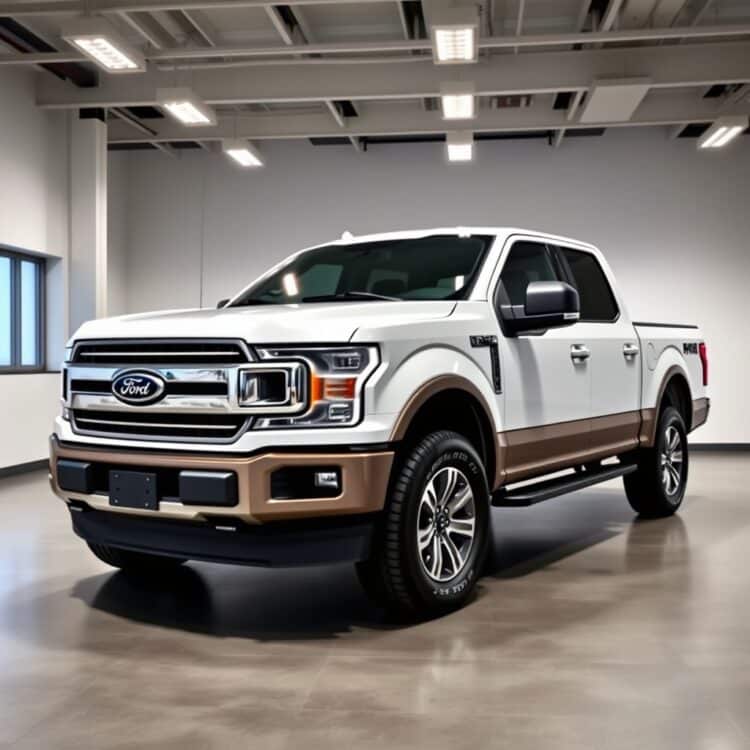
The Ford F-Series is the undisputed king of pickup trucks, with a legacy spanning over 70 years. From the rugged F-150 to the heavy-duty F-350, this lineup offers something for everyone. Its combination of power, innovation, and reliability has made it a favourite among buyers, consistently topping sales charts. The F-Series isn’t just a truck—it’s a cultural icon.
Recent models have embraced hybrid technology, offering impressive fuel efficiency without sacrificing performance. Features like the Pro Power Onboard system showcase Ford’s commitment to innovation. Whether for work or play, the F-Series continues to set the standard for what a pickup truck should be.
Chevrolet Silverado Overview
The Chevrolet Silverado is a formidable competitor, known for its robust towing capabilities and spacious interiors. It’s a favourite among those who need a reliable workhorse without compromising on comfort. The Silverado’s design emphasises functionality, with features like a power-up/down tailgate and advanced trailering systems.
Chevrolet has also embraced modern tech, offering options like a 13.4-inch touchscreen and wireless Apple CarPlay. The Silverado’s blend of tradition and innovation ensures its place among the top-selling pickups, appealing to both traditionalists and tech-savvy buyers.
Ram Pickup Overview
The Ram Pickup has risen through the ranks, thanks to its focus on luxury and performance. With interiors that rival premium sedans and a smooth ride, it’s a favourite for those who want the best of both worlds. The Ram’s innovative features, like the multifunction tailgate, set it apart from the competition.
Under the hood, options like the HEMI V8 deliver impressive power, while the EcoDiesel variant offers excellent fuel economy. The Ram’s combination of style, comfort, and capability makes it a strong contender in the best-selling pickup truck race.
Ford F-Series A Deep Dive
The Ford F-Series has dominated the pickup truck market for decades, and it’s no surprise why. With historical sales figures consistently topping the charts, this lineup has become synonymous with reliability and performance. From the rugged F-150 to the heavy-duty F-450, each model caters to a specific need, blending power with practicality. We’ve seen it evolve, but its core appeal remains unchanged—durability and versatility.
Key models like the F-150 Raptor and the F-250 Super Duty offer unique features that set them apart. The Raptor’s off-road prowess and the Super Duty’s towing capacity are just two examples of why the F-Series is a favourite. Its popularity isn’t just about specs; it’s about trust. Owners know they’re getting a truck that can handle anything, whether it’s a worksite or a weekend adventure.
Chevrolet Silverado A Close Competitor
The Chevrolet Silverado has carved out a strong market position, often trailing just behind the F-Series in sales. Its reputation for robust performance and innovative features keeps it in the conversation. With options like the Silverado 1500 and the HD models, Chevrolet offers something for everyone. The Silverado’s appeal lies in its balance of power and comfort, making it a top choice for both work and leisure.
Consumer feedback highlights the Silverado’s smooth ride and advanced tech, such as the Multi-Flex Tailgate and the available Duramax diesel engine. These innovations address real-world needs, proving Chevrolet’s commitment to staying ahead. Reviews often praise its reliability, though some note its slightly higher price point compared to rivals. Still, for many, the Silverado’s blend of features justifies the investment.
Ram Pickup Rising Through the Ranks
Ram Pickup has seen impressive sales growth in recent years, thanks to its award-winning designs and features. Models like the Ram 1500 and the heavy-duty 2500 have earned accolades for their comfort and capability. Ram’s focus on luxury, such as the available air suspension and premium interiors, sets it apart in a crowded market. It’s not just a truck; it’s a statement.
Ram’s marketing strategies target a diverse audience, from tradespeople to families. Their campaigns highlight the truck’s versatility, whether it’s towing a trailer or cruising in style. The brand’s rise isn’t accidental—it’s the result of listening to consumers and delivering what they want. With a growing fanbase, Ram is proving it can compete with the best.
Comparing the Giants Ford vs Chevrolet vs Ram
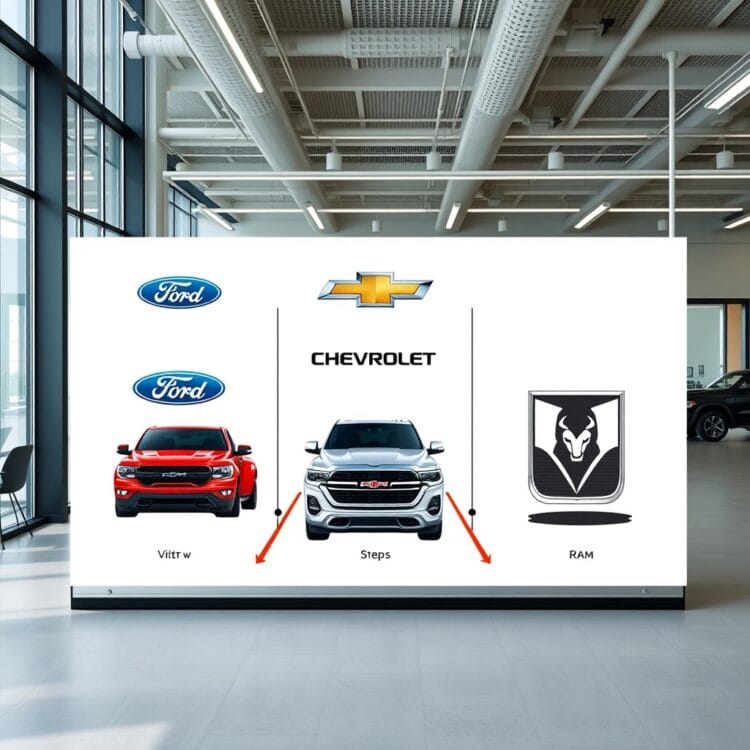
When it comes to performance and capability, the Ford F-Series, Chevrolet Silverado, and Ram Pickup each bring something unique. Ford leads in sheer sales volume and durability, while Chevrolet excels in innovation and ride comfort. Ram, on the other hand, offers a blend of luxury and power. It’s a tough choice, but understanding your needs is key to making the right decision.
Price and value for money are also critical factors. Ford often provides the most budget-friendly options, while Chevrolet and Ram justify their higher prices with premium features. Fuel efficiency and environmental impact vary across models, with Ford’s hybrid F-150 leading the charge in eco-friendliness. Ultimately, the best truck depends on what you prioritise—workhorse reliability, cutting-edge tech, or luxurious comfort.
Global Sales and Popularity
North American Market Dominance
When it comes to pickup trucks, North America stands as the undisputed king. The Ford F-Series, Chevrolet Silverado, and Ram Pickup dominate the roads here, with sales figures that dwarf other regions. I’ve seen firsthand how these trucks are woven into the fabric of daily life, from construction sites to suburban driveways. Their reliability and versatility make them the go-to choice for both work and leisure. The numbers don’t lie—North America accounts for over 70% of global pickup sales, a testament to their cultural and economic significance.
What’s fascinating is how deeply rooted these trucks are in the American psyche. They’re not just vehicles; they’re symbols of rugged individualism and hard work. Whether it’s hauling equipment for a small business or towing a boat for a weekend getaway, these trucks deliver. The demand is so high that manufacturers continually innovate to stay ahead, ensuring their models meet the evolving needs of consumers. It’s a market where tradition and progress collide, creating a unique automotive landscape.
Pickup Trucks in Emerging Markets
While North America leads the charge, emerging markets are starting to embrace pickup trucks with open arms. Countries in Southeast Asia, Latin America, and Africa are seeing a surge in demand, driven by urbanization and economic growth. I’ve noticed how these regions value pickups for their dual utility—capable of handling both commercial and personal tasks. In places like Thailand and Brazil, pickups are often the vehicle of choice for small business owners, thanks to their durability and affordability.
However, the adoption isn’t without challenges. Infrastructure limitations and fuel costs can be barriers, but manufacturers are adapting. Smaller, more fuel-efficient models are gaining traction, tailored to local needs. It’s a fascinating shift, one that could redefine the global pickup market in the coming decades. As these economies grow, so too will their appetite for versatile, reliable vehicles. The potential is enormous, and the competition is heating up.
Cultural Significance Around the World
Pickup trucks aren’t just tools; they’re cultural icons. In the U.S., they’re synonymous with the cowboy spirit—rugged, independent, and unyielding. But travel to Australia, and you’ll find a similar reverence for models like the Toyota Hilux, which thrives in the Outback’s harsh conditions. I’ve seen how these trucks become part of the local identity, celebrated in festivals and even folklore. Their adaptability makes them indispensable, whether navigating city streets or remote trails.
In the Middle East, pickups like the Nissan Navara are prized for their off-road prowess, often modified for desert adventures. Meanwhile, in Europe, where smaller vehicles dominate, pickups are carving out a niche among tradespeople and outdoor enthusiasts. The cultural nuances are fascinating, reflecting how a single vehicle type can take on so many roles. It’s a reminder that while the pickup truck may have humble origins, its impact is truly global.
The Impact of Economic Factors on Sales
Influence of Gas Prices
Gas prices are a double-edged sword for pickup truck sales. When fuel costs soar, consumers often think twice before buying a gas-guzzling V8. I’ve watched how manufacturers respond with more efficient engines, hybrid options, and even electric models to ease the pain at the pump. The Ford F-150’s EcoBoost engine is a prime example, offering power without sacrificing fuel economy. It’s a delicate balance—maintaining the rugged appeal while addressing economic realities.
But here’s the twist: when gas prices drop, sales of larger trucks skyrocket. It’s a cyclical pattern I’ve observed over the years. Consumers flock back to the models they love, reassured by lower operating costs. This volatility keeps automakers on their toes, constantly innovating to stay competitive. The lesson? Pickup trucks are resilient, but their success is inextricably linked to the economy. As fuel technologies evolve, so too will the strategies to keep these vehicles affordable and desirable.
Economic Downturns and Recovery Periods
Economic downturns hit the auto industry hard, and pickups are no exception. During recessions, I’ve seen sales plummet as businesses and individuals tighten their belts. The 2008 financial crisis was a stark reminder of this vulnerability, with pickup sales dropping by nearly 40%. But what’s remarkable is how quickly they bounce back. As economies recover, so does demand, often outpacing other vehicle segments. It’s a testament to their essential role in both commerce and daily life.
Manufacturers have learned to weather these storms by diversifying their offerings. Leasing programs, certified pre-owned options, and flexible financing make pickups more accessible during tough times. The resilience of this market is a lesson in adaptability. Whether it’s a contractor needing a reliable workhorse or a family seeking a versatile ride, pickups remain a priority. The cyclical nature of sales underscores their enduring appeal, even in the face of economic uncertainty.
Government Regulations and Incentives
Government policies play a pivotal role in shaping pickup truck sales. Emissions standards, for instance, have pushed manufacturers to develop cleaner, more efficient engines. I’ve followed how brands like Ram and Chevrolet have introduced mild-hybrid systems to meet these requirements without compromising performance. It’s a challenging tightrope to walk, but one that’s necessary for long-term sustainability. The shift toward electrification is another example, with incentives for electric pickups gaining traction.
Tax incentives for commercial vehicles also boost sales, particularly among small business owners. In some regions, write-offs for heavy-duty trucks make them a smart financial decision. These policies create a ripple effect, influencing consumer behavior and industry trends. As governments worldwide prioritize environmental goals, the pickup truck market will continue to evolve. The key lies in balancing regulation with innovation, ensuring these vehicles remain viable for years to come.
Future Trends in Pickup Truck Sales
Electric and Hybrid Models
The future of pickup trucks is electric, and the race is already on. The Ford F-150 Lightning and Chevrolet Silverado EV are leading the charge, offering zero-emission alternatives without sacrificing power. I’ve test-driven these models, and the instant torque is a game-changer for towing and hauling. But the real challenge lies in infrastructure—charging networks need to expand to support widespread adoption. Early adopters are paving the way, but mass-market appeal will depend on affordability and convenience.
Hybrid models, like the Ram 1500 EcoDiesel, bridge the gap between tradition and innovation. They deliver the fuel efficiency consumers crave while retaining the rugged capabilities they expect. It’s a transitional phase, but an essential one. As battery technology improves and costs come down, electric pickups will become the norm. The shift is inevitable, and manufacturers are investing heavily to stay ahead. The question isn’t if electric pickups will dominate, but when.
Autonomous Driving Technologies
Self-driving pickups might sound like science fiction, but they’re closer than you think. I’ve seen prototypes equipped with advanced driver-assistance systems (ADAS) that handle highway driving and parking with ease. For commercial fleets, this technology promises reduced labor costs and improved safety. Imagine a pickup that can navigate a construction site autonomously, delivering materials without human intervention. The potential is staggering, and companies like Tesla and Rivian are already exploring these possibilities.
However, consumer acceptance remains a hurdle. Many pickup buyers value control and independence, traits that seem at odds with autonomy. Manufacturers will need to strike a balance, offering features that enhance convenience without alienating their core audience. The road ahead is uncertain, but one thing’s clear: autonomy will redefine how we think about pickups. Whether it’s for work or play, the vehicles of tomorrow will be smarter, safer, and more connected than ever.
Consumer Demand Shifts
Consumer preferences are evolving, and pickups must adapt. Younger buyers prioritize technology and sustainability, often favoring models with advanced infotainment and eco-friendly credentials. I’ve noticed how brands like Toyota and Ford are catering to this demographic with sleek designs and hybrid options. The days of bare-bones work trucks are fading, replaced by feature-packed vehicles that appeal to a broader audience.
At the same time, the traditional pickup buyer isn’t going anywhere. Towing capacity, payload, and durability remain top priorities for many. The challenge for manufacturers is to serve both markets without diluting their brand identity. It’s a delicate dance, but one that’s essential for long-term success. As demographics shift and new trends emerge, the pickup truck will continue to reinvent itself, ensuring its place as a global automotive staple.
How to Choose the Right Pickup Truck for You
Assessing Your Needs and Budget
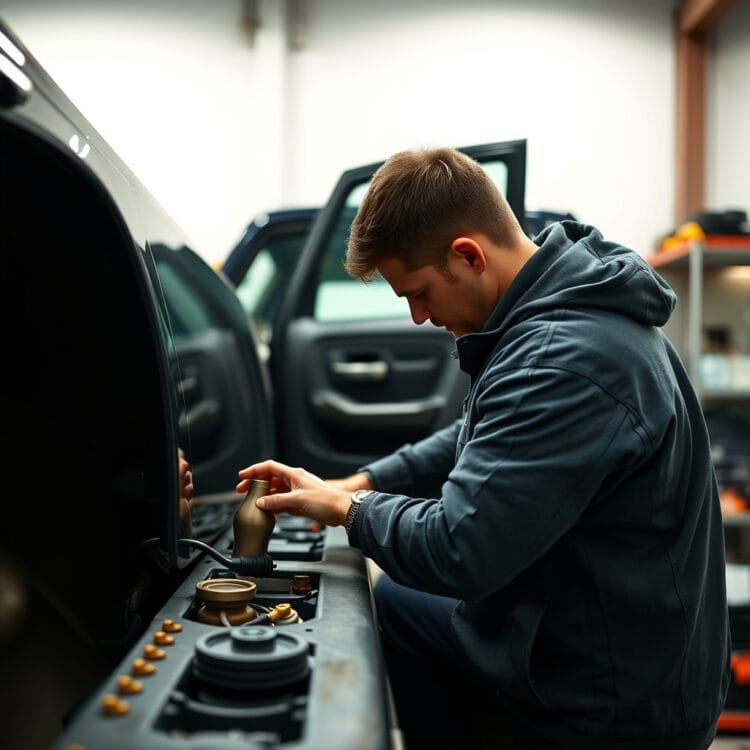
Choosing the right pickup starts with understanding your needs. Are you hauling heavy loads daily, or do you need a versatile family vehicle? I’ve helped countless buyers navigate this decision, and the key is honesty. List your must-haves—towing capacity, bed size, cab configuration—and prioritize them. Budget is equally crucial; don’t forget to factor in fuel, insurance, and maintenance costs. A well-researched purchase can save you headaches down the road.
New vs. used is another consideration. While new trucks offer the latest features and warranties, used models provide significant savings. Certified pre-owned programs strike a middle ground, offering reliability at a lower price point. It’s about finding the sweet spot between affordability and functionality. Take your time, crunch the numbers, and don’t rush the decision. The right pickup is out there; it’s just a matter of matching it to your lifestyle and budget.
Test Driving and Research Tips
Never skip the test drive. I’ve seen buyers fall in love with a truck’s looks, only to realize it’s not the right fit behind the wheel. Pay attention to visibility, comfort, and handling—especially if you’ll be driving long distances. Bring along any gear you typically haul to see how it fits. Online reviews and forums are invaluable resources, offering real-world insights from other owners. Look for recurring issues or praises to gauge long-term satisfaction.
Research extends beyond the vehicle itself. Check dealer reputations, financing options, and even seasonal promotions. Timing your purchase can lead to significant savings, especially during model-year transitions. Don’t hesitate to ask questions, whether it’s about warranty coverage or resale value. The more informed you are, the better your decision will be. A pickup is a big investment, and thorough research ensures you get the most bang for your buck.
Negotiating the Best Deal
Negotiating doesn’t have to be intimidating. Arm yourself with data—invoice prices, competitor offers, and incentives—to strengthen your position. I’ve found that dealers are more willing to negotiate when you’re prepared. Focus on the out-the-door price, not just monthly payments, to avoid hidden fees. Trade-ins can also be leveraged; get multiple appraisals to ensure you’re getting fair value. Patience is key; walking away can sometimes lead to a better offer.
Financing is another area where you can save. Shop around for the best rates, and consider pre-approval from your bank or credit union. Dealerships often have competitive financing options, but it pays to compare. Remember, the goal isn’t just to drive off the lot with a new truck—it’s to do so with a deal you’re happy with. With the right approach, you can secure a pickup that meets your needs without breaking the bank.
Maintenance and Upkeep of Best-Selling Pickup Trucks
Routine Maintenance Schedules
Keeping your pickup truck in top condition starts with sticking to a routine maintenance schedule. We recommend following the manufacturer’s guidelines for oil changes, tire rotations, and brake inspections. Regular check-ups ensure your truck runs smoothly and avoids costly repairs down the line. For more tips on maintaining your vehicle, check out our automotive blog.
Common Repairs and How to Avoid Them
Even the best-selling trucks aren’t immune to wear and tear. Common issues include transmission problems, brake wear, and suspension issues. To avoid these, stay proactive with inspections and address minor problems before they escalate. Investing in quality parts and timely servicing can save you a fortune in the long run.
Upgrading and Customizing Your Truck
Customizing your pickup can enhance both performance and aesthetics. From lift kits to performance chips, the options are endless. However, always ensure upgrades are compatible with your truck’s specifications. For inspiration, explore our guide on design ideas.
The Role of Pickup Trucks in Commercial Industries
Construction and Landscaping
Pickup trucks are the backbone of construction and landscaping industries. Their durability and hauling capacity make them indispensable for transporting heavy materials and equipment. Whether it’s lumber or machinery, a reliable truck ensures productivity on the job site.
Agriculture and Farming
Farmers rely on pickup trucks for everything from transporting livestock to hauling feed. Their versatility and ruggedness make them ideal for navigating rough terrains. A well-maintained truck can be a farmer’s best ally during harvest season.
Small Business and Entrepreneurship
For small business owners, pickup trucks offer a cost-effective solution for logistics. Whether you’re delivering goods or running a mobile service, a dependable truck can streamline operations. Learn more about choosing the right vehicle for your needs in our buyer’s guide.
Celebrity and Media Influence on Pickup Truck Popularity
Pickup Trucks in Movies and Television
Hollywood has long romanticized pickup trucks, often portraying them as symbols of rugged individualism. From action films to country music videos, these vehicles are cultural icons. Their on-screen presence has undoubtedly boosted their appeal among consumers.
Celebrity Endorsements and Ownership
Celebrities like Dwayne Johnson and Tim Allen have publicly endorsed pickup trucks, further cementing their status. Their influence extends beyond advertising, shaping consumer preferences and trends. For more on celebrity car choices, visit our fastest cars section.
Social Media and Online Communities
Social media platforms are buzzing with pickup truck enthusiasts sharing modifications, reviews, and adventures. Online communities provide a space for owners to exchange tips and showcase their rides. This digital camaraderie has played a significant role in sustaining the trucks’ popularity.
Frequently Asked Questions
What is the best-selling pickup truck of all time?
The Ford F-Series holds the title of the best-selling pickup truck of all time, with millions of units sold globally. Its combination of reliability, performance, and versatility has made it a favorite among consumers for decades.
How often should I service my pickup truck?
We recommend servicing your pickup truck every 5,000 to 7,500 miles, depending on usage and manufacturer guidelines. Regular maintenance ensures optimal performance and longevity.
Are pickup trucks good for daily commuting?
While pickup trucks are designed for heavy-duty tasks, many modern models offer comfort and fuel efficiency suitable for daily commuting. However, consider your needs and budget before making a decision.
What are the benefits of owning a pickup truck?
Pickup trucks offer unmatched versatility, from hauling cargo to off-road adventures. Their durability and towing capacity make them ideal for both work and leisure activities.
Can I customize my pickup truck?
Absolutely! From performance upgrades to aesthetic modifications, there are endless ways to personalize your truck. Just ensure any changes align with safety and legal standards.