At What Mileage Should I Get a New Car?
I’ve been asked this question more times than I can count: “When is the right time to ditch my old car and get a new one?” It’s a tricky one because mileage isn’t the only factor—age, maintenance, and even how you drive play a role. But let’s be honest, mileage is the big one. It’s the number we all obsess over when buying or selling a car.
So, what’s the magic number? Well, there isn’t one. But there are guidelines. Most modern cars are built to last well beyond 100,000 miles if they’re looked after. The real question is: when does the cost of keeping your car on the road outweigh the cost of replacing it? That’s where things get interesting. Let’s dive in.
Key Takeaways
- Mileage is just one factor—age, maintenance, and driving habits matter too.
- Modern cars can last over 100,000 miles with proper care.
- The tipping point is when repair costs exceed the car’s value.
- High-mileage cars can be a bargain if they’ve been well-maintained.
- Consider comparing models to find the best fit for your needs.
Understanding Mileage and Car Longevity
The Basics of Mileage and Vehicle Lifespan
Mileage is like a car’s heartbeat—it tells you how much life it’s lived. But it’s not the whole story. A car with 150,000 miles of motorway driving might be in better shape than one with 80,000 miles of stop-start city traffic. Why? Because constant high-speed cruising is easier on the engine and transmission.
Manufacturers design cars to last, but how long depends on the brand and model. Some, like the Vauxhall Corsa VXR, are built for performance and durability, while others might start showing wear sooner. The key is regular maintenance. Oil changes, brake checks, and timely repairs can stretch a car’s lifespan far beyond its odometer reading.
How Mileage Affects Car Performance
As miles pile up, so do the stresses on your car’s components. Engine parts wear down, suspension gets sloppy, and even the interior starts to show its age. But here’s the thing: not all wear is equal. A well-maintained car can still feel tight and responsive at 100,000 miles, while a neglected one might feel like it’s falling apart at 50,000.
Performance cars, like the Corsa VXR, often handle high mileage better because they’re built with tougher materials. But even they need love. If you’re noticing sluggish acceleration, strange noises, or frequent trips to the garage, it might be time to start shopping. The trick is to catch the signs early and weigh the costs before you’re stuck with a money pit.
The Impact of Age vs. Mileage on Used Cars
When it comes to buying a used car, the debate between age and mileage is a hot topic. Some argue that a car’s age is more critical, while others swear by mileage as the ultimate indicator of a vehicle’s condition. So, which one should you prioritise? Let’s break it down.
Age can affect a car in ways mileage doesn’t. Rubber seals dry out, plastics become brittle, and electronics may fail over time, regardless of how much the car has been driven. On the other hand, a high-mileage car that’s been well-maintained can often outperform a low-mileage car that’s been sitting idle for years. It’s all about balance.
Comparing Age and Mileage in Used Cars
Imagine two cars: one is five years old with 50,000 miles, and the other is ten years old with 30,000 miles. Which is the better buy? The answer isn’t straightforward. The five-year-old car has seen more use, but it’s also newer, meaning it likely has more modern features and fewer age-related issues.
Meanwhile, the ten-year-old car has lower mileage, but its age could mean outdated safety tech or worn-out components from lack of use. The key is to inspect both thoroughly and consider factors like service history and overall condition. A well-documented automotive blog can provide valuable insights into what to look for.
When Age Trumps Mileage
There are scenarios where age is the bigger concern. For example, a car that’s been parked for years may have stale fuel, a dead battery, or even rodent damage. These issues aren’t reflected in the odometer but can be costly to fix. Conversely, a high-mileage car with a full service history might be a safer bet.
Ultimately, the best approach is to weigh both factors. A car’s age gives you clues about its technology and potential wear, while mileage tells you how much it’s been used. Don’t forget to check out reliability reviews for specific models to make an informed decision.
Determining Good Miles for a Used Car
What’s considered “good” mileage for a used car? It’s a question that plagues many buyers. While there’s no one-size-fits-all answer, understanding average benchmarks and the factors that influence acceptable mileage can help you make a smarter purchase.
Generally, cars average around 12,000 miles per year. So, a five-year-old car with 60,000 miles is right on track. However, this isn’t a hard rule. Some cars are built to last well beyond 200,000 miles, while others start showing wear at 100,000. It all depends on the make, model, and maintenance.
Average Mileage Benchmarks
For most modern cars, 100,000 miles is no longer the death sentence it once was. Advances in engineering and materials mean many vehicles can easily surpass this mark with proper care. Brands like Toyota and Honda are renowned for their longevity, often clocking 200,000 miles or more.
On the flip side, luxury or performance cars may require more attention as they age. If you’re eyeing a high-performance model, be prepared for higher maintenance costs as the miles pile up. Always research the specific model’s reputation for durability.
Factors That Influence Acceptable Mileage
Mileage isn’t just a number—it’s a story. How the car was driven matters just as much as how far. Highway miles are easier on a vehicle than stop-and-go city driving. Similarly, a car used for short trips may have more wear on components like the starter and battery.
Service history is another critical factor. A car with 150,000 miles and a stack of maintenance records can be a better buy than one with 80,000 miles and no history. Don’t overlook the importance of regular oil changes, belt replacements, and other routine care.
High-Mileage Cars: Pros and Cons

High-mileage cars often get a bad rap, but they’re not all doom and gloom. In fact, they can offer incredible value if you know what to look for. Let’s explore the advantages and risks of buying a car with a lot of miles under its belt.
One of the biggest perks of high-mileage cars is their affordability. They’re typically priced lower than their low-mileage counterparts, making them accessible to budget-conscious buyers. Plus, if the car has been well-maintained, you could get years of reliable service out of it.
Advantages of Buying High-Mileage Vehicles
High-mileage cars have already undergone much of their depreciation, meaning you won’t lose as much money if you decide to sell later. They’re also a great option if you don’t plan to drive much—adding a few thousand miles a year won’t significantly impact their value.
Another advantage is that many high-mileage cars come from long-distance commuters who’ve kept up with maintenance. These owners often invest in timely repairs and use quality parts, ensuring the car remains in good shape. For example, a well-maintained VXR model can still deliver thrilling performance even after 100,000 miles.
Risks Associated with High-Mileage Purchases
Of course, high-mileage cars aren’t without risks. Components like the transmission, suspension, and engine may be nearing the end of their lifespan, leading to costly repairs. It’s essential to budget for potential issues and get a pre-purchase inspection.
Another risk is the unknown. Without a detailed service history, you could be buying a car that’s been neglected. Always ask for records and look for signs of wear, such as uneven tire tread or unusual noises. A little due diligence can save you from a money pit.
Identifying When Mileage Is Too High
Signs of Excessive Wear and Tear
When a car’s mileage climbs, wear and tear become inevitable. I’ve seen it time and again—cars with high mileage often show signs like uneven tyre wear, squeaky brakes, or a sluggish transmission. These are red flags. If you’re considering a used car, pay close attention to these details. A well-maintained vehicle can still perform well, but neglect accelerates deterioration. Regular checks are non-negotiable.
Another telltale sign is engine performance. High-mileage cars may struggle with oil consumption or overheating. I always recommend a thorough inspection by a trusted mechanic. They’ll spot issues like worn-out belts or leaking fluids that you might miss. Remember, mileage isn’t just a number—it’s a story of how the car’s been treated. Don’t ignore the plot twists.
Mileage Thresholds for Different Car Types
Not all cars age the same way. A Corsa VXR with 100,000 miles might still have plenty of life left, while a luxury sedan at the same mileage could be a money pit. I’ve found that smaller, turbocharged engines often handle high mileage better than larger, naturally aspirated ones. It’s all about design and maintenance.
For example, diesel engines are known for their longevity, often surpassing 200,000 miles with proper care. Petrol engines, especially performance-oriented ones like the Corsa VXR, can also last but require meticulous upkeep. The key is knowing your car’s limits and sticking to a maintenance schedule. Don’t let high mileage scare you—let it guide your expectations.
The Role of Car Maintenance in Mileage
How Regular Maintenance Extends Vehicle Life
I’ve always believed that maintenance is the secret to longevity. A car with 150,000 miles but a full service history can outlast one with 80,000 miles and neglected oil changes. It’s that simple. Regular oil changes, fluid top-ups, and filter replacements keep the engine running smoothly. Think of it as giving your car a fighting chance against time and wear.
Beyond the basics, don’t overlook components like the timing belt or suspension. These parts wear out over time and can cause catastrophic failure if ignored. I’ve seen cars with high mileage run like new because their owners treated maintenance as a priority. It’s not just about fixing problems—it’s about preventing them. A stitch in time saves nine, as they say.
Critical Maintenance Checks for High-Mileage Cars
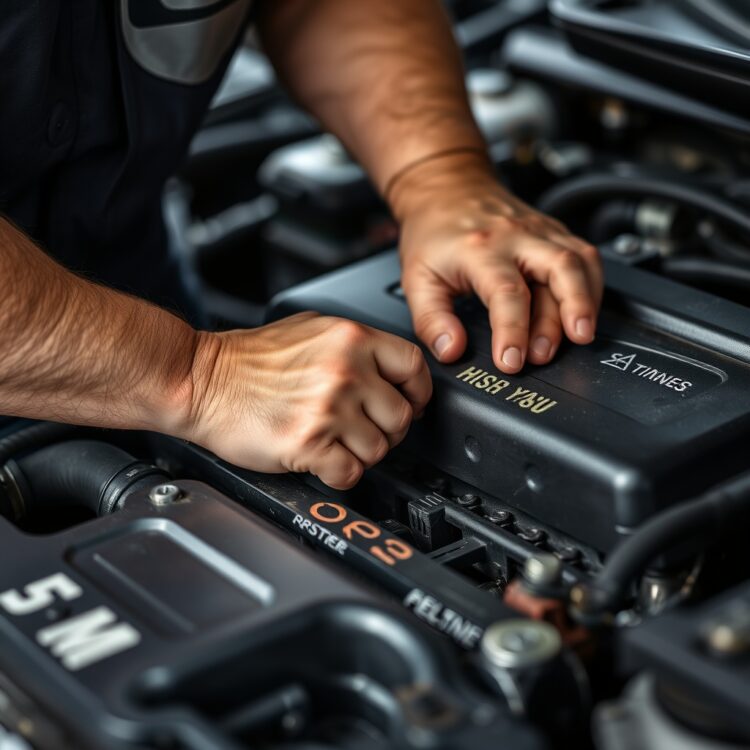
High-mileage cars demand extra attention. I always advise checking the cooling system first. Overheating is a common issue in older cars, and a failing radiator or water pump can spell disaster. Next, inspect the brakes and suspension. Worn-out shocks or brake pads compromise safety and performance. These checks aren’t optional—they’re essential.
Finally, don’t forget the transmission. Whether manual or automatic, it’s a complex system that suffers with age. Fluid changes and occasional inspections can prevent costly repairs. If you’re unsure, consult a professional. A little effort now can save you a fortune later. High mileage doesn’t have to mean high stress—just high standards.
Safety Considerations for Older, High-Mileage Cars
Evaluating Safety Features Over Time
Safety technology evolves rapidly, and older cars often lack modern features like lane-keeping assist or automatic emergency braking. I’ve driven my fair share of high-mileage cars, and while they’re reliable, their safety tech can feel outdated. It’s a trade-off. If safety is a priority, consider upgrading to a newer model or retrofitting older cars with aftermarket systems.
Another concern is structural integrity. High-mileage cars may have weakened frames or rust issues, especially in harsh climates. Always inspect the chassis and bodywork for signs of corrosion. A car’s age and mileage can affect its ability to protect you in a crash. Don’t compromise on safety—your life depends on it.
Upgrading Safety in High-Mileage Vehicles
If you’re attached to your high-mileage car, there are ways to enhance its safety. Start with the basics: new tyres, upgraded brake pads, and a fresh set of headlights. These small changes can make a big difference. For more advanced upgrades, consider installing a rearview camera or a blind-spot monitoring system. They’re affordable and easy to fit.
I’ve also seen success with aftermarket airbag systems for older cars. While not a replacement for modern safety tech, they add an extra layer of protection. Remember, safety isn’t just about the car’s age—it’s about how well it’s maintained and upgraded. A high-mileage car can still be a safe car if you invest in it wisely.
The Best Cars for High Mileage
Brands Known for Longevity
Some brands just last longer. Toyota, Honda, and Volvo are legendary for their durability. I’ve owned a few high-mileage Toyotas, and they’ve never let me down. Their engines are built to endure, and their parts are designed for longevity. If you’re looking for a car that’ll go the distance, these brands are a safe bet.
But don’t overlook lesser-known names. Suzuki and Subaru also produce robust vehicles that handle high mileage well. The key is research. Look for models with a reputation for reliability and low maintenance costs. A brand’s track record speaks volumes—listen to it.
Models That Excel in High-Mileage Conditions
Certain models are built for the long haul. The Toyota Corolla, Honda Civic, and Volvo XC90 are classics for a reason. I’ve seen these cars clock 200,000 miles and keep going. Their secret? Simple engineering and quality materials. They’re not flashy, but they’re dependable.
For performance enthusiasts, the Corsa VXR is a surprising contender. With proper care, these hot hatches can handle high mileage without losing their spark. It’s all about balance—performance and practicality. If you want a car that’s fun and durable, don’t overlook these gems. High mileage doesn’t have to mean boring.
Financial Implications of Mileage on Car Value
How Mileage Affects Resale Value
When it comes to selling your car, mileage is one of the first things potential buyers check. A high-mileage car often loses value faster because wear and tear become more apparent. For example, a Corsa VXR with 100,000 miles will fetch far less than one with 30,000 miles, even if both are in good condition. Buyers associate lower mileage with longevity, so keeping your car’s odometer in check can pay off when it’s time to sell.
However, mileage isn’t the only factor. Maintenance history and overall condition play a huge role. A well-maintained high-mileage car can still command a decent price, especially if it’s a model known for reliability. The key is to strike a balance—don’t let the fear of high mileage deter you from driving, but be mindful of how it impacts your car’s market value.
Calculating Depreciation Based on Mileage
Depreciation is the silent killer of car value, and mileage accelerates it. On average, a car loses about 15-20% of its value per year, but high mileage can push that number higher. For instance, a Vauxhall Corsa VXR driven 20,000 miles annually will depreciate faster than one driven 10,000 miles. Tools like online valuation calculators can help you estimate how much your car’s value drops with each mile.
To minimise depreciation, consider spreading out your mileage or opting for a car with a slower depreciation curve. Some brands, like Toyota or Honda, hold their value better than others. If you’re planning to sell soon, keeping your mileage low and maintaining a full service history can make a world of difference.
When to Consider Getting a New Car Based on Mileage
Mileage Milestones for Replacement
There’s no magic number for when to replace your car, but certain milestones can signal it’s time. For most modern cars, 100,000 miles is a tipping point—beyond this, maintenance costs often rise sharply. If your car starts needing frequent repairs or its performance dips, it might be more cost-effective to upgrade. For example, a Corsa VXR nearing this mark could become a money pit.
That said, some cars defy the odds. Well-built models like the Vauxhall Astra VXR can go well beyond 150,000 miles with proper care. The decision to replace should hinge on your car’s condition, not just the odometer. If it’s still running smoothly and you’re happy with it, there’s no rush to switch.
Balancing Cost and Mileage in Decision Making
Replacing a car is a big financial decision, and mileage is just one piece of the puzzle. Weigh the cost of repairs against the price of a new car. If your high-mileage car needs a £2,000 repair, but a newer model would cost £15,000, sticking with the old one might make sense. However, if repairs are becoming frequent, the peace of mind of a newer car could be worth the investment.
Also, consider fuel efficiency and safety features. Newer cars often offer better mileage and advanced safety tech, which can save money and lives in the long run. If your current car feels outdated or unsafe, mileage shouldn’t be the only factor holding you back.

The Truth About Mileage and Car Reliability
Debunking Mileage Myths
Many believe high mileage automatically means a car is unreliable, but that’s not always true. A car with 150,000 motorway miles might be in better shape than one with 50,000 city miles. Motorway driving is gentler on engines, while stop-and-go traffic causes more wear. The key is how the car was driven and maintained, not just the number on the odometer.
Another myth is that all cars become unreliable after a certain mileage. While some models do struggle past 100,000 miles, others, like the Corsa VXR, are built to last. Research your car’s reputation for longevity—some surprises might change your perspective.
Real-Life Mileage Expectations vs. Manufacturer Claims
Manufacturers often claim their cars can last 200,000 miles or more, but real-world results vary. Factors like driving habits, climate, and maintenance play huge roles. For instance, a Vauxhall Corsa VXR driven aggressively in harsh winters won’t last as long as one babied in mild weather. Owner forums and reliability surveys can give you a clearer picture of what to expect.
Ultimately, mileage is a guideline, not a rule. A well-cared-for car can defy expectations, while a neglected one can fail prematurely. Focus on your car’s condition and history, not just the numbers, when assessing its reliability.
How to Inspect a High-Mileage Used Car
Key Inspection Points
Buying a high-mileage used car? Start with the basics: check the engine, transmission, and suspension for signs of wear. Listen for unusual noises, test the brakes, and inspect the tires for uneven wear. A Corsa VXR with a smooth-running engine and tight suspension can still be a great buy, even with high miles.
Don’t skip the paperwork. A full service history is gold—it shows the car was cared for. Look for receipts of major repairs or replacements, like timing belts or clutches. If the seller can’t provide these, walk away. A well-documented car is far less risky, regardless of mileage.
Professional Inspection vs. DIY Checks
While a DIY inspection can reveal obvious issues, a professional mechanic will spot hidden problems. For a few hundred pounds, a thorough inspection can save you thousands in repairs later. This is especially crucial for high-mileage cars, where wear might not be visible to the untrained eye. If you’re serious about a Vauxhall Corsa VXR, investing in a professional opinion is wise.
That said, don’t ignore your gut. If something feels off during a test drive—strange smells, odd sounds, or sluggish performance—trust your instincts. High-mileage cars can be bargains, but only if they’ve been treated right.
The Future of High-Mileage Cars
Technological Advances Extending Vehicle Lifespans
We’re living in an era where technology is transforming every aspect of our lives, and cars are no exception. Advances in engineering, materials, and diagnostics are pushing the boundaries of how long a car can last. From improved engine designs to smarter maintenance systems, modern vehicles are built to endure. I’ve seen cars with over 200,000 miles running smoothly, thanks to innovations like synthetic oils and advanced wear-resistant components.
But it’s not just about the hardware. Software plays a huge role too. Onboard diagnostics and predictive maintenance alerts help owners address issues before they become costly problems. Imagine a car that tells you exactly when it needs a service—no guesswork, just precision. This is the future, and it’s already here. For those of us who love squeezing every mile out of our rides, these advancements are a game-changer.
The Role of Electric Vehicles in Mileage Longevity
Electric vehicles (EVs) are rewriting the rules of high-mileage ownership. With fewer moving parts than traditional combustion engines, EVs inherently have less wear and tear. No oil changes, no transmission issues—just a battery and an electric motor. I’ve spoken to EV owners who’ve clocked 150,000 miles with minimal maintenance, and their cars still feel brand new.
However, the elephant in the room is battery degradation. While modern lithium-ion batteries are designed to last, they do lose capacity over time. The good news? Battery technology is improving rapidly. Companies are already working on solid-state batteries that promise longer lifespans and faster charging. If you’re considering an EV for high-mileage use, the future looks bright—just keep an eye on battery health and warranty terms.
Personal Stories: High-Mileage Car Experiences
Success Stories of High-Mileage Vehicles
I’ll never forget the story of a friend who drove his Vauxhall Corsa VXR past 300,000 miles. Yes, you read that right—300,000! His secret? Rigorous maintenance and a genuine love for the car. He treated it like a member of the family, and it repaid him with unwavering reliability. Stories like his prove that mileage isn’t just a number—it’s a testament to care and dedication.
Another standout is the legendary Toyota Land Cruiser, often seen crossing the 500,000-mile mark with ease. These vehicles are built for endurance, and their owners swear by their longevity. Whether it’s a rugged SUV or a sporty hatchback, the common thread is proper upkeep. If you’re willing to invest time and effort, your car can defy the odds and keep going strong.
Lessons Learned from High-Mileage Ownership
Not all high-mileage tales end happily, though. I’ve heard horror stories of neglected cars falling apart at 100,000 miles. The lesson? Maintenance isn’t optional—it’s essential. Skipping oil changes or ignoring strange noises can turn a reliable car into a money pit. One owner learned this the hard way when his engine seized due to low oil levels. A simple check could’ve saved him thousands.
Another key takeaway is choosing the right car. Some models, like the Vauxhall Corsa VXR, are known for their durability, while others struggle past 100,000 miles. Research and reviews are your best friends here. Don’t just buy a car—buy into its reputation for longevity.
Making the Decision: Mileage and Your Next Car
Assessing Your Needs vs. Mileage Concerns
When it’s time to buy a new car, mileage shouldn’t be the only factor—but it’s a big one. Ask yourself: How much driving do I actually do? If you’re covering 20,000 miles a year, a high-mileage car might not be the best fit. But if you’re a weekend driver, a well-maintained used car with 80,000 miles could be a steal.
Also, consider your tolerance for repairs. High-mileage cars often need more attention, and while some owners enjoy the tinkering, others just want hassle-free driving. Be honest with yourself about where you fall on that spectrum. Your wallet—and your sanity—will thank you.
Final Checklist Before Purchasing Based on Mileage
Before signing on the dotted line, run through this checklist: Service history? Check. No major accidents? Check. Test drive? Absolutely. Pay attention to how the car feels—any odd vibrations or noises are red flags. And don’t skip the pre-purchase inspection. A professional can spot issues you might miss, saving you from a costly mistake.
Finally, trust your gut. If something feels off, walk away. There are plenty of fish—er, cars—in the sea. Whether you’re buying new or used, the goal is the same: a reliable ride that fits your lifestyle. And with the right approach, mileage doesn’t have to be a dealbreaker.
Frequently Asked Questions
What is considered high mileage for a car?
High mileage is typically anything over 100,000 miles, but it depends on the vehicle. Well-maintained cars can exceed 200,000 miles, while others may struggle past 150,000. Always check the service history and condition before judging a car by its odometer.
Is it worth buying a car with over 100,000 miles?
Yes, if it’s been well-maintained and has a solid service record. Brands like Toyota and Honda are known for longevity. However, be prepared for potential repairs and factor those costs into your budget.
How does mileage affect a car’s value?
Mileage is a key factor in depreciation. Higher mileage generally means lower resale value, but condition and maintenance history also play huge roles. A well-kept high-mileage car can still fetch a decent price.
What’s the best way to maintain a high-mileage car?
Stick to the manufacturer’s service schedule, use quality parts and fluids, and address issues promptly. Regular inspections and proactive care can extend your car’s life significantly.
Are electric cars better for high-mileage use?
EVs have fewer moving parts, reducing wear and tear. However, battery degradation is a concern. If you drive long distances, research battery warranties and charging infrastructure before committing.