Introduction to Second-Hand Car Age Considerations
When it comes to buying a second-hand car, age isn’t just a number—it’s a critical factor that can make or break your decision. I’ve spent years navigating the used car market, and one thing’s clear: the age of a car impacts everything from performance to price. Whether you’re a first-time buyer or a seasoned pro, understanding this can save you a fortune and a headache.
We often hear that newer is better, but is that always true? Not necessarily. A car’s age tells a story about its wear and tear, technology, and even safety features. In this article, I’ll break down why age matters, how it affects performance, and what the ideal age range is for a used car. Trust me, by the end, you’ll know exactly what to look for.
Key Takeaways
- Age affects a car’s depreciation, performance, and maintenance costs.
- The sweet spot for used cars is typically 3-5 years old.
- Older cars (5+ years) may offer lower upfront costs but higher long-term expenses.
- Balance age with mileage and condition for the best value.
Test Your General Automotive Knowledge!
Why Age Matters in Second-Hand Cars
Age is a proxy for wear and tear. A 10-year-old car might look pristine, but its components—like the engine, suspension, and electronics—have endured a decade of use. I’ve seen buyers lured by low prices, only to face hefty repair bills later. That’s why age is a key indicator of a car’s remaining lifespan and reliability.
Another factor is technology. Older cars lack modern safety and infotainment features. For example, a 2015 model won’t have the advanced driver-assist systems found in a 2020 car. If safety is a priority, age becomes even more critical. It’s not just about how the car drives today, but how it’ll hold up tomorrow.
The Impact of Car Age on Performance
Performance isn’t just about speed—it’s about consistency. A newer car, like a Corsa VXR, will deliver smoother acceleration and better fuel efficiency than an older model. Over time, engines lose efficiency, and transmissions wear down. I’ve driven cars with similar mileage but different ages, and the difference is night and day.
Older cars also struggle with emissions standards. If you’re in a city with strict regulations, a car over 10 years old might not even be allowed. Performance isn’t just about how the car feels; it’s about how it fits into your life. That’s why age is a non-negotiable factor in your buying decision.
Understanding the Ideal Age Range for a Used Car
The Sweet Spot: 3-5 Years Old
When it comes to buying a second-hand car, the sweet spot is often between 3 to 5 years old. At this age, the car has already undergone the steepest part of its depreciation curve, meaning you’re not paying the premium for a brand-new model. Plus, many modern cars still retain their reliability and performance within this window. It’s a balance between affordability and longevity.
Another advantage is that cars in this range often come with some remaining manufacturer warranty or the option to extend it. This gives you peace of mind, knowing that major repairs might still be covered. If you’re looking for a reliable used car, this age bracket is a solid starting point. You’ll also find a wide variety of models and specs, making it easier to find something that suits your needs.
Pros and Cons of Cars Older Than 5 Years
Cars older than 5 years can be a fantastic bargain, but they come with trade-offs. On the plus side, the price is significantly lower, and if the car has been well-maintained, it can still offer years of service. However, you’ll need to be prepared for higher maintenance costs and potential repairs, as wear and tear become more apparent.
Older cars may also lack some of the latest safety and tech features, which could be a dealbreaker for some buyers. That said, if you’re willing to put in the effort to maintain it, an older car can be a cost-effective choice. For example, a well-kept Vauxhall Corsa VXR can still deliver a thrilling driving experience, even if it’s a bit long in the tooth.
The Role of Mileage vs. Age in Used Cars
How Mileage Affects Car Longevity
Mileage is often a better indicator of a car’s condition than age alone. A car with high mileage but regular servicing can be more reliable than a low-mileage car that’s been neglected. The key is to look for consistent maintenance records. A well-maintained engine with 100,000 miles can outlast a poorly maintained one with half that.
That said, high mileage can lead to wear on components like the transmission, suspension, and brakes. If you’re considering a high-mileage car, factor in the potential cost of replacing these parts. For instance, a high-performance model like the Corsa VXR might require more frequent attention if it’s been driven hard.
Balancing Age and Mileage for Optimal Value
The ideal used car strikes a balance between age and mileage. A 5-year-old car with 50,000 miles is generally a safer bet than a 10-year-old car with the same mileage. The younger car is likely to have more modern features and fewer wear-related issues. However, a low-mileage older car can also be a great find if it’s been garaged and well cared for.
Ultimately, it’s about assessing the car’s history and condition. A thorough inspection and test drive are essential. For example, a fast and fun car like the Corsa VXR might still be a joy to drive, even with a few years under its belt, provided it’s been looked after.
Depreciation: How Age Affects Car Value
Understanding Depreciation Rates
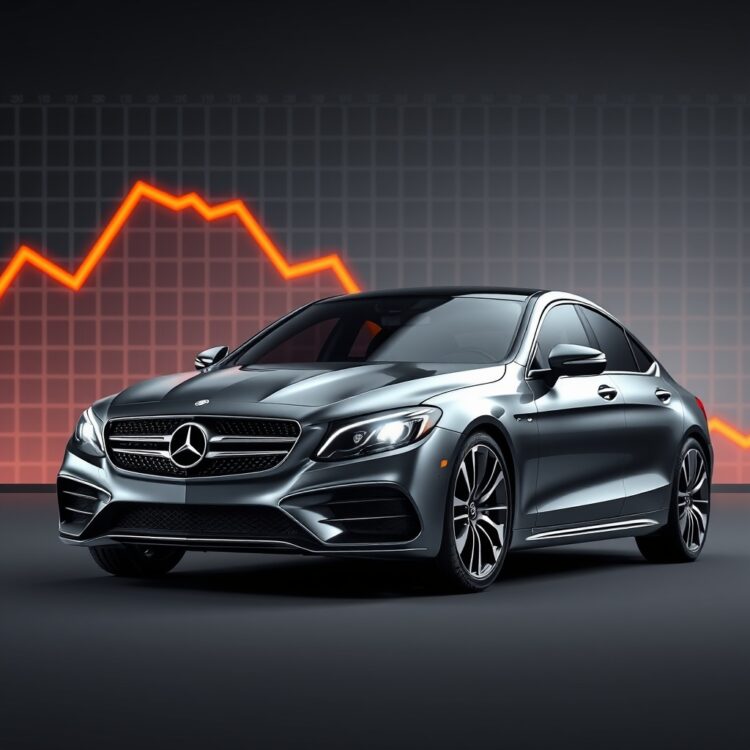
Depreciation is the biggest cost of car ownership, and it’s most aggressive in the first few years. A new car can lose up to 20% of its value the moment it’s driven off the lot. By the time it’s 3 years old, it might have lost 40-50% of its original price. This is why buying a car that’s a few years old can save you a significant amount of money.
After the 5-year mark, depreciation slows down, but the car’s value continues to drop gradually. If you’re buying a car at this stage, you’re less likely to take a big hit when you eventually sell it. For example, a hot hatch like the Corsa VXR might hold its value better than a standard model due to its desirability.
How to Use Depreciation to Your Advantage
Smart buyers use depreciation to their advantage by targeting cars that have already taken the biggest hit. This means avoiding brand-new cars and focusing on those in the 3-5 year range. You get nearly-new features and reliability at a fraction of the cost. Additionally, cars with strong reputations for reliability or performance tend to depreciate slower, making them better long-term investments.
For instance, a well-regarded model like the Corsa VXR might retain more of its value compared to lesser-known cars. By understanding depreciation, you can make a more informed decision and get the best bang for your buck.
Safety Features Evolution Over the Years
Advancements in Safety Technologies
Over the years, car safety has evolved dramatically, and it’s something we can’t ignore when considering a second-hand car. Modern vehicles come packed with advanced safety features like adaptive cruise control, lane-keeping assist, and automatic emergency braking. These technologies were rare or non-existent in older models, so if safety is a priority, you’ll want to focus on cars from the last decade. The difference between a 2010 model and a 2020 model is staggering.
For example, reliable models like the Corsa VXR often come with updated safety tech, even in their used versions. It’s not just about avoiding accidents—it’s about minimising damage when they happen. Older cars might lack crumple zones or side-impact protection, which are now standard. If you’re torn between age and safety, newer is usually better.
Assessing Safety Features by Car Age
When evaluating a used car’s safety, age is a critical factor. Cars older than 10 years might not even have basic features like electronic stability control (ESC), which became mandatory in the EU only in 2014. We recommend checking the Euro NCAP ratings for the specific model and year you’re considering. A five-star rating from 2015 might not match a four-star rating from 2020 due to evolving standards.
If you’re looking at older cars, prioritise models known for their robust safety records. For instance, comparing the Corsa VXR to the Astra VXR can reveal which offers better protection. Remember, safety isn’t just about airbags—it’s about the entire design philosophy of the car.
Warranty and Age What You Need to Know
Manufacturer Warranties on Used Cars
One of the biggest advantages of buying a newer second-hand car is the potential remaining manufacturer warranty. Most warranties last between three to seven years, so a car under five years old might still have coverage. This can save you thousands in unexpected repairs. Always ask for the warranty documentation and check its transferability—some brands allow it, while others don’t.
For example, high-performance models like the Corsa VXR often come with extended warranties if they’ve been serviced at authorised dealers. Don’t assume the warranty is void just because the car is used. Do your homework and you might snag a great deal with peace of mind.
Extended Warranties for Older Vehicles
If you’re considering a car outside its manufacturer warranty, extended warranties can be a lifesaver. These are especially useful for cars aged five to ten years, where major components like the transmission or engine might start showing wear. However, read the fine print—some warranties exclude “wear and tear” items, which defeats the purpose.
We’ve found that performance cars often come with stricter warranty terms, so weigh the cost against the likelihood of repairs. Sometimes, setting aside the warranty money as a repair fund makes more sense. It’s all about balancing risk and reward.
The Impact of Age on Insurance Costs
How Age Affects Insurance Premiums
Insurance companies love data, and one thing they’ve figured out is that older cars can be riskier to insure. Why? Because aging components are more likely to fail, and older safety features might not prevent accidents as effectively. A car’s age directly impacts your premium, with newer models often costing less to insure despite their higher value.
For example, a Corsa VXR from 2018 might have lower premiums than a 2010 model, even if they’re similarly priced. Insurers factor in repair costs, theft rates, and safety ratings. Always get quotes before committing to a purchase—it could change your mind about the ideal age for your used car.
Tips for Reducing Insurance Costs on Older Cars
If you’re set on an older car, there are ways to keep insurance costs down. Opting for a higher excess, installing a tracking device, or even taking an advanced driving course can reduce premiums. Another trick is to limit your mileage—insurers see lower mileage as lower risk.
We also recommend shopping around. Some insurers specialise in older cars and offer better rates. Don’t settle for the first quote you get. And remember, while a reliable older car might seem cheap upfront, insurance costs can tip the scales. Always factor this into your budget.

Fuel Efficiency Trends in Older vs. Newer Cars
Comparing Fuel Efficiency Across Ages
Fuel efficiency has improved leaps and bounds over the years, thanks to advancements in engine technology and aerodynamics. A 2020 model will almost always be more fuel-efficient than a 2010 equivalent, even if they’re the same size and power. This is something to consider if you’re watching your wallet or the environment.
For example, modern turbocharged engines deliver more power with less fuel, a win-win for performance and economy. Older cars might seem cheaper upfront, but their thirst for fuel could cost you more in the long run. Always check the official fuel economy figures and compare them to your driving habits.
The Environmental Impact of Older Cars
Older cars aren’t just less efficient—they’re often more polluting. Emission standards have tightened significantly, meaning a car from 2005 might not even meet today’s basic requirements. If you’re eco-conscious, a newer used car is the way to go. Some cities are even introducing low-emission zones that ban older, dirtier vehicles.
We’re not saying you should avoid older cars altogether, but be aware of the trade-offs. A well-maintained older car can still be a great choice, especially if you’re on a tight budget. Just factor in the potential costs of higher fuel consumption and emissions taxes.
Technology and Infotainment in Used Cars
Evolution of Car Technology
Over the years, car technology has evolved dramatically, transforming how we interact with our vehicles. From basic AM/FM radios to advanced touchscreen infotainment systems, the leap is undeniable. I remember when Bluetooth was a luxury; now, it’s standard in most cars. Even older models can surprise you with their tech, but newer used cars (3-5 years old) often strike the perfect balance between affordability and modern features.
One thing we’ve noticed is how quickly tech becomes outdated. A car from 2015 might lack Apple CarPlay, while a 2018 model could have it. If you’re tech-savvy, aim for a used car with at least a touchscreen and smartphone integration. Brands like Vauxhall and Ford often pack their models with user-friendly tech, making them great choices for buyers who want a blend of performance and connectivity.
Upgrading Older Cars with New Tech
Don’t let an older car’s lack of tech deter you. Upgrading is easier than ever. For instance, you can install an aftermarket infotainment system with Apple CarPlay or Android Auto for a fraction of the cost of a new car. We’ve seen folks breathe new life into their rides with simple upgrades like wireless chargers or rearview cameras.
However, tread carefully. Not all upgrades are plug-and-play, and some might void warranties or affect resale value. If you’re unsure, consult a professional. And remember, while tech is fun, reliability should always come first. A reliable older car with basic tech is often a smarter buy than a flashy but unreliable model.
Maintenance Costs by Age
Expected Maintenance for Different Age Groups
Age plays a huge role in maintenance costs. A 3-year-old car might only need oil changes and tire rotations, while a 10-year-old one could demand pricier repairs like timing belts or suspension work. We’ve found that cars aged 3-5 years are the sweet spot—they’re past the steepest depreciation but haven’t hit the high-maintenance phase yet.
That said, mileage matters too. A 5-year-old car with 20,000 miles will likely need less work than a 3-year-old one with 60,000. Always check the service history. A well-maintained older car can be a gem, while a neglected newer one might be a money pit.
Budgeting for Repairs in Older Cars
If you’re eyeing a car older than 5 years, budget for repairs. Things like brakes, batteries, and exhaust systems wear out over time. We recommend setting aside £500-£1,000 annually for unexpected fixes. It’s also wise to invest in a warranty or breakdown cover for peace of mind.
Some brands, like Vauxhall, are known for durability, which can save you money long-term. And don’t skip the pre-purchase inspection—it’s a small cost that can reveal big issues before they become your problem.
The Reliability of Older Cars
Brands Known for Longevity
Not all cars age equally. Brands like Toyota and Honda have earned reputations for building cars that last. We’ve seen Toyotas hit 200,000 miles with minimal fuss. On the other hand, some luxury brands can be costly to maintain as they age. If reliability is your top priority, stick with proven names and avoid models with known issues.
For example, the Vauxhall Corsa VXR has a mixed reputation—fun to drive but not always trouble-free. Research is key. Online forums and reliability surveys can reveal which models stand the test of time.
Signs of a Reliable Older Car
A reliable older car often shows its worth in the details. Look for a clean service history, minimal rust, and smooth-running mechanics. Test drive it thoroughly—listen for odd noises, check for warning lights, and feel how it handles. A car that’s been loved will usually love you back.
Don’t overlook the seller, either. Private sellers might offer better deals, but dealerships often provide warranties. Either way, trust your gut. If something feels off, walk away. There’s always another car out there.

How to Inspect a Used Car Based on Age
Key Inspection Points for Older Cars
Inspecting an older car requires extra attention. Start with the basics: check the oil (it should be clean and at the right level), inspect the tires for uneven wear, and look under the car for leaks. Rust is a red flag, especially in structural areas like the chassis. A musty smell inside could mean water damage—another potential headache.
Next, test all the electronics. Windows, lights, and infotainment systems should work flawlessly. If they don’t, it could hint at deeper electrical issues. And don’t forget the test drive. Listen for knocks, squeaks, or grinding noises, which could signal suspension or brake problems.
The Importance of a Pre-Purchase Inspection
A pre-purchase inspection by a qualified mechanic is non-negotiable, especially for cars over 5 years old. They’ll spot issues you might miss, like hidden rust or engine trouble. We’ve seen buyers save thousands by walking away from a car after a bad inspection report.
Think of it as insurance. Spending £100-£200 now could save you thousands later. And if the seller refuses an inspection, that’s a huge red flag. A trustworthy seller will have nothing to hide.
Financing Options for Older Used Cars
Challenges in Financing Older Vehicles
Financing an older used car can be tricky, as lenders often view them as higher-risk investments. Many banks and credit unions have age restrictions, typically refusing loans for cars older than 10 years. Even if you find a lender, the interest rates may be higher, and the loan terms shorter. It’s a balancing act—weighing the car’s value against the lender’s perception of risk. But don’t despair; there are ways to navigate this.
One workaround is opting for a personal loan instead of an auto loan. Personal loans aren’t tied to the car’s age, giving you more flexibility. However, they often come with higher interest rates. Another option is to save up and pay cash, eliminating the need for financing altogether. If you’re set on financing, shop around and compare offers to find the best deal.
Best Practices for Securing a Loan
To improve your chances of securing a loan for an older car, focus on your credit score. A strong credit history can offset the lender’s concerns about the car’s age. Also, consider making a larger down payment—this reduces the lender’s risk and may lower your interest rate. Research lenders who specialise in older vehicles, as they’re more likely to offer favourable terms.
Another tip is to get a pre-purchase inspection. A clean bill of health from a mechanic can reassure lenders about the car’s condition. Finally, explore dealership financing options, as some dealers have relationships with lenders who are more lenient with older models. With the right approach, you can drive away in your dream car without breaking the bank.
The Resale Value of Older Cars
Factors That Affect Resale Value
Resale value is a major consideration when buying an older car. Factors like mileage, condition, and service history play a huge role. Cars with low mileage and a full service history tend to hold their value better. Brand reputation matters too—some manufacturers, like Toyota and Honda, are known for longevity, making their older models more desirable.
Another factor is rarity. Limited-edition or classic cars often appreciate in value, while mass-produced models depreciate faster. Timing also matters; selling during peak demand seasons can fetch a higher price. Keep these factors in mind when choosing an older car, as they’ll impact your return on investment down the line.
How to Maximise Your Car’s Resale Value
To get the best resale value, maintain your car meticulously. Regular servicing, keeping records, and addressing minor issues promptly can make a big difference. Cosmetic upkeep is equally important—a clean, dent-free exterior and a well-kept interior attract buyers. Consider investing in upgrades that enhance appeal without overcapitalising.
Timing your sale is another strategy. Avoid selling when the market is flooded with similar models. Instead, wait for periods of high demand, like just before winter for 4x4s. Lastly, be transparent about the car’s history—honesty builds trust and can lead to a quicker sale at a fair price.
Making the Final Decision: Age vs. Other Factors
Weighing Age Against Condition and History
Age is just one piece of the puzzle when buying a used car. A well-maintained older car can outperform a neglected newer model. Always prioritise condition and service history over the odometer reading. A car with a full service record and minimal wear is a safer bet than a newer one with sketchy maintenance.
Don’t forget to check for recalls or common issues associated with the model. Some older cars have known problems that could cost you down the line. Research thoroughly and, if possible, get a professional inspection. A little due diligence can save you from costly surprises later.
Personal Needs and Preferences in Choosing a Car Age
Your lifestyle and budget should guide your decision. If you’re after reliability and modern features, a 3-5-year-old car might be ideal. But if you’re on a tight budget and don’t mind older tech, a car over 5 years could be a steal. Think about how long you plan to keep the car and what you’re willing to spend on maintenance.
At the end of the day, the “right” age depends on your priorities. Whether you choose a nearly new model or a decade-old gem, make sure it aligns with your needs and financial goals. After all, the best car is the one that serves you well without breaking the bank.
Frequently Asked Questions (FAQs)
What is the ideal age for a second-hand car?
The sweet spot is typically 3-5 years old, as these cars have depreciated significantly but still offer modern features and reliability. However, older cars can be great value if well-maintained.
How does mileage compare to age in used cars?
Mileage is often more important than age. A high-mileage newer car may wear out faster than a low-mileage older one. Always check both factors and prioritise condition.
Are older cars more expensive to insure?
Not necessarily. While older cars lack modern safety features, their lower value can reduce premiums. Shop around and compare quotes to find the best deal.
Can I finance a car older than 10 years?
It’s challenging but possible. Some lenders specialise in older cars, or you could opt for a personal loan. A strong credit score and larger down payment improve your chances.
Do older cars hold their value?
It depends on the make, model, and condition. Some older cars, especially classics or rare models, can appreciate, while others depreciate steadily. Proper maintenance is key to preserving value.