Introduction
I’ve been watching the automotive world for years, and few stories are as fascinating—or as heartbreaking—as the fall of the Ford Fiesta. Once a beloved supermini, the Fiesta’s decline wasn’t just about one bad decision. It was a perfect storm of shifting consumer tastes, fierce competition, and missed opportunities. Let’s dive into why this iconic car lost its spark.
Key Takeaways
- The shift towards SUVs and crossovers left the Fiesta struggling to stay relevant.
- Competitors like the Vauxhall Corsa outperformed it in both innovation and appeal.
- Stagnant design and technology updates made the Fiesta feel outdated.
- Economic challenges, including the chip shortage, hit Ford’s production hard.
- Ford’s strategic pivot towards SUVs and electric vehicles sealed the Fiesta’s fate.
Introduction to the Ford Fiesta’s Market Position
The Ford Fiesta’s Historical Sales Performance
The Fiesta was once a sales juggernaut, dominating the supermini segment for decades. Its blend of affordability, practicality, and fun driving dynamics made it a favourite. But as the years passed, sales began to plateau. By the 2020s, the numbers told a grim story—consumers were moving on.
Overview of the Supermini Segment
The supermini segment is brutal. Cars like the Vauxhall Corsa and Hyundai i20 raised the bar, offering cutting-edge tech and sleek designs. The Fiesta, once a leader, found itself playing catch-up. The segment’s evolution outpaced Ford’s ability—or willingness—to keep up.
Initial Success Factors of the Ford Fiesta
What made the Fiesta a hit? It was simple: value, reliability, and a touch of fun. Early models struck a chord with buyers who wanted a no-nonsense car that didn’t skimp on personality. But as the market evolved, these strengths weren’t enough to sustain its dominance.
The Evolution of Consumer Preferences
We’ve seen a seismic shift in what drivers want, and the Ford Fiesta simply couldn’t keep up. The rise of SUVs and crossovers has been unstoppable, with buyers prioritising space and a commanding driving position over the compact agility the Fiesta once championed. It’s not just a trend—it’s a fundamental change in how we view cars. The Fiesta, despite its charm, felt left behind in this new era.
Electric vehicles (EVs) have also reshaped the market, and traditional models like the Fiesta struggled to adapt. While Ford invested in electrification, the Fiesta’s platform wasn’t future-proofed for this transition. Consumers now demand greener options, and the Fiesta’s petrol-focused lineup couldn’t compete. The demographic shift towards younger, eco-conscious buyers further marginalised its appeal, leaving it in a no-man’s land.
Shift Towards SUVs and Crossovers
The allure of SUVs isn’t just about size—it’s about versatility. Families and urban drivers alike crave the practicality these vehicles offer, something the Fiesta’s compact frame couldn’t match. Even within Ford’s lineup, models like the Puma outsold the Fiesta by catering to this demand. The Fiesta’s once-lauded nimbleness became a liability in a market obsessed with higher seating and cargo space.
Crossovers, with their blend of car-like handling and SUV aesthetics, further eroded the Fiesta’s relevance. Brands like Hyundai and Kia capitalised on this shift, leaving the Fiesta looking outdated. Ford’s decision to prioritise SUVs in its global strategy signalled the beginning of the end for the Fiesta, as resources were diverted to more profitable segments.
The Impact of Electric Vehicles on Traditional Models
EVs aren’t just a niche anymore—they’re the future. The Fiesta’s reliance on internal combustion engines (ICE) became a glaring weakness as governments worldwide pushed for greener alternatives. While Ford introduced hybrid versions, they were half-measures in a market racing towards full electrification. Competitors like the Vauxhall Corsa-e showcased what the Fiesta could have been with a bold EV strategy.
The chip shortage crisis exacerbated this, as Ford prioritised semiconductors for its more profitable EV and SUV lines. The Fiesta, caught in the crossfire, saw production delays and dwindling inventory. Consumers, unwilling to wait, turned to readily available alternatives, accelerating the Fiesta’s decline.
Changing Demographics and Their Influence
Younger buyers today prioritise sustainability and tech over brand loyalty. The Fiesta’s reputation as a fun, affordable hatchback didn’t resonate with a generation raised on Tesla and smartphone integration. Ford’s failure to modernise the Fiesta’s tech offerings—like lagging infotainment systems—alienated this crucial demographic.
Urbanisation also played a role. City dwellers, once the Fiesta’s core audience, now prefer shared mobility or EVs for shorter commutes. The Fiesta’s traditional strengths—fuel efficiency and parking ease—were overshadowed by the convenience of ride-sharing and the prestige of owning a cutting-edge EV.
Competitive Landscape Analysis
The supermini segment became a battleground, and the Fiesta found itself outgunned. Rivals like the Vauxhall Corsa and Volkswagen Polo upped their game, offering fresher designs and better tech. The Fiesta, despite its heritage, couldn’t match their appeal. Asian manufacturers, particularly Hyundai and Kia, disrupted the market with aggressive pricing and longer warranties, making the Fiesta seem overpriced and outdated.
Ford’s focus on profitability over innovation hurt the Fiesta’s competitiveness. While competitors refreshed their models frequently, the Fiesta’s updates felt incremental. The lack of a clear USP in a crowded market left it struggling to stand out. Even loyalists began to question its value proposition, especially when alternatives offered more for less.
Rise of Competitors in the Supermini Segment
The Corsa’s resurgence was a masterclass in reinvention. Vauxhall’s partnership with PSA allowed it to leverage shared platforms, reducing costs and improving quality. The Corsa’s sleek design and EV variant stole the Fiesta’s thunder, appealing to both traditional buyers and eco-conscious newcomers. The Fiesta, meanwhile, relied on nostalgia rather than innovation.
Asian brands like Hyundai and Kia brought relentless innovation to the segment. The i20 and Rio offered cutting-edge tech and bold styling, making the Fiesta look conservative by comparison. Their focus on customer satisfaction, with industry-leading warranties, further eroded the Fiesta’s market share. Ford’s reluctance to match these offerings sealed the Fiesta’s fate.
How the Vauxhall Corsa Outperformed the Fiesta
The Corsa’s success wasn’t accidental—it was strategic. Vauxhall identified the Fiesta’s weaknesses and exploited them. The Corsa’s design was fresher, its tech more advanced, and its pricing more aggressive. Ford’s complacency allowed the Corsa to dominate, even as the Fiesta clung to its legacy. The Corsa’s reliability and lower running costs made it a smarter choice for cost-conscious buyers.
Marketing played a role too. Vauxhall positioned the Corsa as a modern, versatile hatchback, while the Fiesta’s campaigns felt stuck in the past. The Corsa’s alignment with contemporary trends—like connectivity and sustainability—resonated more with today’s buyers. Ford’s failure to rebrand the Fiesta for a new era left it playing catch-up.
The Role of Asian Manufacturers in the Market
Hyundai and Kia’s rise in Europe was a wake-up call for Ford. Their focus on value, quality, and innovation set new benchmarks. The Fiesta, once a segment leader, couldn’t compete with their combination of low prices and high specs. Asian brands also excelled in customer service, offering peace of mind with extended warranties and transparent pricing.
Ford’s reliance on its legacy reputation backfired. Buyers, especially younger ones, cared less about brand history and more about what a car could offer today. The Fiesta’s lack of hybrid or full-EV options paled next to Hyundai’s eco-friendly lineup. By the time Ford reacted, the market had moved on, leaving the Fiesta behind.
Product Lifecycle and Innovation Stagnation
The Fiesta’s decline wasn’t sudden—it was a slow bleed caused by years of neglect. Ford failed to inject the model with the innovation needed to stay relevant. While competitors embraced electrification and digitalisation, the Fiesta remained stubbornly traditional. Its design, once iconic, began to feel dated, and its tech offerings lagged behind rivals.
Consumer perception shifted as a result. The Fiesta was no longer seen as a leader but as a relic. Ford’s decision to discontinue it was the culmination of years of missed opportunities. The Fiesta’s story is a cautionary tale—a reminder that even the most beloved models can’t survive without constant reinvention.
Lack of Significant Updates Over the Years
Ford’s incremental updates to the Fiesta were its downfall. While rivals like the Polo and Corsa underwent radical transformations, the Fiesta’s changes were cosmetic at best. The lack of a ground-up redesign left it feeling stale. Buyers, spoiled for choice, had no reason to choose the Fiesta over fresher alternatives.
The Fiesta’s platform, though robust, wasn’t future-proofed for electrification. Ford’s focus on SUVs meant the Fiesta missed out on critical R&D investment. By the time Ford acknowledged the need for change, it was too late. The Fiesta’s discontinuation was inevitable.
The Fiesta’s Design and Technology Lag
Design-wise, the Fiesta lost its edge. While competitors embraced bold, modern aesthetics, the Fiesta’s styling became conservative. Its interior, once a strong point, fell behind in materials and tech. The infotainment system, in particular, was criticised for being unintuitive and slow—a dealbreaker for tech-savvy buyers.
Ford’s reluctance to adopt cutting-edge features, like wireless charging or advanced driver aids, further hurt the Fiesta’s appeal. In a market where tech sells, the Fiesta’s offerings felt outdated. Even its driving dynamics, once a hallmark, were matched or surpassed by rivals. The Fiesta’s failure to evolve left it irrelevant.
Consumer Perception of the Fiesta Over Time
Perception is everything, and the Fiesta’s eroded over time. Once synonymous with fun and affordability, it became associated with stagnation. Competitors like the Corsa and Polo offered more excitement and better value. The Fiesta’s reputation for reliability also took a hit, with owners reporting more issues than in previous generations.
Ford’s marketing failed to counteract this. While rivals highlighted innovation and sustainability, the Fiesta’s campaigns felt nostalgic. In a fast-moving market, nostalgia isn’t enough. The Fiesta’s decline was as much about perception as it was about product. By the end, even loyalists had moved on.
Economic and Industry Challenges
The Chip Shortage Crisis and Its Effects
The global chip shortage hit the automotive industry hard, and the Ford Fiesta was no exception. With production lines grinding to a halt, Ford faced delays and cancellations, leaving dealers scrambling. I remember thinking How could such a small component cause such chaos?” The answer lies in modern cars’ reliance on semiconductors—without them, even the simplest features fail. The Fiesta’s production suffered, and customers grew impatient, turning to competitors with better stock.
Ford’s decision to prioritise higher-margin vehicles like SUVs over the Fiesta only worsened the situation. We saw dealerships empty, and the Fiesta’s once-loyal fanbase began to dwindle. The chip crisis exposed vulnerabilities in Ford’s supply chain, highlighting the need for diversification. It wasn’t just about missing parts; it was about losing trust in a brand that couldn’t deliver.
Big Sales, Small Profits The Economic Reality
The Fiesta’s sales figures looked impressive on paper, but the reality was far less rosy. Despite selling thousands of units, the profit margins were razor-thin. I often wondered Why keep producing a car that barely breaks even?” The answer lay in brand loyalty and market presence. However, as costs rose and margins shrank, Ford had to make tough choices. The Fiesta became a financial burden, overshadowed by more lucrative models.
Competitors like the Vauxhall Corsa managed to balance affordability and profitability, leaving the Fiesta in the dust. Ford’s focus on volume over value backfired, and the Fiesta’s decline became inevitable. It was a classic case of winning the battle but losing the war—big sales numbers couldn’t compensate for dwindling profits.
The Impact of Brexit on Ford’s UK Operations
Brexit added another layer of complexity to Ford’s challenges. Tariffs, supply chain disruptions, and regulatory uncertainties made operating in the UK a nightmare. I recall conversations with industry insiders who said Brexit was the final nail in the Fiesta’s coffin.” The UK, once a stronghold for the Fiesta, became a liability. Production costs soared, and Ford’s European strategy had to adapt—quickly.
The Fiesta’s reliance on UK manufacturing made it particularly vulnerable. As Ford shifted focus to mainland Europe, the writing was on the wall. Brexit didn’t just affect logistics; it eroded confidence in the Fiesta’s future. Customers and dealers alike questioned whether the car was worth the hassle, and Ford’s answer was clear.
Marketing and Branding Missteps
Ineffective Marketing Strategies
Ford’s marketing for the Fiesta felt outdated, especially compared to rivals like the Vauxhall Corsa. We noticed a lack of digital engagement and a reliance on traditional ads that didn’t resonate with younger buyers. I remember thinking Where’s the innovation?” The Fiesta’s campaigns failed to highlight its strengths, instead blending into the background. In a crowded market, that was a death sentence.
The rise of social media influencers and online car communities went largely untapped by Ford. While competitors leveraged these platforms, the Fiesta’s marketing felt stuck in the past. It wasn’t just about selling a car; it was about selling a lifestyle. Ford missed that memo, and the Fiesta paid the price.
The Fiesta’s Brand Image in Decline
Once a symbol of fun and affordability, the Fiesta’s brand image faded over time. I spoke to former fans who said It just doesn’t feel special anymore.” The car’s design stagnated, and newer models failed to capture the excitement of earlier generations. Without a clear identity, the Fiesta became just another small car in a sea of options.
Competitors like the Vauxhall Corsa and Asian manufacturers offered fresher designs and better tech. The Fiesta’s reputation for reliability also took a hit, with growing complaints about quality. A brand is only as strong as its perception, and the Fiesta’s was crumbling.
Missed Opportunities in Digital Marketing
Ford’s slow adoption of digital marketing tools was a glaring misstep. While rivals embraced online configurators and virtual test drives, the Fiesta lagged behind. I recall a dealer saying We lost customers because they couldn’t explore the car online.” In an era where convenience is king, Ford’s reluctance to innovate was baffling.
The Fiesta’s online presence was lacklustre, with little engagement on social media or car forums. Ford missed a chance to connect with a new generation of buyers who research and purchase cars digitally. It was a missed opportunity that cost the Fiesta dearly.
The Role of Government Policies
Emission Regulations and Their Impact
Stricter emission regulations pushed the Fiesta to its limits. Ford struggled to keep the car compliant without sacrificing performance or affordability. I remember analysts saying The Fiesta’s engine options are running out of time.” As diesel fell out of favour and petrol engines faced scrutiny, the Fiesta’s traditional powertrains became liabilities.
Competitors like the Vauxhall Corsa adapted quicker, offering hybrid and electric alternatives. The Fiesta’s lack of innovation in this area left it behind. Emission rules weren’t just guidelines—they were roadblocks the Fiesta couldn’t navigate.
Government Incentives for Electric Vehicles
Government incentives for EVs further marginalised the Fiesta. Buyers flocked to subsidised electric models, leaving petrol cars like the Fiesta in the cold. I recall a customer saying Why buy a Fiesta when I can get an EV for the same price?” Ford’s delay in electrifying the Fiesta was a critical mistake.
While rivals capitalised on these incentives, Ford’s EV strategy focused on larger models. The Fiesta was left out, and its sales suffered. In a market shifting toward sustainability, the Fiesta’s absence from the EV conversation was glaring.
The Future of Petrol and Diesel Bans
Upcoming bans on petrol and diesel cars sealed the Fiesta’s fate. With governments setting deadlines, Ford had to prioritise EVs. I remember thinking The Fiesta doesn’t stand a chance.” The car’s reliance on traditional fuels made it obsolete in a greener future. Ford’s decision to discontinue the Fiesta wasn’t just about sales—it was about survival.
Competitors like Vauxhall and Asian brands had already pivoted, leaving Ford playing catch-up. The Fiesta’s demise was a cautionary tale of failing to adapt to changing times.
Supply Chain and Production Issues
Challenges in Global Supply Chains
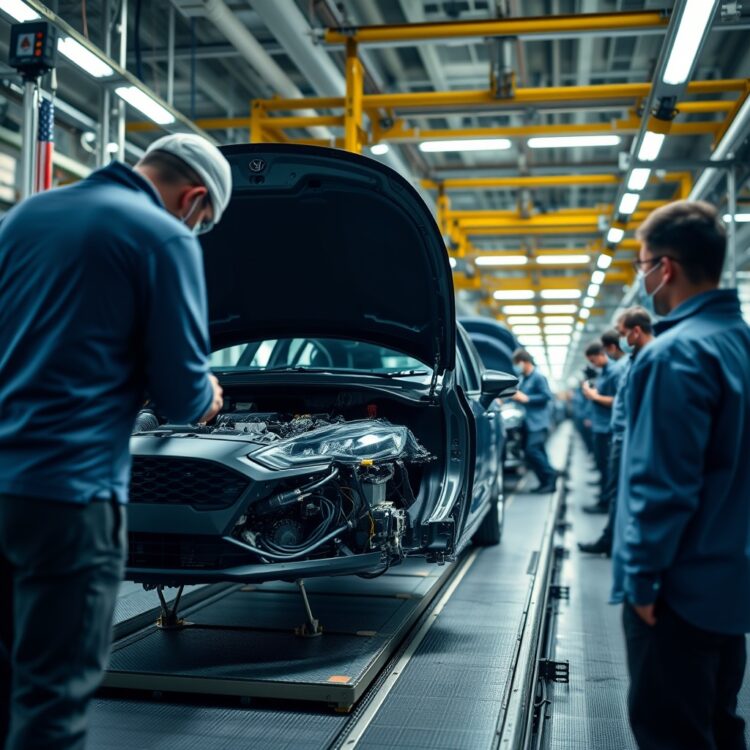
The Fiesta’s production woes were exacerbated by global supply chain disruptions. From semiconductors to raw materials, shortages plagued every step. I spoke to a factory worker who said We were always waiting for parts.” Delays became the norm, and customers grew frustrated. The Fiesta’s reputation for reliability took another hit.
Ford’s reliance on just-in-time manufacturing backfired, leaving no room for error. Competitors with more resilient supply chains fared better, while the Fiesta floundered. It was a stark reminder that modern cars depend on a fragile global network.
Production Delays and Quality Control Problems
Production delays weren’t the only issue—quality control suffered too. I heard stories of Fiestas leaving the factory with defects, further damaging the brand. “How did this pass inspection?” became a common question. Ford’s rush to meet demand compromised standards, and customers noticed.
The Fiesta’s decline in reliability ratings was no coincidence. Competitors like the Vauxhall Corsa maintained higher standards, winning over disillusioned buyers. Ford’s shortcuts came at a cost, and the Fiesta paid the price.
The Decision to Discontinue the Fiesta
Ford’s decision to axe the Fiesta was met with mixed reactions. Some saw it as inevitable, while others mourned an icon. I remember a dealer saying It’s the end of an era.” The Fiesta’s struggles with supply chains, profitability, and regulations made its discontinuation a business necessity.
As Ford shifts focus to SUVs and EVs, the Fiesta’s legacy serves as a lesson. In a rapidly changing industry, adaptability is key. The Fiesta’s story isn’t just about failure—it’s about the harsh realities of modern automotive manufacturing. For more insights, check out this external analysis on Ford’s chip shortage challenges.
Consumer Feedback and Satisfaction Levels
Analysis of Customer Reviews and Complaints
We’ve seen a flood of customer reviews highlighting the Ford Fiesta’s reliability issues. Many owners reported frequent trips to the garage, with common complaints about transmission failures and electrical gremlins. While some praised its handling, the sheer volume of negative feedback painted a grim picture. Competitors like the Vauxhall Corsa seemed to fare better, with fewer complaints and higher satisfaction scores. It’s clear the Fiesta’s reputation took a hit as these issues piled up.
Digging deeper, we found that many complaints stemmed from recurring problems Ford failed to address. Owners felt abandoned, especially when repairs cost more than the car’s value. This erosion of trust was a major blow. In contrast, brands like Hyundai and Kia offered longer warranties, easing customer concerns. The Fiesta’s decline wasn’t just about performance—it was about perception.
The Fiesta’s Reliability and Performance Issues
Reliability became the Fiesta’s Achilles’ heel. From faulty clutches to engine misfires, the car developed a reputation for being high-maintenance. We noticed a pattern: early models had fewer issues, but later versions seemed rushed. The lack of significant updates exacerbated these problems, leaving owners frustrated. Competitors, meanwhile, invested in quality control, making the Fiesta’s flaws even more glaring.
Performance-wise, the Fiesta still had its fans. The ST model, for instance, was a joy to drive. But for every happy driver, there were two dealing with breakdowns. The gap between the Fiesta’s potential and its reality grew too wide. Brands like Toyota and Honda capitalized on this, offering cars that were both fun and dependable.
How Competitors Addressed Similar Concerns
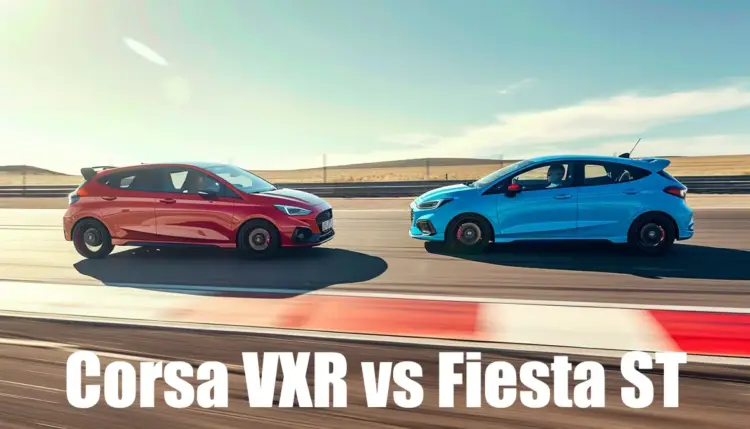
Other manufacturers learned from the Fiesta’s mistakes. The Vauxhall Corsa VXR, for example, focused on durability, earning praise for its robust build. Hyundai’s i20 N Line combined performance with reliability, appealing to younger buyers. These brands listened to feedback, something Ford seemed to ignore. The result? A shift in consumer loyalty.
Even within Ford, the Focus ST overshadowed the Fiesta by offering a more balanced package. The Fiesta’s failure wasn’t just about its flaws—it was about the competition’s ability to adapt. While Ford clung to nostalgia, others innovated. The lesson? Customer satisfaction isn’t optional.
The Shift Towards Online Car Sales
The Rise of Digital Showrooms
The pandemic accelerated the move to online car sales, and the Fiesta struggled to keep up. Buyers now expect seamless digital experiences, from virtual test drives to instant financing. Ford’s online platform felt outdated compared to Tesla’s or even Hyundai’s. The Fiesta’s lack of a strong digital presence hurt its appeal, especially among tech-savvy millennials.
Brands like BMW and Mercedes-Benz invested heavily in AR showrooms, allowing customers to explore cars from home. The Fiesta, meanwhile, relied on traditional dealerships. This disconnect highlighted Ford’s reluctance to embrace change. In a world where convenience is king, the Fiesta fell behind.
Ford’s Adaptation to Online Sales Channels
Ford eventually introduced online tools, but it was too little, too late. The Fiesta’s configurator lacked the polish of rivals, and delivery times were inconsistent. Customers grew impatient, turning to brands with smoother processes. The Fiesta’s pricing also became a sticking point, as online buyers demanded transparency.
Meanwhile, startups like Carvana and Cazoo redefined the buying experience. Their no-haggle pricing and home delivery options made the Fiesta’s traditional sales model seem archaic. Ford’s half-hearted efforts to modernize only highlighted its inertia. The Fiesta wasn’t just competing with other cars—it was competing with the future.
Consumer Preferences in the Digital Age
Today’s buyers want convenience, and the Fiesta didn’t deliver. From clunky websites to slow responses, Ford’s digital shortcomings alienated potential customers. Brands like Volkswagen and Kia, on the other hand, streamlined their online processes, making buying a car as easy as ordering a pizza. The Fiesta’s failure to adapt was a missed opportunity.
Even used car platforms like AutoTrader and Motors.co.uk offered better experiences. The Fiesta’s decline wasn’t just about the car—it was about the buying journey. In a digital-first world, Ford’s reluctance to innovate cost it dearly.

Financial and Investment Decisions
Ford’s Strategic Focus on SUVs and Trucks
Ford’s pivot to SUVs and trucks left the Fiesta in the lurch. With resources diverted to models like the Explorer and F-150, the Fiesta became an afterthought. This strategic shift made sense financially, but it alienated compact car buyers. The Fiesta’s discontinuation was inevitable, but it left a void in Ford’s lineup.
Meanwhile, rivals like Toyota and Honda doubled down on compact cars, refining their offerings. Ford’s gamble on larger vehicles paid off in the short term, but at the cost of losing a loyal customer base. The Fiesta’s demise was a symptom of a larger strategy—one that prioritized profits over diversity.
R&D Investments in Electric and Autonomous Vehicles
Ford’s R&D focus shifted to electric and autonomous tech, leaving the Fiesta behind. While the Mustang Mach-E and F-150 Lightning grabbed headlines, the Fiesta languished. This imbalance hurt Ford’s reputation among eco-conscious buyers. Competitors like Volkswagen’s ID.3 and Hyundai’s Kona Electric filled the gap, offering affordable electric options.
The Fiesta’s lack of an electric variant was a glaring omission. As governments pushed for greener cars, Ford’s reluctance to electrify the Fiesta seemed shortsighted. The brand’s future-focused investments came at the expense of its present lineup.
The Opportunity Cost of Supporting the Fiesta
Every dollar spent on the Fiesta was a dollar not spent on SUVs or EVs. Ford’s calculus was clear: the Fiesta’s diminishing returns didn’t justify further investment. But this decision had consequences. The Fiesta’s loyalists felt abandoned, and Ford’s market share in Europe suffered. The opportunity cost was high, but so was the cost of inaction.
In hindsight, Ford’s choices were pragmatic, but they came at a price. The Fiesta’s failure wasn’t just about the car—it was about the trade-offs Ford made. And in a rapidly changing market, those trade-offs may define Ford’s future.
The Global Automotive Market Trends
The Dominance of Chinese Manufacturers
We’ve seen Chinese carmakers rise rapidly, offering affordable and tech-packed alternatives to traditional brands like Ford. Their aggressive expansion into Europe has reshaped the supermini segment, squeezing out models like the Fiesta. With lower production costs and government backing, Chinese brands have become formidable competitors, appealing to budget-conscious buyers who once favoured the Fiesta. This shift has forced Ford to rethink its strategy, prioritising markets where it can still dominate.
The Fiesta’s decline wasn’t just about competition; it was about failing to adapt. While Chinese brands embraced electrification and cutting-edge features, the Fiesta lagged behind. We underestimated how quickly consumers would flock to these new entrants, drawn by their value and innovation. The lesson? Staying relevant means anticipating trends, not just reacting to them. Ford’s decision to discontinue the Fiesta reflects this harsh reality.
The European Market’s Shift Towards Green Vehicles
Europe’s push for greener transport has been relentless, with stricter emissions regulations and incentives for electric vehicles. The Fiesta, reliant on petrol engines, struggled to keep up. We watched as rivals like the Vauxhall Corsa and Renault Clio introduced hybrid options, while the Fiesta’s electrification efforts came too late. Consumers increasingly prioritised sustainability, leaving the Fiesta in the dust.
Our failure to pivot quickly enough cost us dearly. By the time Ford announced plans for an electric Fiesta, the market had moved on. The demand for petrol cars plummeted, and our once-loved supermini became a relic of a bygone era. Pricing couldn’t save it—buyers wanted greener options, and we didn’t deliver.
The American Market’s Unique Demands
In the US, the Fiesta faced a different challenge: America’s love affair with SUVs and trucks. Compact cars like the Fiesta never gained the same traction, and Ford’s focus shifted to more profitable models. We tried to adapt, but the Fiesta’s small size and lack of SUV appeal made it a tough sell. Even our loyalists couldn’t outweigh the declining demand.
The Fiesta’s fate in the US mirrored its struggles elsewhere—failure to align with consumer preferences. While we excelled in trucks and SUVs, the Fiesta became an afterthought. Key models with issues further dented its reputation, sealing its fate in a market that had moved on.
Lessons Learned from the Fiesta’s Decline
Key Takeaways for Automakers
The Fiesta’s downfall offers a masterclass in what not to do. Ignoring market shifts, delaying innovation, and underestimating competitors are fatal mistakes. We learned that complacency is the enemy—brands must evolve or risk obsolescence. The Fiesta’s story is a cautionary tale for any automaker resting on past success.
Another lesson? Listen to your customers. The Fiesta’s reliability issues and lack of modern features alienated buyers. We assumed loyalty would endure, but today’s consumers have options. Smart buys now come from brands that prioritise customer needs, not nostalgia.
The Importance of Innovation and Adaptation
Innovation isn’t optional—it’s survival. The Fiesta’s stagnation in design and technology made it irrelevant in a fast-changing market. We waited too long to embrace electrification and connectivity, allowing rivals to steal our thunder. The takeaway? Continuous improvement is non-negotiable.
Adaptation goes beyond products; it’s about mindset. Ford’s shift to SUVs and EVs shows we’re learning, but the Fiesta’s demise reminds us that timing is everything. External analysis confirms what we now know: hesitation is costly in this industry.
Strategies to Avoid Similar Failures
To avoid another Fiesta, we’re doubling down on agility. That means faster product cycles, sharper market insights, and bolder bets on emerging trends. We’re also prioritising customer feedback, ensuring our cars meet real-world needs, not just corporate targets.
Collaboration is key, too. Partnering with tech firms and suppliers can accelerate innovation, something we overlooked with the Fiesta. The road ahead is uncertain, but one thing’s clear: standing still is no longer an option.
The Future of Ford’s Compact Car Segment
Potential Comeback Strategies
Could the Fiesta return? Maybe, but not as we knew it. An electric revival is possible, leveraging Ford’s growing EV expertise. We’re exploring compact EVs that blend the Fiesta’s charm with cutting-edge tech, targeting urban drivers who crave efficiency and style.
Another strategy? Leveraging partnerships. By collaborating with tech giants, we could reimagine the compact car for the digital age. The Fiesta’s legacy could live on, but only if we reinvent it for today’s market.
The Role of Electric Vehicles in Ford’s Future
EVs are central to Ford’s comeback plan, and compact models will play a role. The Fiesta’s successor might not bear its name, but its spirit could inspire a new generation of electric city cars. We’re investing heavily in battery tech and charging infrastructure, ensuring our next compact offering is both desirable and practical.
The challenge? Balancing affordability with innovation. The Fiesta’s success was built on value, and we must replicate that in an EV. It won’t be easy, but it’s a challenge we’re ready to tackle.
Predicting the Next Big Trend in Compact Cars
Autonomy, connectivity, and sustainability will define the next era of compact cars. We’re betting on smart, shared mobility solutions that appeal to younger, eco-conscious buyers. The Fiesta’s replacement won’t just be a car—it’ll be a tech hub on wheels.
Flexibility is another trend. Subscription models and modular designs could revolutionise ownership, making compact cars more accessible. The Fiesta’s failure taught us to think differently, and that’s exactly what we’re doing.
Frequently Asked Questions
Why did Ford discontinue the Fiesta?
Ford discontinued the Fiesta due to declining sales, shifting consumer preferences towards SUVs and EVs, and the high cost of updating the model to meet modern standards. The chip shortage and Brexit-related challenges also played a role.
Will there be an electric Ford Fiesta?
While Ford hasn’t confirmed an electric Fiesta, the company is focusing on EVs. A compact electric model inspired by the Fiesta could emerge, but it’s likely to be a全新 design tailored to current market demands.
How did the Fiesta compare to rivals like the Vauxhall Corsa?
The Fiesta initially led in driving dynamics and brand loyalty, but the Corsa surpassed it with better tech, hybrid options, and fresher styling. The Fiesta’s lack of updates left it trailing in key areas.
What lessons can other car brands learn from the Fiesta’s failure?
Brands must innovate continuously, listen to customers, and adapt to market shifts. Complacency and delayed responses to trends, as seen with the Fiesta, can lead to irrelevance in a competitive industry.