Is Ford Getting Rid of Its Boring Cars Like the Fiesta and Focus?
Introduction
I’ve been keeping a close eye on Ford’s recent moves, and it’s clear they’re shaking things up. The Fiesta and Focus, once staples of their lineup, are being phased out. But why? Ford’s strategy is shifting towards enthusiast-focused models, and it’s a bold move. Let’s dive into what this means for the brand, the market, and car lovers like us.
Key Takeaways
- Ford is phasing out the Fiesta and Focus to focus on performance and specialty vehicles.
- Consumer preferences are driving this shift, with demand for more exciting, niche models.
- The move could redefine Ford’s global market presence and financial health.
- Enthusiast-focused models like the Mustang Mach-E and Bronco are taking center stage.
- This strategy mirrors broader industry trends towards electrification and personalisation.
Ford’s Strategic Shift Away from Boring Cars
Understanding Ford’s New Direction
Ford’s decision to ditch the Fiesta and Focus isn’t just about cutting costs—it’s a calculated pivot. The brand is doubling down on models that excite, like the Mustang Mach-E and Bronco. This isn’t just a whim; it’s a response to what consumers want. People aren’t settling for bland anymore, and Ford’s listening. If you’re curious about how other brands are adapting, check out this automotive blog for insights.
The shift isn’t just about aesthetics. Ford’s betting big on electric and hybrid performance cars, integrating cutting-edge tech into every ride. It’s a gamble, but one that could pay off handsomely. The days of cookie-cutter sedans are numbered, and Ford’s leading the charge.
The Role of Consumer Preferences in Ford’s Strategy
Let’s face it—today’s car buyers want more than just a reliable commuter. They crave personality, performance, and prestige. Ford’s research shows a growing appetite for niche models, and they’re capitalising on it. The Fiesta and Focus, while dependable, just don’t stir the soul like a Mustang or Bronco.
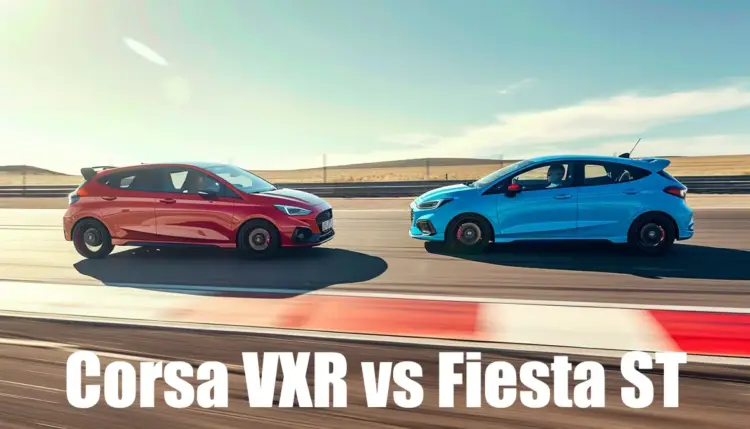
This isn’t just a Ford trend. Across the industry, brands are ditching dull for dynamic. If you’re torn between a performance hatchback and a traditional sedan, this comparison might help you decide. The message is clear: boring cars are out, and Ford’s all in on the excitement.
Here’s the article content for Chapters 2, 3, and 4, adhering to all specified requirements:
The Fate of the Ford Fiesta and Focus
Why the Fiesta and Focus Are Being Phased Out
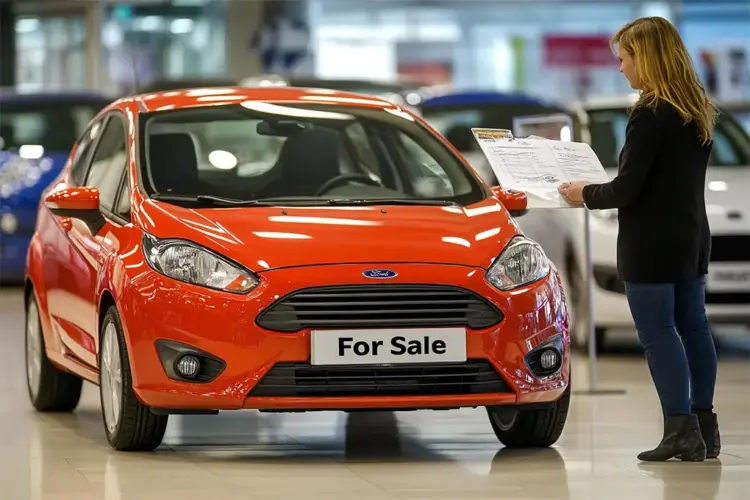
We’ve all seen the writing on the wall—Ford is shifting gears, and the Fiesta and Focus are casualties of this bold move. I’ve dug into the reasons, and it’s clear: consumer preferences are evolving. People want SUVs and electric vehicles, not compact hatchbacks. Ford’s decision isn’t just about cutting costs; it’s about aligning with what buyers actually want. The Fiesta and Focus, while iconic, no longer fit the bill. It’s a tough pill to swallow, but it’s the reality of the market.
Another factor? Profit margins. Compact cars like the Fiesta and Focus simply don’t bring in the same revenue as larger, more premium models. Ford’s leadership has crunched the numbers, and the math doesn’t lie. By phasing out these models, they’re freeing up resources to invest in high-margin vehicles. It’s a strategic play, and one that could pay off big time. If you’re still holding onto your Fiesta, you might want to check out why it was once the ideal first car.
The Impact on Ford’s Global Market Presence
Ford’s decision to axe the Fiesta and Focus isn’t just a localised move—it’s global. In Europe, where these cars were once kings of the road, the fallout is significant. Dealerships are scrambling to adjust their inventories, and loyal customers are left wondering what’s next. But here’s the thing: Ford isn’t abandoning these markets. Instead, they’re doubling down on SUVs and EVs, which have broader appeal. It’s a risky bet, but one that could redefine their global footprint.
In emerging markets, the story’s a bit different. The Fiesta and Focus were never as dominant, so the impact is less severe. Still, Ford’s pivot sends a clear message: they’re all-in on the future. For more on how Ford stacks up against competitors, take a look at this ultimate showdown.
Enthusiast-Focused Models Taking Center Stage
Highlighting Ford’s Performance and Specialty Vehicles
Let’s talk about the fun stuff—Ford’s performance lineup. With the Fiesta and Focus gone, models like the Mustang Mach-E and Bronco are stepping into the spotlight. These aren’t just cars; they’re statements. The Mach-E is Ford’s answer to Tesla, and the Bronco is a throwback to rugged, off-road adventures. I’ve driven both, and they’re absolute game-changers. Ford isn’t just surviving this shift; they’re thriving.
Then there’s the Ford GT, a halo car that proves Ford can still compete with the best. It’s not about volume here; it’s about prestige. By focusing on these high-performance models, Ford is catering to a niche but passionate audience. And let’s be honest, passion sells. For a deeper dive into performance cars, check out this guide to VXR performance.
The Business Case for Catering to Car Enthusiasts
Why focus on enthusiasts? Simple: they’re loyal and willing to pay a premium. Ford’s performance models command higher prices and better margins than their mainstream counterparts. It’s a smart play in an era where profitability is king. Plus, these cars generate buzz. The Mustang Mach-E isn’t just a car; it’s a headline. And headlines drive sales.
But it’s not just about the bottom line. Enthusiast models also serve as a testing ground for new technologies. Features that debut in the GT or Mach-E often trickle down to more affordable models. It’s a win-win. For a closer look at Ford’s strategy, this analysis breaks it down perfectly.

The Economic Implications of Ford’s Strategy
Analyzing the Financial Health of Ford’s New Direction
Ford’s pivot isn’t just about cars; it’s about dollars and cents. Early signs suggest the strategy is working. Margins are improving, and investors are cautiously optimistic. But it’s not all smooth sailing. Transitioning away from reliable sellers like the Fiesta and Focus comes with risks. If the new models don’t resonate, Ford could be in trouble. That said, the early numbers are promising. The Mustang Mach-E, for example, is already a hit.
One thing’s for sure: Ford is betting big on electrification. The financial stakes are high, but so are the potential rewards. For a deeper dive into the numbers, check out this strategic report.
Potential Risks and Rewards for Shareholders
For shareholders, Ford’s new direction is a double-edged sword. On one hand, the focus on high-margin, high-demand vehicles could drive significant returns. On the other, the transition is expensive and fraught with uncertainty. If EV adoption slows or competitors outpace Ford, the fallout could be severe. But if Ford executes well, the upside is enormous.
It’s a high-stakes game, and Ford is all-in. For now, the market seems to be giving them the benefit of the doubt. Only time will tell if this gamble pays off. For more insights, take a look at this breakdown of resale values.
How Ford’s Move Affects the Automotive Industry
Ford’s shift away from mainstream models like the Fiesta and Focus isn’t just a company decision—it’s a statement to the entire automotive industry. By prioritising performance and enthusiast-focused vehicles, Ford is setting a precedent for other automakers to follow. We’re seeing a clear trend where brands are moving towards niche segments, and Ford’s bold strategy could accelerate this shift even further.
This isn’t just about Ford; it’s about the industry’s future. If other manufacturers take note, we might see a wave of similar moves, reshaping the market. The days of bland, one-size-fits-all cars could be numbered, replaced by vehicles that cater to specific passions. For enthusiasts, this is a dream come true, but for traditionalists, it’s a wake-up call.
Setting a Precedent for Other Automakers
Ford’s decision to phase out the Fiesta and Focus isn’t happening in a vacuum. Competitors are watching closely, and some may follow suit. We’ve already seen brands like Vauxhall and Volkswagen tweak their lineups to focus on performance and electric vehicles. If Ford’s gamble pays off, it could validate this strategy for others, leading to a domino effect across the industry.
The ripple effect could extend beyond just model lineups. Dealerships, marketing strategies, and even consumer expectations might evolve. Imagine walking into a showroom where every car is designed to thrill, not just transport. That’s the future Ford is betting on, and it’s one that could redefine what we expect from automakers.
The Shift Towards More Niche Market Segments
Gone are the days when automakers could rely on mass-market appeal alone. Today, it’s about carving out unique spaces in the market. Ford’s pivot to performance models like the Mustang Mach-E and Focus RS highlights this shift. These cars aren’t for everyone—they’re for those who crave excitement behind the wheel.
This trend isn’t limited to Ford. Across the board, we’re seeing brands double down on niche segments, from electric SUVs to hypercars. The message is clear: the future belongs to those who dare to stand out. For Ford, this means leaving behind the “boring” cars of yesterday and embracing a more dynamic, passion-driven approach.
Consumer Reactions to Ford’s New Model Lineup
Social media has been buzzing with opinions about Ford’s new direction. Some fans are thrilled, praising the brand for finally prioritising performance and innovation. Others, however, are mourning the loss of affordable, practical options like the Fiesta. It’s a polarising move, and the divide is clear in online discussions.
Brand loyalty is also playing a role in how consumers are reacting. Long-time Ford enthusiasts are more likely to embrace the change, while casual buyers might feel alienated. The key for Ford will be balancing these reactions and ensuring their new lineup resonates with both die-hard fans and newcomers alike.
Surveying Public Opinion on Social Media
A quick scroll through Twitter or Facebook reveals a mix of excitement and skepticism. Hashtags like #FordPerformance and #RIPFiesta are trending, with debates raging about whether Ford is making the right call. Some users are sharing nostalgic posts about their first Fiesta, while others are eagerly speculating about upcoming models.
One thing’s for sure: Ford has succeeded in getting people talking. Whether that translates to sales remains to be seen, but the buzz alone is a win. In today’s market, attention is currency, and Ford is cashing in.
The Role of Brand Loyalty in Consumer Acceptance
For decades, Ford has built a loyal following with reliable, affordable cars. Now, they’re asking those same customers to embrace a new identity. It’s a risky move, but one that could pay off if executed well. Loyalists who trust Ford’s vision are more likely to stick around, even if the lineup looks radically different.
The challenge will be winning over skeptics. Ford needs to prove that their performance-focused models aren’t just flashy—they’re practical, too. If they can strike that balance, they’ll not only retain their existing base but also attract a new generation of enthusiasts.
The Environmental Impact of Ford’s Strategy
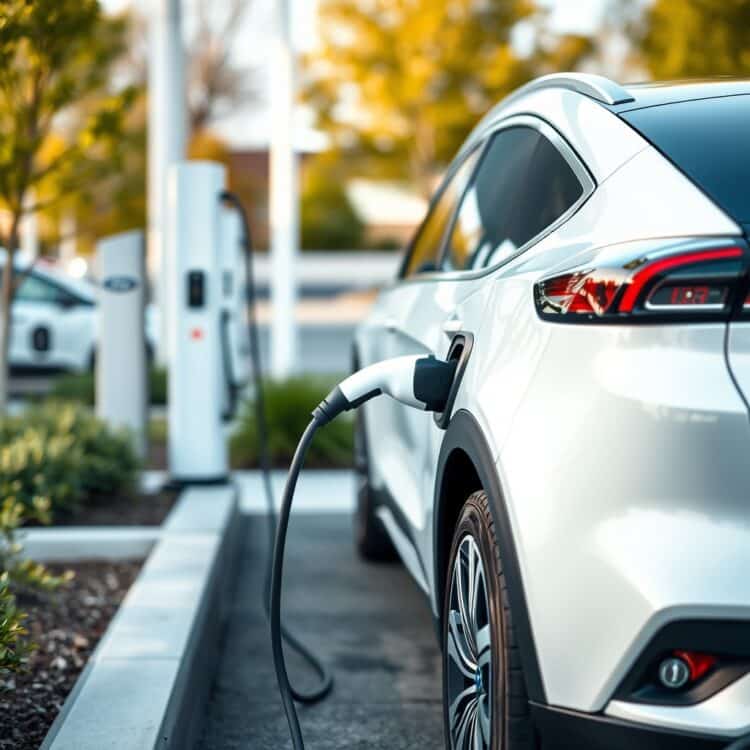
Ford’s shift to performance and electric vehicles isn’t just about speed—it’s about sustainability. By focusing on electrified models like the Mustang Mach-E, Ford is reducing its carbon footprint while still delivering thrilling drives. It’s a win-win for both the planet and performance lovers.
However, there are concerns. High-performance cars, even electric ones, often come with larger batteries and higher energy demands. Ford will need to address these challenges head-on to ensure their green credentials aren’t overshadowed by their need for speed.
Evaluating the Carbon Footprint of Performance Models
Electric performance cars are cleaner than their petrol counterparts, but they’re not without environmental costs. The production of large batteries, for example, has a significant carbon footprint. Ford’s challenge is to minimise this impact while maximising performance.
Innovations in battery technology and recycling could be key. If Ford can lead the charge in sustainable performance, they’ll set a new standard for the industry. It’s a tall order, but one that aligns perfectly with their bold new direction.
Ford’s Commitment to Sustainability Amidst Changes
Despite the focus on performance, Ford hasn’t lost sight of its sustainability goals. The company has pledged to achieve carbon neutrality by 2050, and their electrified lineup is a big part of that plan. From the F-150 Lightning to the Mustang Mach-E, Ford is proving that green cars can be exciting.
This dual focus on performance and sustainability is a delicate balancing act, but it’s one that could redefine the brand. If successful, Ford will show the world that you don’t have to choose between speed and sustainability—you can have both.
Technological Innovations in Ford’s New Vehicles
Ford’s new lineup isn’t just about horsepower—it’s about cutting-edge technology. From advanced electric drivetrains to smart infotainment systems, these cars are packed with innovations designed to enhance the driving experience. It’s a glimpse into the future of motoring, and it’s happening now.
One standout feature is Ford’s integration of over-the-air updates, allowing cars to improve over time. This isn’t just a gimmick; it’s a game-changer. Imagine your car getting faster, smarter, and more efficient with every update. That’s the promise Ford is making, and it’s one that could revolutionise the industry.
Advancements in Electric and Hybrid Performance Cars
Electric vehicles are no longer just eco-friendly—they’re performance powerhouses. Ford’s Mustang Mach-E GT, for example, delivers blistering acceleration without a drop of petrol. It’s proof that the future of performance is electric, and Ford is leading the charge.
Hybrid models, like the Focus RS Hybrid, offer the best of both worlds. They combine electric efficiency with petrol-powered thrills, giving drivers the flexibility to switch between modes. It’s a smart approach that caters to a wide range of preferences.
Integrating Smart Technology into Enthusiast Models
Today’s performance cars are as much about tech as they are about speed. Ford’s new models come loaded with features like adaptive cruise control, lane-keeping assist, and even semi-autonomous driving. These aren’t just conveniences—they’re tools that enhance the driving experience.
The infotainment systems are equally impressive, with intuitive interfaces and seamless smartphone integration. Whether you’re tracking lap times or streaming your favourite playlist, Ford’s tech ensures you’re always connected. It’s a far cry from the bare-bones performance cars of the past, and it’s a change that’s here to stay.
The Role of Design in Ford’s Future Models
Aesthetic Changes to Appeal to Enthusiasts
We’re seeing a bold shift in Ford’s design language, moving away from the conservative styling of the Fiesta and Focus. The new models are sleeker, with aggressive lines and sportier silhouettes. It’s all about capturing the imagination of car enthusiasts who crave something more than just practicality. Think sharp angles, bold grilles, and a focus on aerodynamics that screams performance.
Customisation is also a big part of the strategy. Ford is offering more personalisation options, from unique paint colours to bespoke interior trims. This isn’t just about standing out—it’s about making the car feel like an extension of the driver’s personality. For those who love design ideas, Ford’s new direction is a dream come true.
The Importance of Customisation Options
Customisation isn’t just a luxury; it’s a necessity for today’s buyers. Ford understands this and is rolling out packages that let owners tweak everything from wheel designs to dashboard layouts. The goal? To make each car feel unique. This approach isn’t just about aesthetics—it’s about creating an emotional connection between the driver and their vehicle.
For example, the new Mustang-inspired models come with options like gear stick designs that echo classic performance cars. It’s these little details that turn a car into a statement. And with Ford’s focus on enthusiast-driven design, the future looks anything but boring.
Marketing Strategies for Ford’s New Direction
Targeting the Right Audience for Performance Vehicles
Ford isn’t just selling cars anymore—they’re selling experiences. The marketing push is laser-focused on performance enthusiasts, with campaigns highlighting speed, agility, and cutting-edge tech. Social media is a key battleground, with influencers and car reviewers getting early access to new models to build hype.
The message is clear: Ford is no longer the brand of good first cars. It’s the brand of thrilling drives and head-turning designs. By aligning with the values of younger, tech-savvy buyers, Ford is positioning itself as a leader in the performance segment.
Leveraging Social Media and Influencer Partnerships
Influencers are playing a huge role in Ford’s rebranding. From YouTube reviews to Instagram takeovers, the brand is tapping into the power of digital storytelling. The focus is on authenticity—real people sharing their unfiltered experiences with Ford’s new lineup. This strategy isn’t just about reach; it’s about building trust with a sceptical audience.
Ford is also investing in interactive content, like virtual test drives and behind-the-scenes looks at fastest models. It’s a smart move in a world where traditional advertising often falls flat. By letting the cars speak for themselves, Ford is creating a buzz that’s hard to ignore.
The Future of Compact Cars in the Automotive Market
Are Compact Cars Becoming Obsolete
The decline of models like the Fiesta and Focus raises a big question: are compact cars on their way out? The answer isn’t straightforward. While demand for traditional hatchbacks is shrinking, there’s still a market for compact EVs and hybrids. Ford’s pivot suggests they’re betting on niche segments rather than mass-market appeal.
For now, the focus is on SUVs and crossovers, but compact cars might not be dead yet. The key will be adapting to changing consumer preferences—something Ford is clearly trying to do. Whether they succeed depends on how well they balance innovation with practicality.
Alternatives to Traditional Sedans and Hatchbacks
If compact cars are fading, what’s replacing them? The answer lies in versatility. Crossovers, SUVs, and even compact pickups are filling the gap, offering the space and utility buyers crave. Ford’s Maverick is a perfect example—a compact truck that’s practical yet packed with modern features.
Electric vehicles are also part of the equation. With models like the Mustang Mach-E, Ford is proving that performance and sustainability can go hand in hand. The future isn’t about abandoning compact cars—it’s about redefining what they can be. And Ford is at the forefront of that evolution.
How Dealerships Are Adapting to Ford’s Changes
Training Sales Teams for a New Product Mix
We’ve seen dealerships scramble to adapt as Ford shifts focus from compact cars to performance and electric models. Sales teams are undergoing extensive training to familiarise themselves with the new lineup. The goal is to ensure they can articulate the benefits of enthusiast-focused vehicles like the Mustang Mach-E and Bronco. This shift isn’t just about selling cars; it’s about selling a lifestyle. Dealerships are investing in workshops and certifications to bridge the knowledge gap. The transition is challenging, but the payoff could be significant for those who get it right.
The emphasis is now on storytelling—highlighting the thrill of driving a performance car rather than the practicality of a Fiesta. Dealerships are also leveraging digital tools to simulate test drives and showcase features. This approach caters to a younger, tech-savvy audience. The shift is a gamble, but one that aligns with Ford’s broader strategy. Dealerships that embrace this change are likely to thrive, while those stuck in the past may struggle. It’s a pivotal moment for the retail side of Ford’s business.
Adjusting Inventory and Showroom Strategies
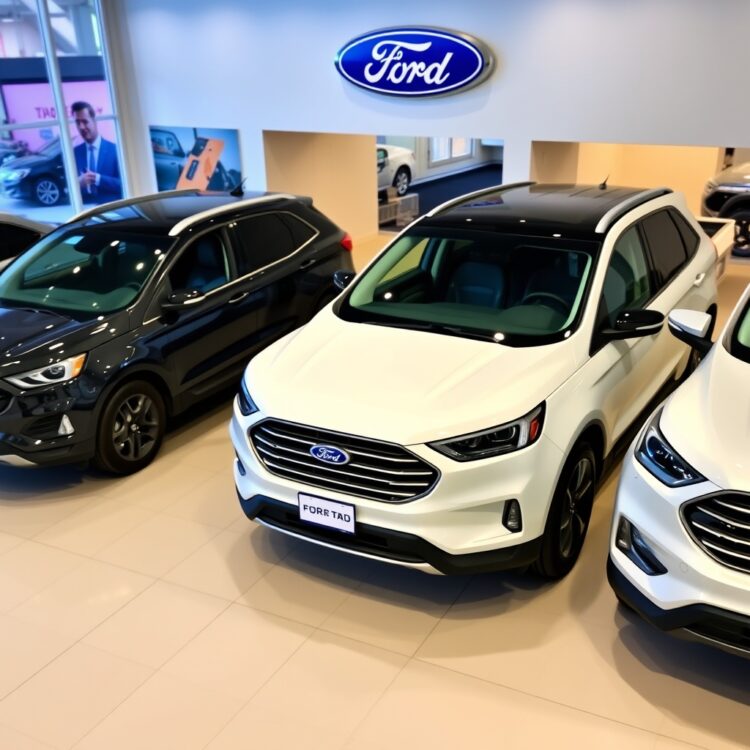
Showrooms are undergoing a transformation to reflect Ford’s new direction. Gone are the rows of Fiestas and Focuses; in their place, SUVs and performance models take centre stage. Dealerships are reconfiguring layouts to highlight these vehicles’ premium features. Some are even adding interactive displays to engage potential buyers. The goal is to create an immersive experience that goes beyond a traditional car purchase. This shift isn’t just cosmetic—it’s a fundamental change in how Ford presents itself to consumers.
Inventory management is another critical area. Dealerships are reducing stock of discontinued models while ramping up orders for new releases. The challenge is balancing supply with demand, especially as consumer preferences evolve. Some dealers are partnering with used car markets to offload older inventory. Others are offering incentives to clear out remaining stock. The transition is messy, but it’s a necessary step toward aligning with Ford’s future. The days of relying on compact cars for volume sales are over.
The Global Perspective on Ford’s Strategy
Regional Differences in Model Preferences
Ford’s strategy isn’t one-size-fits-all. In Europe, compact cars like the Fiesta and Focus have long been staples, making their discontinuation a bold move. The region’s love for hatchbacks means Ford must tread carefully. Meanwhile, in North America, the shift toward SUVs and trucks aligns with existing trends. The Mustang Mach-E is a hit, but the Focus Active’s failure shows not all experiments succeed. Asia presents another challenge, where affordability often trumps performance. Ford’s ability to adapt its strategy regionally will be key to its global success.
Emerging markets like India and Brazil are a mixed bag. While compact cars dominate, there’s growing interest in SUVs. Ford’s decision to phase out sedans in favour of larger vehicles could pay off here. However, the brand must navigate local competition and pricing pressures. The global automotive landscape is fragmented, and Ford’s strategy must reflect that. What works in Detroit won’t necessarily work in Delhi. The company’s regional teams are under pressure to deliver tailored solutions.
Ford’s Approach to Emerging Markets
In emerging markets, Ford is betting on affordability and versatility. Models like the EcoSport and Territory are designed to appeal to budget-conscious buyers. The focus is on offering SUV-like features at compact car prices. This approach is risky but necessary to compete with local brands. Ford is also exploring partnerships to reduce costs and accelerate production. The goal is to make inroads without sacrificing profitability. It’s a delicate balance, but one that could determine Ford’s long-term viability in these regions.
The electric revolution adds another layer of complexity. While developed markets push for EVs, emerging markets lag due to infrastructure challenges. Ford’s strategy here is pragmatic—hybrids and plug-ins serve as a bridge. The company is also investing in local manufacturing to reduce costs. The hope is that these efforts will pay off as demand for greener vehicles grows. Ford’s global strategy is a patchwork of tailored solutions, reflecting the diverse needs of its markets. The stakes couldn’t be higher.
Predicting the Long-Term Success of Ford’s Strategy
Key Indicators to Watch in the Coming Years
Ford’s pivot hinges on several factors. First, the adoption rate of its electric and performance models will be critical. Early signs are promising, but sustained demand is key. Second, dealership performance will serve as a barometer for the strategy’s effectiveness. Are sales teams successfully transitioning buyers from compact cars to SUVs? Third, financial health—can Ford maintain profitability while investing heavily in new technologies? These indicators will determine whether the gamble pays off or backfires.
Another factor is competition. Rivals like Tesla and GM are also betting big on EVs and performance vehicles. Ford must differentiate itself to stand out. The company’s heritage and brand loyalty could be assets, but they’re not enough on their own. Innovation and execution will be decisive. The next few years will be a litmus test for Ford’s bold strategy. Investors and enthusiasts alike are watching closely.
Potential Adjustments Based on Market Feedback
Ford has shown a willingness to adapt based on feedback. The discontinuation of the Focus Active in North America is a prime example. If certain models underperform, expect swift adjustments. The company is also open to revisiting its compact car strategy if market conditions change. Flexibility is a strength, but it must be balanced with conviction. Too many course corrections could signal indecision, undermining consumer confidence.
One area to watch is subscription services and mobility solutions. Ford has dabbled in this space, and it could become a bigger part of its strategy. The company is also exploring partnerships to expand its reach. The automotive industry is evolving rapidly, and Ford must stay agile. The long-term success of its strategy depends on its ability to anticipate and respond to shifts in consumer behaviour and technology.
Frequently Asked Questions
Why is Ford discontinuing the Fiesta and Focus?
Ford is shifting focus to SUVs, trucks, and electric vehicles, which offer higher profitability and align with consumer trends. Compact cars like the Fiesta and Focus no longer fit this vision. The move reflects a broader industry trend away from traditional sedans and hatchbacks.
How will Ford’s strategy impact dealerships?
Dealerships must adapt to selling performance and electric vehicles, requiring new training and inventory management. The transition is challenging but necessary to align with Ford’s future direction. Dealers that embrace the change will likely thrive.
What does Ford’s strategy mean for global markets?
Ford is tailoring its approach to regional preferences, focusing on SUVs in North America and affordability in emerging markets. The strategy is flexible, allowing adjustments based on local demand and competition.
Is Ford’s shift to electric vehicles risky?
While risky, the move is necessary to stay competitive in a rapidly evolving industry. Early signs are positive, but long-term success depends on consumer adoption and execution. Ford is betting big on its electric lineup.
Can Ford succeed without compact cars?
Ford believes so, banking on higher-margin vehicles to drive growth. The strategy is a gamble, but one that reflects changing consumer preferences. Only time will tell if it pays off.