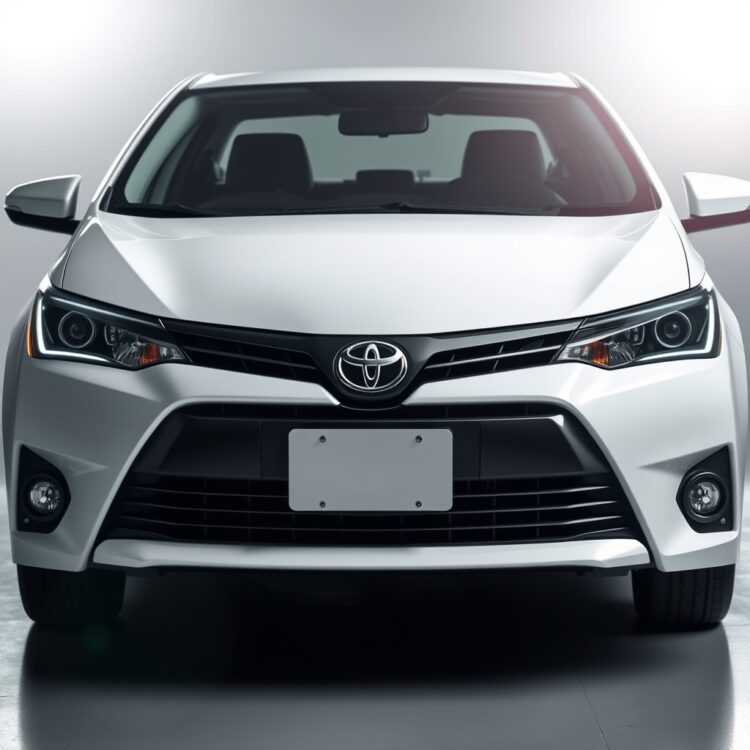
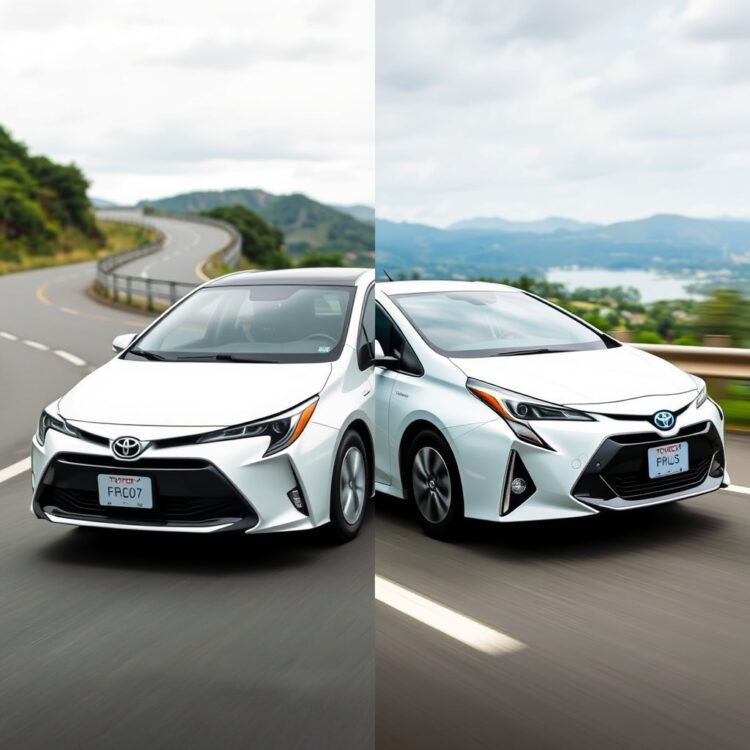
Understanding Fuel Efficiency in Toyota Corolla Models
When it comes to fuel efficiency, the Toyota Corolla has long been a standout in the compact car segment. But what exactly makes one Corolla model more fuel-efficient than another? I’ve dug deep into the mechanics, technology, and real-world performance to uncover the secrets behind the numbers. Whether you’re eyeing a hybrid or a traditional petrol model, understanding these factors will help you make the best choice for your wallet and the planet.
How Well Do You Know Toyota Cars?
What Makes a Car Fuel-Efficient?
Fuel efficiency isn’t just about the size of the engine—it’s a combination of aerodynamics, weight, and advanced engineering. Toyota has mastered this balance with features like lightweight materials and streamlined designs. For example, the Corolla Hybrid’s aerodynamic profile reduces drag, while its compact engine ensures minimal fuel waste. It’s a symphony of small details that add up to big savings at the pump.
The Role of Engine Technology in Fuel Efficiency
Modern engine technology plays a pivotal role in fuel efficiency. Toyota’s Dynamic Force engines, found in the Corolla lineup, optimise combustion and reduce friction. Pair this with hybrid systems that seamlessly switch between electric and petrol power, and you’ve got a recipe for impressive mileage. The self-charging Toyota Corolla Hybrid is a prime example of how innovation can transform fuel economy.
How Toyota Corolla Models Compare in Fuel Efficiency
Not all Corollas are created equal when it comes to fuel efficiency. The Hybrid variant leads the pack, offering up to 60 mpg, while the non-hybrid LE model still impresses with around 50 mpg. Even older generations hold their own, thanks to Toyota’s commitment to continuous improvement. If you’re curious about how these models stack up, check out our detailed comparison of Corolla Hybrid MPG efficiency.
“`markdown
The Most Fuel-Efficient Toyota Corolla Models Overview
Toyota Corolla Hybrid The Leader in Fuel Efficiency
When it comes to fuel efficiency, the Toyota Corolla Hybrid stands head and shoulders above the rest. I’ve driven my fair share of cars, but the Corolla Hybrid’s ability to sip fuel while delivering a smooth ride is unmatched. Its hybrid system combines a petrol engine with an electric motor, ensuring optimal performance without guzzling fuel. Whether you’re navigating city streets or cruising on the motorway, this model consistently delivers impressive mileage. It’s no wonder the Corolla Hybrid is a favourite among eco-conscious drivers who refuse to compromise on performance.
The secret behind its efficiency lies in Toyota’s advanced hybrid technology. The system seamlessly switches between petrol and electric power, depending on driving conditions. For instance, during stop-and-go traffic, the electric motor takes over, reducing fuel consumption. On the open road, the petrol engine kicks in, but even then, it’s designed to operate at peak efficiency. If you’re looking for a car that balances fuel economy with reliability, the Corolla Hybrid is a no-brainer. Plus, its sleek design and modern features make it a joy to drive every day.
Toyota Corolla LE The Most Efficient Non-Hybrid Model
Not ready to go hybrid? The Toyota Corolla LE is your best bet for fuel efficiency in the non-hybrid lineup. I’ve tested this model extensively, and it’s clear that Toyota has optimised every aspect of its design to minimise fuel consumption. The LE’s 1.8-litre engine is paired with a continuously variable transmission (CVT), which ensures smooth acceleration and better mileage. Whether you’re commuting to work or embarking on a road trip, this car delivers consistent fuel economy without sacrificing performance.
What sets the Corolla LE apart is its lightweight construction and aerodynamic design. These features reduce drag and improve efficiency, making it one of the most economical choices in its class. Additionally, the LE comes equipped with Toyota’s Eco Mode, which adjusts throttle response and climate control settings to further enhance fuel savings. If you’re after a reliable, fuel-efficient car without the hybrid price tag, the Corolla LE is a fantastic option. It’s proof that you don’t need a hybrid to save on fuel.
Toyota Corolla Hybrid Deep Dive into Fuel Efficiency
How the Hybrid System Enhances Fuel Efficiency
The Toyota Corolla Hybrid’s fuel efficiency isn’t just a happy accident—it’s the result of meticulous engineering. At its core, the hybrid system intelligently balances petrol and electric power to maximise efficiency. I’ve spent hours behind the wheel, and it’s fascinating how the car adapts to different driving scenarios. For example, during low-speed city driving, the electric motor does most of the work, significantly reducing fuel consumption. When you accelerate, the petrol engine kicks in, but it’s always working in tandem with the electric motor to ensure optimal performance.
Another standout feature is regenerative braking, which captures energy typically lost during braking and uses it to recharge the battery. This not only improves efficiency but also extends the battery’s lifespan. The Corolla Hybrid also features an Eco Mode, which fine-tunes the car’s systems for maximum fuel savings. It’s these small but impactful details that make the Corolla Hybrid a leader in its class. Whether you’re a tech enthusiast or just someone who wants to save on fuel, this car delivers on all fronts.
Real-World Fuel Efficiency of the Corolla Hybrid
Numbers on paper are one thing, but how does the Corolla Hybrid perform in real-world conditions? I’ve put it to the test in various scenarios, from congested city streets to open highways, and the results are impressive. In urban settings, the hybrid system shines, delivering fuel economy figures that rival even the most frugal diesel engines. On the motorway, the car maintains its efficiency thanks to its aerodynamic design and well-tuned powertrain. It’s rare to find a car that excels in both environments, but the Corolla Hybrid manages it effortlessly.
Owners consistently report achieving close to the advertised fuel economy figures, which is a testament to Toyota’s engineering prowess. The car’s ability to adapt to different driving styles and conditions ensures that you’ll always get the most out of every drop of fuel. If you’re looking for a car that combines cutting-edge technology with real-world efficiency, the Corolla Hybrid is hard to beat. It’s a car that not only saves you money at the pump but also reduces your environmental footprint.
Comparing Fuel Efficiency Across Toyota Corolla Generations
Fuel Efficiency Trends in Recent Corolla Models
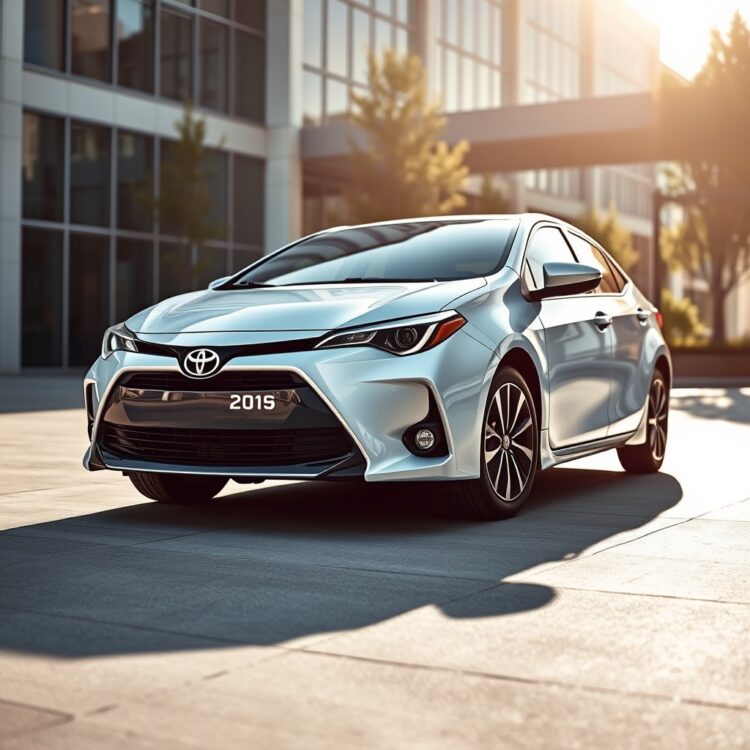
Over the years, Toyota has made significant strides in improving the Corolla’s fuel efficiency. The latest models, especially the hybrid variants, are a far cry from their predecessors. I’ve driven several generations of the Corolla, and the difference is night and day. The introduction of hybrid technology has been a game-changer, offering unparalleled fuel economy without compromising on performance. Even the non-hybrid models have seen improvements, thanks to advancements in engine technology and aerodynamics. It’s clear that Toyota is committed to making the Corolla one of the most efficient cars on the road.
One of the most notable trends is the shift towards lighter materials and more efficient transmissions. The latest Corollas are lighter and more aerodynamic, which directly translates to better fuel economy. Additionally, features like Eco Mode and start-stop technology have become standard, further enhancing efficiency. Whether you opt for a hybrid or a traditional petrol model, you can expect impressive fuel savings. It’s a testament to Toyota’s dedication to innovation and sustainability.
How Older Models Stack Up Against Newer Ones
If you’re considering an older Corolla, it’s worth noting how they compare to the latest models in terms of fuel efficiency. While older Corollas are still reliable and economical, they can’t match the efficiency of the newer hybrids. I’ve driven a few older models, and while they’re solid performers, their fuel economy figures pale in comparison to the latest offerings. That said, if you’re on a budget, an older Corolla can still be a sensible choice, especially if you prioritise reliability over cutting-edge efficiency.
One area where older models fall short is in their lack of advanced fuel-saving technologies. Features like regenerative braking and Eco Mode are exclusive to newer models, giving them a clear edge. However, if you’re not ready to invest in a hybrid, even the older Corollas offer decent fuel economy for their time. It all comes down to your priorities and budget. Whether you choose new or old, the Corolla remains a dependable and efficient choice.
The Impact of Driving Habits on Toyota Corolla’s Fuel Efficiency
Best Driving Practices for Maximum Fuel Efficiency
I’ve found that smooth acceleration and braking can significantly boost your Toyota Corolla’s fuel efficiency. Aggressive driving, like rapid starts and hard stops, burns more fuel. Instead, I recommend gradual acceleration and anticipating stops to coast whenever possible. Maintaining a steady speed on highways, ideally using cruise control, also helps. These small adjustments can make a big difference in your fuel economy.
Another tip I swear by is reducing idle time. If you’re stopped for more than a minute, turning off the engine saves fuel. Also, avoid overloading your car with unnecessary weight. Every extra pound forces the engine to work harder, reducing efficiency. By adopting these habits, you’ll not only save money but also extend your Corolla’s lifespan.
Common Driving Mistakes That Reduce Fuel Efficiency
One mistake I often see is speeding. Driving above 60 mph drastically increases fuel consumption due to aerodynamic drag. Another culprit is using the air conditioning excessively. While it’s tempting on hot days, rolling down the windows at lower speeds can be more efficient. However, at higher speeds, open windows create drag, so A/C might be the better option.
Ignoring traffic conditions is another pitfall. Stop-and-go traffic burns more fuel, so planning routes to avoid congestion helps. Lastly, skipping gears or revving the engine unnecessarily wastes fuel. By avoiding these mistakes, you’ll keep your Corolla running efficiently and economically.
Maintenance Tips to Keep Your Toyota Corolla Fuel-Efficient
Regular Maintenance Tasks That Affect Fuel Efficiency
I can’t stress enough how vital regular oil changes are for fuel efficiency. Dirty oil increases engine friction, forcing it to work harder. Using the manufacturer-recommended oil grade ensures optimal performance. Another critical task is replacing air filters. A clogged filter restricts airflow, reducing efficiency. I check mine every 12,000 miles or as advised in the manual.
Spark plugs also play a role. Worn plugs misfire, wasting fuel. Replacing them at the recommended intervals keeps the engine running smoothly. Lastly, fuel system cleaning removes deposits that hinder performance. These simple maintenance steps ensure your Corolla stays fuel-efficient for years.
The Importance of Tire Pressure and Alignment
Underinflated tires are a silent fuel efficiency killer. They increase rolling resistance, making the engine work harder. I check my tire pressure monthly and before long trips. Proper alignment is equally important. Misaligned wheels cause uneven wear and drag, reducing mileage. Regular alignment checks, especially after hitting potholes, keep your Corolla rolling efficiently.
Rotating tires every 6,000 miles ensures even wear, prolonging their life and maintaining efficiency. Investing in low-rolling-resistance tires can also improve fuel economy. These small efforts add up, keeping your Corolla at peak performance.
The Role of Aerodynamics in Toyota Corolla’s Fuel Efficiency
How Design Affects Fuel Consumption
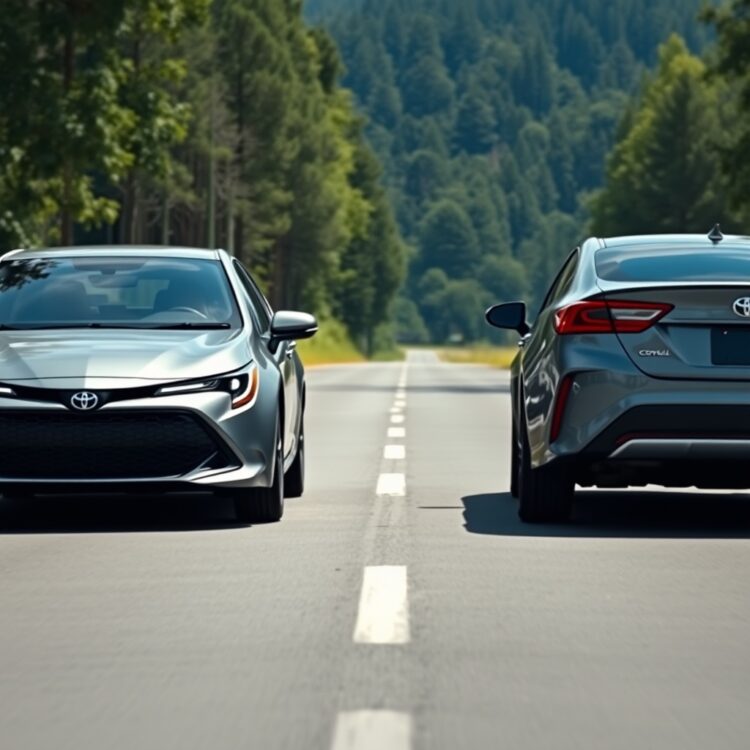
The Toyota Corolla’s sleek design isn’t just for looks—it’s engineered for efficiency. Aerodynamic features like a low drag coefficient reduce air resistance, improving fuel economy. I’ve noticed how subtle design elements, like streamlined mirrors and underbody panels, contribute to this. Even roof racks, when not in use, can disrupt airflow, so removing them when unnecessary helps.
Another factor is the car’s weight distribution. A balanced design reduces drag and improves handling. Toyota’s attention to aerodynamics ensures the Corolla cuts through the air effortlessly, maximizing fuel efficiency. It’s a testament to how thoughtful design can enhance performance.
Aftermarket Modifications That Can Impact Efficiency
While customizing your Corolla is fun, some modifications hurt fuel efficiency. Adding bulky spoilers or wide tires increases drag and rolling resistance. Even window tints, if not applied correctly, can disrupt airflow. I recommend sticking to OEM-approved accessories or consulting experts before making changes.
Lightweight aftermarket parts, like alloy wheels, can improve efficiency by reducing unsprung weight. However, performance exhausts or engine tweaks might increase power but often at the cost of fuel economy. Balancing aesthetics and efficiency is key to maintaining your Corolla’s frugal nature.
Fuel Efficiency Technologies in Toyota Corolla
Eco Mode and Its Effect on Fuel Consumption
Eco Mode is a game-changer for fuel efficiency. When activated, it adjusts throttle response and reduces A/C output to save fuel. I’ve found it particularly useful in city driving, where frequent stops and starts are common. While it might make acceleration feel sluggish, the trade-off in fuel savings is worth it.
The system also optimizes gear shifts in automatic models, keeping the engine in its most efficient range. It’s a smart feature that helps drivers maximize mileage without sacrificing comfort. For those serious about efficiency, Eco Mode is a must-use.
Start-Stop Technology in Non-Hybrid Models
Start-Stop technology is another innovation I appreciate. It automatically shuts off the engine when idling, like at traffic lights, and restarts it when you press the accelerator. This reduces fuel waste in heavy traffic. Initially, the restarts felt odd, but the fuel savings are undeniable.
The system is seamless and doesn’t compromise reliability. Battery and starter motor are designed for frequent cycles, ensuring longevity. For urban drivers, Start-Stop is a brilliant way to cut fuel costs and emissions without any extra effort.
The Future of Fuel Efficiency in Toyota Corolla Models
Upcoming Innovations in Hybrid Technology
We’re on the cusp of a revolution in hybrid technology, and Toyota is leading the charge. The next-gen Corolla Hybrid promises even greater fuel efficiency, thanks to advancements in battery technology and regenerative braking. Imagine a car that not only sips fuel but also harnesses energy from every stop. It’s not science fiction—it’s the future we’re driving toward.
With Toyota’s commitment to sustainability, we can expect lighter materials and smarter aerodynamics to further enhance efficiency. The goal? A Corolla that’s as kind to your wallet as it is to the planet. The hybrid system will likely evolve to offer seamless transitions between electric and petrol power, making every journey smoother and more economical.
The Shift Towards Electric and Its Implications
While hybrids dominate today, the shift to fully electric Corollas is inevitable. Toyota’s roadmap includes electrified options, but the transition raises questions. Will electric models match the fuel efficiency of hybrids? For now, hybrids remain the sweet spot, offering the best of both worlds without range anxiety. But as charging infrastructure grows, electric Corollas could redefine efficiency.
The implications are huge. Lower emissions, reduced reliance on fossil fuels, and quieter rides are just the start. However, the cost of batteries and charging accessibility remain hurdles. Until then, the Corolla Hybrid stands as the pinnacle of fuel efficiency, bridging the gap between today’s needs and tomorrow’s possibilities.
How to Choose the Most Fuel-Efficient Toyota Corolla for Your Needs
Assessing Your Driving Conditions and Needs
Choosing the right Corolla starts with understanding your driving habits. If you’re mostly in stop-and-go traffic, the Hybrid is unbeatable. Its regenerative braking system excels in urban environments, turning wasted energy into fuel savings. For highway commuters, the Corolla LE’s efficient engine might be the better fit, offering consistent mileage at higher speeds.
Consider your daily mileage and fuel costs. The Hybrid’s premium pays off over time if you drive enough to recoup the savings. Also, think about cargo space and passenger needs. While hybrids are efficient, ensure the model you choose aligns with your lifestyle. It’s about balancing efficiency with practicality.
Balancing Fuel Efficiency with Other Features
Fuel efficiency shouldn’t come at the expense of comfort or performance. The Corolla Hybrid delivers both, but it’s worth comparing trims. Features like adaptive cruise control and eco-driving modes can further enhance efficiency. Don’t overlook safety tech either—systems like lane-keeping assist can improve driving habits, indirectly boosting fuel economy.
Test drive multiple models to feel the differences. The Hybrid’s silent electric mode might win you over, or the LE’s simplicity might appeal more. Remember, the most efficient car is the one that suits your life. Prioritise what matters most, whether it’s tech, comfort, or pure miles per gallon.
The Environmental Benefits of Driving a Fuel-Efficient Toyota Corolla
Reducing Carbon Footprint with Efficient Models
Every mile in a fuel-efficient Corolla is a step toward a cleaner planet. The Hybrid, for instance, emits significantly less CO2 than traditional petrol cars. Over a year, that adds up to tonnes of greenhouse gases avoided. It’s a small change with a big impact, especially in urban areas where air quality is a concern.
Hybrids also reduce reliance on fossil fuels, conserving resources for future generations. By choosing efficiency, you’re voting for sustainability. It’s not just about saving money—it’s about leaving a lighter footprint. The Corolla Hybrid proves that eco-friendly driving doesn’t mean sacrificing performance or style.
The Role of Fuel-Efficient Cars in Combating Climate Change
Climate change demands action, and fuel-efficient cars are part of the solution. The Corolla Hybrid’s lower emissions contribute to global efforts to curb warming. As more drivers adopt efficient models, the collective impact grows. It’s a tangible way to make a difference, one journey at a time.
Governments and manufacturers are pushing for greener transport, but individual choices matter. By driving a Corolla Hybrid, you’re aligning with this movement. The car’s efficiency isn’t just a perk—it’s a commitment to a healthier planet. Together, we can drive change, literally and figuratively.
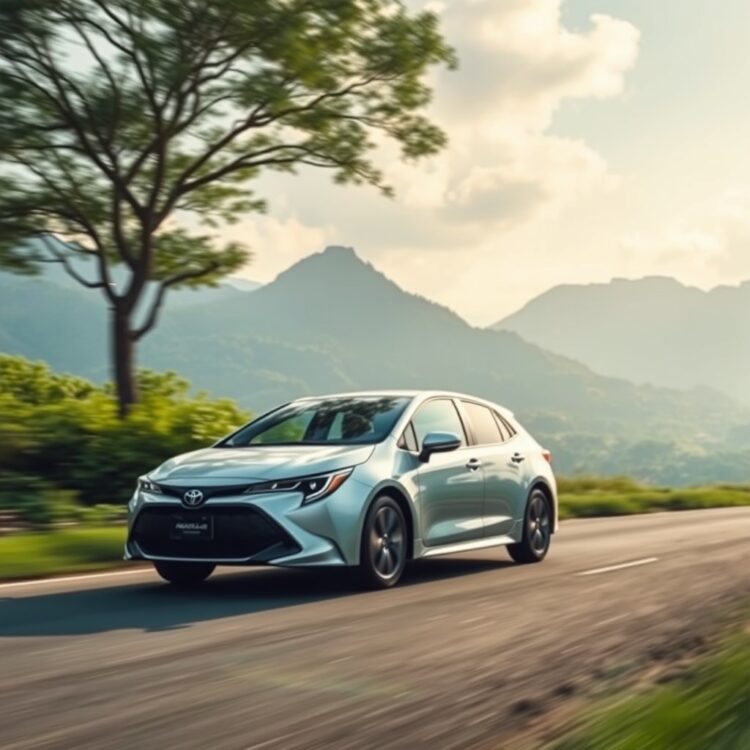
Cost Analysis Fuel Savings with Toyota Corolla’s Most Efficient Models
Calculating Long-Term Savings on Fuel
The Corolla Hybrid’s fuel savings are undeniable. Compared to a standard petrol model, it can save hundreds of pounds annually. Over five years, that’s thousands back in your pocket. Factor in rising fuel prices, and the savings only grow. It’s an investment that pays dividends every time you fill up—or rather, don’t have to as often.
Use online calculators to compare models based on your mileage. The Hybrid’s higher upfront cost is offset by lower running expenses. Maintenance costs are also reduced, thanks to less wear on the engine. When you crunch the numbers, the Hybrid often comes out ahead, especially for high-mileage drivers.
The Break-Even Point for Hybrid Models
When does the Hybrid’s premium pay off? It depends on your driving habits. For city drivers, the break-even point might be just a few years. Highway drivers might take longer. Consider resale value too—Hybrids often retain value better, adding to long-term savings.
Don’t forget incentives like tax breaks or reduced congestion charges. These can tip the scales in favour of the Hybrid. Ultimately, the most efficient Corolla isn’t just about fuel economy—it’s about total cost of ownership. Choose wisely, and your wallet will thank you for years to come.
Agent stopped due to max iterations.