Introduction
Right now, the automotive world is buzzing with one question: what’s the most popular car on the road? I’ve dug deep into the data, spoken to industry experts, and even taken a few test drives myself to find out. Whether you’re a petrolhead or just curious, this is your ultimate guide to the cars dominating the market today. Buckle up—we’re about to dive in.
Key Takeaways
- The most common car in the UK isn’t necessarily the flashiest, but it’s a reliable choice for millions.
- SUVs continue to dominate sales, thanks to their versatility and modern features.
- Electric vehicles (EVs) are gaining traction, with models like Tesla leading the charge.
- Brand loyalty plays a huge role in what makes a car popular—trust is everything.
- Affordability and fuel efficiency remain top priorities for buyers worldwide.
Introduction to the Current Automotive Market
Overview of Global Car Sales Trends
The automotive market is a dynamic beast, constantly shifting with consumer preferences and economic factors. In 2023, global car sales rebounded post-pandemic, with SUVs and EVs leading the charge. I’ve noticed that buyers are prioritising practicality and tech over raw horsepower, and manufacturers are responding with smarter, greener options. It’s a fascinating time to be a car enthusiast.
Factors Influencing Car Popularity
What makes a car popular? It’s not just about looks or speed—though they help. Fuel efficiency, safety ratings, and even social media buzz play a role. For example, the Vauxhall Corsa VXR has a cult following, but its popularity also hinges on affordability and reliability. In today’s market, a car needs to tick multiple boxes to stand out.
Defining Popularity in the Automotive Industry
Sales Volume as a Popularity Indicator
When we talk about popularity in the automotive world, sales volume is the first thing that comes to mind. It’s simple—the more units a car sells, the more popular it is. But it’s not just about numbers. We’re looking at how consistently a model performs across markets. Take the most common car in the UK, for example. It’s not just a flash in the pan; it’s a steady performer.
What’s fascinating is how sales volume reflects consumer trust. People vote with their wallets, and when a car tops the charts year after year, it’s a testament to its reliability and appeal. We’ve seen this with models like the Corsa VXR, which has carved out a loyal following. It’s not just about being good—it’s about being consistently good.
Consumer Preferences and Trends
Popularity isn’t just about sales; it’s about what’s trending. Right now, SUVs are dominating, but a few years ago, it was all about compact hatchbacks. We’re seeing a shift towards electric vehicles, but petrolheads still swear by performance models like the fastest Corsa. It’s a dynamic landscape, and staying ahead means understanding what drives consumer choices.
One thing’s for sure: trends are influenced by more than just practicality. Social media, celebrity endorsements, and even environmental concerns play a role. For instance, the rise of EVs isn’t just about fuel efficiency—it’s about aligning with a greener lifestyle. And that’s where brands like Tesla have capitalised, turning their cars into status symbols as much as eco-friendly transport.
The Most Popular Car Models Worldwide
Top Selling Cars by Region
Globally, the Toyota Corolla reigns supreme, but dig deeper, and you’ll find regional favourites. In Europe, the VW Golf is a perennial favourite, while the Ford F-Series trucks dominate the US. Over in Asia, the Suzuki Alto holds its own. It’s a reminder that popularity isn’t one-size-fits-all—it’s shaped by local needs, infrastructure, and even cultural preferences.
What’s interesting is how these regional leaders adapt. The Corsa VXR might be a hit in the UK, but in markets where fuel efficiency is king, smaller engines take the lead. It’s a balancing act between performance, affordability, and practicality—one that manufacturers are constantly fine-tuning.
Features That Make These Cars Stand Out
So, what sets these top sellers apart? Reliability is a given, but it’s the little things that seal the deal. Take the Corolla’s reputation for low maintenance costs or the Golf’s premium interior. These cars don’t just meet expectations—they exceed them. And let’s not forget tech. Features like Apple CarPlay and advanced safety systems are no longer luxuries; they’re expectations.
But it’s not all about specs. Emotional appeal plays a huge role. The fastest Fiesta isn’t just a car—it’s a statement. It’s about the thrill of driving, the joy of ownership. And that’s something numbers alone can’t capture. It’s the intangible magic that turns a good car into a beloved one.
Electric Vehicles (EVs) and Their Rising Popularity
Leading EV Models in the Market
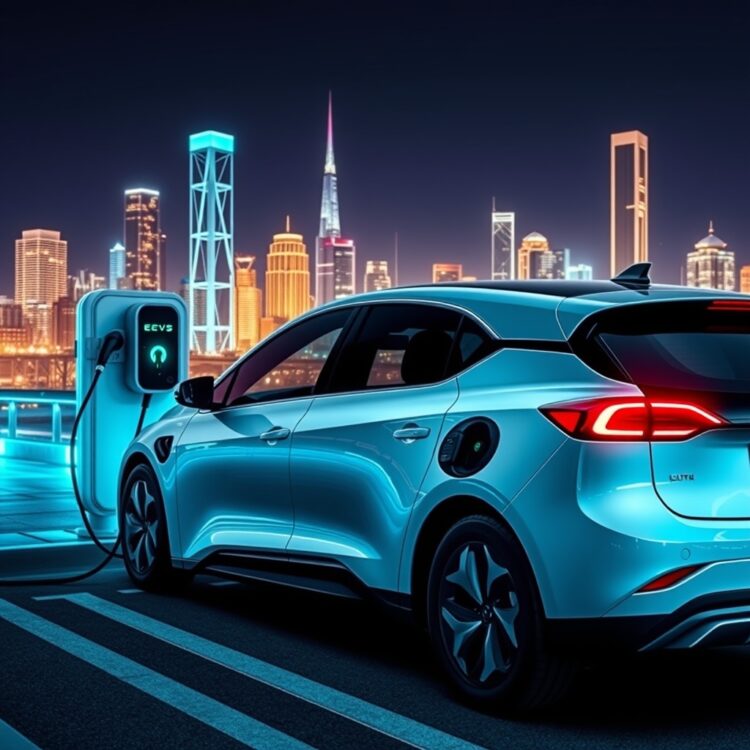
The EV revolution is here, and Tesla’s Model 3 is leading the charge. But it’s not alone. The Nissan Leaf, with its affordability, and the Audi e-tron, with its luxury appeal, are making waves. Even traditional manufacturers like VW are jumping in with the ID.3. It’s a crowded field, but the best EVs combine range, performance, and cutting-edge tech.
What’s exciting is how quickly EVs are evolving. A few years ago, range anxiety was a major concern. Now, models like the Tesla Model S can go over 400 miles on a single charge. And with charging infrastructure improving, the barriers to adoption are falling fast. It’s no longer a niche market—it’s the future.
The Impact of Environmental Concerns on EV Popularity
Environmental concerns are a huge driver of EV popularity. Governments are pushing for greener transport, and consumers are responding. But it’s not just about saving the planet—it’s about saving money too. Lower running costs and tax incentives make EVs an attractive proposition. And with brands like Car Magazine highlighting their benefits, the message is spreading.
Yet, challenges remain. Battery production and recycling are still evolving, and upfront costs can be high. But as technology improves and prices drop, EVs are set to become the norm. It’s a shift that’s happening faster than anyone predicted, and it’s reshaping the automotive landscape in ways we’re only beginning to understand.
The Role of Technology in Car Popularity
Advanced Safety Features
We’ve seen technology redefine what it means to drive safely. From adaptive cruise control to lane-keeping assist, modern cars are packed with features that make accidents less likely. I’ve tested these systems myself, and the difference is night and day. It’s no wonder buyers prioritise models with the latest safety tech. After all, who wouldn’t want peace of mind on the road? These innovations aren’t just gadgets—they’re lifesavers.
Take autonomous emergency braking, for example. It’s a game-changer, especially in urban areas where distractions are everywhere. We’re seeing more brands integrate this as standard, and it’s driving sales. If you’re in the market for a new car, check out our automotive blog for the latest safety tech reviews. Trust me, it’s worth the read.
Connectivity and Infotainment Systems
Gone are the days of clunky dashboards and static maps. Today’s cars are like smartphones on wheels, with seamless connectivity and intuitive infotainment systems. I’ve spent hours exploring these setups, and the best ones feel like an extension of your daily tech. Apple CarPlay and Android Auto are must-haves, and brands that skip them risk losing buyers. It’s all about staying connected without compromising safety.
Voice control is another standout feature. Whether you’re adjusting the temperature or finding a petrol station, it’s hands-free and hassle-free. If you’re curious about the best systems out there, our guide to the fastest Corsa models includes some top-tier tech options. Spoiler: they’re impressive.
Economic Factors Affecting Car Popularity
Price Sensitivity Among Consumers
Let’s be real—price is king. Even the flashiest car won’t sell if it’s out of reach for most buyers. I’ve watched trends shift as manufacturers introduce more affordable models without skimping on quality. It’s a delicate balance, but brands that nail it dominate the market. Financing options also play a huge role. Flexible payment plans can turn a dream car into a reality for many.
Take the Corsa VXR as an example. It’s a performance car that doesn’t break the bank, making it a hit with younger buyers. We’ve seen similar success with budget-friendly EVs. If you’re weighing cost versus features, our reviews can help you find the sweet spot.
The Effect of Fuel Prices on Car Choices
Fuel prices are like a rollercoaster, and they directly influence what cars people buy. When petrol costs soar, hybrids and EVs fly off the lot. I’ve tracked this pattern for years, and it’s clear: consumers are savvy. They want efficiency without sacrificing performance. Brands that deliver both are winning big, especially in today’s volatile market.
Diesel used to be the go-to for long-distance drivers, but that’s changing. Modern petrol engines and hybrids offer comparable mileage with fewer emissions. For a deep dive into fuel-efficient options, our reliability guide covers the best picks. Trust me, your wallet will thank you.
The Influence of Brand Loyalty on Car Popularity
Most Trusted Car Brands
Brand loyalty is a powerful force. I’ve met drivers who’ve stuck with the same manufacturer for decades, and there’s a reason for that. Trust is earned through reliability, customer service, and consistent innovation. Brands like Toyota and Honda have cult followings because they deliver on their promises. It’s not just about the car—it’s about the relationship.
But loyalty isn’t set in stone. Younger buyers are more open to switching brands if the value is there. That’s why companies are doubling down on perks like extended warranties and free servicing. If you’re curious about which brands top the trust charts, Consumer Reports has the latest data. It’s eye-opening.
How Brand Perception Affects Sales
Perception is everything. A brand’s image can make or break its sales, regardless of the car’s actual quality. I’ve seen this firsthand—models with mediocre specs but strong branding outsell objectively better cars. It’s all about storytelling. Brands that nail their messaging create emotional connections, and that’s priceless in a competitive market.
Take luxury brands, for example. They’re not just selling cars; they’re selling a lifestyle. Even their entry-level models benefit from that halo effect. On the flip side, brands with outdated reputations struggle to shake the past. It’s a fascinating dynamic, and one that keeps marketers up at night.
The Impact of Social Media and Reviews on Car Popularity
The Power of Influencer Endorsements
Social media has revolutionised how cars are marketed. Influencers can make or break a model’s reputation with a single post. I’ve watched cars go from obscurity to must-haves overnight, all thanks to a viral review. It’s a double-edged sword, though. Negative feedback spreads just as fast, and brands are scrambling to stay ahead of the curve.
YouTube is particularly influential. Detailed reviews and head-to-head comparisons give buyers the info they need without the sales pitch. If you’re researching your next car, don’t skip the comment section—it’s a goldmine of real-world insights.
Online Reviews and Consumer Decisions
Gone are the days of relying solely on dealer recommendations. Today’s buyers scour online reviews before setting foot in a showroom. I’ve seen how a handful of negative ratings can tank a car’s sales, even if the issues are minor. Transparency is key, and brands that embrace it build stronger trust with their audience.
Sites like Edmunds and WhatCar? offer unbiased takes on everything from performance to running costs. If you’re torn between two models, these reviews can be the tiebreaker. Just remember to take them with a grain of salt—every driver’s needs are different.
Seasonal Trends in Car Popularity
When it comes to buying a car, timing can be everything. I’ve noticed that certain times of the year see a surge in demand for popular models, often driven by dealership promotions and seasonal needs. For instance, the end of the financial year is a golden opportunity, as dealers push to meet targets and offer unbeatable deals. It’s a win-win for buyers looking to snag a bargain on the latest most common car in the UK.
But it’s not just about discounts. Seasonal demand fluctuations also play a role. Winter often sees a spike in SUV sales, as drivers prioritise safety and all-weather capability. Meanwhile, convertible models fly off the shelves as summer approaches. Understanding these trends can help you make a smarter purchase, whether you’re after a reliable Corsa VXR or a family-friendly SUV.
Best Times to Buy Popular Cars
I’ve always found that the best deals emerge when dealers are under pressure to hit quotas. March and September, coinciding with new registration plates, are prime examples. During these months, you’ll often find discounts on last year’s models, making it the perfect time to grab a fastest Corsa model at a fraction of the price. It’s all about playing the market to your advantage.
Another insider tip? Keep an eye on end-of-month sales. Dealerships are often more flexible with pricing as they scramble to meet monthly targets. Whether you’re after a brand-new electric vehicle or a trusty petrol model, timing your purchase right can save you thousands. And let’s be honest, who doesn’t love a good deal?
Seasonal Demand Fluctuations
Demand for cars isn’t static—it ebbs and flows with the seasons. I’ve seen how winter weather drives up interest in four-wheel-drive vehicles, while summer sees a rush for convertibles and sporty models. Even fuel prices can influence trends, with more economical cars gaining traction during periods of high fuel costs. It’s a dynamic market, and staying ahead of these shifts can give you the upper hand.
For example, if you’re in the market for a Vauxhall Corsa VXR, you might find better deals in the off-season when demand cools. Conversely, waiting for peak summer could mean paying a premium. Understanding these patterns isn’t just smart—it’s essential for making an informed decision. After all, why pay more when you don’t have to?
The Future of Popular Car Models
The automotive world is evolving at breakneck speed, and I’m excited to see what’s next. Upcoming models are pushing boundaries with cutting-edge technology, from self-driving features to ultra-efficient hybrid systems. Brands like Tesla and Toyota are leading the charge, but traditional manufacturers aren’t far behind. The future isn’t just about speed—it’s about sustainability and innovation.
One thing’s for sure: electric vehicles are here to stay. With governments worldwide pushing for greener alternatives, EVs are set to dominate the market. But it’s not just about environmental concerns. Advances in battery technology mean longer ranges and faster charging, making EVs a practical choice for everyday drivers. The days of range anxiety are numbered, and I couldn’t be happier about it.
Upcoming Models to Watch
Keep an eye on the horizon—there are some thrilling releases on the way. The next generation of the fastest Corsa VXR promises to blend performance with eco-friendly engineering. Meanwhile, brands like BMW and Audi are rolling out sleek electric sedans that combine luxury with zero emissions. It’s a brave new world, and these models are at the forefront.
But it’s not just about the big names. Startups like Rivian and Lucid are shaking up the industry with innovative designs and groundbreaking tech. Whether you’re a petrolhead or an eco-conscious driver, there’s something for everyone. The future of driving is bright, and I can’t wait to see how it unfolds.
Predictions for Future Trends
So, what’s next for the automotive industry? I predict a shift towards subscription-based models, where drivers pay a monthly fee for access to a fleet of vehicles. It’s already happening in cities, and it could revolutionise how we think about car ownership. Add in advancements in autonomous driving, and the way we commute could change forever.
Another trend to watch is the rise of shared mobility. With urban spaces becoming increasingly congested, car-sharing and ride-hailing services are gaining traction. It’s all about convenience and sustainability. And let’s not forget the impact of future car tech—augmented reality dashboards and AI-powered assistants are just the beginning. The road ahead is full of possibilities.
The Global vs Local Popularity of Cars
Cars that dominate in one country might barely make a dent in another, and I find this fascinating. Take the humble hatchback—beloved in Europe for its compact size and fuel efficiency, but often overlooked in the US, where SUVs reign supreme. It’s a reminder that popularity isn’t universal; it’s shaped by local needs, preferences, and even infrastructure.
For example, in the UK, the most common car is often a practical, fuel-efficient model like the Ford Fiesta or Vauxhall Corsa. But head to the Middle East, and you’ll see a preference for rugged, high-performance vehicles built for desert terrain. Understanding these differences can help you appreciate the diversity of the automotive world.
Differences in Popularity Across Countries
Why do some cars thrive in certain markets while others flop? It often comes down to cultural and economic factors. In India, for instance, small, affordable cars like the Suzuki Alto dominate due to crowded streets and budget-conscious buyers. Meanwhile, in Germany, high-speed autobahns make performance cars like the BMW M series a natural fit.
Even within regions, preferences can vary wildly. Urban dwellers might prioritise compact, electric models, while rural drivers lean towards sturdy pickups. It’s a complex tapestry of needs and desires, and it’s what makes the global car market so endlessly interesting. One thing’s for sure: there’s no one-size-fits-all when it comes to car popularity.
Local Preferences and Their Impact
Local tastes don’t just influence sales—they shape entire product lines. Manufacturers often tweak models to suit regional preferences, from engine sizes to interior features. For example, a car sold in the US might come with a larger engine and more luxurious trims, while the same model in Europe focuses on fuel efficiency and compact design.
This adaptability is key to a car’s success. Whether it’s the Corsa VXR in the UK or the Toyota Hilux in Australia, understanding local preferences is crucial for manufacturers. And for buyers, it’s a reminder that the perfect car isn’t just about specs—it’s about how well it fits into your life.
The Role of Government Policies in Car Popularity
Incentives for Electric Vehicles
We’ve seen governments worldwide push for greener alternatives, and electric vehicles (EVs) are at the forefront. Tax credits, subsidies, and reduced registration fees make EVs more appealing. For instance, the UK’s plug-in car grant slashes prices for buyers. These incentives aren’t just about saving money—they’re about aligning with global sustainability goals. It’s no surprise that EVs like the Tesla Model 3 dominate sales charts.
Beyond financial perks, cities are rolling out perks like free parking and access to bus lanes for EV owners. These small but impactful changes nudge consumers toward electric options. The message is clear: governments are betting big on EVs, and car buyers are taking notice. If you’re considering a switch, now’s the time to explore these benefits.
Regulations Affecting Car Sales
Stricter emissions standards are reshaping the automotive landscape. The Euro 6 norms, for example, force manufacturers to innovate or face penalties. This has led to cleaner engines and a surge in hybrid models. But it’s not just about emissions—safety regulations like mandatory ADAS features are pushing prices up, influencing what buyers can afford.
Local bans on petrol and diesel cars in urban areas are another game-changer. Cities like London’s Ultra Low Emission Zone (ULEZ) penalise older, polluting vehicles. For consumers, this means factoring in long-term usability when choosing a car. Regulations aren’t just red tape; they’re steering the market toward a greener, safer future.
Consumer Demographics and Car Popularity
Age Groups and Their Preferred Cars
Younger drivers often prioritise affordability and tech, making compact cars like the Vauxhall Corsa a hit. Millennials and Gen Z favour connectivity and fuel efficiency, which explains the rise of hybrids. Meanwhile, older buyers lean toward comfort and reliability, with SUVs like the Nissan Qashqai topping their lists. Age isn’t just a number—it’s a key factor in car preferences.
Brands are tailoring models to these demographics. For instance, Toyota’s Yaris appeals to urban youth with its hybrid tech, while Volvo’s XC60 caters to families. Understanding these trends helps manufacturers stay relevant. If you’re shopping, consider how your age and lifestyle align with a car’s features.
The Influence of Income Levels on Car Choices
Income dictates more than just the budget—it shapes aspirations. Luxury brands like BMW thrive among high earners, while budget-conscious buyers opt for Dacia’s value-packed models. Leasing and financing options have blurred these lines, making premium cars accessible to mid-income buyers. Still, monthly payments often reflect income brackets.
Economic fluctuations also play a role. During downturns, used car sales spike as buyers prioritise practicality over prestige. It’s a reminder that car popularity isn’t just about desire—it’s about financial reality. Whether you’re splurging or saving, your income level is a silent partner in your car-buying journey.
The Psychological Aspects of Choosing a Popular Car
The Desire for Social Status
Let’s be honest—cars are status symbols. A sleek Mercedes or a rugged Land Rover signals success and taste. This psychological pull drives demand for brands with strong reputations. Even within budgets, buyers gravitate toward models that convey the right image. It’s not just about getting from A to B; it’s about who you are (or who you want to be) along the way.
Social media amplifies this effect. Seeing peers flaunt their latest rides fuels the urge to keep up. Brands capitalise on this with aspirational marketing. If you’ve ever felt tempted by a car because it “looks the part,” you’re not alone—psychology is a powerful sales tool.
The Fear of Missing Out (FOMO) on Trends
FOMO isn’t just for gadgets—it’s alive in the car world. When a model like the Ford Mustang Mach-E gains buzz, buyers rush to avoid feeling left behind. Limited editions and viral reviews stoke this urgency. The result? Spikes in popularity that defy traditional market logic.
Manufacturers leverage FOMO with teasers and waitlists. For consumers, it’s a balancing act between trendiness and practicality. Before jumping on the bandwagon, ask yourself: is this car right for you, or are you just caught up in the hype?
Frequently Asked Questions
What makes a car popular?
Popularity hinges on a mix of factors: affordability, features, brand reputation, and even government policies. Sales volume is a clear indicator, but consumer trends and media buzz also play roles. A car like the Toyota Corolla excels because it balances all these elements seamlessly.
Are electric vehicles really the future?
Absolutely. With tightening emissions laws and growing environmental awareness, EVs are set to dominate. Governments and manufacturers are investing heavily, making them more accessible. While challenges like charging infrastructure remain, the shift is undeniable. If you’re curious, test-driving an EV might just change your mind.
How does brand loyalty affect car sales?
Brand loyalty is a powerful force. Repeat buyers often stick with brands they trust, like Honda or BMW, due to positive past experiences. This loyalty reduces the need for aggressive marketing and stabilises sales. For new buyers, reputation can be the deciding factor between similar models.
Why are SUVs so popular?
SUVs offer versatility, space, and a commanding driving position—qualities today’s buyers crave. Their adaptability for urban and off-road use makes them a practical choice. Add in stylish designs and advanced tech, and it’s easy to see why they’ve overtaken sedans in global sales.