Introduction
When it comes to buying a car, reliability is often the top priority for most drivers. No one wants to deal with constant breakdowns or expensive repairs. But what exactly makes a car reliable? I’ve spent years researching and testing various models to uncover the truth. In this article, we’ll dive deep into the most reliable car models, breaking down the factors that make them stand out. Whether you’re in the market for a compact car, SUV, or something in between, we’ve got you covered.
Key Takeaways
- Reliability is determined by factors like build quality, manufacturer reputation, and maintenance history.
- Brands like Toyota and Honda consistently top reliability ratings due to their engineering excellence.
- Regular maintenance can significantly extend the lifespan of even the most reliable models.
- Consumer reports and expert reviews are invaluable tools for assessing a car’s reliability.
- Electric vehicles are proving to be just as reliable as their gasoline counterparts, if not more so.
Test Your General Automotive Knowledge!
Understanding Car Reliability
Defining Reliability in Automobiles
Reliability in cars isn’t just about avoiding breakdowns—it’s about consistency. A reliable car performs well over time, with minimal unexpected issues. Think of it as a vehicle that starts every morning, handles daily commutes effortlessly, and doesn’t surprise you with costly repairs. For example, models like the Toyota Corolla have built their reputation on this very principle.
Key Factors That Determine a Car’s Reliability
Several factors contribute to a car’s reliability. Build quality, engine performance, and even the materials used in manufacturing play a role. Brands with a history of meticulous engineering, such as Honda, often produce cars that last decades. Additionally, how a car is maintained—regular oil changes, timely part replacements—can make or break its reliability. It’s not just about the car itself but also how it’s cared for.
The Importance of Reliability in Vehicle Selection
Choosing a reliable car saves you money and stress in the long run. Imagine the peace of mind knowing your vehicle won’t leave you stranded. For families, reliability is even more critical—safety and dependability are non-negotiable. Whether you’re buying new or used, prioritizing reliability ensures you get the best value for your investment. For instance, the Vauxhall Corsa VXR has been praised for its balance of performance and dependability.
The Role of Manufacturer Reputation in Reliability
When it comes to reliability, a manufacturer’s reputation is everything. We’ve all heard the saying, “You get what you pay for,” and in the automotive world, this couldn’t be truer. Brands with a long history of producing dependable vehicles often top the charts, while newer players must work twice as hard to earn trust. It’s not just about marketing—real-world experiences shape these perceptions over decades.
Take Toyota and Lexus, for example. These brands have built their reputations on reliability, and their vehicles consistently rank high in surveys. But it’s not just about longevity; emerging brands like Kia and Hyundai are proving that innovation and quality can go hand in hand. The key takeaway? A strong reputation isn’t just a badge—it’s a promise backed by years of performance.
How Brand History Influences Reliability Perceptions
Brand history plays a pivotal role in how we perceive reliability. Think about it: when you hear “Toyota,” you likely associate it with durability. That’s no accident. Decades of producing cars that last have cemented this image. On the flip side, brands with a spotty track record often struggle to shake off past mistakes, even if they’ve improved.
For consumers, this history is a shorthand for trust. It’s why many buyers stick with brands they know, even when newer options promise more features. But history isn’t static—brands can and do evolve. The challenge is balancing legacy with innovation to keep reliability at the forefront.
Top Manufacturers Known for Reliability
Certain manufacturers have become synonymous with reliability. Toyota, Lexus, and Honda consistently dominate reliability rankings, thanks to their meticulous engineering and rigorous testing. These brands don’t just meet expectations—they exceed them, year after year. It’s no surprise that their vehicles often hold their value better than competitors.
But it’s not just the usual suspects. Brands like Vauxhall and Mazda have also carved out reputations for dependability. Whether it’s through advanced technology or simple, robust design, these manufacturers prove that reliability isn’t a one-size-fits-all concept.
Emerging Brands Gaining Reliability Recognition
The automotive landscape is changing, and so are perceptions of reliability. Brands like Kia and Hyundai, once seen as budget options, are now leaders in reliability. Their focus on quality control and generous warranties has paid off, earning them a spot among the most trusted names in the industry.
Even electric vehicle manufacturers like Tesla are making strides, though they still face growing pains. The lesson here? Reliability isn’t static. It’s a moving target, and brands that adapt and innovate can rise to the top—even if they’re newcomers.
Analyzing Reliability Ratings and Reports
Reliability ratings are the backbone of informed car buying. Organisations like J.D. Power and Consumer Reports provide invaluable insights, but understanding their methodologies is crucial. These ratings aren’t just numbers—they’re based on real-world data from thousands of owners, covering everything from engine performance to infotainment glitches.
For us, these reports are a goldmine of information. They highlight trends, identify problem areas, and help separate the wheat from the chaff. But they’re not infallible. Context matters, and a single bad year doesn’t necessarily spell doom for a model or brand. The key is to look for consistency over time.
Understanding J.D. Power and Consumer Reports Ratings
J.D. Power and Consumer Reports approach reliability differently, but both are essential. J.D. Power’s surveys focus on initial quality and long-term dependability, while Consumer Reports dives deeper into owner satisfaction and repair frequency. Together, they paint a comprehensive picture of what to expect from a vehicle.
For example, a car might score well in J.D. Power’s initial quality survey but falter in Consumer Reports’ long-term reliability rankings. That’s why we always recommend cross-referencing multiple sources. It’s the best way to get a balanced view of a vehicle’s strengths and weaknesses.
How to Interpret Reliability Data
Interpreting reliability data isn’t just about looking at scores—it’s about understanding what they mean. A high score in one category doesn’t guarantee excellence across the board. For instance, a car might have a reliable engine but suffer from electrical issues. That’s why we dig into the details.
We also pay attention to trends. A model that’s consistently reliable over several years is a safer bet than one with fluctuating scores. And don’t forget to consider the sample size—ratings based on a small number of responses might not be as reliable as those with broad participation.
The Limitations of Reliability Ratings
Reliability ratings are incredibly useful, but they’re not perfect. They often rely on owner-reported data, which can be subjective. A minor annoyance to one driver might be a deal-breaker for another. Additionally, ratings can’t predict future performance—they’re a snapshot, not a crystal ball.
Another limitation is coverage. Some niche or low-volume models might not have enough data to generate accurate ratings. That’s where expert reviews and owner forums come in handy. They fill in the gaps and provide real-world insights that numbers alone can’t capture.

The Most Reliable Car Models by Category
Reliability isn’t one-size-fits-all—it varies by category. What makes a compact car reliable might not apply to an SUV. That’s why we’ve broken it down by segment, highlighting the models that consistently deliver. Whether you’re after a fuel-efficient hatchback or a rugged truck, there’s a reliable option out there for you.
Our picks are based on a combination of ratings, owner feedback, and expert reviews. We’ve also considered factors like cost of ownership and resale value, because reliability isn’t just about avoiding repairs—it’s about long-term satisfaction.
Most Reliable Compact Cars
Compact cars are the workhorses of the automotive world, and reliability is non-negotiable. The Toyota Corolla and Honda Civic are perennial favourites, thanks to their bulletproof engines and low maintenance costs. These cars are proof that you don’t need to sacrifice reliability for affordability.
But don’t overlook newer contenders like the Hyundai Elantra. With its impressive warranty and growing reputation for durability, it’s giving the established players a run for their money. The lesson? Even in a crowded market, reliability stands out.
Most Reliable Midsize Cars
Midsize cars strike a balance between space and efficiency, and reliability is a key selling point. The Toyota Camry and Honda Accord dominate this segment, offering a blend of comfort, performance, and dependability. These cars are often passed down through generations, a testament to their longevity.
For those looking for something different, the Mazda6 is a standout. Its sleek design and robust engineering make it a reliable alternative to the usual suspects. And with Consumer Reports backing its reliability, it’s a choice you can feel confident about.
Most Reliable SUVs and Trucks
SUVs and trucks are built for durability, but not all are created equal. The Toyota RAV4 and Honda CR-V lead the pack in the SUV category, offering a mix of reliability and versatility. These vehicles are perfect for families who need a dependable ride for daily commutes and weekend adventures.
When it comes to trucks, the Ford F-150 and Toyota Tacoma are the gold standards. Their rugged construction and proven track records make them favourites among owners. Whether you’re hauling cargo or navigating off-road trails, these trucks won’t let you down.
The Impact of Technology on Car Reliability
How Advanced Features Affect Reliability
We’ve all seen how technology has revolutionised the automotive industry, but does it come at the cost of reliability? Advanced features like adaptive cruise control and lane-keeping assist are fantastic, but they add complexity. More sensors and software mean more potential points of failure. However, manufacturers are getting better at integrating these systems seamlessly. The key is choosing a brand known for reliable engineering.
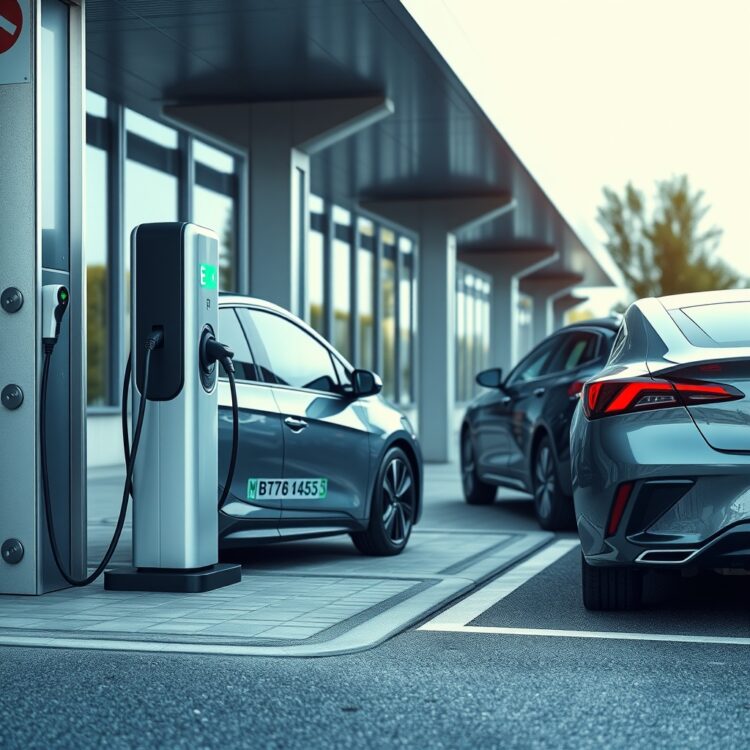
Electric vehicles (EVs) are a prime example of this balance. With fewer moving parts than traditional engines, they often outperform petrol cars in reliability tests. But their advanced battery systems and software can be a double-edged sword. If you’re considering an EV, look for models with proven track records and robust warranties.
The Reliability of Electric vs. Gasoline Vehicles
Electric cars are shaking up the reliability game. Without an internal combustion engine, there’s less to go wrong—no oil changes, no spark plugs, and no exhaust systems. But EVs aren’t flawless. Battery degradation and charging infrastructure issues can be concerns. On the flip side, petrol cars have decades of refinement behind them, making them a safer bet for some drivers.
Hybrids offer a middle ground, combining the best of both worlds. They’re often more reliable than pure petrol cars because their electric components reduce wear on the engine. If you’re torn between electric and petrol, hybrids like the Toyota Prius are worth considering.
Future Technologies That Could Improve Reliability
Self-healing materials and AI-driven diagnostics are the future of car reliability. Imagine a car that detects a fault before it happens and schedules maintenance automatically. These innovations could make breakdowns a thing of the past. For now, though, stick with brands that prioritise durability and have a strong reputation for reliability.
Autonomous driving tech is another area to watch. While fully self-driving cars aren’t mainstream yet, features like automatic emergency braking are already improving safety and reliability. The key is to stay informed and choose models with proven technology.
Maintenance and Its Effect on Reliability
Essential Maintenance for Long-Term Reliability
Regular maintenance is the backbone of car reliability. Simple tasks like oil changes, tyre rotations, and brake checks can prevent major issues down the line. Skipping these can lead to costly repairs and shorten your car’s lifespan. We recommend following the manufacturer’s service schedule to the letter.
Don’t overlook the little things. Replacing air filters and checking fluid levels might seem minor, but they keep your engine running smoothly. A well-maintained car isn’t just more reliable—it’s also more efficient and safer to drive.
Common Maintenance Mistakes That Reduce Reliability
One of the biggest mistakes is ignoring warning lights. That check engine light isn’t just a suggestion—it’s a cry for help. Delaying repairs can turn a small issue into a major headache. Another common pitfall is using cheap, low-quality parts. They might save you money upfront, but they’ll cost you in the long run.
Neglecting your car’s battery is another reliability killer. Modern cars rely heavily on electronics, and a weak battery can cause all sorts of problems. If your car is acting up, the battery might be the culprit. Always opt for quality replacements.
How Regular Servicing Extends Vehicle Life
Think of servicing as a health check for your car. It catches problems early, before they escalate. Regular servicing also helps maintain your car’s resale value. A well-documented service history is a selling point when it’s time to upgrade.
Don’t wait for something to break. Proactive maintenance keeps your car running like new. Whether it’s a routine oil change or a full inspection, staying on top of servicing is the best way to ensure long-term reliability.
The Economics of Owning a Reliable Car
Cost Savings Over Time with a Reliable Model
A reliable car saves you money in the long run. Fewer repairs mean lower maintenance costs, and better fuel efficiency keeps your running costs down. Brands like Toyota and Honda are renowned for their reliability, making them smart financial choices. Investing in a dependable model pays off over time.
Depreciation is another factor. Reliable cars hold their value better than unreliable ones. When it’s time to sell, you’ll get more of your money back. It’s a win-win—lower costs upfront and higher returns later. For more insights, check out this external resource.
Depreciation Rates of Reliable vs. Unreliable Cars
Unreliable cars depreciate faster. Buyers are wary of models with a history of problems, driving down resale value. On the other hand, reliable cars like the Honda Civic retain their value remarkably well. If you plan to sell or trade in your car, reliability should be a top priority.
Leasing is another area where reliability matters. Lower depreciation means lower lease payments. If you’re leasing, choosing a reliable model can save you hundreds over the term of your contract.
Insurance Considerations for Reliable Vehicles
Insurance companies love reliable cars. They’re less likely to be involved in accidents or suffer costly breakdowns, which means lower premiums for you. Some insurers even offer discounts for models with top safety and reliability ratings.
Before buying, get insurance quotes for your shortlisted models. A reliable car might cost more upfront, but the savings on insurance and maintenance can make it the cheaper option overall.
Consumer Experiences and Reliability
Analyzing Owner Reviews for Reliability Insights
Owner reviews are a goldmine of reliability information. They reveal common issues and how satisfied drivers are with their cars. Look for patterns—if multiple owners report the same problem, it’s likely a genuine concern. Websites like Consumer Reports aggregate this data, making it easier to spot trends.
Don’t just focus on the negatives. Positive reviews can highlight a model’s strengths. A car with consistently high ratings is a safe bet. Word of mouth is powerful, so listen to what other drivers are saying.
The Role of Word-of-Mouth in Assessing Reliability
Personal recommendations are invaluable. Friends, family, and colleagues can share firsthand experiences with their cars. They’ll tell you about the quirks and perks you won’t find in a brochure. If someone you trust swears by a model, it’s worth considering.
Online forums and social media groups are also great resources. Enthusiasts and long-term owners often share detailed insights. Just remember to take everything with a grain of salt—one bad review doesn’t mean a car is unreliable.
How to Evaluate Long-Term Owner Satisfaction
Long-term satisfaction is the ultimate test of reliability. A car might be great for the first year, but how does it hold up after five? Look for reviews from owners who’ve had their cars for several years. They’ll give you a realistic picture of what to expect.
Reliability surveys and awards are another useful tool. Organisations like J.D. Power track long-term reliability, giving you an objective measure of a car’s durability. If a model consistently ranks high, it’s a good sign.
The Global Perspective on Car Reliability
Reliability Trends in Different Markets
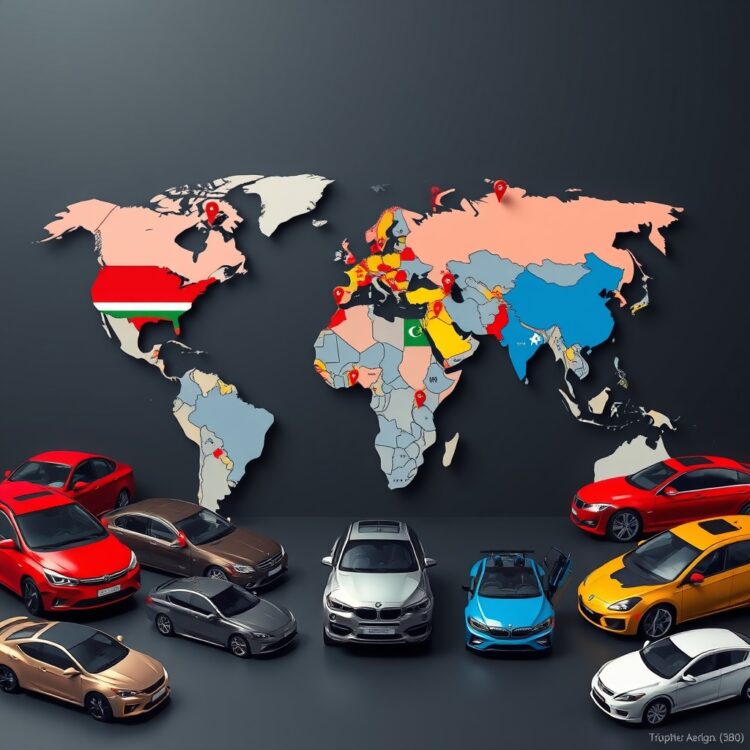
When we look at car reliability globally, it’s clear that trends vary significantly by region. In Japan, for example, brands like Toyota and Honda dominate with their reputation for longevity and minimal maintenance. Meanwhile, European markets often prioritise performance and luxury, which can sometimes come at the expense of reliability. In the US, Consumer Reports consistently highlights Japanese and Korean brands as leaders in dependability. Understanding these regional differences helps us appreciate why certain models thrive in specific markets while others struggle.
Emerging markets, such as India and China, are also making strides in reliability. Brands like Maruti Suzuki and Hyundai have gained traction by offering affordable yet dependable vehicles. However, infrastructure and driving conditions in these regions often demand tougher builds, influencing design choices. It’s fascinating to see how local preferences and challenges shape the reliability of cars worldwide, proving that one size doesn’t fit all when it comes to automotive excellence.
How Cultural Preferences Influence Reliability Perceptions
Cultural preferences play a huge role in how reliability is perceived. In Germany, for instance, engineering precision is paramount, and brands like BMW and Mercedes-Benz are celebrated for their meticulous craftsmanship. Conversely, in the UK, practicality often outweighs prestige, with models like the Vauxhall Corsa gaining popularity for their balance of affordability and dependability. These cultural nuances remind us that reliability isn’t just about numbers—it’s about meeting expectations.
In some Asian cultures, brand loyalty is deeply ingrained, leading to long-term trust in manufacturers like Toyota. This loyalty often stems from decades of consistent performance, reinforcing the idea that reliability is as much about heritage as it is about mechanics. Meanwhile, in markets like the US, data-driven reports from RepairPal heavily influence buyer decisions, showcasing how different cultures prioritise information sources when assessing reliability.
International Models Known for Exceptional Reliability
Certain models have earned a global reputation for reliability, transcending borders. The Toyota Corolla, for example, is a staple in nearly every market, thanks to its bulletproof engineering and low cost of ownership. Similarly, the Honda Civic has become synonymous with durability, whether it’s navigating Tokyo’s streets or Los Angeles’ highways. These models prove that exceptional reliability can be a universal language, appealing to drivers everywhere.
European models like the Volvo XC60 and the Volkswagen Golf also stand out for their blend of safety and dependability. These cars are designed to withstand harsh climates and high-mileage demands, making them favourites in regions with extreme weather. Meanwhile, the Suzuki Alto has carved a niche in emerging markets, offering affordability without compromising on reliability. It’s a testament to how global manufacturers tailor their offerings to meet diverse needs while maintaining high standards.
The Future of Car Reliability
Predicting Reliability Trends in the Automotive Industry
The automotive industry is evolving rapidly, and reliability trends are no exception. With the rise of electric vehicles (EVs), we’re seeing a shift in what defines dependability. EVs have fewer moving parts than traditional combustion engines, which could lead to fewer mechanical failures. However, battery longevity and software updates are new variables that manufacturers must address. As we move forward, reliability will increasingly hinge on technological advancements and how well they integrate with user needs.
Another trend to watch is the growing emphasis on sustainability. Cars built with recyclable materials and eco-friendly processes are gaining traction, but their long-term reliability remains untested. Brands like Tesla and Rivian are leading the charge, but only time will tell if their innovations translate into lasting dependability. One thing’s certain: the future of reliability will be shaped by a blend of tradition and innovation, as the industry balances old-school durability with cutting-edge tech.
The Role of Autonomous Vehicles in Reliability
Autonomous vehicles promise to revolutionise reliability by reducing human error, which accounts for a significant portion of accidents and wear-and-tear. However, the reliability of self-driving systems is still under scrutiny. Sensors, cameras, and AI algorithms must function flawlessly in all conditions, from heavy rain to chaotic urban environments. Until these systems are perfected, the reliability of autonomous cars will remain a topic of debate among experts and consumers alike.
Moreover, the integration of autonomous features in traditional cars adds complexity. Features like adaptive cruise control and lane-keeping assist require meticulous calibration to ensure they don’t compromise the vehicle’s overall dependability. As these technologies become standard, manufacturers will need to prioritise robustness alongside innovation. The challenge lies in proving that autonomy can enhance, rather than detract from, a car’s reliability.
Sustainability and Reliability A Growing Connection
Sustainability and reliability are becoming increasingly intertwined. Cars designed with longevity in mind often use higher-quality materials, which not only last longer but are also easier to recycle. For example, Toyota’s commitment to hybrid technology has resulted in vehicles like the Prius, which are both eco-friendly and renowned for their reliability. This dual focus on sustainability and dependability is setting a new standard for the industry.
Electric vehicles are at the forefront of this movement, with brands like Nissan and Hyundai offering extended battery warranties to reassure buyers. However, the true test will be how these vehicles perform over a decade or more. As consumers become more environmentally conscious, the demand for cars that are both green and reliable will only grow. It’s a exciting time for the industry, as sustainability and reliability become two sides of the same coin.
The Psychological Aspects of Choosing a Reliable Car
How Reliability Affects Buyer Confidence
Reliability isn’t just a practical consideration—it’s a psychological one too. Knowing that a car won’t let you down fosters a sense of security and peace of mind. This confidence is especially important for first-time buyers or those upgrading after a bad experience. Brands with strong reliability reputations, like Suzuki, often benefit from this emotional appeal, as buyers associate them with trustworthiness and minimal stress.
Conversely, unreliable cars can create anxiety, with owners constantly anticipating the next breakdown. This psychological burden can overshadow even the most attractive features, like performance or design. It’s why reliability ratings and owner reviews play such a pivotal role in purchasing decisions. At the end of the day, a reliable car isn’t just a mode of transport—it’s a companion you can count on.
The Role of Brand Loyalty in Perceived Reliability
Brand loyalty is a powerful force in shaping perceptions of reliability. Many drivers stick with a brand they’ve had positive experiences with, even if newer competitors offer better ratings. This loyalty is often passed down through generations, creating a cycle of trust. For example, families who’ve owned Toyotas for decades are likely to continue buying them, reinforcing the brand’s reputation for reliability.
However, loyalty can also blind buyers to emerging issues. Some brands rest on their laurels, assuming their legacy will carry them through, only to face backlash when quality slips. It’s a delicate balance for manufacturers: maintaining the trust of loyal customers while continuously improving to meet modern reliability standards. For buyers, the lesson is clear—rely on data as much as tradition when choosing a car.
Overcoming Bias in Reliability Assessments
Assessing reliability objectively can be challenging, as personal biases often cloud judgment. A single bad experience with a brand might lead someone to dismiss it entirely, despite overwhelming positive data. Similarly, anecdotal evidence from friends or family can skew perceptions, even if it’s not representative of broader trends. Overcoming these biases requires a disciplined approach to research, focusing on verified reports and large-scale surveys.
Tools like RepairPal and Consumer Reports provide unbiased insights, helping buyers cut through the noise. By prioritising data over hearsay, we can make more informed decisions and avoid the pitfalls of confirmation bias. In the end, reliability is a science, not a gut feeling—and treating it as such ensures we choose cars that truly stand the test of time.
The Most Reliable Used Cars
Best Practices for Buying a Reliable Used Car
When buying a used car, reliability should be your top priority. Start by researching models known for their longevity and low maintenance costs. Always request a vehicle history report to check for accidents or major repairs. A pre-purchase inspection by a trusted mechanic is non-negotiable—it can reveal hidden issues. Finally, test drive the car to assess its performance and comfort. These steps ensure you get a dependable vehicle.
Most Reliable Used Car Models by Year
Certain models stand out for their reliability across different years. The Corsa VXR is a solid choice for its durability and performance. Toyota Corollas and Honda Civics from recent years also top the list. For SUVs, the Toyota RAV4 and Honda CR-V are consistently reliable. Always cross-reference with reliability ratings from sources like Kelley Blue Book to confirm.
How Mileage Affects Used Car Reliability
Mileage is a key factor in a used car’s reliability, but it’s not the only one. Lower mileage generally means less wear, but how the car was maintained matters more. A well-maintained car with 100,000 miles can be more reliable than a neglected one with 50,000. Look for service records and signs of regular upkeep. High-mileage cars from reliable brands like Toyota or Honda often still have plenty of life left.
The Influence of Environmental Conditions on Reliability
How Climate Affects Vehicle Reliability
Extreme weather can take a toll on your car’s reliability. Cold climates may cause battery issues and rust, while heat can strain cooling systems. Cars in coastal areas face salt corrosion. If you live in harsh conditions, opt for models built to withstand them. Regular maintenance, like rust-proofing and coolant checks, can mitigate these effects. Your car’s reliability depends on how well it’s adapted to its environment.
The Best Cars for Extreme Weather Conditions
For snowy regions, all-wheel-drive vehicles like the Subaru Outback excel. In hot climates, cars with robust cooling systems, such as the Corsa, are ideal. Desert areas demand durable tires and air conditioning. Research models with proven performance in your local climate. Investing in weather-specific features ensures your car remains reliable year-round.
Maintenance Tips for Harsh Environments
Harsh environments require extra care. In cold areas, use winter tires and check antifreeze levels. Hot climates demand frequent oil changes and coolant top-ups. Coastal drivers should rinse the undercarriage to prevent salt damage. Regular inspections catch small issues before they become big problems. Adapting your maintenance routine to your environment keeps your car running smoothly.
Customization and Its Impact on Reliability
How Aftermarket Modifications Affect Reliability
Aftermarket modifications can enhance performance but may compromise reliability. Engine tuning or suspension upgrades can strain components if not done properly. Stick to reputable brands and professional installers. Avoid overloading electrical systems with aftermarket gadgets. Always weigh the benefits against potential risks. A well-planned modification can improve your car without sacrificing dependability.
The Safest Ways to Customize Your Vehicle
Focus on reversible upgrades like alloy wheels or cosmetic changes. Performance chips from trusted brands can boost power safely. Avoid cutting or welding the chassis, as it weakens structural integrity. Consult experts before making significant changes. Safe customization balances personalization with preserving your car’s reliability.
When Customization Can Void Warranties
Modifications can void warranties if they’re deemed to cause damage. Engine or transmission changes are particularly risky. Always check your warranty terms before making alterations. Some manufacturers offer approved aftermarket parts that won’t void coverage. Keeping modifications minimal and professional ensures you don’t lose warranty protection.
Frequently Asked Questions
What is the most reliable used car model?
The Toyota Corolla and Honda Civic are among the most reliable used cars. Their longevity and low maintenance costs make them top choices. Always check the vehicle history and maintenance records to ensure quality. These models consistently rank high in reliability surveys.
How does mileage impact a used car’s reliability?
Mileage indicates wear but isn’t the sole factor. A well-maintained high-mileage car can be more reliable than a neglected low-mileage one. Look for service records and signs of regular upkeep. Brands like Toyota and Honda often excel even at higher mileages.
Can aftermarket modifications affect my car’s reliability?
Yes, poorly done modifications can strain components and reduce reliability. Stick to reputable brands and professional installers. Focus on reversible upgrades to minimize risks. Always consider how changes might impact your car’s long-term performance.
What are the best cars for extreme weather conditions?
For snow, Subaru Outback’s all-wheel drive is ideal. In heat, models like the Corsa with strong cooling systems perform well. Desert climates require durable tires and efficient air conditioning. Choose cars designed for your specific environment.
How can I ensure my used car remains reliable?
Regular maintenance is key. Follow the manufacturer’s service schedule and address issues promptly. Use quality parts and fluids. Adapt your care routine to your climate. A well-maintained car, regardless of age, will serve you reliably for years.