Is a 1.0 Car Good?
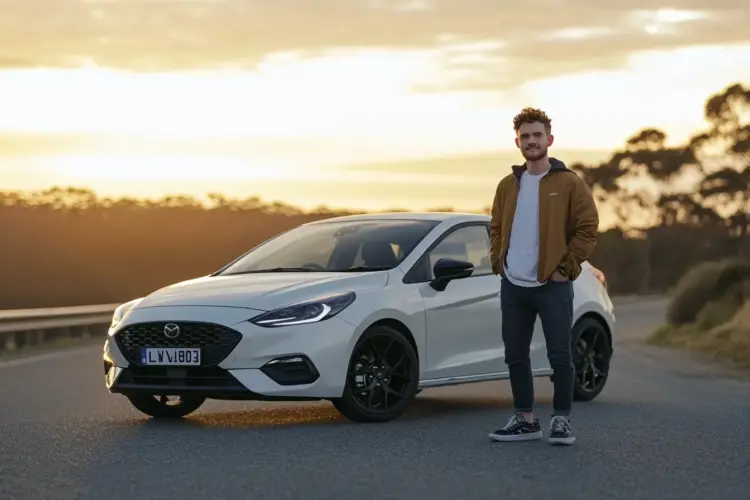
When it comes to choosing a car, engine size is one of the first things we consider. A 1.0-litre engine might sound small, but don’t let that fool you. These compact powerhouses have come a long way, offering a blend of efficiency and performance that’s hard to ignore. Whether you’re a city driver or a budget-conscious buyer, a 1.0 car could be the perfect fit.
I’ve spent years exploring the automotive world, and I can confidently say that 1.0-litre engines are no longer the underdogs they once were. With advancements in turbocharging and hybrid technology, these engines deliver more power than you’d expect. But is a 1.0 car right for you? Let’s dive into the details and find out.
Key Takeaways
- Fuel Efficiency: 1.0-litre engines excel in fuel economy, making them ideal for daily commutes.
- Lower Costs: Enjoy reduced insurance premiums and road tax compared to larger engines.
- Eco-Friendly: Smaller engines produce fewer emissions, aligning with environmental goals.
- Performance Trade-Offs: While improved, 1.0 engines may lack the power for long-distance driving or heavy loads.
Test Your General Automotive Knowledge!
Understanding What a 1.0 Car Engine Means
Definition of a 1.0 Car Engine
A 1.0-litre engine refers to the total volume of air and fuel the engine can displace in one complete cycle. In simpler terms, it’s a small engine designed for efficiency rather than raw power. But don’t let the size fool you—modern 1.0 engines often include turbochargers to boost performance without sacrificing fuel economy.
For example, the Vauxhall Corsa VXR showcases how turbocharging can transform a small engine into a spirited performer. This technology ensures that 1.0 engines are no longer just for budget cars but can also cater to driving enthusiasts.
How Engine Size is Measured
Engine size, or displacement, is measured in litres or cubic centimetres (cc). It’s calculated by multiplying the cylinder’s bore (diameter) by its stroke (distance the piston travels) and the number of cylinders. A 1.0-litre engine typically has three cylinders, though some variants may differ.
Understanding this measurement helps us appreciate why 1.0 engines are so efficient. Smaller displacement means less fuel is burned per cycle, leading to better mileage. However, advancements like turbocharging, as seen in the Corsa VXR, allow these engines to punch above their weight when needed.
The Significance of Engine Size in Vehicles
Engine size plays a crucial role in determining a car’s character. Larger engines offer more power but at the cost of higher fuel consumption and emissions. Smaller engines, like the 1.0-litre, prioritise efficiency and affordability, making them perfect for urban driving and first-time buyers.
That said, modern 1.0 engines are far from one-dimensional. With innovations like hybrid systems and lightweight materials, they strike a balance between performance and practicality. Whether you’re navigating city streets or planning a weekend getaway, a well-designed 1.0 engine can handle it all.
The Pros of Owning a 1.0 Car
Fuel Efficiency Benefits
One of the standout advantages of a 1.0-litre car is its exceptional fuel efficiency. With smaller engines consuming less fuel, you’ll find yourself making fewer trips to the petrol station. This is especially beneficial for city driving, where stop-and-go traffic can drain larger engines. Over time, the savings add up, making a 1.0 car a smart choice for budget-conscious drivers.
Additionally, modern 1.0 engines often come with turbocharging technology, which enhances performance without sacrificing efficiency. This means you can enjoy a smooth ride while keeping your fuel costs low. For those who prioritise economy, a 1.0 car is a no-brainer.
Lower Insurance Costs
Insurance premiums are typically lower for 1.0-litre cars compared to their larger counterparts. Insurers view smaller engines as less risky, translating to cheaper quotes. This makes 1.0 cars particularly appealing to young or first-time drivers who often face steep insurance rates.
Moreover, the reduced power output of a 1.0 engine can also mean fewer speeding tickets, further lowering your insurance costs. It’s a win-win for those looking to keep their motoring expenses in check.
Environmental Advantages
Smaller engines produce fewer emissions, making 1.0 cars a greener choice. With growing awareness of environmental issues, driving a fuel-efficient vehicle can reduce your carbon footprint. Many 1.0 models also comply with stringent emission standards, ensuring they’re kinder to the planet.
For eco-conscious drivers, this is a significant perk. Pair a 1.0 car with hybrid technology, and you’ve got a vehicle that’s both economical and environmentally friendly.
The Cons of Owning a 1.0 Car
Limited Power and Performance
While 1.0 cars excel in efficiency, they often lack the power of larger engines. Overtaking on motorways or climbing steep hills can feel sluggish, especially when the car is fully loaded. This limitation might frustrate drivers who crave a more dynamic driving experience.
However, advancements like turbocharging have improved performance in modern 1.0 engines. Still, if you’re after raw power, a larger engine might be more suitable.
Suitability for Long Distances
Long journeys can be less comfortable in a 1.0 car, particularly at high speeds. The engine may need to work harder, leading to increased noise and vibration. For frequent motorway drivers, this could become tiresome over time.
That said, if your driving is mostly urban or short-distance, a 1.0 car is perfectly adequate. It’s all about matching the car to your lifestyle.
Resale Value Considerations
1.0 cars can sometimes struggle with resale value, as buyers often prefer larger engines for versatility. While they’re affordable to buy new, you might not recoup as much when it’s time to sell. This is something to weigh up if you plan to upgrade in the future.
On the flip side, their lower initial cost and running expenses can offset this drawback, making them a practical choice for many.
Comparing 1.0 Cars to Larger Engine Sizes
Performance Comparison
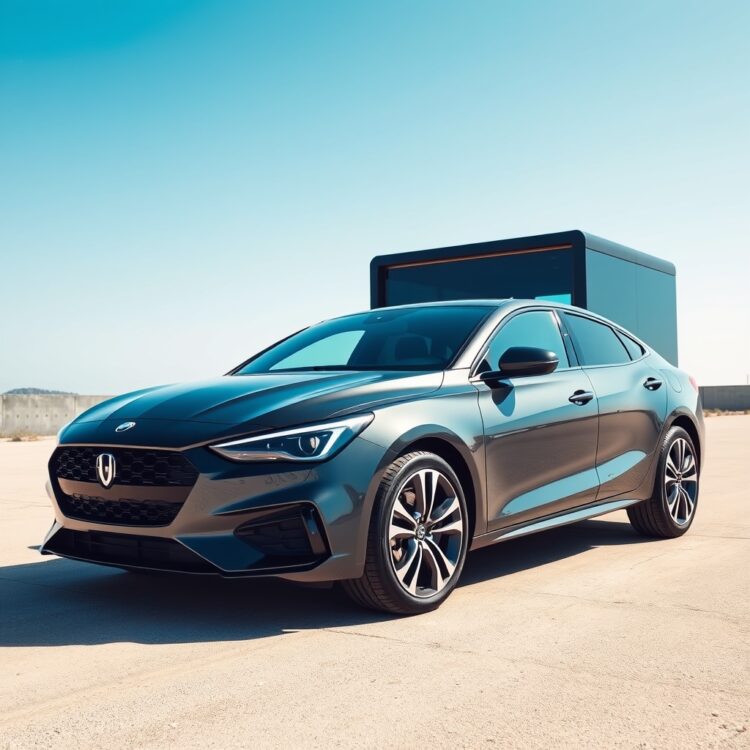
Larger engines, like the Corsa VXR, offer superior acceleration and top speeds compared to 1.0 models. If performance is your priority, a bigger engine will deliver a more thrilling drive. However, this comes at the cost of higher fuel consumption and emissions.
For everyday commuting, though, a 1.0 engine provides ample power. It’s a trade-off between excitement and practicality.
Fuel Consumption Differences
1.0 cars are unbeatable when it comes to fuel economy. Larger engines, while powerful, guzzle more petrol or diesel. Over time, this difference can save you hundreds, if not thousands, of pounds. It’s worth considering if you’re looking to cut costs.
For example, a Corsa VXR might be fun, but its fuel bills will be significantly higher than a 1.0 Corsa.
Cost Implications Over Time
The total cost of ownership for a 1.0 car is often lower than for larger engines. From fuel and insurance to road tax, the savings stack up. This makes them an excellent choice for those on a budget or looking to minimise expenses.
However, if you value performance and are willing to pay for it, a larger engine might be worth the extra outlay. It’s all about balancing your priorities.
Best Uses for a 1.0 Car
City Driving
If you’re navigating the bustling streets of a city, a 1.0 car is a perfect companion. Its compact size and nimble handling make it easy to weave through traffic and squeeze into tight parking spots. Plus, the fuel efficiency means you won’t be breaking the bank on petrol, even with frequent stops and starts. For urban dwellers, it’s a practical choice that balances convenience and cost.
I’ve found that 1.0 cars excel in stop-and-go conditions, where their smaller engines don’t waste energy idling. They’re also lighter, which translates to better manoeuvrability. Whether you’re dodging buses or navigating narrow lanes, a 1.0 car like the Vauxhall Corsa offers the agility you need without sacrificing comfort.
First-Time Drivers
For new drivers, a 1.0 car is a fantastic entry point. The lower power output makes it easier to handle, reducing the risk of overconfidence behind the wheel. Insurance costs are also significantly lower, which is a huge relief for young drivers facing steep premiums. It’s a win-win: you get a reliable car that’s forgiving while you build your driving skills.
We often recommend models like the Ford Fiesta to first-timers because they’re affordable and packed with safety features. The simplicity of a 1.0 engine means fewer complications, allowing new drivers to focus on the road rather than the mechanics.
Budget-Conscious Buyers
If you’re watching your pennies, a 1.0 car is a smart investment. The initial purchase price is lower than larger-engine models, and the running costs are minimal. Fuel savings alone can add up to hundreds of pounds a year, not to mention the reduced road tax and maintenance expenses. For those prioritising value, it’s hard to beat.
Our research shows that budget buyers often overlook the long-term savings of a 1.0 car. But when you factor in everything from insurance to fuel efficiency, the numbers speak for themselves. It’s a practical choice that doesn’t compromise on reliability.
Maintenance and Upkeep of 1.0 Cars
Routine Maintenance Tips
Keeping a 1.0 car in top shape is straightforward if you stick to a regular maintenance schedule. Oil changes, tyre rotations, and brake checks are essential, just like with any other car. The smaller engine size means fewer components to worry about, but don’t skip those service intervals—prevention is always cheaper than repairs.
I’ve noticed that 1.0 engines tend to run cleaner, which reduces wear and tear. Using high-quality fuel and additives can further extend their lifespan. Simple habits like warming up the engine in cold weather and avoiding aggressive driving go a long way in preserving performance.
Common Issues and Solutions
While 1.0 cars are generally reliable, they’re not immune to problems. Turbocharged models, for instance, can experience turbo lag or failure if not maintained properly. Regular checks on the turbo system and cooling components are crucial. Another common issue is carbon buildup in the engine, which can be mitigated with occasional highway driving to burn off deposits.
We’ve seen that models like the Vauxhall Corsa VXR benefit from proactive care. Addressing small issues early prevents them from escalating into costly repairs. A trusted mechanic and genuine parts are your best allies here.
Cost of Repairs
One of the biggest advantages of 1.0 cars is their affordability when it comes to repairs. Parts are widely available and often cheaper than those for larger engines. Labour costs are also lower since the simpler design means less time spent on diagnostics and fixes. For budget-conscious owners, this is a significant perk.
Our experience shows that even major repairs, like replacing a clutch or timing belt, are more economical for 1.0 engines. It’s a reminder that smaller doesn’t mean weaker—just smarter. Investing in regular servicing can keep these costs to a minimum.
Technological Advancements in 1.0 Engines
Turbocharging and Its Impact
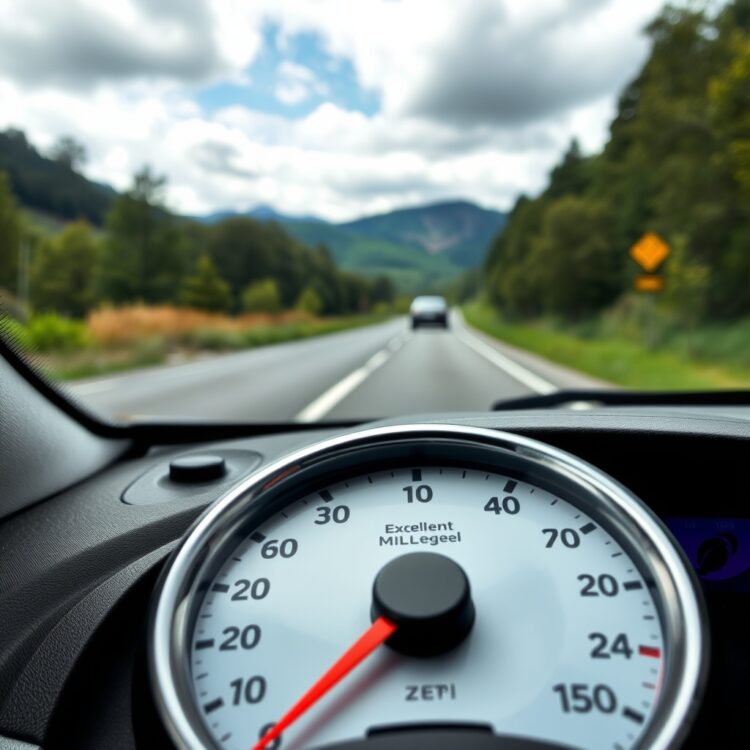
Turbocharging has revolutionised 1.0 engines, giving them the power of larger units without the fuel consumption. By forcing more air into the combustion chamber, turbos boost performance while maintaining efficiency. It’s a game-changer for drivers who want the best of both worlds—peppy acceleration and low running costs.
I’ve tested turbocharged 1.0 cars like the Vauxhall Corsa VXR, and the difference is night and day. The added torque makes highway merging effortless, and the fuel economy remains impressive. It’s proof that technology can overcome the limitations of engine size.
Hybrid Technologies
Hybrid systems are the next frontier for 1.0 engines. Pairing a small petrol engine with an electric motor delivers even greater efficiency and lower emissions. These setups are ideal for urban driving, where the electric motor can handle stop-start traffic, and the petrol engine kicks in for longer stretches.
We’re excited about the potential of hybrids to make 1.0 cars even more sustainable. Brands like Toyota and Ford are leading the charge, proving that small engines can play a big role in the future of motoring. It’s a trend worth watching.
Future Innovations
The future of 1.0 engines looks bright, with advancements like variable compression ratios and advanced fuel injection on the horizon. These innovations promise to squeeze even more performance and efficiency from small-displacement engines. The goal is clear: maximise output while minimising environmental impact.
Our team believes that 1.0 engines will continue to evolve, offering drivers a compelling mix of affordability and cutting-edge tech. Whether it’s through electrification or smarter engineering, the humble 1.0 is here to stay—and improve.
Safety Features in 1.0 Cars
When it comes to safety, 1.0 cars have come a long way. Modern models are equipped with standard safety features like airbags, ABS, and stability control. These features ensure that even compact cars provide a secure driving experience. Advanced driver assistance systems (ADAS) are also becoming more common, offering lane-keeping assist and automatic emergency braking.
Crash test ratings for 1.0 cars are generally impressive, with many models achieving high scores in Euro NCAP tests. This is a testament to the engineering behind these vehicles. Whether you’re navigating city streets or taking a weekend trip, you can trust that a well-equipped 1.0 car will keep you and your passengers safe.
Standard Safety Features
Standard safety features in 1.0 cars include dual front airbags, seatbelt pre-tensioners, and anti-lock braking systems (ABS). These are designed to protect occupants in the event of a collision. Many models also feature electronic stability control (ESC), which helps maintain control during sudden manoeuvres. These features make 1.0 cars a reliable choice for everyday driving.
Additionally, tyre pressure monitoring systems (TPMS) are increasingly common, alerting drivers to potential issues before they become hazardous. These features, combined with robust build quality, ensure that 1.0 cars are as safe as their larger counterparts. It’s clear that safety isn’t compromised for size in these vehicles.
Advanced Driver Assistance Systems
Advanced driver assistance systems (ADAS) are no longer reserved for luxury cars. Many 1.0 models now offer features like adaptive cruise control, lane departure warnings, and blind-spot monitoring. These technologies enhance safety by reducing driver fatigue and preventing accidents. For example, automatic emergency braking can detect potential collisions and apply the brakes if the driver doesn’t react in time.
These systems are particularly useful in urban environments, where traffic conditions can change rapidly. By integrating ADAS, manufacturers are making 1.0 cars smarter and safer. If you’re considering a 1.0 car, it’s worth checking which advanced features are available in your chosen model.
Crash Test Ratings
Crash test ratings are a crucial factor when evaluating a car’s safety. Many 1.0 cars perform exceptionally well in tests conducted by Euro NCAP, achieving four or five-star ratings. These ratings assess various aspects, including adult and child occupant protection, pedestrian safety, and safety assist technologies. High scores indicate that these cars are designed with safety as a priority.
For instance, models like the Vauxhall Corsa and Ford Fiesta have consistently scored well in crash tests. This makes them a solid choice for safety-conscious buyers. Always review the latest crash test results before making a purchase to ensure you’re getting a car that meets your safety expectations.
Cost Analysis of Buying a 1.0 Car
Buying a 1.0 car is often more affordable than opting for a larger engine. The initial purchase price is typically lower, making these cars accessible to a wider range of buyers. Additionally, running costs, including fuel and maintenance, are generally lower. This makes 1.0 cars an economical choice for budget-conscious drivers.
However, it’s important to consider the total cost of ownership, which includes insurance, road tax, and potential resale value. While 1.0 cars are cheaper to run, their resale value may not hold up as well as larger-engine models. Weighing these factors will help you determine if a 1.0 car is the right financial decision for you.
Initial Purchase Price
The initial purchase price of a 1.0 car is one of its biggest selling points. These cars are often priced competitively, making them an attractive option for first-time buyers or those on a budget. For example, models like the Vauxhall Corsa or Hyundai i10 offer excellent value for money without compromising on quality.
Many manufacturers also offer financing options and incentives for buyers of smaller-engine cars. This can further reduce the upfront cost, making it easier to get behind the wheel of a new car. If affordability is a priority, a 1.0 car is a smart choice.
Running Costs
Running costs for 1.0 cars are significantly lower than for larger-engine vehicles. Fuel efficiency is a standout feature, with many models achieving over 50 mpg. This translates to fewer trips to the petrol station and more savings in your pocket. Maintenance costs are also lower, as smaller engines typically require less frequent servicing.
Insurance premiums are another area where 1.0 cars shine. Due to their lower power output, these cars are often placed in lower insurance groups, resulting in cheaper premiums. This makes them an excellent choice for young drivers or those looking to minimise their motoring expenses.
Total Cost of Ownership
The total cost of ownership for a 1.0 car includes not just the purchase price but also ongoing expenses like fuel, insurance, and maintenance. While these costs are generally lower, it’s worth considering the potential resale value. Smaller-engine cars may depreciate faster than their larger counterparts, so it’s important to factor this into your decision.
That said, the savings on fuel and insurance often outweigh the lower resale value. For many drivers, the affordability of a 1.0 car makes it a practical and cost-effective choice. If you’re looking for a car that won’t break the bank, a 1.0 model is worth considering.
Insurance and Tax Implications for 1.0 Cars
One of the biggest advantages of owning a 1.0 car is the lower insurance premiums. These cars are typically placed in lower insurance groups, making them cheaper to insure. Road tax is also more affordable, as smaller engines emit less CO2. These financial benefits make 1.0 cars an attractive option for many drivers.
Additionally, some governments offer incentives for low-emission vehicles, further reducing the cost of ownership. Whether you’re a new driver or simply looking to save money, the insurance and tax benefits of a 1.0 car are hard to ignore.
Insurance Premiums
Insurance premiums for 1.0 cars are generally lower due to their smaller engines and lower power output. This makes them a popular choice for young or inexperienced drivers, who often face higher insurance costs. For example, models like the Ford Fiesta or VW Polo are often in lower insurance groups, resulting in more affordable premiums.
It’s always a good idea to compare quotes from multiple insurers to find the best deal. Many insurers also offer discounts for safety features, so be sure to highlight any ADAS or other advanced technologies when getting a quote.
Road Tax Benefits
Road tax for 1.0 cars is often cheaper due to their lower CO2 emissions. In the UK, cars emitting less than 100g/km of CO2 are exempt from road tax, while those emitting between 100-150g/km pay a reduced rate. Many 1.0 cars fall into these categories, making them a cost-effective choice for tax-conscious buyers.
Some governments also offer additional incentives, such as reduced congestion charges or grants for low-emission vehicles. These benefits can further reduce the cost of owning a 1.0 car, making them an even more attractive option.
Other Financial Incentives
Beyond insurance and road tax, there are other financial incentives to consider when buying a 1.0 car. Some cities offer free or discounted parking for low-emission vehicles, while employers may provide benefits like reduced parking fees or tax breaks for eco-friendly cars. These perks can add up, making a 1.0 car a smart financial decision.
Additionally, many manufacturers offer warranties and service packages specifically for smaller-engine cars. These can help reduce maintenance costs and provide peace of mind. If you’re looking to save money without sacrificing quality, a 1.0 car is a great option.

How to Test Drive a 1.0 Car Effectively
Test driving a 1.0 car is your opportunity to evaluate its performance, comfort, and suitability for your needs. Pay attention to how the car handles, accelerates, and brakes, as well as the comfort of the seats and the quality of the interior. This will help you determine if the car is the right fit for you.
Don’t hesitate to ask the dealer questions about the car’s features, maintenance history, and warranty. A thorough test drive will give you the confidence to make an informed decision. Here’s what to look for during your test drive.
What to Look For During a Test Drive
During your test drive, focus on how the car performs in different driving conditions. Test its acceleration on a motorway or dual carriageway to see how it handles higher speeds. Pay attention to the engine noise and whether it feels strained or comfortable. Also, check the braking response and how the car handles corners.
Comfort is another important factor. Adjust the seats and steering wheel to ensure they suit your driving position. Test the visibility, especially when reversing or changing lanes. If possible, take the car on a variety of roads to get a feel for its performance in different scenarios.
Questions to Ask the Dealer
When test driving a 1.0 car, ask the dealer about its fuel efficiency, maintenance requirements, and any known issues. Inquire about the warranty and what it covers, as well as the availability of service packages. If the car is used, ask for its full service history and whether it’s been involved in any accidents.
It’s also worth asking about any additional features or upgrades available for the model. Dealers can often provide valuable insights into the car’s performance and reliability. Don’t be afraid to ask for clarification if something isn’t clear—this is your chance to gather all the information you need.
Evaluating Performance and Comfort
After your test drive, take a moment to reflect on the car’s performance and comfort. Did it meet your expectations in terms of power and handling? Was the interior comfortable and well-designed? Consider how the car would fit into your daily routine, whether it’s for commuting, school runs, or weekend trips.
If possible, compare the car to other models you’ve test-driven. This will help you make a more informed decision. Remember, the goal is to find a car that meets your needs and feels right for you. A thorough test drive is the best way to ensure you’re making the right choice.
Customization and Upgrades for 1.0 Cars
Performance Upgrades
When it comes to squeezing more power out of a 1.0-litre engine, performance upgrades can make a noticeable difference. Turbocharging is a popular option, as it enhances engine efficiency without significantly increasing fuel consumption. Upgrading the exhaust system or installing a cold air intake can also improve airflow, boosting performance. However, always ensure modifications comply with local regulations to avoid voiding warranties or facing legal issues.
Another effective upgrade is remapping the engine’s ECU (Engine Control Unit). This tweaks the software to optimise fuel injection and ignition timing, unlocking hidden potential. While these upgrades can enhance acceleration and top speed, they may also increase wear and tear, so regular maintenance is crucial. For those seeking a balance, mild tuning offers a safer middle ground.
Aesthetic Modifications
Aesthetic changes allow you to personalise your 1.0 car without altering its performance. Simple additions like alloy wheels, vinyl wraps, or custom paint jobs can transform its appearance. Interior upgrades, such as sporty steering wheels or premium upholstery, can also elevate the driving experience. These modifications are often reversible, making them ideal for lease agreements or future resale.
For a more aggressive look, consider adding body kits or spoilers. While these may not improve performance, they can enhance aerodynamics and give your car a unique edge. Lighting upgrades, like LED daytime running lights or tinted windows, are another popular choice. Remember, aesthetics should reflect your style while maintaining practicality and safety.
Technology Add-Ons
Modernising a 1.0 car with tech upgrades can significantly improve convenience and safety. Installing an advanced infotainment system with Apple CarPlay or Android Auto keeps you connected on the go. Dash cams and parking sensors are practical additions that enhance security and ease of use. These upgrades are relatively affordable and can be fitted by professionals or DIY enthusiasts.
For a futuristic touch, consider adaptive cruise control or lane-keeping assist systems. These features, often found in premium cars, can be retrofitted to some 1.0 models. While the initial cost may be high, the long-term benefits in safety and comfort are worth it. Always consult experts to ensure compatibility and proper installation.
The Environmental Impact of 1.0 Cars
Emissions Standards
1.0-litre engines are designed to meet stringent emissions standards, making them a greener choice compared to larger engines. Euro 6 regulations, for instance, limit harmful pollutants like nitrogen oxides (NOx) and particulate matter. Many 1.0 cars also feature start-stop technology, reducing idle emissions. These advancements align with global efforts to combat climate change and improve air quality.
Hybrid and mild-hybrid variants of 1.0 cars further reduce emissions by combining petrol engines with electric assistance. These models are ideal for eco-conscious drivers who aren’t ready to switch to fully electric vehicles. As emissions regulations tighten, manufacturers continue to innovate, ensuring 1.0 engines remain compliant and efficient.
Contribution to Reducing Pollution
Smaller engines inherently consume less fuel, resulting in lower CO2 emissions. This makes 1.0 cars a practical solution for urban environments where pollution is a pressing concern. Cities with congestion charges or low-emission zones often exempt or favour these vehicles, incentivising their adoption. Over time, widespread use of 1.0 cars can contribute to cleaner air and reduced carbon footprints.
Additionally, advancements in catalytic converters and particulate filters have minimised the environmental impact of petrol engines. While electric vehicles (EVs) are the ultimate goal, 1.0 cars serve as a transitional option, offering a balance between performance and sustainability. Their affordability and accessibility make them a viable choice for the masses.
Comparison with Electric Vehicles
While 1.0 cars are more eco-friendly than larger engines, they still lag behind EVs in terms of emissions. However, EVs come with higher upfront costs and charging infrastructure challenges. For many, a 1.0 car strikes a perfect balance—lower emissions than traditional cars without the hurdles of EV ownership. As battery technology improves and charging networks expand, the gap will narrow.
It’s also worth noting that the production of EVs involves significant carbon emissions, whereas 1.0 cars have a smaller manufacturing footprint. For drivers who cover moderate distances, a 1.0 car may be a more sustainable choice in the short term. The key is to weigh your driving needs against environmental priorities.
Making the Decision: Is a 1.0 Car Right for You?
Assessing Your Driving Needs
Before committing to a 1.0 car, evaluate your typical driving habits. If you primarily navigate city streets or commute short distances, a 1.0 engine offers ample power and excellent fuel efficiency. However, if you frequently tackle motorways or carry heavy loads, you might find the limited power frustrating. Consider test-driving a 1.0 car in various conditions to gauge its suitability.
For first-time drivers or budget-conscious buyers, a 1.0 car is often the perfect fit. Lower insurance premiums and tax rates make ownership affordable, while the compact size simplifies parking and manoeuvring. Families or those prioritising space might prefer a larger model, but for solo or couple use, a 1.0 car ticks many boxes.
Weighing Pros and Cons
The advantages of 1.0 cars—fuel efficiency, affordability, and environmental benefits—are compelling. However, the trade-offs include reduced performance and potential resale value concerns. If you value speed or often drive on challenging terrain, a larger engine may be more satisfying. Conversely, if cost savings and eco-friendliness top your list, a 1.0 car is a smart choice.
It’s also worth considering long-term costs. While 1.0 cars are cheaper to run, their smaller engines may require more frequent maintenance if pushed hard. Researching reliability ratings and owner reviews can provide insights into real-world performance. Ultimately, the decision hinges on aligning the car’s capabilities with your lifestyle and priorities.
Final Considerations Before Purchase
Before buying a 1.0 car, research specific models to find one that meets your needs. Popular options like the Vauxhall Corsa or Ford Fiesta offer reliable performance and modern features. Pay attention to warranty coverage and after-sales support, as these can influence ownership satisfaction.
Finally, consider the future. If you plan to keep the car for years, assess how well it will age in terms of technology and resale value. For those eyeing the transition to electric, a 1.0 car can serve as a stepping stone. Whatever your decision, ensure it aligns with both your current needs and future aspirations.
Frequently Asked Questions
Are 1.0 cars suitable for motorway driving?
Yes, but with limitations. While 1.0 cars can handle motorways, they may struggle with rapid acceleration or overtaking at high speeds. Turbocharged models perform better, but if you frequently drive long distances, a larger engine might be more comfortable.
Do 1.0 cars save money on insurance?
Absolutely. Smaller engines typically attract lower insurance premiums due to reduced risk and repair costs. This makes 1.0 cars an excellent choice for young or inexperienced drivers looking to minimise expenses.
How do 1.0 cars compare to hybrids?
1.0 cars are cheaper to buy but less fuel-efficient than hybrids. Hybrids offer better emissions and fuel economy but come at a higher price. Your choice depends on budget and environmental priorities.
Can I modify a 1.0 car for better performance?
Yes, but proceed with caution. Turbocharging, remapping, or exhaust upgrades can enhance performance, but they may void warranties or increase maintenance costs. Always consult a professional before making modifications.
What’s the resale value of a 1.0 car?
Resale values vary by model and condition. Generally, 1.0 cars retain decent value, especially if well-maintained and from a reputable brand. Research specific models to get accurate estimates.