Introduction to Choosing Your First Car
Choosing your first car is an exciting milestone, but it can also feel overwhelming. With so many options, specs, and considerations, it’s easy to get lost in the details. One of the most debated topics is engine size—specifically, whether a 1.6L engine is too much for a new driver. I remember my first car hunt; the numbers and jargon felt like a foreign language. But don’t worry, we’re here to break it down for you.
Engine size plays a crucial role in your driving experience, affecting everything from performance to insurance costs. A 1.6L engine sits in the middle of the spectrum—not too small, not too large. But is it the right fit for a first-time driver? Let’s dive into the pros and cons, and by the end of this article, you’ll have a clearer picture of whether a 1.6L car is the perfect match for you.
Key Takeaways
- A 1.6L engine offers a balance of power and fuel efficiency, making it a versatile choice for new drivers.
- Insurance premiums for 1.6L cars can be higher than for smaller engines, but shopping around can help mitigate costs.
- Handling and performance are manageable for beginners, but it’s important to test-drive to ensure comfort.
- Alternatives like smaller engines or hybrid models may suit those prioritising economy or environmental impact.
Test Your General Automotive Knowledge!
Understanding Car Engine Sizes
Engine size, measured in litres (L), refers to the total volume of air and fuel an engine can combust in one cycle. A 1.6L engine, for example, can process 1.6 litres of this mixture. This measurement directly impacts power output—larger engines typically deliver more horsepower and torque, while smaller ones focus on fuel efficiency. For new drivers, understanding this balance is key to making an informed decision.
Smaller engines, like 1.0L or 1.2L, are often recommended for beginners due to their lower insurance costs and easier handling. However, a 1.6L engine strikes a middle ground, offering enough power for highway driving without being overly intimidating. It’s a popular choice for those who want a bit more oomph without diving into the high-performance realm of cars like the Corsa VXR.
Why Engine Size Matters for New Drivers
For new drivers, engine size isn’t just about speed—it’s about control, cost, and confidence. A smaller engine might feel sluggish on motorways, while a larger one could be harder to handle in urban settings. A 1.6L engine offers a sweet spot, providing enough power for varied driving conditions without overwhelming a novice behind the wheel.
Insurance is another critical factor. Larger engines often come with higher premiums, and for young drivers, this can be a dealbreaker. However, models with a 1.6L engine, like the Corsa VXR, can sometimes buck this trend if they’re not classified as high-performance. Always check insurance quotes before committing to a purchase.
What Does 1.6L Mean in Cars
The Basics of Engine Displacement
When we talk about a 1.6L engine, we’re referring to its displacement—the total volume of air and fuel the engine can draw in during one complete cycle. For new drivers, this might sound technical, but it’s straightforward. A 1.6L engine means 1.6 litres of capacity, which translates to a balance between power and efficiency. It’s a middle ground, offering enough oomph without being overwhelming.
Understanding engine displacement is crucial because it directly impacts performance. A larger engine, like a 1.6L, can produce more power, but it also consumes more fuel. For first-time drivers, this balance is key. You want something manageable but not sluggish. The 1.6L sits in that sweet spot, making it a popular choice for many automotive enthusiasts.
Comparing 1.6L to Other Engine Sizes
How does a 1.6L stack up against smaller or larger engines? Smaller engines, like 1.0L or 1.2L, are often more fuel-efficient and cheaper to insure, but they lack the punch of a 1.6L. On the other hand, larger engines, such as 2.0L or above, deliver more power but come with higher running costs. For a first car, the 1.6L offers a compromise—enough power for motorway driving without breaking the bank.
It’s also worth noting that modern 1.6L engines are designed with efficiency in mind. Technologies like turbocharging can squeeze more performance out of smaller displacements. So, while a 1.6L might seem like a lot for a first car, it’s often more refined than older models. If you’re considering a Corsa VXR, for example, you’ll find it’s a spirited yet manageable option.
Is 1.6L Too Much for a First Car
Pros of a 1.6L Engine for New Drivers
A 1.6L engine offers several advantages for new drivers. First, it provides enough power to handle motorways and overtaking with confidence. You won’t feel like you’re struggling to keep up with traffic. Second, it’s versatile—whether you’re commuting or taking a weekend trip, a 1.6L car can handle it all. This makes it a practical choice for those who want a bit of everything.
Another benefit is the driving experience. A 1.6L engine often delivers smoother acceleration compared to smaller engines, which can feel strained under load. For those who enjoy driving, this makes a noticeable difference. Plus, many 1.6L models come with advanced features, like VXR technology, enhancing both performance and safety.
Cons of a 1.6L Engine for New Drivers
Of course, there are downsides. Insurance premiums for 1.6L cars tend to be higher, especially for young or inexperienced drivers. Fuel costs can also add up, though modern engines are more efficient than ever. Additionally, the extra power might tempt new drivers to push their limits, which isn’t always safe. It’s a balancing act between capability and responsibility.
Maintenance is another consideration. While 1.6L engines are generally reliable, repairs can be costlier than for smaller engines. If you’re on a tight budget, this is something to weigh carefully. However, if you’re willing to invest a bit more upfront, a 1.6L car can be a rewarding choice. Just remember to factor in all costs before making a decision.

Insurance Considerations for 1.6L Cars
How Engine Size Affects Insurance Premiums
Engine size is a significant factor in determining insurance premiums. Larger engines, like 1.6L, are often seen as higher risk, especially for new drivers. Insurers assume more power equals more speed, which can lead to higher premiums. This doesn’t mean you should avoid a 1.6L, but it’s essential to shop around for the best deals. Comparing quotes can save you hundreds.
Another aspect is the car’s safety features. Models with advanced safety tech, such as automatic braking or lane-keeping assist, might attract lower premiums. If you’re set on a 1.6L, look for one with these features. It’s also worth considering telematics policies, where your driving behaviour is monitored. Safe driving can lead to significant discounts over time.
Tips for Getting Affordable Insurance on a 1.6L Car
There are ways to mitigate high insurance costs. Adding an experienced named driver to your policy can reduce premiums, as insurers see this as lowering risk. Opting for a higher excess—the amount you pay in a claim—can also cut costs, but make sure it’s an amount you can afford. Additionally, parking your car in a secure location overnight can help.
Finally, consider the car’s reliability. Insurers often charge less for models with a proven track record of dependability. A well-maintained 1.6L car with a good reliability rating can be cheaper to insure than a less reliable smaller engine. Do your research, and don’t hesitate to ask insurers for advice on how to lower your premium.
Fuel Efficiency and 1.6L Engines
Understanding Fuel Consumption
When it comes to choosing your first car, fuel efficiency is a top priority. A 1.6L engine strikes a balance between power and economy, but how does it stack up in real-world driving? I’ve found that these engines typically offer decent mileage, especially on highways, where they can cruise efficiently. However, in city traffic, the fuel consumption might spike due to frequent stops and starts.
For new drivers, understanding fuel consumption is crucial. A 1.6L engine might not be as frugal as a 1.0L or 1.2L, but it compensates with smoother performance. If you’re someone who values a bit of pep without sacrificing too much at the pump, this could be the sweet spot. Just remember, driving habits play a huge role in fuel efficiency.
Comparing 1.6L Fuel Efficiency to Smaller Engines
Comparing a 1.6L engine to smaller options like a 1.0L or 1.2L reveals some interesting trade-offs. Smaller engines are undeniably more fuel-efficient, especially in urban settings. But here’s the catch: they often feel underpowered when you need quick acceleration or when carrying a full load. A 1.6L, on the other hand, offers a more balanced experience.
From my experience, the difference in fuel costs between a 1.6L and a smaller engine isn’t astronomical. If you’re driving mostly on highways or enjoy a more responsive ride, the slight dip in fuel economy might be worth it. It’s all about weighing your priorities—economy versus performance.
Performance Aspects of 1.6L Cars
Acceleration and Power
One of the biggest perks of a 1.6L engine is its acceleration. Unlike smaller engines that can feel sluggish, a 1.6L delivers a satisfying punch when you hit the gas. This makes merging onto highways or overtaking slower vehicles much easier and safer. For new drivers, this extra power can be a confidence booster, especially in unpredictable traffic situations.
However, with great power comes great responsibility. It’s easy to get carried away with the throttle, so I always recommend practicing restraint. The last thing you want is to end up with speeding tickets or worse. But if you’re mindful, a 1.6L engine can make driving a lot more enjoyable.
Handling and Driving Experience
Handling is another area where 1.6L cars shine. The extra power often comes with better suspension and braking systems, making the car feel more planted on the road. Whether you’re navigating tight corners or cruising on the motorway, a 1.6L engine provides a balanced and engaging driving experience.
For first-time drivers, this can be a double-edged sword. While the improved handling is a plus, it’s important to get comfortable with the car’s dynamics before pushing its limits. Take your time to familiarise yourself with how it responds to steering and braking inputs. Trust me, it’s worth the effort.
Cost of Ownership for 1.6L Vehicles
Initial Purchase Price
The initial cost of a 1.6L car can be a bit higher than smaller-engine models, but it’s not always a deal-breaker. I’ve noticed that used 1.6L cars, especially popular models like the Vauxhall Corsa VXR, offer great value for money. They’re often well-maintained and come with a host of features that justify the price.
If you’re on a tight budget, financing options can make a 1.6L car more accessible. Just be sure to factor in insurance and running costs, which we’ll cover next. A slightly higher upfront cost might save you money in the long run if the car proves to be reliable and fuel-efficient.
Maintenance and Repair Costs
Maintenance is where things get interesting. Generally, 1.6L engines are robust and don’t require frequent repairs, but parts can be pricier than those for smaller engines. For example, a Vauxhall Corsa VXR might need specialised servicing, which can add up over time.
To keep costs down, I recommend sticking to a strict maintenance schedule and using reputable garages. Preventive care goes a long way in avoiding expensive repairs. Also, consider extended warranties if you’re buying used—they can be a lifesaver.
Best 1.6L Cars for First-Time Drivers
Top Picks for Reliability
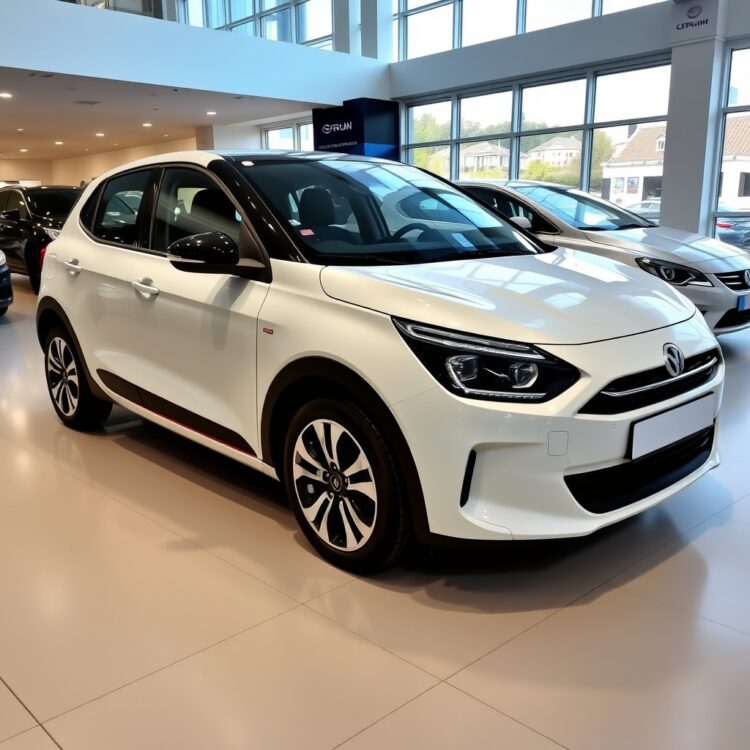
If reliability is your top concern, you can’t go wrong with models like the Vauxhall Corsa VXR or the Ford Fiesta ST. These cars are known for their durability and performance, making them ideal for first-time drivers. I’ve seen many of these cars clock over 100,000 miles with minimal issues, which speaks volumes about their build quality.
Another great option is the Honda Civic 1.6L. Honda’s reputation for reliability is well-deserved, and the Civic offers a comfortable ride with plenty of tech features. For new drivers, having a dependable car means fewer headaches down the road.
Best Value for Money
When it comes to value, the Vauxhall Astra 1.6L is hard to beat. It offers a spacious interior, decent fuel economy, and a smooth ride—all at a reasonable price. I’ve found that used Astras, especially those with low mileage, provide excellent bang for your buck.
For those who want something sportier, the Mazda3 1.6L is a fantastic choice. It combines stylish design with agile handling, making it a joy to drive. Plus, Mazda’s SkyActiv technology ensures good fuel efficiency without sacrificing performance.
Alternatives to 1.6L Engines for New Drivers
Considering Smaller Engine Options
If you’re a new driver, a 1.6L engine might feel like overkill. Smaller engines, like 1.0L or 1.2L, offer a gentler introduction to driving. They’re easier to handle, more fuel-efficient, and often cheaper to insure. For example, the best car for a 16-year-old typically has a smaller engine, balancing performance and affordability.
Smaller engines also tend to be lighter, improving manoeuvrability in urban settings. While they lack the power of a 1.6L, they’re perfect for short commutes and city driving. Plus, they’re less intimidating for beginners, allowing you to build confidence behind the wheel before upgrading to something more powerful.
Hybrid and Electric Alternatives
Hybrid and electric cars are becoming popular choices for new drivers. They combine efficiency with modern technology, making them ideal for eco-conscious learners. Models like the Toyota Yaris Hybrid or Nissan Leaf offer smooth acceleration and low running costs, without the complexity of a larger engine.
Electric vehicles (EVs) eliminate fuel costs entirely and often come with lower maintenance needs. While the upfront cost can be higher, government incentives and long-term savings make them a smart investment. If you’re considering a best car for an 18-year-old, an EV or hybrid could be a future-proof choice.
Legal Restrictions for New Drivers
Understanding Licensing Requirements
In the UK, new drivers must adhere to specific licensing rules. For instance, provisional licence holders need supervision until they pass their test. Even after passing, some engine sizes or power outputs may be restricted, especially for younger drivers. Always check the latest DVLA guidelines to ensure compliance.
Licensing requirements also vary by vehicle type. For example, motorcycles have different power limits compared to cars. If you’re unsure, consult your driving instructor or the DVLA website. Staying informed helps avoid penalties and ensures a smooth transition to full licensure.
Restrictions Based on Engine Size
Engine size can impact your driving privileges. Some insurers impose restrictions on new drivers with larger engines, like 1.6L, due to higher risk. Smaller engines often come with fewer limitations and lower premiums. It’s worth researching policies before committing to a car.
Additionally, certain countries have stricter rules for young drivers. For example, in France, new drivers can’t operate vehicles above a specific power-to-weight ratio. Always verify local regulations if you plan to drive abroad. Knowing these restrictions helps you choose a car that fits your legal and financial boundaries.
Personal Stories: First Cars with 1.6L Engines
Positive Experiences
Many drivers fondly recall their first 1.6L car as a perfect blend of power and practicality. One driver shared how their Corsa VXR offered thrilling acceleration without overwhelming them. The extra power made motorway driving effortless, and the car’s reliability made it a trusted companion for years.
Others praised the versatility of 1.6L engines, noting their ability to handle both city streets and long journeys. The balance between performance and fuel efficiency often makes these cars a hit among new drivers who want a bit more excitement without sacrificing practicality.
Challenges Faced
However, not all experiences are glowing. Some new drivers found 1.6L engines too powerful for their skill level, leading to costly mistakes. One recounted scraping their car’s bumper while parking, a mishap they blamed on the car’s responsive throttle. Insurance costs were another common pain point, with premiums often doubling compared to smaller engines.
Others struggled with fuel consumption, especially in stop-and-go traffic. While 1.6L engines are efficient on highways, they can guzzle fuel in urban areas. These challenges highlight the importance of weighing pros and cons before choosing a first car.

How to Test Drive a 1.6L Car
What to Look For
When test driving a 1.6L car, focus on how it handles. Pay attention to acceleration, braking, and steering responsiveness. Does the car feel stable at higher speeds? Is the clutch smooth for a beginner? These factors determine whether the car suits your driving style. Don’t hesitate to ask the dealer for a longer test drive to get a true feel.
Also, check the car’s interior and tech features. Comfort is key, especially if you’ll be driving daily. Test the infotainment system, air conditioning, and seating adjustments. A car that’s comfortable and easy to operate will make your driving experience much more enjoyable.
Questions to Ask the Dealer
Before committing, ask the dealer about the car’s history, service records, and warranty. Inquire about fuel efficiency and insurance costs, as these can significantly impact your budget. For example, are Corsa VXR reliable? Knowing the answer helps you avoid costly repairs down the line.
Finally, discuss financing options. Many dealers offer flexible payment plans for new drivers. Whether you’re buying outright or leasing, understanding the terms ensures you make an informed decision. A good dealer will be transparent and willing to address all your concerns.
Financing Your First 1.6L Car
Loan Options
When it comes to financing your first 1.6L car, you’ve got a few options to consider. Personal loans, hire purchase agreements, and PCP (Personal Contract Purchase) are the most common. Personal loans offer flexibility, while hire purchase lets you own the car outright at the end. PCP, on the other hand, often comes with lower monthly payments but a balloon payment if you want to keep the car.
It’s crucial to compare interest rates and terms from different lenders. A 1.6L car might not be the cheapest to insure or run, so factor in all costs before committing. Check out our automotive blog for more tips on navigating car finance.
Budgeting for Your Purchase
Budgeting isn’t just about the sticker price. You’ll need to account for insurance, fuel, maintenance, and potential repairs. A 1.6L engine might be more expensive to insure than a smaller one, so get quotes early. Also, consider fuel efficiency—while 1.6L engines aren’t the thirstiest, they’re not the most economical either.
Setting aside a contingency fund for unexpected costs is wise. If you’re stretching your budget to afford the car, it might be worth considering a smaller engine or a used model. Remember, the goal is to enjoy your first car without financial stress.
Safety Features in 1.6L Cars
Essential Safety Technologies
Modern 1.6L cars often come packed with safety tech like ABS, traction control, and multiple airbags. Higher-end models might include lane-keeping assist, adaptive cruise control, and automatic emergency braking. These features can make a big difference, especially for new drivers who are still building confidence on the road.
Don’t overlook the basics, though. Check the car’s Euro NCAP rating to see how it performs in crash tests. A high rating can give you peace of mind, knowing your car is designed to protect you in an accident.
Comparing Safety Ratings
Not all 1.6L cars are created equal when it comes to safety. Some models excel in crash tests, while others might lag behind. For example, the Vauxhall Corsa VXR has solid safety ratings, but it’s worth comparing it to rivals like the Ford Fiesta ST.
Look for cars with advanced driver-assistance systems (ADAS) if safety is a top priority. These systems can help prevent accidents before they happen, making them invaluable for inexperienced drivers.
Making the Final Decision
Weighing the Pros and Cons
Choosing a 1.6L car as your first ride comes with trade-offs. On the plus side, you’ll enjoy better performance and a more engaging drive. However, higher insurance costs and fuel consumption are downsides to consider. It’s about balancing what you want with what you can afford.
Take your time to test drive different models. A 1.6L engine might feel overpowered at first, but you’ll quickly adapt. Just make sure it’s the right fit for your lifestyle and budget.
Consulting with Experienced Drivers
Talking to friends or family who’ve owned 1.6L cars can provide invaluable insights. They’ll share real-world experiences about reliability, running costs, and driving dynamics. Online forums and reviews are also great resources—just be sure to cross-reference information to avoid bias.
At the end of the day, trust your instincts. If a 1.6L car feels right and fits your budget, go for it. After all, your first car should be something you’re excited to drive every day.
Frequently Asked Questions
Is a 1.6L car too powerful for a new driver?
While a 1.6L engine offers more power, it’s manageable with practice. New drivers should take time to adapt to the car’s performance and always drive responsibly. Insurance costs might be higher, so weigh the pros and cons carefully.
What are the best 1.6L cars for first-time drivers?
Models like the Vauxhall Corsa VXR and Ford Fiesta ST are popular choices. They offer a blend of performance, reliability, and affordability. Always test drive and compare options to find the best fit for your needs.
How does engine size affect insurance premiums?
Larger engines like 1.6L typically attract higher insurance premiums due to increased power and risk. Shopping around and considering telematics policies can help reduce costs for new drivers.
Are 1.6L cars fuel-efficient?
While not as efficient as smaller engines, modern 1.6L cars can still offer decent fuel economy. Turbocharged models often perform better, so look for technology that enhances efficiency without sacrificing power.
What safety features should I prioritise in a 1.6L car?
Focus on cars with high Euro NCAP ratings and advanced driver-assistance systems (ADAS). Features like automatic emergency braking and lane-keeping assist can significantly improve safety for new drivers.