Introduction
Choosing your first car is a rite of passage, a mix of excitement and practicality. I remember the thrill of my first ride—freedom at my fingertips. But let’s be real: it’s not just about looks or speed. A decent first car balances affordability, reliability, and safety. Whether you’re a new driver or helping one, this guide cuts through the noise to help you make a smart choice.
Key Takeaways
- Budget matters: Don’t stretch yourself thin; factor in insurance, fuel, and maintenance.
- Reliability is key: Look for models with a solid track record and low repair costs.
- Safety first: Prioritise cars with high safety ratings and modern features like ABS and airbags.
- Fuel efficiency: Save money long-term with a car that sips fuel rather than guzzles it.
- Test drive: Never skip this—it’s your chance to feel how the car handles and suits your needs.
Introduction to Choosing Your First Car
Understanding the Importance of Your First Car
Your first car isn’t just a vehicle; it’s your gateway to independence. I learned quickly that it’s about more than getting from A to B—it’s about reliability, safety, and fitting your lifestyle. A good first car builds confidence behind the wheel while keeping costs manageable. Think of it as a stepping stone, not a forever car.
Setting Your Budget
Budgeting is where many go wrong. I’ve seen friends fall for flashy cars only to drown in insurance and repair bills. Start by determining what you can afford upfront and monthly. Don’t forget hidden costs like insurance for young drivers, which can be steep. A realistic budget ensures you enjoy the ride without financial stress.
Best First Cars in the UK for New Drivers
Renault Clio
The Renault Clio is a standout for new drivers. It’s affordable, stylish, and packed with safety features. I’ve driven one, and its compact size makes city driving a breeze. Plus, its fuel efficiency keeps running costs low—a win for any first-time buyer.
Skoda Fabia
The Skoda Fabia is another gem. It’s spacious for its class, reliable, and surprisingly fun to drive. I’ve always appreciated its no-nonsense approach—it delivers value without the flashy price tag. If practicality tops your list, this one’s a contender.
Citroen e-C3
For those eyeing electric, the Citroen e-C3 is a solid pick. It’s eco-friendly, cheap to run, and perfect for urban commutes. I tested one recently, and its smooth ride and low maintenance costs make it ideal for beginners. The future of driving starts here.
Best First Cars in the UK for New Drivers
Renault Clio
The Renault Clio is a fantastic choice for new drivers, offering a blend of style, affordability, and practicality. I’ve found its compact size makes it easy to manoeuvre, while the interior is surprisingly spacious. With a range of engine options, you can balance fuel efficiency and performance. Plus, its reputation for reliability means fewer headaches down the road. It’s no wonder the Clio is a popular first car.
Skoda Fabia
If you’re after a car that’s both economical and dependable, the Skoda Fabia is a solid pick. We love its no-nonsense approach—it’s straightforward, well-built, and comes with a decent boot space. The Fabia’s low running costs and excellent safety ratings make it ideal for new drivers. Whether you’re commuting or hitting the open road, this car delivers without breaking the bank. Check out more about reliable used cars.
Citroen e-C3
For those looking to go green, the Citroen e-C3 is a standout option. Its electric powertrain means zero emissions and lower running costs, perfect for eco-conscious drivers. I’ve been impressed by its quirky design and comfortable ride. While charging infrastructure is growing, the e-C3’s range is more than enough for daily commutes. It’s a forward-thinking choice for your first car.
Evaluating Car Models Pros and Cons
What to Look for in a Good First Car
When choosing your first car, focus on reliability, affordability, and safety. We recommend checking reviews and ownership costs to avoid surprises. A smaller engine size often means cheaper insurance, a big plus for new drivers. Don’t overlook practicality—boot space and fuel efficiency matter more than you think. For more insights, explore our guide on finding the perfect first car.
Common Pitfalls to Avoid
Avoid falling for flashy cars with high maintenance costs. I’ve seen too many new drivers regret ignoring insurance premiums or fuel economy. Always test drive and inspect the car thoroughly—hidden issues can be costly. Stick to reputable brands and models with proven track records. Remember, your first car is a stepping stone, not a lifelong commitment.
The Financial Aspect of Buying Your First Car
Understanding Insurance Costs
Insurance can be a shock for new drivers, but there are ways to manage it. We suggest opting for cars in lower insurance groups and considering black box policies. Younger drivers often face higher premiums, so shop around for the best deals. For a deeper dive, read our article on cheap insurance options.
Financing Options for First-Time Buyers
Buying your first car doesn’t have to drain your savings. Personal loans, hire purchase, or PCP deals can spread the cost. I always advise setting a strict budget and sticking to it—don’t let monthly payments tempt you into overspending. Research is key; compare offers and read the fine print. For expert advice, check out this external guide on car finance.
Safety Features to Consider
Essential Safety Technologies
When I think about a decent first car, safety is non-negotiable. Modern vehicles come packed with tech like ABS, traction control, and multiple airbags—features that can literally save your life. I always recommend looking for cars with autonomous emergency braking (AEB) and lane-keeping assist. These aren’t just fancy extras; they’re game-changers for new drivers. Trust me, investing in safety now pays off later.
Another thing I’ve noticed is how advanced safety systems can reduce stress on the road. Features like blind-spot monitoring and rear cross-traffic alerts make driving less intimidating. We’ve all been there—those moments when you’re not sure if it’s safe to merge. With these tools, you’ll feel more confident behind the wheel. And let’s be honest, confidence is half the battle when you’re starting out.
How Safety Affects Insurance
Here’s a little secret: safer cars often mean lower insurance premiums. Insurers love vehicles with top-notch safety ratings because they’re less likely to be involved in costly accidents. I’ve seen firsthand how choosing a car with a 5-star Euro NCAP rating can slash your insurance costs. It’s a win-win—you protect yourself and your wallet. Don’t overlook this when budgeting for your first car.
But it’s not just about the rating. Some insurers offer discounts for specific safety features, like adaptive cruise control or night vision systems. I always suggest checking with your provider before buying. A few minutes on the phone could save you hundreds over the year. And let’s face it, every penny counts when you’re a new driver navigating the world of car ownership.
Fuel Types Choosing What’s Best for You
Petrol vs Diesel
Petrol or diesel? It’s a question I hear all the time. For most first-time buyers, petrol is the way to go. It’s cheaper upfront, and modern petrol engines are surprisingly efficient. Diesel might save you money on long motorway commutes, but it’s not ideal for short trips around town. I’ve seen too many new drivers regret choosing diesel for the wrong reasons. Think about your daily routine before deciding.
Another factor is the environmental impact. Diesel engines emit more NOx and particulates, which can land you with higher taxes in some areas. Petrol cars are cleaner and often exempt from low-emission zone charges. We’re all trying to do our bit for the planet, and your first car is a great place to start. Plus, petrol stations are everywhere—no hunting for diesel pumps on road trips.
The Rise of Electric Vehicles
Electric vehicles (EVs) are the future, and they’re becoming a realistic option for first-time buyers. The Corsa VXR might be fun, but an EV like the Citroen e-C3 offers zero emissions and lower running costs. I’ve driven a few, and the instant torque is addictive. Charging at home is convenient, and public infrastructure is improving fast. If you can stretch your budget, an EV is worth considering.
That said, EVs aren’t perfect for everyone. Range anxiety is real, especially if you don’t have off-street parking. But with models now offering 200+ miles on a charge, most daily drives are covered. The government’s plug-in grants can also help with the upfront cost. We’re at a tipping point—soon, EVs will be the default choice. Why not get ahead of the curve?
The Importance of Car Size and Type
Compact Cars vs SUVs
Compact cars are my top pick for new drivers. They’re easier to park, more manoeuvrable, and generally cheaper to run. I’ve lost count of how many times a small car has saved me in tight city streets. SUVs might look cool, but they’re often overkill for a first car. Unless you’re hauling a football team every weekend, stick to something nimble like a fastest Corsa model.
That said, SUVs do have their perks. Higher seating gives better visibility, and some drivers feel safer in a larger vehicle. But remember, bigger cars mean higher fuel costs and pricier insurance. I’ve seen too many new drivers struggle with parking an SUV they didn’t really need. Start small, master the basics, and upgrade later when you’re ready.
Why Size Matters for New Drivers
Size isn’t just about parking—it’s about confidence. A smaller car feels less intimidating, which is crucial when you’re learning. I remember my first car was a tiny hatchback, and it made those early drives so much less stressful. You’ll also find that compact cars are lighter, which improves fuel efficiency and handling. It’s all about building your skills without unnecessary challenges.
Another thing to consider is resale value. Smaller cars are always in demand, especially from other new drivers. When it’s time to upgrade, you’ll have no trouble selling. I’ve seen too many people buy a massive first car, only to trade it in at a loss a year later. Keep it simple, and you’ll thank yourself later. Trust me on this one.

New vs Used Cars for First-Time Buyers
Benefits of Buying New
Buying new has its perks—warranty coverage, the latest tech, and that new-car smell. I’ll admit, there’s something special about being the first owner. You won’t inherit someone else’s problems, and maintenance costs are minimal for the first few years. If you can afford it, a new car like the Corsa VXR offers peace of mind that’s hard to beat.
But let’s be real: new cars depreciate fast. That shiny £20k hatchback could lose half its value in three years. If you’re planning to keep the car long-term, this might not bother you. But if you’re like most first-time buyers and will upgrade in a few years, depreciation is a killer. Weigh the pros and carefully before signing on the dotted line.
Advantages of Used Cars
Used cars are the smart choice for most first-time buyers. You’ll get more bang for your buck, and depreciation won’t hit as hard. I’ve found some incredible deals on nearly-new cars with low mileage. A 2-3-year-old model often comes with remaining warranty and is significantly cheaper than new. It’s a no-brainer if you’re budget-conscious.
Just be sure to do your homework. A pre-purchase inspection can save you from a lemon. I always recommend buying from a reputable dealer and checking the service history. Used cars aren’t without risks, but with a bit of research, you can find a gem. And let’s face it—your first car doesn’t need to be perfect. It just needs to get you from A to B safely.
How to Test Drive a Car
When I test drive a car, I focus on how it feels on the road. The steering should be responsive, and the brakes must feel firm. I also listen for any unusual noises—rattles or squeaks can indicate underlying issues. A smooth ride is a good sign, but don’t ignore how the car handles bumps or sharp turns. It’s all about getting a feel for whether the car suits your driving style and comfort needs.
I always take the car on different road types—urban streets, highways, and if possible, a rough patch. This gives a comprehensive view of its performance. Pay attention to the acceleration and how the gearbox shifts. If something feels off, trust your instincts. A test drive isn’t just about liking the car; it’s about ensuring it’s mechanically sound. For more tips, check out our automotive blog.
What to Look for During a Test Drive
I start by checking the car’s interior and controls. Are the seats comfortable? Do the pedals and steering wheel adjust to my liking? I also test all the electronics—windows, air conditioning, and infotainment system. These might seem minor, but they’re part of the overall ownership experience. A car that’s uncomfortable or hard to operate can quickly become frustrating.
Next, I evaluate visibility. Blind spots can be a deal-breaker, especially for new drivers. I also assess the car’s noise levels at different speeds. A quiet cabin is a sign of good insulation and build quality. Finally, I check the boot space and rear seats. Practicality matters, especially if you’ll be carrying passengers or luggage regularly.
Questions to Ask the Seller
I never shy away from asking the seller tough questions. First, I inquire about the car’s service history. A well-documented history is a green flag. I also ask about any accidents or repairs. Transparency here is key. If the seller hesitates, that’s a red flag. I also confirm the car’s mileage and whether it’s been clocked. Trust but verify—always.
Another critical question is about the car’s warranty or remaining manufacturer coverage. If it’s a used car, I ask if it’s still under warranty or if an extended warranty is available. This can save you from unexpected repair costs down the line. For more insights, explore our guide on first cars.
Negotiating the Best Price
Negotiating a car’s price is an art, and I’ve learned a few tricks over the years. First, I research the car’s market value using online tools. This gives me a baseline for negotiations. I also look at similar listings to see how the price compares. Knowledge is power—walking in with data makes it harder for the seller to overcharge.
I always start with a lower offer than I’m willing to pay. This leaves room for compromise. I also point out any flaws I noticed during the test drive. A scratch or worn tyre can be leverage for a better deal. Remember, the seller expects haggling, so don’t be afraid to negotiate. For more strategies, check out our fastest Corsa model guide.
Tips for Effective Negotiation
Timing is everything when negotiating. I’ve found that sellers are more flexible at the end of the month or financial quarter. They might be eager to meet sales targets. I also avoid showing too much excitement. Staying calm and composed gives you the upper hand. If the seller isn’t budging, I’m prepared to walk away. There’s always another car.
Another tactic is to negotiate extras instead of price. Free servicing, extended warranties, or accessories can add value without lowering the sticker price. It’s a win-win. And always get the final offer in writing. Verbal agreements don’t hold much weight if things go south. For more advice, visit our design ideas page.
Understanding the Market Value
I never rely on the seller’s word alone when it comes to a car’s value. I use trusted sources like Parkers to verify prices. Factors like mileage, condition, and optional extras affect the value. I also consider depreciation—some cars lose value faster than others. This helps me gauge whether the asking price is fair or inflated.
Seasonal trends can also impact prices. Convertibles, for example, are pricier in summer. I time my purchases accordingly. And if I’m trading in my old car, I research its value too. Knowing both ends of the deal ensures I don’t get short-changed. It’s all about being informed and strategic.
Legal Considerations When Buying a Car
Buying a car involves more than just handing over cash. I always ensure the seller has the legal right to sell the vehicle. This means checking the V5C logbook and verifying the seller’s identity. If anything seems off, I walk away. I also run an HPI check to uncover any hidden finance or theft history. It’s a small cost for peace of mind.
Another legal must-do is transferring ownership correctly. The DVLA needs to be notified, and the logbook updated. Skipping this step can lead to fines or worse. I also make sure the car meets emissions standards if I’m driving in low-emission zones. Legal compliance isn’t glamorous, but it’s non-negotiable.
Understanding the Paperwork
The paperwork can be daunting, but I take my time to review everything. The sales contract should outline the price, payment terms, and any warranties. I also check the MOT certificate and service history. Missing documents can indicate a problematic past. If the seller can’t provide these, it’s a red flag. I never rush this step—it’s where many buyers get caught out.
I also ensure the car’s mileage matches the paperwork. Discrepancies here can signal clocking. And if the car is imported, I verify its UK compliance. Imported cars might need modifications to meet local standards. It’s better to know upfront than face costly surprises later.
Warranties and Guarantees
A warranty can be a lifesaver, so I always ask about coverage. New cars usually come with a manufacturer’s warranty, but used cars might need an extended one. I read the fine print to understand what’s covered and for how long. Some warranties exclude wear and tear, which isn’t much help. I also check if the warranty is transferable if I sell the car later.
Third-party warranties are an option, but I research the provider’s reputation. Cheap policies might not offer much protection. I also keep all warranty-related documents safe. Losing them can void the coverage. For more on warranties, explore our Corsa VXR reliability guide.
Maintenance and Upkeep of Your First Car
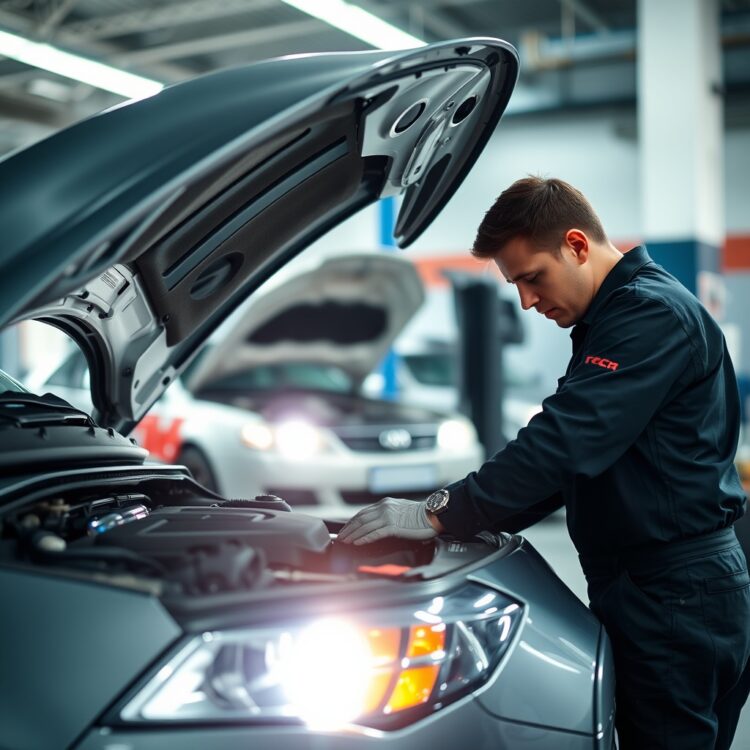
Owning a car means taking responsibility for its upkeep. I start by following the manufacturer’s service schedule. Regular oil changes, filter replacements, and brake checks keep the car running smoothly. I also keep an eye on tyre pressure and tread depth. Neglecting these basics can lead to costly repairs or even accidents. Prevention is always cheaper than cure.
I also budget for unexpected repairs. Cars, especially used ones, can surprise you with issues. Setting aside a small fund each month helps cover these costs without stress. And I always use quality parts and fluids. Cutting corners might save money short-term, but it’ll cost you in the long run. For more tips, check out our common issues guide.
Basic Maintenance Tips
I’ve learned that simple habits can extend a car’s life. For example, I avoid short trips whenever possible. They don’t give the engine enough time to warm up, leading to wear. I also clean the car regularly, inside and out. Dirt and grime can cause corrosion over time. And I check fluid levels monthly—engine oil, coolant, and brake fluid are critical.
Another tip is to listen to your car. Strange noises or warning lights shouldn’t be ignored. Addressing small issues early prevents them from becoming big problems. I also keep a basic toolkit in the boot. You never know when you’ll need to tighten a loose screw or replace a fuse. Being proactive saves time and money.
Finding a Reliable Mechanic
A good mechanic is worth their weight in gold. I look for one with certifications and positive reviews. Word-of-mouth recommendations are also valuable. Once I find a trustworthy garage, I stick with them. Building a relationship ensures better service and sometimes even discounts. I also ask for detailed invoices. Transparency here builds trust and helps track the car’s history.
I avoid garages that push unnecessary repairs. A second opinion can save you from being ripped off. And I always ask for old parts back if they’re replaced. This ensures the work was actually done. For more advice, visit our maintenance costs page.
Customizing Your First Car
Safe Customization Options
When it comes to personalising your first car, there are plenty of safe and legal options to explore. I recommend starting with cosmetic changes like alloy wheels, seat covers, or a fresh paint job. These upgrades won’t affect performance but can make your car feel uniquely yours. Just ensure any modifications comply with UK regulations—especially if you’re altering lights or exhaust systems. For more inspiration, check out our design ideas for a Corsa VXR steering wheel.
Another great option is upgrading your audio system or adding tech features like a dash cam. These enhancements improve your driving experience without compromising safety. Remember, though, that some insurers may charge extra for modifications, so always check before making changes. If you’re unsure, consult a professional to avoid voiding your warranty or breaking the law.
When to Avoid Modifications
While customising can be fun, some changes are best avoided for first-time drivers. Performance upgrades like engine tuning or suspension adjustments might seem appealing, but they can increase insurance costs and even make your car less reliable. I’ve seen many new drivers regret these costly tweaks. Stick to non-invasive modifications until you’re more experienced and financially prepared for the potential downsides.
Also, avoid anything that could compromise safety, like removing airbags or tampering with braking systems. These changes not only put you at risk but could also land you in legal trouble. If you’re tempted by performance upgrades, consider waiting until you’ve outgrown your first car. For now, focus on making it safe and comfortable. Our Corsa VXR gear stick design ideas offer stylish yet practical options.
The Environmental Impact of Your First Car
Choosing an Eco-Friendly Vehicle
Your first car’s environmental footprint matters more than ever. I always advise new drivers to consider hybrid or electric models like the Citroen e-C3, which offer lower emissions and running costs. Even if you opt for petrol or diesel, look for cars with high fuel efficiency and low CO2 outputs. The UK’s push for greener transport means eco-friendly choices often come with tax benefits and cheaper insurance.
Another way to reduce your impact is by choosing a smaller engine size. Cars with 1.0-litre or 1.2-litre engines are not only cheaper to run but also kinder to the planet. If you’re unsure where to start, our guide to the best cars for young drivers includes eco-conscious options. Every little step counts toward a cleaner future.
How to Reduce Your Carbon Footprint
Beyond the car itself, your driving habits play a huge role in environmental impact. Simple changes like smooth acceleration, regular maintenance, and avoiding unnecessary idling can significantly cut emissions. I also recommend carpooling or using public transport when possible—every mile not driven is a win for the planet.
Investing in quality tyres and keeping them properly inflated improves fuel efficiency, reducing your carbon footprint. For more tips, check out this external resource on reducing vehicle emissions. Small adjustments add up, and as a new driver, you have the power to make a difference from day one.
Future-Proofing Your Purchase
Considering Resale Value
Thinking ahead about resale value is a smart move for first-time buyers. I’ve found that popular models like the Renault Clio or Skoda Fabia hold their value well, thanks to their reliability and demand. Opting for a car with a strong reputation and low mileage will pay off when it’s time to upgrade. Avoid overly niche or high-maintenance vehicles—they’re harder to sell later.
Keeping your car in top condition also boosts resale value. Regular servicing, avoiding modifications, and maintaining a clean interior and exterior make a big difference. For more insights, our guide to the best cars for young adults highlights models with strong resale potential. A little foresight now can save you money down the road.
Technology Trends in the Automotive Industry
The automotive world is evolving fast, and your first car should ideally keep up. Look for features like adaptive cruise control, lane-keeping assist, and smartphone integration—these are becoming standard in newer models. Electric vehicles (EVs) are also gaining traction, so if you’re planning to keep your car for years, an EV or hybrid might be a future-proof choice.
Staying informed about emerging trends helps you make a savvy purchase. For example, connected car technology and over-the-air updates are becoming more common. If you’re curious about the latest advancements, our 2025 car trends guide offers a glimpse into the future. Investing in a car with modern tech ensures it remains relevant and valuable.
Frequently Asked Questions
What is the best first car for a new driver?
The best first car balances affordability, safety, and running costs. Models like the Renault Clio or Skoda Fabia are popular choices due to their reliability and low insurance groups. Always consider your budget and driving needs—whether it’s city commuting or longer journeys. Our guide for young drivers offers detailed recommendations.
Should I buy a new or used car as a first-time buyer?
Used cars are often the smarter choice for first-time buyers, offering lower depreciation and insurance costs. However, new cars come with warranties and the latest features. Weigh the pros and cons based on your budget and how long you plan to keep the car. Our article on new vs used cars breaks it down further.
How can I reduce the cost of insuring my first car?
Opt for a car in a low insurance group, add a black box, or consider adding an experienced named driver to your policy. Avoiding modifications and building a no-claims bonus also helps. For more tips, check out our section on understanding insurance costs.
What safety features should I prioritise in my first car?
Look for cars with at least a 5-star Euro NCAP rating, ABS, and multiple airbags. Features like electronic stability control and autonomous emergency braking are also valuable. Safety should never be compromised, so prioritise these over flashy extras. Our safety features guide dives deeper into this topic.