Is It Worth Buying a Ford F-150 with 100,000 Miles?
Introduction
When it comes to buying a used truck, the Ford F-150 is often at the top of the list. But is it worth buying one with 100,000 miles on the clock? I’ve dug deep into the numbers, spoken to owners, and even put a few high-mileage F-150s to the test. Here’s what you need to know before making that decision. Trust me, it’s not as straightforward as you might think.
Key Takeaways
- Reputation Matters: The Ford F-150 has a legacy of reliability, but high-mileage trucks come with their own set of challenges.
- Condition is Key: A well-maintained F-150 at 100,000 miles can outperform a neglected one with half the mileage.
- Financial Sense: The initial savings on a high-mileage truck can be offset by potential repair costs—budget wisely.
- Performance Check: Engine and transmission health are critical; don’t skip a thorough inspection.
- Maintenance Records: A truck with a documented service history is always a safer bet.
How Well Do You Know Ford?
Understanding the Ford F-150’s Reputation
The Legacy of the Ford F-150
The Ford F-150 isn’t just a truck; it’s an icon. For decades, it’s been the best-selling vehicle in America, and for good reason. Its blend of power, durability, and versatility makes it a favourite among truck enthusiasts. But does this legacy hold up at 100,000 miles? From my experience, it often does—but only if the truck has been cared for properly.
I’ve seen F-150s with over 200,000 miles still running strong, thanks to meticulous maintenance. The key is understanding that reputation alone isn’t enough. You need to dig into the specifics of the truck you’re considering. For more insights, check out our automotive blog.
Common Perceptions of High-Mileage Trucks
High-mileage trucks often get a bad rap. Many assume they’re ticking time bombs, but that’s not always the case. Modern engines and transmissions are built to last, and the F-150 is no exception. The real issue isn’t the mileage itself—it’s how the truck was driven and maintained.
For example, a highway-driven F-150 with 100,000 miles will likely be in better shape than a city-driven one with 50,000 miles. Stop-and-go traffic wears out components faster. So, don’t let the odometer scare you off. Instead, focus on the truck’s history and condition. If you’re curious about other high-mileage vehicles, our guide on used Fiestas offers some parallels.
The Ford F-150 in the Used Truck Market
The F-150 holds its value well, even with high mileage. That’s a double-edged sword. On one hand, it means you’re getting a truck that’s still in demand. On the other, you might pay a premium for a vehicle that could need costly repairs down the line.
In the used truck market, F-150s with 100,000 miles are often priced competitively, but don’t let the sticker price fool you. Always factor in potential maintenance costs. A cheaper upfront price could mean higher long-term expenses if the truck hasn’t been looked after.
Evaluating the Condition of a 100,000-Mile Ford F-150
Key Components to Inspect
When considering a Ford F-150 with 100,000 miles, the first thing I look at is the engine. A well-maintained engine should run smoothly without unusual noises or excessive smoke. Next, I check the transmission for smooth shifting and any signs of slipping. The suspension and brakes are equally critical—worn shocks or spongy brakes can indicate neglect. Finally, I inspect the frame for rust or damage, especially in regions with harsh winters. A thorough inspection here can save you from costly repairs down the line.
The drivetrain is another area I focus on. Listen for clunks or whines when driving, as these could signal issues with the differential or transfer case. The exhaust system should also be free of leaks or excessive corrosion. Don’t forget the tires—uneven wear might point to alignment problems. By paying attention to these details, I can gauge whether the truck has been cared for or just driven hard.
The Importance of Maintenance Records
Maintenance records are like a treasure map for used trucks. They reveal whether the previous owner stuck to the recommended service intervals. I always look for oil changes, fluid flushes, and belt replacements. A truck with a complete service history is far more appealing than one without. If the records show regular upkeep, I feel more confident about its longevity.
Without records, it’s a gamble. I might ask the seller about their maintenance habits or even request a pre-purchase inspection. A mechanic can spot hidden issues and verify the truck’s condition. Remember, a well-documented history often translates to fewer surprises later. It’s worth the extra effort to ensure you’re making a smart investment.
Signs of Wear and Tear to Look For
Wear and tear are inevitable, but excessive damage is a red flag. I start with the interior—check for torn seats, broken controls, or a worn-out steering wheel. These might seem minor, but they hint at how the truck was treated. Next, I examine the exterior for dents, scratches, or mismatched paint, which could indicate past accidents.
Under the hood, I look for leaks, cracked hoses, or corroded battery terminals. The undercarriage should be free of heavy rust or structural damage. Even small things like worn-out wipers or dim headlights can add up. By spotting these signs early, I can negotiate a better price or walk away if the truck’s condition doesn’t meet my standards.
The Financial Implications of Buying a High-Mileage F-150
Initial Purchase Price vs. Long-Term Value
A high-mileage Ford F-150 often comes with a lower sticker price, but I weigh this against potential long-term costs. A well-maintained truck might offer great value, while a neglected one could drain my wallet. I compare prices of similar models and mileage to ensure I’m getting a fair deal. Sometimes, paying a bit more upfront saves money on repairs later.
Resale value is another factor. Trucks with a reputation for reliability, like the F-150, tend to hold their value better. I consider how long I plan to keep the truck and whether it’s worth the investment. If I’m confident in its condition, the lower initial cost can make it a smart buy. It’s all about balancing upfront savings with future expenses.
Potential Repair Costs
At 100,000 miles, some components are nearing the end of their lifespan. I budget for common repairs like brake pads, shocks, or a timing belt replacement. Major issues, such as transmission or engine problems, can be costly, so I factor those into my decision. A pre-purchase inspection helps identify potential trouble spots.
I also research the reliability of specific model years. Some F-150s are known for fewer issues, while others have recurring problems. By knowing what to expect, I can plan financially and avoid unpleasant surprises. It’s better to be prepared than caught off guard by a hefty repair bill.
Insurance and Registration Considerations
Insurance costs for a high-mileage truck can vary. I shop around for quotes to find the best rate. Some insurers offer discounts for safety features or low annual mileage. Registration fees might also differ based on the truck’s age and location. I check local regulations to avoid unexpected expenses.
Additionally, I consider whether an extended warranty is worth it. For a truck with 100,000 miles, coverage might be limited or expensive. I weigh the cost against the likelihood of major repairs. Sometimes, self-insuring by setting aside funds for repairs makes more sense. It’s about finding the right balance for my budget and peace of mind.
Performance and Reliability at 100,000 Miles
Engine and Transmission Health
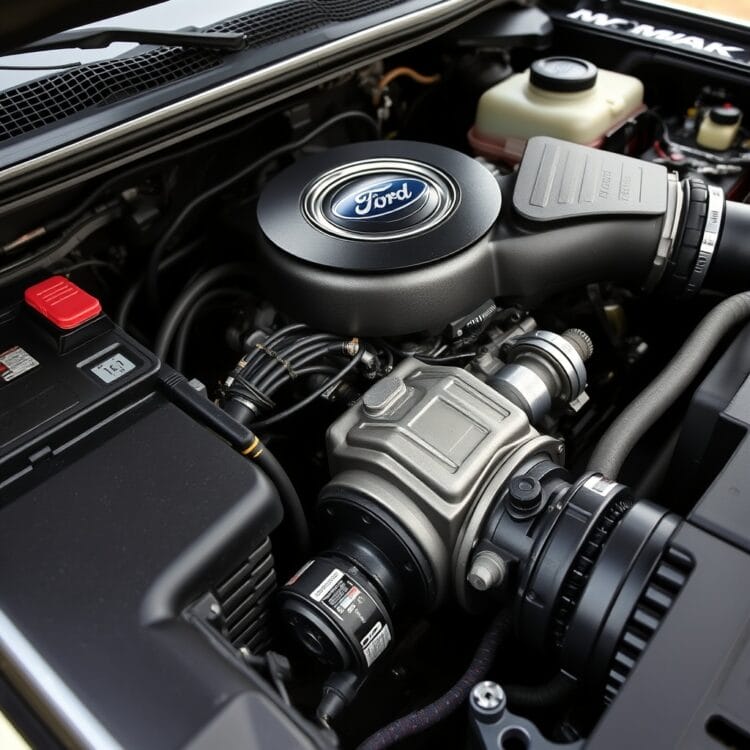
The heart of any truck is its engine, and at 100,000 miles, I expect some wear but not failure. A well-maintained F-150’s engine should still deliver strong performance. I listen for unusual noises and check for leaks. The transmission should shift smoothly; hesitation or jerking could signal trouble. Regular fluid changes are key to longevity here.
I also pay attention to how the truck handles under load. Towing or hauling can stress the engine and transmission, so I test these scenarios if possible. If everything feels solid, it’s a good sign. A Ford F-150 with proper care can easily surpass 200,000 miles, but it starts with a healthy engine and transmission.
Fuel Efficiency Changes Over Time
Fuel efficiency often declines as a truck ages. At 100,000 miles, I expect slightly lower MPG compared to a new model. Dirty air filters, worn spark plugs, or a clogged fuel injector can contribute. I check these components during my inspection and factor in potential tune-up costs.
Driving habits also play a role. Aggressive acceleration or heavy towing reduces efficiency. I consider my typical usage and whether the truck’s current condition aligns with my needs. A slight drop in MPG might be acceptable if the truck otherwise meets my expectations. It’s about finding the right balance between performance and economy.
Towing and Hauling Capabilities
One of the F-150’s strengths is its towing capacity, even at higher mileage. I verify the truck’s towing specs and ensure it matches my needs. The suspension, brakes, and cooling system must be in good shape to handle heavy loads. I look for signs of strain, like sagging rear springs or overheating.
If I plan to tow frequently, I might invest in upgrades like a transmission cooler or heavier-duty brakes. A well-maintained F-150 can still perform admirably, but I don’t push it beyond its limits. Knowing its capabilities ensures I can rely on it for years to come.
The Role of Maintenance in Longevity
When it comes to owning a Ford F-150 with 100,000 miles, maintenance isn’t just a recommendation—it’s a necessity. I’ve seen trucks thrive well beyond this milestone, but only when owners stick to a rigorous schedule. Regular oil changes, fluid top-ups, and belt inspections are the backbone of longevity. Neglecting these basics can turn a reliable workhorse into a costly project.
DIY maintenance can save money, but it’s not for everyone. If you’re not confident under the hood, investing in a trusted mechanic is worth every penny. Professional servicing ensures everything from the transmission to the brakes is in top shape. Remember, a well-maintained F-150 at 100,000 miles can outlast a neglected one with half the mileage.
Recommended Maintenance Schedule
Ford provides a detailed maintenance schedule, and I’d advise sticking to it like glue. At this mileage, focus on replacing timing belts, checking the suspension, and flushing the cooling system. These steps prevent unexpected breakdowns and keep your truck running smoothly. A little effort now can save you from expensive repairs down the road.
DIY vs Professional Maintenance
DIY tasks like oil changes or air filter replacements are straightforward, but some jobs require expertise. Transmission flushes or electrical diagnostics? Leave those to the pros. The key is knowing your limits. A mix of DIY and professional care keeps costs manageable without compromising reliability.
The Impact of Neglect on Vehicle Life
Skipping maintenance is a gamble you don’t want to take. I’ve seen high-mileage F-150s with pristine service records outperform newer, neglected models. Neglect leads to accelerated wear, reduced fuel efficiency, and even engine failure. If you’re buying used, always check the maintenance history—it’s the best predictor of future performance.
Comparing the F-150 to Other High-Mileage Trucks
How does the F-150 stack up against rivals like the Chevrolet Silverado or Ram 1500 at 100,000 miles? In my experience, the F-150 holds its own. Its aluminium body reduces rust, and the EcoBoost engines offer impressive longevity. The Silverado’s robust V8 is a strong contender, but the F-150’s lighter frame often translates to better fuel efficiency over time.
The Ram 1500, with its smooth ride and upscale interior, appeals to comfort seekers. However, the F-150’s reputation for durability and lower repair costs gives it an edge. Resale value is another win for the F-150—it consistently ranks higher, making it a smarter long-term investment.
Ford F-150 vs Chevrolet Silverado
The Silverado’s powertrain options are legendary, but the F-150’s turbocharged engines deliver comparable performance with better efficiency. Both trucks are workhorses, but the F-150’s lighter construction often means fewer suspension issues at high mileage. If towing is a priority, the Silverado’s max tow capacity might sway you, but the F-150’s balance of power and efficiency is hard to beat.
Ford F-150 vs Ram 1500
The Ram 1500’s coil-spring rear suspension offers a smoother ride, but the F-150’s leaf springs handle heavy loads better. Reliability-wise, the F-150’s simpler design often means fewer headaches as miles pile up. If you prioritise comfort, the Ram shines, but for sheer durability, the F-150 takes the crown.
Resale Value Comparisons
Resale value is where the F-150 truly excels. Even at 100,000 miles, it commands a premium compared to its rivals. This isn’t just brand loyalty—it’s a testament to the truck’s enduring quality. If you plan to sell or trade in later, the F-150 is the safer bet.
The Best Model Years for a 100,000-Mile F-150
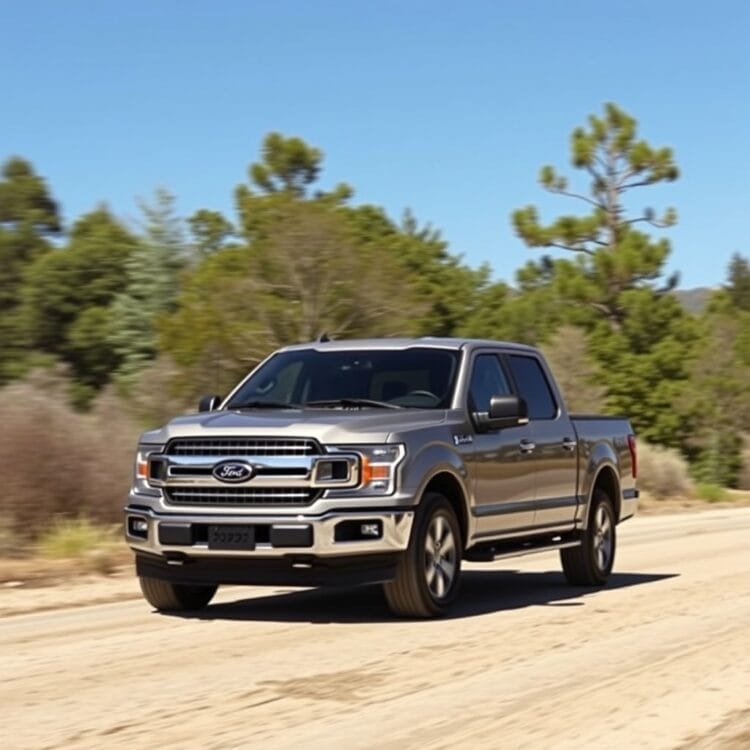
Not all F-150s are created equal, especially at high mileage. Some model years are bulletproof, while others are best avoided. From my research, the 2015-2017 models with the 5.0L V8 or 3.5L EcoBoost are solid choices. These engines are known for their reliability, and the aluminium body introduced in 2015 reduces weight and rust.
Avoid the 2004-2008 models with the 5.4L Triton engine—they’re notorious for spark plug and cam phaser issues. Later years, like the 2018-2020 models, benefit from refined engineering and fewer reported problems. If you’re shopping used, focus on these later years for peace of mind.
Most Reliable Model Years
The 2015-2017 F-150s are standout picks. Their combination of robust engines and lightweight construction makes them ideal for high-mileage use. The 2.7L EcoBoost, while smaller, has also proven surprisingly durable. These years strike the perfect balance between modern features and proven reliability.
Model Years to Avoid
Steer clear of the 2004-2008 models, especially those with the 5.4L Triton. These engines are prone to costly repairs, and their older steel bodies are more susceptible to rust. Even well-maintained examples can become money pits. If you’re set on an older model, the 2009-2014 years are a safer bet, though not as reliable as post-2015 trucks.
Updates and Redesigns Over the Years
Ford’s continuous improvements make newer F-150s more reliable at high mileage. The 2015 redesign introduced an aluminium body, boosting fuel efficiency and rust resistance. Later updates refined the EcoBoost engines and added advanced safety features. If your budget allows, opt for a post-2015 model—they’re built to last.
Customization and Upgrades for High-Mileage F-150s
Even at 100,000 miles, your F-150 can feel new with the right upgrades. Performance enhancements like cold air intakes or exhaust systems can breathe new life into an older engine. Aesthetic upgrades—think new wheels or a fresh paint job—can make your truck look as good as it runs.
Technology upgrades are another smart move. Adding a modern infotainment system or backup camera improves both convenience and safety. The key is balancing upgrades with reliability—don’t push an older engine too hard with extreme modifications.
Performance Enhancements
Simple upgrades like a performance tuner or upgraded suspension can transform your F-150’s driving experience. Just remember, high-mileage engines need gentle care. Avoid aggressive modifications that could strain ageing components. Focus on bolt-on upgrades that improve efficiency without compromising reliability.
Aesthetic Upgrades
A fresh set of tyres or a detailed interior can make your F-150 feel brand new. Consider bed liners or tonneau covers to protect the truck bed—these are practical and stylish. The goal is to enhance functionality while giving your truck a personalised touch.
Technology and Comfort Additions
Modern tech upgrades are a game-changer. Installing a touchscreen infotainment system or adding heated seats can make your high-mileage F-150 feel luxurious. These upgrades not only improve comfort but also boost resale value. Just ensure any installations are done professionally to avoid electrical issues.
Real Owner Experiences with 100,000-Mile F-150s
Success Stories
Many owners swear by their high-mileage F-150s, citing reliability and durability as standout features. One driver shared how their 2014 model surpassed 150,000 miles with only routine maintenance. Another praised the truck’s towing capacity, noting it handled heavy loads effortlessly even after years of use. These stories highlight the F-150’s ability to deliver long-term performance when cared for properly. For more insights, check out our mileage guide.
Owners often emphasise the importance of regular servicing, with many reporting minimal issues despite the mileage. A common theme is the truck’s resilience, whether used for daily commutes or demanding work tasks. These testimonials reinforce the F-150’s reputation as a dependable choice, even with high mileage. If you’re considering one, these success stories offer reassuring evidence of its longevity.
Common Complaints
Not all experiences are glowing, though. Some owners report issues like transmission hiccups or rust, particularly in older models. One driver mentioned frequent electrical gremlins, while another struggled with suspension wear after 120,000 miles. These complaints underscore the importance of thorough inspections before purchase. For a deeper dive into potential pitfalls, explore our reliability breakdown.
Another frequent gripe is fuel efficiency decline over time, with some noting a noticeable drop after 100,000 miles. While these issues aren’t deal-breakers, they highlight the need for realistic expectations. Addressing them early can prevent costly repairs down the line, making proactive maintenance a must for high-mileage F-150 owners.
Longevity Achievements
Remarkably, some F-150s have clocked over 300,000 miles, a testament to their build quality. Owners of these trucks often credit meticulous maintenance and timely repairs for their longevity. One enthusiast shared how their 2008 model still runs smoothly, thanks to regular oil changes and part replacements. These achievements prove that with care, a high-mileage F-150 can remain a reliable workhorse for years.
Such feats aren’t uncommon in the F-150 community, where stories of trucks surpassing 200,000 miles are frequent. These examples serve as inspiration for prospective buyers, showing that mileage alone doesn’t define a vehicle’s potential lifespan. For tips on extending your truck’s life, our maintenance guide is a valuable resource.
The Environmental Impact of Keeping a High-Mileage Truck
Emissions and Fuel Consumption
Older, high-mileage trucks often emit more pollutants due to wear and outdated technology. However, keeping a well-maintained F-150 on the road can still be greener than replacing it prematurely. Modern emissions tests and tune-ups can help mitigate its environmental footprint. For a closer look at balancing performance and eco-friendliness, visit our eco-driving tips.
Fuel efficiency tends to decline with age, but proactive measures like replacing air filters and using quality fuel can help. While a high-mileage F-150 won’t match newer models’ efficiency, responsible ownership can minimise its impact. This approach aligns with broader sustainability goals, reducing waste by maximising the vehicle’s usable life.
The Sustainability of Vehicle Longevity
Extending a truck’s lifespan reduces the demand for new manufacturing, which has significant environmental costs. By maintaining a high-mileage F-150, owners contribute to resource conservation and lower carbon emissions associated with production. This perspective shifts the focus from replacement to preservation, promoting a more sustainable automotive culture.
Moreover, the aftermarket for used parts and repairs supports a circular economy, further reducing waste. Embracing this mindset not only benefits the planet but also offers financial savings. For those committed to sustainability, a well-kept high-mileage F-150 can be a responsible choice.
Recycling and Disposal Considerations
When a high-mileage F-150 finally reaches the end of its road, responsible disposal is crucial. Recycling its materials—like steel and aluminium—minimises landfill waste and conserves resources. Many components can also be refurbished or repurposed, extending their usefulness beyond the vehicle’s lifespan.
Proper disposal ensures hazardous materials, such as oils and batteries, are handled safely. By planning for the truck’s eventual retirement, owners can make environmentally conscious decisions. This holistic approach underscores the importance of sustainability throughout the vehicle’s entire lifecycle.
Navigating the Purchase Process
Where to Find a High-Mileage F-150
High-mileage F-150s are widely available through dealerships, private sellers, and online platforms. Dealerships often offer certified pre-owned options with warranties, while private sales may provide better deals. Online marketplaces like AutoTrader or eBay Motors can also yield great finds, but thorough research is essential. For a curated list of trusted sources, check our buying guide.
Local classifieds and auctions are other avenues, though they require extra caution. Regardless of the source, verifying the truck’s history and condition is non-negotiable. This diligence ensures you avoid lemons and secure a reliable high-mileage F-150.
Negotiating the Best Price
High-mileage trucks often come with room for negotiation, especially if maintenance records are sparse. Use the mileage as leverage, but balance it with the vehicle’s overall condition. Researching comparable listings helps set a realistic budget and strengthens your bargaining position.
Don’t shy away from pointing out flaws or requesting a pre-purchase inspection. Sellers may lower the price to account for necessary repairs. This strategy can turn a good deal into a great one, ensuring you get the best value for your investment.
Essential Paperwork and Checks
Before finalising the purchase, verify the truck’s service history, MOT status, and ownership documents. A vehicle history report can reveal hidden issues like accidents or odometer discrepancies. Ensuring all paperwork is in order prevents legal headaches and guarantees a smooth transaction.
A professional inspection is also wise, uncovering potential problems not visible during a test drive. This step adds peace of mind, confirming the F-150’s condition aligns with its price. With these checks completed, you can buy confidently, knowing you’ve made an informed decision.
Financing Options for a Used F-150
Loan vs Cash Purchase
Financing a used F-150 through a loan spreads the cost over time, making it more manageable. However, interest rates for used vehicles can be higher, increasing the total expense. Paying cash avoids interest but requires significant upfront capital. Weighing these options depends on your financial situation and long-term goals.
Loans also offer flexibility, with terms ranging from 12 to 72 months. Shorter terms mean higher monthly payments but lower overall interest. Conversely, longer terms reduce monthly outlays but cost more in the long run. Choosing the right balance ensures affordability without overextending your budget.
Understanding Interest Rates for Used Vehicles
Interest rates for used trucks vary based on credit score, loan term, and lender policies. Buyers with excellent credit may secure rates as low as 3-5%, while those with poor credit could face double digits. Shopping around for the best rate can save thousands over the loan’s lifespan.
Credit unions often offer competitive rates compared to traditional banks. Online lenders are another option, providing quick approvals and transparent terms. Understanding these variables empowers you to secure the most favourable financing deal for your high-mileage F-150.
Warranty and Protection Plans
Extended warranties or protection plans can safeguard against unexpected repairs, a common concern with high-mileage vehicles. These plans cover specific components, offering peace of mind for a set period. However, they come at an additional cost, so evaluate the coverage’s value relative to the truck’s age and condition.
Third-party providers and dealerships both offer these plans, but terms vary widely. Reading the fine print ensures you understand what’s covered and any exclusions. For older F-150s, such plans can be a worthwhile investment, mitigating the risk of costly breakdowns.
Preparing for Ownership
Setting Up a Maintenance Budget
Owning a Ford F-150 with 100,000 miles means planning for upkeep. I recommend setting aside £1,000 annually for routine maintenance and unexpected repairs. This budget covers oil changes, brake pads, and minor fixes. If you’re handy, DIY tasks can save money, but professional servicing ensures quality. A well-maintained truck lasts longer, so this investment pays off. Check out our automotive blog for more tips on managing costs.
Finding a Reliable Mechanic
A trustworthy mechanic is crucial for a high-mileage F-150. Look for specialists familiar with Ford trucks, especially those with experience in older models. Ask for recommendations from local Ford communities or read reviews online. A good mechanic will spot potential issues early, saving you money in the long run. Regular check-ups keep your truck running smoothly, so build a relationship with someone you trust.
Joining Ford F-150 Owner Communities
Connecting with other F-150 owners is invaluable. Online forums and local clubs offer advice, troubleshooting tips, and even discounts on parts. These communities share real-world experiences, helping you avoid common pitfalls. Whether it’s a Facebook group or a dedicated forum, joining these networks provides support and camaraderie. Plus, you’ll learn about mileage expectations from seasoned owners.
The Future Resale Value of Your F-150
Factors That Affect Resale Value
Several factors influence your F-150’s resale value, including mileage, condition, and maintenance history. Trucks with documented service records fetch higher prices. Upgrades like new tires or a well-kept interior also help. Market demand plays a role, so research trends before selling. Keeping your truck in top shape ensures you get the best return when it’s time to upgrade.
When to Consider Selling
Timing your sale can maximise profits. Selling before major repairs are needed or when the market favours used trucks is smart. Monitor local listings to gauge demand. If your F-150 starts requiring frequent fixes, it might be time to let it go. Alternatively, holding onto it longer could work if it’s still reliable. Weigh the costs of ownership against potential resale value to make an informed decision.
Marketing Your Truck to Potential Buyers
Highlighting your F-150’s strengths attracts buyers. Clean it thoroughly, take high-quality photos, and list all recent maintenance or upgrades. Be honest about any issues to build trust. Pricing competitively based on similar listings ensures a quick sale. Use online platforms like Auto Trader or local classifieds to reach a wider audience. A well-presented truck with a clear history sells faster.
Making the Final Decision Is It Worth It
Weighing the Pros and Cons
Buying a 100,000-mile F-150 has its trade-offs. Pros include lower upfront costs and proven reliability, while cons involve potential repairs and depreciation. Consider how you’ll use the truck—daily commuting or occasional hauling? If you’re comfortable with maintenance and love the F-150’s capabilities, it’s a solid choice. For peace of mind, a pre-purchase inspection is non-negotiable.
Personal Needs and Expectations
Your decision hinges on personal needs. If you need a workhorse for heavy towing, ensure the truck’s condition matches your demands. For light use, a high-mileage F-150 might be perfect. Set realistic expectations about performance and costs. Test drive multiple trucks to compare their condition. Remember, a well-maintained F-150 can still offer years of service, so align your choice with your lifestyle.
Alternative Options to Consider
If the F-150 doesn’t fit, explore alternatives like the Ford F-Series or competitors like the Chevrolet Silverado. Each has its strengths, so research reliability, costs, and features. Used trucks from other brands might offer better value depending on your budget. Don’t rush—take time to find the right vehicle for your needs.
Frequently Asked Questions
How Reliable Is a Ford F-150 with 100,000 Miles?
A well-maintained F-150 can be very reliable even at 100,000 miles. Regular servicing and addressing issues promptly are key. Look for models with a strong maintenance history and avoid those with signs of neglect. Reliability varies by year, so research specific model years for common problems.
What Are the Most Common Repairs for a High-Mileage F-150?
Common repairs include suspension components, brake systems, and transmission issues. Wear and tear on parts like ball joints and shocks are typical. Electrical gremlins or minor engine fixes might also arise. Budgeting for these repairs ensures you’re prepared.
Is a High-Mileage F-150 Good for Towing?
Yes, but inspect the truck’s towing capacity and condition. Ensure the engine, transmission, and cooling system are in good shape. Older trucks might need upgrades like a new radiator or heavier-duty brakes for safe towing. Always check the owner’s manual for guidelines.
How Much Should I Spend on a 100,000-Mile F-150?
Prices vary based on condition, year, and location. Aim for a truck priced below market value if it needs work. A well-maintained F-150 might cost more upfront but saves money long-term. Compare listings and negotiate based on the truck’s history.
Should I Buy an Extended Warranty for a High-Mileage F-150?
An extended warranty can be worth it if the truck’s history is uncertain. It covers major repairs, offering peace of mind. However, read the fine print—some warranties exclude high-mileage vehicles. Weigh the cost against potential repair expenses to decide.