Introduction
When it comes to pickup trucks, longevity is a top priority for many buyers. We all want a vehicle that can withstand the test of time, whether it’s for work or play. But what truly makes a pickup truck last? From rugged engineering to meticulous maintenance, the answer isn’t as simple as it seems. Let’s dive into the world of durable trucks and uncover the secrets behind their enduring performance.
Key Takeaways
- Engine durability is the backbone of a long-lasting pickup truck.
- Frame and body construction play a critical role in resisting wear and tear.
- Regular maintenance can significantly extend the lifespan of any truck.
- Manufacturer reputation often reflects the reliability of their vehicles.
- Driving habits and environmental factors also impact longevity.
Test Your General Automotive Knowledge!
Introduction to Longest-Lasting Pickup Trucks
Defining Longevity in Pickup Trucks
Longevity isn’t just about mileage—it’s about how well a truck holds up over years of use. A truly durable pickup combines robust engineering with high-quality materials. Think of it as a marriage between strength and smart design. For example, some trucks are built with reinforced frames, while others excel in engine resilience. The key is finding the right balance for your needs.
Importance of Vehicle Longevity
Why does longevity matter? For starters, it saves money in the long run. A truck that lasts decades reduces the need for frequent replacements. Plus, it’s better for the environment. Fewer vehicles mean less waste. And let’s not forget the peace of mind that comes with knowing your truck won’t let you down. Whether you’re hauling heavy loads or navigating rough terrain, durability is non-negotiable.
Factors Influencing Truck Longevity
Several factors determine how long a pickup truck will last. Engine quality is a big one—diesel engines, for instance, often outlast gasoline ones. The construction of the frame and body also plays a role, as does the transmission. Even the climate you live in can affect your truck’s lifespan. Rust is a silent killer in humid areas, while extreme heat can strain engines. It’s all about understanding these variables and choosing wisely.
Historical Overview of Durable Pickup Trucks
Pickup trucks have come a long way since their inception. Early models were basic workhorses, but modern trucks are engineered for both power and longevity. Brands like Ford and Toyota have set benchmarks with models that routinely surpass 200,000 miles. The evolution of materials and technology has made today’s trucks more durable than ever. It’s a fascinating journey from utilitarian beginnings to today’s high-performance machines.
Key Features of Long-Lasting Pickup Trucks
What separates a fleeting truck from a lifelong companion? It starts with the engine. A well-built engine can run for hundreds of thousands of miles with proper care. The frame and body must also resist corrosion and damage. And let’s not overlook the transmission and drivetrain—these components need to handle constant stress. When all these elements come together, you’ve got a truck built to last.
Historical Overview of Durable Pickup Trucks
Evolution of Pickup Truck Durability
When we look back at the history of pickup trucks, it’s clear that durability has always been a cornerstone. Early models were built for rugged work, with simple yet robust designs. Over the decades, advancements in materials and engineering have transformed these vehicles into the powerhouses we know today. From steel frames to reinforced suspensions, every innovation has been aimed at making them last longer and perform better under pressure.
One of the biggest leaps came with the introduction of rust-resistant coatings and galvanised steel. These changes significantly extended the lifespan of trucks, especially in harsh climates. We’ve also seen improvements in engine technology, with manufacturers focusing on reliability and longevity. It’s fascinating how far we’ve come from the basic workhorses of the past to today’s high-tech, long-lasting machines.
Milestones in Pickup Truck Longevity
Several milestones stand out in the journey toward durable pickup trucks. The 1970s and 1980s marked a turning point, with brands like Ford and Chevrolet introducing models that could easily surpass 200,000 miles with proper care. These trucks became legends, setting the standard for what a long-lasting vehicle should be.
In recent years, the focus has shifted to hybrid and diesel engines, which offer both durability and efficiency. For example, the Ford F-150 has consistently ranked high for longevity, thanks to its robust build and advanced engineering. It’s proof that modern trucks are designed to go the distance, whether on the job site or the open road.
Key Features of Long-Lasting Pickup Trucks
Engine Durability and Performance
The heart of any long-lasting pickup truck is its engine. Diesel engines, in particular, are renowned for their durability, often outlasting their gasoline counterparts. Features like turbocharging and direct injection have further enhanced performance while maintaining reliability. We’ve seen engines like the Cummins 6.7L achieve legendary status for their ability to endure heavy use.
Regular maintenance is crucial, but so is the quality of the engine itself. Modern trucks come with advanced diagnostics and self-monitoring systems, ensuring issues are caught early. This proactive approach to engine care is a game-changer for longevity, making it easier than ever to keep your truck running smoothly for years.
Frame and Body Construction
A truck’s frame is its backbone, and durability starts here. High-strength steel and aluminium alloys are now standard, offering a perfect balance of strength and weight. These materials resist corrosion and withstand heavy loads, ensuring the truck remains structurally sound over time. Brands like Toyota and Ford have led the way with innovations like boxed frames and reinforced crossmembers.
The body construction also plays a role, with features like rust-proof coatings and durable bed liners protecting against wear and tear. It’s these small but critical details that add up to a truck that stands the test of time. Whether you’re hauling cargo or navigating rough terrain, a well-built frame and body are non-negotiable.
Transmission and Drivetrain Reliability
The transmission and drivetrain are often overlooked, but they’re vital for a truck’s longevity. Automatic transmissions have become more reliable, with smoother shifts and better heat management. Meanwhile, manual transmissions remain a favourite for their simplicity and durability, especially in heavy-duty applications.
Four-wheel-drive systems have also evolved, with electronic controls replacing older mechanical setups. This improves reliability while maintaining off-road capability. Whether you opt for a traditional drivetrain or a modern all-wheel-drive system, the key is choosing a setup that matches your needs and maintaining it properly.
Top Manufacturers of Durable Pickup Trucks
Leading Brands in Truck Longevity
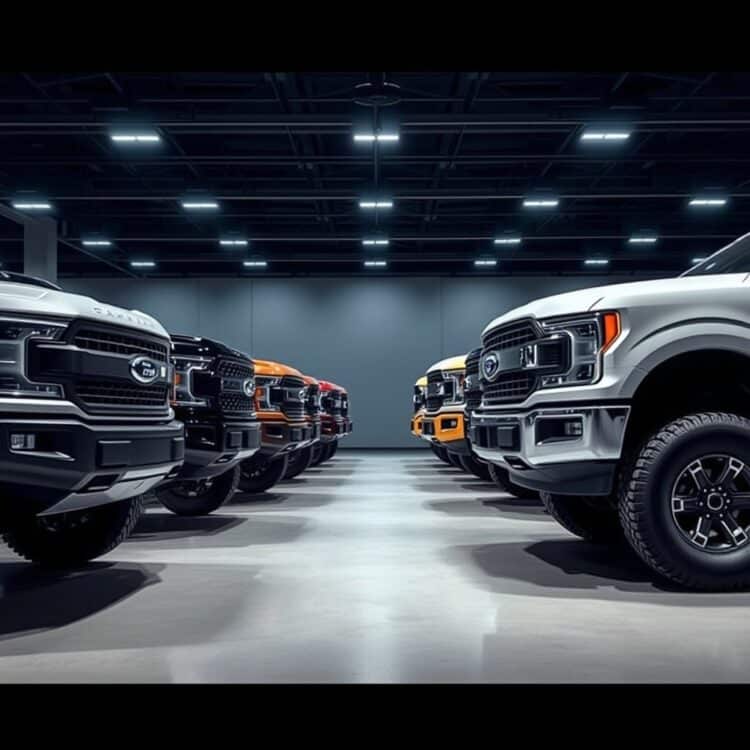
When it comes to durability, certain brands consistently rise to the top. Toyota’s Tacoma and Tundra are renowned for their longevity, often topping reliability surveys. Ford’s F-Series, especially the F-150, is another standout, with a reputation for enduring even the toughest conditions. These brands have built their legacy on quality engineering and customer trust.
Chevrolet and Ram also deserve mention, with models like the Silverado and 1500 offering impressive lifespans. Each brand brings something unique to the table, whether it’s advanced materials, innovative engine designs, or hybrid technology. The competition drives innovation, and that’s great news for anyone looking for a truck that lasts.
Manufacturer Warranty and Support
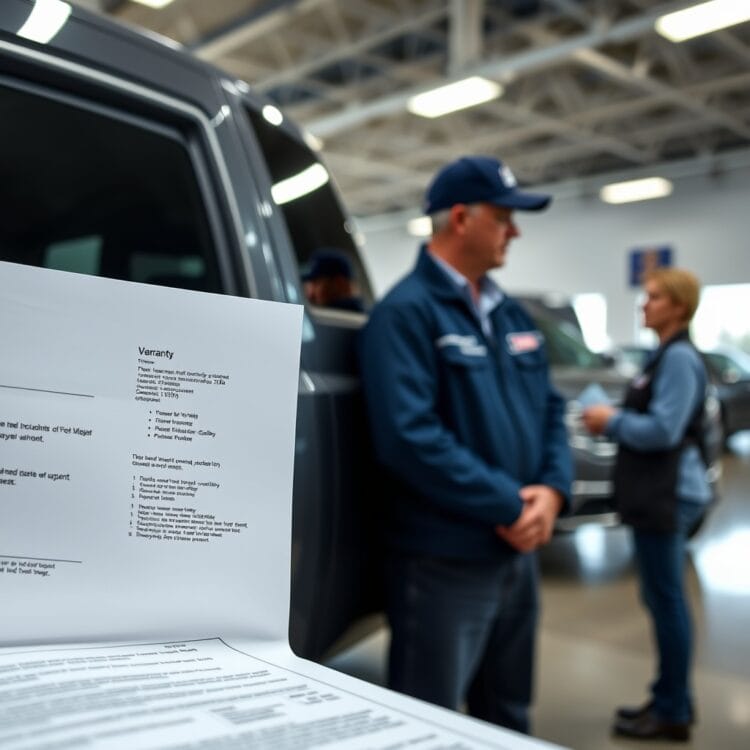
A strong warranty is a sign of a manufacturer’s confidence in their product. Brands like Toyota and Ford offer extensive coverage, often including powertrain warranties that last up to 10 years. This not only provides peace of mind but also reflects the long-term durability of their trucks.
Beyond warranties, excellent customer support and readily available parts are crucial. A truck is only as good as the service behind it, and leading manufacturers invest heavily in both. Whether it’s routine maintenance or major repairs, having reliable support ensures your truck stays on the road for years to come.
Engine Technologies for Enhanced Longevity
Diesel vs Gasoline Engines
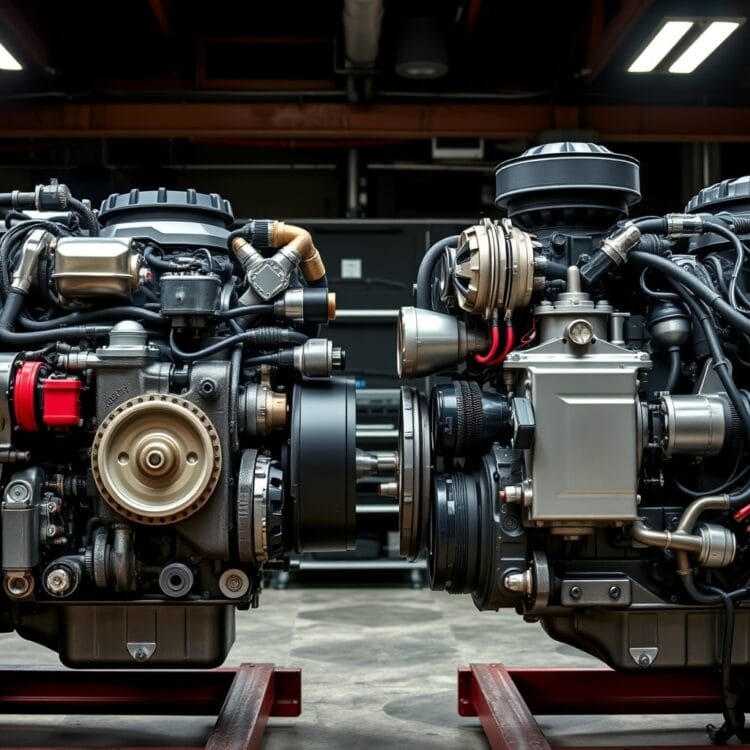
When it comes to longevity, diesel engines often outshine their gasoline counterparts. I’ve seen diesel trucks clocking over 300,000 miles with minimal issues, thanks to their robust construction and lower RPMs. Gasoline engines, while smoother and quieter, tend to wear out faster under heavy loads. If you’re after a truck that’ll go the distance, diesel is a solid bet—just be prepared for higher upfront costs and maintenance.
That said, modern gasoline engines are no slouches. Advances in materials and engineering have narrowed the gap, making them more durable than ever. We’ve tested trucks like the Ford F-150 with gasoline engines that easily surpass 200,000 miles. The key? Regular maintenance and avoiding excessive idling. Both fuel types have their merits, but diesel still holds the crown for sheer longevity.
Innovations in Engine Durability
Manufacturers are pushing the envelope with innovations like turbocharging and direct injection, which boost performance without sacrificing durability. I’ve been impressed by how these technologies reduce wear and tear, especially in high-stress environments. For example, Ford’s EcoBoost engines use smaller, turbocharged units that deliver power efficiently while lasting longer.
Another game-changer is the use of advanced alloys and coatings in engine components. These materials resist heat and friction, two of the biggest enemies of longevity. Our team has torn down engines with over 150,000 miles that looked nearly new inside. It’s clear that modern engineering is rewriting the rules of what’s possible in truck longevity.
Maintenance Practices for Longevity
Routine Maintenance Schedule
Sticking to a strict maintenance schedule is non-negotiable if you want your truck to last. I’ve seen too many owners skip oil changes or ignore fluid checks, only to face costly repairs down the line. Follow the manufacturer’s recommendations—whether it’s every 5,000 or 10,000 miles—and your truck will thank you with years of reliable service.
Don’t overlook the little things, either. Rotating tyres, checking brake pads, and replacing air filters might seem minor, but they add up. Our guide to common faults highlights how neglecting these tasks can lead to bigger issues. A well-maintained truck isn’t just a luxury; it’s a necessity for longevity.
Critical Maintenance Tasks
Some tasks are more critical than others. Changing the transmission fluid, for instance, can prevent catastrophic failure. I’ve witnessed trucks with neglected transmissions give out at 100,000 miles, while those with regular fluid changes sail past 200,000. Similarly, coolant flushes and timing belt replacements are small investments with huge payoffs.
Another often-overlooked area is the differential and transfer case fluids. These components work hard, especially in off-road or towing scenarios. Our team recommends servicing them every 50,000 miles to avoid premature wear. Trust me, a few hours in the shop now can save you thousands later.
DIY Maintenance Tips
Not all maintenance requires a mechanic. Simple tasks like checking tyre pressure, topping up fluids, and inspecting belts can be done at home. I’ve saved countless pounds by handling these myself, and it’s a great way to stay connected to your truck. Just be sure to use quality parts and follow the manual’s guidelines.
For those willing to get their hands dirty, oil changes and brake pad replacements are manageable DIY projects. Our comprehensive review of reliable models includes tips for at-home maintenance. Remember, though: if you’re unsure, it’s always better to consult a professional. A botched DIY job can cost more than paying for the service upfront.
Common Issues Affecting Truck Longevity
Rust and Corrosion Prevention
Rust is the silent killer of trucks, especially in regions with harsh winters or coastal climates. I’ve inspected trucks with pristine engines but crumbling frames due to unchecked corrosion. The solution? Regular undercarriage washes and applying rust-proofing treatments. These simple steps can add years to your truck’s life.
Pay special attention to areas like wheel wells and door seams, where moisture tends to collect. Our team swears by products like fluid film or wax-based coatings for long-term protection. If you’re buying used, a thorough inspection for rust is non-negotiable. Once it sets in, reversing the damage is costly and often impractical.
Wear and Tear on Critical Components
Every truck will experience wear, but some parts are more vulnerable than others. Suspension components, for example, take a beating on rough roads. I’ve replaced countless shocks and bushings on high-mileage trucks, and it’s always a wake-up call to address issues early. Ignoring them leads to cascading failures that shorten your truck’s lifespan.
Another weak point is the drivetrain, especially if you tow or haul frequently. U-joints, CV joints, and bearings wear out faster under heavy loads. Our research on durable vehicles shows that proactive replacements can prevent major breakdowns. Listen for unusual noises and address them promptly—your truck will run smoother and last longer.
Aftermarket Upgrades for Durability
Protective Coatings and Treatments
Aftermarket coatings can significantly extend your truck’s life. I’ve seen bed liners, ceramic coatings, and paint protection films work wonders against scratches and UV damage. These upgrades aren’t just cosmetic—they shield your truck from the elements, preserving its value and functionality. For off-road enthusiasts, skid plates and rock sliders are must-haves.
Don’t forget about the interior. UV-resistant window tints and leather protectors keep your cabin looking new for years. Our team recommends investing in quality products; cheap alternatives often peel or fade, leaving you with a mess. A little protection goes a long way in maintaining your truck’s longevity.
Performance Upgrades for Longevity
Not all upgrades are about speed. Many performance parts, like high-flow air filters and upgraded cooling systems, actually enhance durability. I’ve installed aftermarket radiators in trucks used for towing, and the difference in engine temperature and longevity is night and day. Even something as simple as synthetic oil can reduce wear and extend engine life.
For those pushing their trucks to the limit, consider reinforced drivetrain components. Heavy-duty axles, stronger transmissions, and upgraded bearings handle stress better than stock parts. According to Popular Mechanics, these upgrades are a smart investment for anyone serious about longevity. Just be sure to choose reputable brands and professional installation.
Real-World Examples of Long-Lasting Trucks
Case Studies of High-Mileage Trucks
When it comes to longevity, some pickup trucks stand out for their ability to rack up miles without breaking down. Take the Toyota Hilux, for example. Known as the “indestructible” truck, it’s not uncommon to find models with over 300,000 miles still running strong. Owners swear by its durability, often citing minimal repairs even after decades of use. Another standout is the Ford F-150, particularly models with the 5.0L V8 engine. Many report crossing the 250,000-mile mark with regular maintenance, proving that American trucks can go the distance too.
Diesel engines, like those in the Chevrolet Silverado 2500HD, also deserve mention. These workhorses are built for heavy-duty use, and it’s not unusual to see them surpass 400,000 miles. The key? Consistent oil changes and timely servicing. Whether it’s a Hilux or an F-150, these trucks show that longevity isn’t just about the brand—it’s about how you care for them. Real-world examples like these prove that with the right approach, your truck can outlast expectations.
Owner Testimonials and Experiences
Nothing speaks louder than the voices of truck owners themselves. One Hilux owner shared how their 1995 model still runs like new, despite years of off-road abuse. “It’s survived mud, sand, and even a few rollovers they said. Similarly, an F-150 enthusiast boasted about their 2010 model hitting 280,000 miles with only minor repairs. These stories highlight the emotional connection owners have with their trucks, often treating them like family members.
On the diesel side, a Silverado 2500HD owner recounted how their truck hauled heavy loads daily for 15 years without major issues. “It’s all about maintenance they emphasized. These testimonials aren’t just anecdotes—they’re proof that longevity is achievable. Whether it’s a Toyota, Ford, or Chevy, the common thread is clear: treat your truck well, and it’ll return the favour for years to come. Hearing from real owners adds a layer of trust that specs alone can’t provide.
Comparing New vs Used Truck Longevity
Benefits of Buying New
Buying a new truck comes with undeniable advantages, especially when it comes to longevity. Modern trucks are built with advanced materials and technologies designed to last longer than ever. For instance, newer models often feature rust-resistant frames and improved engine designs that reduce wear and tear. Plus, you get the full benefit of a manufacturer’s warranty, which can cover major repairs for years. This peace of mind is priceless for those who rely on their trucks for work or daily driving.
Another perk is the ability to customise your truck from the start. You can opt for features like upgraded transmissions or heavy-duty suspensions, which enhance durability. New trucks also come with the latest safety tech, reducing the risk of accidents that could shorten a vehicle’s lifespan. While the upfront cost is higher, the long-term savings on repairs and maintenance can make it a smart investment. For those who want reliability straight out of the gate, new is the way to go.
Advantages of Pre-Owned Trucks
Pre-owned trucks offer their own set of benefits, especially for budget-conscious buyers. A well-maintained used truck can deliver years of reliable service at a fraction of the cost of a new one. Many used trucks have already proven their longevity, with service records to back up their condition. For example, a Toyota Tacoma with 100,000 miles still has plenty of life left, thanks to its reputation for durability. Buying used also means avoiding the steep depreciation that hits new vehicles the moment they leave the lot.
Another advantage is the ability to afford higher trim levels or more powerful engines that might be out of reach when buying new. Plus, with certified pre-owned programs, you can still get warranty coverage and peace of mind. The key is doing your homework—checking vehicle history reports and getting a thorough inspection. For those willing to put in the effort, a used truck can be a golden opportunity to own a reliable vehicle without breaking the bank.
The Role of Driving Habits in Truck Longevity
Impact of Aggressive Driving
Aggressive driving is one of the quickest ways to shorten your truck’s lifespan. Hard acceleration, sudden braking, and high-speed cornering put excessive stress on the engine, transmission, and suspension. Over time, this leads to premature wear and costly repairs. For example, constantly revving the engine can cause overheating and reduce its overall lifespan. Similarly, abrupt stops wear out brake pads and rotors faster, increasing maintenance costs. If you want your truck to last, smooth and steady driving is the way to go.
Another downside of aggressive driving is reduced fuel efficiency, which indirectly affects longevity. More fuel consumption means more frequent trips to the pump, and over time, this adds unnecessary strain to the fuel system. It’s not just about mechanical wear—rough driving also increases the risk of accidents, which can drastically shorten your truck’s life. Adopting a calmer driving style isn’t just safer; it’s a smart strategy for keeping your truck on the road for years.
Best Practices for Prolonging Truck Life
Good driving habits are the foundation of a long-lasting truck. Start with regular maintenance—oil changes, fluid checks, and tire rotations should be non-negotiable. Following the manufacturer’s recommended schedule ensures your truck runs smoothly for years. Another tip is to avoid overloading. While trucks are built for heavy loads, consistently pushing them beyond their limits accelerates wear on the suspension and drivetrain. Stick to the recommended payload capacity to keep your truck in top shape.
Warm up your engine in cold weather before hitting the road. This simple step reduces internal stress and prolongs engine life. Also, pay attention to how you use your truck. If you frequently tow or haul, consider upgrading to heavy-duty components. Finally, store your truck properly when not in use—garaging it protects against rust and weather damage. Small habits like these add up, turning your truck into a long-term companion rather than a short-lived investment.
Environmental Factors and Truck Durability
Climate Considerations
Climate plays a huge role in how long your truck lasts. In colder regions, road salt speeds up rust and corrosion, eating away at the frame and undercarriage. Regular washes, especially during winter, can mitigate this damage. On the flip side, extreme heat can cause engine overheating and degrade rubber components like hoses and belts. If you live in a hot climate, consider using synthetic oils and checking coolant levels frequently. Both extremes demand extra care to keep your truck running smoothly.
Humidity is another factor—high moisture levels promote rust, while dry climates can crack leather interiors and fade paint. Coastal areas bring salt air, which accelerates corrosion even without snow. Tailoring your maintenance routine to your environment is key. For example, rust-proofing treatments are a must in salty or humid areas. Understanding your local climate’s challenges helps you take proactive steps to protect your truck’s longevity.
Storage and Protection Strategies
How you store your truck when it’s not in use can make or break its lifespan. If possible, park it in a garage or under a carport to shield it from the elements. For long-term storage, use a breathable cover to prevent moisture buildup. Disconnect the battery to avoid drainage, and consider using fuel stabilisers to keep the tank from corroding. Elevating the tires or using tire cradles prevents flat spots during extended periods of inactivity.
For those without garage space, regular cleaning and waxing can protect the exterior from sun and rain damage. Investing in a quality windshield cover also prevents UV damage to the dashboard. Small efforts like these go a long way in preserving your truck’s condition. Whether you’re storing it for weeks or just overnight, proper protection ensures your truck stays ready for the road, no matter what Mother Nature throws its way.
Technological Advancements in Truck Durability
Latest Durability Technologies
We’ve seen incredible strides in truck durability, thanks to cutting-edge technologies. Advanced materials like high-strength steel and aluminium alloys are now standard, reducing weight while boosting strength. Innovations in corrosion-resistant coatings and rust-proofing treatments ensure longevity, even in harsh climates. These breakthroughs are transforming how trucks withstand wear and tear, making them more reliable than ever. It’s not just about brute strength anymore—it’s about smart engineering.
Another game-changer is predictive maintenance technology. Sensors monitor critical components, alerting us to potential issues before they escalate. This proactive approach minimises downtime and extends the lifespan of the truck. Combine this with improved engine cooling systems and reinforced drivetrains, and you’ve got a recipe for unparalleled durability. We’re living in an era where trucks are built to last, and these technologies are leading the charge.
Future Trends in Truck Longevity
The future of truck durability looks even brighter. Electric and hybrid powertrains are set to revolutionise longevity by reducing mechanical stress on engines and transmissions. Self-healing materials, though still in development, promise to automatically repair minor scratches and dents. Imagine a truck that heals itself—it’s not science fiction anymore. These trends are paving the way for trucks that last decades with minimal maintenance.
Artificial intelligence is another frontier. AI-driven diagnostics will predict failures with pinpoint accuracy, optimising maintenance schedules. Lightweight composites and 3D-printed parts will further enhance durability while reducing costs. We’re on the cusp of a new era where trucks aren’t just durable—they’re virtually indestructible. The future is here, and it’s built to last.
Cost Analysis of Owning a Long-Lasting Truck
Initial Purchase vs Long-Term Savings
Buying a durable truck might seem expensive upfront, but the long-term savings are undeniable. A high-quality truck with a reputation for longevity often retains its value better, reducing depreciation costs. Lower maintenance expenses and fewer repairs add up over time, making the initial investment worthwhile. We’ve crunched the numbers, and the savings over a decade can be substantial. It’s a classic case of spending more now to save later.
Fuel efficiency also plays a role. Modern durable trucks often come with advanced engines that consume less fuel, further cutting costs. Add in extended warranty options, and the financial benefits become even clearer. When you factor in resale value, maintenance, and fuel savings, the total cost of ownership often favours durable models. It’s not just about the sticker price—it’s about the bigger picture.
Calculating Total Cost of Ownership
To truly understand the value of a long-lasting truck, you need to calculate the total cost of ownership. Start with the purchase price, then add estimated maintenance, fuel, insurance, and depreciation over five to ten years. Durable trucks typically score lower in all these categories. For example, fewer breakdowns mean less downtime and lower repair bills. It’s a holistic approach that reveals the real cost.
Don’t forget to consider financing options. Lower interest rates for reliable models can further reduce costs. We recommend using online calculators or consulting experts to get accurate estimates. The bottom line? A durable truck might cost more upfront, but it pays for itself in the long run. Smart buyers know it’s not just about the price—it’s about the value.
Selecting the Right Long-Lasting Pickup Truck for You
Assessing Your Needs and Budget
Choosing the right truck starts with understanding your needs. Are you hauling heavy loads daily, or is it for occasional use? Your usage dictates the level of durability required. Budget is another critical factor. While durable trucks cost more, they offer better value over time. We suggest listing must-have features and comparing models that fit your criteria. It’s about finding the perfect balance.
Consider fuel type too. Diesel engines, for instance, are known for their longevity but come with higher upfront costs. Gasoline engines might be cheaper initially but could require more maintenance. Weigh the pros and cons based on your driving habits and budget. Remember, the right truck isn’t just about today—it’s about the next decade.
Test Driving and Evaluation Tips
A test drive is your chance to evaluate a truck’s durability firsthand. Pay attention to engine noise, transmission smoothness, and overall build quality. Check for rust or weak spots in the frame. We recommend driving on different terrains to assess performance. Don’t rush this step—it’s your best opportunity to spot potential issues before buying.
Research is equally important. Read reviews, check reliability ratings, and talk to current owners. Look for models with a proven track record of longevity. We’ve found that trucks with strong warranties and manufacturer support tend to last longer. Take your time, do your homework, and you’ll find a truck that stands the test of time.
Making an Informed Decision
Once you’ve narrowed down your options, it’s time to make a decision. Compare total cost of ownership, not just the purchase price. Consider resale value, maintenance costs, and fuel efficiency. We always recommend consulting with a trusted mechanic or expert before finalising your choice. It’s a big investment, and you want to get it right.
Don’t overlook aftermarket support either. Trucks with a wide range of available parts and upgrades are easier to maintain long-term. We’ve seen buyers regret impulsive decisions—take your time and choose wisely. A durable truck is a long-term partner, and the right choice will serve you well for years to come.
Frequently Asked Questions
What is the most durable pickup truck on the market?
The Toyota Hilux and Ford F-150 are often cited as the most durable trucks, thanks to their robust construction and proven reliability. Both models excel in longevity, with many owners reporting high mileage without major issues. It ultimately depends on your specific needs and budget, but these trucks are a solid starting point.
How can I extend the lifespan of my pickup truck?
Regular maintenance is key. Follow the manufacturer’s service schedule, use high-quality parts, and address issues promptly. Protect your truck from rust with undercoating and wash it frequently. Avoid aggressive driving and overloading, as these habits accelerate wear and tear. A little care goes a long way in ensuring your truck lasts.
Are diesel trucks more durable than gasoline trucks?
Generally, yes. Diesel engines are built to withstand higher compression and often last longer than gasoline engines. They’re ideal for heavy-duty use but come with higher upfront costs. Gasoline trucks are cheaper to maintain initially but may require more frequent repairs over time. Your choice should align with your usage and budget.
What role does driving habit play in truck longevity?
Driving habits significantly impact durability. Aggressive acceleration, harsh braking, and overloading strain the engine, transmission, and suspension. Smooth driving, proper load management, and regular breaks during long hauls reduce wear. Treat your truck well, and it’ll reward you with years of reliable service.