Why Has Ford Stopped Making the Focus?
Introduction
I’ve been thinking a lot about why Ford decided to pull the plug on the Focus, a car that’s been a staple in their lineup for decades. It’s a move that’s left many of us wondering—what’s behind this decision? From shifting consumer preferences to Ford’s strategic pivot towards SUVs and electric vehicles, there’s a lot to unpack. Let’s dive into the reasons and what this means for the automotive landscape.
Key Takeaways
- Consumer demand has shifted heavily towards SUVs and trucks, leaving compact cars like the Focus behind.
- Ford is prioritising electric vehicles and larger models to align with market trends and profitability.
- Stricter environmental regulations have made compact cars less viable in the long term.
- The Focus’s discontinuation reflects a broader industry trend away from sedans and hatchbacks.
The Evolution of the Ford Focus
The Ford Focus debuted in 1998, quickly becoming a global success. Its sleek design, affordability, and driving dynamics won over millions. Over the years, it evolved with new technologies and features, cementing its place as a beloved compact car. But as the market changed, so did Ford’s priorities.
Key milestones, like the introduction of the ST and RS performance variants, showcased the Focus’s versatility. However, despite its popularity, the Focus couldn’t escape the industry’s shift towards larger vehicles. Ford’s global strategy now focuses on models that promise higher margins and align with future mobility trends.
Market Trends Leading to the Focus’s Discontinuation
One of the biggest factors is the rise of SUVs and trucks. Consumers today prefer the space, height, and perceived safety of these vehicles. Compact cars, once the go-to choice, now struggle to compete. The Focus, despite its merits, couldn’t buck this trend. Ford’s decision to phase it out mirrors actions taken by other manufacturers.
Electric vehicles (EVs) are another game-changer. Ford is investing heavily in EVs, and the Focus doesn’t fit into this new vision. Models like the Mustang Mach-E and the upcoming electric Explorer are where Ford sees its future. The Focus, as a traditional internal combustion vehicle, simply doesn’t align with this forward-looking strategy.
Market Trends Leading to the Focus’s Discontinuation
Shifting consumer preferences towards SUVs and trucks
We’ve seen a dramatic shift in what buyers want, and it’s no secret that SUVs and trucks now dominate the market. I remember when the Focus was a top seller, but today, consumers crave the space, versatility, and rugged appeal of larger vehicles. Ford noticed this trend early on, and it became clear that compact cars like the Focus were losing their appeal. The numbers don’t lie—sales of SUVs and trucks have skyrocketed, while sedans and hatchbacks have taken a backseat.
It’s not just about size, though. The perception of SUVs as safer and more practical has driven this change. Families, in particular, prefer the higher seating position and extra cargo room. We can’t ignore the role of marketing either, with automakers heavily promoting their SUV lineups. The Focus, despite its stellar reputation, simply couldn’t compete with the allure of models like the Ford Escape or Explorer.
The impact of electric vehicle trends on compact cars
Electric vehicles (EVs) are reshaping the automotive landscape, and compact cars like the Focus are caught in the crossfire. While the Focus was once a leader in fuel efficiency, EVs now offer a greener alternative without compromising performance. Ford’s decision to pivot towards electric models, such as the Mustang Mach-E, reflects this shift. The Focus, with its traditional combustion engine, no longer aligns with the company’s vision for a sustainable future.
Moreover, governments worldwide are pushing for stricter emissions regulations, making it harder for petrol-powered compact cars to stay relevant. The Focus, despite its efficiency, couldn’t meet the evolving standards without significant investment. Ford chose to allocate resources to EVs instead, leaving the Focus behind. It’s a tough pill to swallow, but it’s the reality of an industry racing toward electrification.
Ford’s Strategic Shift in Vehicle Production
Ford’s decision to prioritise SUVs and electric vehicles
Ford’s strategy has evolved, and it’s all about playing to the strengths of the current market. We’ve watched as the company doubled down on SUVs and EVs, recognising where the demand lies. The Focus, while beloved, didn’t fit into this new roadmap. Ford’s leadership made the tough call to discontinue the Focus to free up resources for more profitable and future-proof models. It’s a business decision, plain and simple, but one that makes sense in today’s climate.
The shift isn’t just about chasing trends—it’s about survival. SUVs and EVs command higher profit margins, and Ford needs those to stay competitive. The Focus, despite its loyal fanbase, couldn’t deliver the same financial returns. By focusing on models like the Bronco and F-150 Lightning, Ford is betting big on what consumers actually want. It’s a bold move, but one that could pay off in the long run.
How the Focus fits into Ford’s future plans
While the Focus is no longer in production, its legacy lives on in Ford’s broader strategy. The lessons learned from the Focus—efficiency, agility, and driver engagement—are being applied to newer models. Ford hasn’t abandoned compact car buyers entirely; instead, it’s exploring how to meet their needs with EVs and crossover hybrids. The Focus may be gone, but its spirit influences the next generation of Ford vehicles.
For now, though, the Focus remains a footnote in Ford’s history. The company is laser-focused on SUVs and EVs, and the Focus doesn’t have a place in that vision. It’s a bittersweet reality for fans, but Ford’s priority is clear: adapt or risk falling behind. The Focus was a victim of this relentless pursuit of progress.

Economic Factors Influencing the Decision
Production costs versus profitability of the Focus
Let’s talk numbers. Producing the Focus wasn’t cheap, and the returns just didn’t justify the investment. We’ve seen how rising material costs and labour expenses squeezed margins, making it harder for Ford to turn a profit on the Focus. Compact cars, in general, have lower price points, and with consumers willing to pay more for SUVs, the math simply didn’t add up. Ford had to ask: why keep making a car that’s barely breaking even?
It’s not just about the immediate costs, either. Retooling factories to meet modern standards would have required significant capital. Ford weighed the options and decided it was smarter to allocate those funds elsewhere. The Focus, while iconic, became a financial liability in a market that no longer favoured it. Sometimes, sentimentality has to take a backseat to cold, hard economics.
The role of global economic conditions
The global economy plays a huge role in automotive decisions, and the Focus was no exception. We’ve seen how trade tensions, supply chain disruptions, and fluctuating demand impacted Ford’s bottom line. Producing the Focus in multiple regions became increasingly complex and costly. Ford needed to streamline operations, and discontinuing the Focus was part of that effort. It’s a reminder that even the most beloved cars aren’t immune to macroeconomic forces.
Add to that the uncertainty of post-pandemic recovery, and Ford’s decision makes even more sense. The company had to prioritise stability and profitability, and the Focus no longer fit into that equation. It’s a tough reality, but one that underscores the challenges of operating in a global market. The Focus was a casualty of these broader economic shifts, and Ford had to make the call to move on.
For more insights into Ford’s strategic shifts, check out our detailed analysis. You might also find our piece on running costs enlightening. If you’re curious about resale values, we’ve got you covered. And for a broader look at the market, explore our farewell to the Fiesta. For an external perspective, this article dives deeper into Ford’s decisions.
The Impact of Environmental Regulations
Stricter emissions standards have significantly impacted the production of compact cars like the Ford Focus. Governments worldwide are pushing for cleaner vehicles, and meeting these regulations has become costly for manufacturers. Ford, like many others, has had to reassess its lineup to comply with these stringent policies. The Focus, while efficient, couldn’t compete with the lower emissions of newer electric models.
Ford’s adaptation to environmental policies has been strategic. By shifting focus to electric vehicles (EVs) and hybrids, the company aligns with global sustainability goals. This move not only ensures compliance but also positions Ford as a leader in the green automotive revolution. The discontinuation of the Focus reflects this broader shift towards a more eco-conscious future.
Consumer Demand and the Decline of Sedans
The drop in sedan sales has been a key factor in Ford’s decision to stop producing the Focus. Consumers are increasingly opting for SUVs and trucks, which offer more space and versatility. This shift in preference has left compact cars like the Focus struggling to maintain their market share. Ford’s response has been to prioritise models that align with current demand.
What are consumers buying instead? SUVs and crossovers dominate the market, offering the practicality and style that modern drivers crave. Ford’s EcoSport and Puma are prime examples of this trend. These models cater to the evolving needs of buyers, leaving little room for traditional sedans like the Focus.
The Role of Electric Vehicles in Ford’s Strategy
Ford’s investment in electric vehicle technology has been a game-changer. The company is pouring resources into developing EVs that rival traditional combustion engines in performance and affordability. Models like the Mustang Mach-E and the upcoming electric Explorer highlight Ford’s commitment to this new era. The Focus, with its conventional engine, no longer fits this vision.
Electric vehicles are replacing traditional models like the Focus because they offer lower running costs and environmental benefits. Ford’s strategy is clear: focus on EVs to stay competitive. This shift not only meets regulatory demands but also appeals to a growing segment of eco-conscious consumers. The Focus’s discontinuation is a natural step in this transition.

Comparing the Focus to Its Competitors
How did the Focus stack up against other compact cars? While it was once a leader in its segment, rivals like the Volkswagen Golf and Honda Civic have outpaced it in terms of innovation and features. The Focus’s design and technology, though reliable, couldn’t keep up with the rapid advancements in the market. This made it less appealing to modern buyers.
Why are competitors also phasing out similar models? The decline of compact cars isn’t unique to Ford. Brands like Chevrolet and Nissan have also scaled back their sedan offerings. The market is shifting, and manufacturers are adapting. Ford’s decision to discontinue the Focus mirrors a broader industry trend towards SUVs and EVs. For more insights, check out this external resource on Ford’s strategy.
The Global Perspective on the Focus’s Discontinuation
Differences in the Focus’s popularity by region
The Ford Focus enjoyed varying levels of success across global markets, with Europe being its strongest stronghold. In the UK, the Focus was a best-seller, thanks to its blend of practicality and driving dynamics. However, in the US, demand waned as consumers shifted towards SUVs and trucks. Asia, particularly China, saw mixed reactions, with local competitors dominating the compact segment. These regional disparities played a crucial role in Ford’s decision to discontinue the model, as it became harder to justify production for shrinking markets.
Despite its decline in some regions, the Focus remained a favourite among enthusiasts in Europe, where its sportier variants like the ST and RS thrived. The car’s legacy in motorsport, especially in rallying, further cemented its reputation. Yet, even in these markets, the writing was on the wall. The rise of crossovers and electric vehicles overshadowed the Focus’s appeal, making it a niche product rather than a mainstream success. Ford’s global strategy had to adapt, and the Focus simply didn’t fit the new direction.
How global markets influenced Ford’s decision
Ford’s decision to axe the Focus wasn’t made in isolation—it was a response to shifting global trends. In Europe, stricter emissions regulations made it costly to keep the Focus compliant, while in the US, the model’s sales couldn’t justify the investment. Emerging markets like India and South America showed little interest in compact cars, preferring budget SUVs instead. These factors collectively pushed Ford to prioritise models with higher profitability and broader appeal, such as the Ford Fiesta and the Mustang Mach-E.
The Focus’s discontinuation also reflected Ford’s broader pivot towards electrification. With governments worldwide incentivising EVs, Ford redirected resources to develop electric models like the Mustang Mach-E and the upcoming electric Explorer. The Focus, despite its storied history, couldn’t compete in this new landscape. By focusing on high-demand segments and future-proof technologies, Ford aims to stay competitive in a rapidly evolving industry. The Focus’s exit is a stark reminder of how global market dynamics can reshape even the most iconic nameplates.
The Aftermath for Current Ford Focus Owners
What the discontinuation means for maintenance and parts
For current Focus owners, the discontinuation raises concerns about long-term support. Ford has assured that parts and servicing will remain available for years, thanks to existing stock and aftermarket suppliers. However, as time passes, sourcing specific components, especially for rarer variants like the RS, may become challenging. Owners should consider building relationships with trusted mechanics and stocking up on critical parts to avoid future headaches. The resale value of the Focus could also be impacted, though well-maintained examples may hold their value better than expected.
Independent garages and specialist tuners will likely play a bigger role in keeping Focuses on the road. Enthusiast communities and online forums are already buzzing with advice on DIY fixes and part swaps. Ford’s official network will continue to offer support, but owners might find better deals and expertise elsewhere. The key takeaway? Proactive maintenance and a bit of research can go a long way in ensuring your Focus remains reliable for years to come.
Resale value and longevity of the Focus
The Focus’s resale value will depend on several factors, including its condition, mileage, and variant. Sportier models like the ST and RS are likely to retain their value better, thanks to their cult following. Standard models, however, may depreciate faster as buyers gravitate towards newer, more modern alternatives. That said, the Focus’s reputation for durability and fun driving dynamics could help it defy the odds, especially in markets where compact cars still hold appeal.
Longevity-wise, the Focus is built to last, with many examples clocking over 200,000 miles with proper care. Its robust engineering and widespread availability of parts (for now) make it a solid choice for budget-conscious buyers. As the market shifts, the Focus could even become a future classic, particularly in high-spec or limited-edition trims. For now, owners should focus on preserving their cars’ condition and staying informed about the evolving aftermarket landscape.
Ford’s Replacement Strategies for the Focus
Introducing new models to fill the gap
Ford isn’t leaving the compact segment entirely—it’s just redefining it. The Puma, a small crossover, has effectively replaced the Focus for many buyers, offering similar practicality with a higher ride height. The upcoming electric Explorer will also cater to compact car buyers, albeit in a more futuristic package. These models reflect Ford’s strategy of meeting consumer demand for SUVs and EVs while still offering the versatility that made the Focus popular.
In Europe, the Fiesta continues to hold the fort in the compact segment, though its future is also uncertain. Ford’s focus on profitability means it’s unlikely to revive the Focus nameplate anytime soon. Instead, the company is betting on models like the Puma and the Mustang Mach-E to attract former Focus buyers. It’s a bold move, but one that aligns with the industry’s broader shift towards electrification and crossover dominance.
How Ford is addressing the needs of compact car buyers
Ford understands that compact car buyers prioritise efficiency, affordability, and driving enjoyment. The Puma, for example, offers a sporty driving experience reminiscent of the Focus, along with hybrid options for eco-conscious drivers. The Mustang Mach-E, while more premium, delivers the performance and tech that modern buyers crave. By diversifying its lineup, Ford aims to cater to a wider range of preferences without relying on a single model.
The company is also investing heavily in connected features and autonomous driving tech, ensuring its future models remain competitive. While the Focus may be gone, its spirit lives on in Ford’s commitment to innovation. For buyers who loved the Focus, there are still plenty of options—just not in the traditional compact sedan or hatchback form. The automotive landscape is changing, and Ford is determined to stay ahead of the curve.
The Future of Compact Cars in the Automotive Industry
Predictions for the compact car segment
The compact car segment is at a crossroads, with traditional models like the Focus fading away and new alternatives emerging. Analysts predict that compact crossovers and electric vehicles will dominate the space, offering the practicality of a small car with the added benefits of higher seating and eco-friendly powertrains. Brands like Toyota and Volkswagen are already leading the charge with models like the Corolla Cross and ID.3, proving that the segment isn’t dead—it’s evolving.
However, purists may lament the loss of driving-focused compacts like the Focus. While SUVs and EVs offer undeniable advantages, they often sacrifice the agility and engagement that made cars like the Focus so beloved. The hope is that manufacturers will find ways to inject that fun into their new offerings, perhaps through sporty variants or innovative chassis tuning. The compact car of the future may look different, but its core appeal doesn’t have to disappear.
The potential for a compact car comeback
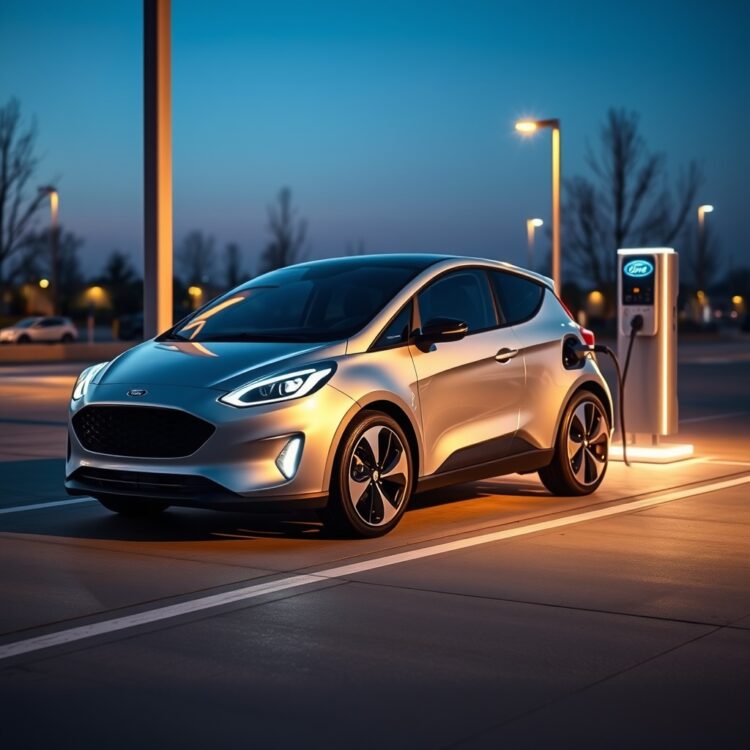
Could the compact car stage a comeback? It’s possible, but unlikely in its traditional form. Instead, we might see a resurgence of compact EVs, combining the efficiency of a small car with cutting-edge technology. Ford’s electric Puma is a prime example of this trend, blending compact dimensions with zero-emission driving. As battery costs fall and charging infrastructure improves, these models could become the new norm, appealing to urban drivers and eco-conscious buyers alike.
Another wildcard is autonomous driving. If self-driving tech becomes mainstream, compact cars could regain relevance as affordable, efficient mobility solutions. Imagine a Focus-sized EV that drives itself—perfect for city dwellers. The future is uncertain, but one thing’s clear: the compact car isn’t going away entirely. It’s just adapting to a new era, and Ford plans to be at the forefront of that transformation. For now, we’ll have to wait and see what the next chapter holds.
How Dealerships Are Adapting to the Change
Strategies for selling remaining Focus inventory
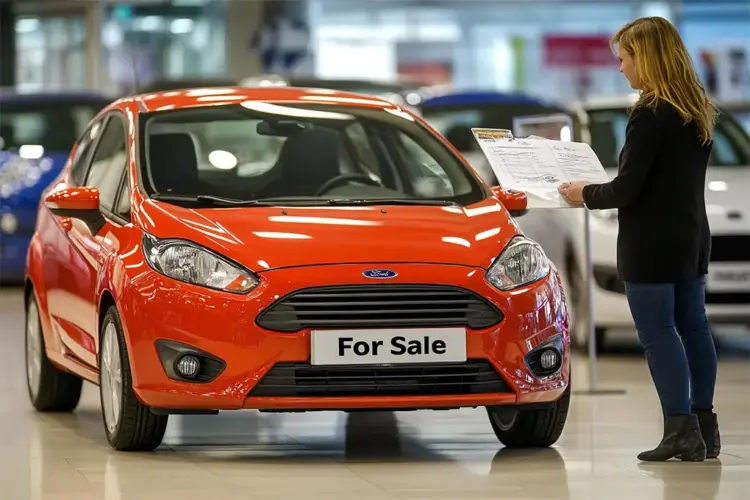
Dealerships are leveraging targeted promotions and discounts to clear remaining Ford Focus stock. We’ve seen exclusive financing offers and trade-in incentives to attract buyers. Some dealers are bundling extended warranties or free maintenance packages to sweeten the deal. It’s a smart move—capitalising on the Focus’s legacy while making room for newer models like the Puma.
Another tactic is highlighting the Focus’s reliability and resale value. Dealers are emphasising its proven track record to reassure hesitant buyers. Limited-time offers and VIP events are also driving foot traffic. It’s all about creating urgency and showcasing the Focus as a last-chance opportunity before it’s gone for good.
Transitioning customers to other Ford models
With the Focus phased out, dealers are steering customers toward alternatives like the Ford Puma or Kuga. We’re training staff to highlight the benefits of these models, from SUV practicality to advanced tech features. Test drives and comparison tools are helping buyers see the value in upgrading. It’s a seamless shift, ensuring no one feels left behind.
Personalised consultations are key. Dealers are tailoring recommendations based on customer needs, whether it’s fuel efficiency or cargo space. The goal? To make the transition feel like a natural progression. By focusing on the strengths of Ford’s newer lineup, we’re turning the end of the Focus into a fresh start for buyers.
The Role of Technology in the Focus’s Discontinuation
Advances in automotive technology and consumer expectations
The Focus couldn’t keep up with the rapid pace of tech advancements. Today’s buyers expect cutting-edge infotainment, driver-assist features, and connectivity—areas where newer models excel. We’ve seen demand shift toward vehicles with over-the-air updates and hybrid options, leaving the Focus behind. It’s a reminder that innovation waits for no one.
Ford’s pivot to electric and hybrid tech also played a role. The Focus’s traditional powertrain couldn’t compete with the efficiency of newer alternatives. Consumers now prioritise sustainability, and the Focus’s lack of electrification options made it a harder sell. The writing was on the wall—adapt or disappear.
How technology trends made the Focus less competitive
Competitors like Volkswagen and Hyundai rolled out compact cars packed with tech, overshadowing the Focus. Features like adaptive cruise control and touchscreen dashboards became standard elsewhere. Ford’s decision to discontinue the Fiesta mirrored this trend, focusing resources on more advanced models. The Focus simply couldn’t keep up with the tech arms race.
Even the Focus’s design felt dated compared to sleeker, more aerodynamic rivals. Buyers today want cars that look as smart as they drive. Without a major redesign or tech overhaul, the Focus lost its edge. It’s a lesson in how quickly consumer preferences evolve—and how crucial it is to stay ahead.
Reflecting on the Legacy of the Ford Focus
The Focus’s contributions to automotive design and innovation
The Focus revolutionised compact car design with its bold styling and agile handling. We remember it as a game-changer, setting benchmarks for ride quality and practicality. Its hot-hatch variants like the ST and RS became icons, blending performance with everyday usability. The Focus proved that small cars could be fun and functional—a legacy that endures.
Innovations like the EcoBoost engine showcased Ford’s engineering prowess. The Focus also pioneered safety tech, earning top crash-test ratings. It wasn’t just a car; it was a blueprint for what compact vehicles could achieve. Even as it bows out, its influence is undeniable.
Memorable moments in the Focus’s history
From rally victories to starring roles in films, the Focus had its share of glory. We’ll never forget the RS’s drift mode or the ST’s roaring exhaust note. It was a car that connected with drivers on an emotional level, whether as a first car or a weekend warrior. The Focus wasn’t just reliable—it was aspirational.
Its global success, from Europe to North America, cemented its place in automotive history. Even as Ford shifts focus to SUVs and EVs, the Focus’s spirit lives on. It’s a reminder of how one car can leave an indelible mark on an industry—and on the hearts of drivers everywhere.
Frequently Asked Questions
What will happen to my Ford Focus now that it’s discontinued?
Your Ford Focus will still be supported with parts and servicing. Dealerships and third-party garages will continue to offer maintenance, and warranties remain valid. Resale values may dip slightly, but the Focus’s reputation for reliability should help retain demand.
Why did Ford stop making the Focus?
Ford stopped making the Focus due to shifting consumer preferences toward SUVs and electric vehicles. The compact car segment declined, and Ford chose to reallocate resources to more profitable and future-proof models. It’s part of a broader strategy to focus on electric and hybrid vehicles.
Are there any direct replacements for the Ford Focus?
Ford offers the Puma and Kuga as alternatives, blending compact dimensions with SUV versatility. While not identical, these models cater to similar needs with modern tech and efficiency. The Puma, in particular, is positioned as a spiritual successor to the Focus.
Will the Ford Focus ever return?
While Ford hasn’t ruled out a future compact car, any return would likely be electric. The brand’s focus is on electrification, so a revival would depend on market demand and technological advancements. For now, the Focus’s legacy lives on in Ford’s evolving lineup.