Introduction
Ever wondered why Ford, a name synonymous with iconic cars like the Mustang and Focus, has shifted its focus away from traditional sedans? I’ve been digging into this, and the answer isn’t as simple as you might think. Ford’s decision to stop making cars isn’t just about trends—it’s a strategic move driven by market demands, profitability, and a vision for the future. Let’s unpack this fascinating shift together.
Key Takeaways
- Ford’s pivot to trucks and SUVs reflects changing consumer preferences for larger, more versatile vehicles.
- Profit margins on trucks and SUVs are significantly higher than those on traditional sedans.
- Environmental regulations and emission standards have influenced Ford’s product strategy.
- The rise of electric vehicles and autonomous technology is reshaping Ford’s long-term plans.
- Ford’s decision mirrors a broader industry trend, with competitors also adapting to market shifts.
How Well Do You Know Ford?
The Shift in Ford’s Product Strategy
Understanding Ford’s Historical Car Lineup
Ford’s legacy is built on cars like the Model T, Mustang, and Focus—vehicles that defined generations. For decades, sedans were the backbone of Ford’s lineup, appealing to families and commuters alike. But as consumer tastes evolved, so did Ford’s priorities. The company began to notice a decline in sedan sales, while demand for trucks and SUVs soared. This shift wasn’t just a blip; it was a fundamental change in what drivers wanted.
The Decision to Focus on Trucks and SUVs
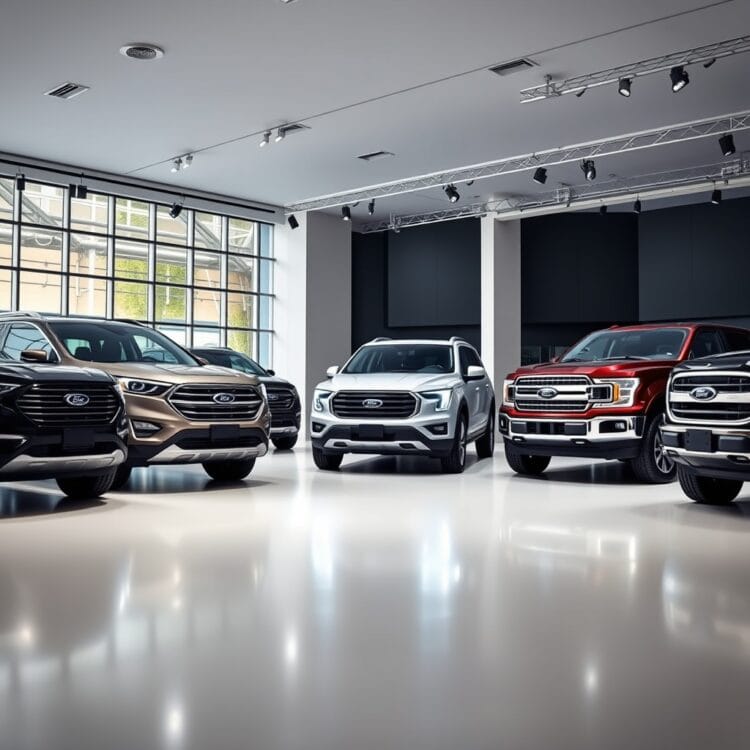
In 2018, Ford announced it would phase out most of its North American car lineup, focusing instead on trucks, SUVs, and crossovers. Why? The numbers spoke for themselves. Trucks like the F-150 and SUVs like the Explorer generated higher profits and stronger sales. Ford realised it could no longer justify investing in low-margin sedans when the market was clearly moving in a different direction. It was a bold move, but one that made financial sense.
Market Trends Influencing Ford’s Strategy
The rise of SUVs and trucks isn’t unique to Ford—it’s a global phenomenon. Consumers today prioritise space, versatility, and ruggedness, qualities that sedans often lack. Additionally, advancements in automotive technology have made larger vehicles more fuel-efficient, eroding one of the key advantages of traditional cars. Ford’s shift is a direct response to these trends, ensuring it stays competitive in a rapidly changing industry.
Another factor? The growing popularity of Ford’s SUVs and trucks among younger buyers. Once seen as purely utilitarian, these vehicles are now stylish, tech-savvy, and aspirational. Ford’s bet on this segment isn’t just about today—it’s about securing its place in the future of mobility.
Analyzing Consumer Demand Changes
The Rise of SUV and Truck Popularity
We’ve seen a seismic shift in what consumers want from their vehicles. Gone are the days when sedans ruled the roads. Today, SUVs and trucks dominate, and Ford has been quick to adapt. I remember when the Explorer first hit the scene—it was a game-changer. Now, it’s not just about practicality; it’s about lifestyle. People want space, versatility, and a sense of adventure. Ford’s decision to focus on these segments isn’t just a gamble—it’s a response to what buyers are demanding. The numbers don’t lie: SUVs and trucks now account for over 80% of Ford’s sales. That’s a trend we can’t ignore.
But why the sudden love for larger vehicles? It’s partly about perception. SUVs and trucks offer a sense of security and capability that sedans simply can’t match. Whether it’s hauling kids to soccer practice or tackling off-road trails, these vehicles deliver. Ford’s Fiesta and Focus were great cars, but they couldn’t compete with the allure of an F-150 or an Explorer. The market has spoken, and Ford is listening.
Consumer Preferences in the 21st Century
The 21st century has rewritten the rules of automotive preference. It’s not just about getting from A to B anymore—it’s about how you feel doing it. I’ve noticed that younger buyers, in particular, are drawn to SUVs and trucks. They want tech, comfort, and a vehicle that reflects their personality. Ford’s investment in features like SYNC infotainment and advanced driver-assist systems has paid off. These innovations make larger vehicles feel more accessible and user-friendly, even for city dwellers.
Another factor? The rise of ride-sharing and urban mobility solutions. Many consumers no longer see cars as a necessity for daily commuting. Instead, they’re opting for larger vehicles for weekend getaways or family trips. Ford’s pivot to SUVs and trucks aligns perfectly with this shift. By focusing on what buyers actually want, Ford is staying ahead of the curve—even if it means saying goodbye to traditional sedans.
Economic Factors Behind the Shift
Profit Margins Cars vs Trucks and SUVs
Let’s talk numbers. The economics of vehicle production are starkly different between cars and trucks. SUVs and trucks simply bring in more profit per unit. I’ve seen reports showing that the margin on an F-150 can be double that of a Focus. When you’re running a business, those figures are impossible to ignore. Ford’s decision to phase out cars isn’t just about consumer demand—it’s about survival in a competitive market. By reallocating resources to higher-margin vehicles, Ford can invest more in innovation and stay financially healthy.
It’s not just about upfront profits, either. Trucks and SUVs have longer lifecycles and higher resale values. That means more money for Ford over the long haul. While sedans were once the backbone of the industry, they’ve become a financial liability. Ford’s move is a calculated bet on profitability, and so far, it’s paying off. The company’s bottom line is stronger than ever, proving that sometimes, you have to let go of the past to secure the future.
The Impact of Global Economic Trends
Global economics play a huge role in Ford’s strategy. Fluctuating fuel prices, trade tariffs, and shifting manufacturing costs all influence what vehicles make sense to produce. Over the past decade, we’ve seen oil prices remain relatively low, making gas-guzzling SUVs and trucks more palatable to consumers. Ford has capitalized on this trend, doubling down on larger vehicles while competitors struggle to adapt.
Then there’s the issue of scale. Producing fewer models allows Ford to streamline operations and reduce complexity. This is especially critical in a global market where supply chains are under constant pressure. By focusing on trucks and SUVs, Ford can optimize production and respond more quickly to changes in demand. It’s a smart move in an unpredictable world—one that ensures Ford remains a leader in the automotive industry.
Environmental Regulations and Their Impact
How Emission Standards Affect Vehicle Production
Environmental regulations are a double-edged sword for automakers. On one hand, they push innovation; on the other, they add complexity and cost. Ford’s shift away from cars is partly a response to stricter emission standards. Larger vehicles, ironically, face less stringent regulations than sedans. This gives Ford more flexibility in designing and producing SUVs and trucks without compromising performance or profitability. I’ve watched as competitors scramble to meet these standards, often at the expense of their bottom line.
But it’s not just about dodging regulations. Ford is also investing heavily in hybrid and electric versions of its SUVs and trucks. The Mustang Mach-E is a prime example. By aligning its lineup with environmental goals, Ford is future-proofing its business. It’s a delicate balance, but one that’s essential for long-term success in an industry under increasing scrutiny.
Ford’s Response to Environmental Concerns
Ford isn’t ignoring the environmental impact of its vehicles. In fact, the company has committed to reducing its carbon footprint across the board. From sustainable manufacturing practices to electrification, Ford is taking steps to address climate change. I’ve been impressed by their transparency and ambition. The decision to focus on SUVs and trucks isn’t just about profit—it’s about creating vehicles that meet both consumer demand and environmental standards.
Take the F-150 Lightning, for example. It’s a game-changer, proving that even the most iconic trucks can go electric. Ford’s strategy shows that you don’t have to sacrifice performance for sustainability. By leading the charge in electrification, Ford is positioning itself as a forward-thinking brand. It’s a bold move, but one that could redefine the automotive landscape for years to come. For more insights, check out this external resource on Ford’s electric future.
The Role of Technology in Ford’s Strategy
Advancements in Truck and SUV Technology
We’ve seen Ford pour resources into making their trucks and SUVs smarter, safer, and more efficient. From advanced driver-assistance systems to hybrid powertrains, the focus is clear: innovation where it matters most. The F-150’s electric variant, for example, is a game-changer, blending rugged capability with cutting-edge tech. It’s not just about horsepower anymore—it’s about how seamlessly these vehicles integrate into our digital lives.
The shift to electric and hybrid models is another bold move. By prioritising electric SUVs, Ford is future-proofing its lineup. The Mustang Mach-E is a prime example, combining performance with sustainability. We’re betting big on this tech-driven approach, and so far, it’s paying off. Consumers want vehicles that align with their values, and Ford is delivering.
The Decline of Sedan Innovations
While trucks and SUVs get all the love, sedans have taken a backseat. We’ve scaled back on updates for models like the Fusion and Taurus, focusing instead on high-demand segments. It’s a pragmatic choice—why invest in shrinking markets? The reality is, sedans no longer drive profits or excitement like they once did. The resources saved are now channelled into more lucrative ventures.
That’s not to say sedans are forgotten. Ford still offers the Mustang, a symbol of our heritage. But even here, the focus is shifting. The upcoming electric Mustang proves we’re not clinging to the past. It’s about evolution, and sometimes, that means leaving behind what no longer serves us.
Ford’s Competitive Landscape
How Competitors Are Adapting
We’re not alone in this shift. Rivals like GM and Toyota are also doubling down on trucks and SUVs. The difference? Ford’s aggressive electrification strategy sets us apart. While others dabble, we’re committing fully to an electric future. The Lightning isn’t just a truck—it’s a statement. Competitors may have scale, but we’ve got vision. And in a rapidly changing market, that’s what counts.
Still, the competition is fierce. Brands like Tesla are redefining expectations, and legacy automakers are playing catch-up. We’re aware of the stakes. That’s why partnerships, like our collaboration with Rivian, are crucial. It’s not just about keeping pace—it’s about leading the charge.
Ford’s Position in the Global Market
Globally, our strategy varies. In Europe, smaller, efficient vehicles still dominate, but even there, SUVs are gaining ground. We’ve tailored our approach, offering compact SUVs like the Puma to meet local demand. In emerging markets, rugged, affordable models like the Ranger thrive. Flexibility is key—one size doesn’t fit all, and we’re adapting accordingly.
Our strength lies in diversification. By balancing regional needs with global trends, we’re building a resilient portfolio. The goal? To remain a leader, no matter where the road takes us.
The Future of Ford’s Product Line
Electric Vehicles and Ford’s Strategy
Electric vehicles are the cornerstone of our future. The Mach-E and Lightning are just the beginning. We’re investing billions in EV production, with plans to electrify our entire lineup by 2035. It’s a bold vision, but one we’re confident in. Consumers are ready, and so are we. The shift isn’t just about compliance—it’s about opportunity.
Charging infrastructure is another priority. We’re working to make EV ownership seamless, with initiatives like the BlueOval Charging Network. It’s not enough to build great cars; we need to support them. This holistic approach is what will set us apart in the EV race.
Potential Re-entry into the Car Market
Could we revisit sedans? Never say never. If consumer preferences shift, we’ll adapt. For now, though, the focus remains on trucks, SUVs, and EVs. That’s where the growth is, and that’s where we’re doubling down. The automotive landscape is fluid, and so is our strategy. Flexibility and foresight will keep us ahead.
Customer Reactions to Ford’s Decision
Loyal Customers’ Perspectives
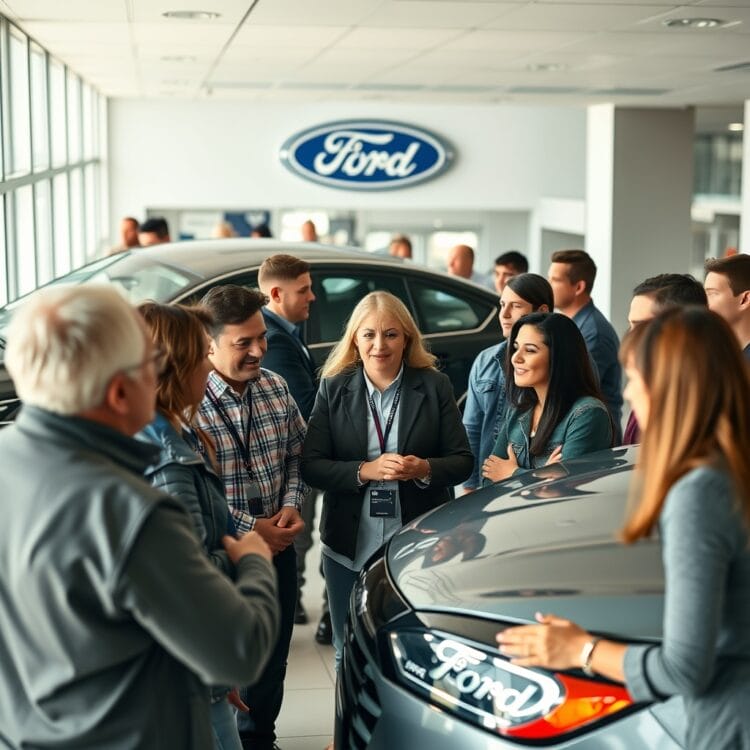
Our loyalists have mixed feelings. Some mourn the loss of iconic sedans, while others embrace the new direction. The Mustang Mach-E, for instance, polarised enthusiasts but won over a new audience. Change is hard, but it’s necessary. We’re listening to feedback, balancing tradition with innovation. The goal is to keep our core fans while attracting fresh faces.
For truck loyalists, the shift is a win. More options, better tech—what’s not to love? The F-Series remains our crown jewel, and its evolution is a testament to our commitment. We’re not abandoning our roots; we’re building on them.
Attracting New Demographics
Younger buyers are a key focus. They value sustainability and tech, and our EV lineup speaks directly to them. The Mach-E’s success proves we’re on the right track. By aligning with their values, we’re not just selling cars—we’re building relationships. The future belongs to those who adapt, and we’re ready.
The Impact on Ford’s Brand Identity
From Family Cars to Rugged Trucks
We’ve seen Ford’s brand identity evolve dramatically over the years. Gone are the days when the name “Ford” was synonymous with reliable family sedans like the Taurus or the Focus. Today, it’s all about rugged trucks and SUVs—vehicles that embody strength, adventure, and capability. This shift wasn’t accidental; it was a calculated move to align with changing consumer preferences. The Ford Fiesta and other compact cars once defined our lineup, but now, the F-150 and Explorer dominate the conversation.
This transformation hasn’t just changed our product lineup—it’s reshaped how people perceive us. We’re no longer just a car manufacturer; we’re a brand that caters to outdoor enthusiasts, contractors, and families who prioritise space and versatility. The emotional connection with our audience has shifted, and we’ve leaned into it. By focusing on trucks and SUVs, we’ve tapped into a market that values durability and performance, reinforcing our reputation as a leader in the automotive industry.
Marketing Strategies Post-Transition
Our marketing strategies have had to adapt to this new identity. We’ve moved away from campaigns highlighting fuel efficiency and compact design to emphasising power, towing capacity, and off-road capability. The Ford Focus ST might have been a performance icon, but today, our ads showcase the Bronco conquering rocky terrains or the F-150 hauling heavy loads. This shift isn’t just about selling vehicles; it’s about selling a lifestyle—one that resonates with our target audience.
We’ve also embraced digital and social media to reach younger demographics. Platforms like Instagram and YouTube allow us to showcase our trucks and SUVs in action, creating aspirational content that drives engagement. Collaborations with influencers and adventurers have further cemented our brand’s rugged image. It’s a far cry from the days of family-centric commercials, but it’s working. Our marketing now reflects the bold, adventurous spirit of our vehicles, and it’s helping us stay relevant in a competitive market.
Supply Chain and Manufacturing Changes
Retooling Factories for New Models
The shift from cars to trucks and SUVs required massive changes in our manufacturing infrastructure. Factories that once produced sedans like the Ford Fiesta had to be retooled to accommodate larger, more complex vehicles. This wasn’t just a matter of swapping out assembly lines; it involved significant investments in new machinery, training for workers, and reconfiguring supply chains. The process was costly and time-consuming, but it was necessary to meet the demand for our new lineup.
These changes weren’t without challenges. Retooling factories meant temporary shutdowns, which disrupted production and required careful planning to minimise delays. However, the long-term benefits have been undeniable. By focusing on trucks and SUVs, we’ve streamlined our operations and improved efficiency. Our factories are now optimised to produce the vehicles that consumers want, ensuring we can meet demand without overextending our resources. It’s a testament to our ability to adapt and innovate in a rapidly changing industry.
The Global Supply Chain Adaptation
Our supply chain had to evolve alongside our manufacturing processes. Trucks and SUVs require different components than sedans, from larger engines to heavier-duty transmissions. This meant forging new partnerships with suppliers and rethinking logistics to ensure timely delivery of parts. The Ford Focus might have relied on a different set of components, but our current lineup demands a more robust supply network.
Global events, like the pandemic and semiconductor shortages, added another layer of complexity. We’ve had to become more agile, diversifying our supplier base and investing in local sourcing where possible. These adaptations have strengthened our supply chain, making it more resilient to disruptions. While the transition hasn’t been easy, it’s positioned us to thrive in an era where flexibility and efficiency are paramount.
The Role of Autonomous Vehicles in Ford’s Strategy
Investments in Self-Driving Technology
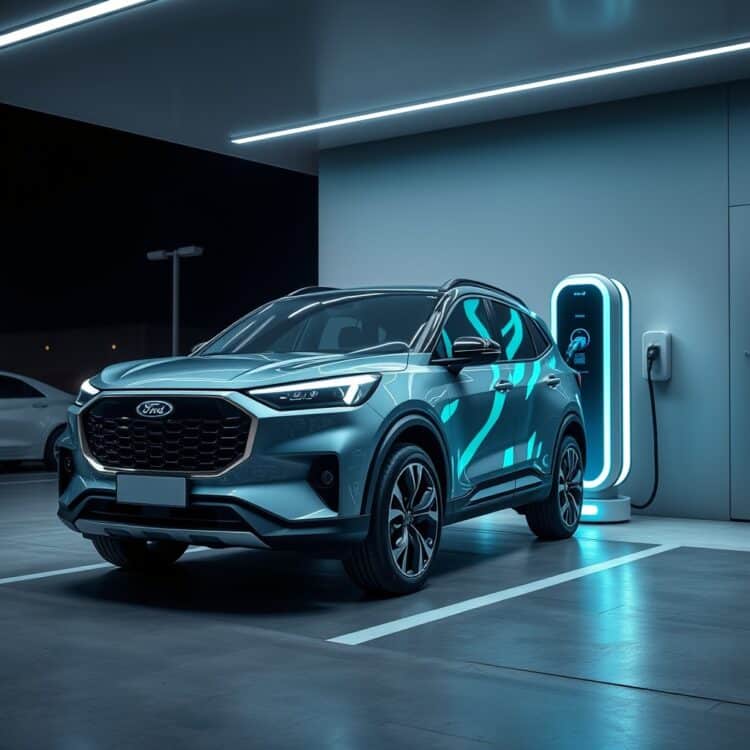
Autonomous vehicles are a key part of our future strategy. We’ve invested heavily in self-driving technology, recognising its potential to revolutionise transportation. While our focus has shifted to trucks and SUVs, we’re not ignoring the broader trends shaping the industry. Autonomous technology could enhance the capabilities of our vehicles, from improving safety to enabling new business models like ride-sharing fleets. It’s a bold vision, but one we’re committed to realising.
Our investments extend beyond just hardware. We’re developing advanced software systems and partnering with tech companies to accelerate progress. The goal isn’t just to create self-driving cars—it’s to integrate autonomy into our entire lineup, ensuring our trucks and SUVs remain at the forefront of innovation. This dual focus on traditional and cutting-edge technology sets us apart, positioning Ford as a leader in the next era of mobility.
How Autonomy Influences Vehicle Types
Autonomy is reshaping the types of vehicles we produce. While trucks and SUVs dominate today, self-driving technology opens up new possibilities. For example, autonomous delivery vans could complement our commercial lineup, while self-driving SUVs could cater to families seeking convenience and safety. The electric F-150 is a glimpse into this future, blending autonomy with our core strengths.
This shift isn’t just about technology—it’s about meeting evolving consumer needs. As autonomy becomes mainstream, we’ll continue to adapt our lineup, ensuring our vehicles remain relevant and desirable. Whether it’s a self-driving pickup or an autonomous SUV, our strategy is clear: embrace innovation while staying true to the rugged, dependable identity that defines Ford today.
Partnerships and Collaborations
Strategic Alliances in the Automotive Industry
We’ve seen Ford forge strategic alliances to stay ahead in the ever-evolving automotive landscape. These partnerships aren’t just about sharing resources; they’re about leveraging expertise to innovate faster. For instance, Ford’s collaboration with Volkswagen on electric vehicles and autonomous driving technology is a game-changer. By pooling knowledge, we’re accelerating the shift towards sustainable mobility while cutting costs.
Another standout is Ford’s alliance with Rivian, a leader in electric trucks. This partnership allows us to tap into Rivian’s cutting-edge battery technology and skateboard platform. It’s a win-win: Rivian gains scale, and we gain a competitive edge in the EV market. These alliances are proof that collaboration, not competition, is the future of the automotive industry.
Collaborations with Tech Companies
We’re not just partnering with other automakers; we’re teaming up with tech giants to redefine what’s possible. Our collaboration with Google is a prime example. By integrating Google’s AI and cloud services into our vehicles, we’re enhancing connectivity and user experience. Imagine a car that learns your habits and adapts to your needs—that’s the future we’re building.
Then there’s our work with Argo AI, a leader in autonomous driving. By combining Ford’s manufacturing prowess with Argo’s AI expertise, we’re bringing self-driving cars closer to reality. These tech collaborations aren’t just about adding features; they’re about transforming the very essence of driving. It’s a bold vision, but one we’re committed to realizing.
The Cultural Shift Within Ford
Employee Adaptation to New Directions
Change isn’t easy, especially for a company with over a century of history. But our employees have embraced the shift from traditional cars to trucks, SUVs, and EVs with remarkable adaptability. We’ve invested heavily in retraining programs, ensuring our workforce is equipped with the skills needed for the future. It’s not just about building vehicles; it’s about building careers in a rapidly changing industry.
The cultural shift extends beyond skills. We’re fostering a mindset of innovation and agility. Employees are encouraged to think like startups, challenging the status quo and proposing bold ideas. This cultural evolution is critical as we navigate the transition from a legacy automaker to a mobility solutions provider. The energy and enthusiasm within our teams are palpable.
Leadership Decisions Driving Change
Leadership has played a pivotal role in steering Ford towards its new direction. Decisions like discontinuing sedans weren’t made lightly, but they were necessary to align with market demands. Our leaders have shown a willingness to take calculated risks, whether it’s investing billions in EVs or forming unconventional partnerships. It’s this boldness that sets us apart.
Transparency has been key. Leaders have communicated the “why” behind every decision, ensuring everyone understands the bigger picture. This clarity has fostered trust and unity, even during tough transitions. The result? A company that’s not just surviving but thriving in a disruptive era. Leadership isn’t just about making decisions; it’s about inspiring a shared vision.
Lessons for Other Automakers
Adapting to Changing Consumer Demands
One of the biggest lessons from our journey is the importance of listening to consumers. The shift towards SUVs and trucks wasn’t a fluke; it was a response to clear market signals. Automakers that cling to outdated product lines risk obsolescence. The key is agility—being ready to pivot when consumer preferences evolve. It’s not about abandoning tradition; it’s about evolving with the times.
Another takeaway is the value of data. We’ve leveraged insights from sales trends, customer feedback, and even social media to inform our strategy. Data-driven decision-making minimizes guesswork and maximizes impact. For other automakers, the message is clear: adapt or be left behind. The automotive industry waits for no one.
Balancing Tradition and Innovation
Balancing tradition with innovation is no small feat. On one hand, we’re proud of our heritage; on the other, we’re relentlessly focused on the future. The solution? Honor the past while embracing change. For example, the Mustang Mach-E retains the spirit of the iconic Mustang while delivering cutting-edge electric performance. It’s a testament to what’s possible when tradition meets innovation.
Another example is our commitment to sustainability. We’re not just building electric vehicles; we’re rethinking every aspect of production to reduce our environmental footprint. This balance is crucial for automakers navigating the transition to a greener future. The lesson? Innovation doesn’t mean abandoning your roots; it means growing from them.
Frequently Asked Questions
Why did Ford stop making cars?
We stopped making cars to focus on trucks, SUVs, and EVs, which are in higher demand. Consumer preferences shifted, and we adapted to stay competitive. This decision allowed us to allocate resources more effectively and invest in future technologies. It wasn’t about abandoning cars but prioritizing what customers want today.
Will Ford ever make cars again?
While we’re not currently producing traditional sedans, we’re open to revisiting the segment if market conditions change. Our focus remains on trucks, SUVs, and EVs, but we’re always evaluating opportunities. The automotive landscape is dynamic, and so are we. Never say never, but for now, our priorities lie elsewhere.
How has Ford’s brand identity changed?
Our brand identity has evolved from being synonymous with family cars to representing rugged trucks and innovative SUVs. Marketing now highlights adventure, capability, and sustainability. This shift reflects our commitment to meeting modern consumer needs while staying true to our core values of quality and reliability.
What role do partnerships play in Ford’s strategy?
Partnerships are central to our strategy, enabling us to innovate faster and share risks. Collaborations with companies like Volkswagen and Rivian provide access to cutting-edge technology and expertise. These alliances help us stay competitive in a rapidly changing industry while reducing costs and accelerating development.
How is Ford preparing for an electric future?
We’re investing billions in EV development, retooling factories, and forming strategic partnerships. Our goal is to lead the transition to sustainable mobility. From the Mustang Mach-E to the F-150 Lightning, we’re proving that electric vehicles can be both practical and exciting. The future is electric, and we’re charging full speed ahead.