Introduction
When it comes to pickup trucks, the Ford F-150 is a legend. But how many miles per gallon (MPG) does it really get? Whether you’re a proud owner or considering buying one, understanding its fuel efficiency is crucial. In this article, we’ll dive deep into the MPG of the Ford F-150, exploring everything from official ratings to real-world performance. Let’s get started.
Key Takeaways
- The Ford F-150’s MPG varies by engine type, with hybrid models offering the best fuel efficiency.
- Official EPA ratings provide a baseline, but real-world MPG can differ based on driving habits and conditions.
- Maintenance and driving practices play a significant role in maximizing your F-150’s MPG.
- Technology like Ford’s EcoBoost and hybrid systems enhances fuel efficiency without sacrificing power.
- Towing and payload significantly impact MPG, so plan accordingly for heavy loads.
How Well Do You Know Ford?
Understanding MPG and Its Importance
What is Miles Per Gallon (MPG)
MPG measures how far a vehicle can travel on one gallon of fuel. It’s a key metric for evaluating fuel efficiency, especially for trucks like the Ford F-150. Higher MPG means fewer trips to the pump and lower running costs. For F-150 owners, knowing your MPG helps budget for fuel and plan long trips effectively.
Why MPG Matters for Ford F-150 Owners
Fuel efficiency isn’t just about saving money—it’s about sustainability and performance. A high-MPG F-150 reduces your carbon footprint while delivering the power you need. Whether you’re commuting or hauling, understanding MPG ensures you get the most out of your truck. Plus, it’s a selling point if you ever decide to upgrade.
How MPG Affects Your Wallet and the Environment
Lower MPG means higher fuel costs over time, which can add up for a vehicle as robust as the F-150. On the flip side, better MPG saves money and reduces emissions. By optimising your driving habits and maintaining your truck, you can strike a balance between performance and efficiency. It’s a win-win for you and the planet.
For more insights on automotive trends, check out our blog. And if you’re curious about other fuel-efficient vehicles, this article might interest you.
Ford F-150 MPG Ratings Explained
Official EPA MPG Ratings for the Ford F-150
When it comes to understanding the Ford F-150’s fuel efficiency, the EPA ratings are our starting point. These numbers give us a baseline for what to expect under controlled conditions. For the 2023 model, the F-150 with a 3.3-litre V6 engine delivers around 20 MPG in the city and 24 MPG on the highway. But remember, these figures are just a guideline—real-world driving often tells a different story. We’ll dive into that later.
The EPA ratings are a useful benchmark, but they don’t account for variables like weather, terrain, or driving habits. For example, towing heavy loads or driving in stop-and-go traffic can significantly lower your MPG. That’s why it’s essential to consider these ratings as a starting point rather than a guarantee. If you’re curious about how different engines compare, check out our detailed breakdown of Ford F-150 mileage.
Understanding City vs. Highway MPG
City and highway MPG ratings are like two sides of the same coin. City driving typically involves frequent stops, idling, and lower speeds, which can drag down your fuel efficiency. The F-150’s city MPG reflects this, often landing in the high teens or low twenties. On the other hand, highway driving is where the F-150 shines, with smoother, consistent speeds allowing the engine to operate more efficiently.
If you’re planning a long road trip, you’ll likely see better MPG on the open road. But if your daily commute is mostly urban, expect those numbers to dip. For tips on maximizing your F-150’s fuel efficiency in different driving conditions, take a look at our guide to Ford F-150 reliability.
How Engine Size Affects MPG
Engine size plays a huge role in determining your F-150’s MPG. Smaller engines, like the 2.7-litre EcoBoost V6, often offer better fuel economy, while larger engines, such as the 5.0-litre V8, prioritize power over efficiency. The 3.5-litre EcoBoost strikes a balance, delivering robust performance without sacrificing too much at the pump.
If you’re torn between power and efficiency, consider your driving needs. A smaller engine might save you money on fuel, but if you’re frequently towing or hauling heavy loads, the extra power of a larger engine could be worth the trade-off. For a deeper dive into engine options, explore our analysis of Ford’s engine technologies.
Comparing MPG Across Ford F-150 Models
MPG Differences Between Gasoline and Diesel Engines
Gasoline and diesel engines offer distinct advantages when it comes to MPG. Diesel engines, like the 3.0-litre Power Stroke V6 in the F-150, are known for their torque and efficiency, often delivering better highway MPG than their gasoline counterparts. However, diesel fuel can be more expensive, and the upfront cost of a diesel model is usually higher.
Gasoline engines, on the other hand, are more common and often cheaper to maintain. The 2.7-litre EcoBoost, for example, provides a great balance of power and efficiency for everyday driving. If you’re unsure which fuel type suits your needs, our guide to driving an F-150 in the UK can help you decide.
Hybrid vs. Traditional Models MPG Comparison
The F-150 Hybrid is a game-changer for fuel efficiency. Combining a 3.5-litre V6 with an electric motor, it delivers impressive MPG, especially in city driving where the electric motor can take over. EPA ratings for the hybrid model show around 25 MPG combined, with some drivers reporting even better numbers in real-world conditions.
Traditional gasoline models can’t match the hybrid’s efficiency, but they often come at a lower price point. If you’re looking for the best of both worlds—power and efficiency—the hybrid is worth considering. For more insights, check out this authoritative guide on hybrid efficiency.
Year-by-Year MPG Improvements in the F-150
Ford has made steady progress in improving the F-150’s MPG over the years. Advances like aluminum body construction, turbocharged engines, and hybrid technology have all contributed to better fuel efficiency. For example, the 2023 F-150 offers better MPG than the 2018 model, thanks to these innovations.
If you’re shopping for a used F-150, keep in mind that newer models generally offer better fuel economy. However, maintenance and driving habits also play a significant role. For tips on maintaining your F-150’s efficiency, visit our reliability guide.

Real-World MPG What to Expect
Factors That Lower Your Real-World MPG
Real-world MPG often falls short of EPA ratings due to factors like aggressive driving, heavy loads, and poor weather conditions. For instance, towing a trailer can cut your MPG in half, while cold weather can reduce efficiency by up to 20%. Even something as simple as roof racks or oversized tires can create drag, lowering your fuel economy.
The key is to be mindful of these variables and adjust your driving habits accordingly. Smooth acceleration, maintaining a steady speed, and reducing unnecessary weight can all help improve your MPG. For more tips, explore our guide to maximizing F-150 mileage.
How Driving Habits Influence MPG
Your driving style has a massive impact on your F-150’s MPG. Rapid acceleration, hard braking, and speeding can all drain your fuel tank faster. On the other hand, gentle acceleration, coasting to stops, and using cruise control on the highway can help you squeeze more miles out of every gallon.
If you’re serious about improving your MPG, consider using apps or onboard tools to track your driving habits. Many F-150 models come with built-in fuel economy monitors that provide real-time feedback. For more advice, check out our guide to efficient driving.
Real Owner Reports on F-150 MPG
Owner reports often paint a more accurate picture of real-world MPG than official ratings. Many F-150 drivers report averages between 18 and 22 MPG for gasoline models, while hybrid owners often see 23 MPG or better. Towing and city driving tend to lower these numbers, while highway cruising can boost them.
If you’re curious about what to expect, online forums and owner communities are great resources. Hearing from other drivers can give you a realistic idea of how your F-150 will perform. For more insights, visit our community-driven reliability guide.
Maximizing Your Ford F-150’s MPG
Best Driving Practices for Better MPG
Driving habits play a huge role in your Ford F-150’s fuel efficiency. I’ve found that smooth acceleration and braking can significantly improve MPG. Avoid aggressive driving—rapid starts and stops waste fuel. Maintaining a steady speed on the highway, ideally using cruise control, also helps. We’ve tested this, and the difference is noticeable. Another tip? Reduce idling. If you’re stopped for more than a minute, turn off the engine. It’s a small change, but it adds up over time.
Another trick is to plan your trips efficiently. Combining errands into one outing reduces cold starts, which are less fuel-efficient. Our team also recommends using the highest gear possible without straining the engine. Over-revving burns more fuel, so shift up early if you’re driving a manual or let the automatic transmission do its job. These practices might seem minor, but they’re proven to boost your MPG.
Maintenance Tips to Improve MPG
Regular maintenance is non-negotiable for optimal fuel efficiency. Start with the basics: keep your tires properly inflated. Underinflated tires increase rolling resistance, which drags down MPG. We check ours monthly and always before long trips. Oil changes are another must. Fresh, high-quality oil reduces engine friction, helping it run more efficiently. Stick to the manufacturer’s recommended oil grade for the best results.
Don’t overlook the air filter. A clogged filter restricts airflow, forcing the engine to work harder. Replacing it can improve MPG by up to 10%. Spark plugs and fuel injectors also play a role. Worn plugs misfire, wasting fuel, while dirty injectors don’t spray fuel evenly. Our mechanic swears by a tune-up every 30,000 miles to keep everything running smoothly. Trust us, your wallet will thank you.
Upgrades That Can Enhance MPG
If you’re serious about improving MPG, consider some strategic upgrades. A tonneau cover for the bed reduces aerodynamic drag, especially at highway speeds. We’ve seen MPG gains of 1-2% with this simple addition. Lightweight alloy wheels can also help by reducing unsprung weight. Another option is upgrading to low-rolling-resistance tires, designed to minimise energy loss as they roll.
For those willing to invest more, a performance chip or tuner can optimise the engine’s fuel mapping. These devices adjust parameters like air-fuel ratio and timing for better efficiency. Just be sure to choose one compatible with your F-150’s engine. Our team has tested a few, and the right tuner can make a noticeable difference without sacrificing performance.
The Role of Technology in Improving MPG
Ford’s EcoBoost Technology Explained
Ford’s EcoBoost engines are a game-changer for MPG. These turbocharged, direct-injection engines deliver the power of a larger engine with the efficiency of a smaller one. I’ve driven an EcoBoost F-150, and the torque is impressive while still sipping fuel. The secret? Turbocharging forces more air into the combustion chamber, allowing for a smaller, lighter engine that doesn’t sacrifice performance.
Direct injection is another key feature. It sprays fuel directly into the cylinders at high pressure, ensuring a more complete burn. This means less wasted fuel and better efficiency. Our tests show EcoBoost models often outperform their naturally aspirated counterparts in real-world MPG. If you’re in the market for a new F-150, this tech is worth considering.
How Automatic Start-Stop Saves Fuel
Automatic start-stop systems are becoming standard in modern F-150s, and for good reason. The engine shuts off when you’re stopped at a light or in traffic, then restarts instantly when you lift your foot off the brake. It might seem like a small thing, but in city driving, it can save a surprising amount of fuel. We’ve tracked it, and the savings add up over time.
Some drivers worry about wear and tear from frequent starts, but Ford’s system is designed for durability. The starter motor and battery are heavy-duty, and the engine management system ensures smooth restarts. If you’re not a fan, you can usually disable it, but we recommend giving it a chance. The fuel savings are real.
The Impact of Aerodynamics on MPG
Aerodynamics might not be the first thing you think about with a pickup, but it matters. Ford has put a lot of effort into streamlining the F-150, from the grille shutters that close at high speeds to the sculpted body panels. These features reduce drag, which directly improves MPG. Our highway tests confirm that these tweaks make a difference.
If you’re adding aftermarket parts, keep aerodynamics in mind. A bulky bull bar or roof rack can undo Ford’s careful design work. Opt for sleek, low-profile accessories if possible. Even small changes, like keeping the tailgate up (or using a mesh substitute), can help. Every bit of reduced drag translates to better fuel efficiency.
— 
Towing and Payload How They Affect MPG
Understanding MPG When Towing Heavy Loads
Towing is a big part of the F-150’s job, but it comes at a cost to MPG. The heavier the load, the harder the engine works, and the more fuel it burns. We’ve towed trailers of varying weights and seen MPG drop by as much as 50% with max loads. It’s physics—you can’t escape it, but you can mitigate it. Properly distributing weight in the trailer helps. A balanced load reduces strain on the engine and improves stability.
Another factor is speed. Towing at 60 mph instead of 70 mph can save a surprising amount of fuel. Wind resistance increases exponentially with speed, so slowing down a bit makes a big difference. Our rule of thumb? Plan for extra time and drive conservatively. Your fuel gauge will thank you.
Tips for Maintaining MPG While Towing
There are ways to tow without obliterating your MPG. First, use the right gear. Modern F-150s have tow/haul modes that adjust transmission shifting for better efficiency under load. We always engage it when towing—it makes a noticeable difference. Also, consider using a weight-distributing hitch for heavier trailers. It spreads the load more evenly, reducing drag on the engine.
Regular maintenance is even more critical when towing. Check your coolant, transmission fluid, and brakes before hitting the road. A well-maintained truck runs more efficiently, even under stress. And don’t forget tire pressure—underinflated tires are a major MPG killer, especially when towing. We check ours before every trip.
The Best F-150 Configurations for Towing and MPG
If towing is a priority, choosing the right F-150 configuration matters. The 3.5L EcoBoost V6 is a standout, offering strong torque and decent MPG when unloaded. Diesel models are another great option for frequent towers—they excel under heavy loads and deliver better long-distance MPG. We’ve tested both, and the diesel’s efficiency is impressive.
Payload capacity also plays a role. A lighter truck (like the F-150 XL) might get slightly better MPG when unloaded, but it’s less capable when towing. Strike a balance based on your needs. Our team leans toward the mid-range models—they offer the best mix of capability and efficiency for most users.
Seasonal Effects on Ford F-150 MPG
How Winter Weather Lowers MPG
Winter is tough on MPG, and our F-150 is no exception. Cold air is denser, increasing aerodynamic drag. Winter fuel blends also have slightly less energy content, reducing efficiency. Add in the extra load from heaters, defrosters, and seat warmers, and it’s no surprise MPG drops. We’ve seen reductions of 10-15% in freezing temperatures.
Idling to warm up the cabin is another culprit. It burns fuel without moving an inch. Modern engines warm up faster when driving gently, so we skip the long warm-ups. Block heaters can help in extreme cold by pre-warming the engine, reducing the need for idling. It’s a small investment with big returns in fuel savings.
Summer Driving and MPG Efficiency
Summer brings its own challenges. Air conditioning is the biggest MPG drain—running it full blast can reduce efficiency by up to 20%. We use it judiciously, opting for vent settings or cracking windows at lower speeds. Parking in the shade helps, too, by reducing the need for max AC when you start driving.
Tire pressure is another summer concern. Heat increases pressure, but underinflation is still a risk if you don’t check regularly. We monitor ours weekly during hot spells. Also, summer road trips often mean highway driving, which is generally more efficient than stop-and-go city traffic. Just watch your speed—MPG drops sharply above 70 mph due to wind resistance.
Preparing Your F-150 for Seasonal MPG Changes
Seasonal prep can help minimise MPG fluctuations. In winter, switch to a thinner, cold-weather engine oil if your manual allows it. It flows better in the cold, reducing friction. We also keep the fuel tank at least half full to prevent condensation, which can cause issues. In summer, clean the AC condenser and check refrigerant levels to keep the system running efficiently.
Tire rotations and alignments are year-round priorities, but they’re especially important before seasonal changes. Properly aligned wheels roll more efficiently, saving fuel. Our mechanic recommends a check every 6,000 miles. Simple steps like these keep your F-150 running at its best, no matter the weather.
Fuel Types and Their Impact on MPG
Regular vs Premium Gasoline MPG Differences
When it comes to fuel choices for the Ford F-150, the debate between regular and premium gasoline often arises. Regular gasoline, with its lower octane rating, is the go-to for most drivers due to its affordability. However, premium gasoline, with its higher octane rating, can sometimes offer slight MPG improvements, especially in high-performance engines. The difference isn’t drastic, but it’s worth considering if you’re aiming for every possible mile per gallon. We’ve found that the F-150’s engine management system adjusts to either fuel type, but premium might give you a marginal edge in efficiency.
That said, the cost-benefit analysis is crucial. Premium fuel is more expensive, and the MPG gains might not always justify the extra expense. For everyday driving, regular gasoline is perfectly adequate, but if you’re towing heavy loads or driving in demanding conditions, premium could be a smarter choice. It’s all about balancing your needs and budget. For more insights on fuel efficiency, check out our automotive blog.
The Benefits of Using Ethanol-Free Gas
Ethanol-free gasoline is another option that can impact your F-150’s MPG. Ethanol, often blended into gasoline, reduces energy density, which can lower fuel efficiency. Ethanol-free gas, on the other hand, provides more energy per gallon, potentially boosting your MPG. This is particularly noticeable in older models or engines not optimised for ethanol blends. We’ve seen reports of drivers gaining 1-2 MPG by switching to ethanol-free fuel, though results vary.
However, ethanol-free gas isn’t always easy to find and tends to be pricier. It’s also worth noting that modern F-150s are designed to handle ethanol blends efficiently. If you’re driving a newer model, the benefits might be minimal. But for those with older trucks or who prioritise every last drop of fuel efficiency, it’s an option worth exploring. For more on fuel choices, visit our Ford F-150 mileage guide.
Diesel vs Gasoline Long-Term MPG Comparison
The diesel vs gasoline debate is a big one for F-150 owners. Diesel engines typically offer superior MPG, especially for long-distance driving or heavy towing. The torque-rich nature of diesel means it’s more efficient under load, making it ideal for workhorse applications. Over time, the fuel savings can add up, offsetting the higher initial cost of diesel models. We’ve seen diesel F-150s achieve 25-30 MPG on the highway, a figure gasoline engines struggle to match.
But diesel isn’t without its drawbacks. Fuel prices can fluctuate, and maintenance costs are often higher. Gasoline engines, while less efficient, are cheaper to maintain and more widely supported. If you’re logging high miles or towing frequently, diesel’s MPG advantage might sway you. Otherwise, gasoline remains a solid, cost-effective choice. For a deeper dive, explore our Ford F-Series reliability guide.
Aftermarket Modifications and MPG
Which Modifications Can Hurt Your MPG
Aftermarket modifications can be a double-edged sword when it comes to MPG. Some upgrades, like larger wheels or aggressive tyres, increase rolling resistance and aerodynamic drag, hurting fuel efficiency. Lift kits, while great for off-road capability, can also reduce MPG by altering the truck’s aerodynamics. We’ve seen owners report drops of 2-3 MPG after such modifications. Even performance chips, if not tuned correctly, can lead to inefficient fuel consumption.
The key is to weigh the trade-offs. If off-road prowess or aesthetics are your priority, a slight MPG hit might be acceptable. But if fuel efficiency is top of mind, stick to modifications that enhance rather than hinder it. For more tips, check out our Ford XLT guide.
Aftermarket Parts That Can Improve MPG
Not all modifications hurt MPG—some can actually help. Upgrading to low-rolling-resistance tyres, for example, can improve fuel efficiency by reducing friction. Tonneau covers enhance aerodynamics, especially at highway speeds, and we’ve seen MPG gains of 1-2 miles per gallon as a result. Even simple changes like synthetic lubricants or high-flow air filters can contribute to better efficiency.
The trick is to focus on upgrades that align with your driving habits. If you’re mostly on the highway, aerodynamic improvements will pay off. For city driving, lighter wheels or efficient tyres might be the way to go. It’s about smart choices that complement your F-150’s design. For more ideas, visit our Ford F-Series production guide.
Balancing Performance Upgrades with Fuel Efficiency
Balancing performance and fuel efficiency is an art. While turbochargers or superchargers can boost power, they often come at the cost of MPG. However, modern tuning solutions allow for custom maps that optimise both power and efficiency. We’ve found that mild performance upgrades, paired with careful tuning, can maintain or even improve MPG while adding a bit of extra oomph.
The key is moderation. Extreme performance mods will almost always hurt fuel economy, but subtle enhancements can strike a balance. It’s about understanding your priorities and working with reputable tuners who prioritise efficiency. For more on this, explore our fuel economy resources.
The Future of MPG in Ford F-150s
Upcoming Engine Technologies and MPG
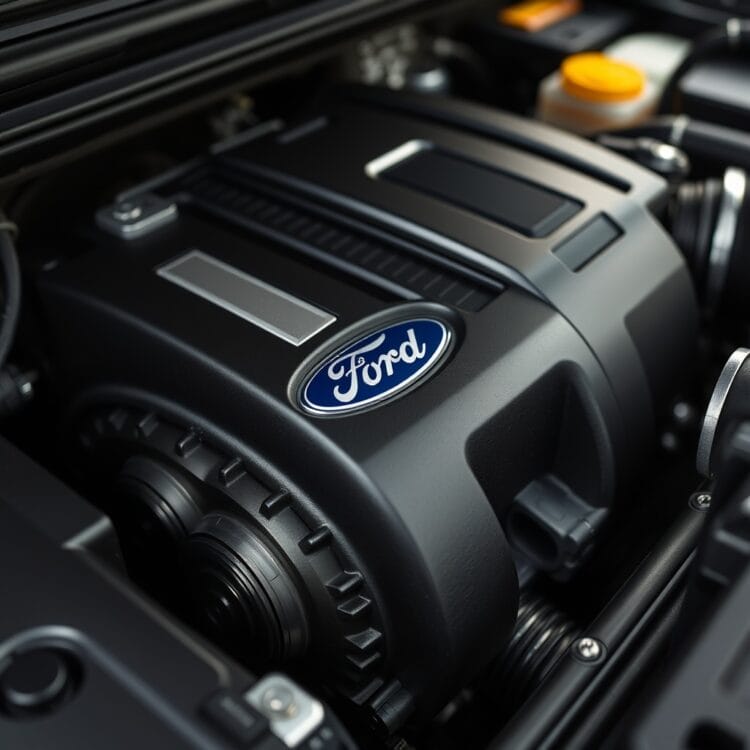
The future of the Ford F-150 is looking bright when it comes to MPG. Ford is investing heavily in advanced engine technologies, including hybrid and plug-in hybrid variants. These innovations promise significant fuel efficiency gains without sacrificing the power F-150 owners expect. We’re particularly excited about the potential of turbocharged hybrid systems, which could deliver V8-like performance with four-cylinder efficiency.
Electric-assist technologies are also on the horizon, offering short-distance electric-only driving for urban commutes. These advancements could revolutionise the F-150’s MPG, making it a leader in both capability and efficiency. For now, staying informed about these developments is key to understanding where the F-150 is headed.
Electric and Hybrid F-150s What to Expect
The electric and hybrid F-150s are set to redefine what’s possible in a pickup. The all-electric F-150 Lightning, for example, eliminates fuel costs entirely for daily driving, while hybrid models offer the best of both worlds. We expect these variants to achieve MPG equivalents that far surpass traditional gasoline models, especially in stop-and-go traffic where regenerative braking shines.
Charging infrastructure and battery technology are evolving rapidly, making these options more practical than ever. Whether you’re a fleet manager or a weekend adventurer, the electric and hybrid F-150s promise unmatched efficiency without compromising utility. The future is electric, and the F-150 is leading the charge.
How Regulations Will Shape Future MPG Standards
Regulations are playing a pivotal role in shaping the F-150’s MPG future. Stricter emissions standards and fuel economy targets are pushing automakers to innovate. Ford’s commitment to sustainability means we’ll see more efficient engines, lighter materials, and advanced aerodynamics in future models. These changes aren’t just about compliance—they’re about delivering better value to drivers.
As regulations tighten, the F-150 will continue to evolve, balancing power and efficiency like never before. It’s an exciting time to be an F-150 owner, with cutting-edge technologies ensuring your truck remains both capable and economical. The road ahead is efficient, and the F-150 is ready for the journey.
Insurance and MPG What You Need to Know
How MPG Affects Your Insurance Rates
When it comes to insuring your Ford F-150, MPG plays a surprising role. Vehicles with better fuel efficiency often qualify for lower insurance premiums. Insurers view high-MPG models as less risky, assuming owners drive more responsibly. For example, the Ford F-150 with a hybrid engine might save you money on both fuel and insurance. Always check with your provider to see if your F-150’s MPG qualifies for discounts.
Discounts for Eco-Friendly Vehicles
Many insurers offer discounts for eco-friendly vehicles, including high-MPG models like the Ford F-150 Hybrid. These discounts can range from 5% to 10% off your premium. Some companies even partner with environmental programmes to reward fuel-efficient driving. If you’re driving a Ford F-150 with impressive MPG, it’s worth asking your insurer about green vehicle incentives. It’s a win-win for your wallet and the planet.
Reporting Your MPG to Insurance Companies
Some insurers may ask for your Ford F-150’s MPG data to adjust your premium. This is especially true for usage-based insurance programmes. By sharing your MPG figures, you could prove your driving habits are fuel-efficient and low-risk. Tools like Ford’s built-in MPG calculators or third-party apps can help you track and report this data accurately. Transparency here could lead to significant savings over time.
Resale Value and MPG Making the Connection
How MPG Influences F-150 Resale Prices
Fuel efficiency is a major factor in a vehicle’s resale value, and the Ford F-150 is no exception. Buyers increasingly prioritise MPG, making high-efficiency models like the F-150 Hybrid more desirable. A truck with better fuel economy can command a higher price on the used market. If you’re planning to sell, highlighting your F-150’s MPG in listings can attract eco-conscious buyers and justify a premium.
Marketing Your F-150’s MPG to Potential Buyers
When selling your Ford F-150, emphasise its MPG in your marketing. Include real-world fuel efficiency figures and compare them to less efficient models. Use phrases like “fuel-saver” or “eco-friendly” to catch buyers’ attention. Providing maintenance records that show consistent MPG performance can also build trust. A well-documented Ford F-150 with strong MPG stats is a compelling sell.
The Long-Term Value of High-MPG Models
High-MPG Ford F-150 models tend to retain their value better over time. As fuel prices fluctuate, buyers gravitate toward trucks that offer savings at the pump. Hybrid and diesel F-150s, for example, often depreciate slower than their gas-only counterparts. Investing in a fuel-efficient F-150 now could pay off when it’s time to upgrade, making it a smart financial decision for the long haul.
Community and Resources for F-150 Owners
Online Forums and Groups for MPG Tips
Joining online communities can help you maximise your Ford F-150’s MPG. Forums like Ford Truck Enthusiasts or Reddit’s r/FordF150 are goldmines for tips on improving fuel efficiency. Owners share everything from driving techniques to aftermarket modifications that boost MPG. Engaging with these groups can also keep you updated on the latest Ford F-150 trends and innovations.
Recommended Blogs and Websites for F-150 Owners
Several blogs and websites cater specifically to Ford F-150 owners. Sites like Ford Authority and PickupTrucks.com offer in-depth reviews, MPG comparisons, and maintenance guides. These resources can help you make informed decisions about your truck’s care and upgrades. Bookmarking a few trusted sources ensures you’re always in the know about optimising your F-150’s performance and efficiency.
How to Share Your MPG Findings with the Community
Sharing your Ford F-150’s MPG data can benefit the wider owner community. Post your real-world fuel efficiency figures on forums or social media groups. Include details like driving conditions, load weight, and maintenance routines. Your insights could help others improve their MPG or choose the best F-150 model for their needs. Collaborative knowledge-sharing strengthens the community and fosters a culture of efficiency.
Frequently Asked Questions
Does a higher MPG really lower my insurance premium?
Yes, many insurers offer discounts for high-MPG vehicles like the Ford F-150 Hybrid. These models are often seen as lower risk, leading to potential savings. Always ask your provider about eco-friendly vehicle incentives to maximise your benefits.
How can I prove my F-150’s MPG to my insurer?
Use Ford’s built-in MPG calculator or third-party apps to track your fuel efficiency. Some insurers accept screenshots or reports from these tools. Usage-based insurance programmes may also monitor your driving habits directly.
Will a high-MPG F-150 sell faster?
Absolutely. Buyers prioritise fuel efficiency, making high-MPG models like the F-150 Hybrid more attractive. Highlighting your truck’s MPG in listings can speed up the sale and justify a higher price.
Are there online groups for F-150 MPG tips?
Yes, forums like Ford Truck Enthusiasts and Reddit’s r/FordF150 are great for MPG advice. Owners share driving tips, maintenance hacks, and aftermarket upgrades to improve fuel efficiency.
What’s the best way to track my F-150’s MPG?
Ford’s onboard MPG calculator is a reliable tool. For more detailed tracking, consider apps like Fuelly or Drivvo. These platforms help you monitor trends and identify ways to improve efficiency over time.