Understanding Hybrid Batteries
Definition and Function of Hybrid Batteries
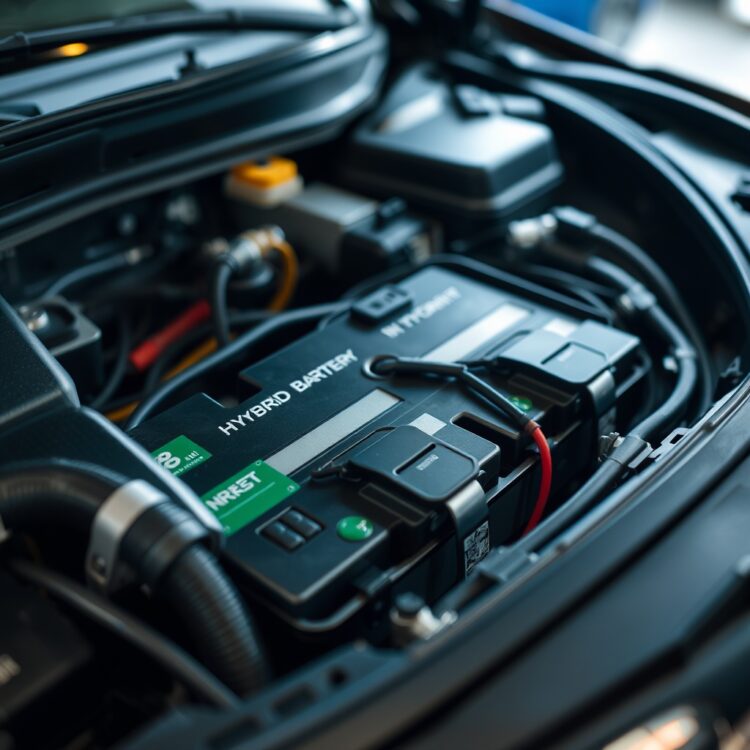
Hybrid batteries are the powerhouse behind hybrid vehicles, storing energy to power the electric motor and assist the combustion engine. Unlike traditional car batteries, they’re designed for repeated charging and discharging cycles. We rely on them to reduce fuel consumption and emissions, making them a cornerstone of eco-friendly driving. Their ability to regenerate energy during braking is a game-changer for efficiency.
These batteries are typically nickel-metal hydride (NiMH) or lithium-ion (Li-ion), each with unique advantages. NiMH batteries are durable and cost-effective, while Li-ion batteries offer higher energy density and lighter weight. Understanding their role helps us appreciate how hybrids balance performance and sustainability. For more insights, check out our automotive blog.
Test Your General Automotive Knowledge!
Types of Hybrid Batteries
Hybrid batteries come in two main types: NiMH and Li-ion. NiMH batteries are common in older hybrids, known for their reliability and lower cost. Li-ion batteries, found in newer models, are lighter and more efficient but come at a higher price. Each type has its pros and cons, influencing the vehicle’s performance and longevity.
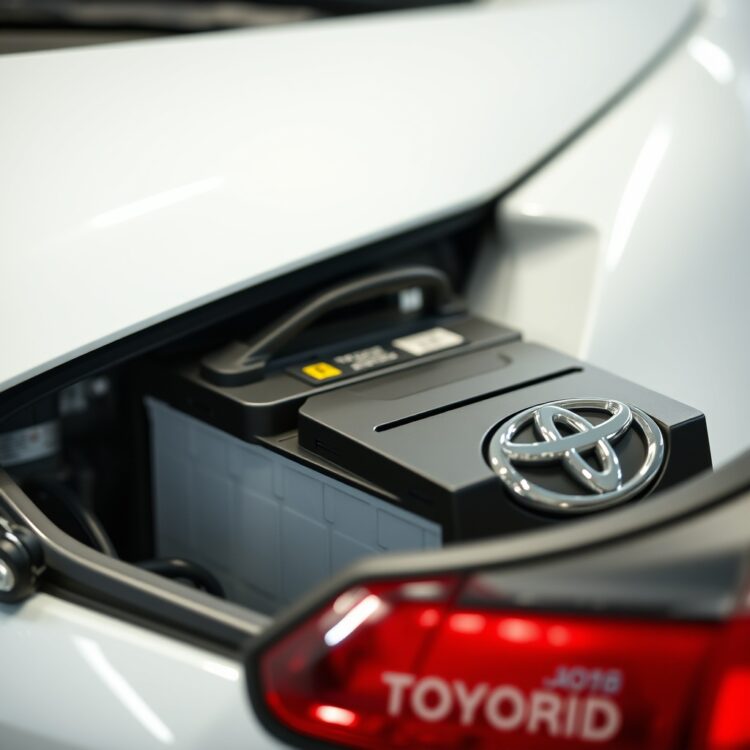
Choosing the right battery depends on your driving needs and budget. Some hybrids even use a combination of both to optimise performance. For example, the Toyota Corolla Hybrid leverages Li-ion technology for better efficiency. Knowing these differences helps us make informed decisions about hybrid ownership.
How Hybrid Batteries Differ from Traditional Car Batteries
Traditional car batteries are designed for short bursts of energy to start the engine, while hybrid batteries provide sustained power for electric driving. They’re built to handle deep discharges and frequent recharging, unlike their conventional counterparts. This makes them more complex and expensive but also more versatile.
Another key difference is their lifespan. Traditional batteries last 3-5 years, whereas hybrid batteries can endure 8-15 years with proper care. Their advanced technology supports regenerative braking, capturing energy that would otherwise be wasted. This innovation is why hybrids are a smart choice for long-term savings and environmental impact.
The Importance of Hybrid Battery Lifespan
Why Lifespan Matters for Hybrid Vehicle Owners
When we invest in a hybrid vehicle, we’re not just buying a car—we’re committing to a smarter, greener way of driving. The battery is the heart of this system, and its lifespan directly impacts our long-term savings and environmental footprint. A well-maintained battery ensures consistent performance, reduces the need for costly replacements, and keeps our vehicle running efficiently. Think of it as the backbone of our hybrid’s eco-friendly promise.
Beyond the financial aspect, a healthy battery means fewer trips to the garage and more time on the road. We rely on our hybrids for their reliability, and a shorter battery lifespan can disrupt that trust. By understanding what affects battery longevity, we can make informed decisions about maintenance and usage, ensuring our investment pays off for years to come.
Environmental Impact of Hybrid Battery Disposal
Hybrid batteries aren’t just expensive to replace—they’re also complex to dispose of responsibly. When a battery reaches the end of its life, improper disposal can lead to harmful chemicals leaching into the environment. We’re talking about heavy metals and toxic substances that can contaminate soil and water. That’s why it’s crucial to recycle or repurpose these batteries through certified programs.
By extending the lifespan of our hybrid batteries, we reduce the frequency of disposal and the associated environmental toll. Many manufacturers now offer take-back programs, ensuring old batteries are recycled or refurbished. It’s a small step, but one that aligns with the eco-conscious ethos of hybrid ownership. After all, sustainability isn’t just about driving green—it’s about thinking green at every stage.
Factors Influencing Hybrid Battery Lifespan
Manufacturing Quality and Brand Differences
Not all hybrid batteries are created equal. The quality of materials and engineering varies between brands, and this directly affects how long the battery lasts. Some manufacturers use advanced cooling systems or superior cell designs to enhance durability. We’ve seen cases where premium brands outlast budget options by years, proving that cutting corners rarely pays off in the long run.
It’s worth researching before buying. Look for brands with a track record of reliability and read reviews from other hybrid owners. A battery from a reputable manufacturer might cost more upfront, but it could save us thousands in replacements down the line. Remember, quality isn’t just about performance—it’s about peace of mind.
Driving Habits and Their Impact on Battery Life
How we drive plays a huge role in battery longevity. Frequent short trips or aggressive acceleration can strain the battery, reducing its lifespan. On the other hand, smooth, consistent driving helps maintain optimal charge levels and reduces wear. It’s like training for a marathon—steady pacing wins the race.
Hybrids thrive in stop-and-go traffic, where regenerative braking can recharge the battery. But if we’re constantly pushing the engine to its limits, we’re asking too much of the system. Simple changes, like avoiding rapid acceleration and using eco-mode, can make a big difference. After all, the battery is our partner in efficiency—treat it well, and it’ll return the favour.
Climate and Environmental Conditions
Extreme temperatures are a battery’s worst enemy. Freezing cold can slow chemical reactions, while scorching heat accelerates degradation. If we live in a region with harsh winters or blistering summers, our battery will face additional stress. Parking in a garage or shaded area can help mitigate these effects.
Humidity and altitude also play a role. High humidity can corrode connections, while altitude affects air density and cooling efficiency. Understanding these factors allows us to take proactive steps, like using climate control to stabilise battery temperature. It’s all about creating the ideal environment for longevity.
Average Lifespan of Hybrid Batteries
General Lifespan Expectations
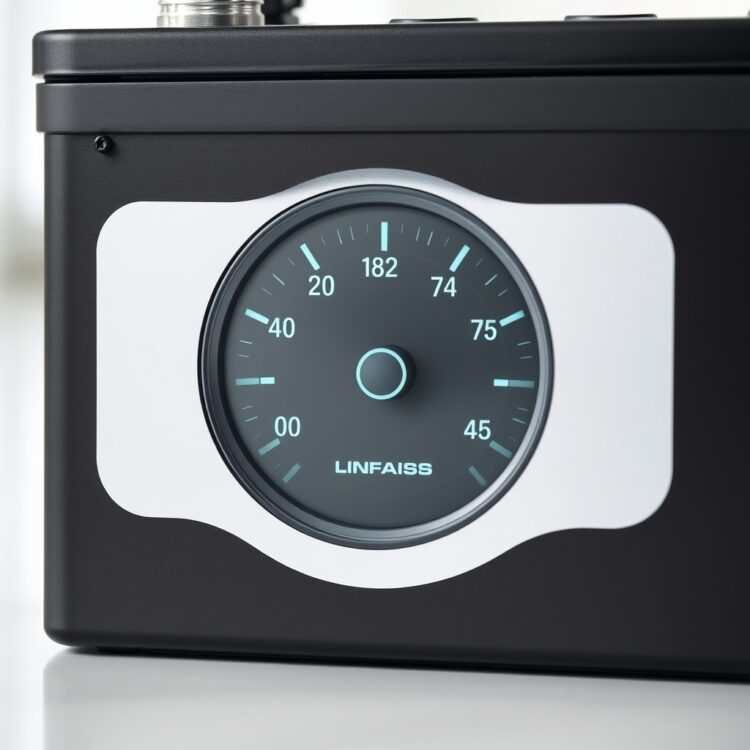
Most hybrid batteries last between 8 to 15 years, depending on usage and maintenance. That’s a broad range, but it reflects the variability in driving conditions and care. For example, a battery in a mild climate with gentle driving habits might outlast one subjected to extreme heat and aggressive use. It’s a reminder that longevity isn’t just about the battery—it’s about how we use it.
Modern hybrids are designed with longevity in mind. Advances in technology, like lithium-ion batteries, have pushed the upper limits of lifespan. Still, even the best batteries degrade over time. Regular check-ups and mindful driving can help us hit—or even exceed—the upper end of that lifespan range.
Variations Among Different Hybrid Models
Not all hybrids are built the same. Some models, like the Toyota Prius, are renowned for their durable batteries, often surpassing 200,000 miles. Others might struggle to reach 100,000. The difference lies in design, cooling systems, and the quality of components.
It’s worth comparing models before buying. Look for hybrids with proven battery longevity and check warranty terms—some brands offer up to 10 years of coverage. A little research now can save us headaches later. After all, the best hybrid is the one that lasts.
Signs of Hybrid Battery Degradation
When your hybrid battery starts to degrade, it often gives subtle hints before failing completely. One of the earliest signs is a noticeable drop in fuel efficiency. If you find yourself visiting the petrol station more often despite driving the same distances, it’s time to investigate. Another red flag is the battery not holding a charge as long as it used to, especially during short trips.
Diagnosing battery issues early can save you from costly repairs. Pay attention to dashboard warnings like the check engine light or battery alert. Strange noises or a sluggish performance when switching between electric and petrol modes are also telltale signs. If you experience any of these, it’s wise to consult a professional before the problem escalates.
Extending Your Hybrid Battery’s Lifespan
Maintaining your hybrid battery doesn’t require a degree in engineering, but it does need consistency. Start by avoiding extreme temperatures—park in the shade or a garage whenever possible. Regularly driving your hybrid ensures the battery stays active and balanced. Short trips that don’t allow the battery to fully charge or discharge can shorten its lifespan.
Software updates play a crucial role in battery health. Manufacturers often release updates to optimise performance and efficiency. Ignoring these updates can lead to unnecessary strain on the battery. Additionally, using the recommended charging practices and avoiding deep discharges will keep your battery in top shape for years to come.
Hybrid Battery Replacement Costs
Replacing a hybrid battery isn’t cheap, but understanding the cost factors can help you budget wisely. The price varies depending on the make and model of your vehicle, with luxury brands often commanding higher fees. Labour costs also add up, especially if the replacement requires specialised tools or expertise. On average, you can expect to pay anywhere from £1,000 to £3,000.
There are ways to reduce these expenses. Consider opting for a refurbished battery, which can be significantly cheaper than a brand-new one. Some manufacturers offer loyalty discounts or trade-in programmes. Shopping around for quotes and checking warranty coverage can also save you a substantial amount. Don’t forget to factor in the long-term savings on fuel when weighing the costs.
Warranty and Hybrid Battery Coverage
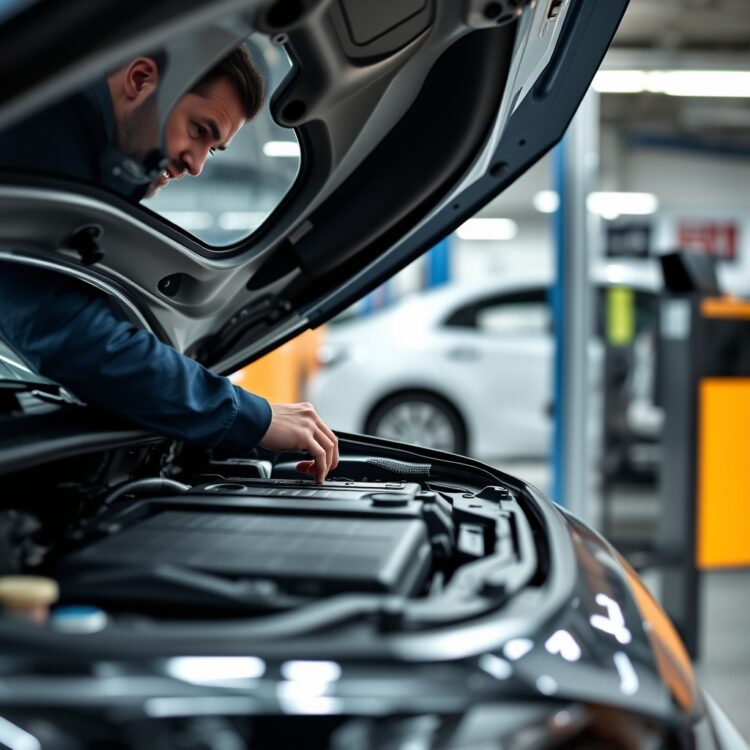
Most hybrid batteries come with a standard warranty that covers defects and premature failure. Typically, this lasts for 8 to 10 years or up to 100,000 miles, whichever comes first. However, terms vary by manufacturer, so it’s essential to read the fine print. Some warranties even include free replacements if the battery’s capacity drops below a certain percentage.
Checking your battery’s warranty status is straightforward. Your vehicle’s manual or the manufacturer’s website will have the details. If you’ve bought a used hybrid, contact the previous owner or dealership to confirm the warranty’s validity. Knowing your coverage can provide peace of mind and save you from unexpected expenses down the road.
DIY vs Professional Battery Maintenance
What You Can Safely Do at Home
Maintaining your hybrid battery at home can be straightforward if you stick to the basics. Regularly checking the battery’s charge level and ensuring it doesn’t drop too low is a simple yet effective practice. Cleaning the battery terminals to prevent corrosion and keeping the battery cool by parking in shaded areas can also extend its lifespan. However, avoid tampering with the battery’s internal components unless you’re trained—safety first!
Another task you can handle is monitoring the battery’s performance using diagnostic tools available online. These tools provide insights into voltage levels and potential issues. If you notice irregularities, it’s best to consult a professional. Remember, while DIY maintenance can save money, it’s not a substitute for expert care when needed.
When to Seek Professional Help
Certain battery issues demand professional attention. If your hybrid vehicle displays warning lights or experiences sudden drops in performance, it’s time to visit a specialist. Professionals have the tools and expertise to diagnose complex problems, such as cell imbalances or software glitches, that DIY methods can’t address. Ignoring these signs could lead to costly repairs or even battery failure.
Additionally, tasks like replacing individual battery cells or updating the battery management system should always be left to professionals. They ensure the work is done safely and efficiently, preserving your battery’s warranty. Investing in professional maintenance now can save you from expensive replacements later.
Recycling and Disposing of Hybrid Batteries
Environmental Regulations and Guidelines
Hybrid batteries contain hazardous materials, making proper disposal crucial. In the UK, strict regulations govern the recycling of these batteries to minimise environmental harm. Manufacturers and service centres are legally obligated to handle battery disposal responsibly, ensuring toxic substances like lithium and nickel don’t end up in landfills. Always verify that your disposal method complies with local laws.
Many councils and recycling centres offer dedicated drop-off points for hybrid batteries. Some manufacturers even provide take-back programmes, incentivising proper disposal. By adhering to these guidelines, you contribute to reducing pollution and conserving valuable resources. It’s a small step with a big impact on the planet.
How to Recycle Your Hybrid Battery Responsibly
Recycling your hybrid battery starts with contacting authorised dealers or recycling facilities. These centres use specialised processes to extract reusable materials and neutralise harmful components. Before handing over your battery, ensure the facility is certified and follows eco-friendly practices. Some programmes even offer discounts on new batteries as a reward for responsible recycling.
If you’re unsure where to start, consult your vehicle’s manual or the manufacturer’s website for guidance. Many brands list approved recycling partners. By choosing responsible recycling, you not only protect the environment but also support the circular economy, where materials are reused rather than wasted.
The Future of Hybrid Battery Technology
Emerging Technologies in Battery Design
The future of hybrid batteries looks promising, with innovations like solid-state batteries leading the charge. These batteries promise higher energy density, faster charging, and improved safety compared to current lithium-ion models. Researchers are also exploring graphene-based batteries, which could revolutionise energy storage with their lightweight and ultra-efficient properties.
Another exciting development is the integration of artificial intelligence in battery management systems. AI can optimise charging cycles and predict failures before they occur, extending battery life. As these technologies mature, hybrid vehicles will become even more efficient and reliable, making them a smarter choice for eco-conscious drivers.
Predictions for Future Lifespan Improvements
Experts predict that advancements in battery chemistry and manufacturing will significantly extend hybrid battery lifespans. By 2030, batteries could last up to 15 years or more, reducing replacement costs and environmental waste. Improved thermal management systems will also play a key role, preventing overheating and degradation.
Additionally, the rise of second-life applications—where used hybrid batteries are repurposed for energy storage—will further enhance sustainability. These innovations mean hybrid vehicles will not only last longer but also contribute to a greener future. The future is bright for hybrid technology, and we’re excited to be part of it.
Comparing Hybrid Battery Lifespans Across Brands
Top Performing Brands
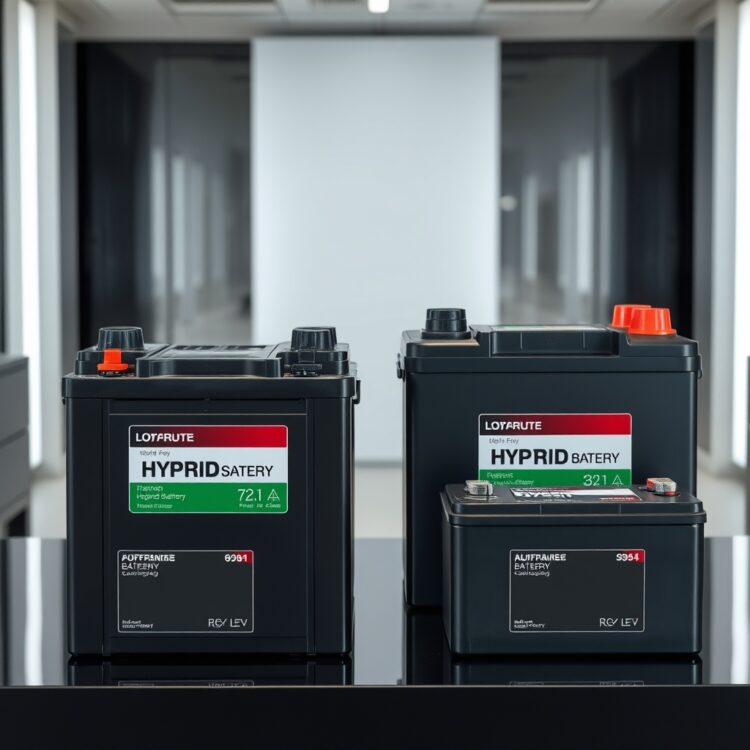
When it comes to hybrid battery longevity, brands like Toyota and Lexus consistently lead the pack. Their batteries often exceed 10 years of reliable service, thanks to robust engineering and rigorous testing. Honda and Hyundai also perform well, with lifespans averaging 8-10 years. These brands prioritise quality materials and advanced cooling systems, ensuring durability.
European manufacturers like BMW and Mercedes-Benz are catching up, offering competitive warranties and improved battery management. However, their lifespans can vary based on driving conditions and maintenance. Choosing a top-performing brand ensures peace of mind and long-term savings, making it a wise investment for hybrid owners.
What Makes Some Batteries Last Longer Than Others
The longevity of a hybrid battery depends on several factors, including manufacturing quality and usage patterns. High-quality cells and precise assembly reduce wear and tear, while advanced thermal management systems prevent overheating. Driving habits also play a role—gentle acceleration and regular charging cycles can significantly extend battery life.
Climate is another critical factor. Batteries in moderate climates tend to last longer than those exposed to extreme heat or cold. By understanding these variables, you can make informed choices about your hybrid vehicle and maximise its battery’s lifespan. It’s all about combining smart technology with mindful driving.
Real-world Case Studies on Hybrid Battery Longevity
Success Stories of Long-lasting Batteries
We’ve seen hybrid batteries defy expectations, lasting well beyond their projected lifespan. Take the Toyota Prius, for example. Many owners report their original batteries still performing admirably after 150,000 miles or more. Proper maintenance, like regular software updates and avoiding extreme temperatures, plays a huge role. These success stories prove that with the right care, hybrid batteries can go the distance.
Another standout is the Honda Insight. Owners who follow the manufacturer’s guidelines often see their batteries last over a decade. The key? Consistent driving habits and timely servicing. These cases highlight how longevity isn’t just about luck—it’s about dedication. If you’re investing in a hybrid, know that your efforts can pay off in spades.
Lessons Learned from Premature Battery Failures
Not all stories are rosy. Some hybrid batteries fail prematurely, often due to neglect or harsh conditions. For instance, a Ford Fusion Hybrid owner reported battery failure at just 60,000 miles. The culprit? Frequent short trips and ignoring warning signs like reduced fuel efficiency. This teaches us that hybrid batteries thrive on routine use and attention.
Another lesson comes from a Nissan Leaf owner whose battery degraded quickly in a hot climate. Extreme heat accelerates wear, and without proper cooling, the battery suffered. These failures remind us that environmental factors and driving habits matter. Learning from these mistakes can help you avoid costly replacements down the line.
How to Monitor Your Hybrid Battery’s Health
Tools and Apps for Battery Monitoring
Keeping tabs on your hybrid battery’s health is easier than ever with modern tools. Apps like Hybrid Assistant and Dr. Prius offer real-time diagnostics, showing voltage levels and cell balance. These tools connect via OBD-II ports, giving you a detailed snapshot of your battery’s condition. It’s like having a mechanic in your pocket.
Manufacturers also provide built-in systems, like Toyota’s Hybrid Health Check. These services assess battery performance during routine servicing. Combining these tools with regular checks ensures you catch issues early. Monitoring isn’t just for tech geeks—it’s a smart way to extend your battery’s life.
Interpreting Battery Health Reports
Understanding battery health reports can be daunting, but it’s worth the effort. Look for metrics like state of charge (SOC) and state of health (SOH). A SOH below 70% often signals significant degradation. If your reports show uneven cell voltages, it might indicate balancing issues. These insights help you decide when to act.
Don’t ignore warning lights or reduced electric-only range. These are your battery’s way of crying for help. Early intervention can save you from a full replacement. Think of these reports as a roadmap—they guide you to a longer-lasting battery.
Navigating Hybrid Battery Replacement
Choosing Between New and Refurbished Batteries
When replacement is inevitable, you’ll face a choice: new or refurbished. New batteries come with warranties and peace of mind, but they’re pricey. Refurbished options, like those from reputable suppliers, can save you thousands. Just ensure they’re tested and come with a guarantee.
Refurbished batteries often replace only the faulty cells, making them eco-friendly. However, their lifespan may vary. Weigh the cost against your long-term plans. If you’re keeping the car for years, investing in new might be wiser. Otherwise, refurbished can be a smart stopgap.
Finding a Reliable Service Provider
Not all mechanics are hybrid experts. Seek specialists with proven experience, like those certified by manufacturers. Check reviews and ask for references. A trusted provider will offer transparent diagnostics and fair pricing. Don’t settle for guesswork—your battery deserves precision.
Local hybrid clubs or forums can also recommend reliable shops. Word-of-mouth is gold in this niche. Remember, a skilled technician can make the difference between a smooth replacement and a headache. Do your homework, and your hybrid will thank you.
Frequently Asked Questions
How long does a hybrid battery typically last?
Most hybrid batteries last between 8 to 15 years, or 100,000 to 150,000 miles. Factors like driving habits, climate, and maintenance play a big role. Regular check-ups and gentle driving can help you hit the upper end of this range.
What are the signs of a failing hybrid battery?
Watch for reduced fuel efficiency, warning lights, or a drop in electric-only range. Strange noises or frequent engine starts can also signal trouble. Early detection through monitoring tools can save you from a full replacement.
Can I replace my hybrid battery myself?
While DIY kits exist, hybrid batteries are complex and dangerous to handle. Incorrect installation can damage your car or even pose safety risks. We recommend leaving this job to certified professionals for peace of mind.
Is it worth buying a used hybrid with high mileage?
It depends on the battery’s health. Request a detailed report or have a specialist inspect it. A well-maintained high-mileage hybrid can still offer years of service, but a failing battery could cost you more than the car’s value.