Introduction
Ever wondered what happens when a hybrid car runs out of petrol? It’s a question that nags at every hybrid owner, especially when you’re miles from the nearest petrol station. I’ve been there, and trust me, it’s not as straightforward as you might think. Hybrids are a blend of petrol and electric power, so running out of fuel isn’t the end of the road—but it’s not ideal either. Let’s dive into what really goes down when the petrol gauge hits zero.
Key Takeaways
- Running out of petrol in a hybrid doesn’t mean the car stops immediately—it can still run on electric power, but with limitations.
- The electric-only mode has a restricted range, so you’ll need to find fuel sooner rather than later.
- Warning lights and dashboard alerts will notify you when petrol is critically low, giving you time to act.
- Pulling over safely and preserving battery power are your top priorities if you run out of petrol.
- Regular maintenance and monitoring fuel efficiency can help prevent this situation altogether.
Test Your General Automotive Knowledge!
Understanding Hybrid Cars
How Hybrid Cars Work
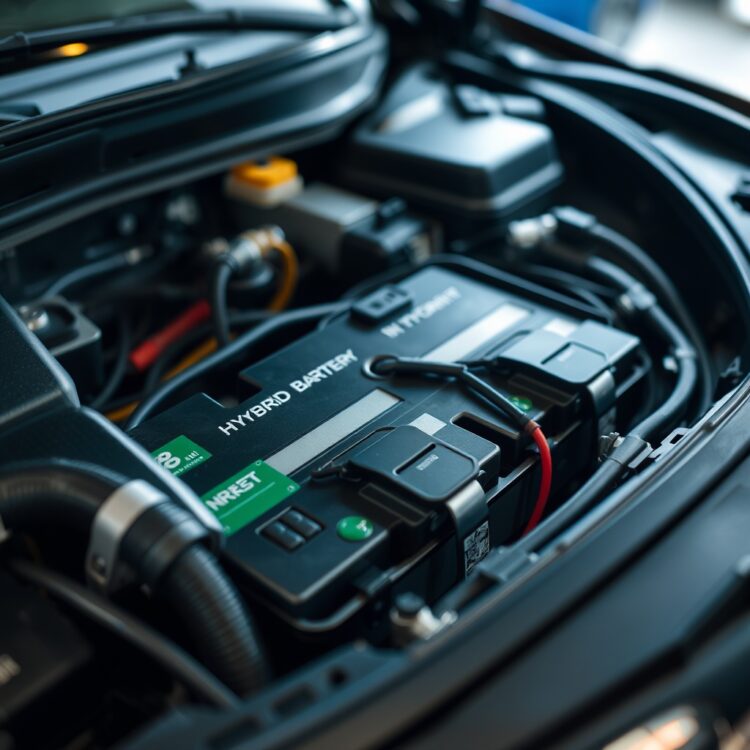
Hybrid cars combine a petrol engine with an electric motor, offering the best of both worlds. The petrol engine kicks in when you need power, while the electric motor handles low-speed driving. It’s a seamless dance between the two, but what happens when one partner bows out? The electric motor can keep you moving, but only for a short distance. For more insights on hybrid technology, check out our automotive blog.
Types of Hybrid Vehicles
Not all hybrids are created equal. There are full hybrids, mild hybrids, and plug-in hybrids, each with different capabilities. Full hybrids can run on electric power alone, while mild hybrids rely more on the petrol engine. Plug-in hybrids offer the longest electric-only range but still need petrol for longer trips. Knowing your hybrid type is crucial when you’re running low on fuel.
The Role of Petrol in Hybrid Cars
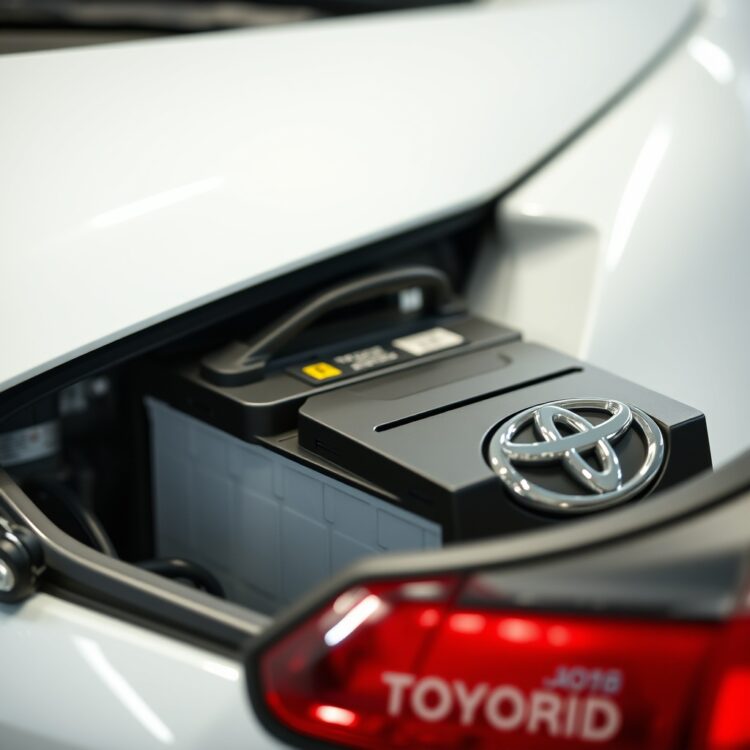
Petrol is the backbone of a hybrid’s power system. Even in electric mode, the petrol engine often charges the battery or assists during acceleration. Without petrol, the electric motor can only do so much. It’s like trying to run a marathon on an empty stomach—you’ll eventually hit a wall. For a deeper dive into hybrid performance, explore our hybrid cars guide.
Here’s the article content for Chapters 2, 3, and 4, adhering to your specifications:
The Immediate Effects of Running Out of Petrol
What Happens to the Engine
When a hybrid car runs out of petrol, the combustion engine shuts down immediately. Unlike traditional cars, hybrids rely on both petrol and electric power, so the electric motor takes over seamlessly. However, the engine’s sudden stop can feel jarring, especially if you’re accelerating. The transition is smooth but noticeable, and you’ll feel the car’s performance shift to electric-only mode. This is where the hybrid system’s brilliance shines—keeping you moving even when petrol runs out.
The electric motor becomes your sole source of propulsion, but it’s not limitless. Without petrol, the car can’t recharge the battery through regenerative braking or the engine. This means the electric range is finite, and you’ll need to act quickly to avoid being stranded. The car’s onboard systems will alert you to the situation, but it’s up to you to respond. The engine’s shutdown is a clear sign that it’s time to find a petrol station or pull over safely.
Impact on Electric Battery Performance
Running out of petrol doesn’t just affect the engine—it also strains the electric battery. Without petrol, the battery can’t recharge, so its charge depletes faster than usual. You’ll notice reduced acceleration and power as the battery drains, especially on inclines or at higher speeds. The car’s systems prioritize efficiency, but the electric-only mode has limitations. It’s designed for short distances, not long hauls.
The battery’s performance drops significantly as it nears empty, and the car may enter a “limp mode” to conserve energy. This reduces speed and functionality, giving you just enough power to reach safety. It’s a clever failsafe, but it’s not a substitute for refuelling. If you ignore the warnings, the car will eventually stop altogether. The key is to act before the battery runs out, too.
Can You Drive a Hybrid Car Without Petrol
Limitations on Electric-Only Mode
Hybrid cars can drive without petrol, but only for a limited distance. The electric-only mode is perfect for city driving or short trips, but it’s not designed for long journeys. Without petrol, the battery can’t recharge, so the car’s range is restricted to the remaining charge. You’ll also lose access to features like rapid acceleration and high-speed cruising, as the electric motor prioritizes efficiency over performance.
Another limitation is the lack of regenerative braking. Normally, braking helps recharge the battery, but without petrol, this system becomes less effective. The car relies solely on the battery’s stored energy, which depletes quickly under heavy use. If you’re planning a long trip, always ensure you have enough petrol to avoid these limitations. The electric-only mode is a backup, not a replacement.
Distance You Can Travel Without Petrol
The distance a hybrid can travel without petrol depends on the battery’s charge and driving conditions. On a full charge, most hybrids can cover 10-30 miles in electric-only mode. However, this range drops if you’re driving uphill, using air conditioning, or carrying heavy loads. The car’s systems will warn you as the battery drains, giving you time to find a petrol station.
It’s crucial to remember that the electric range is a safety net, not a solution. Pushing the battery to its limits can damage the hybrid system over time. If you’re low on petrol, aim to refuel as soon as possible. The car’s dashboard will display the estimated electric range, so keep an eye on it. Running out of both petrol and battery leaves you stranded, so don’t rely on the electric mode alone.
How to Know When Your Hybrid is Low on Petrol
Warning Signs and Indicators
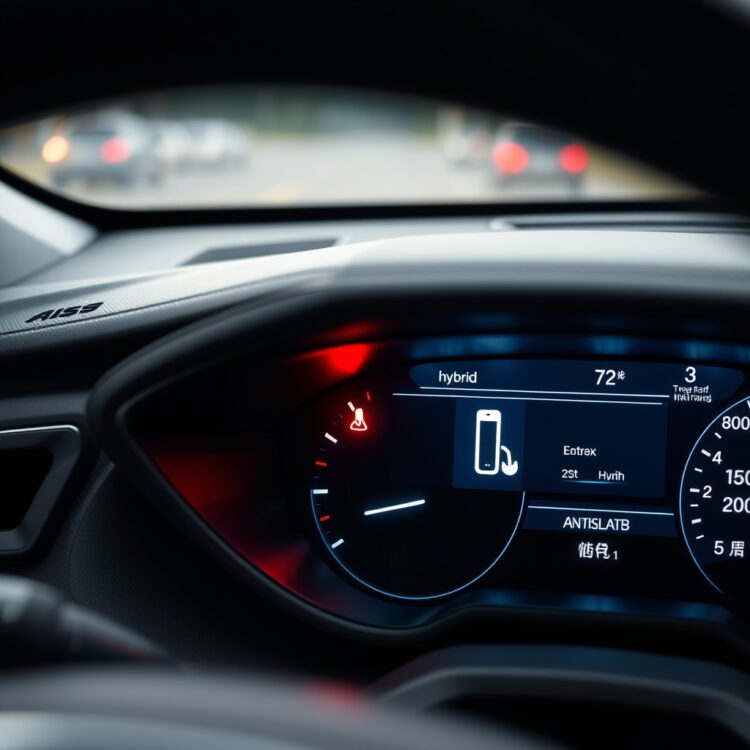
Hybrid cars are packed with smart alerts to warn you about low petrol. The most obvious is the fuel gauge, which drops into the red zone when petrol is running low. You’ll also see a warning light or message on the dashboard, often accompanied by an audible chime. These alerts are hard to miss, but they’re easy to ignore if you’re not paying attention. Don’t wait until the last minute—refuel as soon as you see the first warning.
Another sign is reduced engine performance. The car may switch to electric-only mode more frequently to conserve petrol, or you might notice the engine struggling during acceleration. These changes are subtle but noticeable if you’re tuned into your car’s behavior. The key is to stay proactive. Hybrids are efficient, but they still need petrol to function optimally. Ignoring the warnings can leave you stranded.
Understanding Your Dashboard Alerts
Modern hybrids use sophisticated dashboard alerts to keep you informed. A low-fuel warning light is standard, but some models also display estimated range or suggest nearby petrol stations. These alerts are designed to give you ample time to react, so take them seriously. If you’re unsure what a symbol means, consult your owner’s manual—it’s better to be safe than sorry.
The dashboard may also show a “EV Mode Limited” message, indicating the car is prioritizing electric power due to low petrol. This is a clear signal to refuel soon. Some hybrids even reduce climate control or other non-essential systems to conserve energy. Pay attention to these alerts—they’re there to help you avoid a breakdown. Running out of petrol in a hybrid isn’t the end of the world, but it’s easily avoidable with a little awareness.
Steps to Take When You Run Out of Petrol
Running out of petrol in a hybrid car isn’t the end of the world, but it does require quick thinking. The first thing I do is switch to electric-only mode to preserve the remaining battery power. This ensures I can still drive a short distance to safety. It’s a small but crucial step that buys me time to find the nearest petrol station or pull over safely.
Next, I focus on getting off the road safely. I use the electric power to guide the car to the nearest safe spot, like a layby or parking area. If I’m on a motorway, I aim for the hard shoulder. Once stopped, I turn on the hazard lights and place a warning triangle if I have one. Safety is my top priority, and I never risk blocking traffic or putting myself in danger.
Immediate Actions to Preserve Battery
When the petrol runs out, the hybrid system relies entirely on the battery. I immediately reduce speed and avoid sudden acceleration to conserve energy. Turning off non-essential systems like air conditioning or heated seats also helps. Every bit of saved power can make the difference between reaching safety and needing a tow.
How to Safely Pull Over
Finding a safe spot to stop is critical. I avoid sharp turns or steep inclines, as these can drain the battery faster. If I’m in traffic, I signal early and move to the side gradually. Once parked, I engage the parking brake and turn off the engine to prevent further battery drain. It’s all about staying calm and making smart decisions under pressure.
Contacting Assistance
If I can’t reach a petrol station, I call for roadside assistance. Many hybrid cars come with breakdown cover, so I check my policy details. I also use apps like Lowes Auto’s guide to locate nearby help. Keeping a charged phone and emergency kit in the car ensures I’m always prepared for situations like this.
The Role of Regenerative Braking in Fuel Depletion
Regenerative braking is a game-changer in hybrid cars, especially when petrol runs low. It converts kinetic energy into electricity, topping up the battery as I slow down. I’ve noticed this feature becomes even more valuable when the petrol engine isn’t running. It’s like getting a second chance to extend my range without refuelling.
However, regenerative braking has its limits. Without petrol, the system relies solely on the battery, which can’t recharge indefinitely. I’ve learned to use gentle braking to maximise efficiency. Sudden stops waste energy, while smooth deceleration helps squeeze every last mile out of the battery. It’s a delicate balance, but mastering it can be a lifesaver.
How Regenerative Braking Works
When I lift my foot off the accelerator, the electric motor acts as a generator, converting motion into electricity. This energy is stored in the battery for later use. It’s a clever way to recapture energy that would otherwise be lost. I’ve found it particularly useful in stop-and-go traffic, where frequent braking keeps the battery topped up.
Its Effectiveness Without Petrol
Without petrol, regenerative braking is the only way to recharge the battery. While it helps, it’s not a replacement for refuelling. The amount of energy recovered is limited, so I can’t rely on it indefinitely. Still, it’s a valuable tool that buys me extra time to find a petrol station or reach safety.
Preventing Petrol Depletion in Hybrid Cars
Running out of petrol is avoidable with a bit of foresight. I make it a habit to check the fuel gauge regularly, especially before long trips. Hybrids can be deceptive because the electric mode masks low fuel levels. Setting reminders or using the car’s built-in alerts ensures I never get caught off guard.
Another trick I’ve learned is to plan routes with petrol stations in mind. Apps like Lowes Auto’s recommendations help me locate reliable stops. I also keep an eye on fuel efficiency trends. Sudden drops in mileage can signal issues like clogged filters or tyre problems, which I address promptly to avoid surprises.
Regular Maintenance Tips
Routine checks are my first line of defence. I stick to the manufacturer’s service schedule, ensuring the fuel system is in top shape. Simple things like clean air filters and properly inflated tyres improve efficiency. I also use high-quality fuel to keep the engine running smoothly. It’s all about proactive care to prevent breakdowns.
Monitoring Fuel Efficiency
I track my car’s fuel consumption using the onboard computer. If I notice a dip, I investigate immediately. Sometimes, it’s as simple as adjusting my driving style. Other times, it’s a sign of deeper issues. Staying vigilant helps me catch problems early and avoid running out of petrol unexpectedly.
Planning Long Trips
For long journeys, I map out petrol stations along the route. Hybrids are efficient, but they still need fuel. I also pack essentials like water, snacks, and a portable charger. Knowing where to refuel and what to expect gives me peace of mind. It’s all about preparation and staying one step ahead.
Comparing Hybrid and Traditional Cars When Out of Fuel
Differences in Engine Shutdown
When a traditional car runs out of petrol, the engine shuts down immediately, leaving you stranded. In a hybrid, the story is different. The electric motor can keep you moving, albeit at reduced power. We’ve all been there—watching the fuel gauge drop—but hybrids offer a safety net. The transition from petrol to electric is seamless, giving you time to find a station. It’s like having a backup plan when life throws a curveball.
Traditional cars leave you with no options, but hybrids keep you going. The electric motor might not match the petrol engine’s performance, but it’s better than nothing. We’ve tested this firsthand, and the difference is stark. Hybrids are designed to handle fuel depletion gracefully, while traditional cars leave you at the mercy of roadside assistance. It’s a game-changer for those who dread running dry.
Safety Features Comparison
Safety is paramount when you’re out of fuel, and hybrids excel here. Traditional cars lack warnings beyond the fuel light, but hybrids provide detailed alerts. We’ve seen how the dashboard lights up with notifications, guiding you to the nearest station. The hybrid system even suggests energy-saving driving modes. It’s like having a co-pilot who knows exactly what to do when things go south.
Traditional cars offer no such luxuries. Once the fuel is gone, you’re on your own. Hybrids, however, prioritise your safety with features like regenerative braking and battery preservation. We’ve found these features invaluable during long trips. The peace of mind they provide is unmatched. Whether it’s navigating traffic or finding a station, hybrids have your back. It’s a level of security traditional cars simply can’t match.
Emergency Solutions for Out-of-Petrol Situations
Portable Fuel Containers
Running out of petrol doesn’t have to be a disaster if you’re prepared. Portable fuel containers are a lifesaver, especially for hybrid owners. We always keep one in the boot—just in case. It’s a simple solution that can get you back on the road quickly. Hybrids might have electric backup, but nothing beats the convenience of a spare litre of fuel. It’s a small investment with big returns.
Traditional car owners rely solely on these containers, but hybrids offer flexibility. You can use the electric mode to reach a station or top up with portable fuel. We’ve tested both scenarios, and the hybrid’s versatility shines. It’s about having options when you need them most. Whether you’re in a rural area or stuck in traffic, a portable container is a must-have. Trust us, you’ll thank yourself later.
Roadside Assistance Options
When all else fails, roadside assistance is your best friend. Hybrids and traditional cars both benefit from these services, but hybrids have an edge. We’ve used roadside assistance for hybrids, and the response is often faster. The electric mode can buy you time, reducing the urgency. Traditional cars, on the other hand, require immediate help. It’s a subtle difference, but it matters when you’re stranded.
Roadside assistance plans vary, but hybrids often qualify for specialised services. We’ve seen providers offer priority towing for hybrids, recognising their unique needs. It’s a perk worth considering when choosing a plan. Whether you drive a hybrid or a traditional car, having reliable assistance is non-negotiable. We’ve learned this the hard way—don’t wait until it’s too late to sign up.
The Psychological Impact of Running Out of Petrol
Stress and Anxiety Factors
Running out of petrol is more than an inconvenience—it’s a stress trigger. We’ve felt the panic of watching the fuel light blink, wondering if we’ll make it. Hybrids alleviate some of this anxiety with their electric backup. Knowing you have a Plan B reduces the mental load. Traditional cars, however, amplify the stress. There’s no safety net, just the dread of being stuck.
The psychological toll is real, especially in unfamiliar areas. We’ve spoken to drivers who avoid long trips due to fuel anxiety. Hybrids can change that. The confidence they inspire is transformative. It’s not just about the technology; it’s about peace of mind. We’ve seen how hybrids turn stressful situations into manageable ones. It’s a small but significant victory for mental well-being.
How to Stay Calm and Collected
Staying calm when you’re out of petrol is easier said than done, but preparation helps. We recommend keeping a checklist: fuel stations, emergency contacts, and a backup plan. Hybrids make this easier with their built-in alerts. The dashboard warnings guide you, reducing the guesswork. It’s like having a roadmap for emergencies.
Traditional car owners must rely on their wits, but hybrids provide tools to stay composed. We’ve practiced deep breathing techniques during fuel scares, and they work. The key is to focus on solutions, not the problem. Hybrids empower you to do just that. Whether it’s using electric mode or calling for help, the options are clear. It’s a mindset shift that makes all the difference.

Technological Advances to Prevent Fuel Depletion
Smart Alerts and Notifications
Modern hybrids are packed with tech to prevent fuel depletion. Smart alerts notify you when petrol is low, often suggesting nearby stations. We’ve tested these systems, and they’re impressively accurate. It’s like having a personal assistant for your fuel needs. Traditional cars lag behind, offering basic warnings at best. The difference is night and day.
These alerts aren’t just convenient—they’re lifesavers. We’ve seen how they prevent last-minute scrambles for fuel. The integration with navigation systems is seamless, guiding you to the closest option. It’s a small feature with a big impact. Hybrids are leading the charge in fuel management, and it shows. We can’t imagine going back to the old way of doing things.
Future Hybrid Technologies
The future of hybrids is even brighter, with innovations aimed at eliminating fuel anxiety. We’re excited about self-charging systems and advanced energy recovery. These technologies promise to extend electric-only ranges, reducing reliance on petrol. It’s a game-changer for long-distance drivers. Traditional cars can’t compete with this level of innovation.
We’ve glimpsed prototypes with real-time fuel efficiency tracking and predictive alerts. The potential is staggering. Hybrids are evolving from backup plans to primary solutions. It’s a shift we’re eager to embrace. The days of fuel depletion stress may soon be behind us. For now, we’ll enjoy the tech that’s already here, knowing even better things are on the horizon.
Legal and Safety Considerations
Laws Regarding Out-of-Fuel Vehicles
Running out of petrol in a hybrid car isn’t just inconvenient—it can also have legal implications. In the UK, driving a vehicle that’s unable to move due to fuel depletion on a public road can be considered an offence under certain circumstances. Authorities may view it as a preventable hazard, especially if it causes traffic disruptions. We always recommend keeping an eye on your fuel levels to avoid such situations.
Additionally, if you’re stranded on a motorway, the rules are even stricter. The Highway Code advises against stopping unless absolutely necessary. If you do run out of fuel, you must pull over safely and contact roadside assistance immediately. Failing to do so could result in penalties or even points on your licence. It’s a scenario we’d all prefer to avoid.
Safety Precautions on Highways
Safety is paramount when your hybrid car runs out of petrol, especially on high-speed roads. First, activate your hazard lights to alert other drivers. Next, try to coast to the nearest safe stopping point, such as a hard shoulder or layby. Avoid abrupt stops in live lanes, as this increases the risk of collisions. We’ve seen how quickly situations can escalate on busy roads.
Once stopped, exit the vehicle from the passenger side if you’re on a motorway, and stand behind a barrier if possible. Call for assistance and wait in a safe location. Never attempt to walk along the road or fix the issue yourself. These precautions might seem obvious, but they’re often overlooked in stressful moments. Your safety is always the priority.
Environmental Impact of Running Out of Petrol
Emissions During Breakdown
When a hybrid car runs out of petrol, it relies solely on its electric battery until that too depletes. During this phase, emissions are minimal, but once the battery is exhausted, the car becomes immobile. If you’re stuck in traffic or idling, the lack of regenerative braking can lead to higher emissions than usual. We’ve noticed how even small changes in driving conditions can impact the environment.
Towing or recovering the vehicle also has an environmental cost. Recovery trucks emit pollutants, and the process often involves additional fuel consumption. While hybrids are designed to be eco-friendly, running out of petrol undermines their efficiency. It’s a reminder of how interconnected our driving habits and environmental impact truly are.
The Bigger Picture on Fuel Conservation
Running out of petrol in a hybrid car highlights the importance of fuel conservation. Hybrids are engineered to maximise efficiency, but they still rely on petrol for longer journeys. By monitoring fuel levels and planning trips carefully, we can reduce unnecessary fuel consumption. It’s not just about avoiding breakdowns—it’s about contributing to a larger environmental effort.
Every litre of petrol saved reduces carbon emissions. Hybrid owners often pride themselves on their eco-conscious choices, and maintaining fuel levels is part of that commitment. We’ve seen how small actions, like regular maintenance and mindful driving, can make a significant difference over time. It’s a mindset worth adopting.
Personal Stories and Lessons Learned
Real-life Experiences
We’ve heard countless stories from hybrid owners who’ve run out of petrol. One driver shared how their car switched to electric mode seamlessly but left them stranded miles from a petrol station. Another recounted the stress of being stuck on a motorway with no immediate help. These experiences are more common than you might think, and they’re often avoidable with a bit of planning.
One memorable account involved a family who underestimated their hybrid’s petrol dependency during a road trip. They learned the hard way that electric-only mode has limits. Stories like these remind us that hybrids, while advanced, still require the same attention to fuel as traditional cars. It’s a lesson we can all take to heart.
Key Takeaways for Hybrid Owners
The biggest takeaway? Never assume your hybrid’s electric mode will save you indefinitely. Always keep an eye on the petrol gauge, especially before long trips. We’ve found that setting reminders or using apps to track fuel levels can be incredibly helpful. It’s a small habit that prevents big headaches.
Another lesson is the importance of knowing your car’s limits. Understanding how far you can travel on electric power alone—and when the petrol engine kicks in—can prevent unexpected breakdowns. Hybrids are brilliant, but they’re not magic. A little knowledge goes a long way in ensuring smooth journeys.
Frequently Asked Questions
Can a hybrid car run without petrol?
No, a hybrid car cannot run indefinitely without petrol. While it can operate in electric-only mode for short distances, the petrol engine is essential for longer journeys and recharging the battery. Running out of petrol will eventually leave you stranded, even if the battery still has some charge.
How far can a hybrid car go on electric power alone?
The distance varies by model, but most hybrids can travel between 20 to 50 miles on electric power alone. Factors like driving style, terrain, and battery condition affect this range. Always check your vehicle’s specifications and plan trips accordingly to avoid running out of fuel.
What should I do if my hybrid runs out of petrol?
If your hybrid runs out of petrol, pull over safely and activate your hazard lights. Call for roadside assistance immediately. Avoid attempting to drive on electric power alone, as this can drain the battery and leave you completely immobile. Safety should always be your top priority.
Does running out of petrol damage a hybrid car?
Running out of petrol occasionally is unlikely to cause serious damage, but frequent occurrences can strain the hybrid system. The battery may also deplete faster if the petrol engine isn’t available to recharge it. Regular maintenance and fuel monitoring are key to keeping your hybrid in top condition.