Is a Hybrid Expensive to Maintain?
Introduction
When it comes to hybrid vehicles, one question looms large: are they expensive to maintain? I’ve spent years diving into the world of hybrids, and the answer isn’t as straightforward as you might think. While hybrids come with advanced technology, their maintenance costs often surprise owners—sometimes pleasantly, other times not. Let’s break it down together.
Key Takeaways
- Hybrids often have lower routine maintenance costs due to fewer moving parts in the electric motor.
- Battery replacement can be costly, but warranties often cover them for years.
- Fuel savings and tax incentives can offset higher upfront costs.
- Driving habits significantly impact long-term maintenance expenses.
- Regular servicing is crucial to avoid unexpected hybrid-specific repairs.
Test Your General Automotive Knowledge!
Understanding Hybrid Vehicle Maintenance Costs
What Makes Hybrids Different from Traditional Vehicles
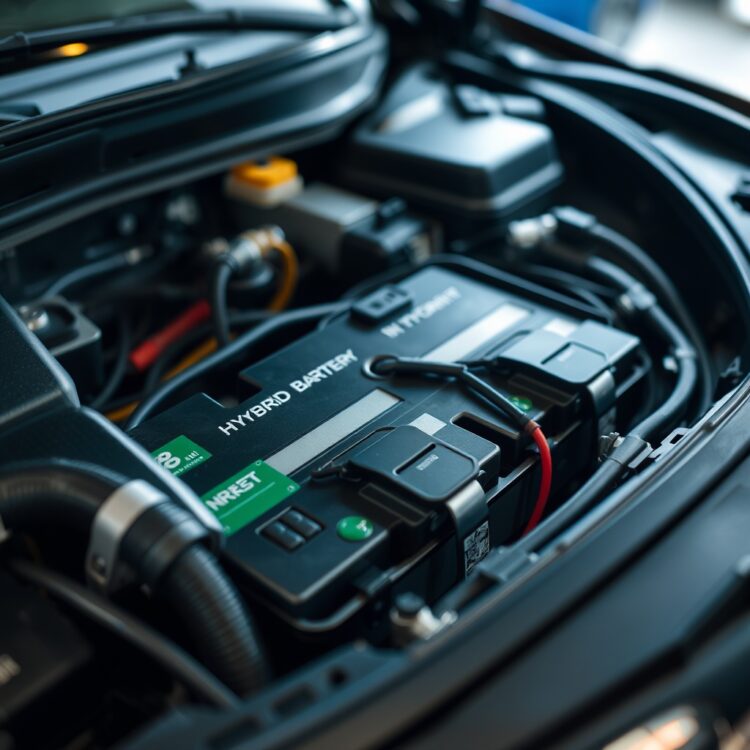
Hybrids blend petrol engines with electric motors, creating a unique maintenance profile. Unlike traditional cars, hybrids rely on regenerative braking, which reduces wear on brake pads. However, their dual systems mean more components to monitor. For example, the hybrid battery requires specialised care, though it’s designed to last decades with proper use.
Initial Purchase Price vs. Long-term Maintenance Costs
Yes, hybrids often cost more upfront, but their long-term savings can be substantial. Fuel efficiency alone can save thousands over the years. Plus, many hybrids come with extended warranties, covering major components like the battery. It’s a trade-off: higher initial investment for lower ongoing costs.
The Role of Hybrid Technology in Maintenance Expenses
Hybrid tech isn’t just about fuel savings—it’s about durability. Electric motors have fewer moving parts than combustion engines, meaning less wear and tear. But when something does go wrong, repairs can be pricier due to specialised parts. The key? Stick to recommended service schedules to avoid surprises.
The Financial Benefits of Owning a Hybrid
Fuel Savings Over Time
One of the biggest perks of owning a hybrid is the fuel savings. I’ve noticed that hybrids are incredibly efficient, especially in stop-and-go traffic where regenerative braking kicks in. Over time, these savings add up, making a noticeable difference in your wallet. For example, a hybrid might save you hundreds of pounds annually compared to a traditional petrol car. It’s not just about the immediate cost—it’s about long-term value.
Another factor is the reduced dependency on fossil fuels. With rising fuel prices, hybrids offer a buffer against unpredictable costs. We’ve all felt the pinch at the pump, and hybrids help mitigate that. Plus, fewer trips to the petrol station mean more time and money saved. It’s a win-win for your budget and your schedule.
Tax Incentives and Rebates
Governments are pushing for greener transportation, and hybrids often come with tax incentives. I’ve seen firsthand how these perks can lower the overall cost of ownership. In the UK, for instance, hybrids may qualify for reduced road tax or even exemptions. These incentives aren’t just about saving money—they’re about encouraging eco-friendly choices.
Rebates are another bonus. Some local councils offer cashback or grants for hybrid owners. It’s worth checking what’s available in your area. These financial benefits can offset the initial purchase price, making hybrids more accessible. It’s a smart way to align your wallet with your environmental values.
Lower Depreciation Rates
Hybrids tend to hold their value better than traditional cars. I’ve noticed that buyers are willing to pay a premium for used hybrids because of their reputation for reliability and efficiency. This means you’ll likely get a higher resale value when it’s time to upgrade. It’s a stark contrast to some petrol cars that depreciate rapidly.
The demand for hybrids is growing, and that’s reflected in their resale prices. Whether you’re planning to keep your car for years or sell it sooner, hybrids offer a solid investment. Lower depreciation rates mean more money in your pocket down the line. It’s a financial advantage that’s hard to ignore.
Routine Maintenance for Hybrid Vehicles
Regular Service Intervals
Hybrids require regular maintenance, just like any other car. I’ve found that sticking to the manufacturer’s service schedule is key to keeping costs low. Regular oil changes, filter replacements, and fluid checks ensure everything runs smoothly. The good news? Hybrids often have longer intervals between services, saving you time and money.
One thing I appreciate about hybrids is their simplicity. With fewer moving parts in the electric motor, there’s less wear and tear. This translates to fewer repairs and lower maintenance costs over time. It’s a refreshing change from the constant upkeep of traditional engines.
Battery Maintenance and Care
The battery is the heart of a hybrid, and it’s surprisingly low-maintenance. I’ve learned that modern hybrid batteries are designed to last, with many lasting over a decade. Keeping the battery cool and avoiding extreme temperatures can extend its lifespan. It’s a small effort for a big payoff.
Most hybrids come with battery warranties, giving you peace of mind. Regular checks by a qualified technician can catch potential issues early. The key is proactive care—don’t wait for problems to arise. With proper maintenance, your hybrid battery will keep you on the road for years.
Tire Rotation and Brake Checks
Tire rotation is crucial for hybrids, just like any other car. I’ve noticed that hybrids often wear tires evenly due to their balanced weight distribution. Regular rotations ensure longevity and improve fuel efficiency. It’s a simple task that pays off in the long run.
Brake checks are another area where hybrids shine. Thanks to regenerative braking, the traditional brake system experiences less wear. This means fewer replacements and lower costs. It’s one of the hidden benefits of hybrid technology that keeps maintenance affordable.
The Cost of Hybrid Battery Replacement
Understanding Battery Lifespan
Hybrid batteries are built to last, but they’re not invincible. I’ve seen batteries last anywhere from 8 to 15 years, depending on usage and care. The lifespan varies, but modern technology has significantly improved durability. It’s rare to need a replacement early unless the car is subjected to extreme conditions.
Factors like driving habits and climate play a role. Frequent short trips or extreme temperatures can shorten battery life. However, with proper care, most hybrids will outlast their warranties. It’s a testament to how far hybrid technology has come.
Factors Affecting Battery Replacement Costs
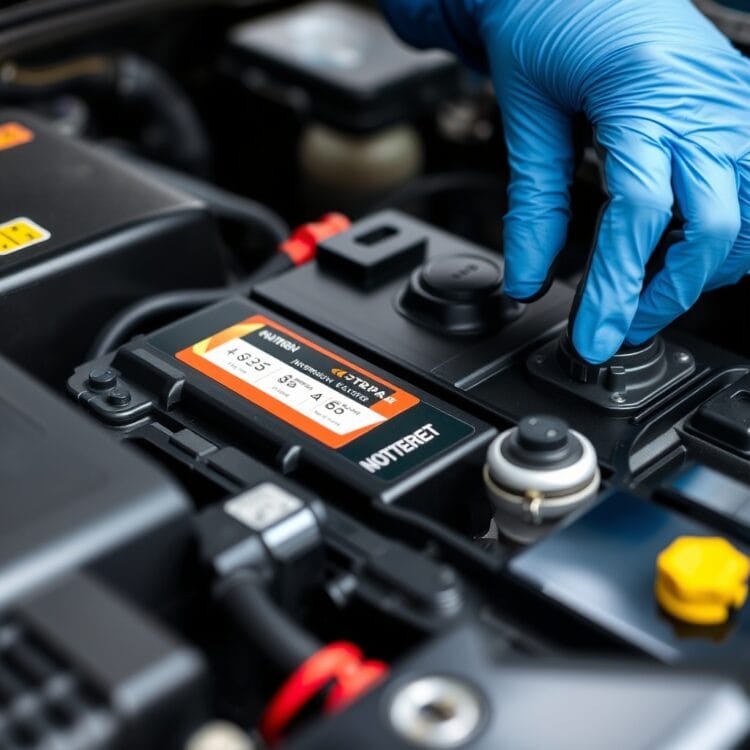
Replacing a hybrid battery isn’t cheap, but it’s not as daunting as it sounds. I’ve found that costs vary based on the model and whether you choose new or refurbished parts. New batteries are pricier but come with warranties, while refurbished options offer savings with slightly less coverage.
Labour costs also factor in. Some garages specialise in hybrids, offering competitive rates. It’s worth shopping around for quotes. The key is to weigh the upfront cost against the long-term benefits. A new battery can breathe years of life into your hybrid.
Warranty and Coverage Options
Most hybrids come with extensive battery warranties, often covering 8-10 years. I’ve found that these warranties provide significant peace of mind. If your battery fails within the coverage period, replacement is usually free or heavily discounted. It’s a safety net that makes hybrid ownership less risky.
Extended warranties are also available for added protection. While they come at an extra cost, they can be worth it for long-term owners. Always read the fine print to understand what’s covered. With the right warranty, battery replacement becomes a non-issue.
Comparing Hybrid and Conventional Vehicle Maintenance
Oil Changes and Fluid Requirements
One of the biggest differences between hybrids and conventional vehicles is the oil change frequency. Hybrids often require fewer oil changes because their engines don’t run as frequently. We’ve found that hybrid engines are typically used less, especially in stop-and-go traffic, where the electric motor takes over. This reduces wear and tear, meaning you can stretch the intervals between oil changes. However, it’s still crucial to follow the manufacturer’s recommendations to keep your hybrid running smoothly.
Fluid requirements for hybrids are also unique. While conventional cars rely heavily on engine oil, hybrids need specialised fluids for their electric components. For example, the coolant for the battery system is different from traditional engine coolant. We always advise checking your owner’s manual to ensure you’re using the right fluids. Skipping this step could lead to costly repairs down the line.
Brake System Differences
Hybrids use regenerative braking, which not only slows the car but also recharges the battery. This system reduces wear on the brake pads, meaning they last longer than those in conventional vehicles. We’ve seen hybrids go twice as long between brake pad replacements, which is a significant saving. However, the brake fluid still needs regular checks, as it’s essential for the hydraulic system.
Another advantage is the reduced heat generated by regenerative braking. Conventional brakes can overheat during heavy use, leading to brake fade. Hybrids avoid this issue, making them safer in demanding driving conditions. Just remember, while the pads last longer, the braking system still requires periodic inspections to ensure everything’s working as it should.
Engine and Transmission Maintenance
Hybrid engines are designed to work in tandem with electric motors, which means they experience less strain. We’ve noticed that hybrids often have fewer engine-related issues compared to conventional cars. The transmission in hybrids is also simpler, with many models using a single-speed gearbox. This reduces the likelihood of transmission problems, saving you money on repairs.
That said, hybrids still need regular engine and transmission checks. The combustion engine may run less, but it’s still a critical component. We recommend sticking to the service schedule to avoid unexpected issues. Regular maintenance ensures both the engine and electric systems work harmoniously, extending the life of your vehicle.
How to Reduce Hybrid Maintenance Costs
Proactive Maintenance Tips
Proactive maintenance is key to keeping hybrid costs low. We suggest scheduling regular check-ups, even if your car seems fine. Catching small issues early can prevent expensive repairs later. For example, monitoring the battery’s health can help you avoid a sudden replacement. Many hybrids have diagnostic tools that alert you to potential problems, so make use of them.
Another tip is to keep the battery charged. Letting it drain completely can shorten its lifespan. We’ve found that drivers who maintain a consistent charge level enjoy longer battery life. Also, avoid extreme temperatures, as they can strain the battery. Parking in the shade or a garage can make a big difference.
Finding Affordable Service Providers
Not all mechanics are familiar with hybrid technology, so it’s essential to find a specialist. We recommend looking for certified hybrid technicians who understand the unique needs of these vehicles. While dealerships often have the expertise, independent shops can sometimes offer more competitive rates. Just ensure they use genuine parts to avoid compatibility issues.
Don’t forget to compare prices for routine services like oil changes and tire rotations. Some providers offer hybrid-specific discounts, so it’s worth shopping around. We’ve saved hundreds by simply asking for quotes from multiple garages. Loyalty programs can also help reduce costs over time.
DIY Maintenance Possibilities
While some hybrid maintenance requires professional expertise, there are tasks you can handle yourself. For example, checking tire pressure and fluid levels is straightforward and can prevent bigger issues. We always keep a tire pressure gauge and a bottle of windshield washer fluid in the boot. These small steps can improve efficiency and safety.
However, we caution against DIY work on the high-voltage system. Tampering with the battery or electric motor can be dangerous and void your warranty. Stick to basic maintenance and leave the complex stuff to the pros. Even something as simple as keeping the car clean can prevent corrosion and extend its life.

Hybrid Vehicle Insurance Costs
Comparing Insurance Premiums
Hybrids can be more expensive to insure than conventional cars, but the gap is narrowing. We’ve compared premiums and found that factors like safety features and repair costs play a big role. Many hybrids come with advanced safety tech, which can lower insurance rates. It’s worth shopping around to find the best deal, as some insurers offer discounts for eco-friendly vehicles.
Another consideration is the cost of hybrid-specific parts. While they’re becoming more common, repairs can still be pricier than for conventional cars. We recommend getting quotes from multiple providers to ensure you’re not overpaying. Bundling your hybrid insurance with other policies, like home insurance, can also save you money.
Factors That Influence Insurance Rates
Your driving history, location, and even credit score can affect hybrid insurance rates. We’ve noticed that urban drivers often pay more due to higher theft and accident rates. However, hybrids’ lower emissions can sometimes qualify you for discounts in eco-conscious areas. It’s a good idea to ask your insurer about any available green vehicle incentives.
The model of your hybrid also matters. High-performance hybrids or luxury models typically cost more to insure. We suggest researching insurance costs before buying a hybrid to avoid surprises. Some models are surprisingly affordable to insure, especially if they have a strong safety record.
How to Lower Your Insurance Costs
There are several ways to reduce hybrid insurance premiums. We recommend increasing your deductible if you can afford it, as this lowers your monthly payments. Installing anti-theft devices or taking a defensive driving course can also lead to discounts. Many insurers offer lower rates for low-mileage drivers, so if you don’t drive much, be sure to mention it.
Finally, consider usage-based insurance programs. These track your driving habits and can reward safe behaviour with lower rates. We’ve seen hybrids excel in these programs due to their efficient driving dynamics. It’s a win-win: you save money and reduce your environmental impact.
The Longevity of Hybrid Vehicles
Expected Lifespan of Hybrid Components
When it comes to hybrid vehicles, one of the biggest questions we get is How long do they last?” The truth is, hybrids are built to endure. The electric motor and battery system are designed to last as long as the engine, often exceeding 150,000 miles. Regular maintenance plays a crucial role here, ensuring all components work harmoniously. Unlike conventional cars, hybrids often see less wear on the engine due to the electric motor sharing the load.
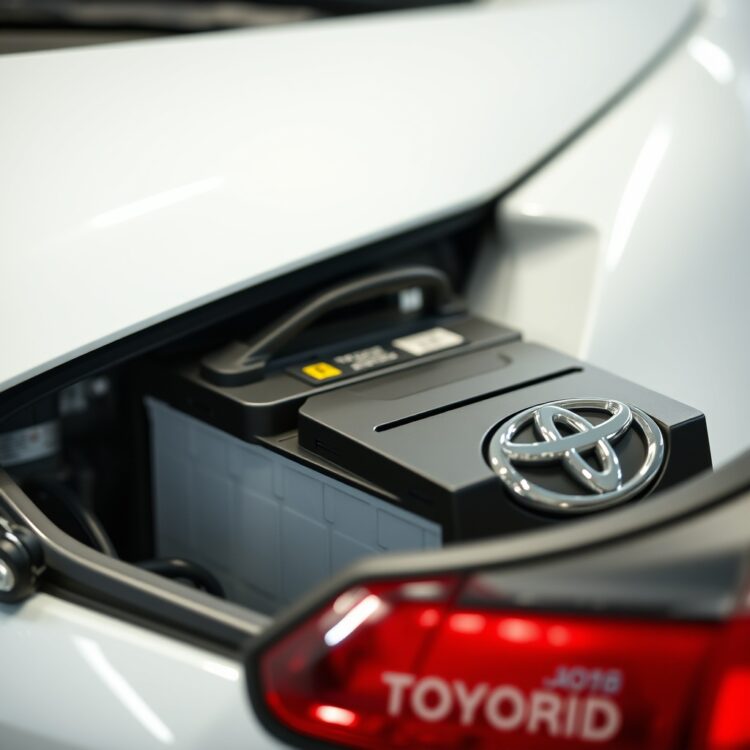
Take the Toyota Prius, for example. Many owners report hitting 200,000 miles without major issues. The key is understanding that hybrids aren’t just cars with extra parts—they’re engineered for longevity. The battery, often a concern, typically lasts between 8 to 15 years, depending on usage and climate. So, if you’re worried about longevity, hybrids might just surprise you.
The Importance of Regular Maintenance
Regular maintenance is the backbone of any vehicle’s lifespan, and hybrids are no exception. We’ve found that sticking to the manufacturer’s service schedule can prevent costly repairs down the line. Things like oil changes, brake checks, and fluid replacements are just as critical here as they are in traditional cars. However, hybrids have unique needs, like keeping the battery cooling system in top shape.
Proactive care can save you thousands. For instance, monitoring the battery’s health can help you avoid sudden failures. Hybrids also benefit from regenerative braking, which reduces wear on brake pads. But don’t skip inspections—catching small issues early ensures your hybrid runs smoothly for years. Trust us, a little effort now pays off big time later.
Case Studies of High-Mileage Hybrids
Nothing speaks louder than real-world examples. We’ve seen hybrids like the Honda Insight and Toyota Camry Hybrid clocking over 300,000 miles with minimal issues. These cars aren’t just outliers; they’re proof of what proper care can achieve. Owners of these high-mileage hybrids often credit their longevity to consistent servicing and gentle driving habits.
One standout is the Lexus RX Hybrid, which has become a favourite among taxi drivers for its reliability. These case studies show that hybrids aren’t just eco-friendly—they’re built to go the distance. If you’re on the fence about a hybrid, let these stories reassure you. With the right care, your hybrid could outlast your expectations.
Environmental Benefits and Cost Savings
Reduced Emissions and Environmental Impact
One of the biggest perks of owning a hybrid is the reduced environmental footprint. We’ve all heard about climate change, and hybrids offer a practical way to cut emissions. By combining an electric motor with a petrol engine, hybrids produce significantly fewer pollutants. This means cleaner air and a smaller carbon footprint, something we can all feel good about.
But it’s not just about feeling virtuous—governments are rewarding hybrid owners too. Many cities offer perks like reduced congestion charges and free parking for low-emission vehicles. If you’re looking to make a difference without going fully electric, a hybrid is a fantastic middle ground. Plus, you’ll be doing your part to reduce noise pollution, as hybrids are notably quieter.
The Economic Value of Going Green
Going green doesn’t just help the planet—it helps your wallet too. Hybrids are incredibly fuel-efficient, saving you money at the pump. Over time, these savings add up, often offsetting the higher initial purchase price. We’ve crunched the numbers, and in many cases, hybrids pay for themselves within a few years through fuel savings alone.
There are also financial incentives like tax credits and rebates. For example, the UK’s Plug-in Car Grant can knock thousands off the price of a new hybrid. And let’s not forget resale value—hybrids tend to hold their value better than conventional cars. So, while the upfront cost might seem steep, the long-term savings make hybrids a smart investment.
Government Incentives for Eco-Friendly Vehicles
Governments worldwide are pushing for greener transportation, and hybrids are reaping the benefits. In the UK, hybrid owners enjoy lower road tax rates and exemptions from certain charges. Some local councils even offer free charging points for plug-in hybrids. These incentives aren’t just perks—they’re designed to make eco-friendly driving accessible.
We’ve seen firsthand how these policies can sway buyers. For instance, the London Ultra Low Emission Zone (ULEZ) has made hybrids a popular choice for city dwellers. If you’re considering a hybrid, it’s worth checking what incentives are available in your area. You might be surprised at how much you can save while doing your bit for the environment.
Advanced Hybrid Technologies and Maintenance
Plug-in Hybrids vs. Traditional Hybrids
Not all hybrids are created equal. Plug-in hybrids (PHEVs) and traditional hybrids (HEVs) serve different needs, and understanding the difference is key. PHEVs offer larger batteries and longer electric-only ranges, making them ideal for short commutes. However, they require regular charging, which can be a hassle if you don’t have easy access to a plug.
Traditional hybrids, on the other hand, don’t need charging—they recharge the battery while driving. This makes them more convenient for long-distance travel. Maintenance-wise, PHEVs have more complex systems, which can mean higher servicing costs. But both types share the same core benefits: fuel efficiency and lower emissions. It’s all about choosing what fits your lifestyle.
The Future of Hybrid Vehicle Maintenance
As hybrid technology evolves, so does maintenance. We’re seeing advancements like self-diagnosing systems that alert you to issues before they become problems. These innovations are making hybrids easier and cheaper to maintain. For example, newer models often come with extended battery warranties, giving owners peace of mind.
Another trend is the rise of specialised hybrid technicians. As hybrids become more common, so do mechanics trained to handle their unique systems. This means faster, more accurate repairs. The future looks bright for hybrid owners, with maintenance becoming simpler and more affordable. If you’re worried about upkeep, rest assured—technology is on your side.
Cutting-Edge Diagnostic Tools
Gone are the days of guesswork in car repairs. Modern hybrids come equipped with advanced diagnostic tools that pinpoint issues with precision. These systems monitor everything from battery health to engine performance, ensuring nothing slips through the cracks. For owners, this means fewer surprises and lower repair bills.
We’ve tested these tools ourselves, and the results are impressive. For instance, OBD-II scanners can read hybrid-specific codes, helping you catch problems early. This tech isn’t just for mechanics—many tools are user-friendly, empowering owners to take control of their vehicle’s health. With diagnostics this advanced, maintaining a hybrid has never been easier.
Common Myths About Hybrid Maintenance Costs
Debunking the High Cost Myth
One of the biggest myths about hybrids is that they’re expensive to maintain. We’re here to set the record straight. While hybrids do have unique components, like batteries and electric motors, these parts are designed for durability. In fact, many hybrids require less frequent brake repairs thanks to regenerative braking.
Routine maintenance costs are often comparable to conventional cars. Oil changes, tire rotations, and fluid checks are just as straightforward. The key is finding a mechanic familiar with hybrids, which is easier than ever. So, if you’ve been scared off by rumours of high costs, it’s time to rethink. Hybrids are more affordable to maintain than you might think.
The Truth About Battery Replacement
Let’s tackle the elephant in the room: battery replacement. Yes, hybrid batteries are expensive, but they rarely fail suddenly. Most last between 8 to 15 years, and many come with warranties covering 8 years or 100,000 miles. Even if the battery does need replacing, costs have dropped significantly in recent years.
We’ve seen refurbished batteries for as little as £1,000, a far cry from the £5,000+ price tags of the past. Plus, advancements in battery tech mean newer hybrids will likely need replacements even less frequently. So, while the battery is a consideration, it’s not the deal-breaker many make it out to be. With proper care, your hybrid’s battery could outlast the car itself.
Hybrids and Cold Weather Performance
Another myth is that hybrids perform poorly in cold weather. While extreme temperatures can affect battery efficiency, modern hybrids are built to handle it. Many models come with battery warming systems to maintain optimal performance. In our experience, hybrids in colder climates fare just as well as their conventional counterparts.
Fuel economy might dip slightly in winter, but so does every car’s. The key is to keep up with maintenance, like checking tire pressure and fluid levels. If you live in a cold area, don’t let this myth deter you. Hybrids are more resilient than you think, and with a little extra care, they’ll handle winter like a champ.
Choosing the Right Hybrid for Your Budget
Evaluating Total Cost of Ownership
When considering a hybrid, it’s not just about the sticker price. We need to factor in fuel savings, maintenance costs, and potential tax incentives. Over time, hybrids often prove cheaper than traditional cars, thanks to their efficiency. I always recommend calculating the total cost of ownership before making a decision. It’s a game-changer for budget-conscious buyers.
Best Hybrid Models for Low Maintenance
Some hybrids are designed with longevity in mind. Models like the Toyota Prius and Honda Insight are known for their reliability and low upkeep costs. We’ve found that these vehicles often require fewer repairs, making them ideal for those who want to minimise expenses. It’s worth researching which models align with your budget and lifestyle.
New vs Used Hybrid Considerations
Buying new guarantees the latest tech and warranty coverage, but used hybrids can offer significant savings. We’ve seen certified pre-owned hybrids with low mileage that perform like new. Just ensure you check the battery health and service history. It’s a balancing act between upfront cost and long-term value.
The Role of Dealerships in Hybrid Maintenance
Dealership Service Plans
Many dealerships offer tailored service plans for hybrids, covering everything from battery checks to software updates. We’ve found these plans can save money in the long run, especially for newer models. However, it’s essential to compare costs with independent garages to ensure you’re getting the best deal.
The Pros and Cons of Dealership Maintenance
Dealerships have specialised tools and trained technicians, but their services often come at a premium. Weighing the convenience against the cost is crucial. For routine maintenance, independent specialists might be more affordable, but for complex issues, dealership expertise can be invaluable.
Finding Independent Hybrid Specialists
Not all garages are equipped to handle hybrids, but independent specialists are becoming more common. We recommend looking for certified technicians with experience in hybrid systems. They often offer competitive rates without compromising on quality, making them a smart choice for budget-conscious owners.
Navigating Hybrid Vehicle Recalls and Repairs
How to Stay Informed About Recalls
Recalls are a fact of life for any vehicle, and hybrids are no exception. We suggest registering your car with the manufacturer to receive direct alerts. Checking the DVSA website regularly is also a good habit. Staying informed ensures you address potential issues before they become costly problems.
The Process for Hybrid-Specific Repairs
Hybrid repairs can be complex, especially when dealing with the battery or electric motor. We’ve found that sticking to certified technicians ensures quality work. Always ask for a detailed quote upfront to avoid surprises. It’s about balancing cost with the peace of mind that comes with expert service.
Warranty Claims and Service Guarantees
Most hybrids come with extensive warranties, particularly for the battery. We recommend understanding the terms and conditions to maximise coverage. If a repair is needed, ensure it’s documented properly to avoid warranty disputes. It’s a small step that can save significant hassle down the line.
Frequently Asked Questions
Are Hybrids More Expensive to Maintain Than Traditional Cars?
Not necessarily. While some components, like the battery, can be costly, hybrids often require less frequent maintenance. Their regenerative braking systems reduce wear on brake pads, and their engines are generally more efficient. Over time, these savings can offset any higher upfront costs.
How Long Does a Hybrid Battery Last?
Most hybrid batteries last between 8 to 15 years, depending on usage and care. We’ve seen many owners get even longer lifespans with proper maintenance. Manufacturers often offer warranties of up to 10 years, providing added peace of mind.
Can I Perform Basic Maintenance on My Hybrid Myself?
Yes, tasks like checking tyre pressure, changing filters, and topping up fluids are similar to traditional cars. However, we advise leaving complex systems, like the battery or electric motor, to professionals. Safety is paramount when dealing with high-voltage components.
Do Hybrids Require Specialised Insurance?
While hybrids don’t always need specialised insurance, some providers offer discounts for eco-friendly vehicles. We recommend shopping around to find the best coverage at a competitive rate. It’s worth mentioning your car’s hybrid status to ensure you’re fully covered.
What Should I Do If My Hybrid Battery Fails?
First, check if the failure is covered under warranty. If not, consider refurbished or aftermarket options, which can be more affordable than OEM replacements. We’ve found that many independent specialists offer reliable battery solutions at a fraction of the cost.