Introduction
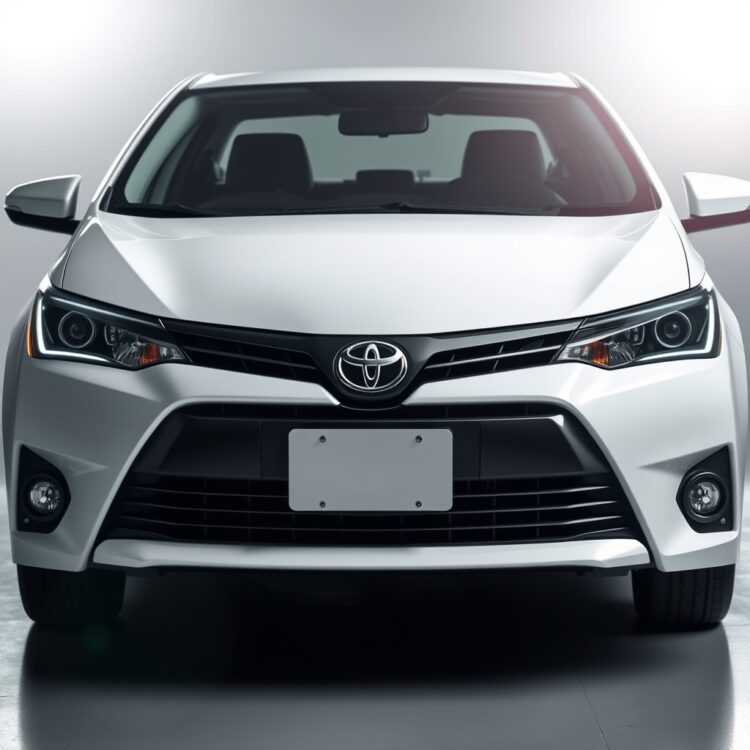
If you’re in the market for a Toyota Corolla, you’re already on the right track. This car is a legend for a reason—reliability, efficiency, and value. But here’s the thing: not all Corolla years are created equal. I’ve dug deep to uncover the best years to buy a Corolla, so you don’t end up with a dud. Trust me, this is the guide you’ve been waiting for.
Key Takeaways
- Reliability peaks: Certain model years stand out for their bulletproof reliability.
- Fuel efficiency: Newer models offer better mileage, but some older ones hold their own.
- Cost of ownership: Used Corollas can save you thousands without sacrificing quality.
- Safety upgrades: Later models come packed with advanced safety tech.
- Years to avoid: A few problematic years are best left on the lot.
How Well Do You Know Toyota Cars?
Introduction to the Toyota Corolla
Brief History of the Toyota Corolla
The Toyota Corolla debuted in 1966 and quickly became a global favourite. Over the decades, it’s evolved from a compact economy car to a tech-savvy, fuel-efficient machine. With over 50 million sold, it’s the best-selling car of all time. That’s not just luck—it’s a testament to Toyota’s commitment to quality. For more on Toyota’s legacy, check out our automotive blog.
Why the Toyota Corolla Stands Out
What makes the Corolla special? It’s the perfect blend of affordability, reliability, and practicality. Whether you’re a first-time buyer or a seasoned driver, the Corolla delivers. It’s also packed with features that punch above its price tag. From hybrid options to advanced safety systems, this car has it all.
Understanding the Corolla’s Market Position
The Corolla sits in a sweet spot—it’s not the cheapest, but it’s far from the most expensive. It offers premium features without the premium price tag. Whether you’re buying new or used, the Corolla represents incredible value. For insights on other great first cars, explore our guide on good first cars.
Key Factors to Consider When Buying a Corolla
Reliability and Durability
When I think about buying a Toyota Corolla, reliability is the first thing that comes to mind. We’ve all heard stories of Corollas hitting 200,000 miles without breaking a sweat. The secret? Toyota’s meticulous engineering and quality control. Whether you’re looking at a new or used model, the Corolla’s reputation for durability is unmatched. It’s the kind of car that won’t let you down, even if you forget an oil change or two. And let’s be honest, who hasn’t?
Durability isn’t just about the engine, though. The Corolla’s build quality ensures that everything from the suspension to the interior holds up over time. I’ve seen models from the early 2000s still running smoothly, a testament to Toyota’s commitment to longevity. If you’re after a car that’s built to last, the Corolla should be at the top of your list.
Fuel Efficiency
One of the biggest selling points of the Corolla is its fuel efficiency. Whether you’re commuting daily or planning a road trip, the Corolla’s frugal fuel consumption is a game-changer. Modern models, especially the hybrid versions, offer impressive MPG figures that can save you a fortune at the pump. Even older models hold their own, thanks to Toyota’s efficient engine designs.
But it’s not just about the numbers. The Corolla’s fuel efficiency translates to fewer stops at the petrol station and more miles for your money. If you’re eco-conscious, the hybrid models are a no-brainer, combining low emissions with stellar fuel economy. It’s a win-win for your wallet and the planet.
Cost of Ownership
Owning a car isn’t just about the purchase price—it’s about the long-term costs. The Corolla shines here, too. Insurance premiums are typically lower than average, and maintenance costs are reasonable thanks to Toyota’s widespread availability of parts. Even if something does go wrong, you won’t be hit with eye-watering repair bills.
Depreciation is another factor. While all cars lose value over time, the Corolla holds its resale value better than most. This means you’ll get more back when it’s time to upgrade. Whether you’re buying new or used, the Corolla’s low cost of ownership makes it a smart financial choice.
The Best Years for Toyota Corolla Reliability
Top Picks for Reliability
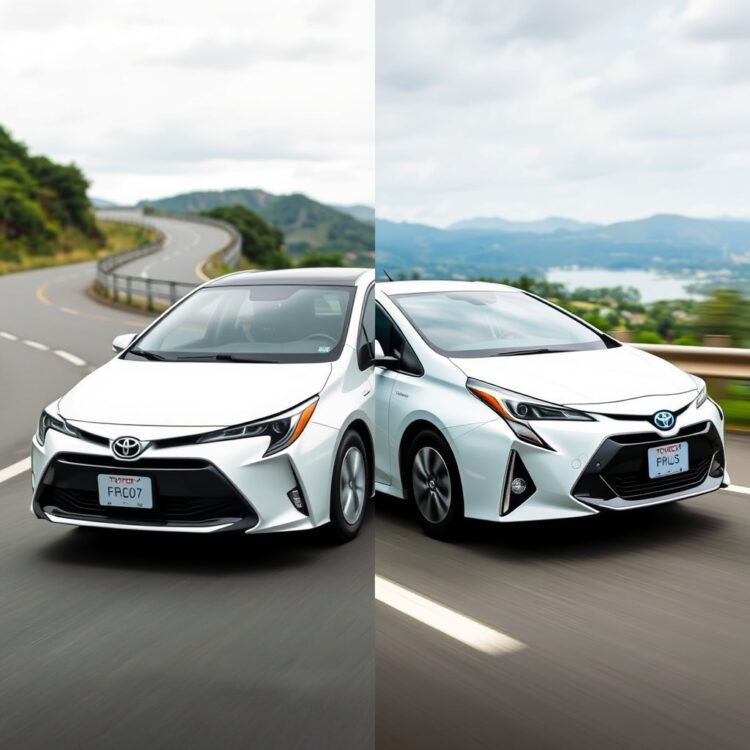
If reliability is your top priority, you can’t go wrong with the 2014-2018 Corolla models. These years are widely regarded as some of the most dependable in the Corolla’s history. They benefit from Toyota’s refined engineering and have fewer reported issues compared to other generations. The 2016 model, in particular, stands out for its bulletproof reliability and modern features.
Another standout is the 2020-present generation. These models come with Toyota’s latest safety and tech features, along with the brand’s renowned reliability. Whether you’re looking for a used 2016 or a brand-new 2023, these years offer peace of mind and fewer headaches down the road.
Years to Avoid
While the Corolla is generally reliable, there are a few years to approach with caution. The 2009-2010 models, for example, had some reported issues with excessive oil consumption. These problems aren’t deal-breakers, but they’re worth considering if you’re looking at older models. Similarly, the 2002-2003 Corollas had transmission issues that could lead to costly repairs.
That said, even the “problem” years aren’t terrible by most standards. Toyota’s reputation for reliability means even their less stellar models are better than many competitors. But if you want the best of the best, stick to the top picks mentioned earlier.
What Makes These Years Stand Out
The best years for the Corolla combine reliability with modern features. The 2014-2018 models, for instance, offer a great balance of affordability and dependability. They also come with updated interiors and tech, making them feel more modern than their predecessors. The 2020+ models take it a step further with advanced safety features like adaptive cruise control and lane-keeping assist.
What really sets these years apart is their consistency. Whether it’s engine performance, build quality, or resale value, they deliver across the board. If you’re after a Corolla that’s built to last, these are the years to focus on.
Fuel Efficiency Across Different Corolla Years
Most Fuel-Efficient Models
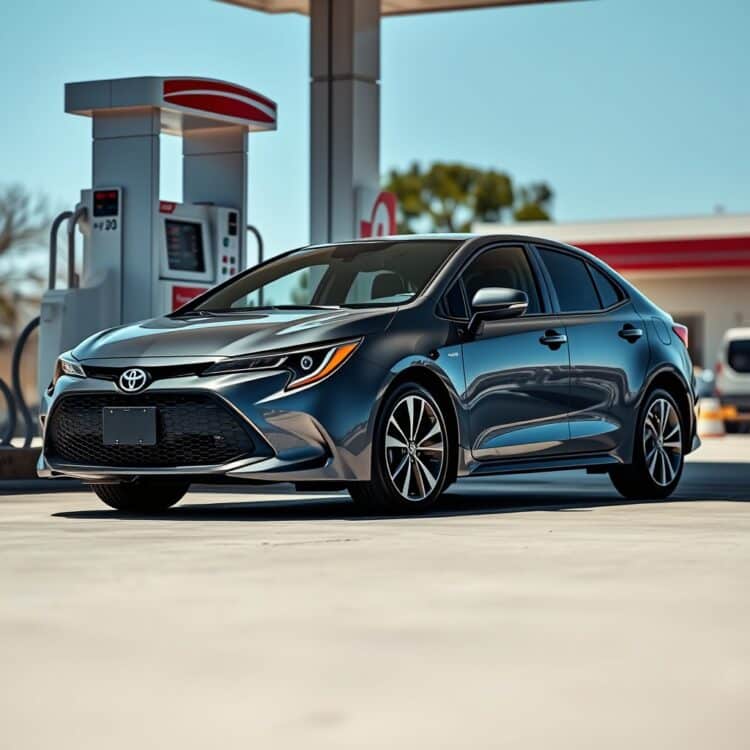
When it comes to fuel efficiency, the Corolla Hybrid is the clear winner. Models from 2020 onwards boast impressive MPG figures, often exceeding 50 MPG in combined driving. Even non-hybrid versions from recent years, like the 2019 Corolla with its 1.8L engine, offer excellent fuel economy. If you’re looking to save at the pump, these are the models to target.
Older models aren’t slouches either. The 2014-2018 Corollas with the 1.8L engine are known for their efficiency, averaging around 30-35 MPG. While they can’t match the hybrids, they’re still among the most fuel-efficient cars in their class. It’s a testament to Toyota’s focus on efficiency across the board.
Technology Behind Fuel Efficiency
So, what makes the Corolla so efficient? It’s a combination of smart engineering and advanced technology. The hybrid models use Toyota’s proven Hybrid Synergy Drive, which seamlessly switches between petrol and electric power. Even the non-hybrids benefit from features like variable valve timing and lightweight materials that reduce fuel consumption.
Recent models also include eco-driving modes that optimise performance for maximum efficiency. These tweaks might seem small, but they add up to significant savings over time. It’s this attention to detail that keeps the Corolla at the top of the fuel efficiency charts.
Comparing Fuel Efficiency Across Generations
Comparing fuel efficiency across generations reveals some interesting trends. Early 2000s models, while reliable, lag behind in MPG due to less advanced engine technology. The 2010s saw a big leap forward, with improvements in aerodynamics and engine efficiency. The latest hybrids, of course, are in a league of their own.
If fuel efficiency is your top priority, the newer the better. But even older Corollas hold their own against competitors. Whether you’re looking at a 2015 model or a 2023 hybrid, you’re getting a car that’s easy on the wallet at the petrol station.
Cost of Ownership New vs Used Corollas
Initial Purchase Price
When deciding between a new or used Toyota Corolla, the initial purchase price is a key factor. New models come with the latest features and warranties but at a higher cost. Used Corollas, especially those a few years old, offer significant savings. We’ve found that opting for a used Corolla can save you thousands while still delivering reliability.
Depreciation hits new cars hardest in the first few years, making used models a smarter financial choice. However, if you value the latest tech and peace of mind, a new Corolla might be worth the investment. It’s all about balancing upfront costs with long-term benefits.
Maintenance and Repair Costs
Maintenance costs for a Toyota Corolla are generally low, but they vary between new and used models. New Corollas often come with free servicing for the first few years, reducing out-of-pocket expenses. Used models, especially older ones, may require more frequent repairs, but parts are affordable and widely available.
We recommend checking the maintenance history of any used Corolla you’re considering. A well-maintained used car can be just as reliable as a new one, but skipping this step could lead to unexpected costs down the road.
Depreciation Rates
Depreciation is an unavoidable part of car ownership, but it’s less severe with a Toyota Corolla compared to many rivals. New Corollas lose about 20-30% of their value in the first year, while used models depreciate more slowly. This makes used Corollas a better choice if resale value is a priority.
If you plan to keep your car for many years, depreciation matters less. But if you like to upgrade frequently, a used Corolla will hold its value better. Either way, the Corolla’s reputation for reliability helps minimise financial losses over time.
Safety Features Evolution in Toyota Corolla
Advancements in Safety Technology
The Toyota Corolla has come a long way in safety tech. Early models focused on basics like airbags and ABS, but modern Corollas boast advanced systems like lane-keeping assist and adaptive cruise control. These features not only protect you but also reduce insurance premiums by lowering accident risks.
We’ve seen how Toyota’s safety innovations have set industry standards. If safety is a top priority, newer models are the way to go. Even mid-range used Corollas from recent years offer impressive safety suites.
Best Years for Safety Features
For the best safety features, look at Corollas from 2017 onwards. This is when Toyota introduced its Toyota Safety Sense (TSS) suite, including pre-collision braking and pedestrian detection. These systems are now standard in newer models, making them ideal for families or cautious drivers.
Older Corollas still perform well in crash tests, but they lack the proactive safety tech of newer versions. If you’re buying used, prioritise models with TSS to get the most protection for your budget.
How Safety Features Affect Insurance Rates
Safety features can significantly lower your insurance premiums. Modern Corollas with TSS often qualify for discounts because they reduce the likelihood of accidents. Even older models with good crash test ratings benefit from lower rates compared to less safe vehicles.
We always advise checking with insurers before buying. A slightly higher purchase price for a safer model could save you money in the long run. Safety isn’t just about protection—it’s also about cost efficiency.
Performance and Handling Over the Years
Engine Performance Evolution
The Corolla’s engine lineup has evolved to balance power and efficiency. Early models focused on reliability, but modern Corollas offer more spirited performance, especially with hybrid options. The 1.8-litre and 2.0-litre engines in recent years provide a smooth, responsive drive.
If you enjoy driving, the hybrid models are a standout. They combine electric torque with petrol efficiency, delivering a surprisingly engaging experience. Even older Corollas are no slouch, but newer ones definitely raise the bar.
Handling and Ride Comfort
Handling has improved dramatically in recent Corolla generations. The TNGA platform, introduced in 2018, offers sharper steering and better cornering stability. Ride comfort is also superior, with well-tuned suspensions that absorb bumps without feeling floaty.
Older Corollas are comfortable but lack the precision of newer models. If you prioritise a smooth, controlled ride, test-driving a post-2018 Corolla is a must. The difference is night and day.
Sportier Models and Their Appeal
For those craving more excitement, the Corolla GR Sport and GRMN variants deliver. These models feature sport-tuned suspensions, aggressive styling, and enhanced engines. They’re rare, but they prove the Corolla can be fun as well as practical.
Even standard Corollas now offer a more dynamic drive than their predecessors. If sportiness matters, focus on the latest models or special editions. The Corolla isn’t just a commuter car anymore.
Interior and Comfort Features by Year
Evolution of Interior Design
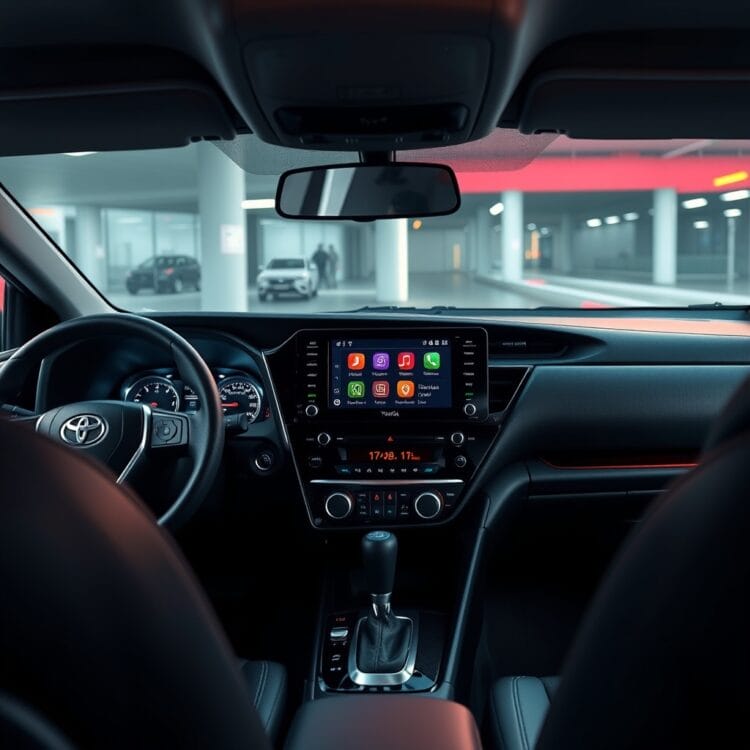
The Corolla’s interior has transformed from functional to luxurious. Early models were basic, but recent iterations feature soft-touch materials, sleek designs, and intuitive layouts. The 2020 refresh brought a more upscale feel, with options like leather upholstery and ambient lighting.
If interior quality is important, newer Corollas are a clear winner. Even mid-range trims now rival premium brands, making every drive a pleasure.
Comfort and Convenience Features
Modern Corollas are packed with comfort features like heated seats, dual-zone climate control, and wireless charging. Older models lack these extras, but they still offer solid ergonomics and spacious cabins. The latest hybrids add tech like head-up displays for a futuristic touch.
For long-distance comfort, newer models are unbeatable. But if you’re on a budget, a well-optioned used Corolla can still deliver a pleasant experience.
Best Years for Interior Quality
The best interiors are found in Corollas from 2019 onwards. This is when Toyota revamped the cabin with higher-quality materials and more tech. Pre-2019 models are still comfortable, but they feel dated by comparison.
If you want the best of both worlds, look for a 2019-2022 model. They offer modern interiors at a fraction of the cost of a brand-new car. The Corolla’s interior evolution is proof that Toyota listens to its customers.
Technology and Infotainment Systems
Infotainment System Upgrades
We’ve seen the Toyota Corolla evolve from basic radio systems to cutting-edge infotainment hubs. The 2014 model introduced a touchscreen, but it wasn’t until 2019 that the Corolla got Apple CarPlay and Android Auto. The latest models feature a 7-inch or 8-inch touchscreen with voice recognition and over-the-air updates. If you’re a tech enthusiast, the 2020 and newer models are your best bet for seamless connectivity and modern features.
The 2023 Corolla takes it further with wireless smartphone integration and a JBL premium audio system. These upgrades make daily commutes more enjoyable, whether you’re streaming music or navigating with Google Maps. For those who prioritise tech, skipping older models without these integrations is wise. The infotainment system is now intuitive, responsive, and packed with features that rival luxury brands.
Connectivity Features
Modern Corollas excel in connectivity, offering Bluetooth, USB ports, and even Wi-Fi hotspots. The 2021 model introduced Amazon Alexa compatibility, letting you control smart home devices from your car. If you rely on digital assistants, this is a game-changer. The 2022 and 2023 models expanded on this with wireless charging pads and enhanced voice commands, making hands-free operation smoother than ever.
For families or frequent travellers, the rear-seat USB ports and multiple device pairing are lifesavers. The Corolla’s connectivity isn’t just about convenience—it’s about staying safe while staying connected. Older models lack these perks, so if you’re buying used, aim for 2020 or later. The difference in daily usability is night and day, especially for those who live in their cars.
Best Years for Tech-Savvy Buyers
If technology is a priority, focus on the 2020-2023 Corollas. These years brought the most significant leaps in infotainment and connectivity. The 2020 model was the first to offer Apple CarPlay and Android Auto as standard, while the 2023 model added wireless functionality and a premium audio upgrade. These features transform the driving experience, turning the Corolla into a mobile office or entertainment hub.
For budget-conscious buyers, the 2019 model is a decent compromise, but it lacks the polish of newer systems. The 2021 and 2022 models strike a balance between affordability and modern tech. Whether you’re a gadget lover or just want reliable navigation, these years deliver the best value. The Corolla’s tech upgrades prove Toyota is keeping pace with the digital age.
Comparing Generations Which One Fits You Best
Overview of Different Generations
The Corolla has undergone several generational shifts, each with unique strengths. The 2009-2013 generation is known for its bulletproof reliability but lacks modern tech. The 2014-2018 models introduced better fuel efficiency and safety features, while the 2019-present generation is a tech powerhouse. Your choice depends on what you value most: durability, efficiency, or cutting-edge features.
The 2014-2018 Corollas are ideal for those who want a balance of reliability and affordability. They’re not as flashy as newer models, but they’re built to last. The 2019+ generation, however, is perfect for drivers who crave modern amenities. From hybrid options to advanced driver aids, these models cater to contemporary needs. Understanding these generational differences helps you pick the right Corolla for your lifestyle.
Pros and Cons of Each Generation
The 2009-2013 Corollas are budget-friendly and mechanically sound, but their interiors feel dated. The 2014-2018 models improved comfort and fuel economy but still lag in tech. The 2019+ generation excels in safety and infotainment but comes at a higher price. Weighing these pros and cons ensures you don’t overpay for features you won’t use or sacrifice essentials for savings.
For example, the 2016 Corolla offers great value with its refined ride and low maintenance costs. However, if you want adaptive cruise control or lane-keeping assist, you’ll need a 2019 or newer model. Each generation has its niche, so consider your priorities carefully. Whether it’s cost, tech, or longevity, there’s a Corolla generation tailored to your needs.
Matching Generations to Buyer Needs
First-time buyers or students might prefer the 2009-2013 models for their affordability and simplicity. Families could opt for the 2014-2018 generation for its safety upgrades and spacious interiors. Tech enthusiasts and eco-conscious drivers should lean toward the 2019+ models for their hybrid options and advanced features. Matching the generation to your needs ensures satisfaction for years to come.
For urban commuters, the hybrid models from 2020 onward are a smart choice, offering fuel savings and low emissions. Rural drivers might prioritise the rugged reliability of older models. The Corolla’s versatility means there’s a perfect fit for everyone. By aligning your needs with the right generation, you’ll get the most out of your investment.
The Impact of Mileage on Corollas Value
How Mileage Affects Reliability
Mileage is a critical factor in a Corolla’s reliability, but it’s not the only one. Well-maintained models with 100,000 miles can outperform neglected ones with half that. The Corolla’s reputation for longevity means high mileage isn’t a deal-breaker if service records are solid. Look for consistent oil changes, timing belt replacements, and other routine maintenance to gauge true reliability.
That said, lower-mileage Corollas (under 60,000 miles) generally offer more trouble-free years. The sweet spot for used buyers is between 40,000 and 80,000 miles—enough to save money without sacrificing too much lifespan. Avoid cars with erratic service histories, no matter the mileage. A Corolla’s durability hinges on proper care, not just the odometer reading.
Ideal Mileage Range for Used Corollas
For the best balance of price and longevity, aim for a used Corolla with 50,000-70,000 miles. These cars have plenty of life left but cost significantly less than new ones. Models in this range often come with remaining warranty coverage, adding peace of mind. If you’re buying older (2010-2015), consider mileage under 100,000 to avoid major repairs like transmission or suspension work.
Hybrid models, like the 2020 Corolla Hybrid, can handle higher mileage due to their efficient drivetrains. Even at 100,000 miles, a well-kept hybrid can deliver years of reliable service. The key is thorough inspection and verification of maintenance records. Don’t let high mileage scare you off—just ensure it’s backed by a solid history of care.
Tips for High-Mileage Corolla Buyers
If you’re considering a high-mileage Corolla, focus on recent maintenance and condition. Check for worn-out components like brakes, tires, and suspension parts, as these can add up in repair costs. A pre-purchase inspection by a trusted mechanic is non-negotiable. They’ll spot issues like oil leaks or timing chain wear that could spell trouble down the road.
Also, prioritise models with a single owner or detailed service records. These cars are more likely to have been cared for consistently. High-mileage Corollas can be gems if they’ve been maintained well, offering unbeatable value. Just go in with eyes open and a mechanic’s approval. With the right approach, even a 150,000-mile Corolla can be a smart buy.
Where to Find the Best Deals on Corollas
Buying New vs Used
New Corollas come with the latest features and full warranties but depreciate quickly in the first few years. Used models, especially 2-3 years old, offer significant savings with most of the tech and safety features intact. Certified Pre-Owned (CPO) Corollas are a middle ground, providing warranty coverage and rigorous inspections at a lower cost than new.
For budget shoppers, used Corollas from private sellers or independent dealers can be the most affordable. However, you’ll miss out on dealer perks like financing deals or trade-in options. Weigh the pros and cons based on your financial situation. If you plan to keep the car long-term, buying new might justify the higher initial cost.
Best Places to Purchase
Dealerships are the safest bet for new or CPO Corollas, offering warranties and financing options. Online platforms like AutoTrader or CarGurus streamline the search for used models, letting you compare prices and features easily. Private sellers on Facebook Marketplace or Gumtree can offer lower prices but require more due diligence.
Auction sites like Manheim or local auctions are options for seasoned buyers, but they come with risks. Stick to reputable sources unless you’re confident in your ability to assess a car’s condition. Wherever you buy, always test-drive and inspect the vehicle thoroughly. The best deal isn’t just about price—it’s about value and peace of mind.
Timing Your Purchase for the Best Deal
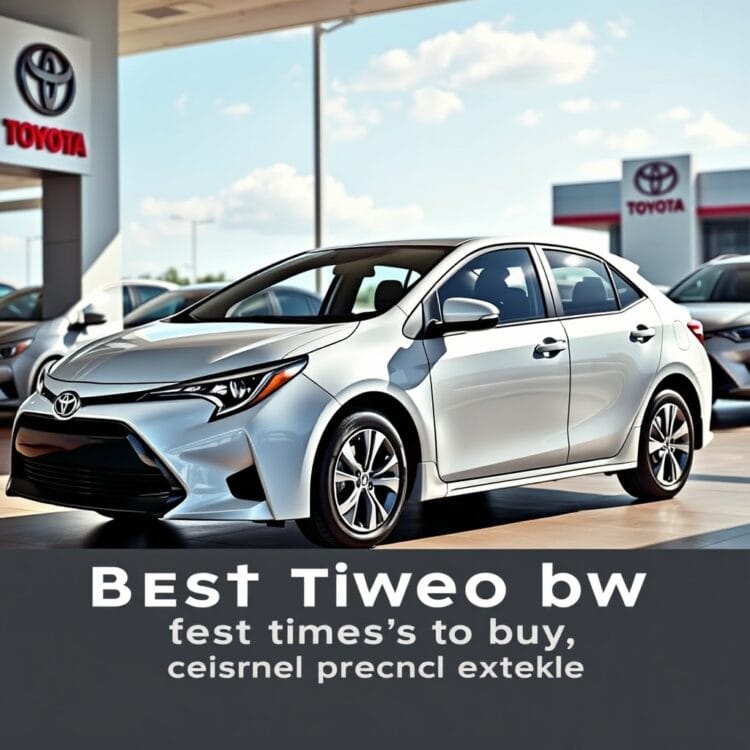
End-of-month or end-of-year sales are prime times to buy, as dealers aim to meet quotas. Holiday weekends often feature special promotions, and new model releases can push discounts on outgoing inventory. For used Corollas, shopping in late autumn or winter can yield better prices, as demand dips during colder months.
Patience pays off—waiting for the right deal can save thousands. Research market trends and set price alerts for your desired model. Whether you’re buying new or used, timing your purchase strategically maximizes savings. A little planning ensures you drive away in a Corolla that fits both your needs and your budget.
Common Issues and How to Address Them
Most Reported Problems
We’ve seen a few common issues pop up with the Toyota Corolla over the years. Some models are prone to excessive oil consumption, especially the 2009-2011 versions. Another frequent complaint involves the CVT transmission in newer models, which can feel sluggish or noisy. Electrical gremlins, like faulty power windows or dashboard lights, also make the list. These aren’t deal-breakers, but they’re worth knowing before you buy.
Preventative Maintenance Tips
To keep your Corolla running smoothly, stick to a strict maintenance schedule. Regular oil changes are non-negotiable—opt for synthetic oil if your model burns through it quickly. If you’re eyeing a CVT-equipped Corolla, ensure the transmission fluid is checked and replaced as recommended. For electrical issues, a diagnostic scan can save you headaches later. And always, always check the service history before buying used.
Warranty and Recall Information
Toyota has issued recalls for certain Corolla models, including airbag and fuel pump concerns. Check the automotive blog for updates on active recalls. Most Corollas come with a 3-year/60,000-mile warranty, but extended coverage is available. If you’re buying used, a certified pre-owned Corolla often includes an extended warranty, giving you extra peace of mind.
Customization and Aftermarket Upgrades
Popular Upgrades for Corolla Owners
Corolla owners love personalising their rides. Popular upgrades include alloy wheels, tinted windows, and aftermarket exhausts for a sportier sound. Interior mods like custom upholstery or upgraded infotainment systems are also common. If you’re into performance, a cold air intake or suspension kit can sharpen the driving experience. Just remember: not all upgrades are created equal.
Cost vs Benefit of Customizations
Some upgrades pay off more than others. Alloy wheels and tinted windows add aesthetic appeal without breaking the bank. Performance mods, like exhaust systems, can be pricey and may not significantly boost power. Always weigh the cost against the benefit—especially if you plan to resell. A well-maintained, lightly modified Corolla often holds its value better than a heavily customised one.
How Upgrades Affect Resale Value
Not all modifications are resale-friendly. While tasteful upgrades like alloy wheels can attract buyers, extreme changes (think loud exhausts or lowered suspensions) might narrow your market. Stick to reversible mods if you’re unsure. And if you’re leasing, check the terms—some modifications can void your agreement. Balance personalisation with practicality to keep your Corolla’s value intact.
Making the Final Decision Which Corolla Year to Buy
Summarizing Key Considerations
Choosing the right Corolla year boils down to your priorities. If reliability tops your list, stick to the 2014-2018 models. For fuel efficiency, the hybrid versions from 2020 onward are unbeatable. Safety-conscious buyers should look at 2017 and newer for advanced features. And if budget’s a concern, older models like the 2005-2008 Corollas offer solid value with fewer frills.
Personalizing Your Choice Based on Needs
Your ideal Corolla depends on how you’ll use it. Daily commuters might prioritise fuel economy, while families may focus on safety and space. Enthusiasts could lean toward the sportier SE or XSE trims. Don’t forget to factor in maintenance costs—older models are cheaper upfront but may need more repairs. Test drive a few options to see what feels right for you.
Next Steps After Choosing the Right Year
Once you’ve picked a year, it’s time to hunt for the perfect car. Check listings on trusted platforms like common faults for insights. Always inspect the vehicle in person or get a pre-purchase inspection. Negotiate based on the car’s condition and service history. And remember, patience pays off—the right Corolla is out there waiting for you.
Frequently Asked Questions
What is the most reliable Toyota Corolla year?
The 2014-2018 Corollas are among the most reliable, with fewer reported issues and solid build quality. These models strike a great balance between modern features and long-term durability. Avoid the 2009-2011 years if you’re concerned about oil consumption problems.
Is a used Toyota Corolla a good investment?
Absolutely. Used Corollas are known for their reliability and low maintenance costs, making them a smart buy. Look for well-maintained models with a clean service history. Certified pre-owned options offer added warranty coverage, boosting their value even further.
How does mileage affect a Corolla’s reliability?
Mileage matters, but maintenance matters more. A high-mileage Corolla with regular servicing can outlast a neglected low-mileage one. Aim for models under 100,000 miles for the best balance of price and longevity. Always check the service records to ensure proper care.
What are the common issues with newer Corolla models?
Newer Corollas, especially those with CVT transmissions, can experience laggy acceleration or transmission noise. Some owners report minor electrical glitches, like infotainment system hiccups. These issues are generally minor and often covered under warranty, but they’re worth noting.
Should I buy a Corolla hybrid or a petrol model?
It depends on your driving habits. The hybrid excels in fuel efficiency and eco-friendliness, ideal for city driving. Petrol models are cheaper upfront and simpler to maintain. If you prioritise long-term savings on fuel, the hybrid is the way to go. For a budget-friendly option, stick with petrol.