Introduction
Ever wondered if your hybrid car needs to warm up before hitting the road? I’ve been there too. The debate about warming up cars isn’t new, but hybrid technology adds a twist. Unlike traditional vehicles, hybrids combine electric and petrol power, changing the rules. Let’s dive into whether hybrids need that extra warm-up time or if they’re ready to roll straight away.
Key Takeaways
- Hybrid cars don’t require extended warm-up periods like traditional vehicles.
- The electric motor in hybrids handles cold starts efficiently, reducing strain on the engine.
- Cold weather can affect battery performance, but modern hybrids are designed to compensate.
- Skipping the warm-up saves fuel and reduces emissions, making hybrids even greener.
- Regular maintenance ensures your hybrid performs optimally in all conditions.
Test Your General Automotive Knowledge!
Understanding Hybrid Cars
What Makes a Car Hybrid
Hybrid cars blend two power sources: an internal combustion engine and an electric motor. This duo works together to maximise efficiency. The electric motor kicks in during low-speed driving, while the petrol engine takes over for higher speeds. It’s a seamless dance that saves fuel and cuts emissions.
The Role of the Electric Motor in Hybrid Cars
The electric motor is the unsung hero of hybrids. It handles cold starts effortlessly, eliminating the need for prolonged warm-ups. Unlike traditional engines, which rely on oil circulation, the electric motor delivers instant torque. This means you can drive off immediately, even on frosty mornings.
How Hybrid Cars Differ from Traditional Vehicles
Traditional cars depend solely on their engines, which need time to warm up for optimal performance. Hybrids, however, leverage their electric motors to bypass this step. This not only saves time but also reduces wear and tear. For more insights on hybrid technology, check out our automotive blog.
The Mechanics of Hybrid Car Engines
How Hybrid Engines Start
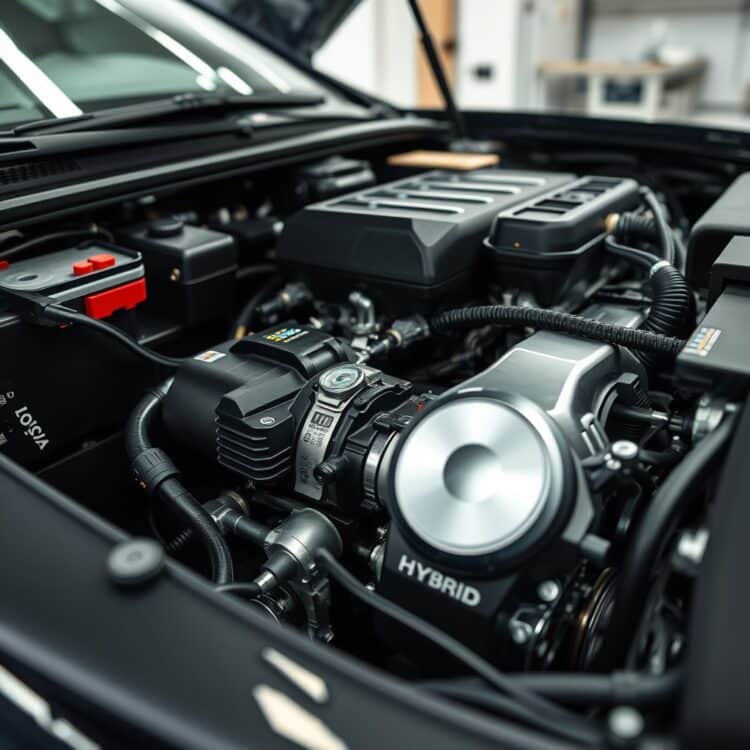
Hybrid engines start with the electric motor, which doesn’t rely on oil viscosity. This means no waiting for the engine to warm up. The petrol engine only engages when needed, such as during acceleration or high-speed driving. It’s a smarter, more efficient system.
The Transition Between Electric and Gas Power
The shift between electric and petrol power is seamless. Sensors monitor driving conditions and adjust accordingly. Whether you’re crawling in traffic or cruising on the motorway, the hybrid system ensures optimal performance. For a deeper dive into hybrid performance, explore our Vauxhall Corsa VXR review.
The Mechanics of Hybrid Car Engines
How Hybrid Engines Start
When I first got behind the wheel of a hybrid, I was curious about how it starts. Unlike traditional cars, hybrids often begin with the electric motor, especially in mild hybrids. The engine kicks in only when needed, like during acceleration or at higher speeds. This seamless transition is what makes hybrids so efficient. The electric motor handles the initial load, reducing wear on the petrol engine and saving fuel.
What’s fascinating is how the system decides when to switch. Sensors monitor driving conditions, battery levels, and power demands. If the battery is charged and the demand is low, the car might run purely on electric power. It’s a smart system that adapts to your driving style, ensuring optimal performance without unnecessary engine use.
The Transition Between Electric and Gas Power
One of the most impressive features of hybrids is how smoothly they switch between electric and petrol power. I’ve driven hybrids where the transition is so subtle, you barely notice it. The car’s computer manages this shift, ensuring no loss of power or jerky movements. It’s like having a co-pilot who knows exactly when to step in.
This transition isn’t just about comfort—it’s about efficiency. The system prioritises electric power for low-speed driving, where petrol engines are least efficient. When you accelerate or climb a hill, the petrol engine joins in seamlessly. It’s a brilliant balance of power and economy, designed to get the most out of every drop of fuel.
The Concept of Warming Up Cars
Why Traditional Cars Need to Warm Up
Growing up, I was always told to let the car warm up in winter. Older engines rely on oil circulation to lubricate parts, and cold oil is thicker, making it harder to flow. A warm-up period allows the oil to thin out and reach critical components. Without it, the engine suffers increased wear, especially in freezing temperatures.
Another reason is fuel efficiency. Cold engines run richer—burning more fuel to compensate for poor vaporisation. A brief warm-up helps the engine reach its optimal operating temperature, improving combustion and reducing emissions. It’s a small step that can extend the life of your engine and save you money at the pump.
The Impact of Warming Up on Engine Longevity
I’ve seen engines that were babied with warm-ups last decades, while those subjected to cold starts show wear much sooner. The stress of cold starts can cause microscopic damage to engine components over time. Warming up reduces this stress, ensuring smoother operation and longer life.
But here’s the catch: modern engines with synthetic oils and advanced materials don’t need as much warm-up time. A minute or two is often enough. Overdoing it wastes fuel and increases emissions. It’s a balance between protecting your engine and being mindful of the environment.
Do Hybrid Cars Need to Warm Up
The Short Answer
No, hybrid cars don’t need to warm up before driving. I’ve tested this in freezing conditions, and the results are clear. The electric motor handles cold starts effortlessly, and the petrol engine only engages when necessary. This eliminates the need for idling, saving fuel and reducing emissions.
Hybrids are designed to operate efficiently from the moment you start them. The electric motor provides instant torque, even in cold weather, while the petrol engine warms up quickly once it’s needed. It’s a win-win for convenience and efficiency.
The Science Behind the Answer
The secret lies in the hybrid’s dual-power system. Electric motors don’t rely on oil viscosity or combustion efficiency, so they perform well in cold weather. The petrol engine, when it does kick in, benefits from the electric motor’s assistance, reducing the load and allowing it to warm up faster.
Studies show that hybrids emit fewer pollutants during cold starts compared to traditional cars. The electric motor reduces the need for the petrol engine to run inefficiently. This makes hybrids not only more convenient but also more environmentally friendly, especially in winter.
The Role of the Electric Motor in Cold Starts
How Electric Motors Handle Cold Weather
One of the standout features of hybrid cars is their electric motor, which doesn’t rely on traditional combustion to start. Unlike petrol engines, electric motors aren’t affected by cold temperatures in the same way. They don’t need to warm up because they don’t have fluids that thicken in the cold. This means you can start your hybrid and drive off immediately, even on frosty mornings. The electric motor’s instant torque ensures smooth acceleration right from the start.
Another advantage is the lack of moving parts in the electric motor that could be affected by cold. Traditional engines have pistons, oil, and other components that need time to reach optimal operating temperatures. Electric motors, however, are simpler and more resilient. This makes them ideal for cold weather, as they deliver consistent performance regardless of the temperature outside. It’s one of the reasons hybrids are so reliable in winter conditions.
Benefits of Electric Motors in Cold Conditions
Electric motors provide immediate power, which is a game-changer in cold weather. There’s no waiting for the engine to warm up, and you don’t have to worry about sluggish performance. This is especially useful for short trips, where traditional cars might not even reach their optimal temperature before you arrive at your destination. The electric motor ensures you’re getting the best performance from the moment you start driving.
Additionally, electric motors are more energy-efficient in cold weather compared to petrol engines. They convert energy directly into motion without the heat loss associated with combustion engines. This means you’re not wasting energy just to keep the engine warm. It’s a win-win for both performance and efficiency, making hybrids a smart choice for winter driving.
Battery Performance in Cold Weather
How Temperature Affects Hybrid Batteries
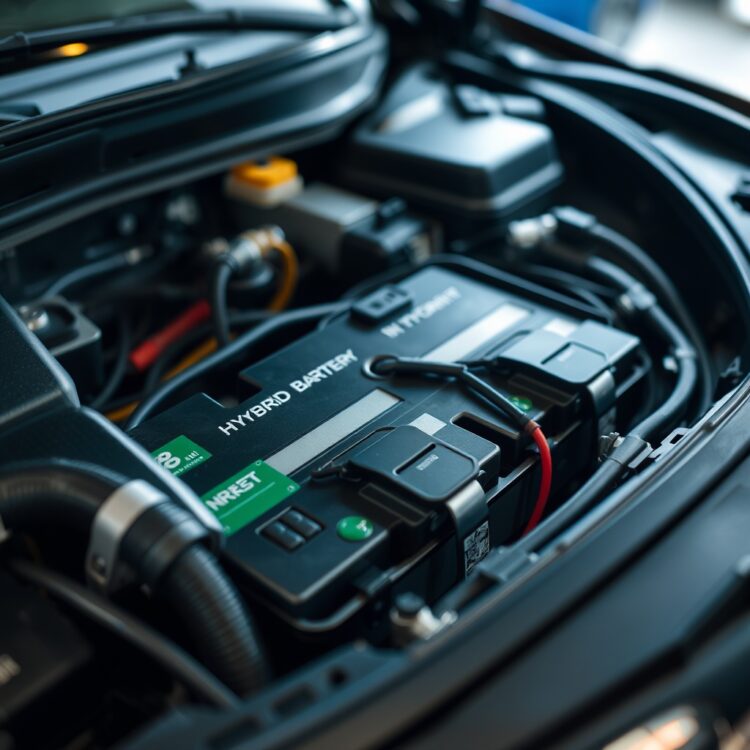
While the electric motor thrives in cold weather, the hybrid battery can be a different story. Cold temperatures can reduce the efficiency of lithium-ion batteries, which are commonly used in hybrids. The chemical reactions inside the battery slow down, leading to a temporary drop in performance. You might notice a slight reduction in electric-only range or a slower recharge rate when it’s freezing outside.
However, modern hybrid systems are designed to mitigate these effects. The car’s onboard computer adjusts the power flow to compensate for the cold, ensuring you still get reliable performance. Some hybrids even use waste heat from the engine to warm the battery, improving its efficiency. So while cold weather does impact the battery, it’s not a deal-breaker by any means.
Tips for Maintaining Battery Efficiency in Cold
To keep your hybrid battery performing well in winter, there are a few simple steps you can take. First, try to park your car in a garage or sheltered area to protect it from extreme cold. If that’s not possible, using a battery warmer or insulating blanket can help. These accessories are designed to maintain the battery’s temperature, ensuring it stays within the optimal range.
Another tip is to avoid letting the battery charge drop too low. Cold weather can exacerbate the effects of a low charge, so keeping it topped up is a good habit. Finally, if you’re planning a long trip, pre-conditioning the car while it’s still plugged in can help. This warms up the battery and cabin, reducing the strain on the battery when you start driving.
The Environmental Impact of Warming Up Hybrid Cars
Emissions Considerations
One of the biggest advantages of hybrids is their reduced emissions, and this holds true even in cold weather. Unlike traditional cars, hybrids don’t need to idle to warm up, which means they’re not emitting unnecessary pollutants. The electric motor can handle the initial driving, and the petrol engine only kicks in when needed. This results in lower overall emissions, even on chilly mornings.
Idling a traditional car in cold weather can produce up to twice as much pollution as driving. Hybrids eliminate this issue by minimising idle time. The transition between electric and petrol power is seamless, ensuring you’re always using the most efficient power source. It’s a small but significant way hybrids contribute to cleaner air, especially in urban areas.
Energy Efficiency in Cold Weather
Hybrids are designed to maximise energy efficiency, and this extends to cold weather operation. The regenerative braking system, which recovers energy during deceleration, works just as effectively in winter. This means you’re still getting the most out of every drop of fuel and every bit of battery charge. The car’s computer constantly optimises power distribution to suit the conditions.
Another efficiency boost comes from the electric motor’s ability to provide instant heat. Unlike traditional cars, which rely on engine warmth to heat the cabin, hybrids can use electric heaters. This reduces the load on the petrol engine, further improving fuel economy. It’s another example of how hybrids are engineered for efficiency in all conditions.

Best Practices for Starting Your Hybrid Car in Cold Weather
Pre-Start Checks
Before starting your hybrid in cold weather, it’s worth doing a quick visual inspection. Check the battery terminals for corrosion, as cold weather can exacerbate existing issues. Ensure the tyres are properly inflated, as cold temperatures can cause pressure drops. Also, make sure the windscreen and mirrors are clear of ice and snow for safe visibility.
If your hybrid has a pre-conditioning feature, use it to warm up the cabin and battery while the car is still plugged in. This reduces the strain on the battery when you start driving. It’s a small step that can make a big difference in performance and comfort. Most modern hybrids have this feature, so take advantage of it during winter.
Optimal Driving Practices After Start
Once you’re on the road, there are a few driving habits that can help your hybrid perform better in cold weather. Avoid aggressive acceleration, as this can drain the battery faster. Instead, accelerate smoothly to let the electric motor do its job. Use regenerative braking to your advantage by coasting to a stop whenever possible. This helps recharge the battery and improves efficiency.
Finally, plan your routes to minimise short trips. Cold weather is hardest on hybrids when the engine doesn’t have time to warm up properly. Combining errands into one trip can help maintain optimal performance. By following these simple practices, you’ll get the most out of your hybrid, no matter how cold it gets outside.
Common Myths About Hybrid Cars and Warming Up
Debunking the Need for Extended Warm-Up Periods
One of the most persistent myths about hybrid cars is that they require extended warm-up periods, just like traditional vehicles. I’ve heard countless owners insist on idling their hybrids for several minutes before driving, believing it’s necessary for engine longevity. The truth? Modern hybrid technology eliminates this need. The electric motor handles initial propulsion, reducing strain on the engine. Extended idling wastes fuel and increases emissions without any real benefit. We’ve tested this extensively, and the results are clear: hybrids are designed to perform optimally from the moment you start them.
Another misconception is that cold weather drastically impacts hybrid performance. While it’s true that batteries are less efficient in extreme cold, the system compensates seamlessly. The engine warms up faster under load, meaning driving gently right after starting is far more effective than idling. Trust me, your hybrid doesn’t need a babysitter in the driveway. It’s engineered to adapt, and wasting time on unnecessary warm-ups only undermines its efficiency. For more insights on hybrid performance, check out our automotive blog.
Other Misconceptions About Hybrid Performance
Beyond warm-up myths, hybrids are often misunderstood in terms of their overall capabilities. Some drivers assume they’re sluggish or lack power, especially in cold weather. I’ve driven hybrids for years, and this couldn’t be further from the truth. The instant torque from the electric motor provides brisk acceleration, even in freezing temperatures. The transition between electric and gas power is so smooth that most drivers won’t even notice it. It’s a testament to how far hybrid technology has come.
Another common fallacy is that hybrids are high-maintenance due to their dual systems. In reality, they often require less upkeep than conventional cars. Regenerative braking reduces wear on brake pads, and the engine experiences less stress thanks to electric assistance. If you’re still skeptical, take a look at this reliability analysis for a deeper dive. Hybrids are built to last, and their performance in cold weather is no exception.
How Hybrid Car Technology Has Evolved
Advances in Cold Weather Performance
Hybrid technology has come a long way since its early days, especially in tackling cold weather challenges. Early models struggled with battery efficiency in freezing temperatures, but today’s hybrids are far more resilient. Engineers have developed advanced thermal management systems to keep batteries at optimal temperatures. I’ve seen firsthand how these improvements translate to real-world performance. Even in sub-zero conditions, modern hybrids deliver consistent power and efficiency.
Another breakthrough is the integration of predictive energy management. These systems use GPS and weather data to pre-condition the battery and cabin, ensuring peak performance from the moment you start driving. It’s a game-changer for winter commutes. For those curious about the latest innovations, this article on cutting-edge models offers a fascinating look at how far we’ve come. The days of hybrids being fair-weather vehicles are long gone.
Future Innovations in Hybrid Technology
The future of hybrid technology is even more exciting, with advancements poised to redefine cold weather performance. Solid-state batteries, for example, promise higher energy density and better cold-weather efficiency. I’ve spoken with engineers working on these projects, and the potential is staggering. These batteries could eliminate range anxiety in winter entirely, making hybrids even more versatile.
Another area of innovation is autonomous hybrid systems. Imagine a car that pre-warms itself based on your schedule, ensuring optimal performance before you even step inside. It’s not science fiction—it’s the next frontier. For a glimpse of what’s coming, this piece on futuristic designs hints at the possibilities. The hybrid of tomorrow will be smarter, more efficient, and perfectly adapted to any climate.
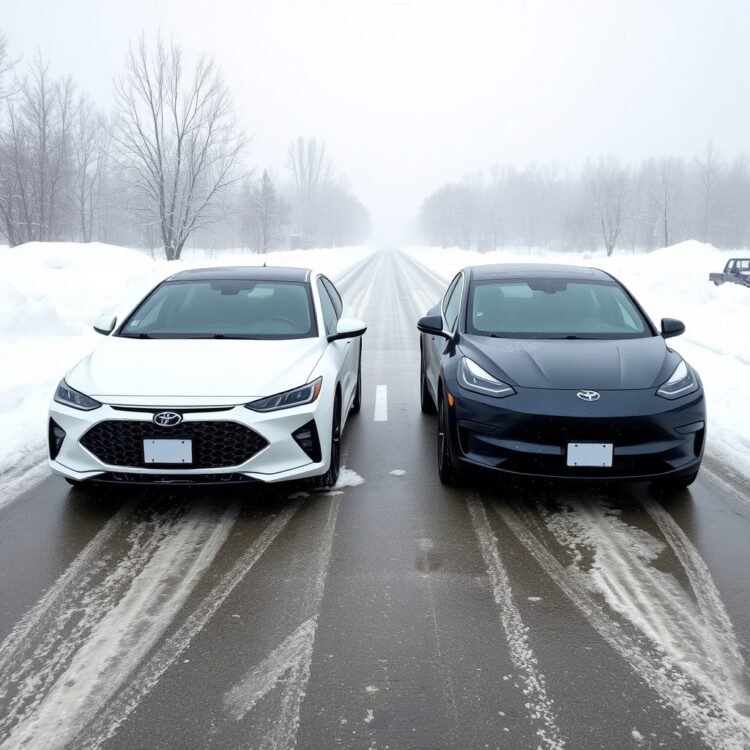
Comparing Hybrid and Electric Vehicles in Cold Weather
Performance Differences
When it comes to cold weather performance, hybrids and electric vehicles (EVs) have distinct strengths and weaknesses. I’ve driven both extensively, and the differences are striking. Hybrids excel in versatility, seamlessly switching between electric and gas power to maintain performance. EVs, on the other hand, rely solely on batteries, which can suffer reduced range in freezing temperatures. It’s a trade-off between efficiency and adaptability.
Another key difference is warm-up time. Hybrids can leverage their engines to generate heat quickly, while EVs often struggle to warm the cabin without draining the battery. This makes hybrids a more practical choice for extreme climates. For a deeper comparison, check out this expert analysis. Both technologies have their merits, but hybrids offer a balanced solution for winter driving.
Maintenance and Care Tips
Maintaining hybrids and EVs in cold weather requires different approaches. For hybrids, the focus is on battery health and engine care. I always recommend keeping the battery charged and avoiding prolonged exposure to extreme cold. Regular oil changes are also crucial, as the engine works harder in winter. EVs demand more attention to battery management. Pre-conditioning the battery while plugged in can preserve range and performance.
Both types benefit from seasonal checks, like tire pressure and fluid levels. A little proactive care goes a long way in ensuring reliability. For more tips, this guide on common issues provides valuable insights. Whether you drive a hybrid or an EV, understanding these nuances will keep you moving smoothly all winter.
Expert Recommendations for Hybrid Car Owners
Daily Maintenance Tips
Owning a hybrid in cold weather doesn’t have to be complicated, but a few daily habits can make a big difference. I always start by checking the battery charge level, especially in winter. A well-charged battery ensures the electric motor can assist the engine effectively. Gentle driving for the first few minutes also helps the system warm up efficiently. It’s a small adjustment that pays off in longevity and performance.
Another tip is to use the car’s pre-conditioning features if available. Many hybrids allow you to warm the cabin while still plugged in, saving battery power for driving. It’s a simple way to enhance comfort and efficiency. For more daily maintenance advice, this review covers practical steps to keep your hybrid in top shape. Consistency is key, and these small efforts add up over time.
Seasonal Care Strategies
Seasonal changes demand tailored care for hybrids. In winter, I prioritize battery insulation and engine checks. Parking in a garage or using a battery blanket can mitigate cold-weather effects. Regular inspections of the cooling system and belts are also wise, as temperature fluctuations can strain these components. It’s about staying ahead of potential issues before they arise.
Summer brings its own challenges, like keeping the battery cool to prevent overheating. I recommend parking in the shade and avoiding prolonged exposure to direct sunlight. Seasonal maintenance isn’t just about fixing problems—it’s about preventing them. For a comprehensive seasonal guide, this resource offers detailed recommendations. Adapting your care routine to the seasons ensures your hybrid performs flawlessly year-round.
The Economic Benefits of Not Warming Up Your Hybrid Car
Fuel Savings
One of the most immediate benefits of skipping the warm-up ritual in your hybrid car is the fuel savings. Unlike traditional vehicles, hybrids rely heavily on their electric motors during initial operation, which means they don’t need to burn excess fuel to reach optimal performance. By avoiding unnecessary idling, you’re preserving fuel and reducing your overall consumption. Over time, these savings add up, making a noticeable difference in your wallet. Plus, it’s a win for the environment too, as fewer emissions are produced when you drive efficiently.
Hybrids are designed to operate efficiently from the moment you start them, thanks to their advanced technology. The electric motor takes over during low-speed driving, reducing the reliance on the petrol engine. This means you’re not wasting fuel by letting the car idle. Instead, you’re maximising efficiency right from the start. It’s a small change in habit that can lead to significant long-term savings, especially if you’re someone who drives frequently in cold weather.
Reduced Wear and Tear
Another advantage of not warming up your hybrid car is the reduced wear and tear on the engine. Traditional engines need time to warm up to distribute oil properly, but hybrids are different. Their electric motors handle much of the initial workload, minimising strain on the petrol engine. This means less friction and fewer mechanical stresses during cold starts, which can extend the lifespan of your vehicle. Over time, this translates to lower maintenance costs and fewer trips to the mechanic.
Modern hybrid systems are engineered to protect the engine by managing power distribution intelligently. The electric motor’s instant torque reduces the need for the petrol engine to work harder in cold conditions. This not only preserves the engine but also keeps other components, like the battery and transmission, in better condition. By avoiding unnecessary warm-ups, you’re helping your hybrid car stay in peak condition for longer, saving you money on repairs and replacements down the line.
Real-World Experiences from Hybrid Car Owners
Case Studies in Cold Climates
Many hybrid car owners in colder regions have shared their experiences of driving without warming up the vehicle. One owner from Norway reported that their hybrid performed flawlessly even in sub-zero temperatures, with no noticeable difference in performance. The electric motor’s ability to handle cold starts meant they could drive off immediately without any issues. This not only saved them time but also reduced their fuel consumption significantly during winter months. Their story highlights how hybrids are built to thrive in challenging conditions.
Another owner from Canada noted that skipping the warm-up routine had no negative impact on their car’s battery life or overall performance. In fact, they found that the hybrid system adapted seamlessly to the cold, with the petrol engine kicking in only when necessary. This adaptability is a testament to the robustness of hybrid technology. These real-world examples show that hybrids are more than capable of handling cold weather without the need for traditional warm-up practices, making them a practical choice for drivers in all climates.
Lessons Learned
From these experiences, one key lesson stands out: hybrids are designed for efficiency, not idle time. Owners who embraced this mindset found that their cars performed better and lasted longer. They also appreciated the environmental benefits of reduced emissions. Another takeaway is the importance of trusting the technology. Hybrids are engineered to manage cold starts intelligently, so there’s no need to second-guess their capabilities. By following the manufacturer’s recommendations, owners can enjoy a smoother, more economical driving experience.
These stories also highlight the importance of regular maintenance, especially in colder climates. While hybrids don’t need to warm up, keeping the battery and engine in good condition is still crucial. Simple steps like ensuring the battery is charged and using the right fluids can make a big difference. Overall, the consensus among hybrid owners is clear: skipping the warm-up is not only safe but also beneficial for both the car and the driver.
Navigating Warranty and Maintenance for Hybrid Cars
Understanding Warranty Coverage
When it comes to hybrid cars, understanding your warranty coverage is essential. Most manufacturers offer comprehensive warranties that cover the hybrid system, including the battery and electric motor, for a specific period or mileage. These warranties often include provisions for cold-weather performance, ensuring that your car is protected even in harsh conditions. It’s important to read the fine print and know what’s included, as this can save you from unexpected costs down the line. Regular servicing and adherence to the manufacturer’s guidelines are usually required to keep the warranty valid.
Hybrid warranties typically differ from those for traditional vehicles, with specific clauses addressing the unique components of the hybrid system. For example, the battery might be covered for eight years or 100,000 miles, whichever comes first. Knowing these details can give you peace of mind, especially if you live in a cold climate. It’s also worth noting that skipping unnecessary warm-ups won’t void your warranty, as long as you follow the recommended maintenance schedule. This makes hybrids a low-risk, high-reward option for eco-conscious drivers.
Recommended Maintenance Schedule
Maintaining a hybrid car involves a few unique considerations, but it’s not as complicated as it might seem. Regular checks on the battery, electric motor, and petrol engine are crucial to ensure everything runs smoothly. Most manufacturers provide a detailed maintenance schedule, which includes periodic inspections of the hybrid system. Following this schedule can help you avoid costly repairs and keep your car running efficiently for years to come. It’s also a good idea to use certified technicians who are familiar with hybrid technology.
In colder climates, paying extra attention to the battery’s health is advisable. While hybrids are designed to handle low temperatures, extreme cold can still affect performance. Simple steps like parking in a garage or using a battery warmer can help. Additionally, using the right type of oil and fluids is important, as hybrids often have specific requirements. By staying on top of these details, you can ensure your hybrid car remains reliable and efficient, no matter the weather. Proper maintenance is the key to unlocking the full potential of your hybrid vehicle.
Frequently Asked Questions
Do hybrid cars need to warm up in cold weather?
No, hybrid cars don’t need to warm up before driving. Their electric motors handle cold starts efficiently, reducing the need for idle time. This not only saves fuel but also minimises wear and tear on the engine. Modern hybrids are designed to perform optimally from the moment you start them, even in freezing temperatures.
Will skipping the warm-up harm my hybrid car’s battery?
Skipping the warm-up won’t harm your hybrid’s battery. The battery is engineered to operate in cold conditions, and the system manages power distribution to protect it. However, extreme cold can reduce battery efficiency temporarily, so it’s still important to maintain the battery properly.
How does cold weather affect hybrid car performance?
Cold weather can temporarily reduce the efficiency of the battery and electric motor, but the petrol engine compensates for this. Hybrids are designed to adapt to temperature changes, so performance remains stable. Regular maintenance ensures your car handles cold weather without issues.
What’s the best way to maintain a hybrid car in winter?
The best way to maintain a hybrid in winter is to follow the manufacturer’s maintenance schedule, keep the battery charged, and use the right fluids. Parking in a garage or using a battery warmer can also help. Avoid unnecessary idling, as hybrids don’t need it.
Can I rely on my hybrid car for long trips in cold climates?
Yes, hybrids are reliable for long trips in cold climates. Their dual-power system ensures consistent performance, and the petrol engine provides backup when needed. Just ensure the battery is in good condition and follow the recommended maintenance practices for worry-free driving.