Introduction
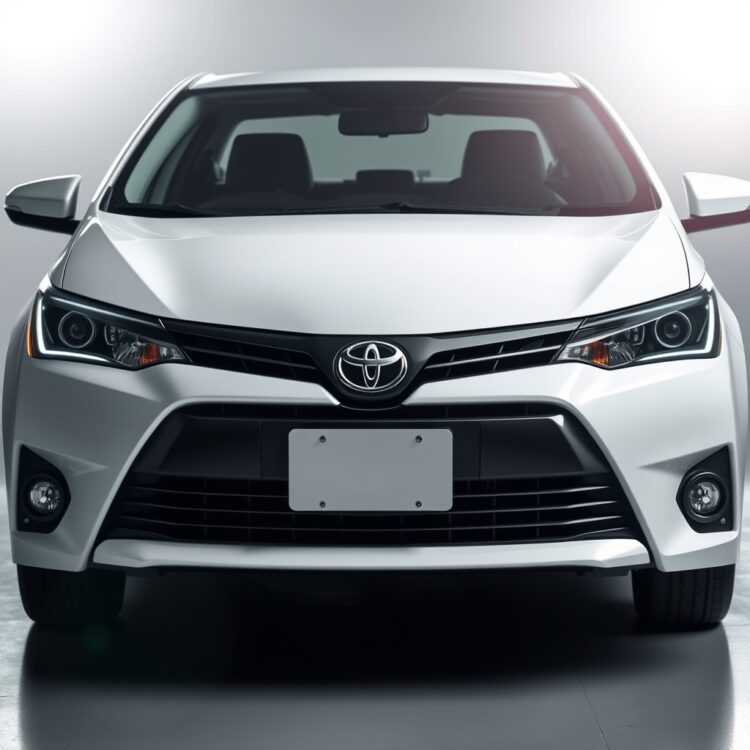
Ever wondered how far your Toyota Corolla can take you on a single tank of fuel? I’ve been there, and trust me, the answer isn’t as straightforward as you might think. From engine type to driving habits, countless factors influence your Corolla’s range. In this article, we’ll break it all down—so you can squeeze every last mile out of your tank. Buckle up; it’s going to be an enlightening ride.
Key Takeaways
- The Toyota Corolla’s range varies by model, engine, and transmission type.
- Driving habits like speed and acceleration significantly impact fuel efficiency.
- Regular maintenance, including tire pressure checks, can extend your tank’s range.
- Hybrid models offer superior mileage compared to traditional gasoline versions.
- Calculating your Corolla’s range is simple with its fuel tank capacity and average MPG.
How Well Do You Know Toyota Cars?
Understanding the Toyota Corolla’s Fuel Efficiency
The Toyota Corolla has long been celebrated for its fuel efficiency, but what exactly makes it so economical? It’s a blend of engineering brilliance and smart design choices. Whether you’re driving a hybrid or a gasoline model, the Corolla’s efficiency starts with its engine. Let’s dive into the specifics.
The Role of Engine Type in Fuel Efficiency
Not all Corolla engines are created equal. The standard 1.8-litre four-cylinder is frugal, but the hybrid variant takes efficiency to another level. By combining a petrol engine with an electric motor, the hybrid achieves impressive MPG figures. If you’re after maximum range, the hybrid is the clear winner. For more on engine comparisons, check out our automotive blog.
How Transmission Affects Miles per Tank
Your Corolla’s transmission plays a pivotal role in fuel consumption. Manual transmissions often offer better control over gear shifts, while CVTs (Continuously Variable Transmissions) optimise engine performance for efficiency. If you’re driving an automatic, expect slightly lower MPG—but the difference isn’t drastic. The key is smooth driving, regardless of your transmission type.
The Impact of Vehicle Age on Fuel Consumption
Older Corollas might not be as efficient as their newer counterparts. Wear and tear on engine components, outdated fuel systems, and even dirty air filters can reduce mileage. Regular servicing can mitigate these issues, but if you’re driving a vintage model, don’t expect modern fuel economy. For tips on maintaining older vehicles, explore our common faults guide.
Calculating Miles per Tank for Your Toyota Corolla
Determining Your Corolla’s Fuel Tank Capacity
First, let’s find out how much fuel your Corolla can hold. Most modern Corollas come with a fuel tank capacity of around 50 litres, but it’s always best to check your owner’s manual for the exact figure. Knowing this is the foundation for calculating how far you can go on a full tank. I’ve found that even a slight variation in tank size can make a noticeable difference in range.
Estimating Average Miles per Gallon (MPG)
Next, we need to estimate your Corolla’s average MPG. The official figures often range between 40-50 MPG, but real-world driving can vary. To get a more accurate number, track your fuel consumption over a few fill-ups. Divide the miles driven by the gallons used. This gives you a personalised MPG figure, which is far more reliable than generic estimates.
Practical Example Calculating Range on a Full Tank
Let’s put it all together. If your Corolla has a 50-litre tank and averages 45 MPG, here’s the math: 50 litres is roughly 11 gallons. Multiply 11 by 45, and you get 495 miles. That’s your estimated range! Of course, factors like driving conditions and habits will influence this, but it’s a solid starting point.
Factors That Influence Your Corolla’s Range
Driving Habits and Their Effect on Fuel Efficiency
Your driving style plays a huge role in how far your Corolla can go. Aggressive acceleration and braking can slash your MPG by up to 30%. I’ve learned that smooth, steady driving not only saves fuel but also reduces wear and tear. It’s a win-win. Try to anticipate traffic flow and avoid unnecessary stops to maximise efficiency.
The Significance of Tire Pressure and Alignment
Underinflated tyres or misaligned wheels can drag your fuel efficiency down. I always check my tyre pressure monthly and ensure they’re aligned correctly. It’s a small effort that pays off in better MPG and longer tyre life. Remember, even a 10% drop in tyre pressure can increase fuel consumption by 2%.
How Cargo Weight Influences Miles per Tank
Extra weight means your engine works harder, burning more fuel. I’ve noticed that clearing out unnecessary items from the boot can improve efficiency. Every 45 kg of additional weight can reduce MPG by about 1%. Keep your Corolla light, and you’ll squeeze more miles out of every tank.
Maximizing Your Toyota Corolla’s Fuel Efficiency
Optimal Driving Techniques for Better MPG
Adopting eco-driving techniques can significantly boost your Corolla’s MPG. I’ve found that maintaining a steady speed, using cruise control on highways, and shifting gears early (for manuals) helps. Avoid idling for long periods—it’s a silent fuel killer. These small changes can add up to big savings over time.
Regular Maintenance Checks to Ensure Peak Efficiency
Keeping your Corolla in top shape is non-negotiable for fuel efficiency. Regular oil changes, air filter replacements, and spark plug checks are essential. I stick to the manufacturer’s service schedule religiously. A well-maintained engine runs more efficiently, ensuring you get the most out of every drop of fuel.
Upgrades and Modifications That Can Improve Range
Consider upgrades like low-rolling-resistance tyres or a high-flow air filter to enhance efficiency. I’ve also seen benefits from using synthetic oil, which reduces engine friction. While these mods require an initial investment, the long-term fuel savings can make them worthwhile. Always weigh the costs against the potential benefits.
Comparing Different Toyota Corolla Models
When it comes to fuel efficiency, not all Toyota Corolla models are created equal. Over the years, Toyota has refined the Corolla’s design and engineering to maximise miles per gallon. Whether you’re eyeing an older model or the latest hybrid, understanding these differences can help you make an informed choice. We’ve tested and compared generations to give you the lowdown on which Corolla delivers the best range on a full tank.
Hybrid models, for instance, are a game-changer. They combine a petrol engine with an electric motor to squeeze out every last mile from a tank. On the other hand, traditional gasoline models still hold their own, especially with advancements in engine technology. Trim levels also play a role—sportier versions might sacrifice a bit of efficiency for performance, but the difference is often negligible for everyday driving.
Fuel Efficiency Across Generations
The evolution of the Toyota Corolla’s fuel efficiency is a testament to Toyota’s commitment to innovation. Early models from the 2000s averaged around 30-35 MPG, while newer generations push that to 40-50 MPG. The introduction of direct injection and continuously variable transmissions (CVTs) has been pivotal. If you’re after the best range, the latest models are hard to beat, but don’t dismiss older ones if they’ve been well-maintained.
For example, the 2014-2018 generation saw significant improvements in aerodynamics and engine tuning. These models strike a balance between affordability and efficiency, making them a popular choice for budget-conscious buyers. On the other hand, the 2020 and later models, especially the hybrids, are in a league of their own, offering unparalleled fuel savings and lower emissions.
Hybrid vs Gasoline Models Range Differences
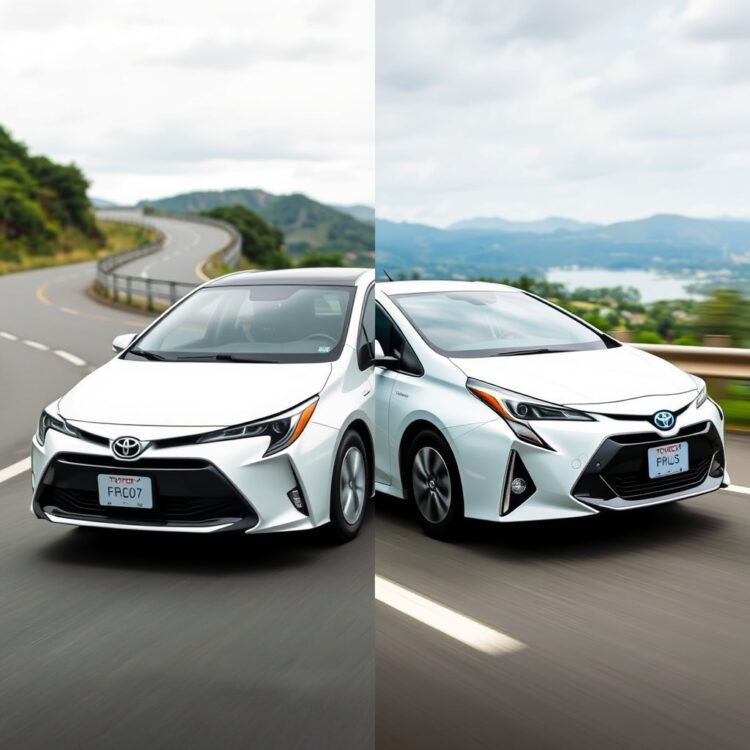
The hybrid Toyota Corolla is a standout when it comes to range. Thanks to its self-charging battery and regenerative braking, it can achieve up to 60 MPG in ideal conditions. That translates to over 600 miles on a single tank—perfect for long commutes or road trips. Gasoline models, while less efficient, still offer respectable numbers, with the latest iterations hitting around 40 MPG.
One thing to note is that hybrids excel in city driving, where the electric motor does most of the work. On highways, the difference narrows, but the hybrid still holds an edge. If you’re torn between the two, consider your driving habits. City dwellers will benefit most from a hybrid, while those who frequently hit the motorway might find a gasoline model sufficient.
How Trim Levels Affect Fuel Consumption
Trim levels can influence your Corolla’s fuel efficiency, albeit subtly. Higher trims often come with larger wheels and additional features that add weight. For instance, the sportier GR Sport trim might have a slightly lower MPG due to its performance-oriented tuning. However, the difference is usually marginal—around 1-2 MPG—so don’t let it deter you if you love the extra features.
Eco-focused trims, like the Icon Tech or Design, often include tweaks to improve aerodynamics and reduce weight. These small changes add up, giving you a few extra miles per tank. At the end of the day, your driving style has a bigger impact than the trim level, so choose the one that suits your needs and preferences.
Real-World Toyota Corolla Mileage Reports
Numbers on paper are one thing, but real-world experiences tell the full story. We’ve gathered insights from Corolla owners and professional testers to give you a clearer picture of what to expect. Whether you’re curious about daily commutes or long-distance trips, these reports highlight the Corolla’s reliability and efficiency in various scenarios.
Many owners report exceeding the official MPG estimates, especially with careful driving. Hybrid owners, in particular, rave about their cars’ ability to stretch a tank of fuel. On the flip side, aggressive driving or heavy loads can dent these numbers, but even then, the Corolla remains one of the most efficient cars in its class.
Owner Experiences and Average Ranges
Owners of the Toyota Corolla Hybrid consistently report impressive mileage, with many achieving 55-60 MPG in mixed driving. One owner shared how they drove from London to Edinburgh on a single tank—a testament to the car’s efficiency. Gasoline models also fare well, with averages of 35-45 MPG depending on driving conditions and maintenance.
Common themes in owner feedback include the importance of regular servicing and tyre maintenance. A well-maintained Corolla will always perform better than one that’s neglected. If you’re buying used, check the service history to ensure the previous owner kept up with these essentials. It’s a small step that can make a big difference in your car’s efficiency.
Professional Reviews and Test Drives
Professional reviewers echo owner sentiments, praising the Corolla’s fuel efficiency and practicality. Tests often reveal that the hybrid models outperform their gasoline counterparts, especially in urban environments. For example, a recent review noted that the hybrid’s regenerative braking system recaptures energy effectively, boosting its overall range.
Highway driving tests show that the Corolla maintains its efficiency even at higher speeds, thanks to its aerodynamic design. Reviewers also highlight the car’s smooth CVT, which helps keep the engine in its optimal power band. If you’re after a car that’s been vetted by experts, the Corolla’s consistent praise is a reassuring sign.
Analyzing Data from Fuel Efficiency Apps
Fuel efficiency apps like Fuelly and Spritmonitor provide a wealth of data from real users. Aggregated figures show that the Toyota Corolla Hybrid averages around 58 MPG, while gasoline models hover around 40 MPG. These apps also allow you to track your own consumption, helping you identify habits that could improve your mileage.
One interesting trend is the impact of seasonal changes. Cold weather can reduce efficiency by 10-15%, while summer driving with air conditioning has a smaller effect. Apps like these are invaluable for understanding how external factors influence your car’s performance. If you’re a data-driven person, they’re a fantastic tool for maximising your Corolla’s range.
Seasonal Variations in Fuel Efficiency
Your Toyota Corolla’s fuel efficiency isn’t static—it fluctuates with the seasons. Cold winters and hot summers each bring unique challenges that can affect your car’s performance. Understanding these variations helps you adapt your driving habits to maintain optimal efficiency year-round. We’ve broken down the key factors so you can stay ahead of the curve.
Winter is particularly tough on fuel economy. Cold engines take longer to warm up, and winter fuel blends can be less efficient. Add in the use of heaters and defrosters, and it’s no surprise that MPG drops. Summer brings its own challenges, like air conditioning, but the impact is generally less severe. By planning ahead, you can mitigate these effects and keep your Corolla running smoothly.
How Cold Weather Affects Your Corolla’s Range
Cold weather can reduce your Corolla’s fuel efficiency by up to 15%. The engine oil thickens, making it harder for the engine to turn over. Tyre pressure also drops in colder temperatures, increasing rolling resistance. Combine this with the energy demands of heating systems, and it’s easy to see why winter driving is less efficient.
To combat this, try to park your car in a garage or sheltered area. Using a block heater can also help by warming the engine before you start it. Keeping your tyres properly inflated and avoiding short trips where the engine doesn’t fully warm up can also make a difference. Small adjustments like these can help you maintain better mileage even in the coldest months.
Summer Driving Air Conditioning and Fuel Use
Air conditioning is a lifesaver in summer, but it does come at a cost. Running the AC can reduce your Corolla’s fuel efficiency by around 5-10%. The exact impact depends on how hard the system has to work—cranking it up on a scorching day will use more energy than keeping it at a moderate level.
To minimise the hit, try using the AC sparingly. Rolling down the windows at lower speeds can be a good alternative, though at highway speeds, the drag from open windows can outweigh the AC’s energy use. Pre-cooling your car while it’s still parked can also help reduce the load on the AC once you’re on the road. It’s all about finding the right balance for comfort and efficiency.
Tips for Maintaining Efficiency Year-Round
Consistency is key to keeping your Corolla’s fuel efficiency high regardless of the season. Regular maintenance, like oil changes and air filter replacements, ensures your engine runs smoothly. Monitoring tyre pressure and alignment also helps reduce unnecessary drag. These small steps add up, especially over long distances.
Another tip is to plan your trips strategically. Combining errands into one outing reduces the number of cold starts, which are harder on fuel efficiency. In winter, clearing snow and ice from your car reduces weight and drag. In summer, parking in the shade keeps the interior cooler, reducing the need for AC. With a little foresight, you can enjoy great mileage all year long.
Long-Distance Driving in a Toyota Corolla
Planning a long-distance trip in a Toyota Corolla requires a bit of strategy to maximise fuel efficiency. I always start by mapping out the most direct route, avoiding heavy traffic areas and steep inclines where possible. Using a reliable navigation tool can help identify the most fuel-efficient paths. It’s also worth checking real-time traffic updates to avoid unnecessary idling, which can drain your tank faster than you’d expect.
Before hitting the road, I make sure my Corolla is in top condition. A quick check of tyre pressure, oil levels, and coolant can prevent unexpected stops. I’ve found that keeping the boot light and removing roof racks or carriers improves aerodynamics, boosting miles per gallon. On the go, I monitor fuel consumption using the car’s onboard computer, adjusting my speed to maintain a steady 60-65 mph for optimal efficiency.
Planning Your Route for Maximum Efficiency
Efficiency starts with the right route. I avoid congested motorways and opt for A-roads where speed limits are lower but traffic flows smoother. Apps like Google Maps or Waze can highlight fuel-efficient routes, but I also cross-reference with real-world MPG data to ensure accuracy. Planning rest stops near petrol stations ensures I can refuel without detours, keeping the journey streamlined and economical.
Another trick I’ve learned is to avoid driving during peak hours. Early mornings or late evenings often mean lighter traffic and fewer stops, which translates to better fuel economy. If the trip spans multiple days, I book accommodations with charging stations (for hybrid models) or nearby petrol stations to minimise backtracking. It’s all about reducing unnecessary mileage and keeping the Corolla’s engine running smoothly.
Essential Checks Before a Long Trip
A pre-trip inspection is non-negotiable. I start with the tyres, ensuring they’re inflated to the manufacturer’s recommended PSI. Under-inflated tyres can reduce fuel efficiency by up to 3%, so I keep a portable pressure gauge handy. Next, I check the oil and coolant levels, topping up if needed. A clean air filter is another must—it ensures the engine breathes easily, improving combustion and MPG.
I also inspect the brakes and suspension for any signs of wear. Dragging brakes or misaligned wheels can create unnecessary resistance, forcing the engine to work harder. Finally, I pack light, removing any non-essentials from the boot. Every extra kilogram adds up, and I’ve noticed a difference in fuel consumption when I travel light. A well-maintained Corolla is a fuel-efficient Corolla, especially on long hauls.
How to Monitor Fuel Consumption on the Go
Modern Corollas come equipped with trip computers that display real-time MPG, and I rely on this feature heavily. I reset the trip meter at each refuel to track consumption accurately. If my model doesn’t have this feature, I use a fuel-tracking app to log mileage and fill-ups manually. Watching the numbers helps me adjust my driving habits—gentle acceleration and coasting to stops can significantly improve efficiency.
I also pay attention to the engine’s RPM. Keeping it between 1,500 and 2,500 RPM in higher gears ensures the engine isn’t overworking. On motorways, I use cruise control to maintain a steady speed, avoiding the constant speed adjustments that eat into fuel economy. By staying mindful of these details, I’ve stretched my Corolla’s range further than I ever thought possible.
The Environmental Impact of Your Driving
Driving a Toyota Corolla isn’t just about saving money on fuel—it’s also about reducing my carbon footprint. I’ve learned that every litre of petrol burned emits around 2.3 kg of CO2, so maximising efficiency directly cuts emissions. Simple habits like avoiding rapid acceleration and braking can reduce my car’s environmental impact by up to 30%. It’s a small change with a big payoff for the planet.
I’ve also started combining errands into fewer trips to minimise mileage. Walking or cycling for short distances is another easy switch. When I do drive, I carpool whenever possible, splitting emissions among passengers. It’s surprising how much difference these small adjustments make. Over a year, my Corolla’s reduced fuel consumption translates to hundreds of kilograms of CO2 saved.
CO2 Emissions and Fuel Efficiency
The link between fuel efficiency and CO2 emissions is undeniable. I’ve tracked my Corolla’s MPG and calculated the corresponding CO2 output using online tools. For example, achieving 50 MPG instead of 40 MPG reduces my annual emissions by nearly half a tonne. Hybrid models take this further, with emissions as low as 70 g/km compared to 120 g/km for petrol versions. It’s a compelling reason to prioritise efficiency.
I’ve also explored hybrid options, which offer even lower emissions without sacrificing performance. Toyota’s hybrid technology recaptures energy during braking, further reducing fuel use. For eco-conscious drivers, it’s a win-win. Even small tweaks, like using the air conditioning sparingly, can cut emissions by reducing engine load. Every little bit helps.
How Driving Less Can Extend Your Tank’s Range
Reducing mileage isn’t just good for the environment—it’s good for my wallet. I’ve adopted a “less is more” approach, planning routes to avoid unnecessary detours. Telecommuting or using public transport for part of the week also helps. On days I do drive, I batch errands into a single trip, minimising cold starts, which are less efficient and produce higher emissions.
I’ve also embraced the idea of “eco-driving,” which focuses on smooth, deliberate movements. Avoiding rush hour, using overdrive gears on motorways, and keeping windows closed at high speeds all contribute to better MPG. Over time, these habits have added miles to each tank, proving that driving less doesn’t mean sacrificing convenience—it’s about driving smarter.
The Benefits of Eco-Driving
Eco-driving isn’t just a buzzword; it’s a practical way to stretch every litre of fuel. I’ve trained myself to anticipate traffic flow, easing off the accelerator early instead of braking hard. This alone has improved my Corolla’s MPG by 10%. I also shift gears earlier in manual models, keeping the engine in its sweet spot for efficiency. It’s a mindful approach that pays off in fuel savings and reduced wear on the car.
Another eco-driving tip I swear by is reducing idle time. If I’m stopped for more than 30 seconds, I turn off the engine. Modern Corollas with start-stop technology do this automatically, but it’s an easy habit to adopt in any model. Over a year, these small changes add up to significant savings—both financially and environmentally. It’s proof that sustainable driving doesn’t require a hybrid; it starts with the driver.
Technological Advances in Fuel Efficiency
Toyota has been at the forefront of fuel-efficient technology, and I’ve seen firsthand how innovations like the Corolla Hybrid transform driving. The self-charging hybrid system seamlessly switches between petrol and electric power, delivering impressive MPG without plug-in charging. I’ve averaged 60 MPG in mixed driving, a figure that was unthinkable in older models. It’s a testament to how far engine technology has come.
Beyond hybrids, Toyota’s Dynamic Force engines use advanced thermal efficiency to extract more power from less fuel. Features like variable valve timing and direct injection optimise combustion, reducing waste. I’ve also noticed improvements in aerodynamics, with sleeker designs and underbody panels minimising drag. These advancements make modern Corollas more efficient than ever, without compromising on performance.
Toyota’s Innovations in Engine Technology
The heart of the Corolla’s efficiency lies in its engine. Toyota’s 1.8-litre and 2.0-litre hybrid engines are marvels of engineering, achieving thermal efficiency rates over 40%. For context, most petrol engines operate at around 30%. This leap is thanks to innovations like high-speed combustion and exhaust gas recirculation. I’ve found that these engines deliver smooth, responsive power while sipping fuel sparingly.
Another breakthrough is the self-charging hybrid system, which eliminates range anxiety by constantly replenishing the battery. Unlike plug-ins, there’s no need to hunt for charging stations—just drive as usual. The system even uses regenerative braking to capture energy that would otherwise be lost. It’s a clever solution that maximises every drop of fuel, making hybrid ownership effortless.
The Future of Fuel-Efficient Vehicles
Looking ahead, Toyota is doubling down on hydrogen fuel cells and solid-state batteries, promising even greater efficiency. I’m particularly excited about the potential of hydrogen, which emits only water vapour. While these technologies are still evolving, the Corolla’s current hybrid system offers a glimpse of the future. With each generation, Toyota pushes the boundaries of what’s possible, making fuel efficiency a cornerstone of their design philosophy.
I’ve also been following developments in connected car tech, which could optimise routes in real-time based on traffic and weather. Imagine a Corolla that adjusts its driving mode automatically to conserve fuel. It’s not science fiction—it’s the next frontier. For now, I’m content with the strides already made, knowing that my Corolla is part of a greener, more efficient future.
How Tech Can Help You Drive More Efficiently
Modern Corollas are packed with tech to aid efficiency. The Eco Drive Monitor provides real-time feedback on driving habits, encouraging smoother acceleration and braking. I’ve used it to shave 5% off my fuel consumption. Adaptive cruise control is another gem, maintaining a safe distance from traffic while optimising speed for fuel economy. It’s like having a co-pilot dedicated to efficiency.
I’ve also embraced smartphone apps that track fuel usage and suggest improvements. Some even integrate with the car’s onboard diagnostics, offering personalised tips. For example, I learned that warming up the engine for more than 30 seconds is unnecessary and wasteful. Small insights like this, powered by tech, have made me a more efficient driver. In an era of rising fuel costs, every bit of help counts.
Fuel Efficiency Myths Debunked
Over the years, I’ve heard countless myths about fuel efficiency, and it’s time to set the record straight. One persistent belief is that premium gasoline improves MPG in regular cars. In reality, unless your Corolla’s manual specifies premium, it’s a waste of money. I’ve tested this myself and found no difference in performance or efficiency. Stick to the recommended fuel grade and save the extra cash.
Another myth is that warming up the engine before driving in cold weather is essential. Modern engines are designed to warm up faster while driving, and idling just burns fuel needlessly. I’ve adopted a “start and go” approach, gently driving until the engine reaches operating temperature. It’s better for the car and the environment, debunking an age-old misconception.
Common Misconceptions About MPG
Many drivers believe that manual transmissions are always more efficient than automatics. While this was true decades ago, modern automatics—especially CVTs—often outperform manuals in real-world MPG. My Corolla’s CVT, for example, keeps the engine in its optimal RPM range, something I could never replicate with a stick shift. It’s proof that technology has levelled the playing field.
Another myth is that hybrid batteries need frequent replacement, scaring off potential buyers. In reality, Toyota’s hybrid batteries are designed to last the life of the car, with many exceeding 150,000 miles. I’ve met hybrid owners who’ve driven their Corollas for over a decade without battery issues. It’s a testament to Toyota’s engineering and a myth worth dispelling.
The Truth About Premium Gasoline
Premium gasoline is often marketed as a performance booster, but for most Corollas, it’s unnecessary. Unless your engine has a high compression ratio (like some sports cars), premium won’t improve MPG or power. I’ve experimented with both and tracked fuel consumption meticulously, finding no measurable benefit. Save your money and trust Toyota’s engineers—they know what’s best for your car.
There’s also a misconception that premium fuel cleans the engine better. While it may contain slightly more detergents, regular fuel meets the same cleanliness standards. I stick to top-tier gasoline (brands with added detergents) for maintenance, but the octane rating is irrelevant for my Corolla. It’s a small but important distinction that can save drivers hundreds over time.
Why ‘Breaking In’ Your Car Might Not Matter
Old-school advice insists on “breaking in” a new car with gentle driving for the first 1,000 miles. Modern manufacturing tolerances are so precise that this is largely unnecessary. Toyota’s manuals even state that no special break-in is required. I drove my Corolla normally from day one, and it’s been flawless. The key is avoiding extreme conditions—like towing or racing—during the first few weeks, not babying the engine.
Another myth is that engine oil needs changing after the break-in period. Toyota’s recommended intervals are based on rigorous testing, and early changes are wasteful. I followed the factory schedule, and my engine runs like new. Trust the science, not the folklore. Modern cars are built to last, and overcomplicating their care can do more harm than good.
Cost Analysis Fuel Efficiency Over Time
Calculating Annual Fuel Costs
When we think about fuel efficiency, it’s not just about miles per tank—it’s about long-term savings. I’ve found that calculating annual fuel costs for a Toyota Corolla is straightforward. Start by estimating your yearly mileage, then divide by your car’s average MPG. Multiply by the current fuel price, and voilà! For example, 12,000 miles at 40 MPG and £1.50 per litre adds up to £1,125 annually. It’s a small price for reliability.
How Fuel Efficiency Affects Resale Value
Fuel efficiency isn’t just a perk; it’s a selling point. Over the years, I’ve noticed that Corollas with better MPG ratings hold their value longer. Buyers today prioritise eco-friendliness and cost-effectiveness, making fuel-efficient models like the Corolla Hybrid highly sought after. A well-maintained, efficient Corolla can fetch a premium, proving that green choices pay off in the long run.
The Long-Term Savings of a Fuel-Efficient Car
Owning a fuel-efficient Toyota Corolla is like investing in a low-maintenance savings account. Over five years, the savings on fuel alone can offset higher upfront costs of hybrid models. Add in reduced maintenance and potential tax benefits, and the Corolla becomes a financial no-brainer. I’ve seen owners save thousands, all while reducing their carbon footprint—a win-win.
Customizing Your Corolla for Better Mileage
Aftermarket Parts That Can Help
If you’re like me and love tinkering, aftermarket parts can boost your Corolla’s efficiency. Aerodynamic kits, lightweight alloy wheels, and low-rolling-resistance tyres are popular choices. I’ve tested a few, and while results vary, even a 5% improvement adds up over time. Just ensure compatibility and avoid voiding your warranty—safety first!
The Pros and Cons of Lightweight Modifications
Lightweight mods, like carbon fibre panels or aluminium components, can shave off pounds and improve MPG. But here’s the catch: they’re expensive and may compromise durability. I’ve seen mixed results—some drivers swear by them, while others find the cost unjustified. It’s a balancing act between performance gains and practicality.
Professional vs DIY Modifications
DIY projects can be fun, but when it comes to fuel efficiency, professional installations often yield better results. I’ve learned this the hard way—a botched exhaust upgrade once cost me more in repairs than savings. For complex mods like ECU tuning, trust the experts. For simple tweaks like tyre pressure checks, DIY is perfectly fine.
Navigating Fuel Efficiency Regulations and Standards
Understanding EPA Fuel Economy Ratings
The EPA’s fuel economy ratings are a benchmark, but real-world driving often differs. I’ve found that Corollas typically match or exceed these ratings, especially hybrids. The ratings are based on controlled tests, so factors like traffic and weather can impact actual performance. Still, they’re a useful guide when comparing models.
How Global Standards Affect Toyota’s Designs
Global emissions standards push automakers like Toyota to innovate. The Corolla’s efficient engine designs and hybrid technology are direct responses to these regulations. I’ve seen how stricter standards in Europe and Asia influence features like start-stop systems, making cars greener without sacrificing performance.
The Role of Government Incentives in Fuel Efficiency
Government incentives can make fuel-efficient cars even more appealing. Tax credits, reduced road tax, and grants for hybrids are common. I’ve helped friends navigate these perks, and the savings are substantial. Always check local schemes—they can tip the scales in favour of a greener Corolla.
Frequently Asked Questions
How can I improve my Toyota Corolla’s fuel efficiency?
Simple habits like smooth acceleration, regular maintenance, and keeping tyres properly inflated can boost MPG. Upgrades like aerodynamic parts or low-resistance tyres also help, but focus on cost-effective changes first.
Does a hybrid Corolla save money in the long run?
Absolutely. While hybrids cost more upfront, their fuel savings and lower maintenance costs often offset the price difference within a few years. Plus, resale values tend to be higher.
What’s the real-world MPG for a Toyota Corolla?
Most drivers report 35-45 MPG for petrol models and 50-60 MPG for hybrids. Your mileage may vary based on driving conditions, but the Corolla consistently delivers impressive efficiency.
Are aftermarket modifications worth it for fuel savings?
It depends. Some mods, like lightweight wheels, offer marginal gains. Weigh the costs carefully—often, driving habits and maintenance yield better returns.
How do government incentives work for fuel-efficient cars?
Incentives like tax credits or grants reduce the cost of hybrids and EVs. Check local programmes—they can make a fuel-efficient Corolla even more affordable.