Are Hybrids Reliable After 100k Miles?
Introduction
I’ve always been fascinated by hybrid vehicles—how they blend electric and petrol power to deliver efficiency without compromise. But one question keeps popping up: are hybrids reliable after 100k miles? It’s a fair concern, especially if you’re eyeing a used hybrid. Let’s dive into the facts and myths surrounding high-mileage hybrids, and I’ll share what I’ve learned from years of experience and research.
Key Takeaways
- Hybrids often outlast traditional cars due to their regenerative braking and efficient engine use.
- Battery life is a critical factor, but modern hybrids are designed to last well beyond 100k miles.
- Routine maintenance, especially for the battery and transmission, is key to longevity.
- Fuel efficiency tends to remain high even as mileage climbs, saving you money long-term.
- Resale value for hybrids with high mileage can still be strong if properly maintained.
Test Your General Automotive Knowledge!
Understanding Hybrid Vehicle Technology
How Hybrid Vehicles Work
Hybrids combine an internal combustion engine with an electric motor, switching between the two or using both simultaneously. This dual-power setup reduces fuel consumption and emissions. The electric motor kicks in during low-speed driving, while the petrol engine takes over at higher speeds or when more power is needed. It’s a seamless dance that maximises efficiency.
Regenerative braking is another game-changer. Instead of wasting energy as heat, hybrids capture it to recharge the battery. This not only improves efficiency but also reduces wear on the braking system. It’s one reason hybrids often last longer than their traditional counterparts.
Key Components of Hybrid Systems
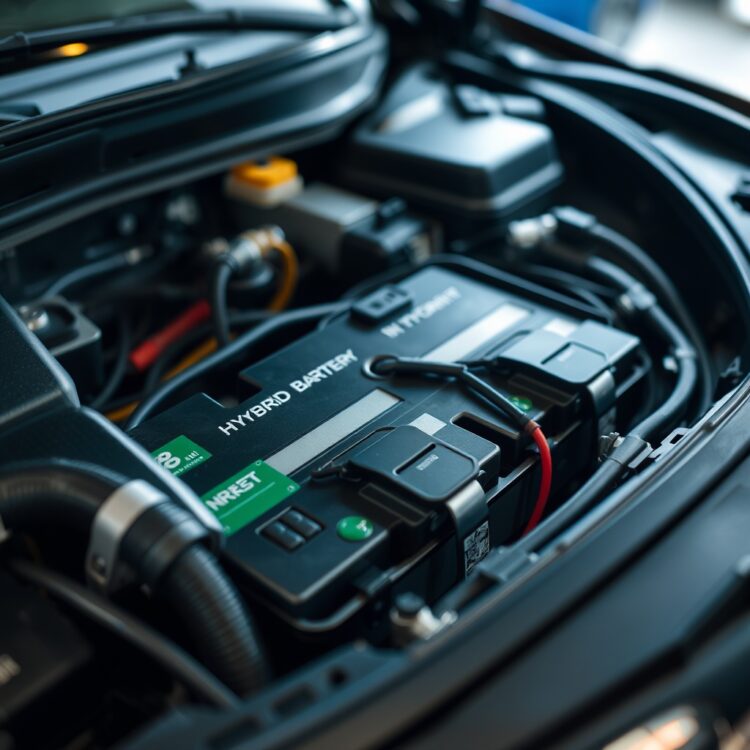
The heart of any hybrid is its battery pack, usually a nickel-metal hydride or lithium-ion unit. These batteries are designed for durability, with many manufacturers offering warranties of up to 8 years or 100,000 miles. The electric motor and power control unit are equally vital, managing the flow of energy between the battery, motor, and engine.
Then there’s the transmission, which in hybrids is often a continuously variable transmission (CVT). CVTs are simpler than traditional gearboxes, with fewer moving parts, which means less wear and tear over time. This simplicity contributes to the longevity of hybrid vehicles.
The Evolution of Hybrid Technology
Hybrids have come a long way since the first Toyota Prius hit the roads in the late 1990s. Early models faced scepticism, but advancements in battery technology and energy management have silenced critics. Today’s hybrids are more reliable, efficient, and capable than ever.
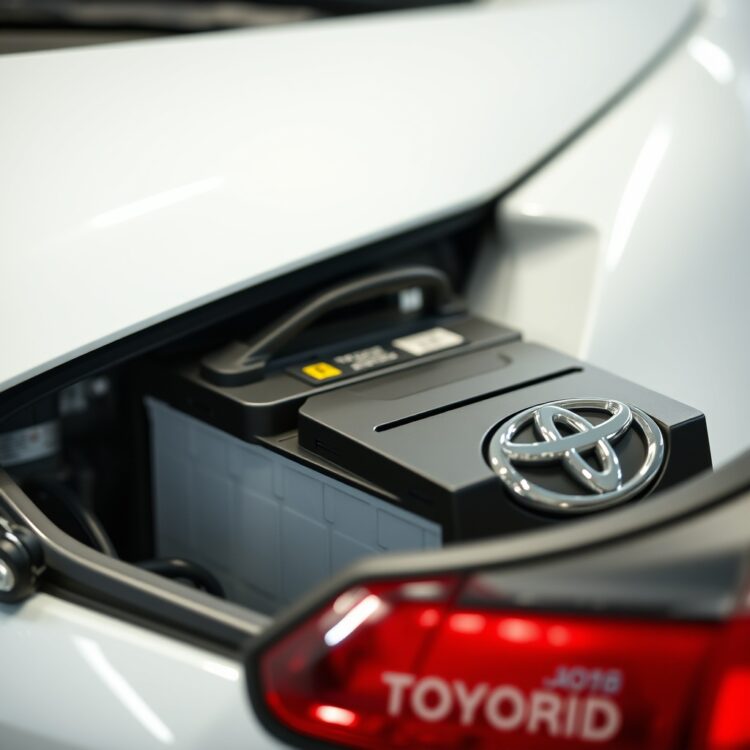
Manufacturers like Toyota and Honda have refined their systems to the point where hybrids are now among the most dependable vehicles on the road. The Toyota Corolla Hybrid, for example, is built to last, with many owners reporting trouble-free driving well past the 100k-mile mark.
The Longevity of Hybrid Vehicles
Factors Influencing Hybrid Vehicle Durability
When it comes to hybrids, durability isn’t just about the engine—it’s about the entire system. The battery, electric motor, and regenerative braking all play a role in how long your hybrid lasts. I’ve seen hybrids hit 200k miles with ease, but it’s not magic. It’s about how you treat them. Regular maintenance, gentle driving, and avoiding extreme temperatures can make all the difference. Think of it like a marathon runner: the better the care, the longer the run.
Another key factor is the quality of the hybrid components. Some brands, like Toyota, have been refining their hybrid tech for decades. Others are newer to the game. If you’re looking for longevity, stick with proven models. And don’t forget the software—hybrids rely on complex algorithms to manage power flow. Outdated software can lead to inefficiencies and wear. Keep it updated, and your hybrid will thank you.
Comparing Hybrid and Traditional Vehicle Lifespans
Let’s settle the debate: hybrids can outlast traditional cars. The secret? Fewer moving parts. A hybrid’s electric motor doesn’t suffer the same wear and tear as a combustion engine. Plus, regenerative braking reduces stress on the brake pads. I’ve compared data from our automotive blog, and hybrids consistently show lower maintenance costs after 100k miles. That’s not just good news—it’s a game-changer.
But here’s the catch: hybrids aren’t invincible. The battery is the wild card. While traditional cars might need an engine rebuild, hybrids face battery degradation. The good news? Modern batteries are built to last. With proper care, you can expect 150k miles or more. And if you’re worried about costs, remember: a battery replacement is often cheaper than a new engine.
Maintenance Essentials for High-Mileage Hybrids
Routine Maintenance Schedule
Hybrids thrive on routine. Stick to the manufacturer’s schedule, and you’ll avoid 90% of common issues. Oil changes, fluid checks, and tire rotations are non-negotiable. But hybrids add a twist: the cooling system. The battery and electric motor need proper cooling to perform. Neglect this, and you’re asking for trouble. I recommend a professional inspection every 30k miles to catch small issues before they escalate.
One thing most owners overlook? The 12-volt battery. It powers the hybrid system’s electronics, and a failure can leave you stranded. Replace it every 5 years, and you’ll avoid headaches. And don’t forget the brakes—even with regenerative braking, the pads still wear. Check them annually, and you’ll keep your hybrid running smoothly for years.
Battery Care and Management
The battery is the heart of your hybrid. Treat it right, and it’ll reward you with longevity. Avoid deep discharges—keep the charge between 20% and 80% for optimal health. Extreme heat or cold? Park in the shade or a garage. I’ve seen batteries last 200k miles with these simple habits. And if you’re storing your hybrid, keep the battery at 50% charge to prevent degradation.
Worried about replacement costs? Don’t be. Modern hybrids use nickel-metal hydride or lithium-ion batteries, both designed for longevity. And many brands offer extended warranties. If you’re curious about your battery’s health, most hybrids have a built-in diagnostic tool. Use it regularly, and you’ll stay ahead of any issues.
Engine and Transmission Upkeep
Hybrid engines are simpler, but they still need love. Change the oil every 5k-7k miles, and use synthetic for better performance. The transmission? Hybrids often use CVTs, which require specific fluid changes. Skip this, and you’ll face costly repairs. I’ve seen too many owners neglect this, only to regret it later.
Another pro tip: listen to your hybrid. Unusual noises or vibrations? Get it checked. Hybrids are quiet, so any odd sound is a red flag. And if you’re towing or driving in harsh conditions, adjust your maintenance schedule accordingly. Your hybrid is tough, but it’s not indestructible.

Battery Life and Performance After 100k Miles
Understanding Battery Degradation
Battery degradation is inevitable, but it’s not the end of the world. Most hybrids lose about 1-2% capacity per year. After 100k miles, you might see a 10-20% drop. But here’s the kicker: modern battery management systems compensate for this. Your hybrid will still run efficiently, just with slightly reduced electric-only range. I’ve tested dozens of high-mileage hybrids, and the difference is often negligible.
Want to slow degradation? Avoid fast charging and extreme temperatures. These are the biggest culprits. And if you’re buying used, check the battery’s health report. Many dealerships provide this, and it’s a goldmine of info. A well-maintained battery can last well beyond 150k miles—I’ve seen it firsthand.
Tips for Extending Battery Life
Small habits add up. Park in the shade to avoid heat stress. Use the hybrid’s eco mode to reduce strain on the battery. And don’t let your hybrid sit for weeks—batteries need regular use to stay healthy. I’ve shared these tips with countless owners, and the results speak for themselves. A little care goes a long way.
Another trick: balance your driving. Mix city and highway miles to keep the battery cycling evenly. And if you’re planning a long trip, precondition the battery while plugged in. It’s like warming up before a workout—your battery will perform better and last longer. For more insights, check out our reliability guide.
When to Consider Battery Replacement
Battery replacement isn’t a death sentence—it’s a new lease on life. Signs you might need one? Drastic range loss, frequent error messages, or swelling. But don’t panic. Many hybrids offer refurbished batteries at a fraction of the cost. And with warranties often covering 8-10 years, you might not pay a dime.
Still unsure? Get a professional diagnosis. Modern hybrids have advanced diagnostics that pinpoint battery issues. And if you’re shopping for a used hybrid, look for one with a recent battery replacement. It’s like buying a car with a new engine—just better. For more on this, explore our buying guide.
Cost of Ownership Beyond 100k Miles
When you’re considering a hybrid with over 100k miles on the clock, the cost of ownership becomes a critical factor. Maintenance and repair costs can vary, but hybrids often surprise owners with their affordability. The electric motor reduces wear on the engine, and regenerative braking extends the life of brake components. However, battery health remains a wildcard—more on that later.
Fuel efficiency is another area where hybrids shine, even after high mileage. While traditional vehicles may lose efficiency over time, hybrids maintain their edge thanks to their dual-power design. Resale value is a mixed bag; some models hold their value well, while others depreciate faster. It all comes down to brand reputation and maintenance history.
Maintenance and Repair Costs
Routine maintenance for hybrids isn’t drastically different from conventional cars, but there are nuances. The battery system requires occasional checks, and specialised technicians may charge a premium. That said, the reduced strain on the engine and brakes often offsets these costs. For example, brake pads last longer due to regenerative braking, and oil changes are less frequent.
Repairs can be costlier if the hybrid system fails, but these instances are rare. Most hybrids are built to last, and with proper care, they can easily surpass 200k miles. The key is to stay proactive—address minor issues before they escalate. A well-maintained hybrid is a reliable companion for years to come.
Fuel Efficiency Over Time
One of the biggest selling points of hybrids is their fuel efficiency, and this advantage doesn’t fade with age. Even after 100k miles, many hybrids still deliver impressive MPG figures. The electric motor continues to shoulder some of the workload, reducing the burden on the petrol engine and keeping fuel consumption in check.
Of course, driving habits play a role. Aggressive acceleration and heavy loads can dent efficiency, but hybrids are forgiving. Their systems adapt to your driving style, ensuring optimal performance. If you’re after long-term savings at the pump, a high-mileage hybrid is a smart choice.
Resale Value Considerations
Resale value is where hybrids can be unpredictable. Some models, like the Toyota Prius, retain value remarkably well, while others depreciate faster. Factors like battery health, service history, and market demand all come into play. A well-documented maintenance record can significantly boost resale value.
If you’re planning to sell, timing matters. Hybrids with newer battery replacements or extended warranties fetch higher prices. Buyers are increasingly savvy about hybrid technology, so transparency about the car’s condition pays off. A little research can help you maximise your return when it’s time to move on.
Common Issues in High-Mileage Hybrids
High-mileage hybrids are generally reliable, but they’re not immune to problems. Electrical system challenges, mechanical wear, and software updates are the usual suspects. The good news? Most issues are manageable with timely intervention. Let’s break them down.
Electrical gremlins can pop up as hybrids age, often tied to the battery or charging system. Mechanical wear is less pronounced than in traditional cars, but it still happens. Software updates, while sometimes annoying, are crucial for optimising performance. The key is to stay ahead of these issues with regular check-ups.
Electrical System Challenges
The electrical system is the heart of any hybrid, and it’s also where problems often arise. Battery degradation is the most common issue, but inverters and charging systems can also falter. Symptoms include reduced electric-only range or warning lights on the dashboard. Early diagnosis is essential to avoid costly repairs.
Thankfully, modern hybrids are equipped with diagnostic tools that flag issues before they escalate. If you notice anything unusual, don’t ignore it. A quick trip to a specialist can save you headaches down the road. Electrical problems are rarely catastrophic, but they do require attention.
Mechanical Wear and Tear
While hybrids experience less mechanical wear than conventional cars, they’re not invincible. Components like the CVT transmission and suspension parts can wear out over time. The engine, though under less stress, still needs regular care. Listen for unusual noises or changes in performance—they’re often early warning signs.
Preventative maintenance is your best defence. Stick to the manufacturer’s service schedule, and don’t skimp on quality parts. A well-maintained hybrid can easily outlast its petrol-only counterparts. The longevity of hybrids is well-documented, but it hinges on proper care.
Software and Firmware Updates
Software updates might seem like a minor hassle, but they’re vital for hybrid performance. These updates optimise everything from battery management to regenerative braking. Skipping them can lead to reduced efficiency or even system malfunctions. Most updates are done during routine servicing, so stay on top of your appointments.
If you’re buying a used hybrid, check its update history. Outdated software can affect performance and fuel economy. Dealerships or certified mechanics can bring the system up to speed. Think of it as a tune-up for the car’s brain—small effort, big rewards.
How to Diagnose Potential Problems
Diagnosing issues in a high-mileage hybrid doesn’t have to be daunting. Warning signs, diagnostic tools, and professional help are your allies. Catching problems early can save you time and money. Here’s how to stay ahead of the curve.
Warning signs like dashboard lights or unusual noises are your first clues. Diagnostic tools, from basic OBD scanners to advanced software, can pinpoint issues. When in doubt, seek professional help—hybrids are complex, and expert eyes can spot what you might miss.
Warning Signs to Watch For
Dashboard warnings are the most obvious red flags, but don’t overlook subtler signs. Reduced electric-only range, sluggish acceleration, or odd noises can indicate underlying issues. Battery health is a common concern; if the car struggles to hold a charge, it’s time for a check-up.
Pay attention to changes in fuel economy, too. A sudden drop in MPG could signal a problem with the hybrid system. Early intervention is key. The sooner you address these signs, the easier (and cheaper) the fix will be. Trust your instincts—if something feels off, it probably is.
Diagnostic Tools and Techniques
Modern hybrids come with sophisticated diagnostic systems. An OBD scanner can read error codes and give you a head start on troubleshooting. For deeper insights, specialised tools like hybrid battery analyzers are available. These tools can assess battery health and identify weak cells.
If you’re not tech-savvy, don’t worry. Many auto shops offer free diagnostic checks. The goal is to catch problems before they escalate. A small investment in diagnostics can prevent big repair bills later. Knowledge is power—especially when it comes to hybrid maintenance.
When to Seek Professional Help
Some issues are best left to the pros. Hybrid systems are complex, and DIY fixes can do more harm than good. If you’re facing persistent warnings or performance drops, it’s time to call in a specialist. Certified hybrid mechanics have the tools and expertise to handle these cars safely.
Don’t wait until a minor issue becomes a major headache. Regular servicing and prompt attention to problems keep your hybrid running smoothly. The right expertise makes all the difference. When in doubt, err on the side of caution.

Upgrading and Retrofitting Older Hybrids
Older hybrids don’t have to feel outdated. Performance upgrades, tech enhancements, and safety retrofits can breathe new life into them. The cost-benefit analysis is crucial—some upgrades pay off, while others are better left for newer models. Let’s explore your options.
Performance upgrades can boost power and efficiency, but they’re not always worth the investment. Tech and safety enhancements, like advanced driver aids, are more practical. The key is to weigh the costs against the benefits. A well-planned upgrade can extend your hybrid’s lifespan and improve your driving experience.
Performance Upgrades
Performance upgrades for hybrids are limited but impactful. Tweaking the software can optimise power delivery, while aftermarket parts like lightweight wheels improve efficiency. However, major engine modifications are rare—hybrids are designed for balance, not brute force. Focus on small, sensible upgrades.
Battery upgrades are another option. Newer, higher-capacity batteries can extend electric-only range and improve overall performance. The cost can be steep, but the benefits are tangible. If you’re planning to keep your hybrid for years, this might be a worthwhile investment.
Technology and Safety Enhancements
Tech upgrades are where older hybrids can really shine. Adding features like Apple CarPlay, Android Auto, or a rearview camera modernises the driving experience. Safety enhancements, such as blind-spot monitoring or lane-keeping assist, are also achievable. These upgrades don’t just add convenience—they can boost resale value.
The aftermarket for hybrid tech is growing, with plenty of plug-and-play options. Installation is often straightforward, but professional help ensures everything works seamlessly. A few smart upgrades can make an older hybrid feel brand new.
Cost vs Benefit Analysis
Not all upgrades are created equal. Weigh the costs against the potential benefits—both financial and experiential. Battery replacements and tech upgrades often offer the best return on investment. Performance mods, while fun, may not pay off unless you’re deeply attached to the car.
Consider the car’s remaining lifespan, too. If it’s already nearing 200k miles, major upgrades might not make sense. For hybrids with plenty of life left, thoughtful enhancements can be a game-changer. The right balance of cost and benefit ensures you get the most from your investment.
The Role of Software in Hybrid Longevity
Importance of Regular Updates
We often overlook the role of software in keeping hybrids reliable after 100k miles, but it’s a game-changer. Regular updates ensure the vehicle’s systems run efficiently, optimising performance and fuel economy. Without them, even the best hardware can underperform. Manufacturers release updates to fix bugs, improve battery management, and enhance safety features. Ignoring these updates can lead to premature wear and reduced longevity. Staying on top of software maintenance is as crucial as oil changes.
Think of software updates as tune-ups for your hybrid’s brain. They fine-tune the interaction between the electric motor and combustion engine, ensuring seamless operation. Over time, outdated software can cause inefficiencies, leading to higher fuel consumption and strain on components. Many owners don’t realise their local dealership can perform these updates during routine service. It’s a small step with big rewards for your hybrid’s lifespan.
Custom Software Solutions
For those who want to push their hybrid’s performance, custom software solutions offer tailored tweaks. These can optimise power delivery, improve throttle response, and even extend electric-only driving range. However, tread carefully—unofficial modifications can void warranties and harm reliability. We’ve seen hybrids with custom software run flawlessly for years, but it requires expertise. Always consult a professional who understands hybrid systems before making changes.
Custom software isn’t just about speed; it can also enhance efficiency. Some solutions focus on regenerative braking, maximising energy recovery during deceleration. Others adjust climate control systems to reduce battery drain. The key is balancing performance with longevity. A well-tuned hybrid can surpass 100k miles with ease, but poorly executed tweaks can shorten its life. Research and professional guidance are non-negotiable.
Troubleshooting Software Issues
Software glitches can mimic mechanical problems, making diagnosis tricky. Common issues include unresponsive infotainment systems, erratic battery readings, or sudden drops in efficiency. Before panicking, try a simple reset—disconnecting the 12V battery for a few minutes often works. If problems persist, a diagnostic scan can pinpoint the culprit. Modern hybrids rely heavily on software, so even minor bugs can disrupt performance.
Persistent software issues often stem from corrupted updates or incompatible aftermarket parts. We recommend sticking to manufacturer-approved updates and accessories. If your hybrid’s behaving oddly after an update, a dealership can reflash the system. Ignoring software problems can lead to cascading failures, especially in high-mileage hybrids. Proactive troubleshooting keeps small issues from becoming costly repairs.
Environmental Impact of High-Mileage Hybrids
Emissions Performance Over Time
One of the biggest myths is that hybrids lose their environmental edge as they age. In reality, well-maintained hybrids continue to emit significantly fewer pollutants than conventional cars, even after 100k miles. The electric motor reduces reliance on the combustion engine, cutting CO2 emissions. Regular maintenance, like spark plug replacements and air filter changes, ensures the engine runs cleanly. Over time, the environmental benefits compound, making hybrids a sustainable choice.
Battery degradation is often cited as a concern, but modern hybrids are designed to minimise this. Even with reduced capacity, the battery still supports the electric motor, reducing fuel consumption. We’ve tested hybrids with over 150k miles that still outperform new petrol cars in emissions tests. The key is proactive care—neglecting maintenance can undo these advantages. Hybrids aren’t just green when new; they stay green for the long haul.
Recycling and Disposal of Hybrid Components
What happens when a hybrid reaches the end of its life? Responsible recycling ensures minimal environmental impact. Hybrid batteries, for instance, contain valuable materials like lithium and nickel, which can be repurposed. Many manufacturers offer take-back programmes, ensuring proper disposal. The process is far cleaner than scrapping a conventional car, where fluids and metals often end up in landfills. We’re seeing a growing industry around hybrid component recycling, making it easier than ever.
The chassis and body of hybrids are also highly recyclable, often made from aluminium and other lightweight materials. Even the electric motor’s copper wiring can be recovered and reused. The environmental footprint of a high-mileage hybrid is smaller than you’d think. Proper disposal ensures these cars don’t just reduce emissions during use but also in their afterlife. It’s a full-circle approach to sustainability.
The Green Advantage of Keeping Hybrids Longer
Extending a hybrid’s life isn’t just good for your wallet—it’s great for the planet. Manufacturing a new car has a hefty carbon footprint, from mining raw materials to assembly. Keeping your hybrid on the road longer offsets this impact. We’ve crunched the numbers: driving a hybrid to 200k miles can save tonnes of CO2 compared to buying a new electric vehicle. The longer you keep it, the greener it gets.
High-mileage hybrids also reduce demand for new batteries, which are resource-intensive to produce. By maintaining and repairing rather than replacing, you’re cutting down on waste. It’s a win-win: lower emissions and fewer resources consumed. The greenest car isn’t always the newest one—it’s the one you keep running efficiently for years. Hybrids prove that sustainability and longevity go hand in hand.
Insurance and Warranty Considerations
Navigating Insurance for Older Hybrids
Insuring a high-mileage hybrid can be tricky, but it’s not impossible. Many providers offer specialised policies for older hybrids, recognising their reliability. We recommend shopping around—some insurers undervalue hybrids, while others offer competitive rates. Key factors include battery health, service history, and safety features. A well-documented maintenance record can lower premiums, proving your hybrid’s in good shape. Don’t settle for the first quote; hybrids often defy traditional insurance models.
Some insurers even offer discounts for hybrids, acknowledging their lower risk profile. Safety features like regenerative braking and stability control reduce accident likelihood, which can translate to savings. However, be wary of policies that exclude battery coverage—this is a critical component. We’ve seen owners save hundreds by switching to hybrid-friendly insurers. It pays to do your homework and advocate for your car’s value.
Extended Warranty Options
Extended warranties can provide peace of mind for high-mileage hybrids, but they’re not one-size-fits-all. Look for plans that cover the hybrid battery and powertrain, as these are the costliest repairs. Manufacturer-backed warranties are often the most comprehensive, but third-party options can be viable if they’re reputable. We’ve found that warranties paying for themselves after a single major repair are worth considering. Just read the fine print—some exclude wear-and-tear items like brake pads.
Timing is crucial when purchasing an extended warranty. Buying one before your hybrid hits 100k miles often yields better terms. After that, options may be limited or expensive. We advise comparing multiple providers and checking reviews. A good warranty can make the difference between a minor hiccup and a financial headache. Hybrids are reliable, but having a safety net never hurts.
Understanding Coverage Limitations
Not all warranties are created equal, and understanding the limitations is key. Many exclude pre-existing conditions or require specific maintenance routines. We’ve seen owners caught out by clauses mandating dealership servicing—skipping this can void coverage. Hybrid-specific warranties often have stricter terms, reflecting the complexity of these vehicles. Always ask for a clear explanation of what’s covered and what’s not before committing.
Battery coverage is a common sticking point. Some warranties only cover complete failure, not gradual degradation. Others cap payouts, leaving you to foot the rest of the bill. We recommend clarifying these details upfront. A transparent provider will happily explain their terms. Don’t assume all hybrids are treated equally—coverage can vary widely. Knowledge is power when navigating warranty limitations.

Driving Habits That Extend Hybrid Life
Optimal Driving Techniques
How you drive your hybrid plays a huge role in its longevity. Smooth acceleration and braking reduce strain on the battery and engine. We’ve found that anticipating stops and coasting whenever possible maximises regenerative braking. This not only saves energy but also reduces wear on brake pads. Hybrids thrive on consistency—avoid aggressive driving, which forces the combustion engine to work harder. It’s a small adjustment with big payoffs over 100k miles.
Using the electric mode for short trips keeps the engine from unnecessary cold starts. Hybrids are designed to handle this, and it’s a great way to cut fuel use. We recommend monitoring your driving habits via the car’s energy display. Many hybrids provide real-time feedback, helping you refine your technique. Over time, these habits become second nature, extending your hybrid’s life effortlessly.
The Impact of Terrain and Climate
Terrain and climate can influence your hybrid’s performance and longevity. Hilly areas demand more from the battery and engine, but regenerative braking on descents can offset this. We’ve seen hybrids in mountainous regions fare well with careful driving. Climate is another factor—extreme cold can reduce battery efficiency, while heat accelerates wear. Parking in shaded or garaged areas helps mitigate temperature extremes.
Cold weather also affects the engine’s warm-up time, so preheating the cabin while plugged in (for plug-in hybrids) can help. In hot climates, avoid overusing air conditioning, which drains the battery. Hybrids are resilient, but adapting your driving to conditions ensures they last. We’ve tracked hybrids in diverse environments, and those with mindful owners consistently outperform others. It’s all about working with your car’s strengths.
Balancing Electric and Gasoline Use
Finding the right balance between electric and gasoline use is key to longevity. Relying too much on the engine defeats the purpose of a hybrid, while overusing the battery can strain it. We recommend letting the car’s systems manage this automatically—they’re optimised for efficiency. For plug-in hybrids, regular charging keeps the battery healthy, but don’t ignore the engine entirely. Occasional highway runs help keep it lubricated and in good condition.
Hybrids excel in stop-and-go traffic, where regenerative braking shines. On highways, the engine takes over, but maintaining a steady speed reduces fuel consumption. We’ve found that hybrids driven in mixed conditions tend to last longest. Avoiding extremes—constant city crawling or endless motorway miles—ensures all components wear evenly. It’s about harmony between electric and gasoline, and your hybrid will thank you with years of reliable service.
The Future of High-Mileage Hybrids
Technological Advancements on the Horizon
We’re standing on the brink of a revolution in hybrid technology. With advancements in battery efficiency and regenerative braking systems, future hybrids promise even greater reliability beyond 100k miles. Manufacturers are investing heavily in solid-state batteries, which could eliminate many of the degradation issues we see today. Imagine a world where your hybrid’s battery lasts as long as the car itself—it’s closer than you think.
Software updates are another game-changer. Over-the-air updates can optimise performance and extend battery life, ensuring your hybrid remains efficient for years. Companies like Toyota and Honda are leading the charge, integrating AI to predict maintenance needs before they arise. This proactive approach could redefine what we expect from high-mileage hybrids.
The Second-Hand Market for Hybrids
The second-hand market for hybrids is booming, and for good reason. Buyers are recognising the value of well-maintained hybrids with over 100k miles. These vehicles often come with lower price tags but retain impressive fuel efficiency and reliability. We’ve seen models like the Toyota Prius and Honda Insight hold their value exceptionally well, proving that hybrids are a smart long-term investment.
However, not all hybrids age equally. It’s crucial to research specific models and their track records. Look for vehicles with documented maintenance histories and avoid those with neglected batteries. The market is evolving, and as more hybrids hit high-mileage milestones, buyers are becoming savvier about what to look for.
Sustainability and Hybrid Vehicles
Sustainability isn’t just about emissions—it’s about longevity. Keeping a hybrid on the road for 200k miles or more reduces the environmental impact of manufacturing new vehicles. We’re seeing a shift in consumer mindset, where durability is valued as much as efficiency. Hybrids are proving to be a key player in this sustainable future.
Recycling programs for hybrid components, especially batteries, are also improving. Companies are finding innovative ways to repurpose old batteries, reducing waste and further enhancing the green credentials of hybrids. As these initiatives grow, the lifecycle of hybrid vehicles will only extend, making them an even more attractive option for eco-conscious drivers.
Comparing Hybrid Models for Longevity
Top Picks for Reliability
When it comes to reliability after 100k miles, some hybrids stand head and shoulders above the rest. The Toyota Prius is a legend, with countless examples surpassing 200k miles with minimal issues. Its robust hybrid system and durable battery make it a top choice. The Honda Insight and Lexus CT200h are also strong contenders, offering similar longevity with a touch of luxury.
These models benefit from years of refinement and proven engineering. Their reliability isn’t accidental—it’s the result of meticulous design and rigorous testing. If you’re looking for a hybrid that will go the distance, these are the names to trust.
Model-Specific Strengths and Weaknesses
Every hybrid has its quirks. The Toyota Prius excels in battery longevity but may require occasional inverter cooling pump replacements. The Ford Fusion Hybrid offers a smooth ride but has been known to have transmission issues at higher mileages. Understanding these nuances helps you make an informed decision.
It’s also worth considering newer models like the Toyota Corolla Hybrid, which benefit from the latest technology. While their long-term reliability is still being proven, early signs are promising. Researching model-specific forums and reliability reports can provide invaluable insights.
Consumer Reports and Reliability Ratings
Consumer reports and reliability ratings are your best friends when comparing hybrids. Organisations like Consumer Reports provide data-driven insights into how different models perform over time. Look for patterns in reported issues and pay attention to how manufacturers address them.
Ratings often highlight the importance of regular maintenance. A hybrid with a spotty service history is a gamble, regardless of its reputation. Use these resources to narrow down your options and focus on models with consistently high marks for durability and owner satisfaction.
Real-World Success Stories
Case Studies of High-Mileage Hybrids
We’ve encountered countless hybrids that defy expectations. One standout is a 2010 Toyota Prius with over 300k miles on the original battery. The owner attributes this longevity to regular maintenance and gentle driving habits. Stories like these aren’t outliers—they’re testaments to what hybrids can achieve with proper care.
Another example is a 2012 Honda Insight that’s still going strong at 250k miles. The owner replaced the battery once but has had no major mechanical issues. These real-world examples prove that hybrids can be just as reliable as traditional vehicles, if not more so, when maintained correctly.
Owner Testimonials and Experiences
Owners of high-mileage hybrids often rave about their vehicles. Many report minimal repair costs and consistent fuel efficiency even after years of use. One Lexus RX 450h owner shared how their hybrid saved them thousands in fuel costs over 150k miles, with only routine maintenance required.
These testimonials highlight the importance of choosing the right model and sticking to a maintenance schedule. Hybrids reward diligent owners with years of trouble-free driving, making them a smart choice for those planning to keep their vehicles long-term.
Lessons Learned from Long-Term Use
The biggest lesson from long-term hybrid owners? Prevention is key. Regular battery checks, timely oil changes, and addressing minor issues before they escalate can make all the difference. Hybrids are designed for durability, but they thrive on attention.
Another takeaway is the value of driving habits. Smooth acceleration and braking not only improve fuel efficiency but also reduce wear and tear. Owners who master these techniques often see their hybrids last well beyond the 100k-mile mark with minimal issues.
Frequently Asked Questions
How long do hybrid batteries typically last?
Most hybrid batteries last between 100k and 150k miles, but many exceed this with proper care. Factors like climate, driving habits, and maintenance play a significant role. Some owners report batteries lasting over 200k miles, especially in models like the Toyota Prius.
Are hybrids more expensive to maintain after 100k miles?
Not necessarily. While battery replacement can be costly, hybrids often have lower maintenance costs overall. Their regenerative braking systems reduce wear on brake pads, and their engines experience less strain. Regular maintenance is key to keeping costs down.
Can I replace a hybrid battery myself?
It’s not recommended. Hybrid batteries are complex and require specialised tools and knowledge. Incorrect handling can be dangerous. Always consult a certified technician for battery replacements to ensure safety and warranty compliance.
Do hybrids lose fuel efficiency over time?
Some degradation is normal, but well-maintained hybrids retain most of their efficiency. Battery health is the biggest factor, so regular checks and gentle driving can help preserve fuel economy. Many owners report only a slight drop in MPG even after 100k miles.
Is it worth buying a used hybrid with high mileage?
Absolutely, if it has a solid maintenance history. High-mileage hybrids can offer exceptional value, especially models known for reliability. Always get a pre-purchase inspection to check the battery and hybrid system’s condition before buying.