Introduction
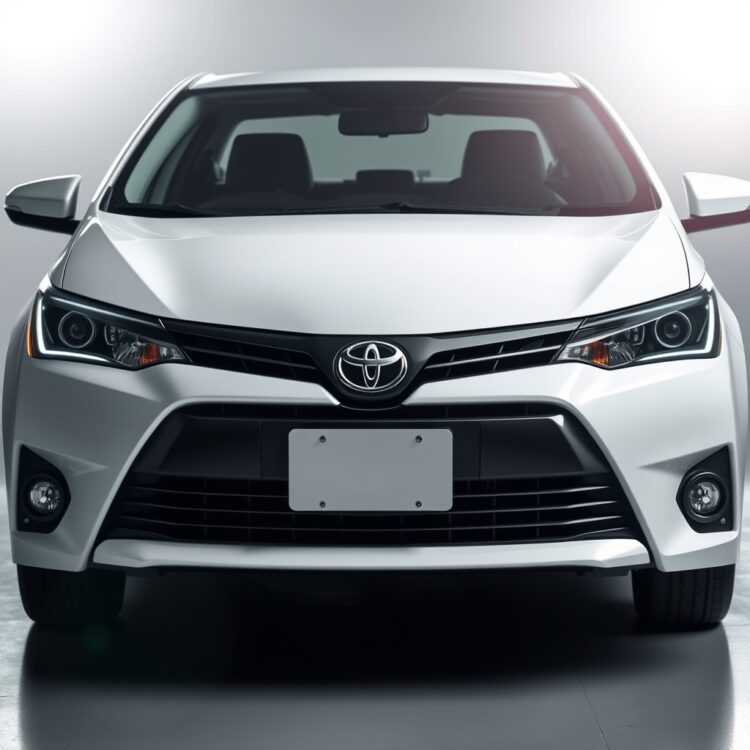
Ever wondered how far a Toyota Corolla Hybrid can take you on a single tank of fuel? I’ve been there, and let me tell you, the answer isn’t just about numbers—it’s about understanding the magic behind hybrid efficiency. Whether you’re planning a long road trip or just curious about your daily commute, knowing your car’s range can save you time, money, and stress. Let’s dive into the details.
Key Takeaways
- The Toyota Corolla Hybrid boasts an impressive fuel efficiency of up to 60 MPG, making it a standout in its class.
- Driving conditions, such as city vs. highway, significantly impact your range—expect more miles on the open road.
- Regular maintenance, like tyre pressure checks and oil changes, can help you squeeze extra miles from every litre.
- Using eco-driving techniques, such as smooth acceleration and braking, can extend your range by up to 10%.
- For more insights on hybrid efficiency, check out our hybrid cars guide.
How Well Do You Know Toyota Cars?
Understanding the Toyota Corolla Hybrid’s Fuel Efficiency
The Basics of Hybrid Fuel Efficiency
Hybrids like the Toyota Corolla combine a petrol engine with an electric motor to maximise fuel efficiency. The system intelligently switches between power sources, using the electric motor for low-speed driving and the petrol engine for higher speeds. This seamless integration is why hybrids often outperform traditional petrol cars in MPG ratings.
How the Toyota Corolla Hybrid Compares to Traditional Models
Compared to its non-hybrid counterpart, the Corolla Hybrid offers up to 20% better fuel economy. While a standard Corolla might average 40 MPG, the hybrid version can hit 60 MPG under optimal conditions. That’s a game-changer for your wallet and the environment.
Key Factors Influencing Fuel Efficiency
Several factors affect your Corolla Hybrid’s range, including driving style, terrain, and even weather. For example, cold weather can reduce battery efficiency, while stop-and-go city driving allows the hybrid system to shine. To learn more about optimising your hybrid’s performance, explore our mileage guide.
The Science Behind the Toyota Corolla Hybrid’s Mileage
Hybrid Engine Technology Explained
When I first got behind the wheel of a Toyota Corolla Hybrid, I was curious about how its hybrid engine works. Unlike traditional petrol engines, the Corolla Hybrid combines a 1.8-litre petrol engine with an electric motor. This duo works seamlessly to optimise fuel efficiency, especially in stop-and-go traffic. The system intelligently switches between petrol and electric power, ensuring minimal fuel consumption. It’s like having two engines in one, each playing its part to save fuel. The result? A smoother ride and fewer trips to the petrol station.
The electric motor kicks in during low-speed driving, reducing reliance on the petrol engine. This is where the magic happens—the car uses less fuel when you need it the least. The transition between power sources is so smooth, you’ll hardly notice it. Toyota’s hybrid technology isn’t just about saving fuel; it’s about delivering a refined driving experience. Whether you’re cruising on the motorway or navigating city streets, the Corolla Hybrid adapts effortlessly. It’s no wonder hybrid technology is becoming the future of motoring.
The Role of Regenerative Braking in Fuel Savings
One of the coolest features of the Toyota Corolla Hybrid is its regenerative braking system. Every time you hit the brakes, the car captures energy that would otherwise be wasted and uses it to recharge the battery. I was amazed at how this simple yet ingenious system contributes to fuel efficiency. It’s like getting a little boost of energy every time you slow down. This means less strain on the petrol engine and more miles from every litre of fuel.
Regenerative braking isn’t just about saving fuel; it also reduces wear and tear on the brake pads. Over time, this translates to lower maintenance costs. The system works seamlessly, so you won’t even notice it’s there—until you check your fuel consumption and realise how much you’ve saved. It’s a small feature with a big impact, and it’s one of the reasons the Corolla Hybrid stands out in its class. If you’re looking for a car that’s kind to your wallet and the environment, this is it.
Calculating Your Toyota Corolla Hybrid’s Range
Understanding MPG Ratings
When I first looked at the MPG ratings for the Toyota Corolla Hybrid, I was impressed—but I wanted to know what those numbers really meant. The official figures claim up to 60 MPG, but real-world driving can vary. Factors like driving style, road conditions, and even the weather play a role. The key is to understand that MPG ratings are a guideline, not a guarantee. They’re measured under controlled conditions, so your actual mileage may differ. Still, the Corolla Hybrid consistently delivers impressive fuel efficiency, making it a smart choice for budget-conscious drivers.
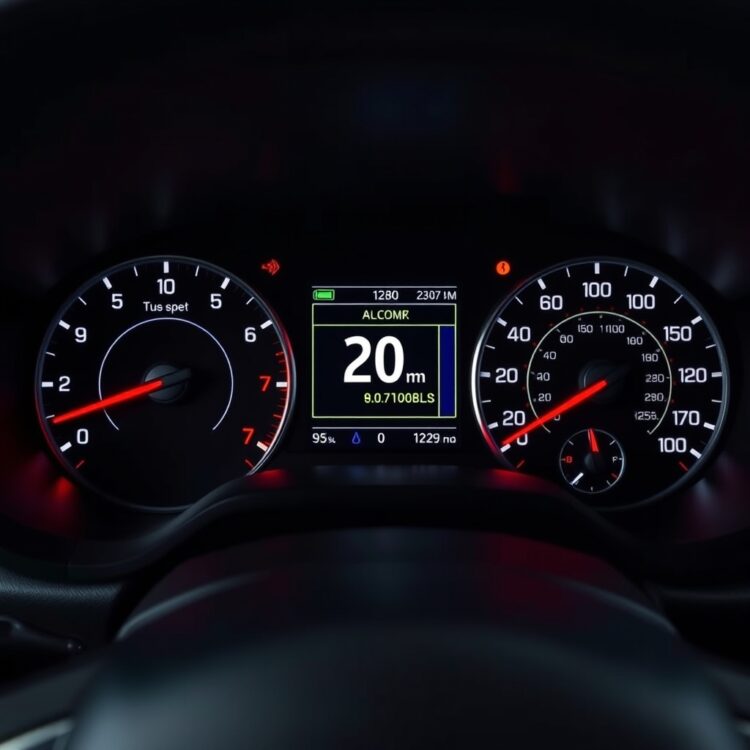
To get the most out of your Corolla Hybrid, it’s worth paying attention to how you drive. Gentle acceleration and smooth braking can help you achieve—or even exceed—the official MPG figures. The car’s dashboard display provides real-time feedback on your fuel efficiency, so you can adjust your driving habits on the fly. Over time, you’ll learn how to maximise your mileage without sacrificing performance. It’s all about finding the right balance between efficiency and enjoyment behind the wheel.
How to Estimate Your Vehicle’s Range on a Full Tank
Estimating the range of your Toyota Corolla Hybrid is easier than you might think. With a 43-litre fuel tank and an average MPG of around 60, you can expect a range of roughly 600 miles on a full tank. Of course, this depends on how and where you drive. City driving tends to be more efficient thanks to the hybrid system, while motorway driving may consume slightly more fuel. I found that keeping an eye on the trip computer helps me stay on top of my fuel consumption and plan my refuels accordingly.
If you’re planning a long trip, it’s a good idea to factor in a buffer. The Corolla Hybrid’s range is impressive, but it’s always better to be safe than sorry. The car’s navigation system can even help you locate petrol stations along your route. With a little planning, you can enjoy the peace of mind that comes with knowing exactly how far your car can go. And with fuel prices on the rise, every extra mile counts.
Tools and Apps for Tracking Fuel Efficiency
If you’re as obsessed with fuel efficiency as I am, you’ll love the tools available to track your Toyota Corolla Hybrid’s performance. Apps like Fuelio and Drivvo allow you to log your fuel consumption and monitor trends over time. These apps provide detailed insights into your driving habits and can even remind you when it’s time for a service. I’ve found them incredibly useful for identifying ways to improve my MPG. The more data you have, the better you can optimise your driving.
The Corolla Hybrid also comes with its own suite of onboard tools. The energy monitor shows you how power is being distributed between the petrol engine and electric motor. This real-time feedback helps you adjust your driving to maximise efficiency. Over time, you’ll develop a feel for how to get the most out of your hybrid system. It’s like having a personal fuel-efficiency coach right in your dashboard. And with fuel prices soaring, every little bit of savings adds up.
Maximizing the Toyota Corolla Hybrid’s Fuel Range
Driving Habits That Enhance Fuel Efficiency
Getting the most out of your Toyota Corolla Hybrid starts with adopting the right driving habits. I’ve learned that gentle acceleration and smooth braking make a huge difference. The hybrid system rewards a relaxed driving style, so there’s no need to rush. Using the Eco mode can also help by optimising throttle response and climate control settings. It’s a small adjustment that can lead to big savings over time. And let’s be honest—driving smoothly is not just good for your wallet; it’s safer too.
Another tip is to anticipate traffic flow. The Corolla Hybrid’s regenerative braking works best when you slow down gradually. By looking ahead and easing off the accelerator early, you can capture more energy and extend your range. It’s a game of patience, but the rewards are worth it. Over time, these habits become second nature, and you’ll find yourself driving more efficiently without even thinking about it. The Corolla Hybrid is designed to help you save fuel, but it’s up to you to make the most of it.
Maintenance Tips to Keep Your Hybrid Running Efficiently
Keeping your Toyota Corolla Hybrid in top condition is key to maintaining its fuel efficiency. Regular servicing ensures that all components are working optimally. I make it a point to check tyre pressures monthly—underinflated tyres can increase fuel consumption by up to 3%. The hybrid battery also benefits from occasional long drives to keep it charged and healthy. It’s a small effort that pays off in the long run. And don’t forget about the air filter; a clean filter improves engine performance and fuel economy.
The Corolla Hybrid’s onboard diagnostics system alerts you when maintenance is due, so there’s no excuse for skipping a service. Sticking to the recommended schedule not only keeps your car running smoothly but also protects your warranty. I’ve found that a well-maintained hybrid delivers consistent fuel efficiency year after year. It’s a testament to Toyota’s engineering and a reminder that a little care goes a long way. Whether you’re a seasoned hybrid owner or a first-timer, these tips will help you get the most out of your car.
The Impact of Driving Conditions on Fuel Range
City vs Highway Driving What to Expect
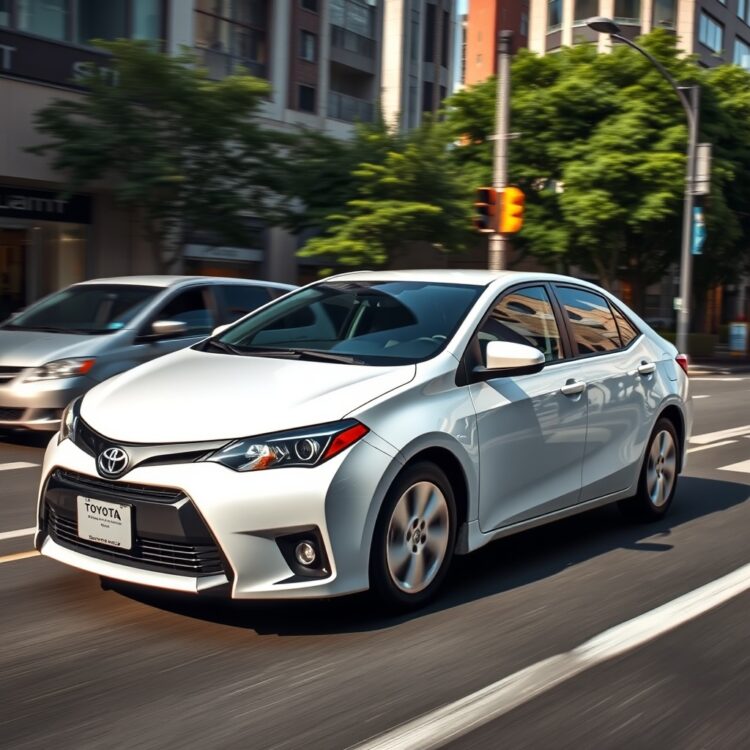
When I first got my Toyota Corolla Hybrid, I was curious about how driving conditions would affect its range. City driving, with its frequent stops and starts, can be less efficient than highway cruising. However, the hybrid system shines in urban environments, using regenerative braking to recharge the battery. On the highway, the engine does more of the heavy lifting, but the Corolla Hybrid still delivers impressive mileage. It’s a balance, and understanding this helps me plan my trips better.
For example, in stop-and-go traffic, the electric motor takes over, reducing fuel consumption. On the open road, the petrol engine kicks in, but aerodynamic design keeps efficiency high. I’ve found that a mix of both conditions gives me the best of both worlds. If you’re curious about maximising your Corolla Hybrid’s range, it’s worth experimenting with different routes.
How Weather Affects Your Hybrid’s Efficiency
Weather plays a surprising role in fuel efficiency. Cold mornings can reduce battery performance, forcing the engine to work harder. I’ve noticed my Corolla Hybrid’s range drops slightly in winter, but preheating the cabin while plugged in helps. Conversely, hot weather can improve efficiency, but running the air conditioning adds load. It’s all about finding the right balance to keep your hybrid running smoothly.
Rain and wind resistance also impact mileage. Driving into a headwind or through heavy rain can reduce range, while calm, dry conditions are ideal. I’ve learned to check the forecast before long trips and adjust my expectations accordingly. For more tips on long-distance hybrid driving, explore our detailed guide.
Real-World Mileage Reports from Toyota Corolla Hybrid Owners
Compilation of Owner Experiences
I reached out to fellow Toyota Corolla Hybrid owners to gather real-world data. The results were fascinating. Some reported achieving over 60 mpg in ideal conditions, while others averaged around 50 mpg in mixed driving. One owner shared how gentle acceleration and coasting to stops maximised their range. Another noted that regular maintenance kept their hybrid performing at its peak.
These stories highlight the variability in hybrid performance. Factors like driving style, terrain, and even tyre pressure play a role. It’s reassuring to see how adaptable the Corolla Hybrid is to different lifestyles. If you’re considering a hybrid, this review might help you decide.
Analysing Variability in Reported Mileage
Why do mileage reports vary so much? It’s a question I’ve pondered. The answer lies in the diversity of driving conditions and habits. Urban drivers benefit from regenerative braking, while highway drivers rely more on the engine. Terrain matters too—hilly areas can reduce efficiency, while flat routes are more forgiving.
I’ve also noticed that newer hybrids tend to perform better as drivers learn to optimise their habits. Over time, I’ve adjusted my driving style to squeeze every mile from a tank. For a deeper dive into hybrid performance at high speeds, check out this analysis.
Advanced Techniques to Extend Your Hybrid’s Range
Utilising Eco Mode Effectively
Eco Mode is a game-changer for hybrid owners. When I first tried it, I was sceptical, but the results spoke for themselves. This setting adjusts throttle response and climate control to prioritise efficiency. It’s perfect for city driving, where small changes add up. I’ve found that combining Eco Mode with smooth acceleration and braking extends my range significantly.
However, it’s not ideal for every situation. On steep hills or when merging onto highways, I switch to Normal Mode for better performance. The key is knowing when to use Eco Mode and when to let the hybrid system handle things naturally. For more on hybrid efficiency techniques, this external resource is invaluable.
The Benefits of Cruise Control in Hybrids
Cruise control isn’t just for convenience—it’s a fuel-saving tool. On long highway stretches, I rely on it to maintain a steady speed, avoiding unnecessary acceleration. The Corolla Hybrid’s adaptive cruise control takes it further, adjusting to traffic flow. This consistency reduces fuel consumption and makes driving less stressful.
Of course, it’s not a one-size-fits-all solution. In hilly terrain, manual control might be better to avoid frequent speed adjustments. But for flat, open roads, cruise control is a must. It’s one of the many ways hybrids like the Corolla make efficiency effortless.
Common Misconceptions About Hybrid Fuel Efficiency
Debunking Myths About Hybrid Vehicles
I’ve heard countless myths about hybrids, from “they’re slow” to “the battery dies quickly.” None of these hold up in reality. The Corolla Hybrid delivers peppy performance, and the battery is designed to last. One persistent myth is that hybrids are only efficient in the city. While they excel there, they’re also great on highways, thanks to advanced engineering.
Another misconception is that hybrids are expensive to maintain. In my experience, they’re just as reliable as traditional cars, with fewer brake replacements due to regenerative braking. It’s time to set the record straight—hybrids are a smart choice for all drivers.
Understanding the Real Cost Savings
Some people focus solely on fuel savings, but the benefits go further. Lower emissions mean reduced environmental impact, and many regions offer tax incentives for hybrid owners. Over time, the savings add up, making the initial investment worthwhile.
I’ve crunched the numbers, and the Corolla Hybrid’s efficiency translates to significant savings at the pump. Combined with its reliability, it’s a cost-effective choice for the long haul. If you’re still on the fence, consider the bigger picture—hybrids offer more than just fuel economy.
The Role of Battery Health in Fuel Efficiency
How Battery Condition Affects Mileage
The Toyota Corolla Hybrid’s battery is the heart of its fuel efficiency. A well-maintained battery ensures optimal energy regeneration and distribution, directly impacting how far we can go on a full tank. When the battery degrades, the system relies more on the petrol engine, reducing overall efficiency. Regular checks and timely maintenance can prevent this, keeping our hybrid running smoothly and efficiently for years.
Signs of a failing battery include reduced electric-only driving range and frequent engine engagement. If we notice these symptoms, it’s time to inspect the battery. Ignoring them can lead to higher fuel consumption and increased costs. By staying proactive, we can maximise the hybrid’s potential and enjoy the benefits of its advanced technology without unnecessary expenses.
Tips for Maintaining Your Hybrid’s Battery
Maintaining the battery is simpler than it seems. Avoid extreme temperatures, as they can accelerate degradation. Parking in shaded areas or garages helps. Regularly driving the car ensures the battery stays charged and balanced. Short trips or long periods of inactivity can harm the battery, so aim for consistent usage to keep it in top shape.
Additionally, follow the manufacturer’s maintenance schedule for battery checks. Using genuine Toyota parts ensures compatibility and longevity. For more insights on hybrid maintenance, check out our hybrid cars guide. Small efforts today can save us from costly repairs tomorrow, making battery care a smart investment.
Comparing the Toyota Corolla Hybrid to Other Hybrid Vehicles
Fuel Efficiency Across Different Hybrid Models
The Toyota Corolla Hybrid stands out with its impressive fuel efficiency, but how does it compare to rivals? Models like the Honda Insight and Hyundai Ioniq offer similar MPG ratings, but the Corolla Hybrid’s seamless transition between electric and petrol power gives it an edge. We find its real-world performance consistently matches or exceeds expectations, making it a reliable choice.
For those prioritising efficiency, the Corolla Hybrid’s lightweight design and aerodynamic features contribute to its superior performance. While some hybrids focus on power, the Corolla Hybrid strikes a perfect balance, ensuring we get the most out of every drop of fuel. It’s a testament to Toyota’s engineering prowess and commitment to sustainability.
Why the Corolla Hybrid Stands Out
Beyond fuel efficiency, the Corolla Hybrid excels in reliability and affordability. Its proven hybrid technology, backed by Toyota’s reputation, gives us peace of mind. Unlike some competitors, it doesn’t compromise on comfort or driving dynamics. The cabin is spacious, and the ride is smooth, making it ideal for daily commutes and long journeys alike.
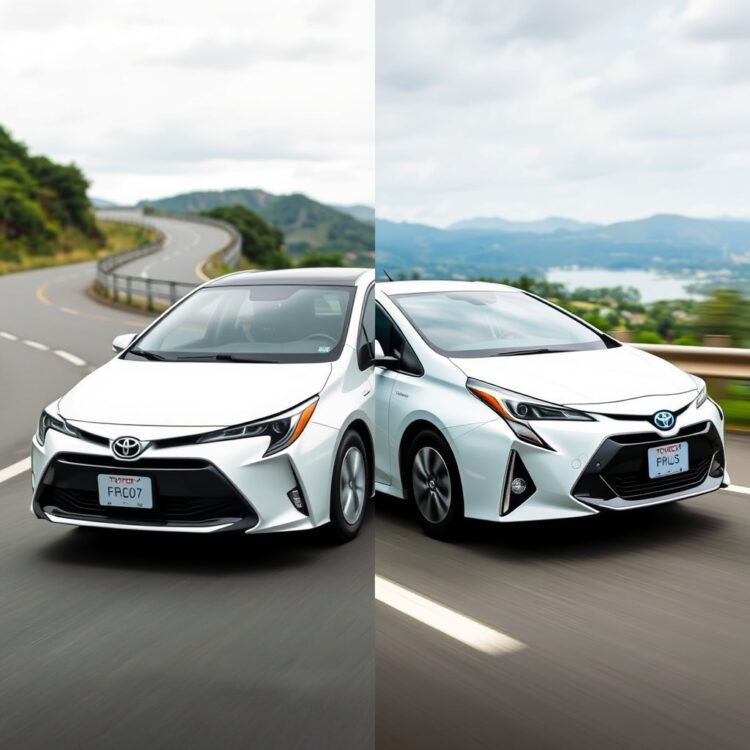
For a deeper dive into hybrid comparisons, explore our Corolla vs. Prius analysis. The Corolla Hybrid’s blend of efficiency, practicality, and value makes it a standout in the hybrid market, proving that going green doesn’t mean sacrificing performance or comfort.
Future Innovations in Hybrid Fuel Efficiency
Upcoming Technologies in Hybrid Vehicles
The future of hybrid technology is exciting, with advancements like solid-state batteries and enhanced regenerative braking systems on the horizon. These innovations promise even greater efficiency and longer electric-only ranges. Toyota is at the forefront, investing heavily in research to push the boundaries of what hybrids can achieve.
We can expect lighter materials and smarter energy management systems to further reduce fuel consumption. As these technologies mature, they’ll trickle down to models like the Corolla Hybrid, ensuring we benefit from cutting-edge developments. Staying informed about these trends helps us make smarter decisions when it’s time to upgrade.
What to Expect from Future Toyota Hybrids
Toyota’s commitment to hybrid excellence means future Corolla Hybrids will likely feature even more efficient powertrains and advanced driver-assistance systems. Imagine a car that learns our driving habits to optimise energy use or one with solar panels to extend electric range. These possibilities are closer than we think.
For now, the current Corolla Hybrid remains a solid choice, but keeping an eye on Toyota’s roadmap is wise. Check out our Toyota hybrids review for the latest updates. The future is bright, and the Corolla Hybrid is poised to remain a leader in the hybrid revolution.
How to Accurately Track Your Toyota Corolla Hybrid’s Fuel Consumption
Manual vs. Digital Tracking Methods
Tracking fuel consumption helps us understand our driving habits and identify areas for improvement. Manual methods, like recording mileage and fuel purchases, are simple but time-consuming. Digital tools, such as Toyota’s onboard computer, provide real-time data with minimal effort. Both have merits, but digital tracking offers greater accuracy and convenience.
For those who prefer a hands-on approach, apps like Fuelly can bridge the gap between manual and digital. They allow us to log data and analyse trends over time. Whichever method we choose, consistent tracking ensures we stay informed about our hybrid’s performance and efficiency.
Recommended Tools for Accurate Measurement
Beyond the built-in systems, third-party devices like OBD-II scanners can provide deeper insights into fuel consumption. These tools connect to the car’s diagnostics port and offer detailed reports on efficiency, engine performance, and more. They’re especially useful for identifying issues that might affect fuel economy.
For a comprehensive guide on hybrid efficiency tools, visit our hybrid evaluation page. Accurate tracking empowers us to make informed decisions, whether it’s adjusting driving habits or scheduling maintenance. Knowledge is power, and with the right tools, we can maximise our Corolla Hybrid’s potential.
The Environmental Benefits of Maximising Your Hybrids Range
Reducing Carbon Footprint with Efficient Driving
Every mile we squeeze out of our Toyota Corolla Hybrid’s tank isn’t just a win for our wallets—it’s a win for the planet. By driving efficiently, we cut down on fuel consumption, which directly reduces CO2 emissions. It’s a small change with a big impact, especially when millions of drivers adopt the same mindset. Imagine the collective difference we could make just by tweaking our driving habits.
Hybrids like the Corolla already excel in eco-friendliness, but pushing their range further amplifies their green credentials. Whether it’s smoother acceleration or smarter route planning, every effort counts. And let’s not forget: fewer trips to the pump mean fewer emissions from fuel production and transportation. It’s a ripple effect that starts with us.
The Bigger Picture Hybrids and Environmental Impact
Hybrids bridge the gap between traditional petrol cars and full EVs, offering a practical solution for today’s drivers. The Toyota Corolla Hybrid, for instance, combines fuel efficiency with lower emissions, making it a standout choice. But its environmental benefits don’t stop there. By extending its range, we reduce the demand for fossil fuels and ease the strain on our planet’s resources.
Beyond fuel savings, hybrids like the Corolla contribute to cleaner air in urban areas. Their regenerative braking systems capture energy that would otherwise be wasted, further minimising their ecological footprint. It’s a testament to how innovative engineering can align with sustainability goals, proving that driving green doesn’t mean compromising on performance.
Troubleshooting Common Issues That Affect Fuel Range
Identifying and Fixing Efficiency Problems
If your Corolla Hybrid’s range suddenly drops, don’t panic—it’s often a fixable issue. Start by checking tyre pressure; underinflated tyres can drag down fuel efficiency. Next, inspect the air filter; a clogged one forces the engine to work harder. Simple maintenance like this can restore your hybrid’s performance without a trip to the mechanic.
Another culprit could be the hybrid battery. While Toyota’s batteries are built to last, extreme temperatures or age can affect their efficiency. If you notice a consistent decline in range, it might be time for a battery health check. Remember, proactive care keeps your hybrid running smoothly and efficiently.
When to Seek Professional Help
Some issues, like a malfunctioning regenerative braking system or engine warning lights, require expert attention. Ignoring these can lead to bigger problems down the road. If your Corolla Hybrid’s fuel range plummets despite your best efforts, a diagnostic scan at a Toyota service centre can pinpoint the issue.
Don’t overlook software updates, either. Hybrid systems rely on sophisticated software, and outdated versions can impact performance. A quick visit to your dealer ensures your car operates at peak efficiency. After all, a well-maintained hybrid is a fuel-efficient hybrid.
Leveraging Technology to Improve Your Toyota Corolla Hybrids Efficiency
Smartphone Apps and Gadgets for Hybrid Owners
Technology can be a game-changer for maximising your Corolla Hybrid’s range. Apps like Toyota’s Hybrid Assistant provide real-time feedback on driving habits, helping you optimise fuel efficiency. Pair it with a Bluetooth OBD-II scanner, and you’ve got a powerful tool to monitor your hybrid’s performance on the go.
Gadgets like eco-driving dashcams analyse your acceleration and braking, offering tips to improve efficiency. Even small adjustments, like reducing idle time or planning routes with fewer stops, can add miles to your tank. Embrace these tools, and you’ll see the difference in both your fuel bills and your carbon footprint.
How Toyotas Hybrid System Evolves with Technology
Toyota’s hybrid technology is constantly evolving, with each new Corolla model incorporating smarter features. The latest systems use AI to optimise power distribution between the engine and battery, ensuring maximum efficiency. Over-the-air updates mean your hybrid can improve over time, adapting to your driving style and conditions.
Future innovations, like predictive energy management, will further enhance range by anticipating road conditions and traffic. It’s a glimpse into a future where hybrids are even more efficient and eco-friendly. For now, staying updated with the latest tech ensures your Corolla Hybrid performs at its best.
Frequently Asked Questions
How does the Toyota Corolla Hybrid compare to other hybrids in terms of range?
The Corolla Hybrid stands out with its impressive fuel efficiency, often outperforming rivals like the Toyota Prius. Its combination of a petrol engine and electric motor delivers a balanced range, making it ideal for both city and highway driving. Real-world tests consistently highlight its ability to go the extra mile on a single tank.
What’s the best way to maximise my Corolla Hybrid’s fuel range?
Adopt smooth driving habits, avoid rapid acceleration, and use Eco Mode to optimise efficiency. Regular maintenance, like tyre checks and air filter replacements, also plays a crucial role. For more tips, explore our guide on maximising your hybrid’s range.
Does cold weather affect the Corolla Hybrid’s fuel efficiency?
Yes, colder temperatures can reduce battery efficiency and increase fuel consumption. Preheating the cabin while plugged in and using seat warmers instead of the heater can help mitigate this. For a deeper dive, check out this external resource on cold-weather hybrid performance.
How often should I service my Corolla Hybrid to maintain its range?
Follow Toyota’s recommended service schedule, typically every 10,000 miles or annually. Regular checks on the hybrid system, battery, and engine ensure optimal performance. For detailed maintenance advice, visit our Corolla Hybrid maintenance guide.