Is it OK to buy a 20-year-old car
Introduction
I’ve always been fascinated by the idea of owning a 20-year-old car. There’s something undeniably charming about the nostalgia, the simplicity, and the sheer character of these older vehicles. But is it a smart move? We’re diving into the pros and cons of buying a car that’s two decades old, from affordability to reliability and everything in between. Let’s get started.
Key Takeaways
- Affordability: Older cars often come with a lower upfront cost, but long-term expenses can add up.
- Maintenance: Simpler mechanics can mean easier repairs, but parts availability may be a challenge.
- Safety: Modern safety features are often missing, so upgrades might be necessary.
- Emotional Appeal: Classic designs and nostalgia can make ownership incredibly rewarding.
- Environmental Impact: Older cars may not meet current emissions standards, so consider eco-friendly modifications.
Test Your General Automotive Knowledge!
Understanding the Appeal of a 20-Year-Old Car
Nostalgia and Classic Design
There’s no denying the emotional pull of a 20-year-old car. Whether it’s the boxy shapes of the ‘90s or the sleek curves of early 2000s models, these cars often evoke a sense of nostalgia. For many of us, they represent a simpler time in automotive design—one where form and function were perfectly balanced. Owning one is like owning a piece of history.
Beyond aesthetics, older cars often have a unique character that modern vehicles lack. From the sound of the engine to the feel of the steering, every drive becomes an experience. If you’re someone who values personality over polish, a 20-year-old car might be right up your alley. Check out our automotive blog for more insights on classic cars.
Affordability and Budget Considerations
One of the biggest draws of a 20-year-old car is the price tag. Compared to newer models, these vehicles are often significantly cheaper to buy outright. For those on a tight budget, this can be a game-changer. But it’s important to look beyond the initial cost. Insurance, maintenance, and potential repairs can add up over time.
That said, if you’re willing to put in the work, an older car can be a cost-effective choice. Just make sure to factor in all expenses before making a decision. For example, a Corsa VXR might be a great option if you’re looking for a balance of performance and affordability.
Simplicity of Maintenance and Repair
Older cars often come with simpler mechanical systems, which can make them easier to work on. If you’re the DIY type, this is a huge advantage. Without the complexity of modern electronics, many repairs can be done at home with basic tools. Plus, there’s a wealth of knowledge and community support for classic models.
However, simplicity doesn’t always mean reliability. Wear and tear over two decades can lead to unexpected issues. Regular maintenance is key to keeping an older car on the road. If you’re not prepared for the occasional headache, this might not be the right choice for you.
Assessing the Condition of a 20-Year-Old Car
Importance of a Pre-Purchase Inspection
Before handing over any cash, I always insist on a pre-purchase inspection. It’s the only way to uncover hidden issues that could turn your dream car into a money pit. A professional mechanic will check everything from the engine to the suspension, giving you peace of mind. Trust me, skipping this step is like buying a house without a survey—risky and often regrettable.
Common Wear and Tear Issues
Older cars come with wear and tear, and it’s crucial to know what to expect. Look for signs of worn-out brakes, tired suspension components, and ageing rubber seals. These are common in 20-year-old cars and can be costly if ignored. But here’s the good news: many of these issues are fixable, especially if you’re handy with tools or know a trusted mechanic.
Rust and Corrosion Concerns
Rust is the silent killer of older cars, and it’s something I always check for. Focus on the undercarriage, wheel arches, and door sills—these are prime spots for corrosion. If you spot bubbling paint or flaky metal, walk away unless you’re ready for a restoration project. Remember, rust repairs can spiral quickly, so weigh the costs carefully.
The Financial Implications of Owning an Older Car
Initial Purchase Price vs. Long-Term Costs
Buying a 20-year-old car might seem like a steal, but don’t let the low price fool you. Long-term costs can add up, especially if the car needs frequent repairs. I’ve seen owners spend more on fixes than the car’s original price. That’s why it’s essential to budget for maintenance and factor in potential unexpected expenses.
Insurance Costs for Older Vehicles
One perk of older cars? Often, they’re cheaper to insure. But don’t assume this is always the case. Some insurers view vintage models as higher risk, especially if parts are hard to find. Always shop around for quotes and consider specialist providers. A little research can save you hundreds over the year.
Potential for Unexpected Repairs
Older cars are unpredictable, and that’s part of their charm—and frustration. I’ve had my fair share of surprise breakdowns, from blown gaskets to electrical gremlins. The key is to set aside a repair fund. Think of it as an insurance policy against those “Oh no” moments. And if you’re not mechanically inclined, find a mechanic who specialises in older cars.

Reliability and Performance of 20-Year-Old Cars
Evaluating Engine and Transmission Health
The heart of any car is its engine and transmission, and with older models, these components need extra scrutiny. Listen for unusual noises, check for leaks, and test-drive thoroughly. A well-maintained engine can last decades, but neglect can lead to costly rebuilds. If you’re unsure, a compression test can reveal a lot about an engine’s health.
Fuel Efficiency Compared to Newer Models
Don’t expect a 20-year-old car to match the fuel efficiency of modern vehicles. Older engines often guzzle more petrol, especially if they’re not tuned properly. But here’s a silver lining: simpler engines can be more forgiving with maintenance. Plus, you might save enough on the purchase price to offset the extra fuel costs.
Availability of Replacement Parts
One challenge with older cars is finding parts. Some components might be discontinued, forcing you to scour scrap yards or aftermarket suppliers. But communities like classic car forums can be goldmines for advice and resources. And if you’re lucky, you might even find a model with strong parts support.
Safety Considerations for Older Vehicles
Lack of Modern Safety Features
When I think about buying a 20-year-old car, the first thing that comes to mind is the lack of modern safety features. Older vehicles often miss out on essentials like airbags, ABS, and electronic stability control. While these might seem like luxuries, they’re lifesavers in an accident. We’ve come a long way in automotive safety, and driving an older car means sacrificing some of that progress for nostalgia or affordability.
That said, not all older cars are created equal. Some models from the early 2000s were ahead of their time, offering features like side-impact airbags or traction control. If you’re set on an older car, it’s worth researching which models had the best safety tech for their era. You might find a gem that balances classic appeal with decent protection.
Crash Test Ratings and Structural Integrity
Crash test ratings for older cars can be a sobering reality check. Many vehicles from the late 90s and early 2000s scored poorly in tests compared to today’s standards. The structural integrity of these cars often falls short, with weaker frames and less effective crumple zones. I always advise checking the Euro NCAP ratings for any car you’re considering—it’s a quick way to gauge how it might perform in a collision.
Of course, driving habits play a huge role in safety. If you’re careful and avoid high-risk situations, an older car can still be a viable option. But if you’re frequently on busy motorways or driving with young passengers, the added risk might not be worth it. It’s a trade-off between cost and peace of mind.
Upgrading Safety Features in Older Cars
One way to mitigate the risks of driving an older car is by upgrading its safety features. Adding aftermarket items like a modern seatbelt system, better tyres, or even a backup camera can make a big difference. I’ve seen enthusiasts retrofit their classics with ABS or improved braking systems, though it’s not always straightforward or cheap.
Another option is to focus on maintenance. Ensuring your car’s suspension, brakes, and steering are in top condition can help compensate for its age. Regular checks and timely repairs are crucial—because even the safest old car won’t protect you if it’s falling apart.
The Environmental Impact of Driving an Older Car
Emissions Standards and Older Vehicles
Older cars are notorious for their higher emissions, often failing to meet modern environmental standards. If you’re eco-conscious, this is a major drawback. Many 20-year-old cars lack catalytic converters or emit harmful pollutants at levels that would never pass today’s tests. It’s a tough pill to swallow, especially if you’re trying to reduce your carbon footprint.
That said, not all older cars are environmental disasters. Some models from the early 2000s were surprisingly efficient, especially smaller engines or diesel variants. If you’re committed to an older car, look for one with a cleaner engine—it’s a small step toward being kinder to the planet.
Fuel Consumption and Environmental Footprint
Fuel efficiency is another area where older cars often lag behind. Advances in engine technology mean newer cars can go further on less fuel, reducing both costs and emissions. A 20-year-old car might guzzle petrol or diesel at a rate that feels archaic by today’s standards. I’ve found that smaller, lighter cars tend to fare better, but it’s still a compromise.
If you’re determined to minimise your environmental impact, consider offsetting your fuel use. Simple changes like driving more smoothly or keeping your car well-maintained can improve efficiency. It’s not a perfect solution, but every little bit helps.
The Case for Eco-Friendly Modifications
For the truly dedicated, there are ways to make an older car greener. Conversions to LPG or even electric powertrains are becoming more accessible, though they’re not cheap. I’ve seen some impressive DIY projects where enthusiasts transform their classics into eco-friendly machines. It’s a niche option, but it shows that older cars don’t have to be environmental villains.
Another approach is to use your older car sparingly. If it’s a weekend cruiser rather than a daily driver, its environmental impact is significantly reduced. Pair it with a more efficient modern car for everyday use, and you get the best of both worlds.
Legal and Registration Hurdles
Meeting Current Emission Standards
One of the biggest challenges with older cars is complying with modern emission laws. Many cities now have low-emission zones where high-polluting vehicles are banned or face hefty charges. If your 20-year-old car doesn’t meet these standards, it could limit where you can drive. I always check local regulations before buying—because no one wants a car they can’t use.
Some older cars can be retrofitted to meet stricter standards, but it’s often expensive and complicated. In some cases, it’s easier to accept the restrictions or choose a different model. It’s a frustrating reality, but one that’s worth considering upfront.
Registration Fees and Taxes for Older Cars
Older cars can sometimes save you money on road tax, especially if they’re classified as historic vehicles. In the UK, cars over 40 years old are often exempt from annual fees. But for a 20-year-old car, you’ll likely still be paying standard rates. It’s worth checking the exact costs before committing—because unexpected expenses can quickly add up.
Insurance is another factor. While some older cars are cheaper to insure, others can be surprisingly expensive due to their rarity or perceived risk. I’ve found that specialist insurers can offer better deals for classics, but it’s always worth shopping around.
Restrictions in Certain Areas or Cities
Beyond emissions, some cities impose additional restrictions on older cars. London’s Ultra Low Emission Zone (ULEZ) is a prime example, where non-compliant vehicles face daily charges. If you live in or near such areas, an older car could become a financial burden. It’s a growing trend, so even if your area is currently lenient, that might not last.
On the flip side, rural areas are often more forgiving. If you’re not planning to drive in cities much, an older car might still be a viable option. It’s all about knowing your local landscape and planning accordingly.
The Role of Mileage in Decision Making
High Mileage vs. Low Mileage Older Cars
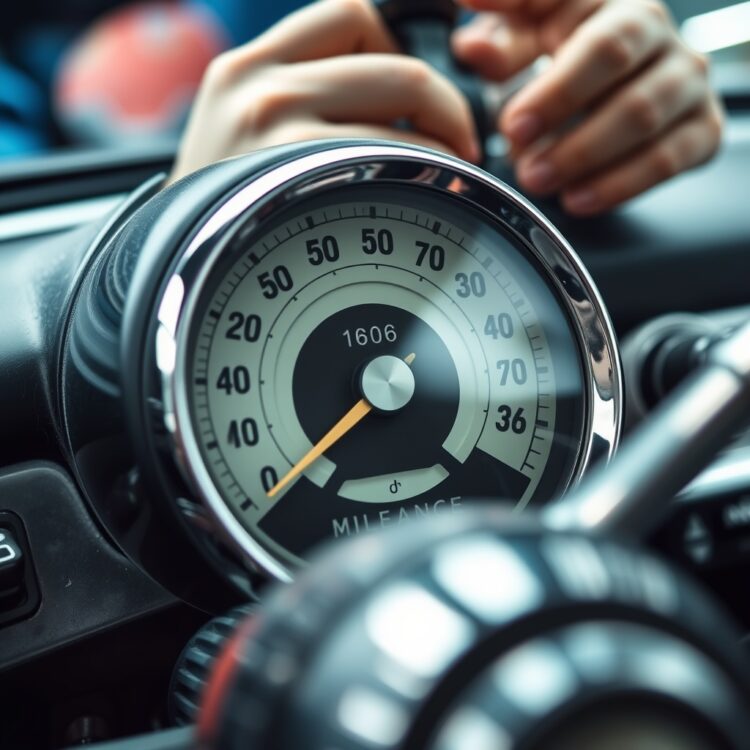
Mileage is a double-edged sword with older cars. High mileage might indicate wear and tear, but it can also mean the car’s been well-used and maintained. I’ve seen cars with 200,000 miles running smoothly because they’ve had regular care. Conversely, a low-mileage car might have sat unused for years, leading to issues like dry rot or seized components.
The key is to look beyond the odometer. A full service history is worth its weight in gold, showing how the car’s been treated over the years. If you’re torn between high and low mileage, focus on the car’s overall condition and documentation.
Understanding Odometer Fraud
Odometer fraud is a real risk with older cars, where sellers roll back the mileage to inflate the price. It’s a shady practice that’s hard to spot, but there are red flags. Inconsistent service records, worn pedals or seats on a “low-mileage” car, or a suspiciously clean dashboard can all be clues. I always recommend a vehicle history check to verify the mileage—it’s a small cost for peace of mind.
Another tip is to look for wear that matches the claimed mileage. A car with 50,000 miles should have minimal wear on the steering wheel, gearstick, and pedals. If something feels off, trust your instincts and walk away.
The Significance of Maintenance Records
Maintenance records are the backbone of any used car purchase, especially for older models. They tell the story of how the car’s been treated—whether it’s had regular oil changes, timing belt replacements, or other critical services. I’ve walked away from cars with spotty records because they’re just too much of a gamble.
If the seller doesn’t have records, it’s not always a dealbreaker—but it does mean extra caution. A pre-purchase inspection becomes even more important, as it can uncover hidden issues. At the end of the day, a well-documented car is always the safer bet.
Finding the Right 20-Year-Old Car
Researching Models Known for Longevity
When I set out to find a 20-year-old car, I knew research was key. Some models are legendary for their durability, like the Toyota Corolla or Honda Civic. These cars often outlast their peers, thanks to robust engineering and widespread parts availability. I spent hours reading forums and reviews to identify the best candidates. It’s not just about the brand—specific years and trims can make a huge difference in reliability.
I also looked for cars with a strong enthusiast community. Models like the Vauxhall Corsa VXR or Mazda MX-5 often have dedicated forums where owners share maintenance tips and common issues. This kind of support can be invaluable when owning an older car. Plus, it’s a great way to connect with like-minded people who appreciate classic rides.
The Best Places to Buy Older Cars
Finding the right seller is just as important as finding the right car. I avoided dealerships unless they specialised in classic or used cars. Private sellers can offer better deals, but you need to be cautious. Websites like Auto Trader and eBay Motors are great, but I also checked local classifieds and even car club listings. Sometimes, the best gems are hidden in plain sight.
Auctions can be a goldmine for older cars, but they’re risky. I attended a few to get a feel for the process before bidding. It’s easy to get carried away, so I set a strict budget. Another tip: always inspect the car in person. Photos can hide a lot, and a test drive is non-negotiable. If the seller hesitates, it’s a red flag.
The Importance of Test Driving
A test drive is where you’ll uncover hidden issues. I made sure to drive the car in different conditions—city streets, highways, and even uphill if possible. Listen for unusual noises, feel for vibrations, and check how the car handles. The brakes, steering, and transmission should feel smooth and responsive. If anything feels off, it’s worth walking away or negotiating a lower price.
I also paid attention to the little things, like how the doors close or the condition of the pedals. These can tell you a lot about how well the car’s been maintained. And don’t forget to check the paperwork. A full service history is a huge plus, but even receipts for recent repairs can give you peace of mind.
Negotiating the Purchase of an Older Car
How to Assess Fair Market Value
Before negotiating, I researched the fair market value of the car. Websites like Parkers and What Car? provide price guides, but I also checked recent sales of similar models. Condition, mileage, and rarity all affect the price. If the car has modifications, I factored those in too—some add value, while others can be a liability.
I also considered the cost of any immediate repairs. If the car needs new tyres or a timing belt, I used that to justify a lower offer. It’s not just about the sticker price—it’s about the total cost of ownership. And remember, cash talks. Sellers are often more flexible if you’re ready to buy on the spot.
Tips for Negotiating with Sellers
Negotiating can be awkward, but it’s part of the process. I started by pointing out any flaws I’d noticed during the inspection. Be polite but firm—highlighting issues like rust or worn-out interiors can help you secure a better deal. I also asked open-ended questions, like “What’s the lowest you’d accept?” This often reveals the seller’s bottom line.
Timing can also work in your favour. Sellers are often more motivated at the end of the month or during bad weather. And don’t be afraid to walk away if the price isn’t right. There are always other cars out there, and patience usually pays off. If the seller knows you’re serious but willing to walk, they might come down to your price.
When to Walk Away from a Deal
Not every car is worth buying, no matter how good the deal seems. I walked away from cars with suspiciously low mileage, unclear histories, or signs of major accidents. If the seller seems evasive or pushy, that’s another red flag. Trust your gut—if something feels off, it probably is.
I also avoided cars with expensive or hard-to-find parts. For example, some older luxury cars can be money pits because of rare components. Stick to models with strong aftermarket support, like the Vauxhall Corsa, unless you’re prepared for the extra cost and hassle. Sometimes, the best deal is the one you don’t make.
The Emotional Aspects of Buying an Older Car
The Joy of Restoration Projects
There’s something deeply satisfying about bringing an old car back to life. I’ve spent weekends tinkering with engines, polishing paintwork, and hunting down rare parts. It’s not just about the end result—it’s about the journey. Every scratch fixed or component replaced feels like a small victory. And when the car finally purrs to life, it’s pure magic.
Restoration isn’t for everyone, though. It requires time, patience, and a bit of mechanical know-how. But even if you’re not a DIY expert, you can still appreciate the process. Hiring a specialist can be expensive, but it’s worth it if you’re passionate about the car. Plus, a well-restored classic can be a great investment.
Sentimental Value and Personal Connection
Older cars often come with stories, and that’s part of their charm. Maybe it’s the same model your grandparents drove, or one you’ve always dreamed of owning. That emotional connection can make the quirks and repairs feel worthwhile. I’ve met owners who’ve kept their cars for decades, passing them down through generations. It’s not just a car—it’s a piece of family history.
But sentimentality shouldn’t cloud your judgment. I’ve seen people overpay for cars because of nostalgia. It’s okay to love a car, but make sure it’s mechanically sound too. A Vauxhall Corsa VXR might tug at your heartstrings, but if it’s a rust bucket, it’s not worth the headache.
The Community of Classic Car Enthusiasts
One of the best parts of owning an older car is the community. Whether it’s local meetups or online forums, there’s always someone willing to share advice or spare parts. I’ve made lifelong friends through car clubs, and the camaraderie is priceless. It’s not just about the cars—it’s about the people who love them.
Events like classic car shows or track days are also a blast. There’s nothing like cruising with a group of fellow enthusiasts, swapping stories and admiring each other’s rides. And if you’re lucky, you might even pick up some tips for your next project. The community is what keeps the passion alive.
Maintenance and Upkeep of a 20-Year-Old Car
Routine Maintenance Schedule
Owning an older car means staying on top of maintenance. I followed a strict schedule for oil changes, fluid checks, and belt replacements. These cars might be tough, but neglect can turn them into money pits. I kept a logbook to track everything, from tyre rotations to brake pad changes. It’s a small effort that pays off in the long run.
I also learned to spot early warning signs. Strange noises, leaks, or changes in performance can signal bigger issues. Catching problems early saves money and prevents breakdowns. And don’t skip the basics—clean filters and fresh spark plugs can make a world of difference. A little care goes a long way.
Finding a Mechanic Specialising in Older Cars
Not all mechanics are created equal. I sought out specialists who understood older cars, especially models like the Vauxhall Corsa VXR. They know the common quirks and can source parts more easily. Word of mouth is gold here—ask other owners for recommendations. A good mechanic is worth their weight in gold.
Building a relationship with your mechanic is key. I found one who was happy to explain issues and show me what they were doing. It’s a great way to learn and avoid being overcharged. And if you’re planning modifications, a specialist can advise on what’s feasible. Trust is everything when it comes to keeping your classic on the road.
DIY Repairs and Modifications
For the hands-on owner, DIY repairs can be rewarding. I started with simple tasks like oil changes and brake pad replacements. YouTube and forums were my go-to resources. Over time, I tackled bigger projects, like replacing suspension components. It’s a steep learning curve, but the sense of accomplishment is unbeatable.
Modifications are another fun aspect. Whether it’s upgrading the stereo or adding performance parts, personalising your car is part of the joy. Just be mindful of legality and safety. Some mods can affect insurance or even make the car unsafe. Always research before diving in, and consider consulting a professional for complex jobs.
The Resale Value of Older Cars
Factors That Affect Resale Value
When it comes to selling a 20-year-old car, several factors influence its resale value. The make and model play a significant role, as some brands retain value better than others. Condition is another critical factor—well-maintained cars with minimal rust and a solid engine fetch higher prices. Mileage also matters, but it’s not the sole determinant. A low-mileage classic might not always outshine a high-mileage gem with impeccable service records.
The Collector’s Market for Certain Models
Certain 20-year-old cars have a cult following, making them highly sought after by collectors. Limited editions, performance variants, or models with historical significance often appreciate in value. For example, the Corsa VXR has a dedicated fanbase. If you own such a car, you might find buyers willing to pay a premium. Researching your car’s niche appeal can help you target the right audience.
Timing the Sale for Maximum Profit
Selling at the right time can significantly boost your profit. Seasonal demand, market trends, and even economic conditions affect resale prices. For instance, convertibles sell better in summer, while 4x4s are more popular in winter. Keeping an eye on the market trends and being patient can pay off. Additionally, presenting your car with a clean interior and minor upgrades can make it more appealing.
Comparing New vs Used vs 20-Year-Old Cars
Cost-Benefit Analysis Over Time
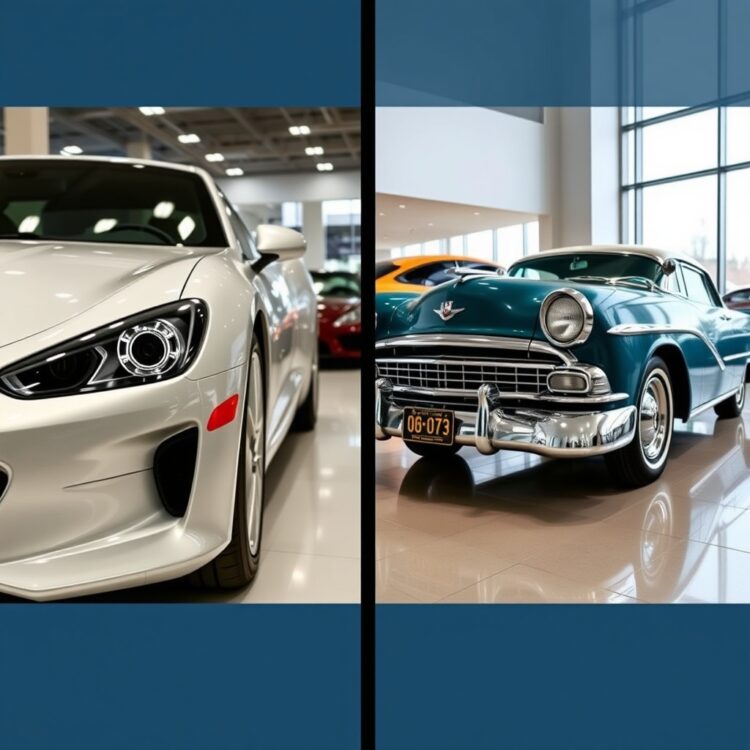
Buying a 20-year-old car is often cheaper upfront, but long-term costs can vary. New cars come with warranties and lower maintenance needs, but they depreciate quickly. Used cars strike a balance, offering reliability without the steep depreciation. Older cars, while affordable, may require frequent repairs. Weighing these factors against your budget and needs is crucial. For a deeper dive, check out this external guide on used car ownership.
Depreciation Rates Compared
New cars lose value rapidly in the first few years, while older cars depreciate more slowly. A 20-year-old car has already undergone most of its depreciation, making it a stable investment if maintained well. However, niche models might buck this trend, appreciating instead. Understanding depreciation helps you decide whether to buy new, used, or vintage.
Personal Needs and Lifestyle Considerations
Your lifestyle dictates the best choice. If you need reliability for daily commutes, a newer used car might suit you. For enthusiasts or those on a tight budget, a 20-year-old car offers charm and affordability. Consider factors like fuel efficiency, safety, and customisation potential to align your choice with your lifestyle.
Stories and Experiences from Owners of 20-Year-Old Cars
Success Stories of Reliable Older Cars
Many owners swear by their 20-year-old cars, praising their durability and simplicity. Stories of cars clocking over 200,000 miles with minimal issues are common. These successes often stem from diligent maintenance and choosing models known for longevity. For example, the Toyota Corolla and Honda Civic are frequently mentioned in such anecdotes.
Lessons Learned from Problematic Purchases
Not all experiences are positive. Some buyers regret skipping pre-purchase inspections or ignoring rust warnings. Others face costly repairs due to neglected maintenance. These lessons highlight the importance of thorough research and patience when buying an older car. Learning from others’ mistakes can save you time and money.
Community Advice and Shared Wisdom
Online forums and local car clubs are treasure troves of advice. Enthusiasts share tips on repairs, modifications, and sourcing rare parts. Engaging with these communities can provide invaluable insights and even help you find buyers when it’s time to sell. The collective wisdom of experienced owners is a resource worth tapping into.
Frequently Asked Questions
Is a 20-year-old car reliable?
Reliability depends on the car’s condition, maintenance history, and model. Some older cars are remarkably dependable, while others may require frequent repairs. Researching the specific model and getting a pre-purchase inspection can help you gauge its reliability.
What are the insurance costs for a 20-year-old car?
Insurance costs vary based on the car’s value, your location, and driving history. Older cars are often cheaper to insure, but classic or high-performance models may attract higher premiums. Comparing quotes from multiple providers ensures you get the best deal.
Can I upgrade the safety features of an older car?
Yes, you can add modern safety features like ABS, airbags, or even parking sensors to older cars. However, retrofitting can be costly and may not match the effectiveness of factory-installed systems. Prioritise essential upgrades based on your budget.
How do I find replacement parts for a 20-year-old car?
Replacement parts can be sourced from salvage yards, online marketplaces, or specialist suppliers. Some models have aftermarket support, while others may require hunting for original parts. Joining owner forums can help you locate rare components.
Is it worth restoring a 20-year-old car?
Restoration can be rewarding if the car has sentimental or collector value. However, it’s often expensive and time-consuming. Assess the car’s potential value post-restoration and your budget before committing. Passion projects are about more than just financial returns.