Introduction to Luxury Cars in Pakistan
When I first set foot in Pakistan, one of the things that immediately caught my attention was the sheer number of luxury cars cruising the streets of Karachi, Lahore, and Islamabad. From sleek Mercedes-Benz to roaring Lamborghinis, these vehicles are more than just modes of transport—they’re symbols of status, power, and aspiration. But why are they so outrageously expensive here compared to other countries?
It’s a question I’ve pondered for years, and the answers are as complex as the country’s economic landscape. From sky-high import duties to fluctuating exchange rates, the price tags on these dream machines are inflated by a web of factors. In this article, we’ll peel back the layers and uncover the truth behind the exorbitant costs of luxury cars in Pakistan.
Key Takeaways
- Luxury cars in Pakistan are priced significantly higher than in global markets due to heavy import duties and taxes.
- Customs regulations and limited local production further drive up costs.
- Exchange rate volatility adds another layer of unpredictability to pricing.
- These vehicles are more than just cars—they’re status symbols deeply embedded in Pakistani society.
Test Your General Automotive Knowledge!
Factors Contributing to High Prices of Luxury Cars
Let’s dive into the nitty-gritty of why luxury cars come with such eye-watering price tags in Pakistan. The first and most glaring factor is the government’s hefty import duties and taxes. Whether it’s a Mercedes-Benz or a BMW, the moment it crosses the border, it’s slapped with charges that can double or even triple its original cost. This isn’t just a minor inconvenience—it’s a full-blown financial barrier.
But it’s not just about taxes. Customs regulations here are a labyrinth of red tape, designed to discourage imports and promote local manufacturing. The problem? Pakistan’s automotive industry is still in its infancy when it comes to producing high-end vehicles. So, while the intent might be noble, the reality is that consumers are left paying a premium for their dream cars.
Factors Contributing to High Prices of Luxury Cars
When it comes to luxury cars in Pakistan, the price tags often leave people scratching their heads. Why are they so expensive? The answer isn’t straightforward, but several key factors play a role. From hefty import duties to complex customs regulations, the cost of owning a luxury car here is significantly higher than in many other countries. Let’s break it down.
First, the government imposes substantial taxes on imported vehicles, which can sometimes double or even triple the original price. Add to that the fluctuating exchange rates, and you’ve got a recipe for sky-high costs. Limited local production of luxury cars also means most are imported, further driving up prices. It’s a perfect storm of financial and logistical challenges.
Import Duties and Taxes
One of the biggest culprits behind the exorbitant prices of luxury cars in Pakistan is the import duties and taxes. The government levies these charges to protect local industries and generate revenue. For example, a car valued at £50,000 abroad can easily cost over £150,000 here after taxes. This makes luxury cars a privilege only a few can afford.
These taxes aren’t just a one-time thing either. Annual road taxes and registration fees add to the ongoing costs. It’s no wonder many opt for locally assembled vehicles instead. The financial burden of owning a luxury car here is immense, and it’s all thanks to these hefty charges.
Customs Regulations
Customs regulations in Pakistan are another hurdle for luxury car buyers. The process is often lengthy and bureaucratic, with strict rules on vehicle imports. For instance, only certain models are allowed, and they must meet specific emission and safety standards. These regulations, while necessary, add layers of complexity and cost.
Moreover, delays at customs can lead to additional storage fees, further inflating the final price. It’s a frustrating experience for buyers, who often find themselves paying more than they bargained for. The system, though designed to regulate imports, ends up making luxury cars even more unattainable.
Limited Local Production
Unlike countries with thriving automotive industries, Pakistan has limited local production of luxury cars. Most high-end vehicles are imported, which means buyers bear the brunt of shipping costs, import duties, and taxes. This lack of local manufacturing drives up prices and limits options for consumers.
Some brands do assemble vehicles locally, but the range is narrow, and the quality often doesn’t match that of imported models. Until Pakistan’s automotive sector expands to include more luxury car production, buyers will continue to face these inflated prices. It’s a gap in the market that’s yet to be filled.
Comparison with Global Luxury Car Prices
Ever wondered how luxury car prices in Pakistan stack up against those in other countries? The difference is staggering. A model that costs £80,000 in the UK might sell for £200,000 here. The reasons? Taxes, import duties, and the lack of local production. It’s a stark contrast that highlights the financial barriers Pakistani buyers face.
In countries like the UAE or the US, luxury cars are far more affordable due to lower taxes and streamlined import processes. This disparity makes Pakistan one of the most expensive places to own a high-end vehicle. For those who can afford it, the prestige comes at a premium.
Impact of Exchange Rates on Luxury Car Prices
Exchange rates play a pivotal role in determining the final price of luxury cars in Pakistan. Since most of these vehicles are imported, their costs are directly tied to the value of the Pakistani rupee against currencies like the US dollar or euro. When the rupee weakens, prices soar, making luxury cars even more expensive.
This volatility means buyers can’t always predict how much they’ll end up paying. A car priced at £100,000 today might cost £120,000 next month if the rupee depreciates. It’s a financial rollercoaster that adds another layer of uncertainty to the already costly process of owning a luxury car in Pakistan.
The Role of Luxury Cars in Pakistani Society
Luxury cars in Pakistan aren’t just vehicles; they’re symbols of status and success. For many, owning a high-end car like a Mercedes or BMW is a statement of achievement. It’s a way to showcase wealth and social standing, especially in a society where appearances matter. The allure of these cars goes beyond functionality—it’s about the prestige they bring.
However, this fascination isn’t without its critics. Some argue that the obsession with luxury cars reflects misplaced priorities in a country grappling with economic challenges. Yet, the demand remains strong, driven by a growing elite class and aspirational middle class. Whether it’s for business or personal use, these cars continue to dominate the roads and imaginations of many Pakistanis.
Government Policies Affecting Luxury Car Prices
Taxation Policies
The Pakistani government imposes hefty taxes on luxury cars, significantly inflating their prices. Import duties, sales tax, and federal excise duty can add up to 100% or more to the original cost. These policies are designed to discourage imports and protect local industries, but they also make luxury cars inaccessible to most. For example, a car worth $50,000 abroad can easily cost over $100,000 in Pakistan.
While these taxes generate revenue, they also create a black market for smuggled vehicles. Many buyers opt for unofficial channels to avoid the exorbitant costs, undermining legal imports. The government’s approach to taxation is a double-edged sword—balancing revenue needs with market realities remains a challenge.
Import Policies
Pakistan’s import policies further complicate the luxury car market. Strict regulations and bureaucratic hurdles make the process time-consuming and expensive. Importers must navigate a maze of paperwork, inspections, and approvals, often leading to delays and additional costs. These barriers discourage legitimate imports and fuel the demand for grey-market vehicles.
Moreover, fluctuating policies add uncertainty. Changes in import rules or tax structures can disrupt the market overnight, leaving buyers and sellers in limbo. This unpredictability makes it difficult for businesses to plan and invest, further stifling the growth of a formal luxury car market in Pakistan.
The Luxury Car Market in Pakistan
Demand and Supply Dynamics
The demand for luxury cars in Pakistan is driven by a niche but affluent segment of society. Despite the high costs, brands like Audi and Lexus enjoy steady sales, thanks to their loyal customer base. However, supply is limited due to import restrictions and high tariffs, creating a seller’s market. This imbalance often leads to inflated prices and long waiting periods for buyers.
Interestingly, the pre-owned luxury car market is thriving. Many buyers turn to used imports to bypass high taxes, though these cars often lack warranties or proper documentation. The supply-demand gap highlights the need for more balanced policies to cater to this growing market.
Consumer Preferences
Pakistani consumers favour luxury cars that combine performance with opulence. German brands like BMW and Mercedes dominate preferences, thanks to their reputation for quality and prestige. SUVs are particularly popular, offering both comfort and status. However, rising fuel costs and environmental concerns are slowly shifting preferences toward hybrid and electric models.
Brand loyalty is strong, but buyers are also becoming more discerning. Features like advanced safety systems, connectivity, and fuel efficiency are increasingly influencing purchase decisions. As the market evolves, automakers must adapt to these changing tastes to stay competitive.
Challenges Faced by Luxury Car Importers
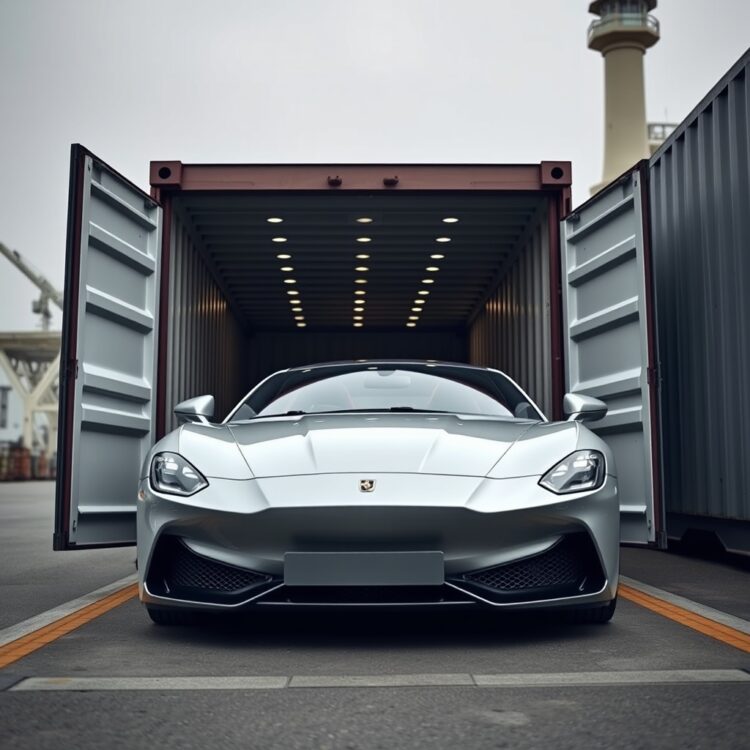
Importing luxury cars into Pakistan is fraught with challenges. High taxes and duties are just the beginning—logistical hurdles like shipping costs and customs clearance add to the burden. Importers must also contend with fluctuating exchange rates, which can dramatically affect pricing. For instance, a weakening rupee against the dollar can make imports prohibitively expensive overnight.
Another major issue is the lack of financing options. Most banks are reluctant to offer loans for luxury cars, forcing buyers to pay upfront. This limits the market to cash-rich individuals, excluding many potential buyers. Additionally, the absence of reliable after-sales services and spare parts further deters prospective owners, making the luxury car market a high-risk, high-reward venture.
The Future of Luxury Cars in Pakistan
As we look ahead, the future of luxury cars in Pakistan is poised for transformation. With increasing environmental awareness, the shift towards electric vehicles (EVs) is gaining momentum. Brands like Tesla and BMW are eyeing the Pakistani market, offering eco-friendly alternatives. However, the high cost of EVs, coupled with limited charging infrastructure, remains a hurdle. Despite this, the demand for luxury cars continues to rise, driven by a growing affluent class eager to embrace cutting-edge technology and sustainability.
Local assembly initiatives could also play a pivotal role in reducing costs. If the government incentivises manufacturers to set up plants in Pakistan, we might see a drop in prices. For now, though, the market remains dominated by imports, keeping luxury cars out of reach for many. The future hinges on policy reforms and technological advancements, making luxury cars more accessible while aligning with global trends.
How Luxury Cars Are Viewed in Pakistan
In Pakistan, luxury cars are more than just vehicles—they’re status symbols. Owning a Mercedes-Benz or a BMW signifies success and prestige. The cultural fascination with high-end cars is deeply rooted, often overshadowing practical considerations like fuel efficiency or maintenance costs. For many, it’s about making a statement, and this perception fuels the demand despite the exorbitant prices.
Interestingly, the younger generation is redefining this narrative. While they appreciate luxury, they’re also mindful of sustainability and value for money. Brands that balance opulence with innovation, like electric luxury cars, are gaining traction. The evolving mindset suggests a future where luxury isn’t just about flaunting wealth but also about embracing smart, forward-thinking choices.
The Economic Impact of Luxury Cars
The luxury car market significantly impacts Pakistan’s economy, albeit in a niche way. Import duties and taxes on these vehicles contribute substantial revenue to the national exchequer. However, the high costs also mean that only a small segment of the population participates in this market, limiting its broader economic benefits. The government’s reliance on these taxes creates a paradox: while it generates income, it also perpetuates exclusivity.
On the flip side, the luxury car industry creates jobs, from dealerships to maintenance services. If local assembly becomes viable, the economic ripple effect could be substantial, fostering skill development and industrial growth. For now, though, the sector remains a high-revenue, low-volume segment, reflecting the broader inequalities in Pakistan’s economic landscape.
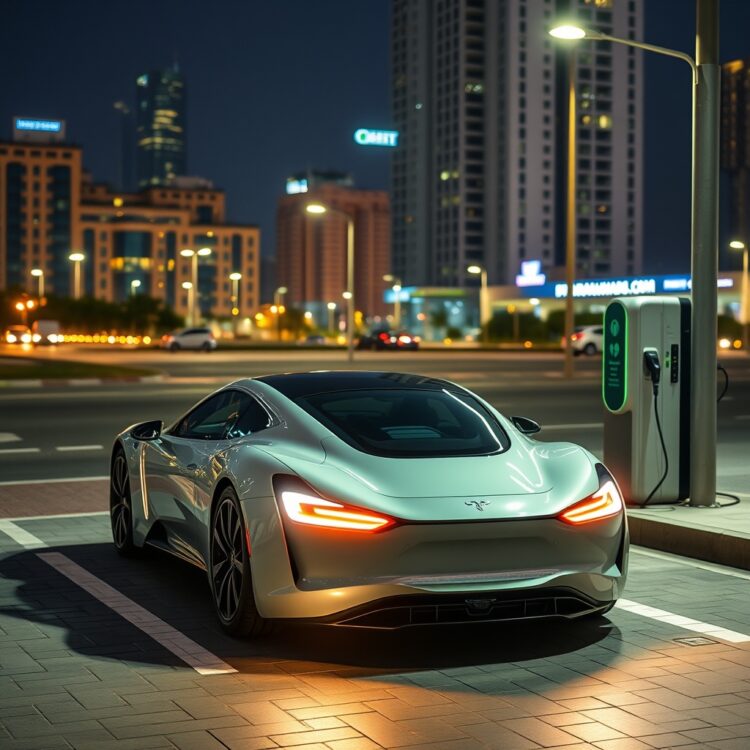
Popular Luxury Car Brands in Pakistan
When it comes to luxury cars in Pakistan, a few names dominate the scene. Mercedes-Benz, BMW, and Audi are the top contenders, revered for their performance and prestige. These brands have established a strong presence, with dedicated dealerships and service centres. Their popularity isn’t just about the cars themselves but also the lifestyle they represent, appealing to Pakistan’s elite.
Japanese brands like Lexus are also making waves, offering reliability alongside luxury. Meanwhile, the emergence of electric models from Tesla and others is slowly reshaping preferences. Despite the high costs, these brands continue to thrive, thanks to a loyal customer base that values quality and exclusivity. The competition among them ensures that the market remains dynamic, with each vying to outdo the other in innovation and customer experience.
The Process of Importing Luxury Cars to Pakistan
Importing luxury cars into Pakistan is no walk in the park. The process is riddled with bureaucratic hurdles, hefty taxes, and complex customs regulations. First, you need to ensure the car meets Pakistan’s import standards, which often require modifications. Then comes the paperwork—endless forms, approvals, and inspections. It’s a maze that only the most determined (or well-connected) can navigate smoothly.
Once the car clears customs, the real fun begins. You’ll face import duties that can double the car’s original price. Add to that sales tax, income tax, and other levies, and suddenly that dream car feels like a financial nightmare. For those who manage to pull it off, the reward is a rare gem on Pakistani roads—but at what cost?
Alternatives to Importing Luxury Cars
Local Assembly Options
If importing seems too daunting, local assembly might be the way to go. Some luxury brands have started assembling cars in Pakistan to avoid import duties. While the options are limited, this route can save you a fortune. However, don’t expect the same level of customisation or the latest models. It’s a trade-off between affordability and exclusivity.
Local assembly also supports the economy, creating jobs and boosting the automotive sector. But let’s be honest—most luxury car enthusiasts crave the prestige of an imported model. Still, for the pragmatic buyer, local assembly offers a viable alternative without breaking the bank.
Pre-owned Luxury Cars
Another smart alternative is buying pre-owned luxury cars. The market for used luxury vehicles in Pakistan is thriving, offering top-tier models at a fraction of the price. Many of these cars are imported by expats or sold by elites upgrading their rides. With proper due diligence, you can snag a well-maintained gem without the import headaches.
Of course, there are risks—hidden defects, dubious histories, and the lack of warranties. But for those willing to take the plunge, pre-owned luxury cars provide an affordable entry into the world of high-end motoring. It’s all about balancing risk and reward.
The Environmental Impact of Luxury Cars in Pakistan
Luxury cars are synonymous with power and performance, but they also come with a hefty environmental footprint. High fuel consumption and emissions make them a contentious choice in a country grappling with pollution and climate change. While electric luxury cars are gaining traction globally, Pakistan’s infrastructure isn’t quite ready to support them.
For now, luxury car owners in Pakistan must grapple with the ethical dilemma of driving gas-guzzlers. Some opt for hybrid models, but these are rare and expensive. Until greener alternatives become mainstream, the environmental cost of luxury cars remains a pressing issue.
Frequently Asked Questions
Why are luxury cars so expensive in Pakistan?
Luxury cars in Pakistan are expensive due to high import duties, taxes, and customs regulations. These costs can double or even triple the original price of the car, making them unaffordable for most.
Are there any locally assembled luxury cars in Pakistan?
Yes, a few luxury brands offer locally assembled models to avoid import duties. However, the options are limited, and the models may not be as customisable or up-to-date as imported ones.
Is buying a pre-owned luxury car a good idea?
Buying a pre-owned luxury car can be a smart move if you do thorough research. Look for well-maintained models with clear histories to avoid costly repairs down the line.
What is the environmental impact of luxury cars in Pakistan?
Luxury cars contribute to pollution due to high fuel consumption and emissions. While hybrid and electric options exist, they are rare and expensive in Pakistan’s current market.